Fresh Lenses



1. The Global Landscape of Prescription Lens & Contact Lens Export
Analyzing structural demand, regulatory standards, and spatial clusters in corrective ocular lens manufacturing.
The global corrective vision industry is undergoing an unprecedented technological transformation. As digital device usage increases worldwide, optical correction demand is skyrocketing. Once considered purely clinical devices, prescription contact lenses now intersect with cosmetic enhancements. This hybrid demand has catalyzed a high-growth market segment: corrective contact lenses with power, ranging from minor myopia control to complex multi-focal designs. Global business enterprises, retail chains, and D2C brands require reliable manufacturing partners capable of combining scientific precision with efficient production schedules.
International sourcing of prescription contact lenses requires navigating a complex regulatory landscape. Exporting these class II and class III medical devices requires adherence to international quality management guidelines. Importers in major consumption hubs such as North America, Europe, and the Middle East rely heavily on certified suppliers. Compliance with regulatory standards such as ISO 13485 (Medical Devices Quality Management Systems), the European CE Mark, and FDA registrations represents the baseline barrier to entry for any exporter aiming to serve global distribution networks.
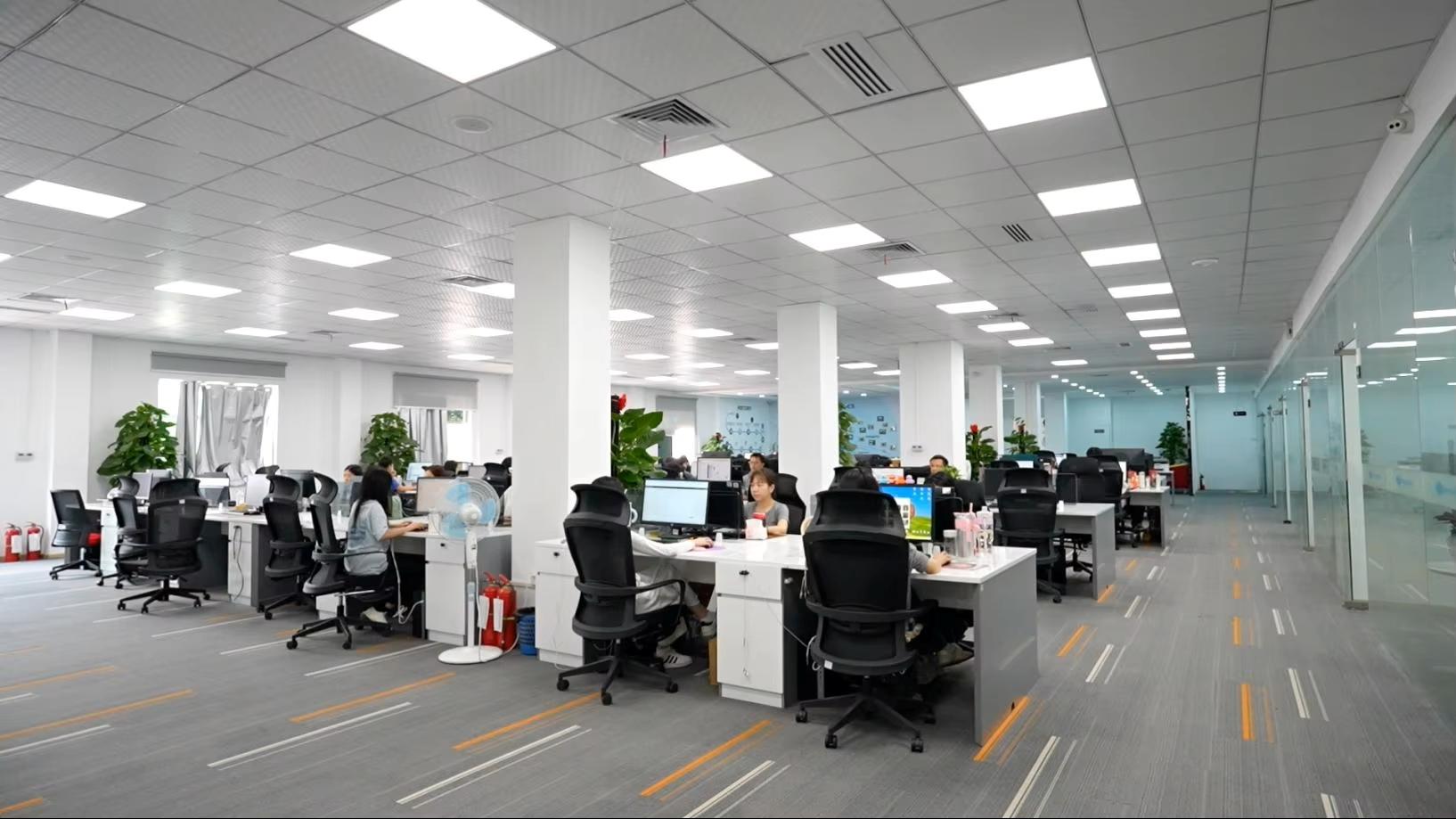
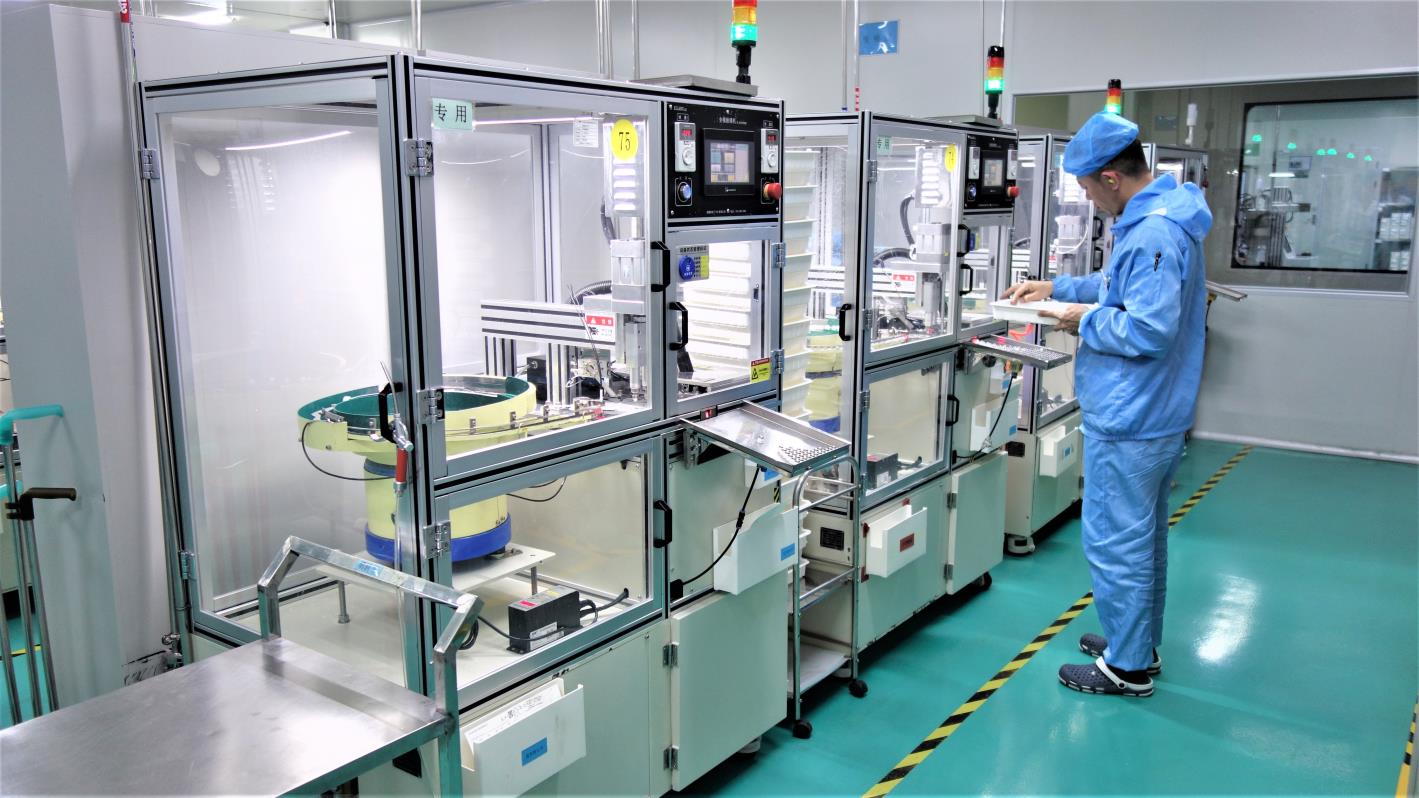
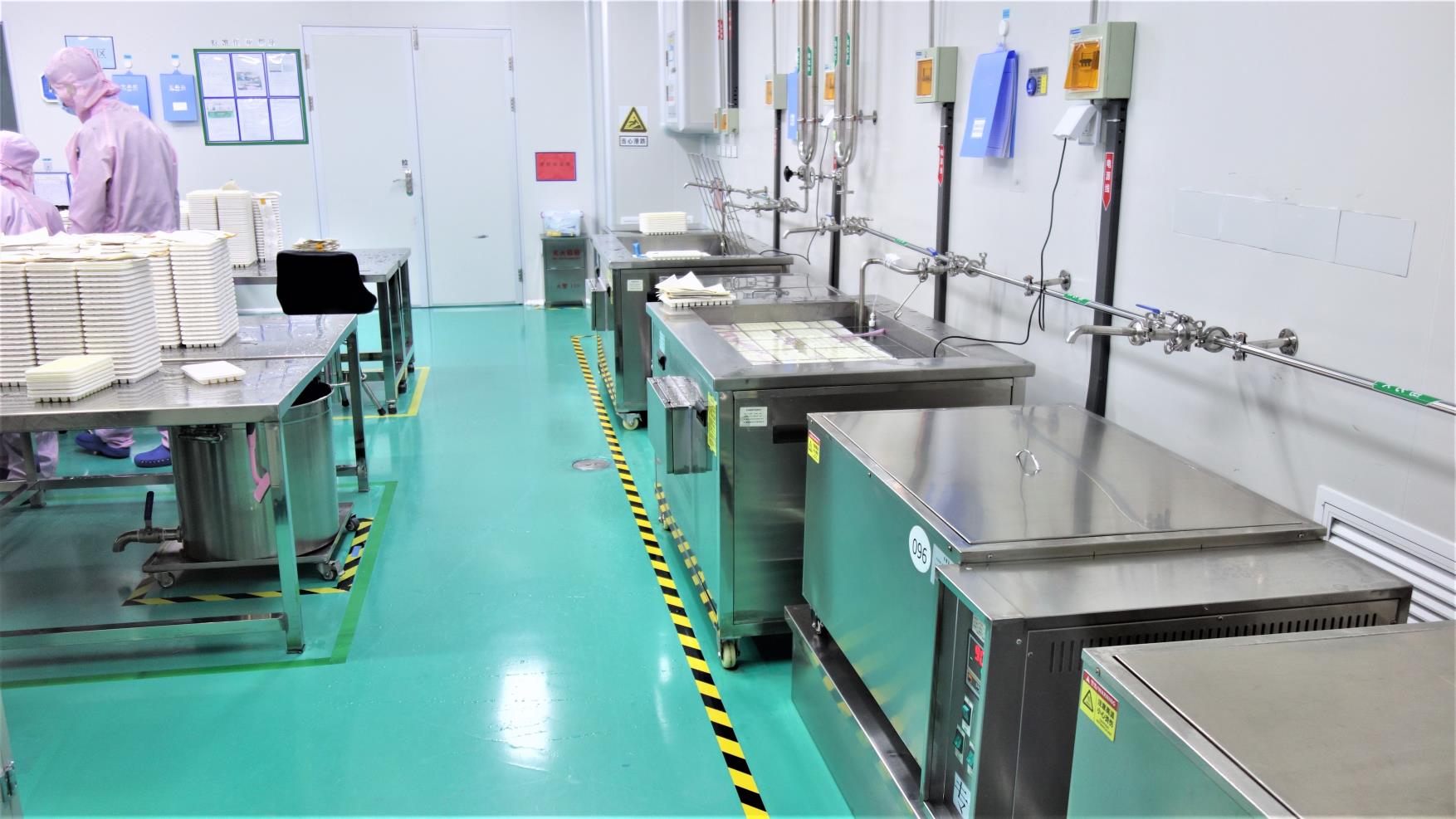
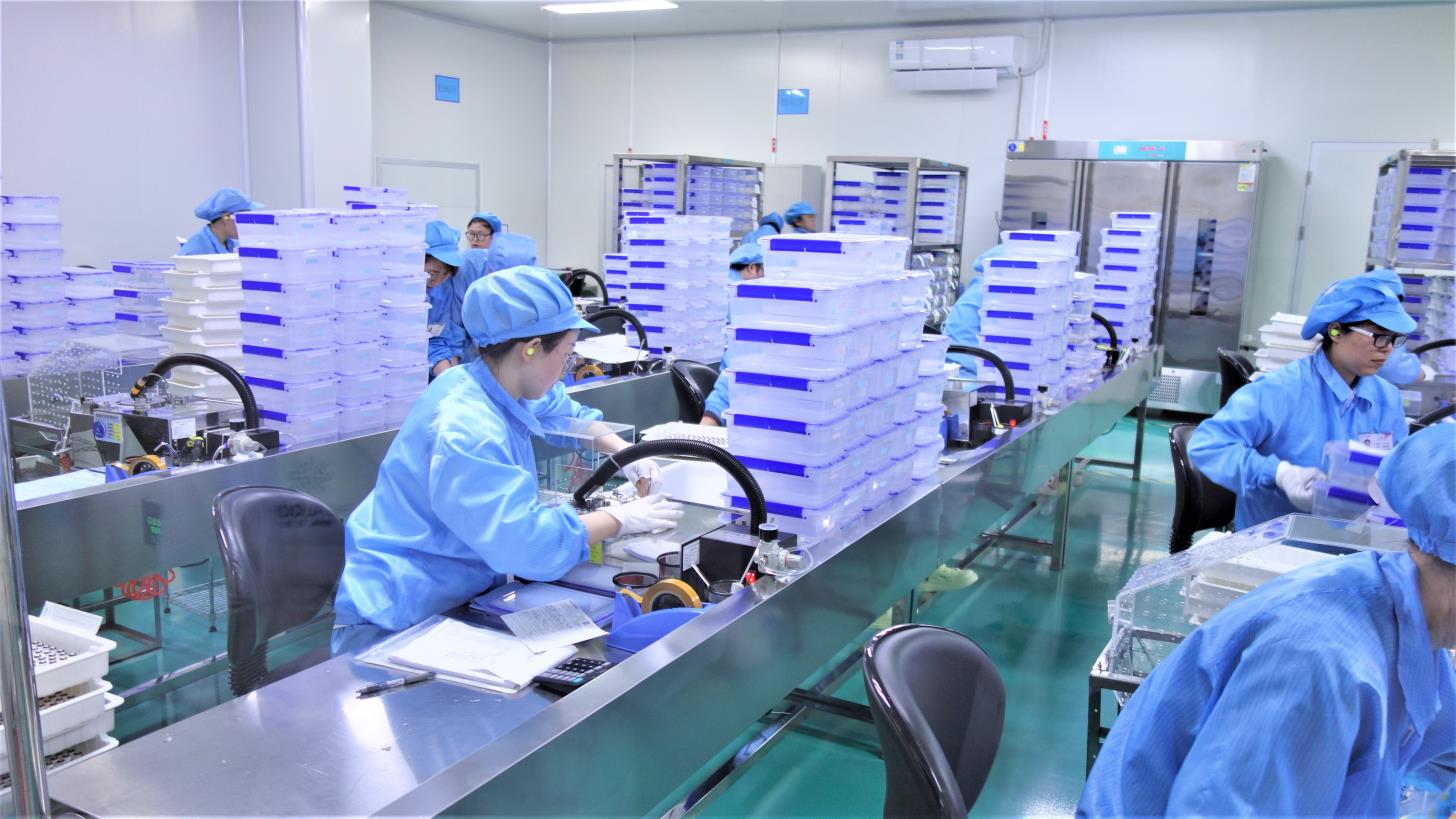
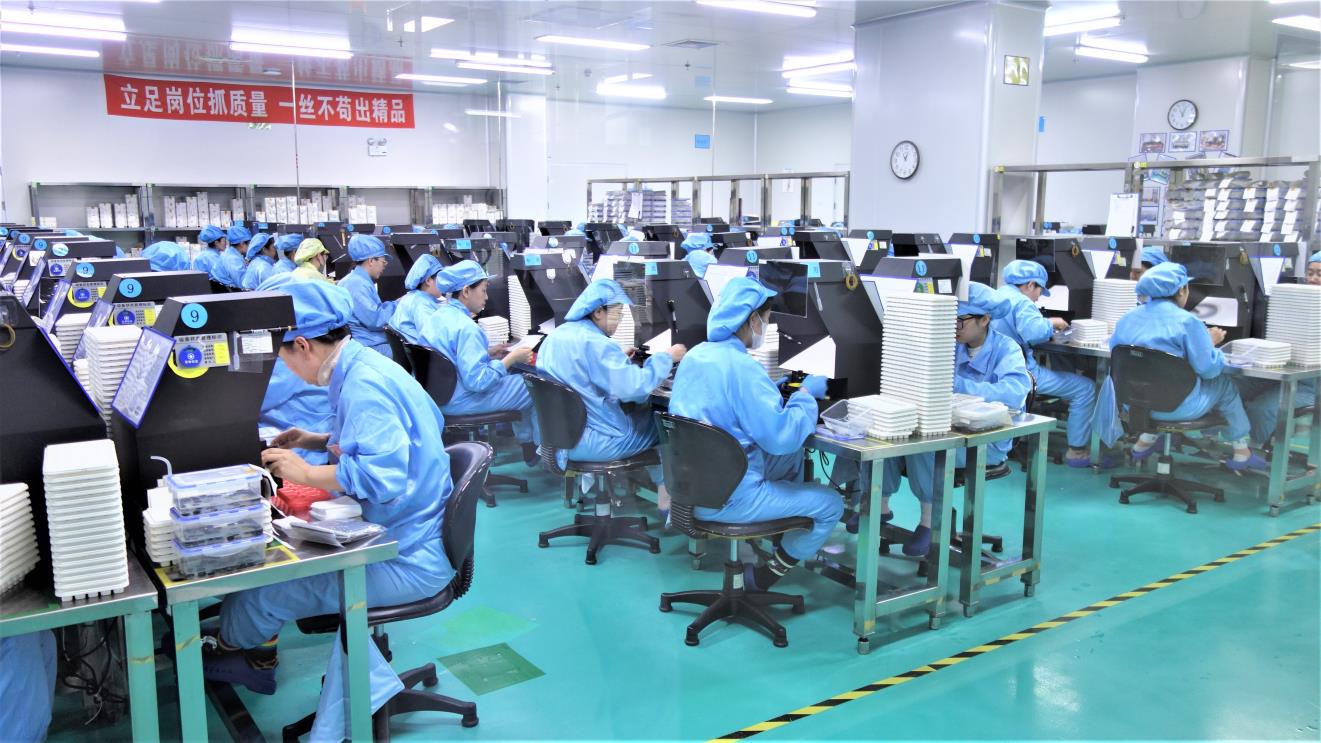
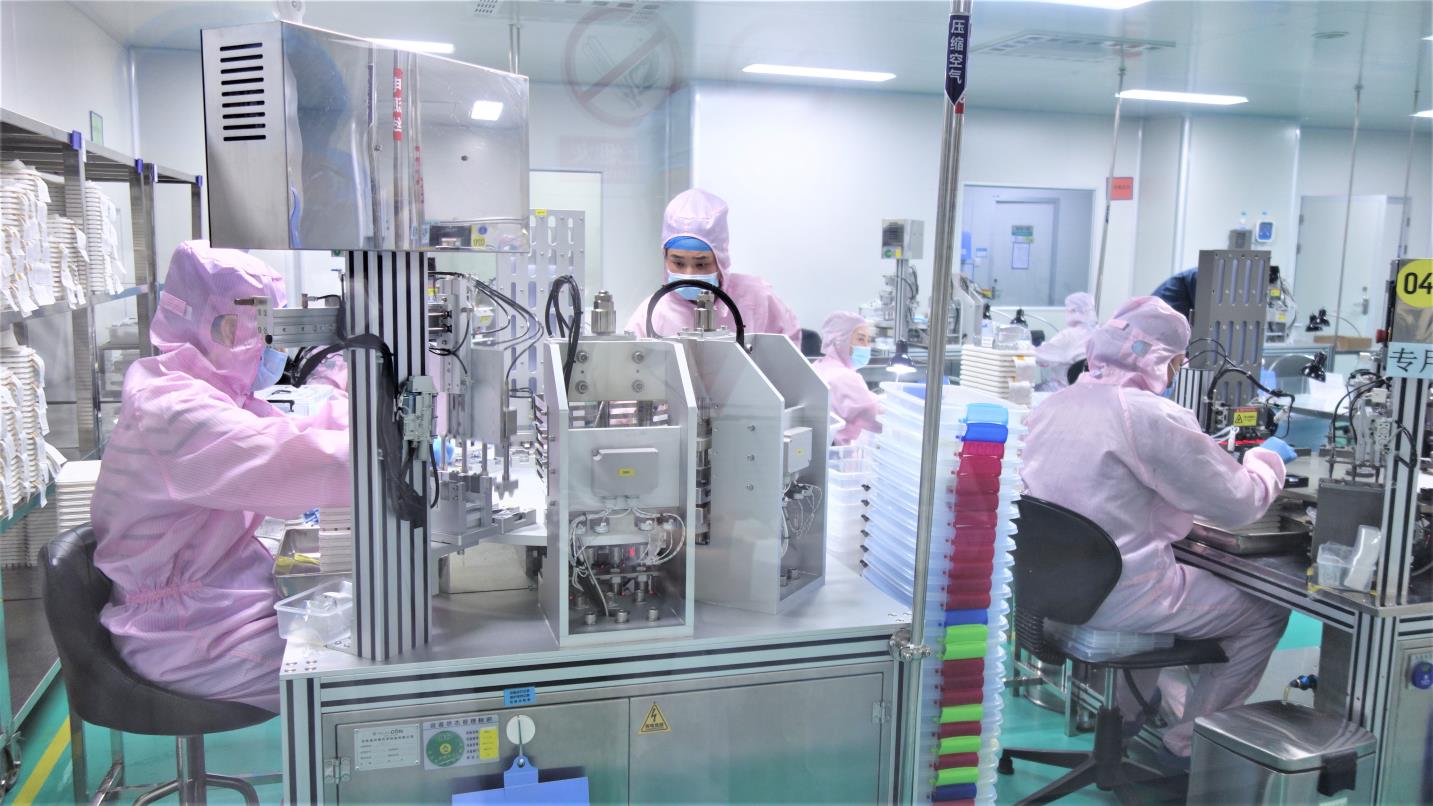
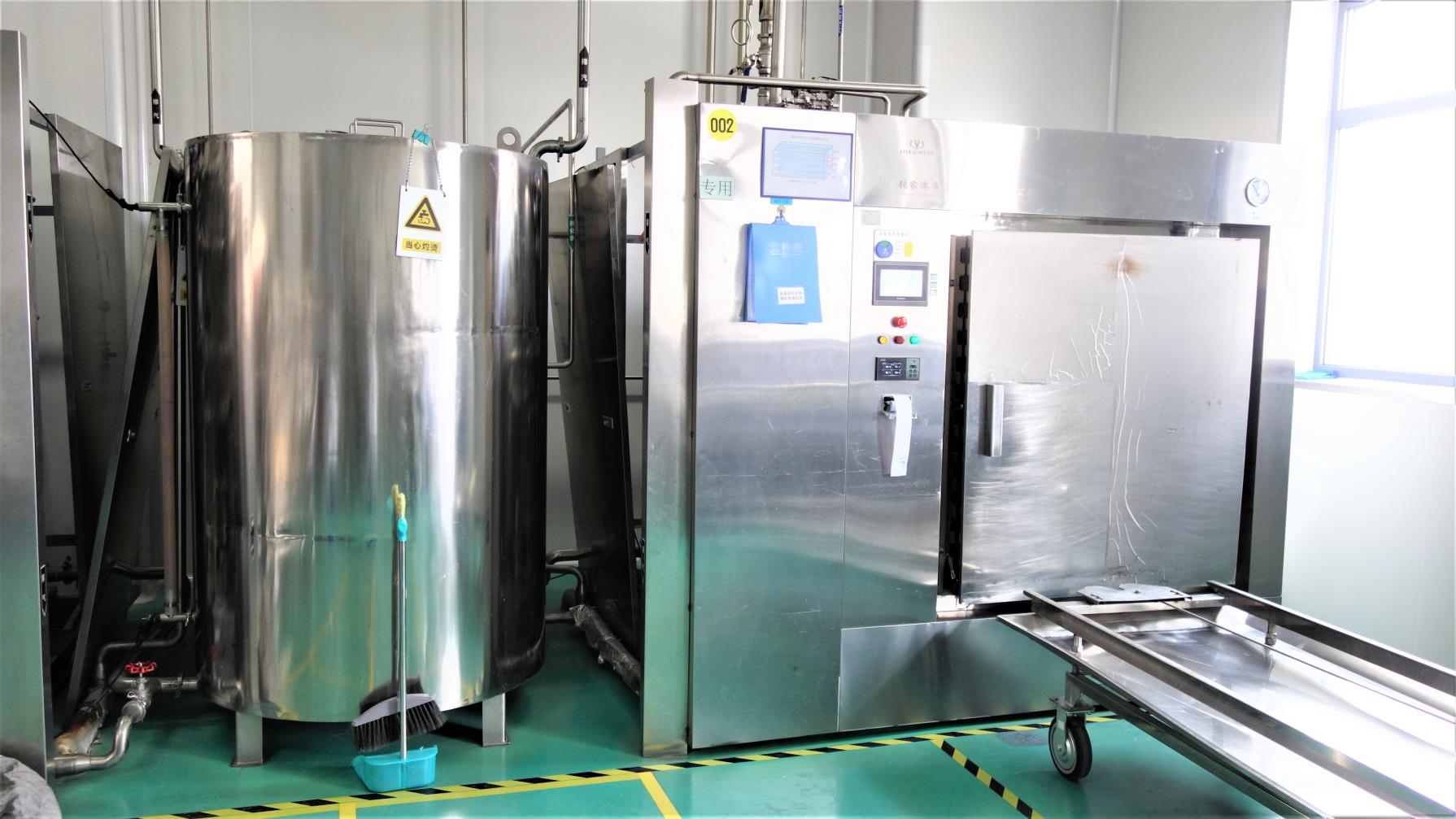
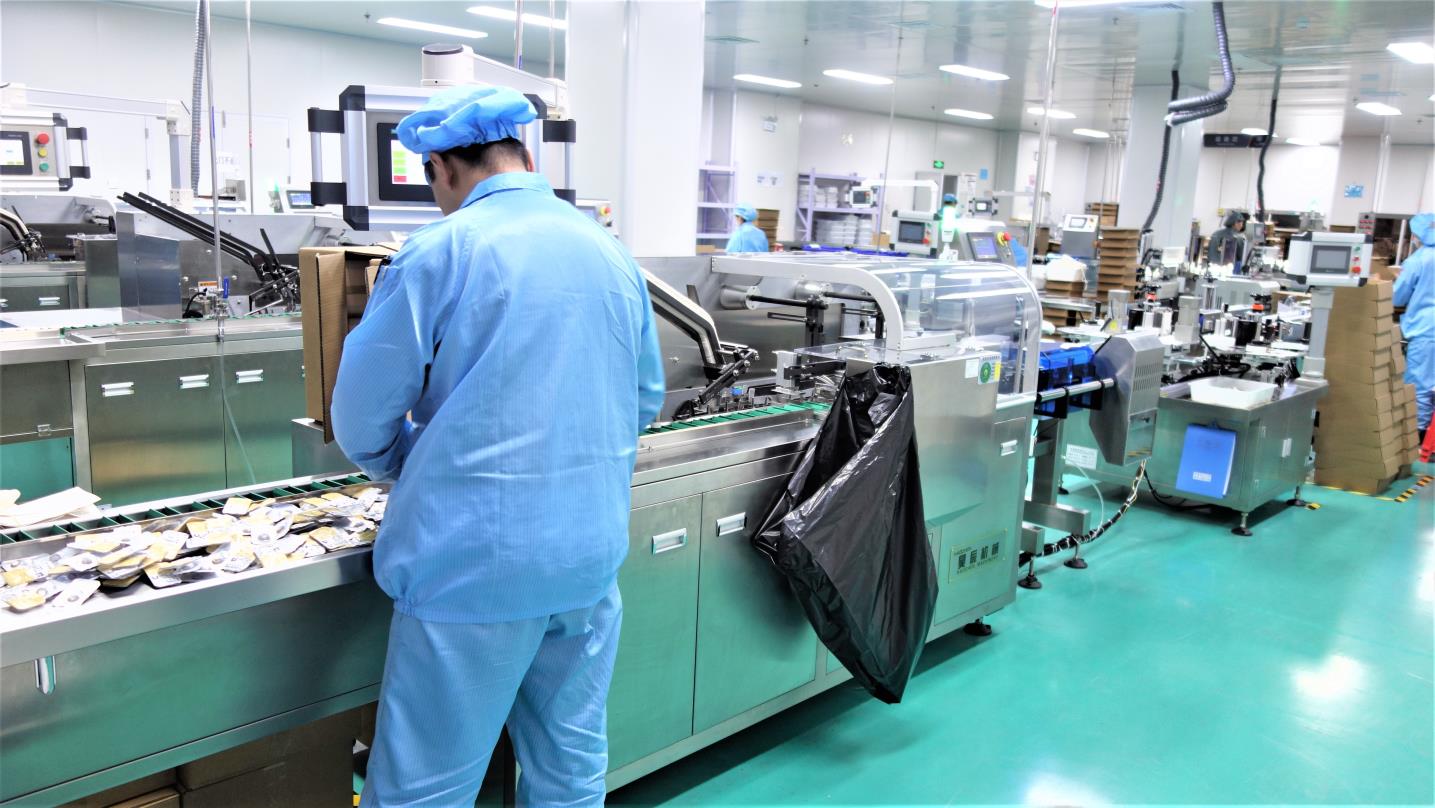
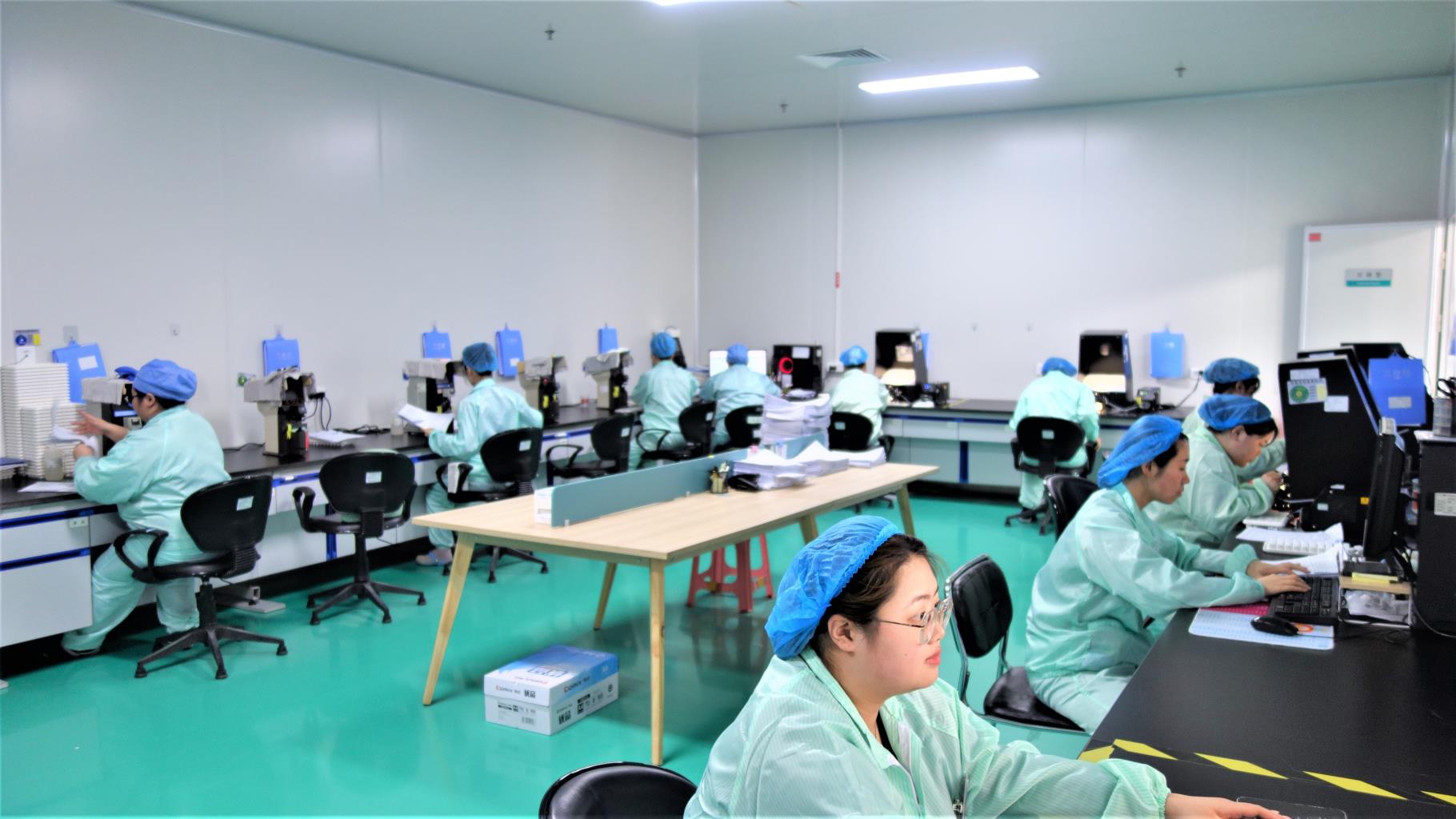
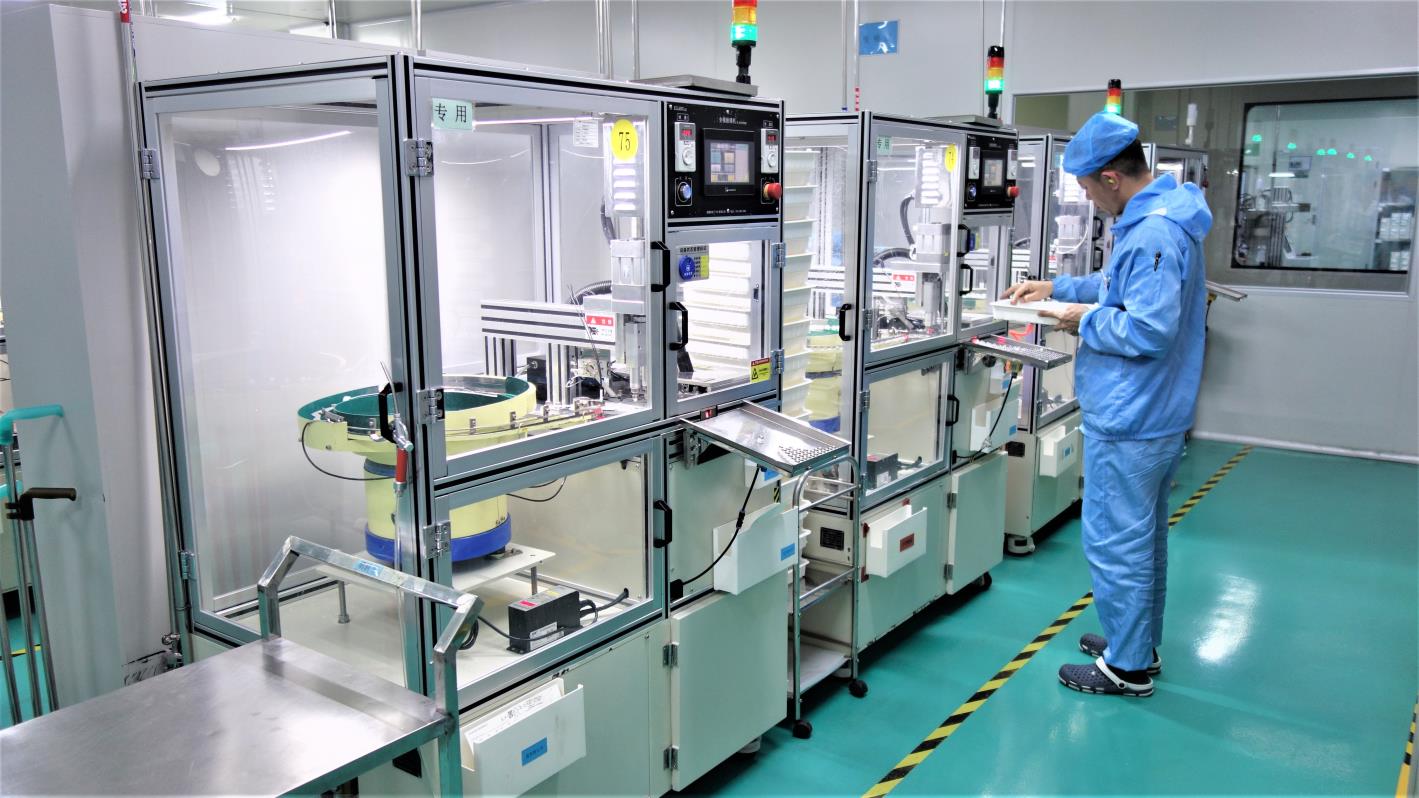
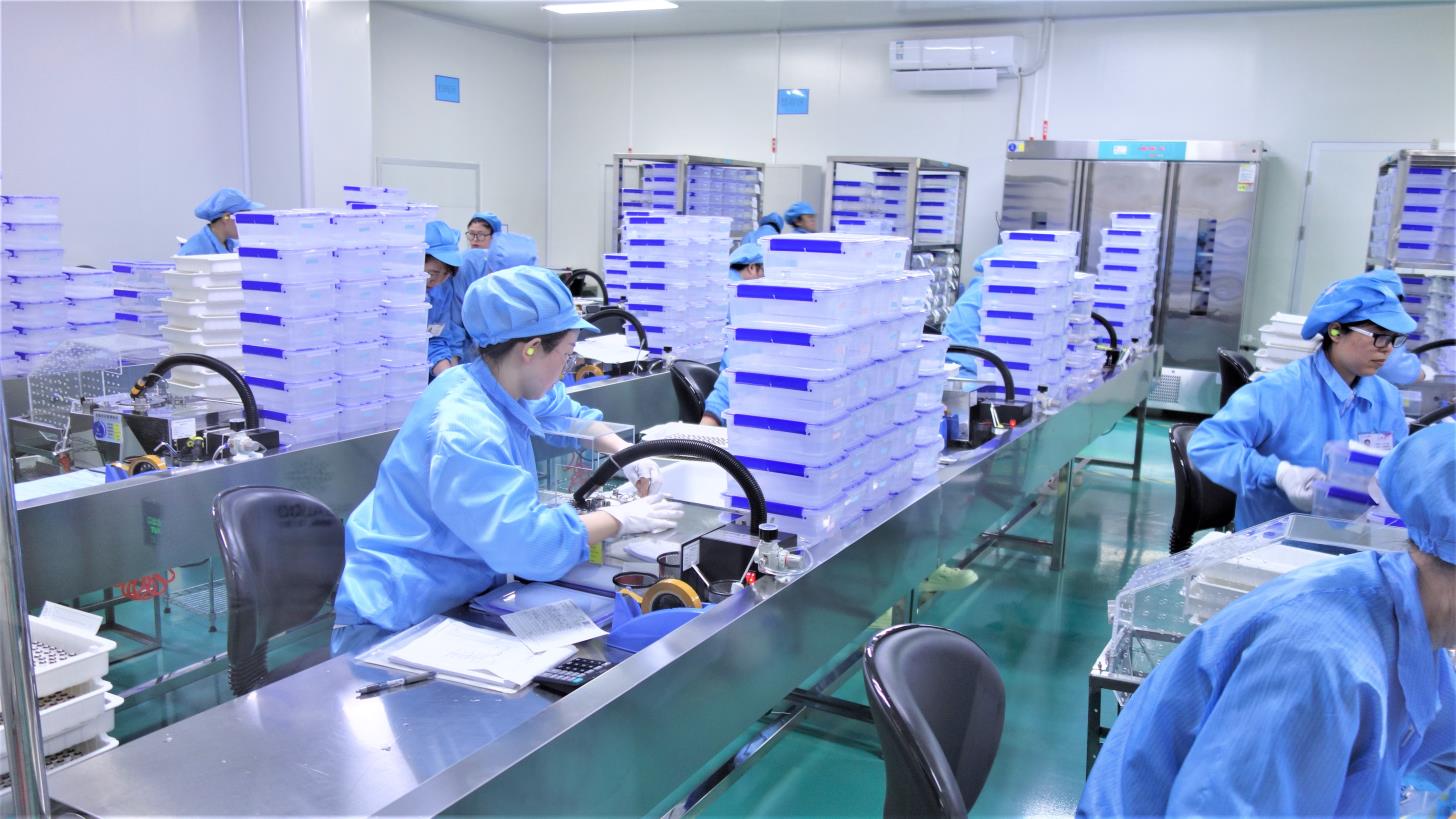
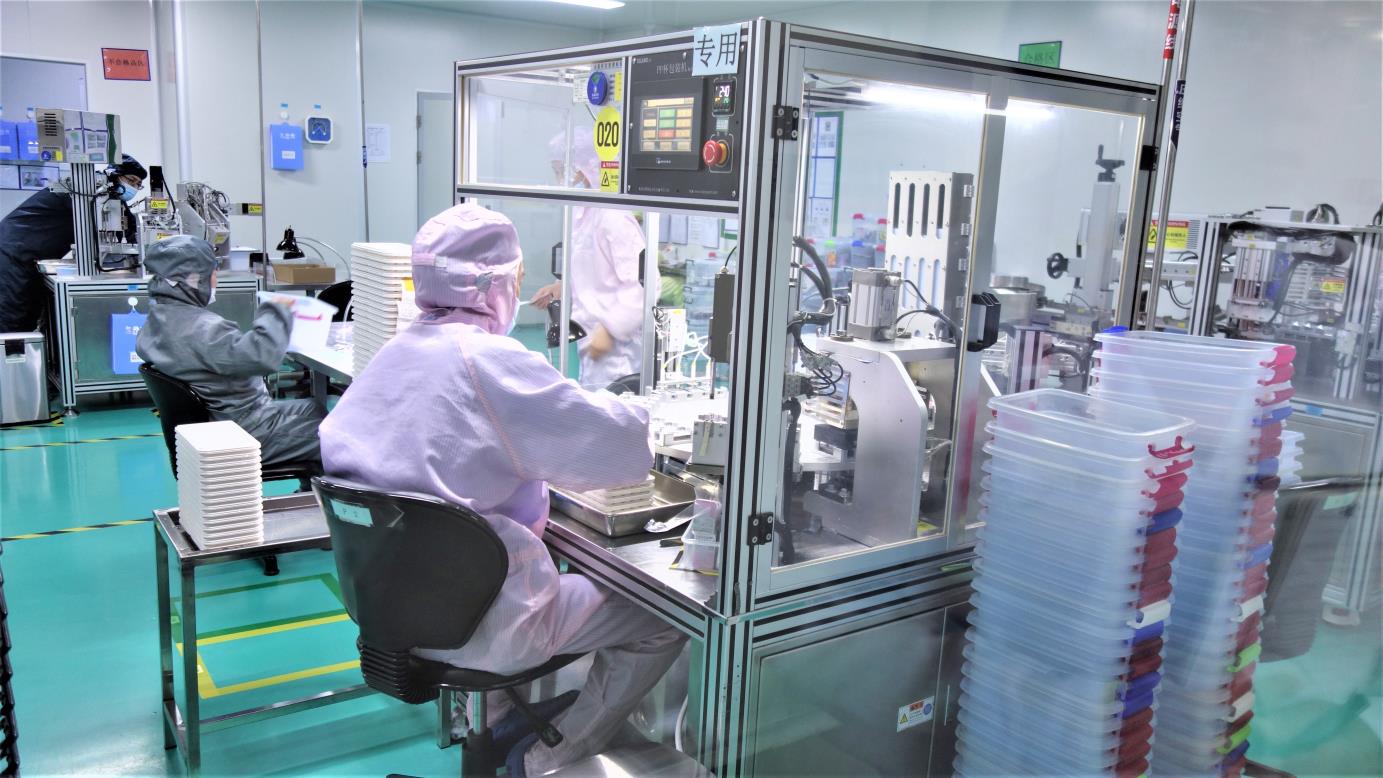
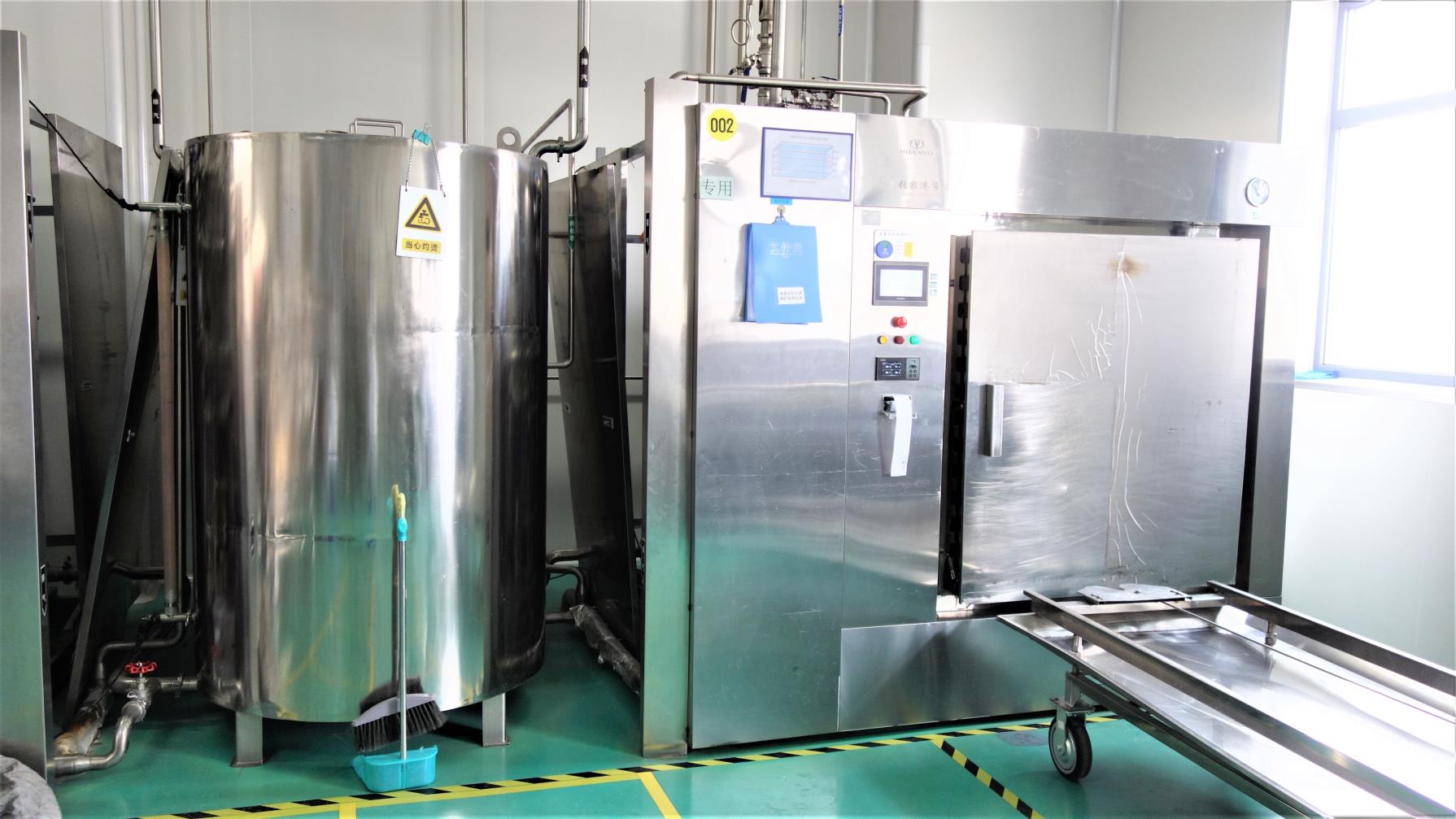
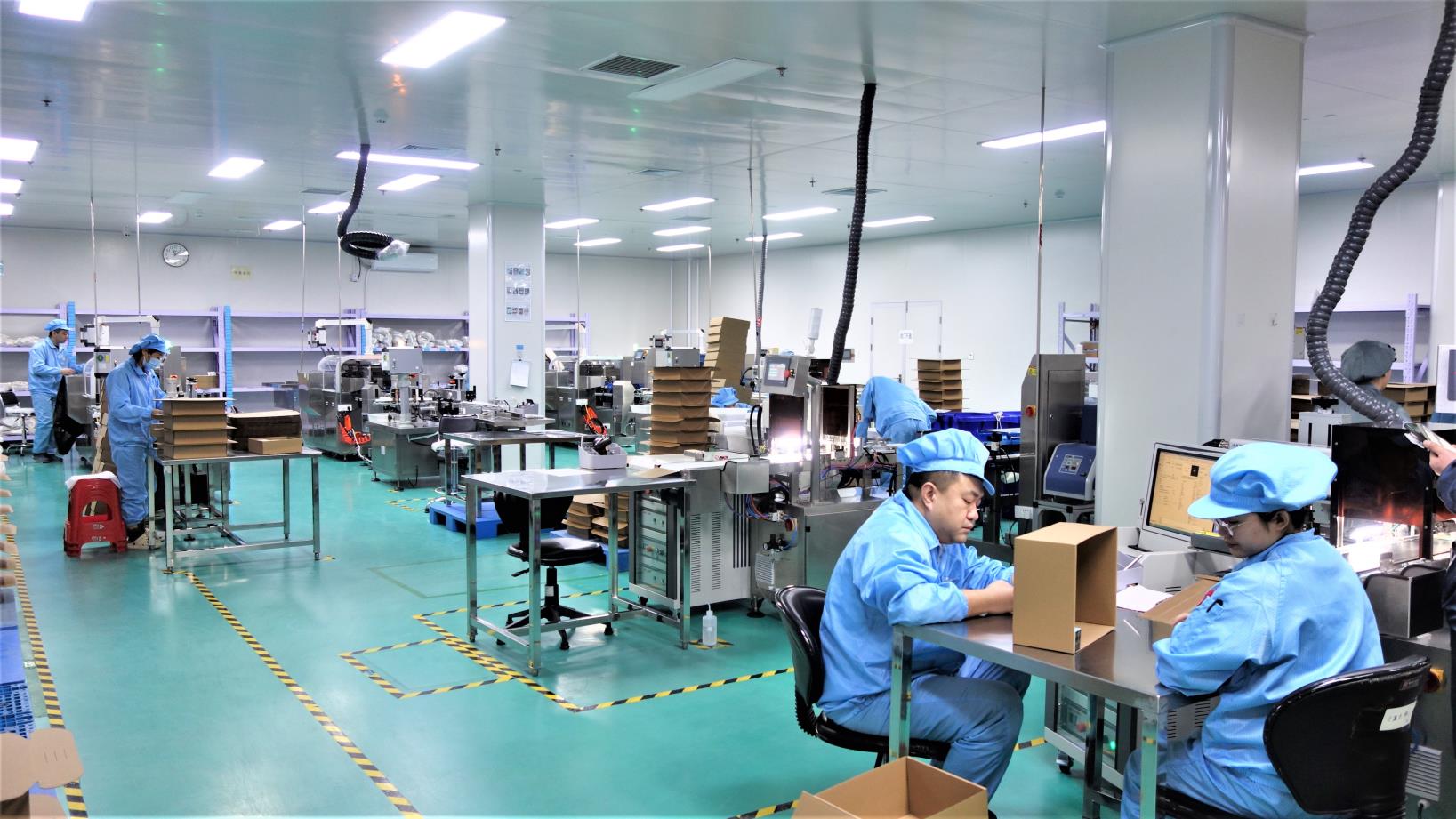
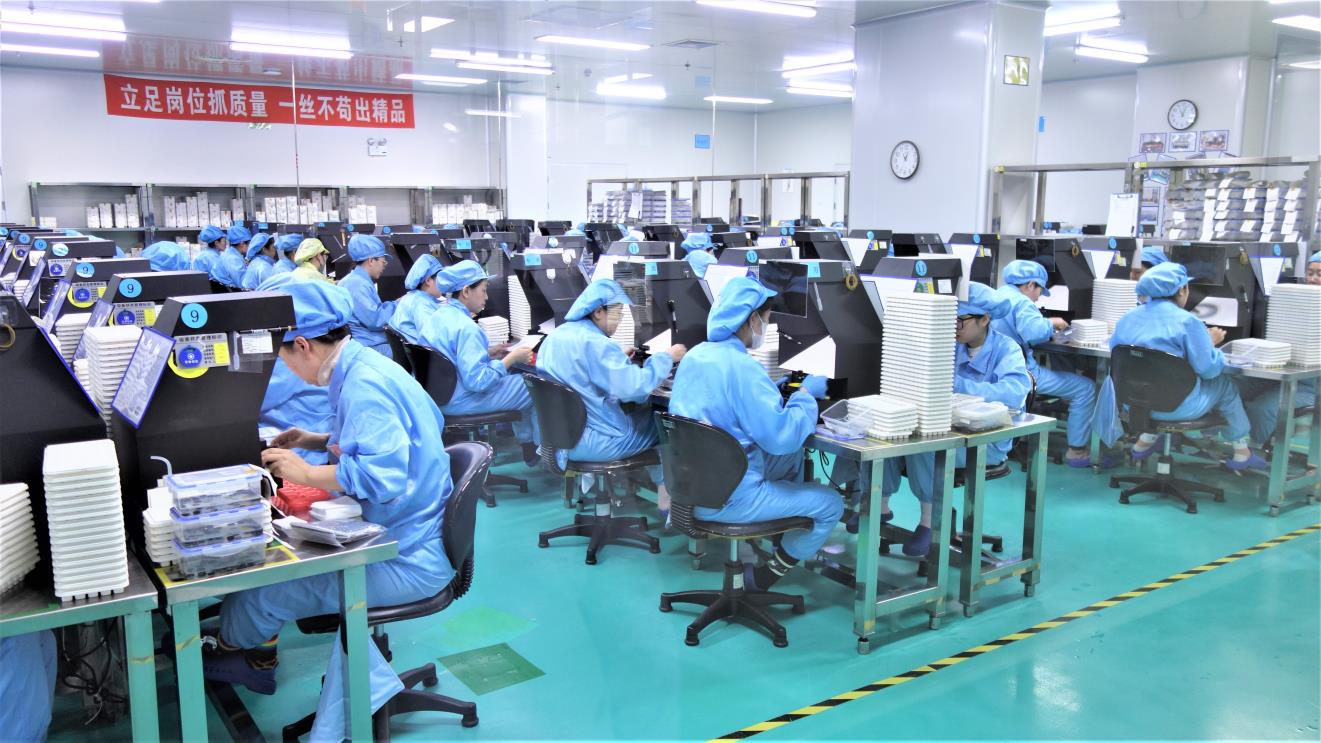
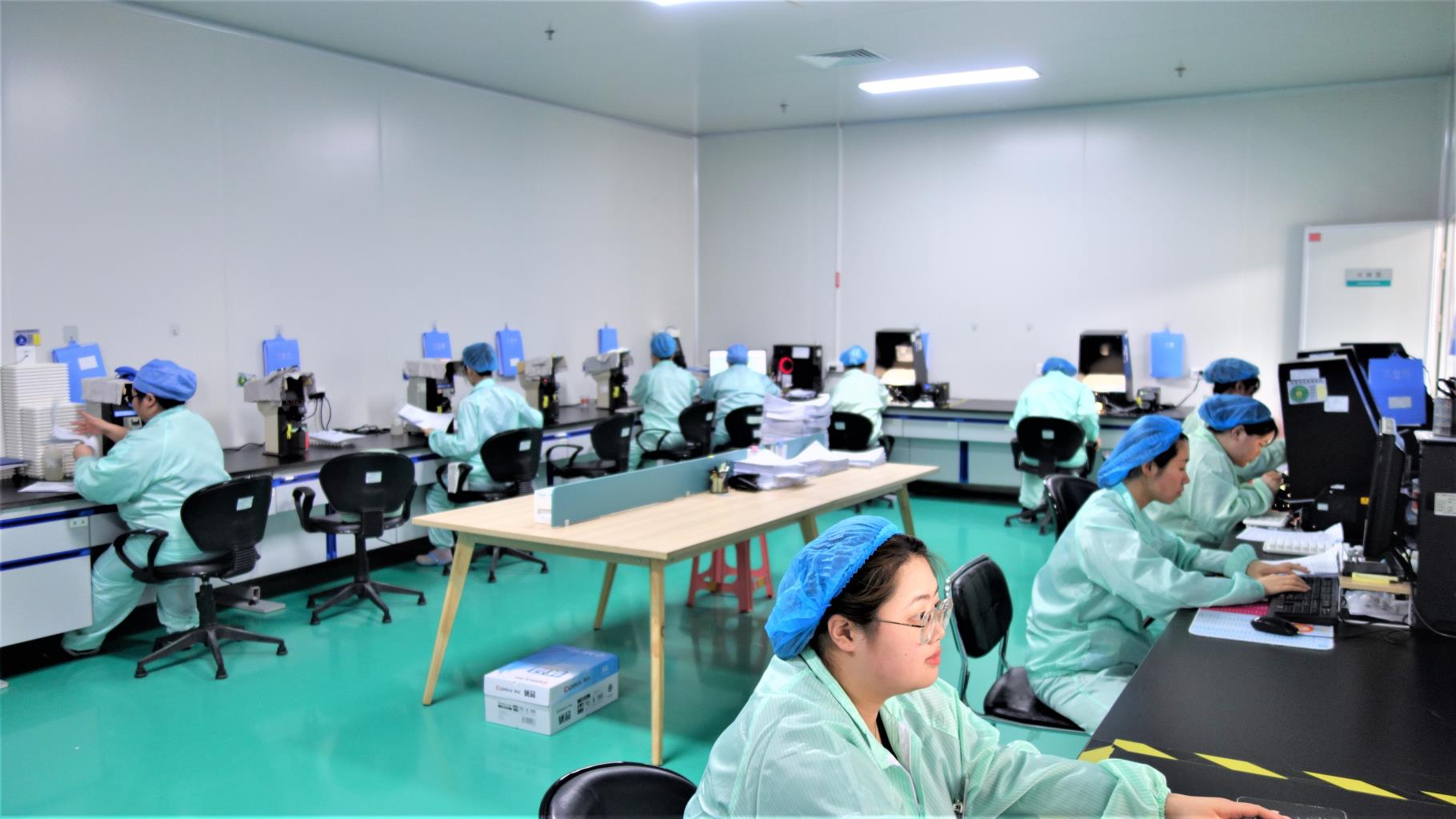
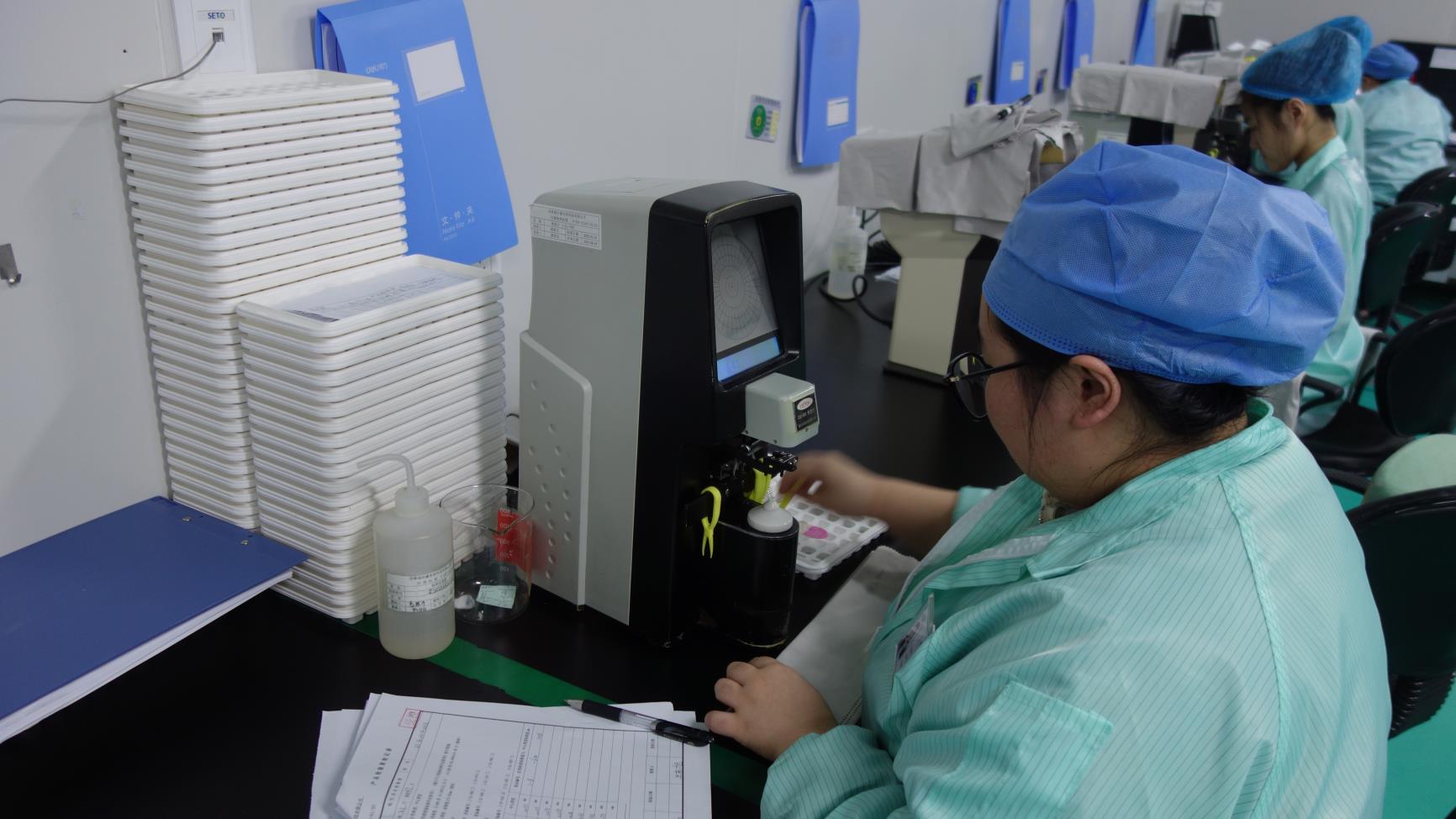
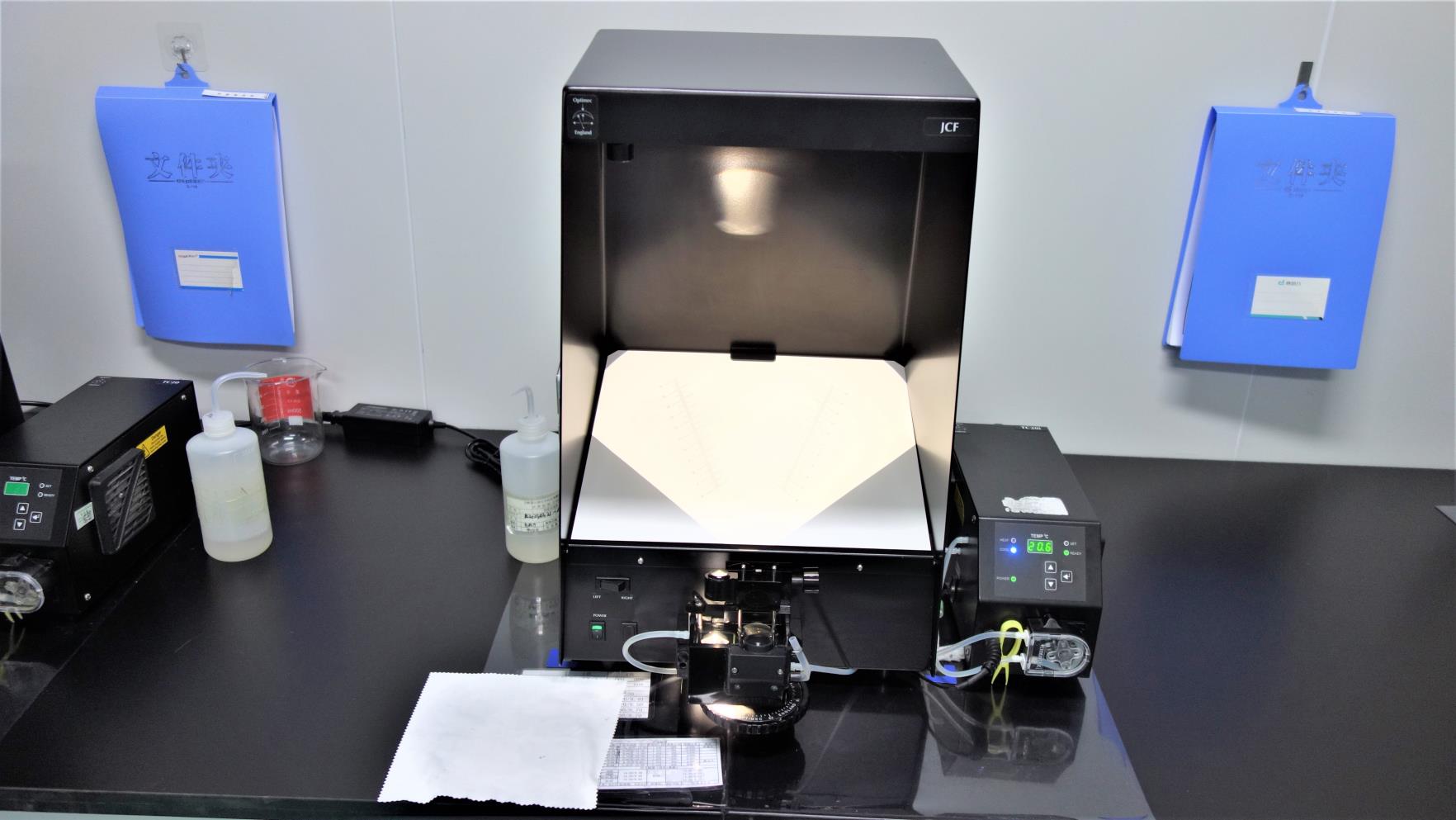
Within this globalized supply chain, manufacturers located in southern China's industrial zones, particularly in Shenzhen, have emerged as primary sourcing partners. These facilities offer an efficient combination of specialized engineering expertise, advanced automation, and established raw material supply lines. By integrating high-precision mold fabrication, automated injection curing, and rigorous quality check protocols, these factories provide global brands with cost-efficiency, reliable quality, and customizable packaging solutions.