Fresh Lenses
Fresh Lenses
Fresh Lenses
Explore our top-tier export collection. Every lens series undergoes strict clean-room sterilization, features high moisture-locking matrices, and complies with international medical standards.

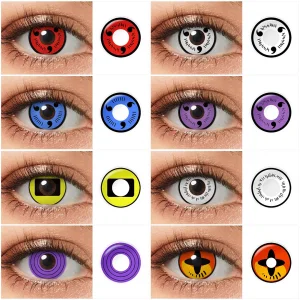
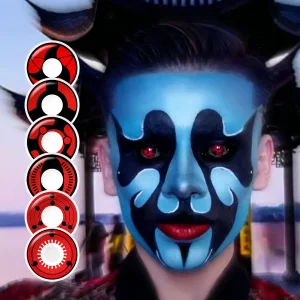
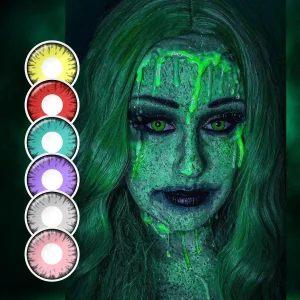
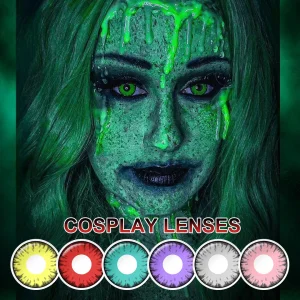
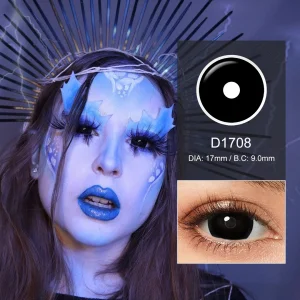
The specialized contact lens market has evolved from a niche holiday product into a multi-billion dollar industrial sector. Spurred by the rapid growth of theatrical cinema, streaming platforms, and competitive gaming/cosplay conventions, demand for high-grade crazy and sclera lenses is rising exponentially.
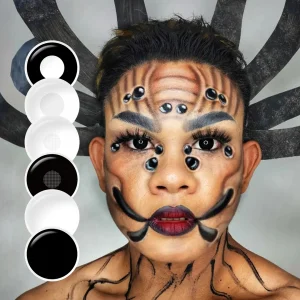
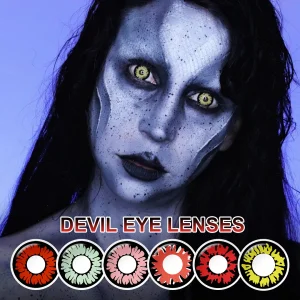
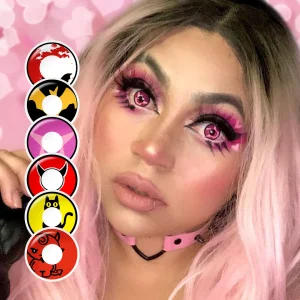
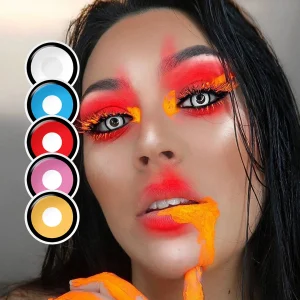
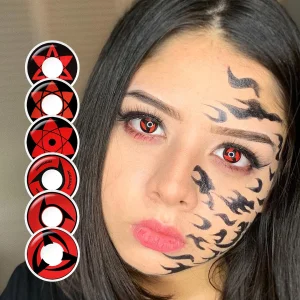
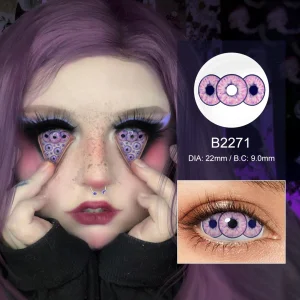
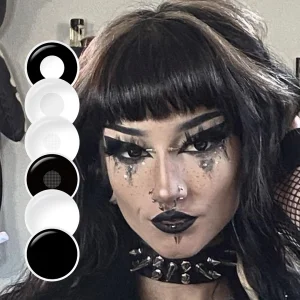
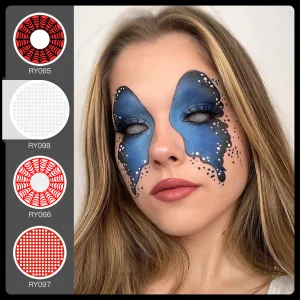
In B2B trading, crazy contact lenses are no longer restricted to seasonal sales in October. The modern consumer segment demands all-year-round availability of intricate designs, including Sharingan patterns, blind-out styles, feline pupillary structures, and 22mm full-sclera variants. This constant demand requires manufacturers to establish highly flexible production systems capable of shifting between high-volume standard runs and customized, low-volume private label productions.
From an regulatory perspective, aesthetic lenses are categorized as Class II or Class III medical devices across various jurisdictions, including the FDA in the United States and the European Medicines Agency (EMA) in Europe. The strict regulatory oversight emphasizes the importance of partnering with verified manufacturers who prioritize raw material traceability, clean-room standards, and rigorous post-production testing. Shenzhen Fresh Vision Co., Ltd. addresses these challenges by offering fully-compliant OEM/ODM services backed by a decade of manufacturing experience.
Specialized aesthetic contact lenses must balance striking visual pigments with corneal health. Below is the industrial standard framework employed by Shenzhen Fresh Vision Co., Ltd.
Our lenses utilize hydrogel-based materials (HEMA/MMA copolymer systems) characterized by high water retention capabilities and balanced oxygen transmission rates (Dk/t), ensuring prolonged wear comfort.
To protect the wearer's cornea, the color pigments are fully encapsulated inside the middle layer of the lens material. No pigment directly touches the eye, preventing abrasion and allergic reactions.
Every batch of raw monomers is fully traceable. Quality control is maintained through 100% inspection processes along our entire manufacturing line, preventing minor microscopic defects from passing through.
With a decade of specialized industrial manufacturing and export services, we empower distributors, wholesalers, and private brands worldwide with safe, customizable contact lenses.
Established on January 26, 2016, Shenzhen Fresh Vision Co., Ltd. operates a state-of-the-art manufacturing facility spanning 1100 square meters. Our operational structure is optimized for international trade compliance, offering multilingual support in Spanish, English, and Chinese.
Our dedicated R&D department features 5 high-caliber specialized engineers (3 holding graduate-level degrees, and 2 junior college engineering degrees) focused on developing biocompatible materials, eye-comfort improvements, and trendy graphic styles. We offer deep customization options, including sample-based processing, technical graphic layout design, and full on-demand custom designs for private brands.
Through systematic quality control, we trace our raw materials back to their base components, conduct comprehensive in-line and end-of-line inspections, and carry out client-specified checks to guarantee the safety of every lens.
Step-by-step documentation of our manufacturing workflow. From polymer demoulding to advanced high-temperature sterilization, we deploy state-of-the-art automated equipment to guarantee premium optical quality.
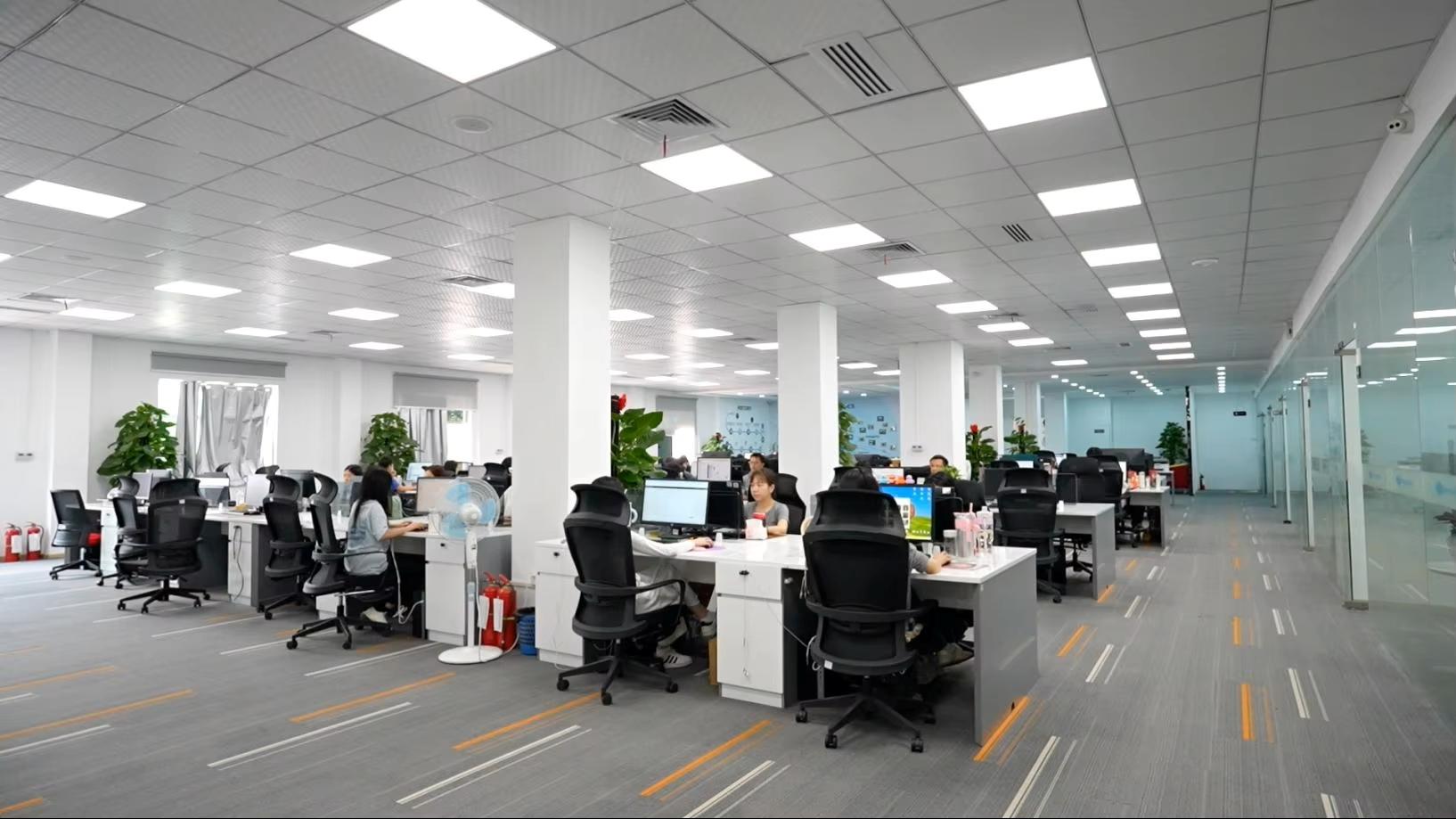
Our cleanroom environment maintains ISO standards for particulate and microbiological control, vital for medical devices.
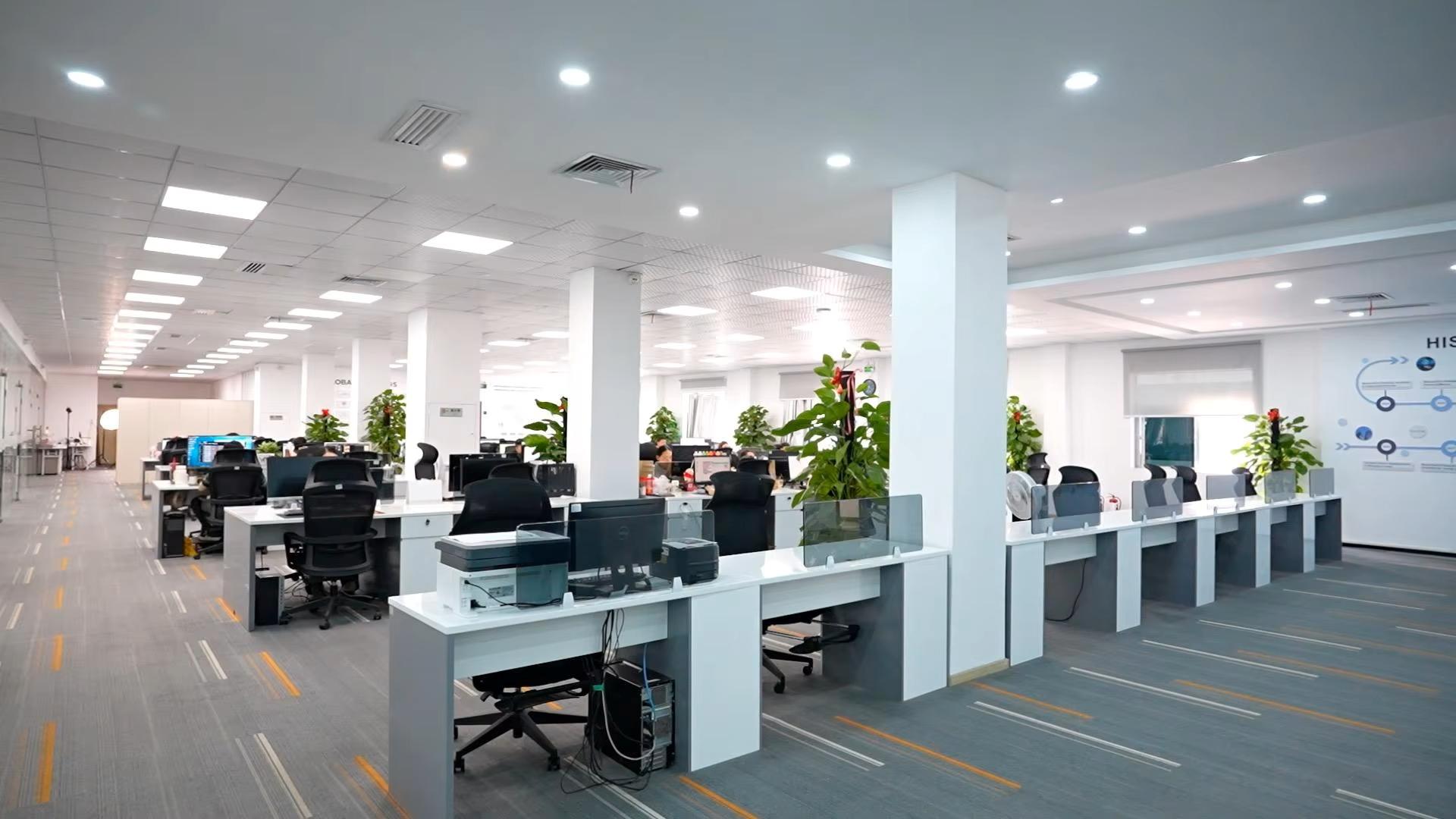
Our high-accuracy molds dictate the exact posterior and anterior curves of the contact lenses, ensuring visual sharpness.
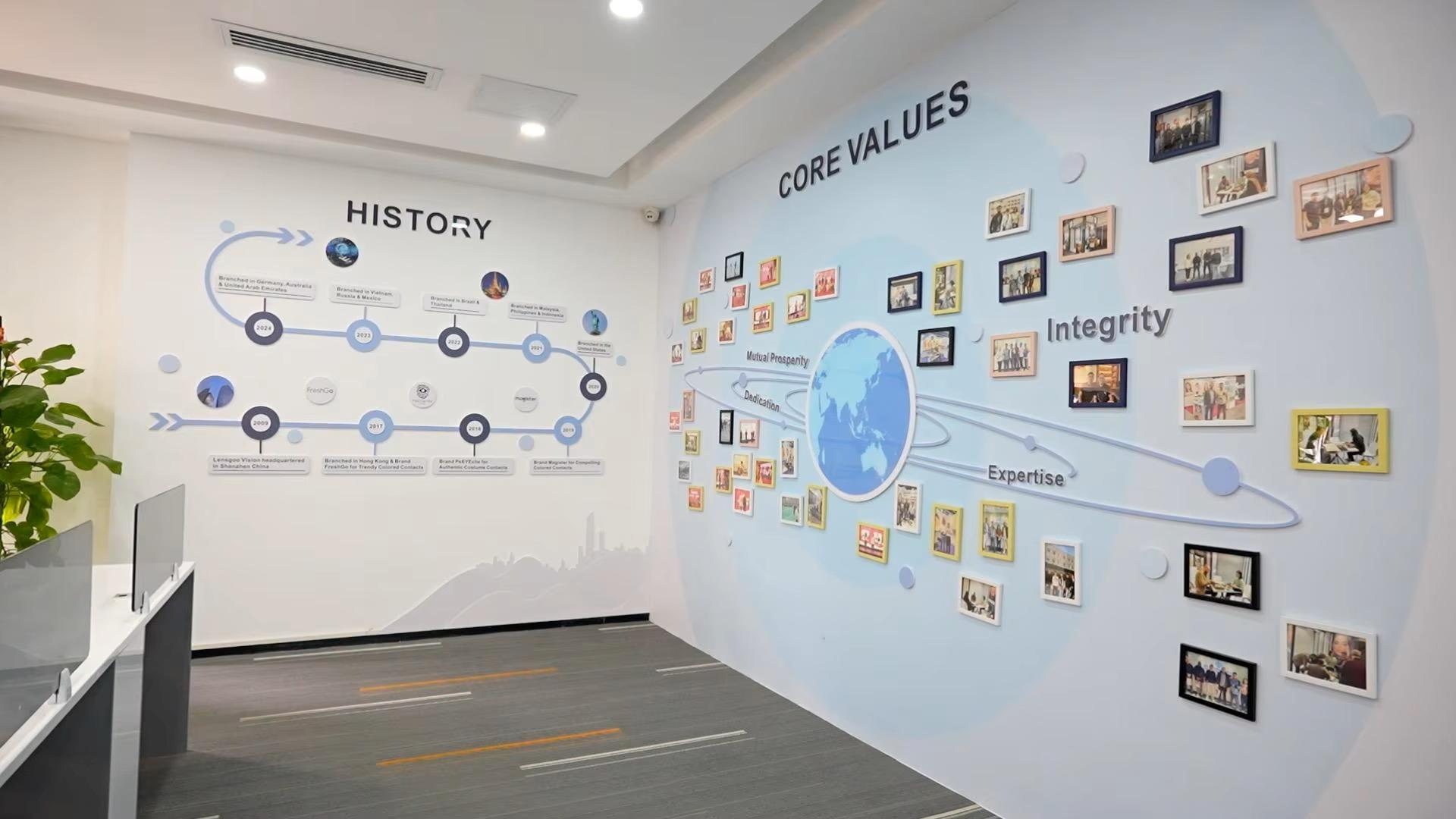
Monomers are cured under precise UV and thermal cycles, producing uniform, high-durability polymer networks.
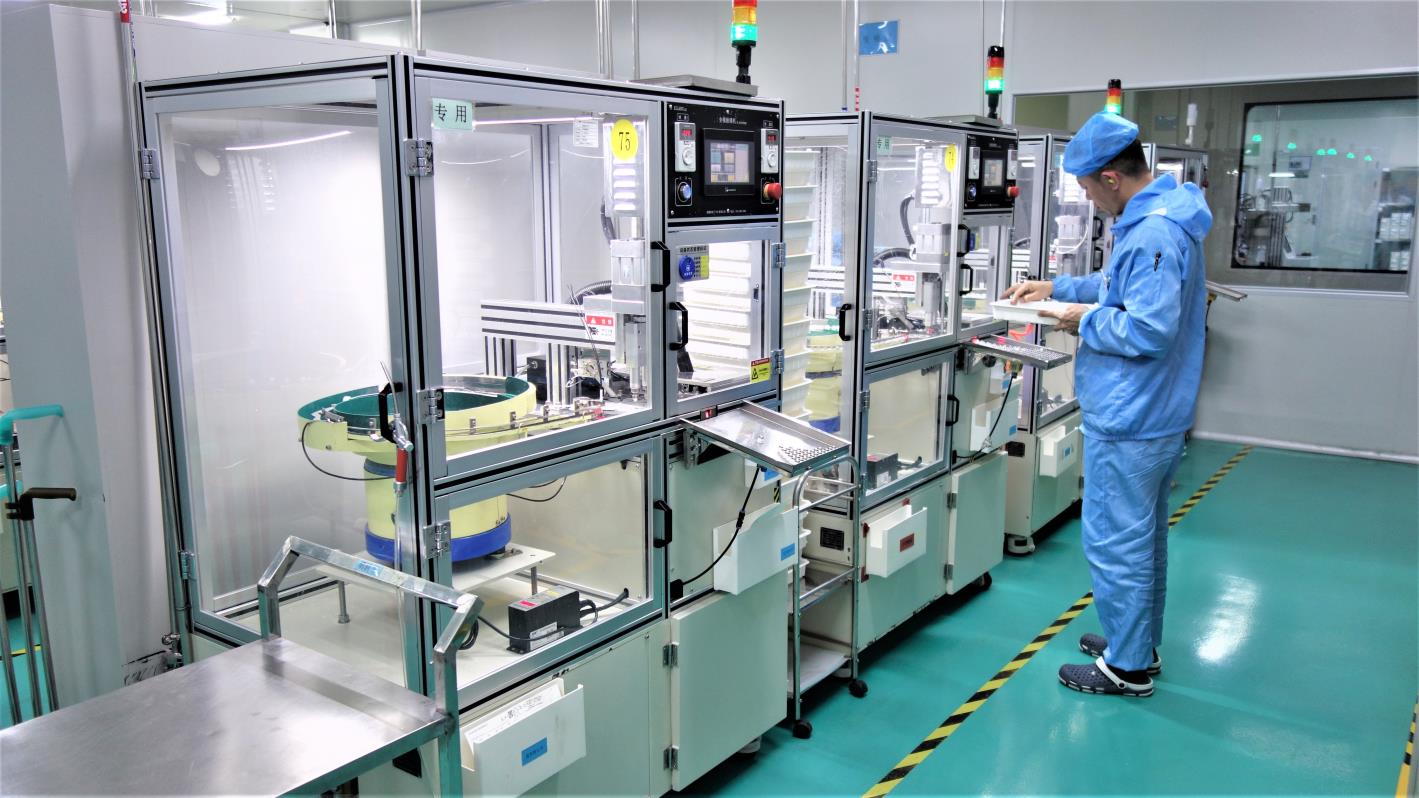
After thermal polymerization, the lens matrix is detached from its mold using robotic automation to ensure zero edge tear.
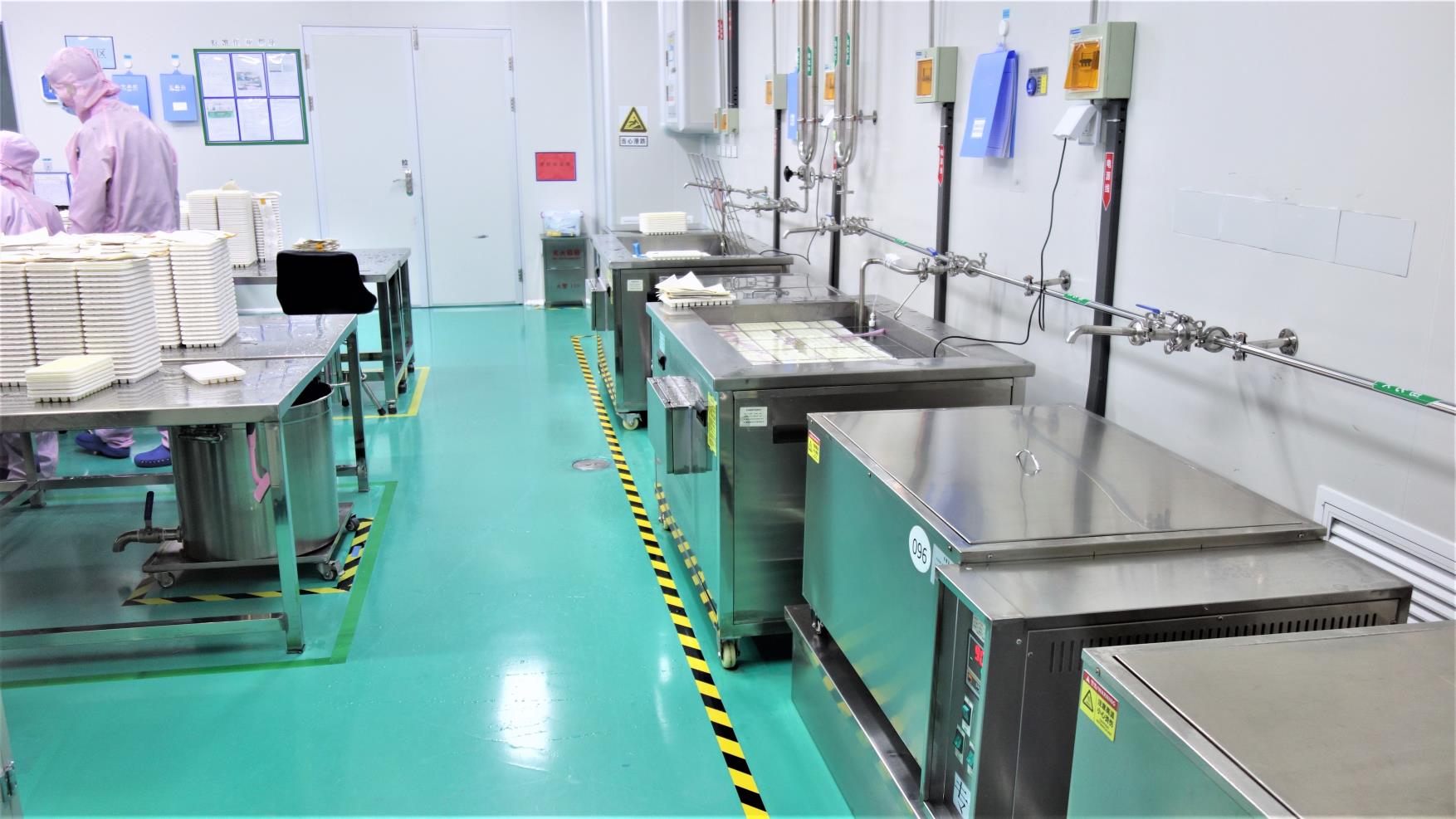
Lenses are soaked in medical-grade saline solutions to wash away non-reacted monomers and stabilize water content.
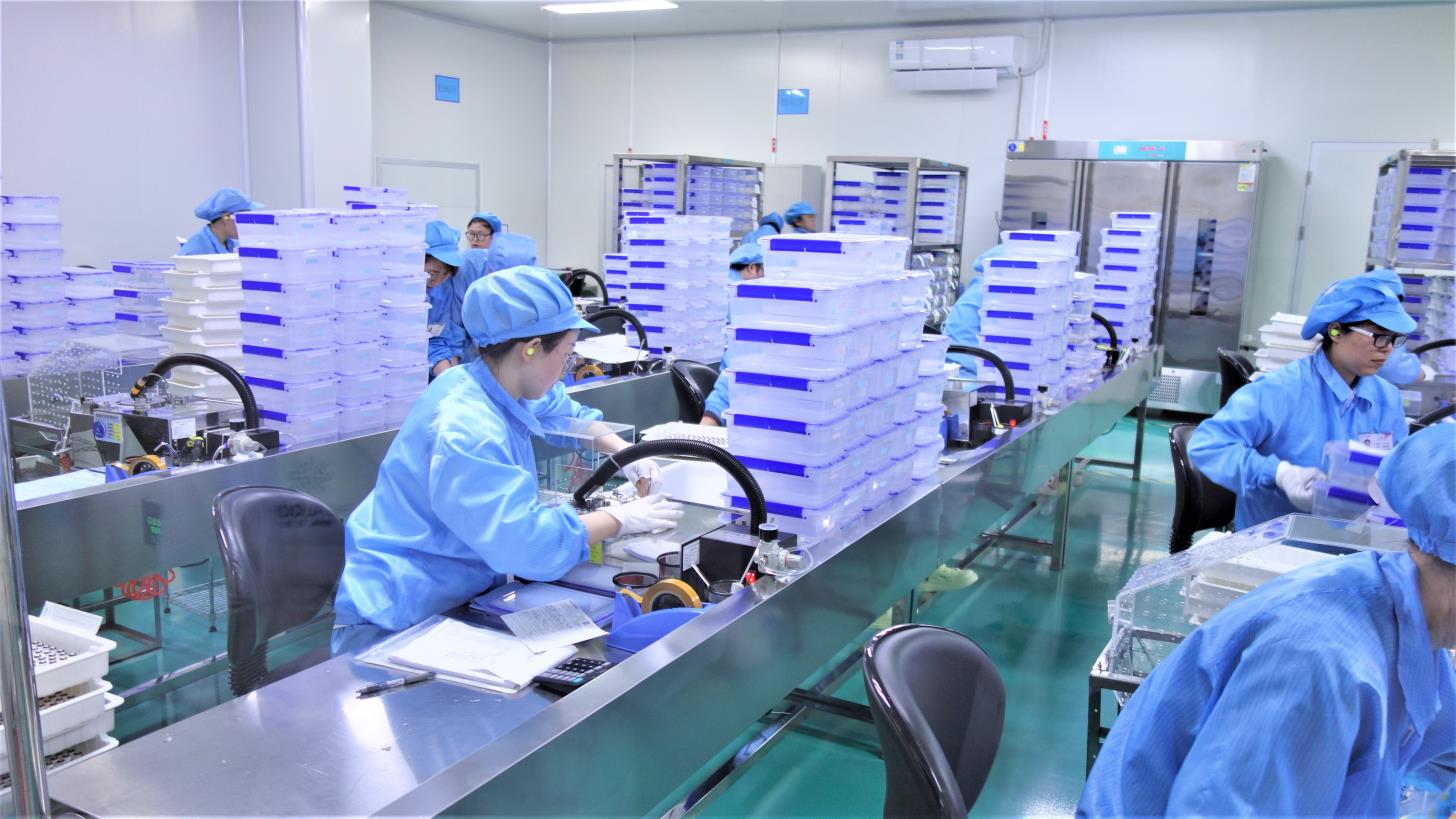
Automated suction systems transfer hydrated lenses onto specialized inspection and packaging trays.
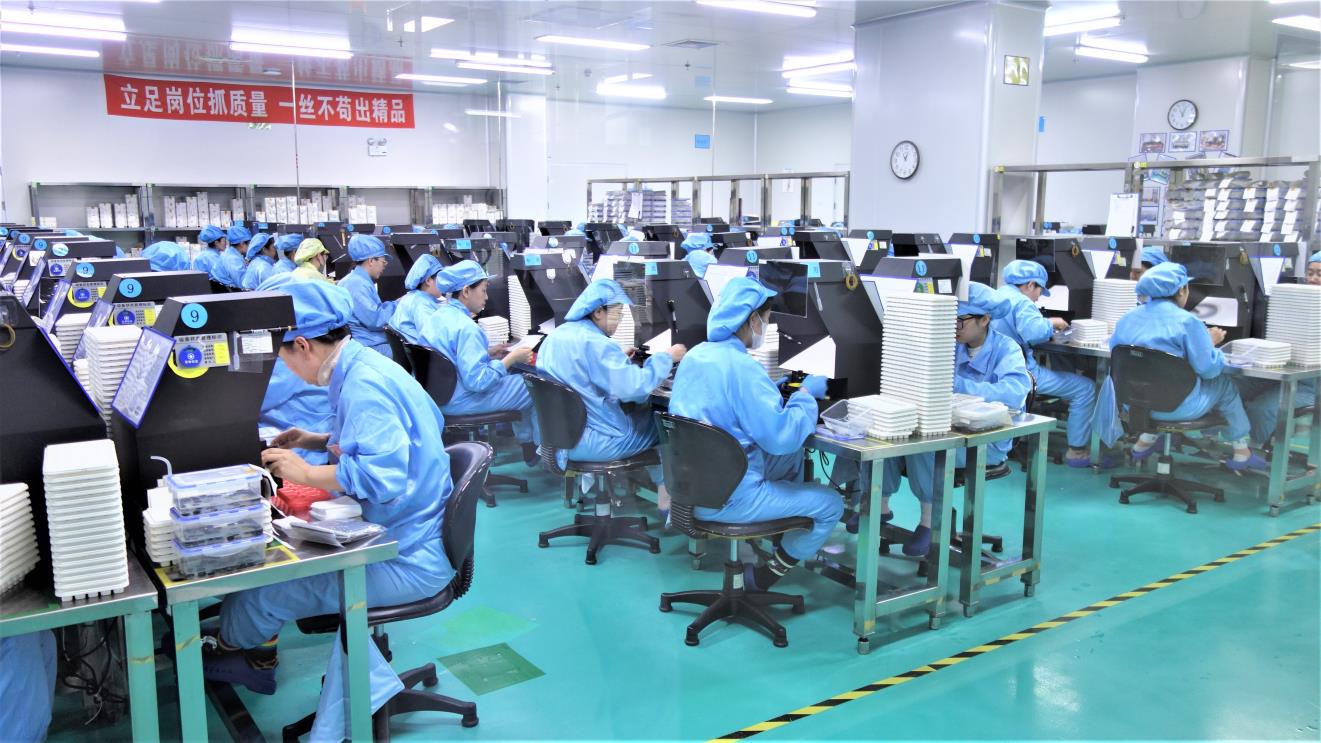
Under high magnification, trained QC specialists examine every lens for minor imperfections, air bubbles, or print errors.
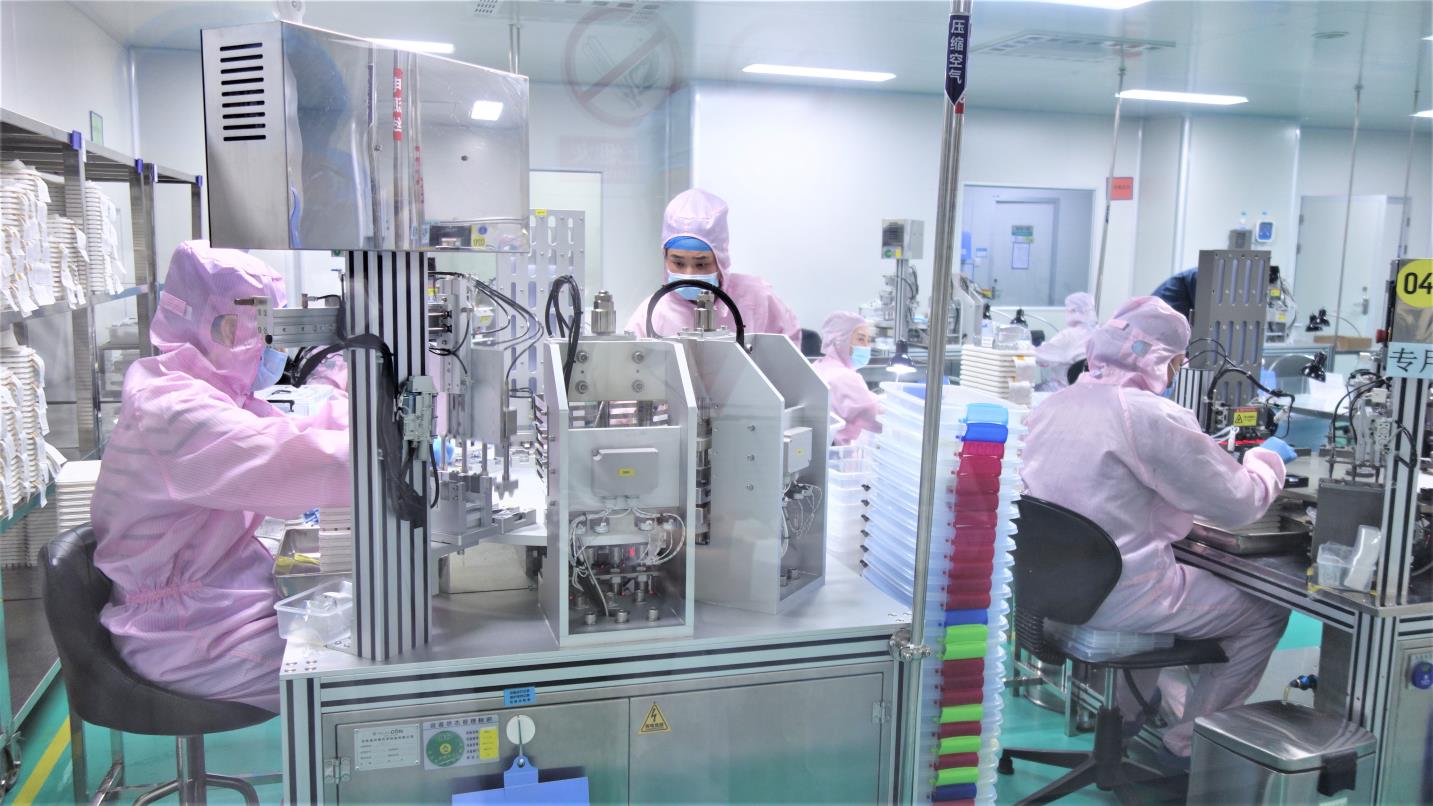
Lenses are loaded into individual glass vials or blister packs along with sterile buffered saline solutions.
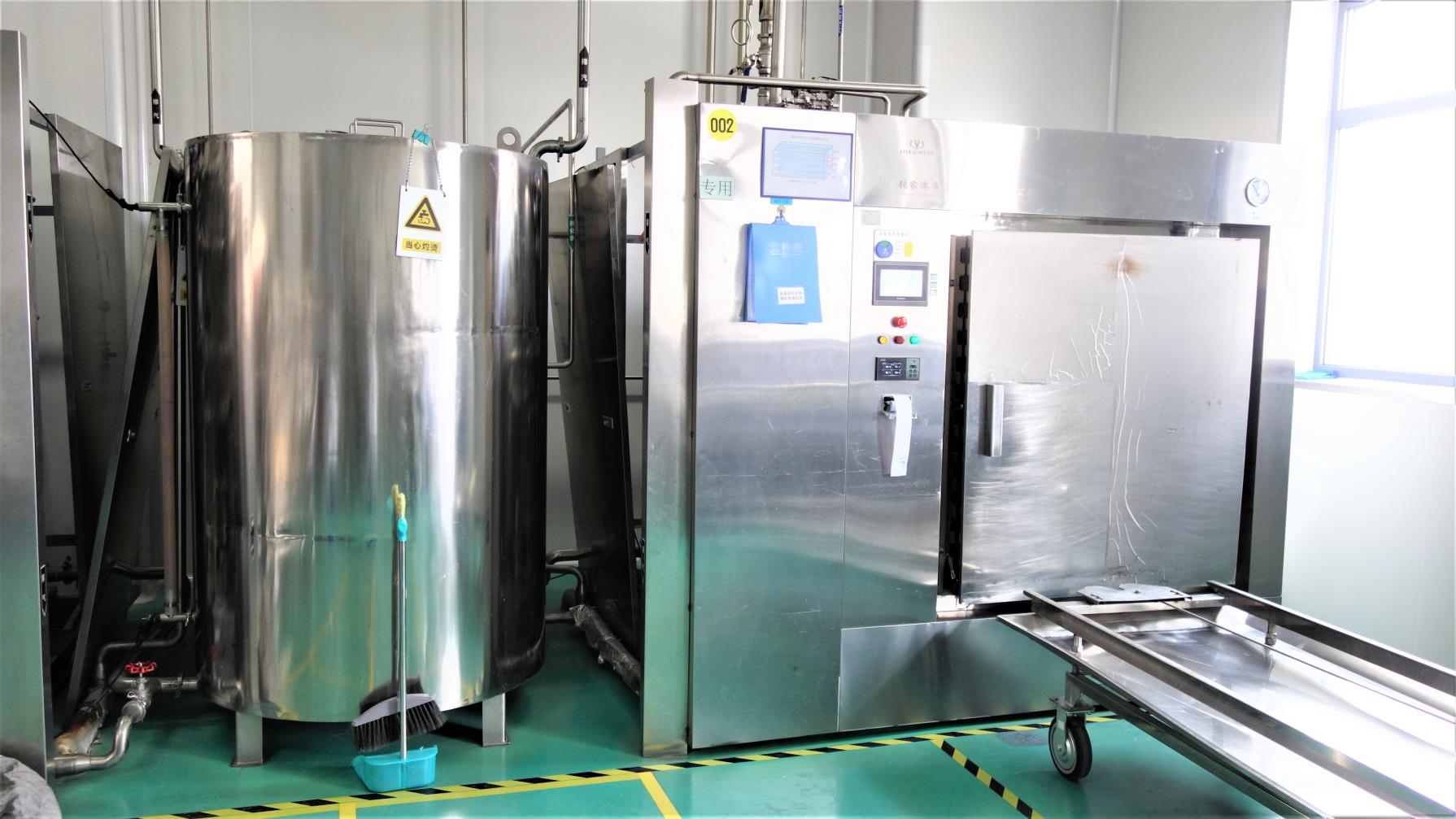
Hermetically sealed packaging undergoes autoclave sterilization to eliminate microbial contaminants.
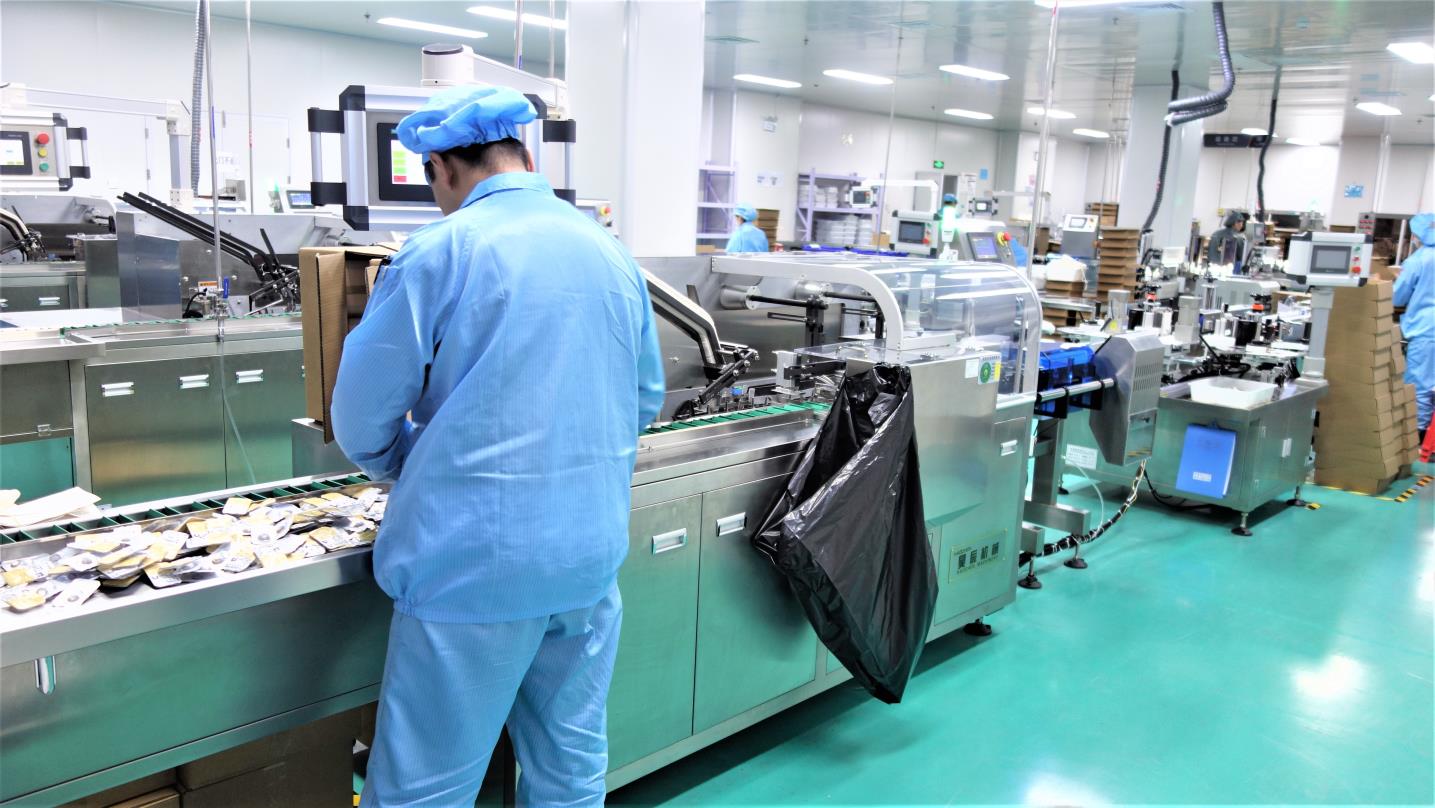
Products are packed with multilingual instruction manuals and labeled with complete batch-tracking information.
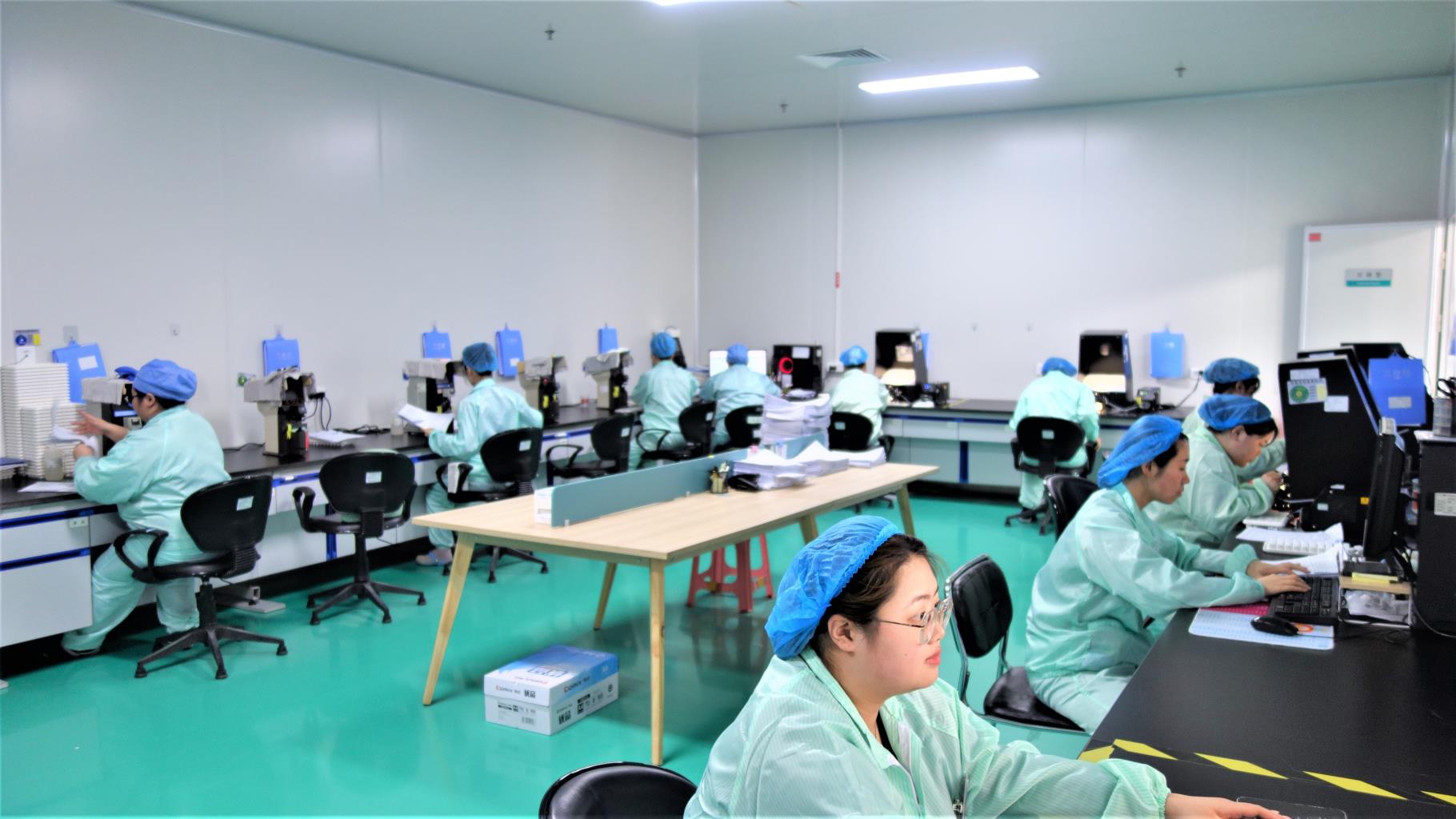
Before dispatching shipments, final QC checks are completed to verify safety, packaging integrity, and label accuracy.
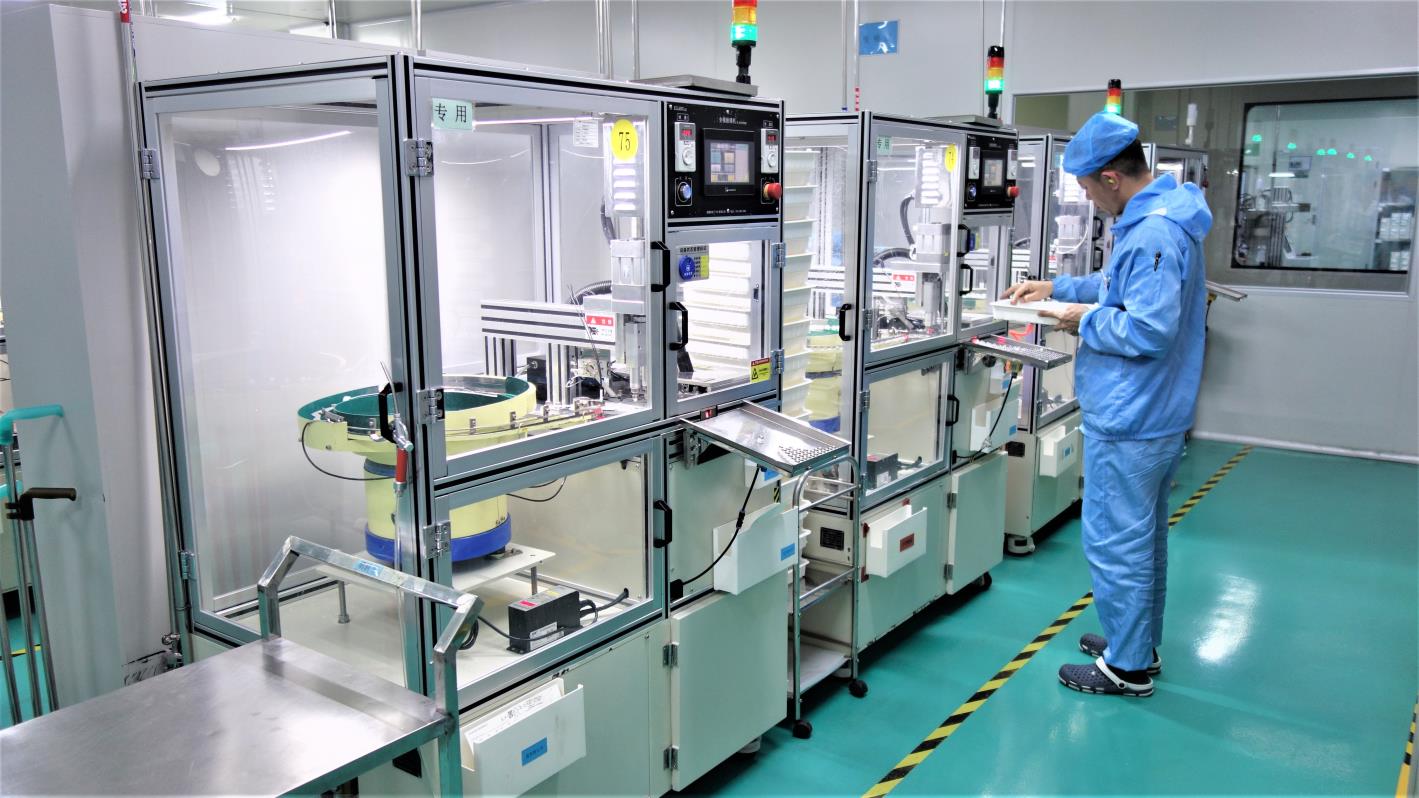
High-throughput mechanical demold systems optimized for dry extraction protocols without structural distortion.
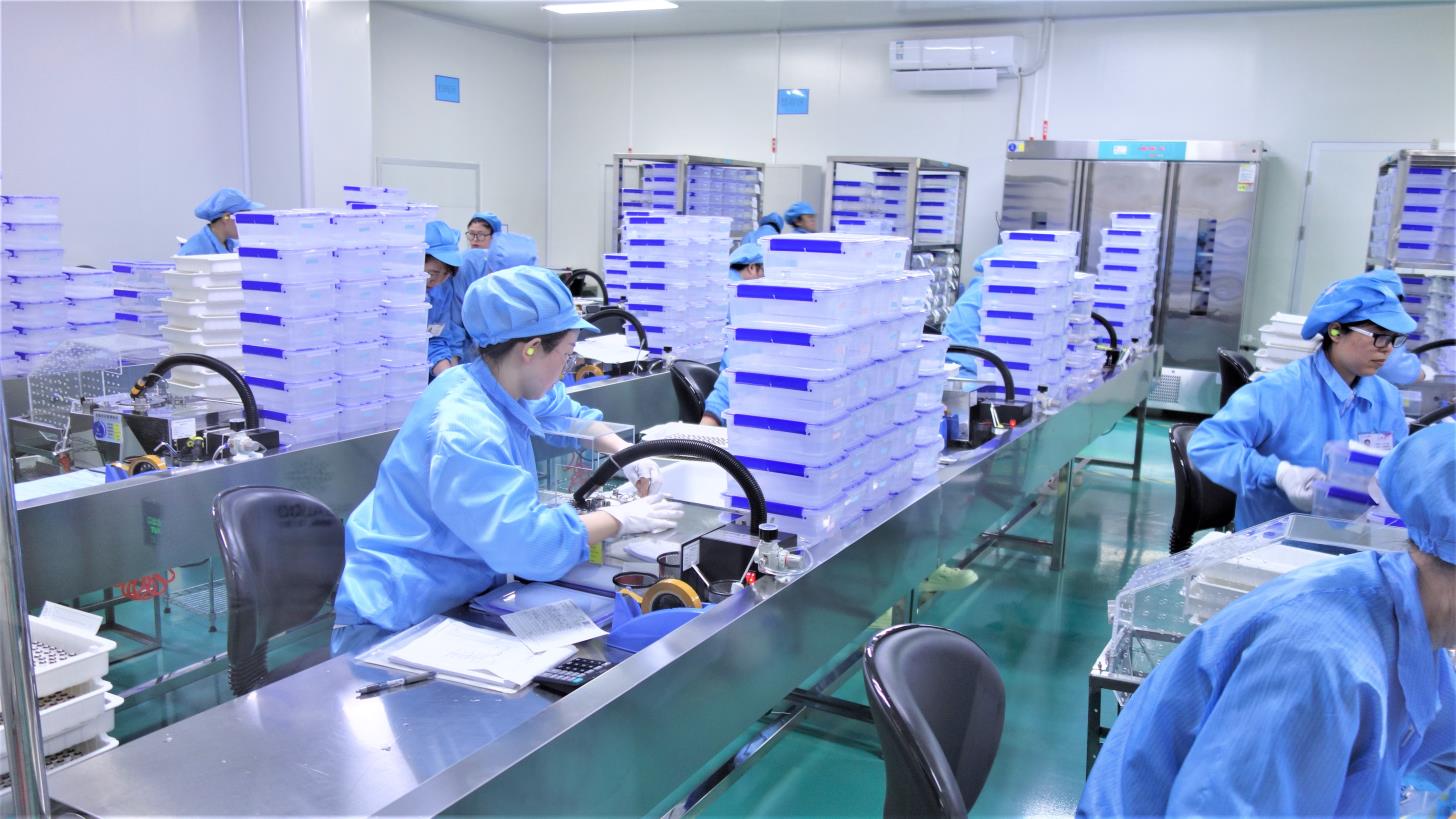
Precise air-pressure systems designed to handle wet hydrogel structures without scratching lens surfaces.
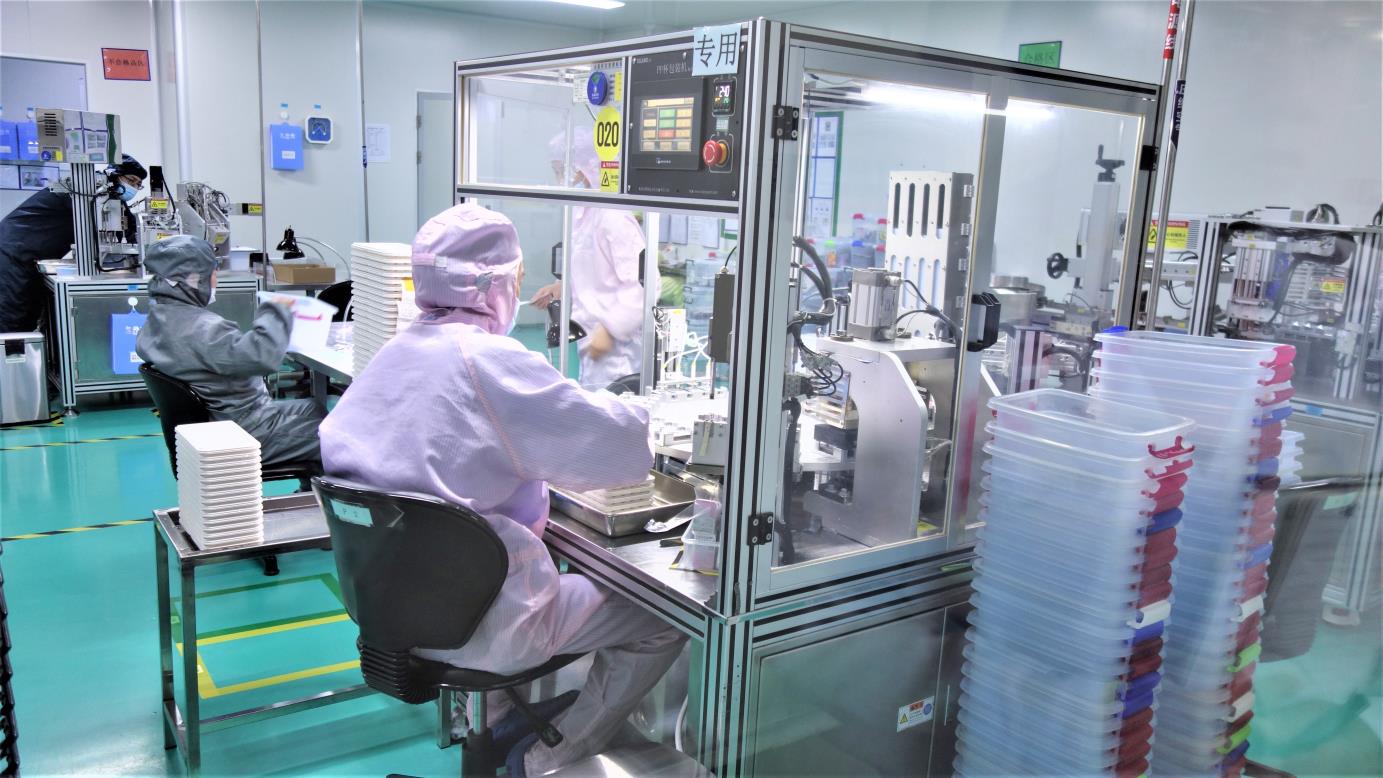
Sterile liquid dosing systems that fill blisters or glass vials with buffered saline solution under laminar flow.
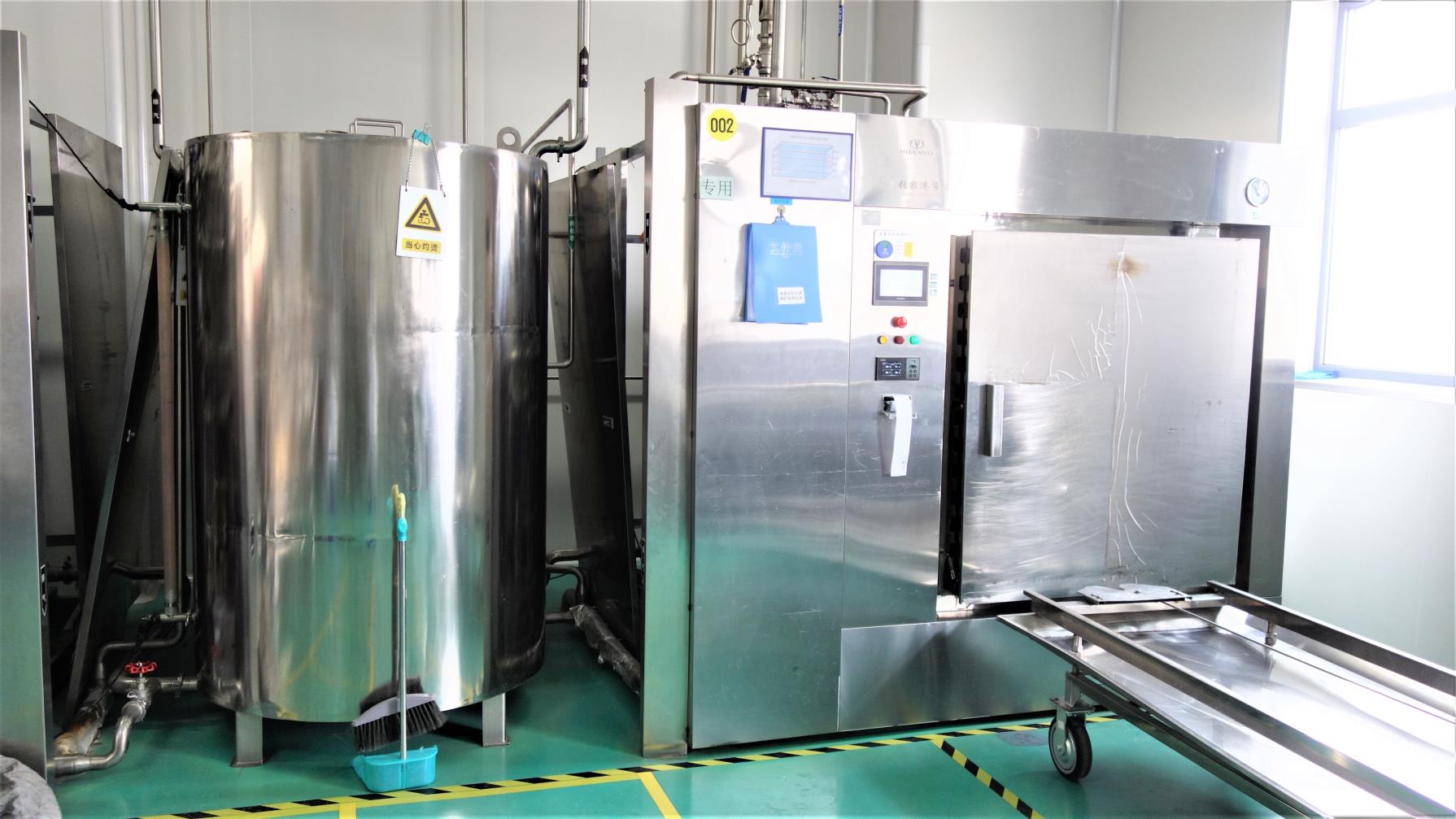
Industrial-scale pressurized steam autoclave systems engineered for sterilization parameters.
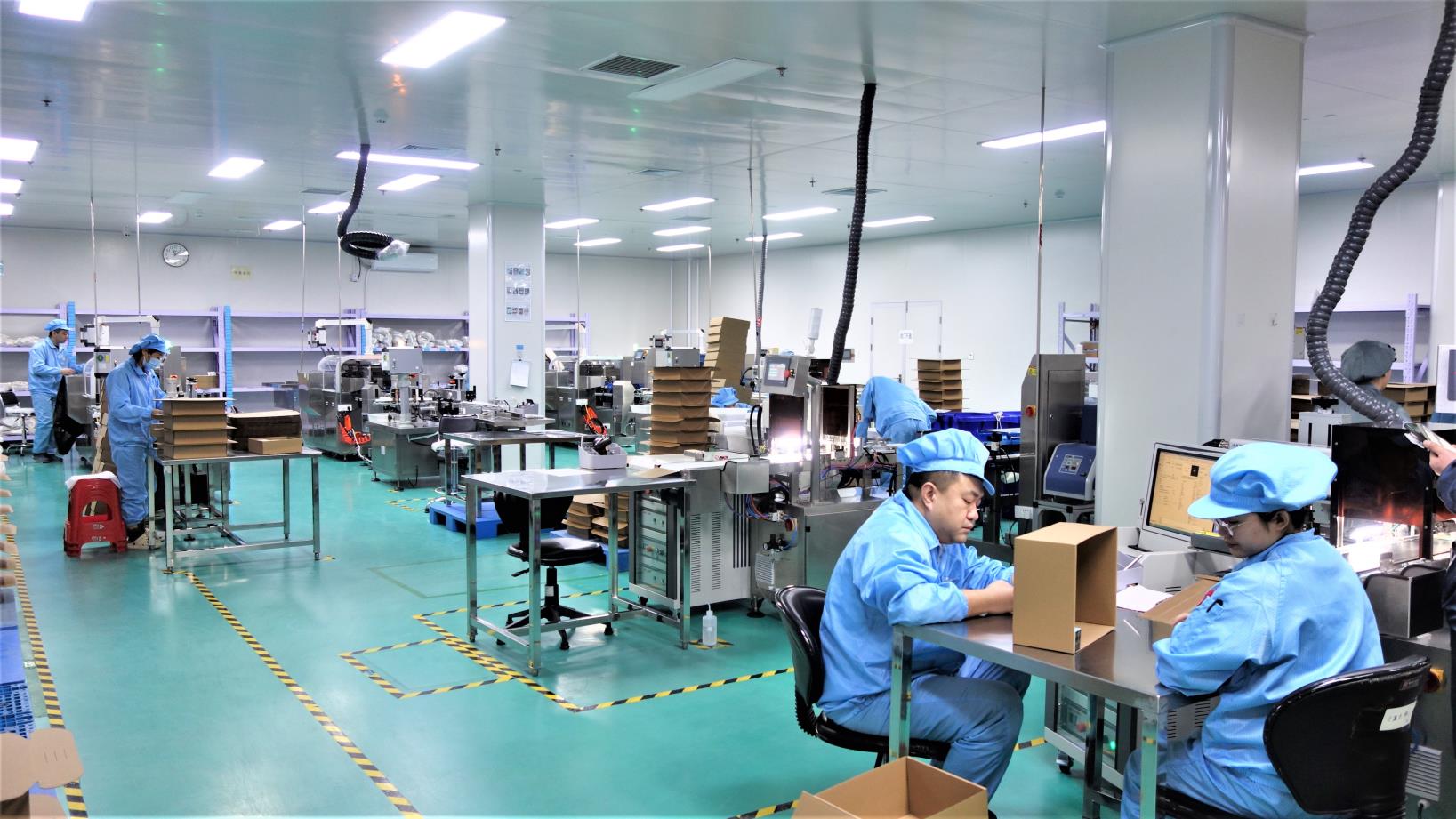
Thermoplastic heat sealing systems that secure foil backings onto blister packs, creating long-term moisture barrier integrity.
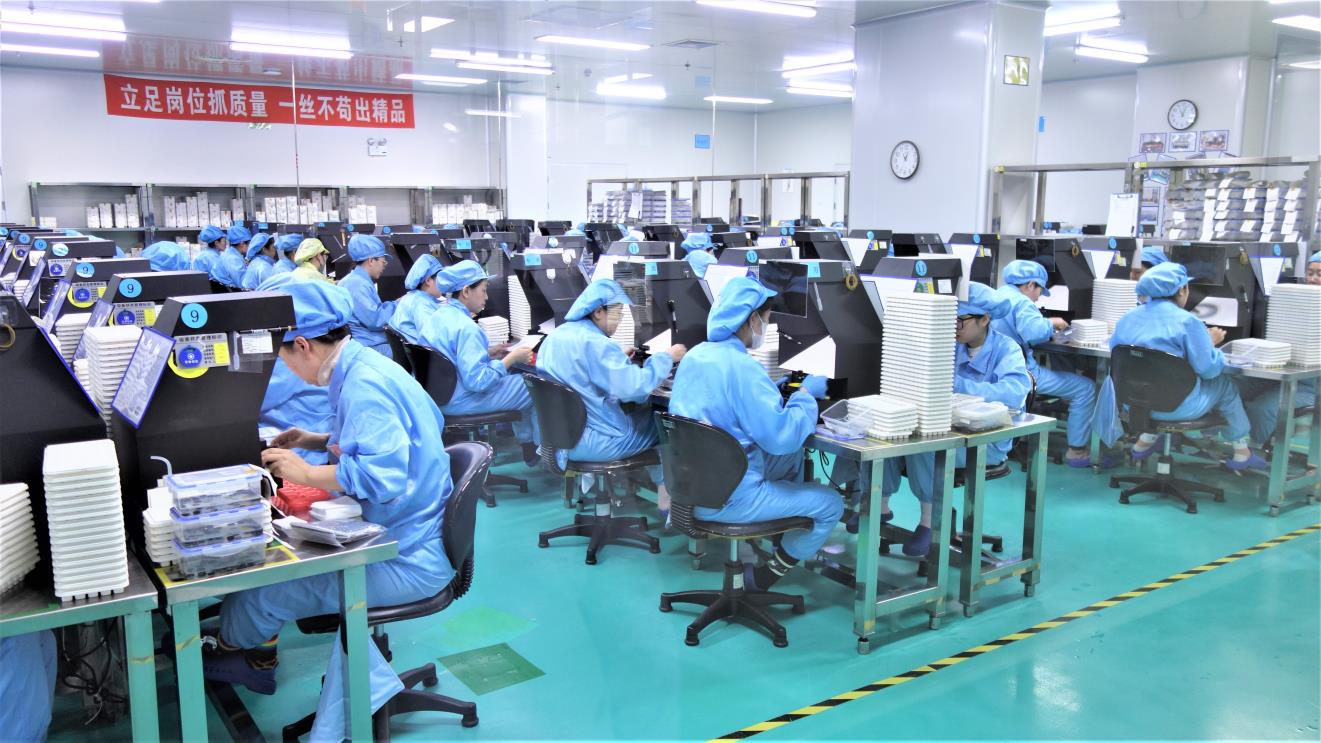
Equipped with optimal back-illumination to easily detect edge defects, micro-tears, and cosmetic printing variances.
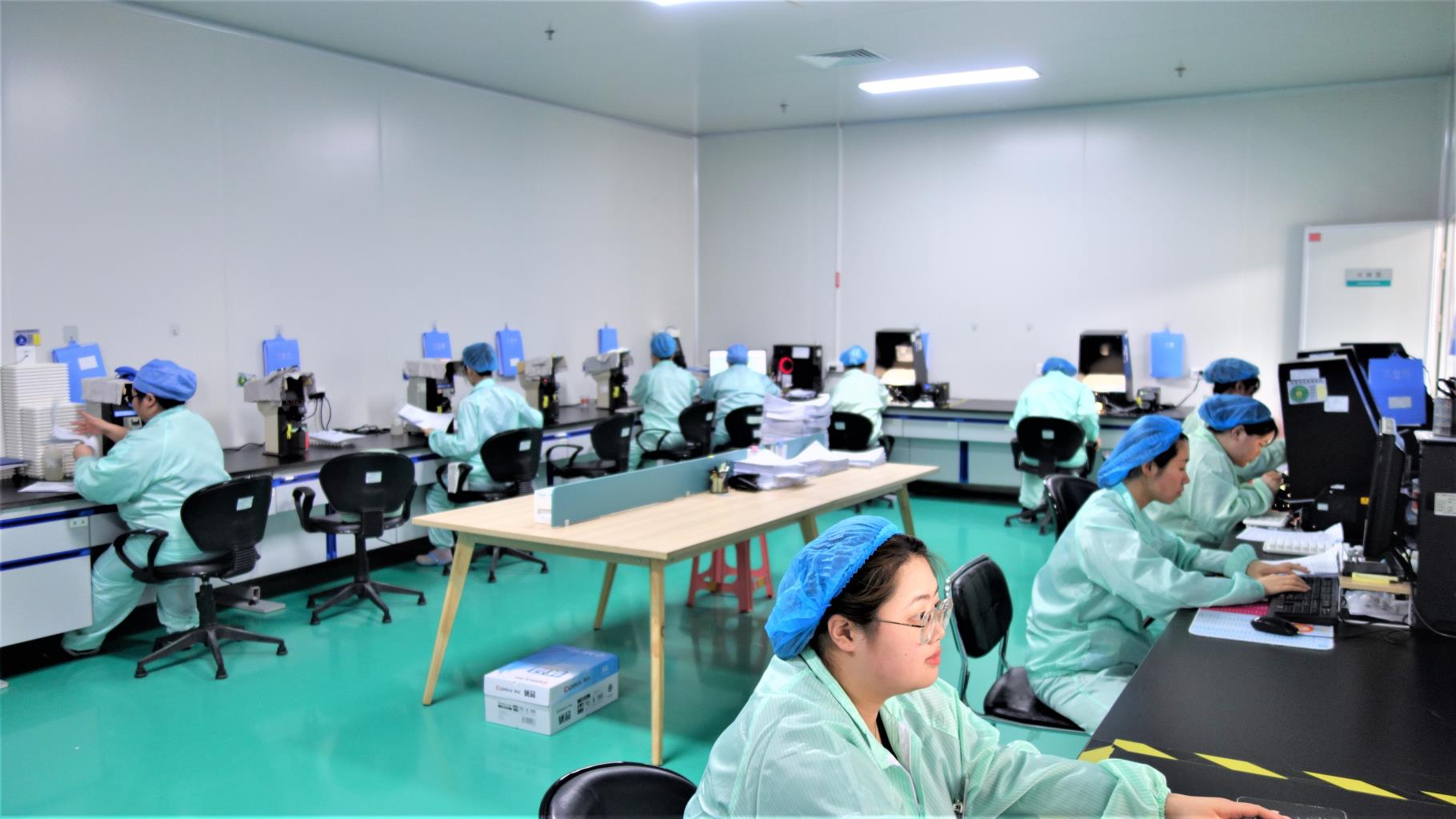
Applies final quality parameters checks, confirming safety protocols and packaging labels before export.
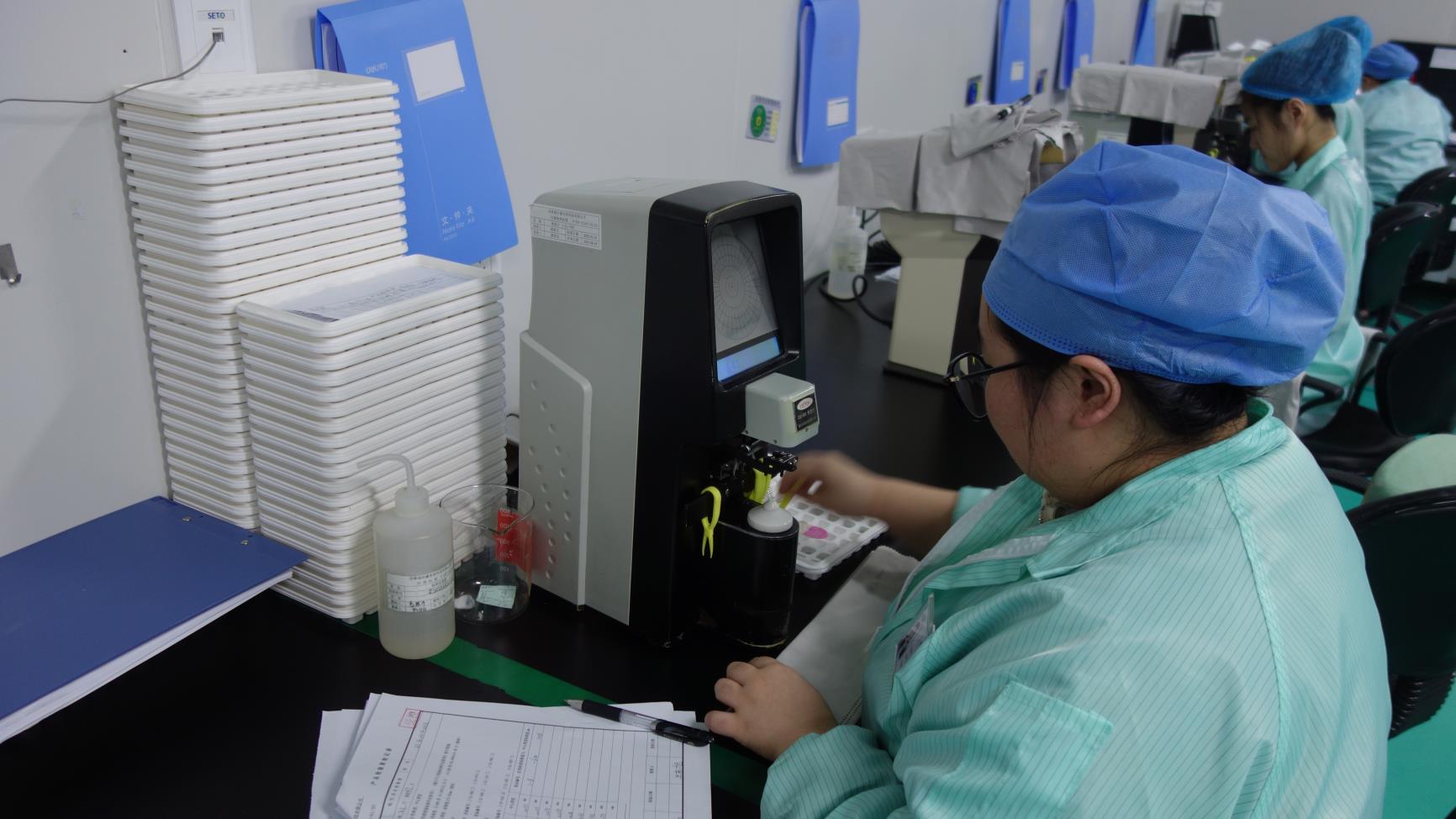
Measures spherical and cylindrical lens power, confirming absolute prescription accuracy.
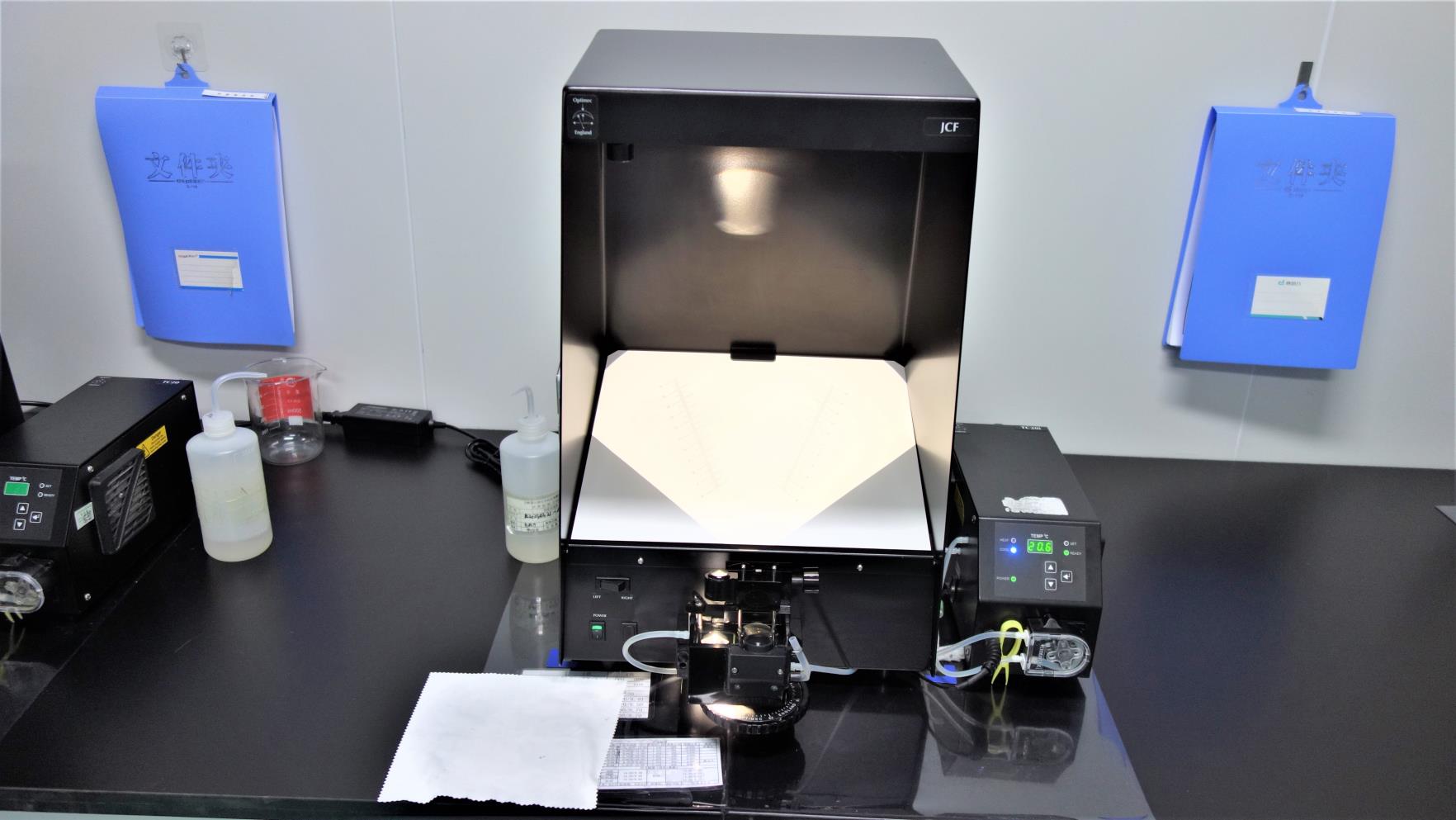
Projects lens profiles onto a high-contrast screen to audit surface contours and identify micro-irregularities.
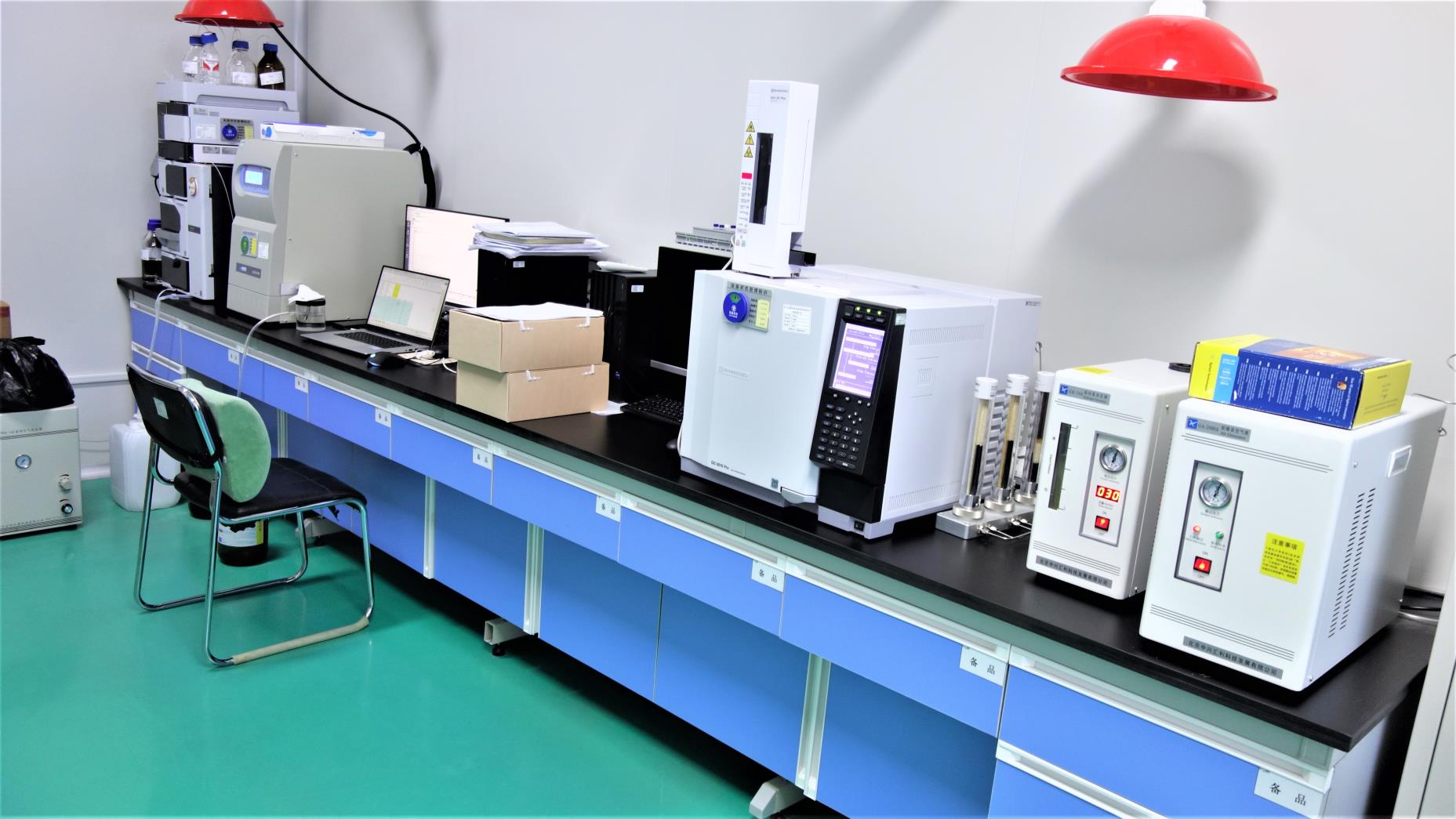
Measures light transmission, UV absorption profiles, and pigment chemistry profiles.
Different geographic regions demand tailored product profiles and safety certificates. Our global export experience ensures smooth logistics and regulatory clearances.
In North America, aesthetic contact lenses are regulated as medical devices requiring FDA 510(k) clearances or RX prescriptions. Distributors prioritize clear labeling, traceable manufacturing origins, and robust packaging to prevent damage during long-distance shipping.
Driven by cosplay events, anime cultures, and high-fashion trends, this market demands lightweight hydrogel lenses with high water content (38%-42%) and vibrant, multi-layered color configurations for optimal pigment visibility on dark irises.
The Middle East market values premium aesthetic lenses that can withstand dry environments. Products must feature moisture-retaining polymers and robust UV-blocking layers to offer comfortable wear throughout the day.
As a global B2B supplier, Shenzhen Fresh Vision Co., Ltd. handles all critical shipping documentation, compliance certificates, and customs declarations. Our supply chain is optimized for air cargo, parcel post, and sea freight, ensuring swift lead times for volume orders. We offer tailored packaging configurations (vials or blisters) to suit local retail and medical requirements in each market.
Innovation is key to maintaining a competitive edge. Our R&D team works closely with materials science centers to develop next-generation aesthetic lenses.
Our long-term R&D roadmap centers on three core pillars:
By investing in these areas, Shenzhen Fresh Vision Co., Ltd. continues to deliver safe, comfortable, and visually striking products for global distributors, wholesalers, and private label partners.
Answering common technical, regulatory, and logistics questions from professional cosmetic lens importers.
Explore our specialty and large-diameter sclera lenses, designed for film production, cosplay, and theatrical applications.