Fresh Lenses
Fresh Lenses
Fresh Lenses
Explore our most popular contact lens lines immediately available for global exporters and the Moroccan optical network.

A comprehensive overview of market trends, supply chain dynamics, and regulatory compliance parameters.
The Kingdom of Morocco is witnessing a structural transformation in its optical and personal care sectors. Driven by a young, digitally-connected demographic and the expansion of modern urban centers like Casablanca, Rabat, and Tangier, the consumption of both corrective and cosmetic contact lenses is accelerating at an unprecedented rate. Historically, cosmetic enhancements in Morocco relied on traditional methods, but global beauty trends, propagated by social media platforms, have established colored contact lenses as an everyday cosmetic accessory.
Furthermore, medical awareness surrounding ocular health and refractive correction has expanded. With the increasing availability of qualified optometrists and specialized ophthalmology clinics, consumers are actively transitioning from heavy corrective spectacles to high-oxygen-permeability soft contact lenses. To support this demand, regional distributors require highly responsive supply partners that can offer a reliable range of daily, monthly, and yearly disposable lenses with compliant packaging and quick shipping turnaround times.
Importers in Morocco face stringent guidelines set by the Administration du Médicament et de la Pharmacie (DMP) under the Ministry of Health. Ensuring that medical devices—including color and corrective contact lenses—carry recognized standards such as ISO 13485 and CE marking is non-negotiable for smooth customs clearance and local commercial viability.
Globally, the contact lens market is projected to expand significantly, driven by innovations in materials science and manufacturing automation. Silicone hydrogel has emerged as the premier polymer due to its superior oxygen transmissibility compared to traditional HEMA-based materials, greatly reducing the risks of corneal hypoxia and dry-eye symptoms. Simultaneously, cosmetic colored lenses are no longer a niche theater or cosplay product; they constitute a major share of the global fashion-tech segment. The convergence of vision correction and cosmetic alteration (prescription colored lenses) represents the highest growth category for global wholesale buyers.
As a leading manufacturing hub, China’s industrial ecosystem offers unmatched advantages in terms of cost-performance ratios, rapid prototyping, and high-volume consistency. Factories equipped with fully automated cast-molding lines, online visual inspection systems, and advanced sterilization chambers can produce millions of lenses monthly while maintaining near-zero defect rates. This automated efficiency bypasses the traditional bottlenecks of manual demoulding and packaging, offering direct exporters an agile model to respond to sudden market trends.
A peek inside our rigorous production phases, state-of-the-art machinery, and meticulous quality control protocols.
Established in 2016, Shenzhen Fresh Vision Co., Ltd. has spent over a decade perfecting contact lens fabrication. Under the supervision of five dedicated R&D engineers (including three graduate-level specialists), our facility utilizes advanced cast-molding processes, continuous hydration cycles, and high-grade sterilization techniques to deliver lenses of exceptional safety and comfort.
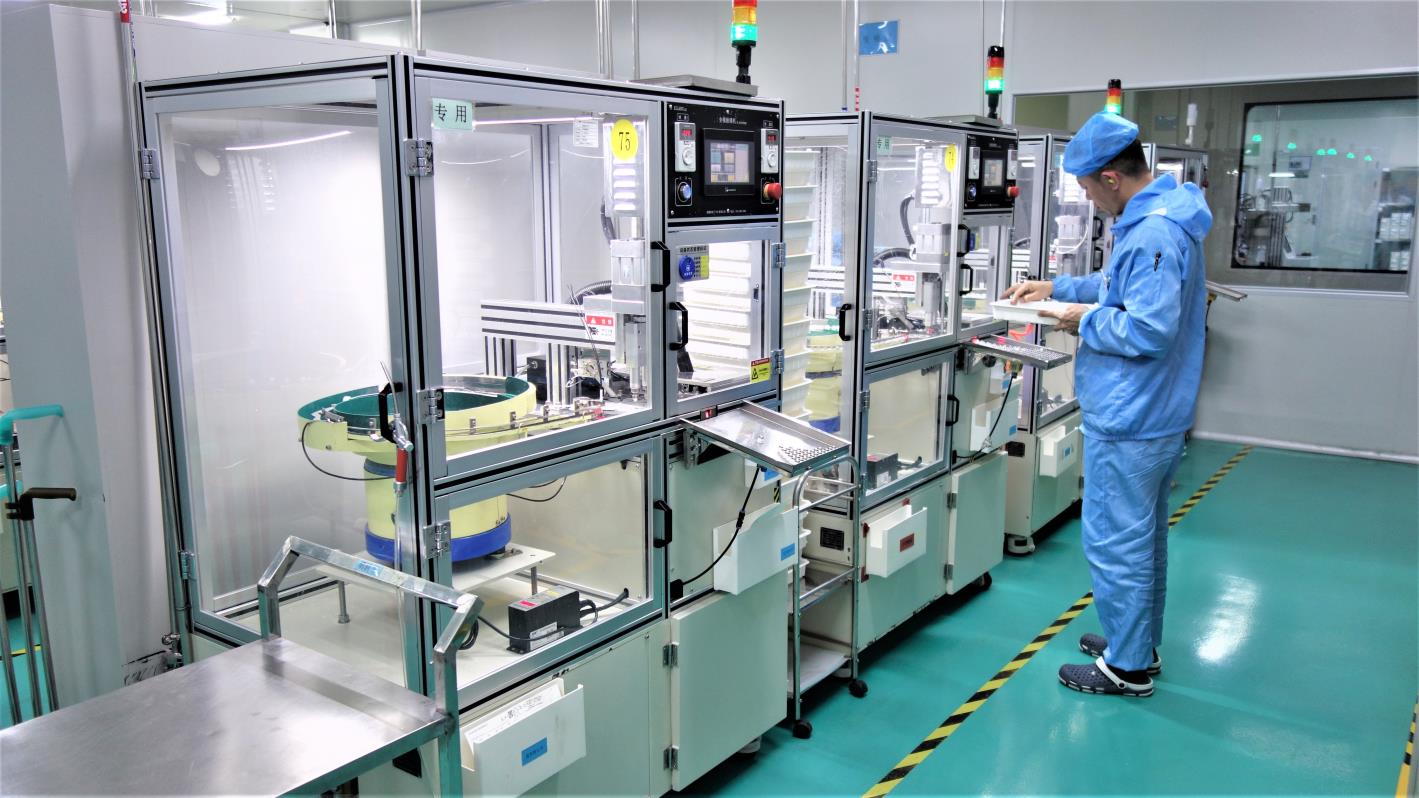
Precision extraction of molded contact lenses.
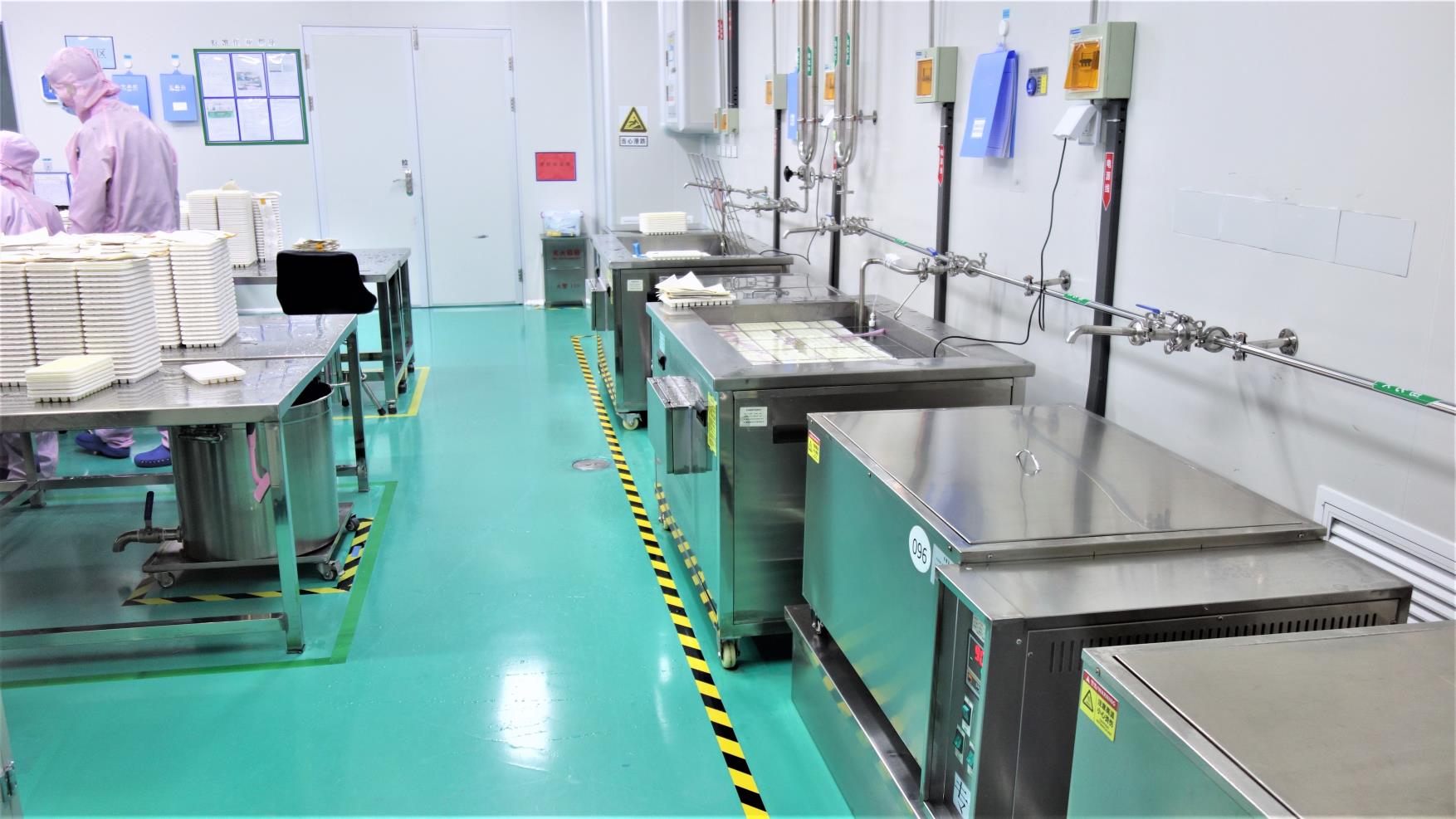
Intensive cleaning and hydration process.
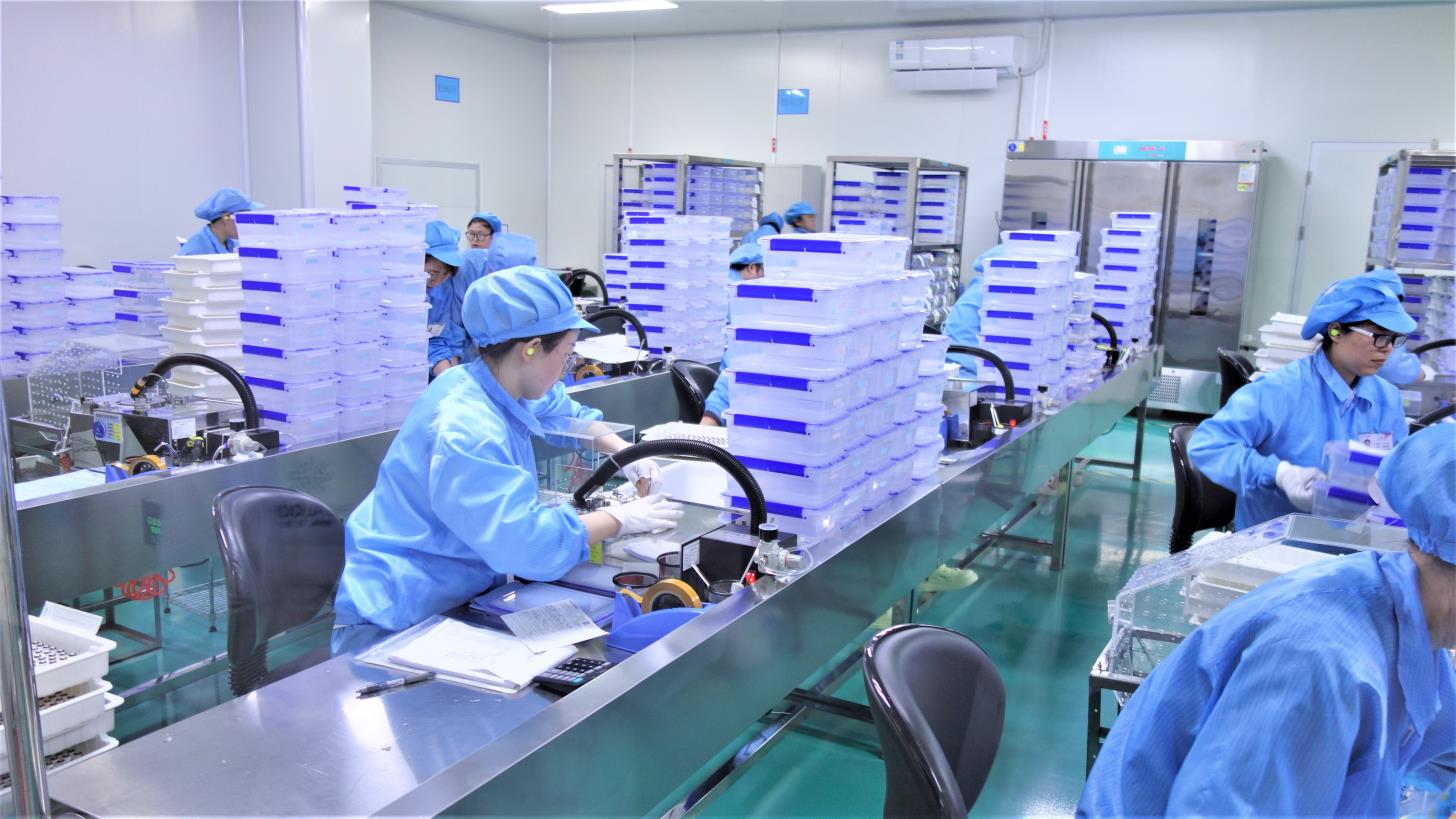
Automated position shifting and alignment.
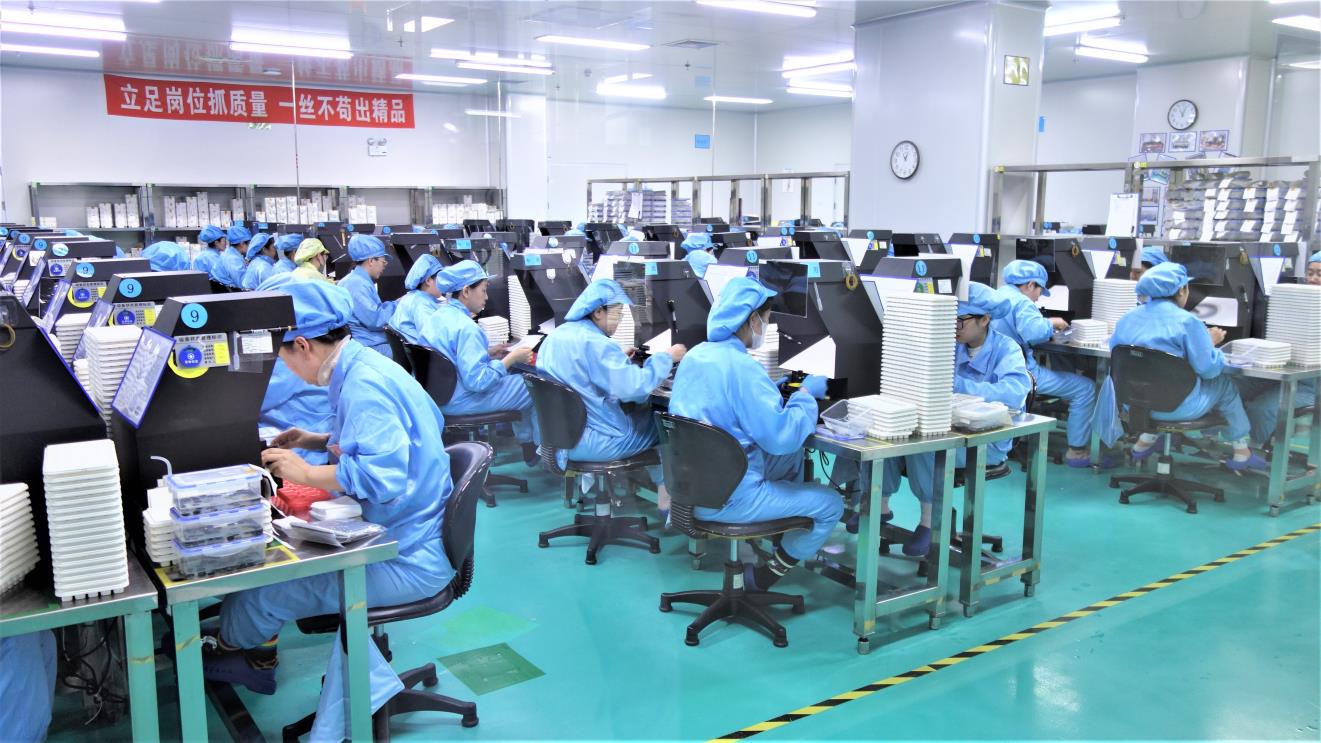
Rigorous optical quality control parameters.
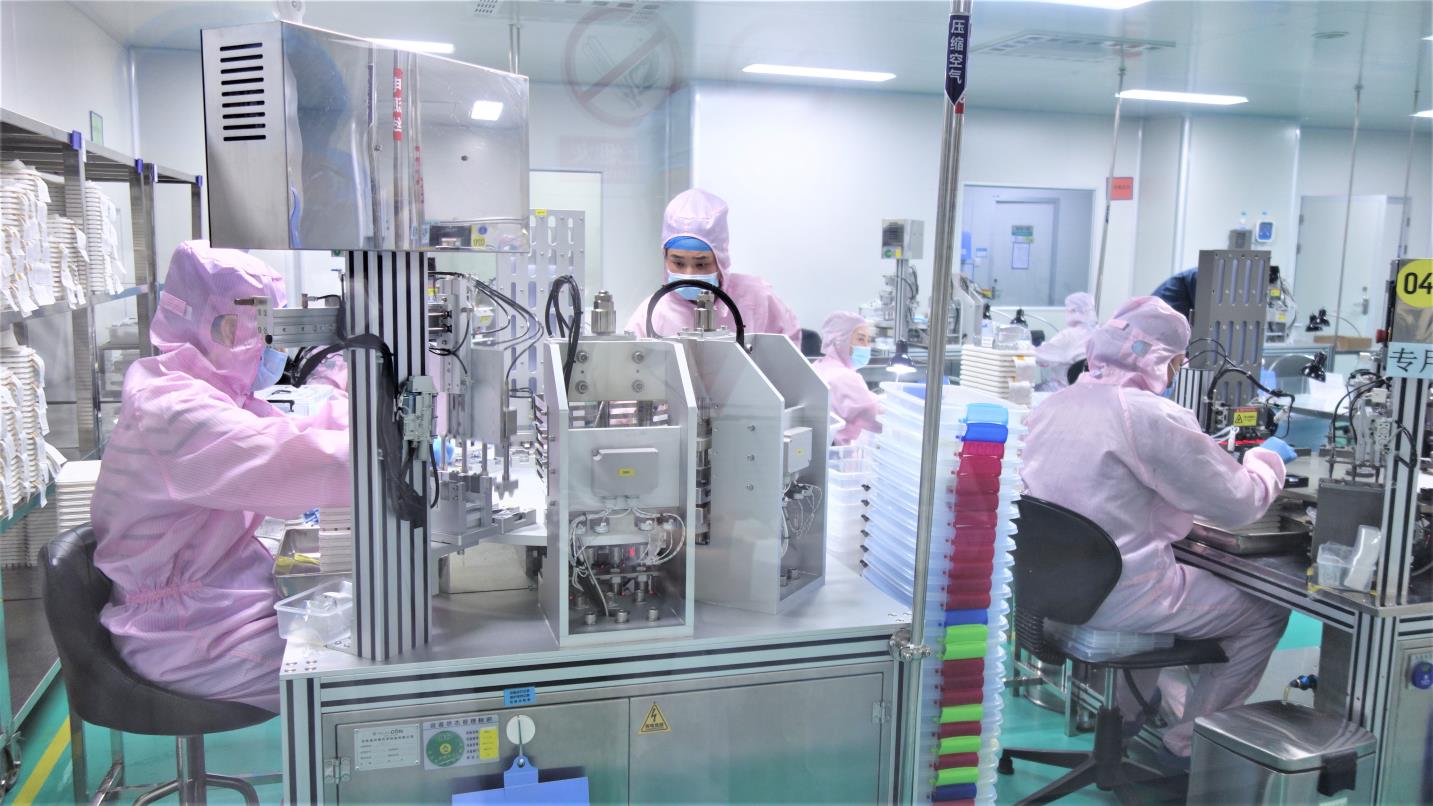
Saline injection under clean-room conditions.
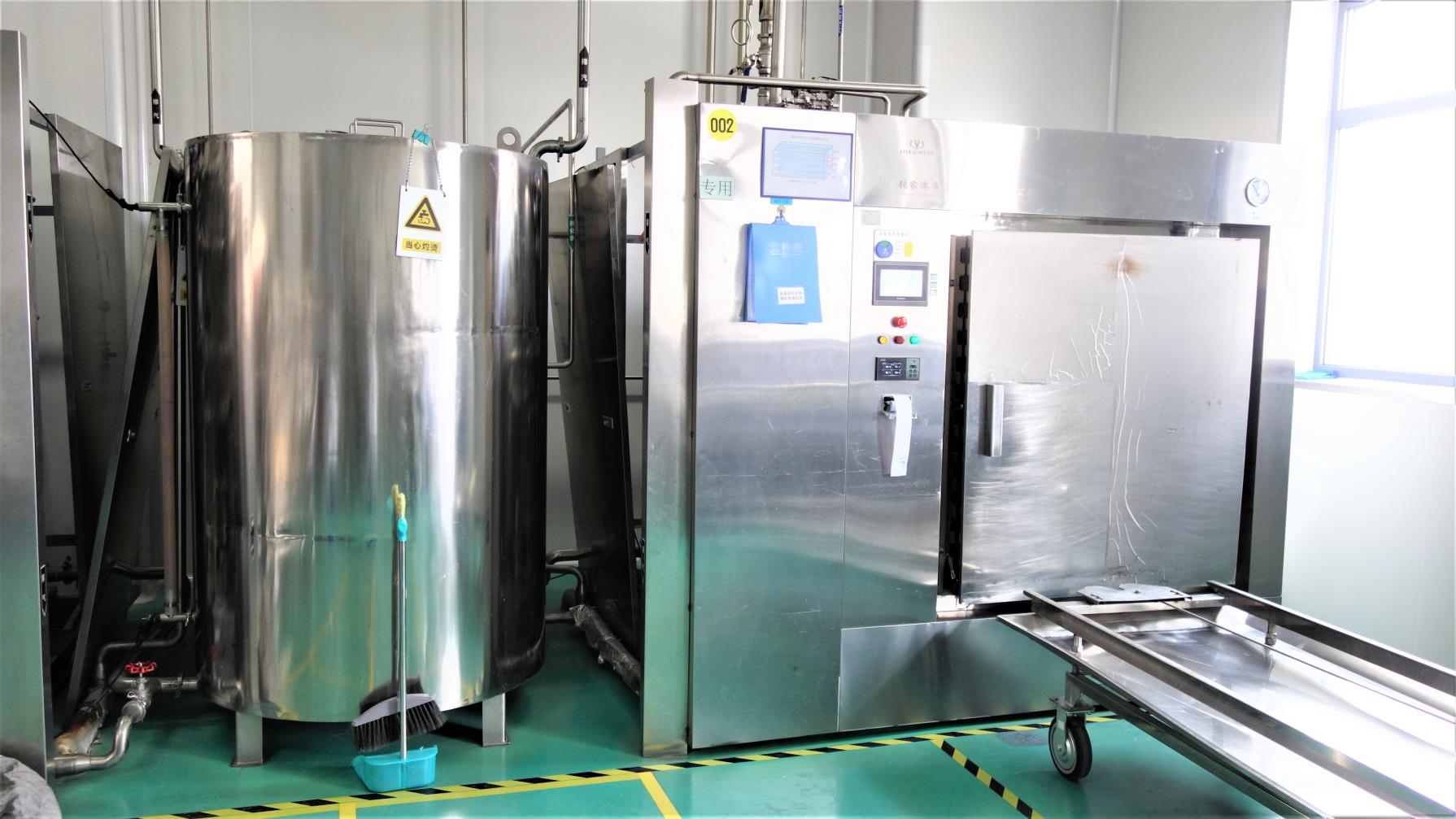
Autoclave thermal sterilization loops.
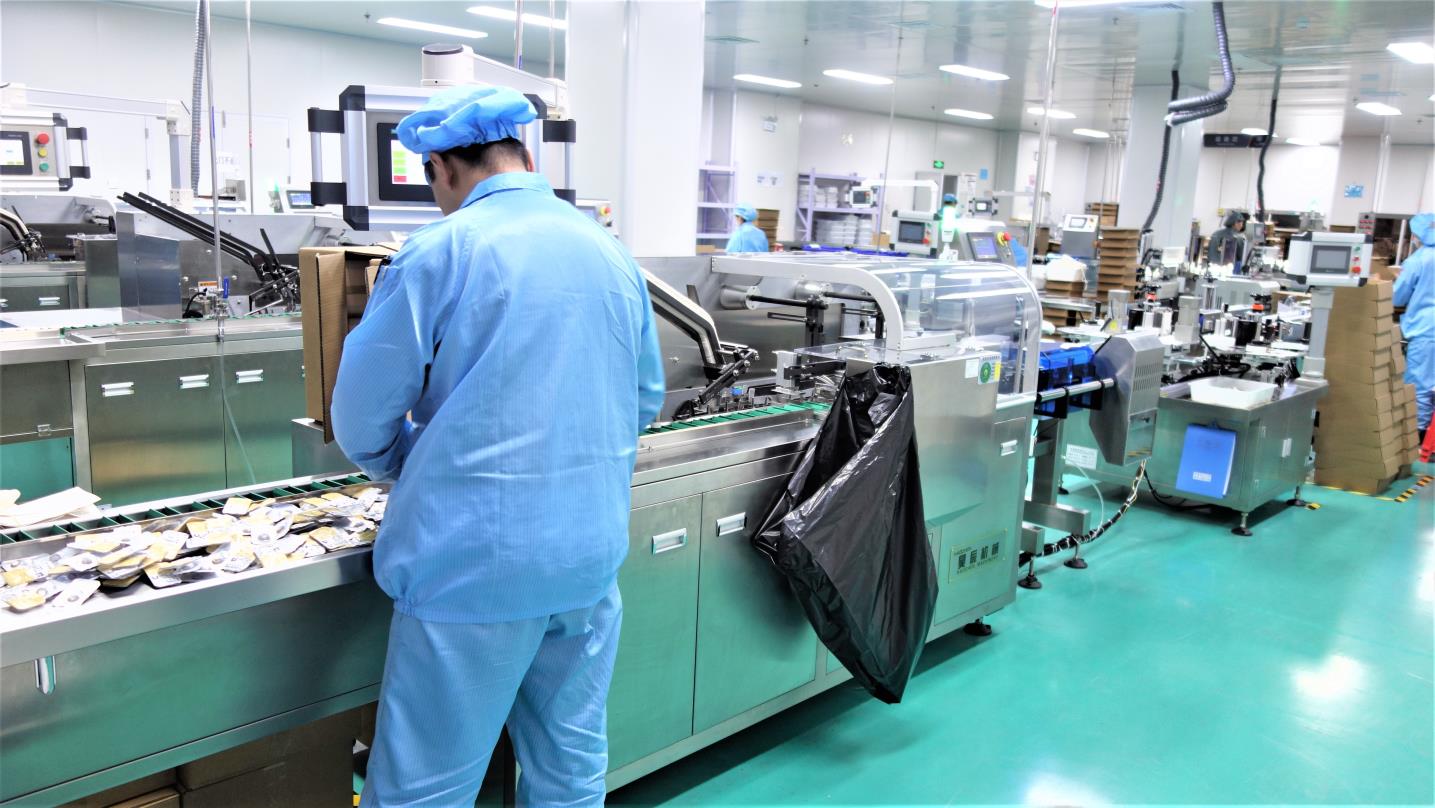
Sealed blistering and exterior retail boxing.
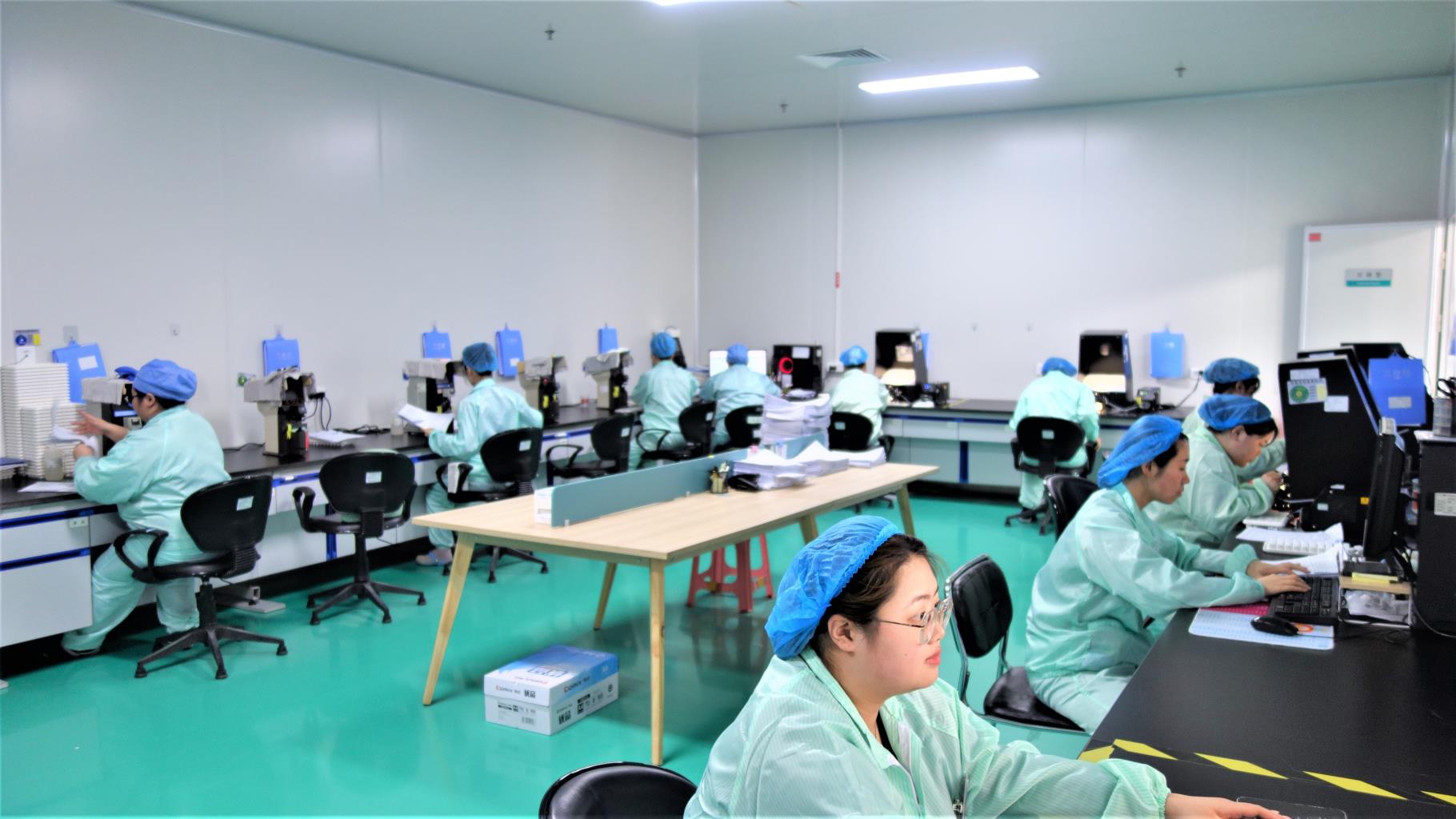
Final batch verification prior to export.
Our quality assurance relies on specialized machinery to measure spectral properties, power, and physical integrity.
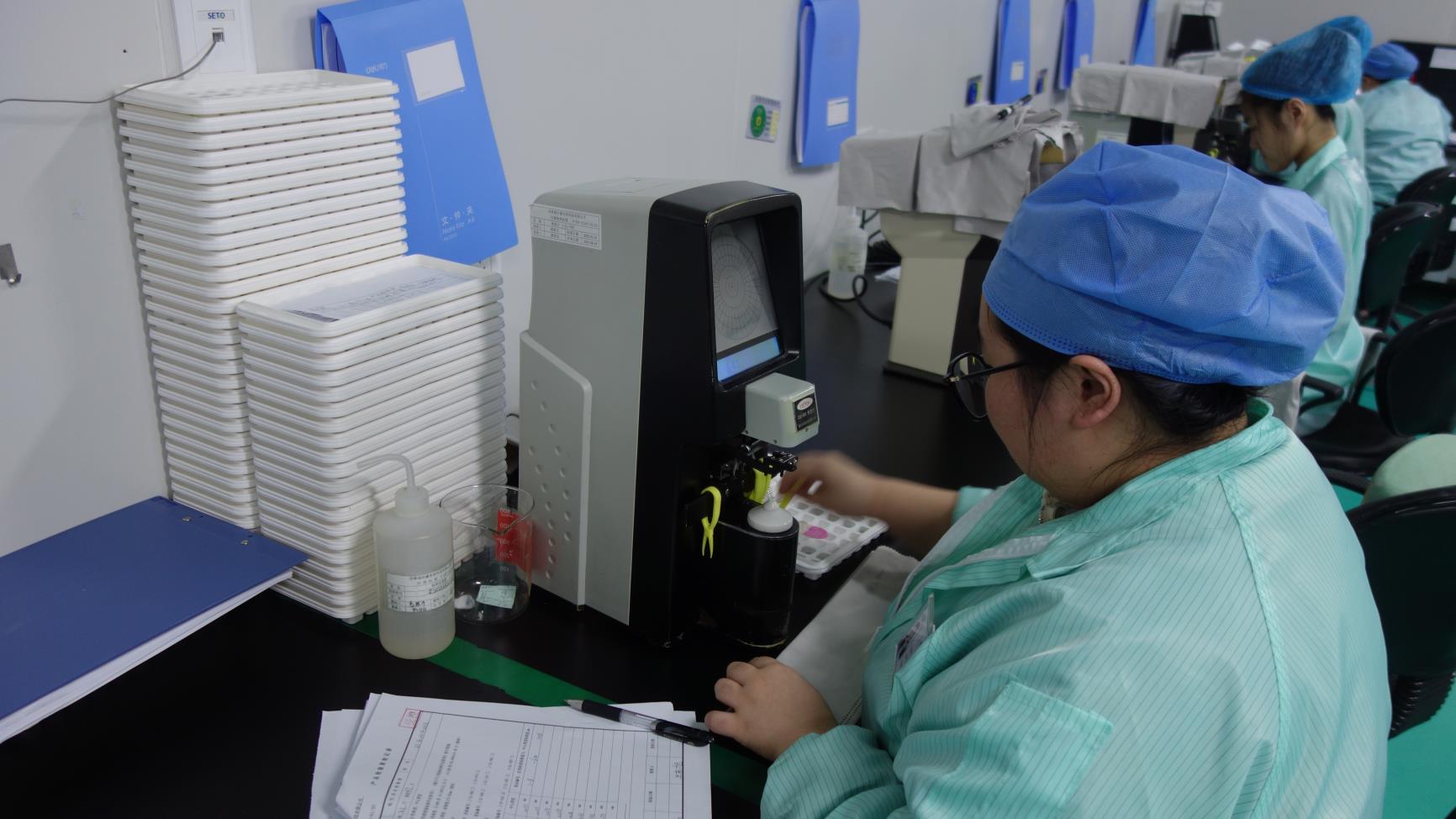
Ensures precise diopter and power configuration.
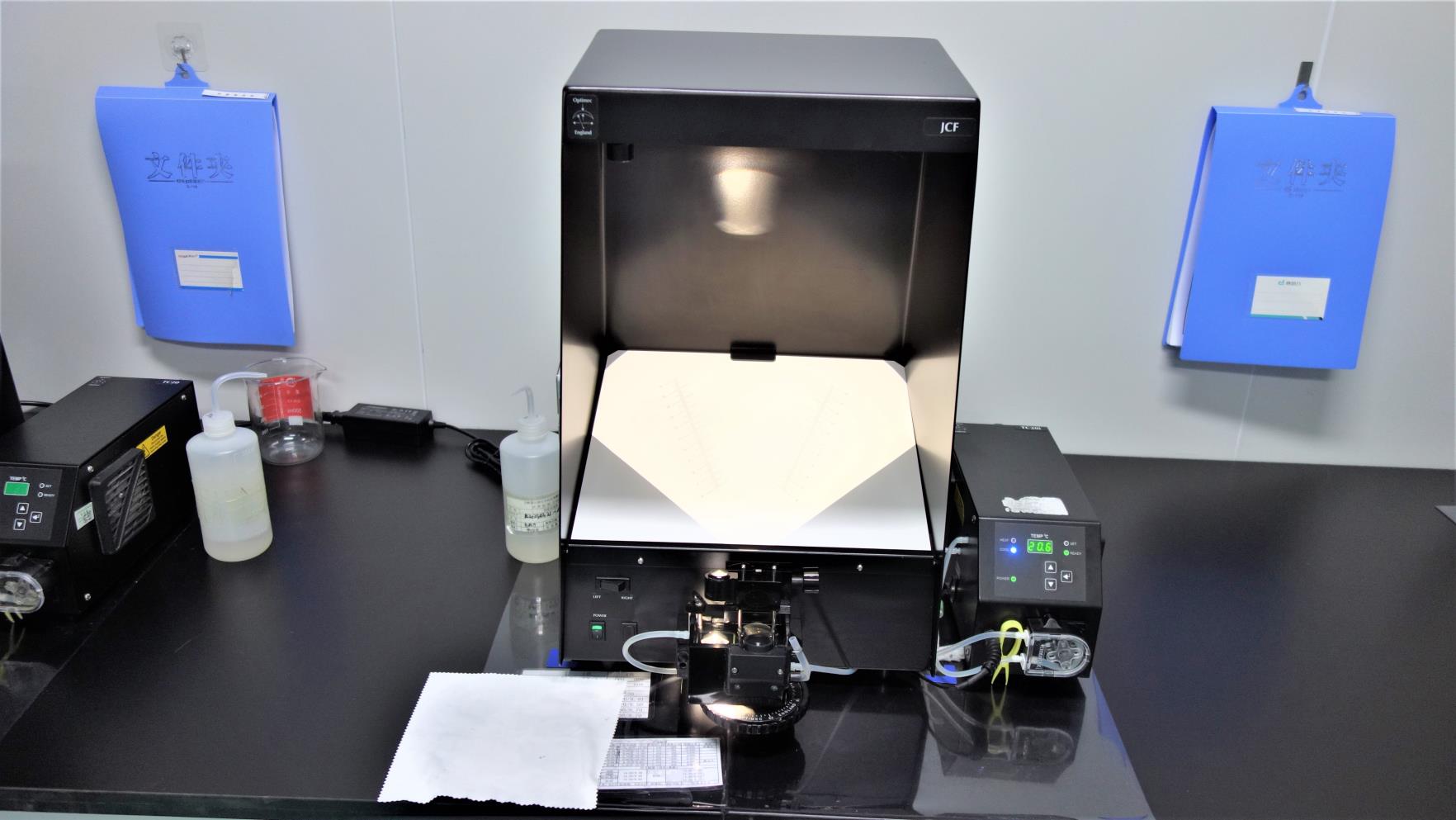
Magnified inspection for edge defects and scratches.
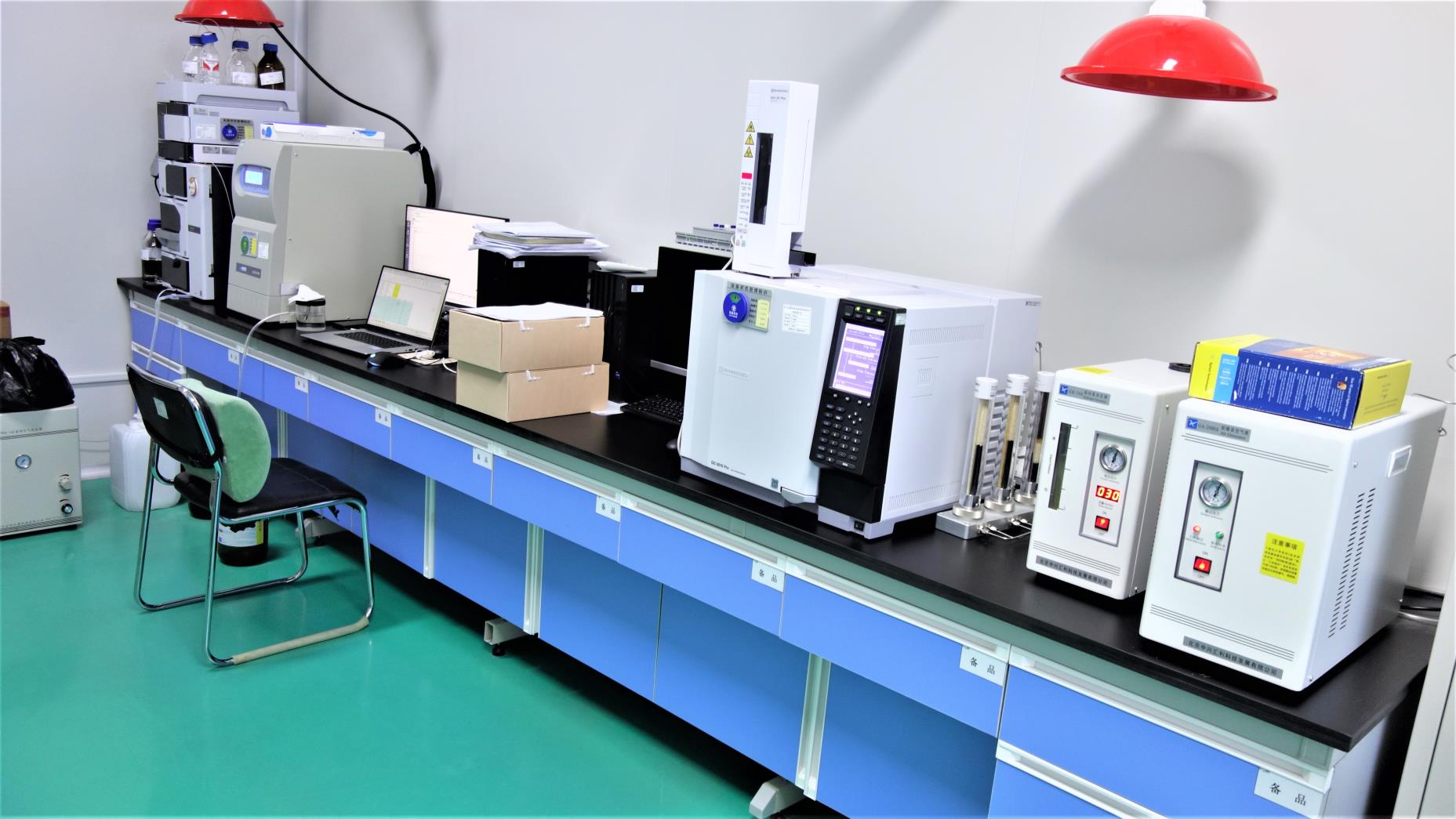
Measures light transmission and UV blocking curves.
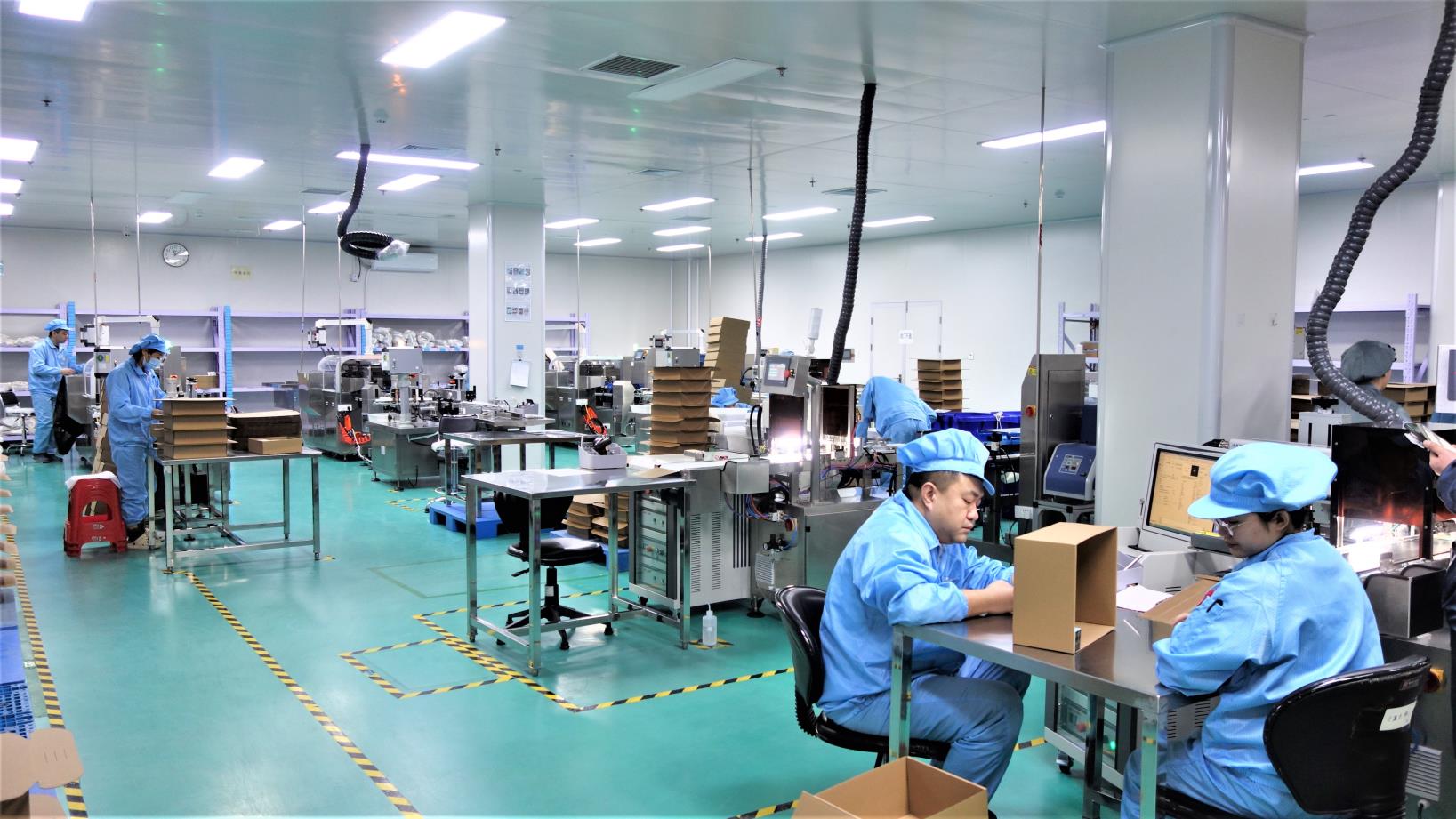
Clean automation for absolute seal integrity.
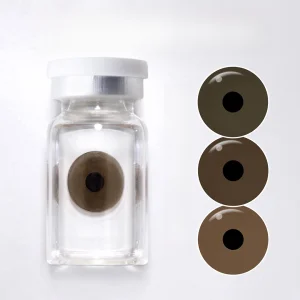
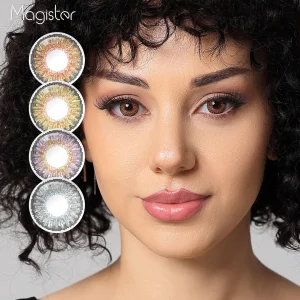
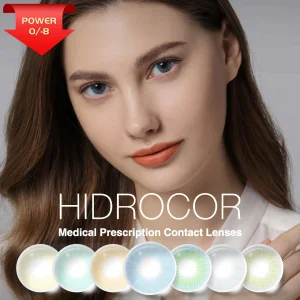
For cosmetic exporters targetting the Moroccan market, selecting the correct color matrix is key. Due to the high prevalence of dark eyes (brown and dark amber) among the native Moroccan populace, lenses with low opacity fail to produce visible cosmetic transformations. The market requires 3-tone color lenses or high-opacity 1-tone options designed specifically for dark irises. Series like the Magister Star Eye and the Freshgo Hidrocor are formulated with opaque pigment dots that successfully mask dark backdrops without obstructing the pupil window, ensuring natural blends that are highly sought after in urban centers like Rabat and Casablanca.
In the post-pandemic retail environment, supply chain speed and inventory flexibility have become primary differentiators. The traditional model of waiting 45 to 60 days for production runs is incompatible with fast-paced social media cycles. Our RTS model allows wholesalers to order small to mid-sized quantities of catalog items that are fully manufactured, certified, and ready for immediate shipping. This minimizes risk and allows businesses in Morocco and globally to test new product colors and styles dynamically.
Premium options including natural cosmetic ranges, cosplay sclera designs, and advanced prosthetic lenses.
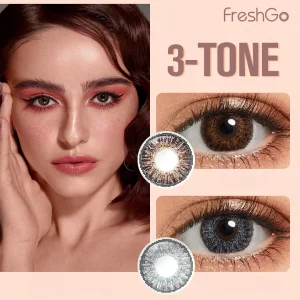
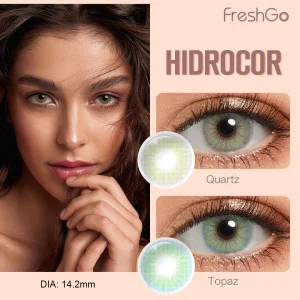
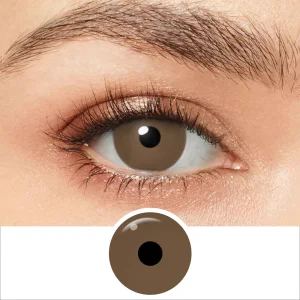
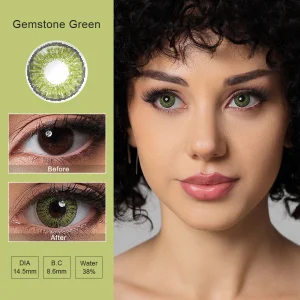

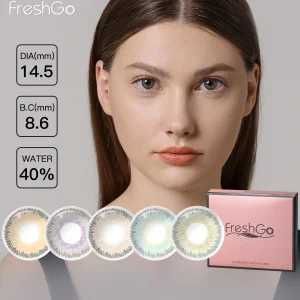
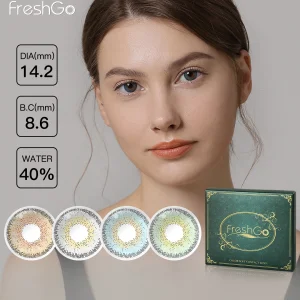
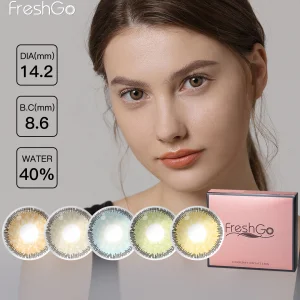
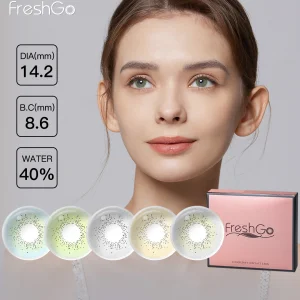
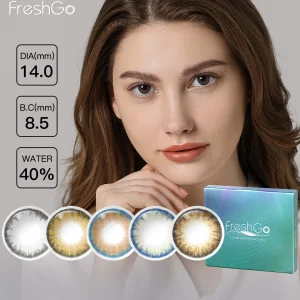

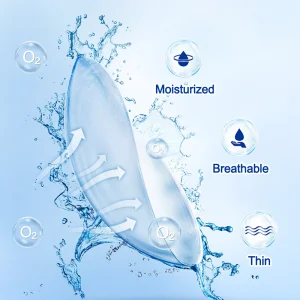
The base structural component of a high-quality soft contact lens dictates its oxygen transmissibility ($Dk/t$), hydration dynamics, and lipid resistance. Historically, HEMA (2-hydroxyethyl methacrylate) was the industry standard due to its water-retention capabilities. Modern engineering has evolved towards hydrophilic silicone hydrogels. By embedding silicone molecules into the polymer chain, the lens can transmit oxygen directly through the material matrix rather than relying solely on water content. This has drastically lowered rates of giant papillary conjunctivitis (GPC) and peripheral corneal ulcers. All lenses exported to Morocco from our Shenzhen facility are formulated with high water-retention monomer balances, preserving tear-film stability in hot and arid environments like Marrakech and Oujda.
Our Quality Management System (QMS) conforms to the strict regulatory baselines mandated by ISO 13485 (Medical devices — Quality management systems). Raw materials are acquired exclusively from certified international polymer suppliers with full chemical traceability records. During production, continuous monitoring occurs at several milestones:
Technical guidance regarding regulatory compliance, customized branding, logistics, and shipping protocols.