Fresh Lenses
Fresh Lenses
Fresh Lenses
Pre-inspected, rapid-dispatch lines matching Sydney's high demand for cosmetic lens variants and custom parameters.
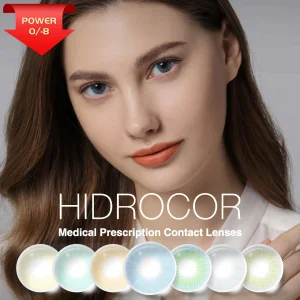

Navigating consumer behavior shifts, delivery expectation paradigms, and competitive channel dynamics across New South Wales.
The Sydney metropolitan optical market is undergoing a structural transformation. Propelled by rapid changes in fashion, a highly diverse multicultural population, and an increasing penetration of boutique optometry clinics in suburbs such as Newtown, Chatswood, Darlinghurst, and the CBD, the demand for specialty contact lenses has grown exponentially. Distributors, online retailers, and clinical systems are faced with the dual challenge of keeping stock overheads low while satisfying a consumer base that expects immediate fulfillment.
“The Sydney optical retail demographic is characterized by two distinct segments: standard vision correction and fast-turnaround aesthetic lenses. E-commerce platforms catering to Darlinghurst fashion houses and cosmetic clinics in Haymarket now demand lead times of less than 7 days, placing huge stress on traditional slow-freight supply models.”
In the high-margin sector of cosmetic and prescription contact lenses, inventory bottlenecks can easily lead to customer churn. Historically, custom bulk manufacturing required 30 to 45 days. By using Ready-to-Ship (RTS) protocols, distributors in Sydney can procure stock that has already cleared raw material traceability checks, sterilization pipelines, and initial quality controls. This translates directly to an optimized inventory turnover ratio, reducing capital tied up in warehouses near Port Botany or Mascot Airport.
Furthermore, Australia's strict regulatory oversight managed by the Therapeutic Goods Administration (TGA) demands that all optical medical devices (Class IIa or IIb depending on wear duration) comply with stringent biophysical standards. Shenzhen Fresh Vision Co., Ltd., with a decade of global exporting history, structures its RTS pipeline to align with these requirements, enabling local sponsors in Sydney to register and import with confidence.
Inside Shenzhen Fresh Vision Co., Ltd.: Standardizing global ocular hygiene, precision polymer casting, and rigorous QA.
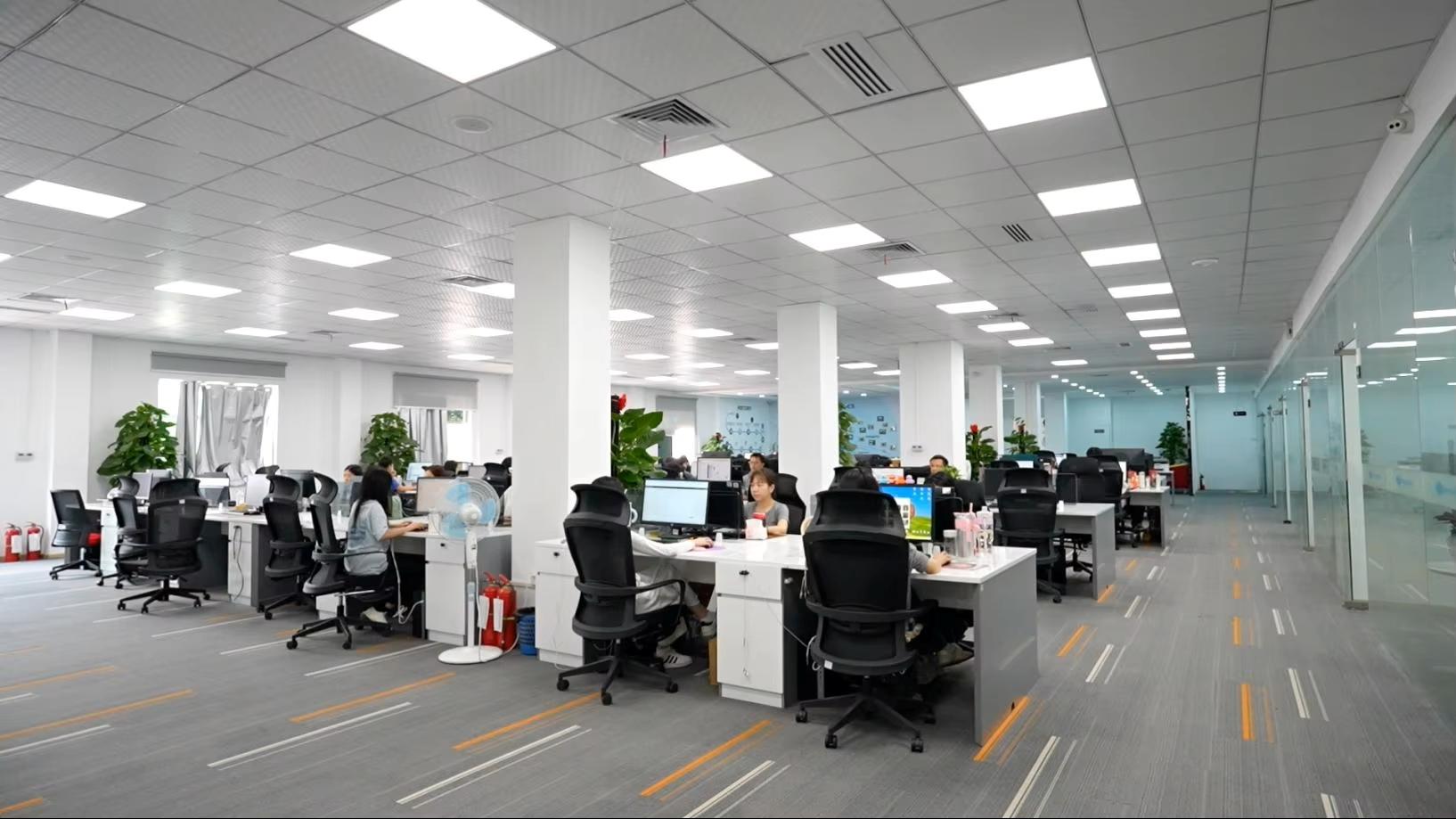
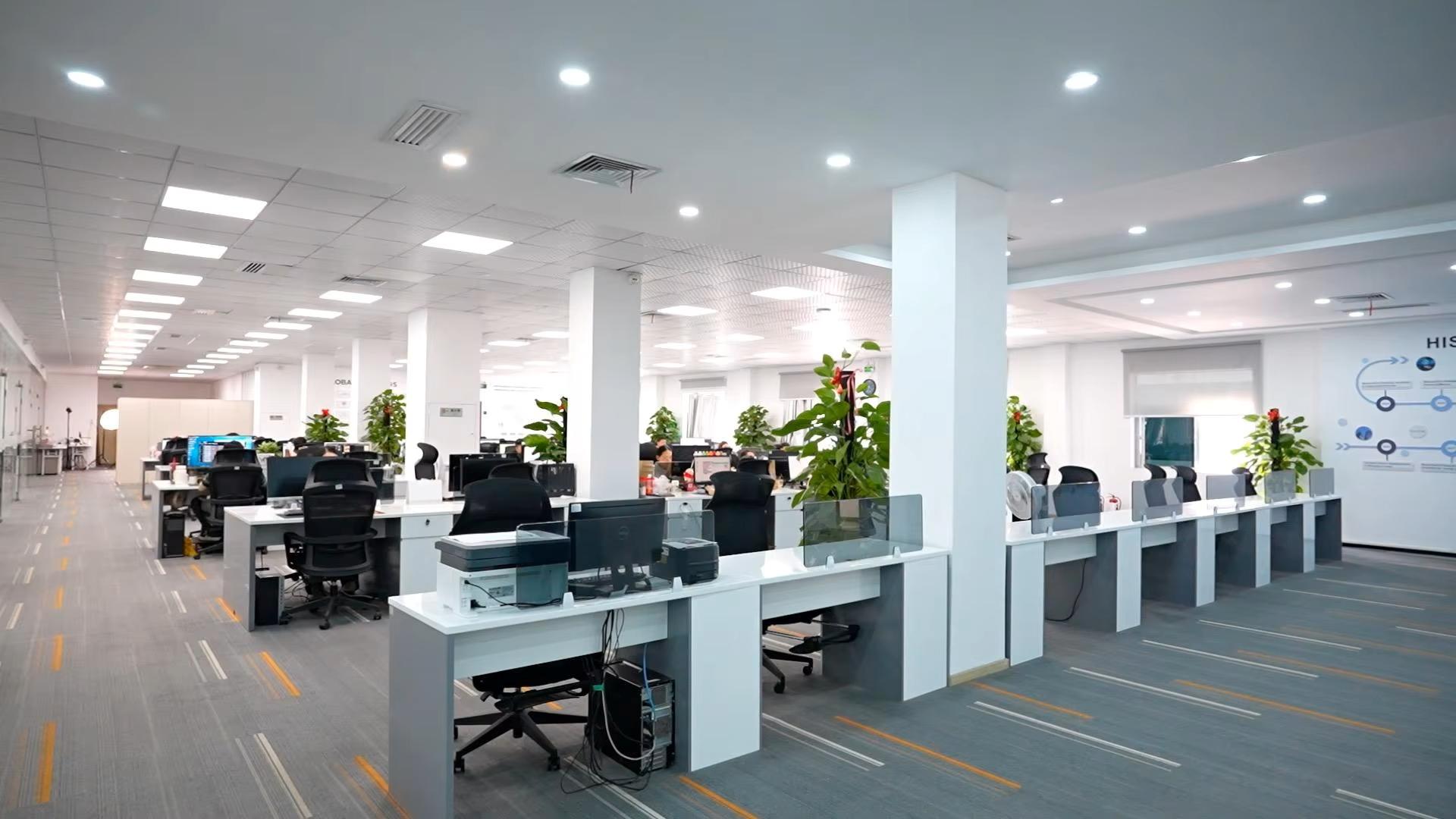
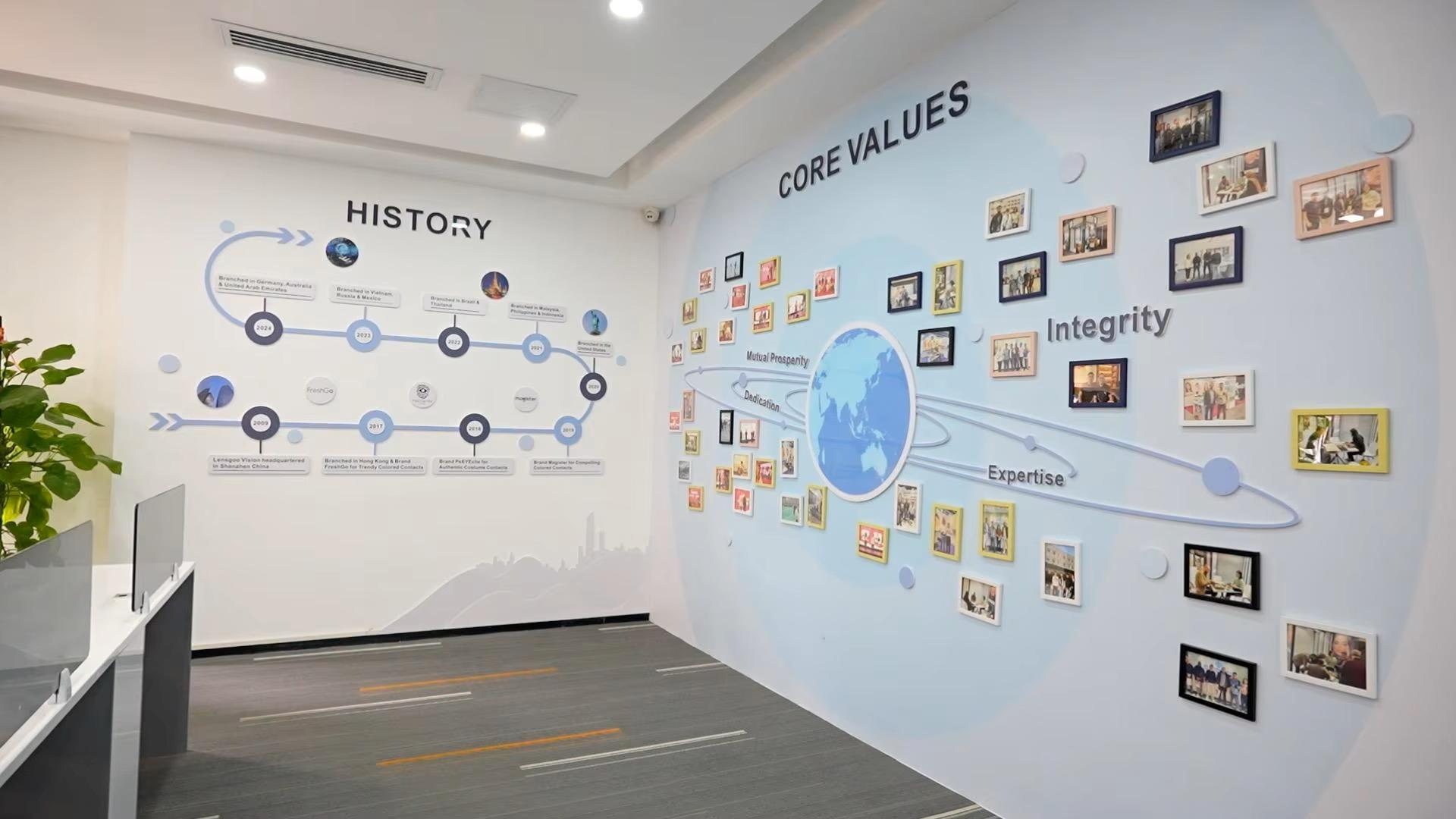
Founded on January 26, 2016, Shenzhen Fresh Vision Co., Ltd. has developed into a top-tier manufacturer of soft cosmetic and corrective contact lenses. Operating from an integrated 1,100 square meter cleanroom facility, the company employs five dedicated research and development engineers—holding three postgraduate and two junior college degrees in optical physics and biomaterial sciences. This high technical density ensures that all manufactured polymers maintain structural stability, oxygen permeability, and optimal water retention profiles.
| Operational Parameter | Standards & Capabilities |
|---|---|
| Establishment Date | January 26, 2016 |
| Cleanroom Facilities | 1,100 ㎡ ISO-certified space |
| Global Export Channels | 10 years of worldwide logistics experience |
| Main Markets | North America (25%), Southeast Asia (20%), Mid East (10%), Oceania (Growth Focus) |
| Traceability Protocols | 100% Raw material batch tracking systems |
| Supported Languages | English, Spanish, Chinese (Dedicated customer desks) |
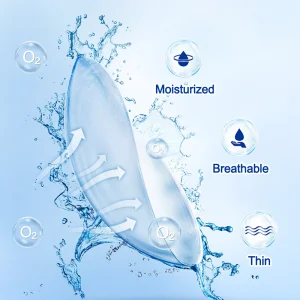
By using modern cast molding processes, our production line avoids edge irregularities, which are a major cause of foreign body sensation and corneal irritation. The polymer formulation features high water content and exceptional oxygen transmissibility (Dk/t), ensuring comfort throughout the day in Sydney’s dry, air-conditioned office towers and humid coastal environments.
A breakdown of the precision steps executed within our cleanroom facility to guarantee lens consistency.
Incoming HEMA polymers and color pigments undergo spectrophotometric validation to ensure purity and safety.
Liquid polymers are injected into optical-grade molds to shape the base curve and power profile.
Thermal and ultraviolet cross-linking solidifies the hydrogel matrix, locking in pigment and structural strength.
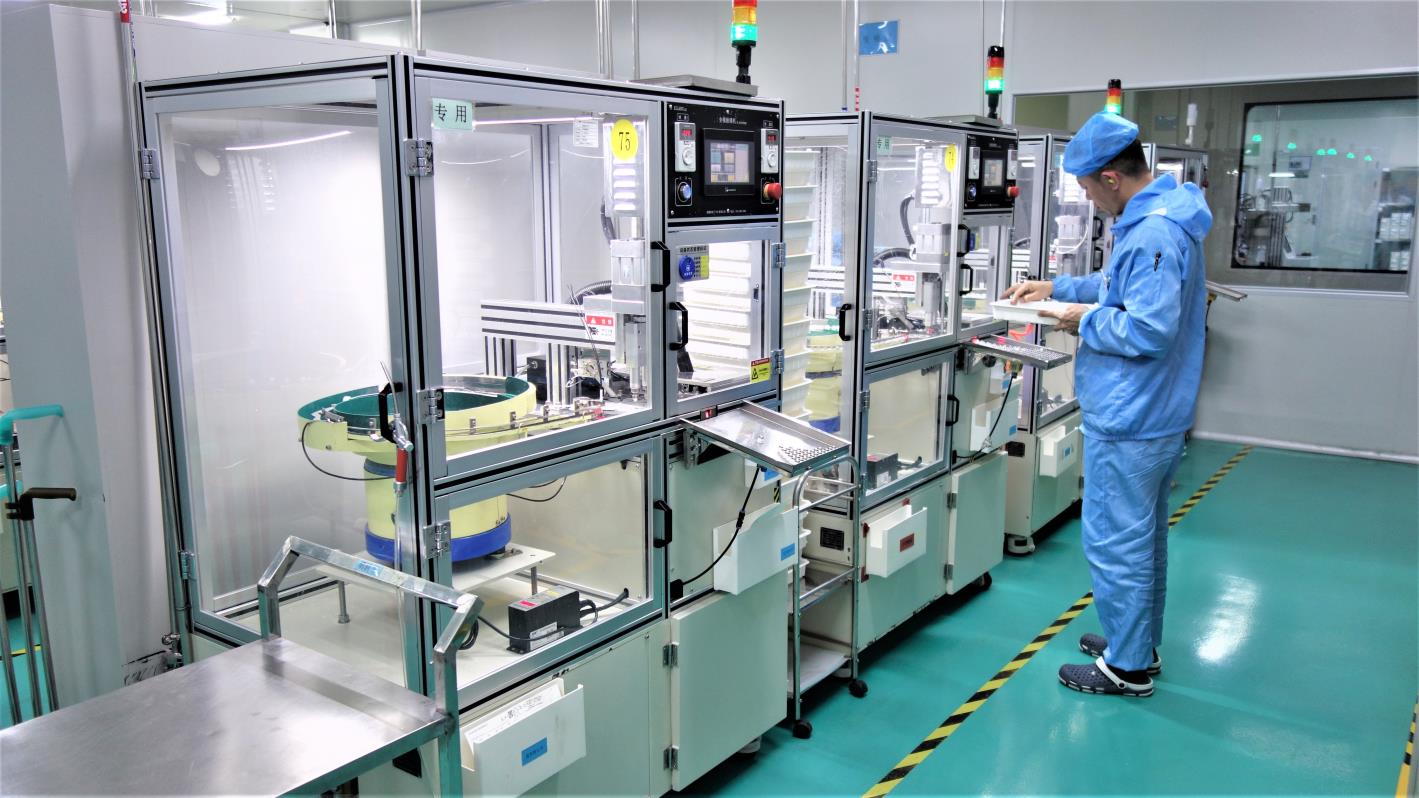
Delicate mechanical extraction separating the dry lens from its matching female mold face.
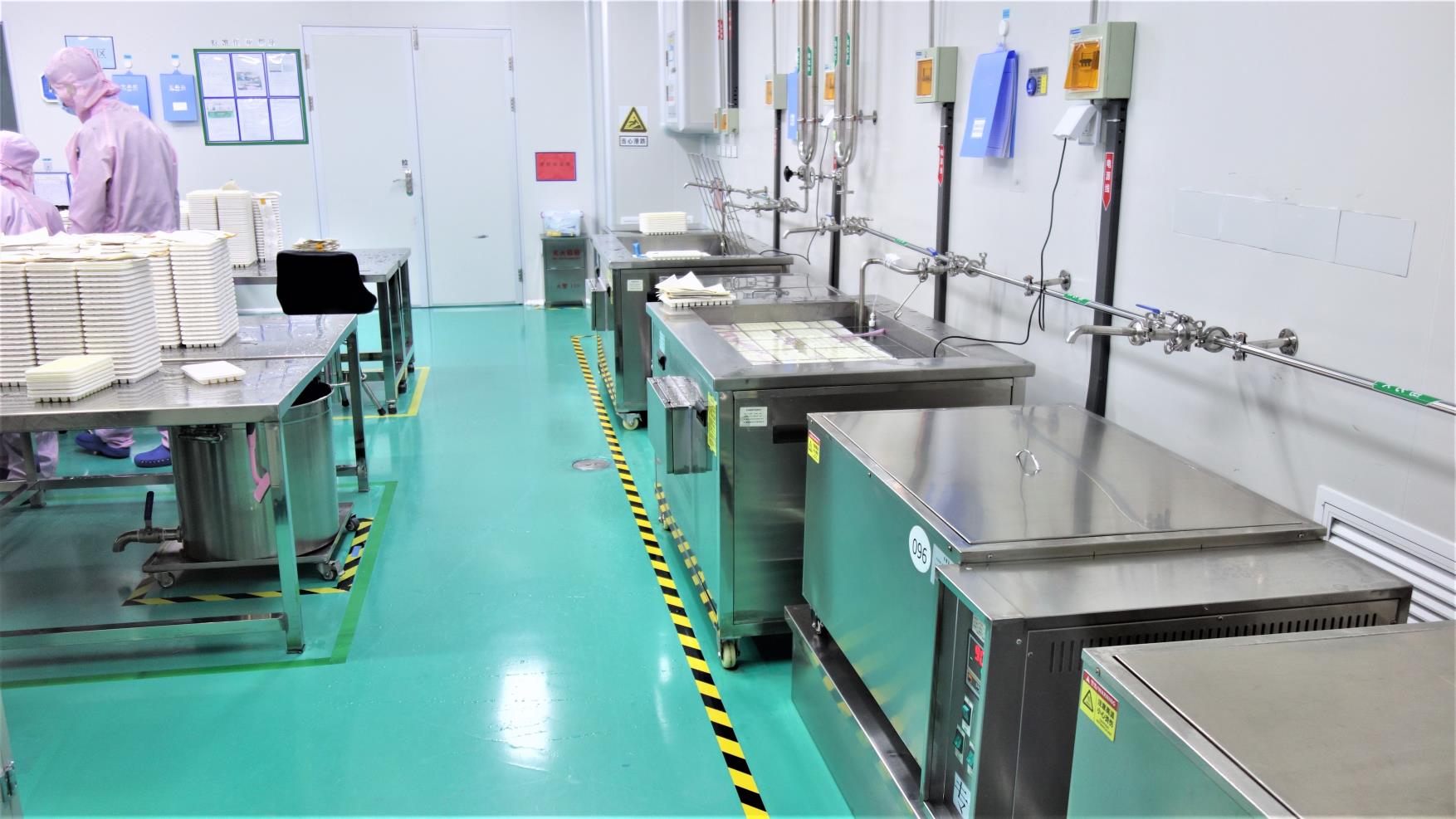
Hydration processing in buffered saline solution extraction of unreacted monomers.
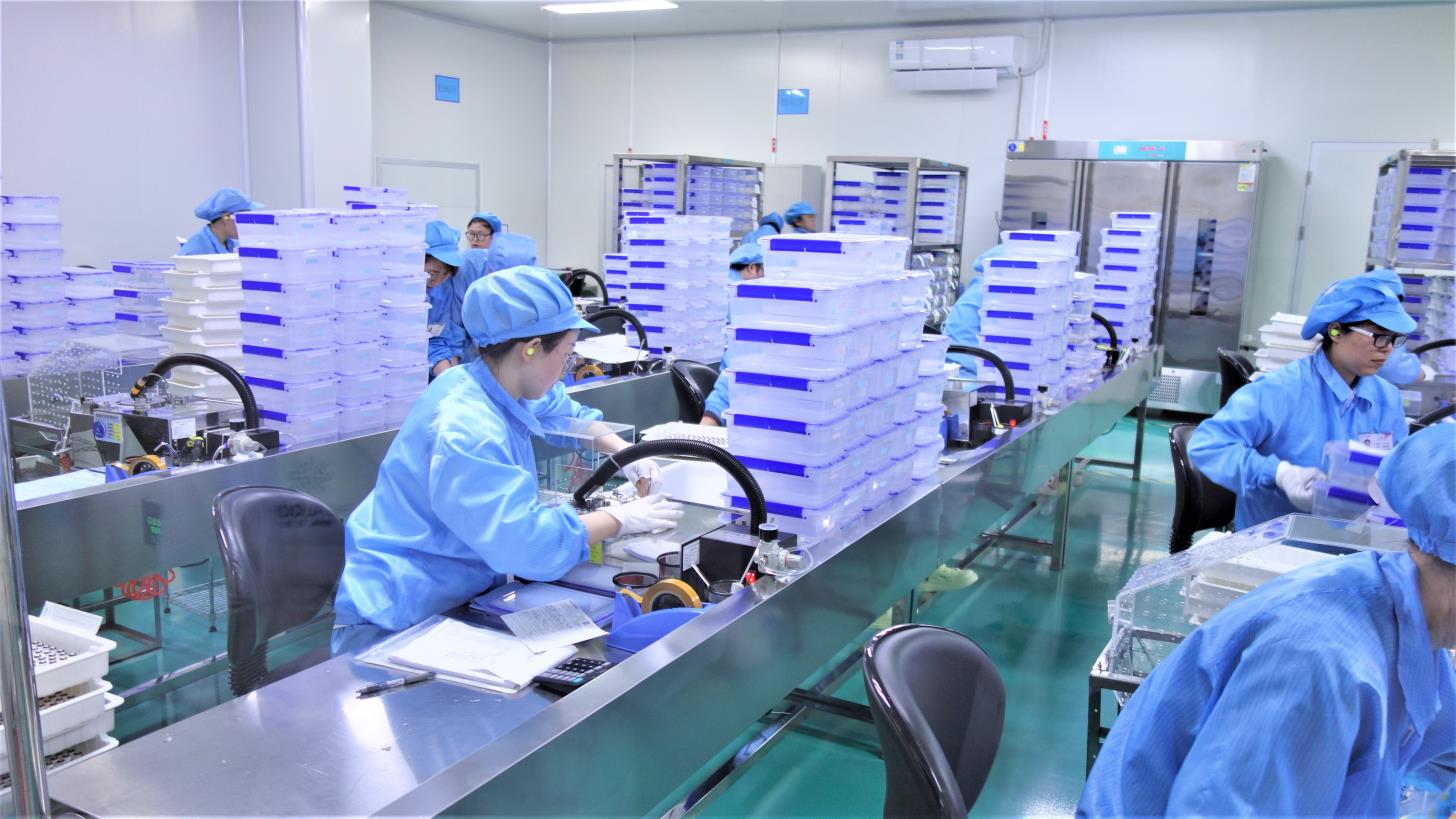
Handling individual lenses with clean vacuum pickup tools to prevent surface damage.
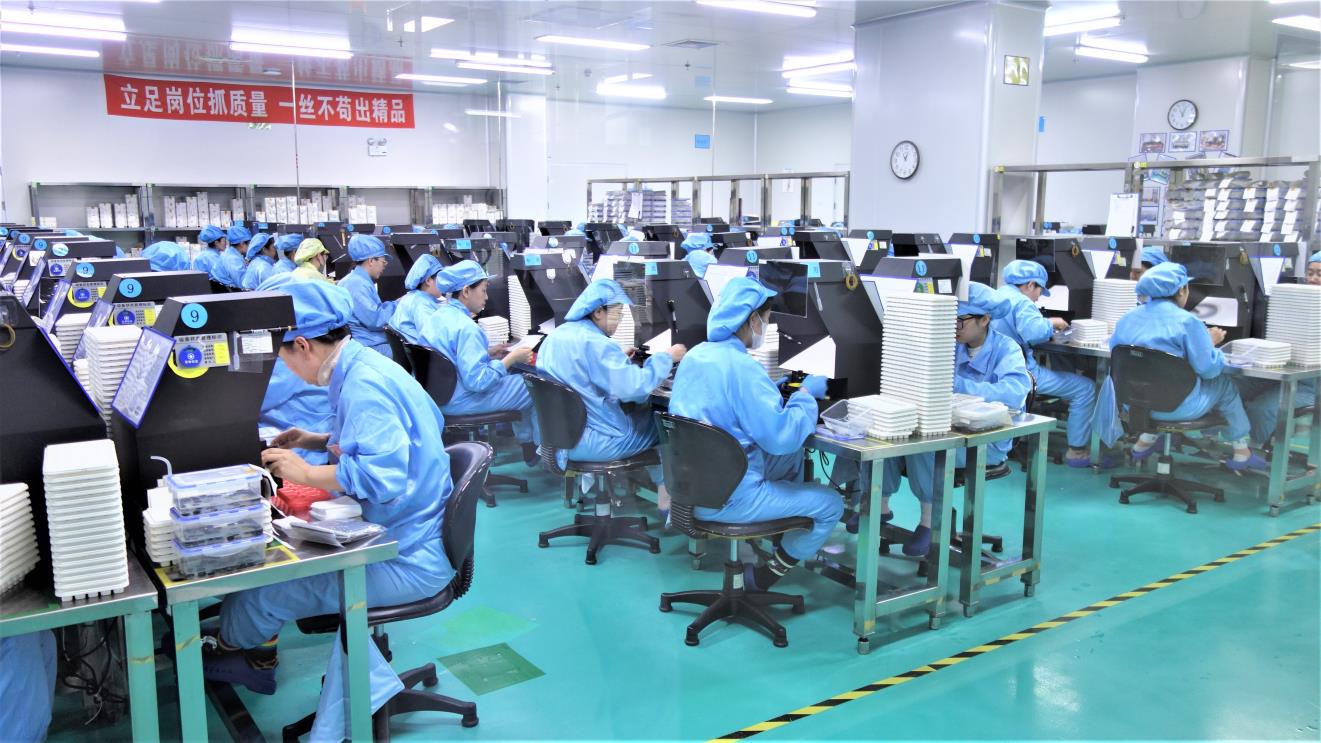
Projectors analyze lens borders for tears, bubbles, or pigment anomalies under high magnification.
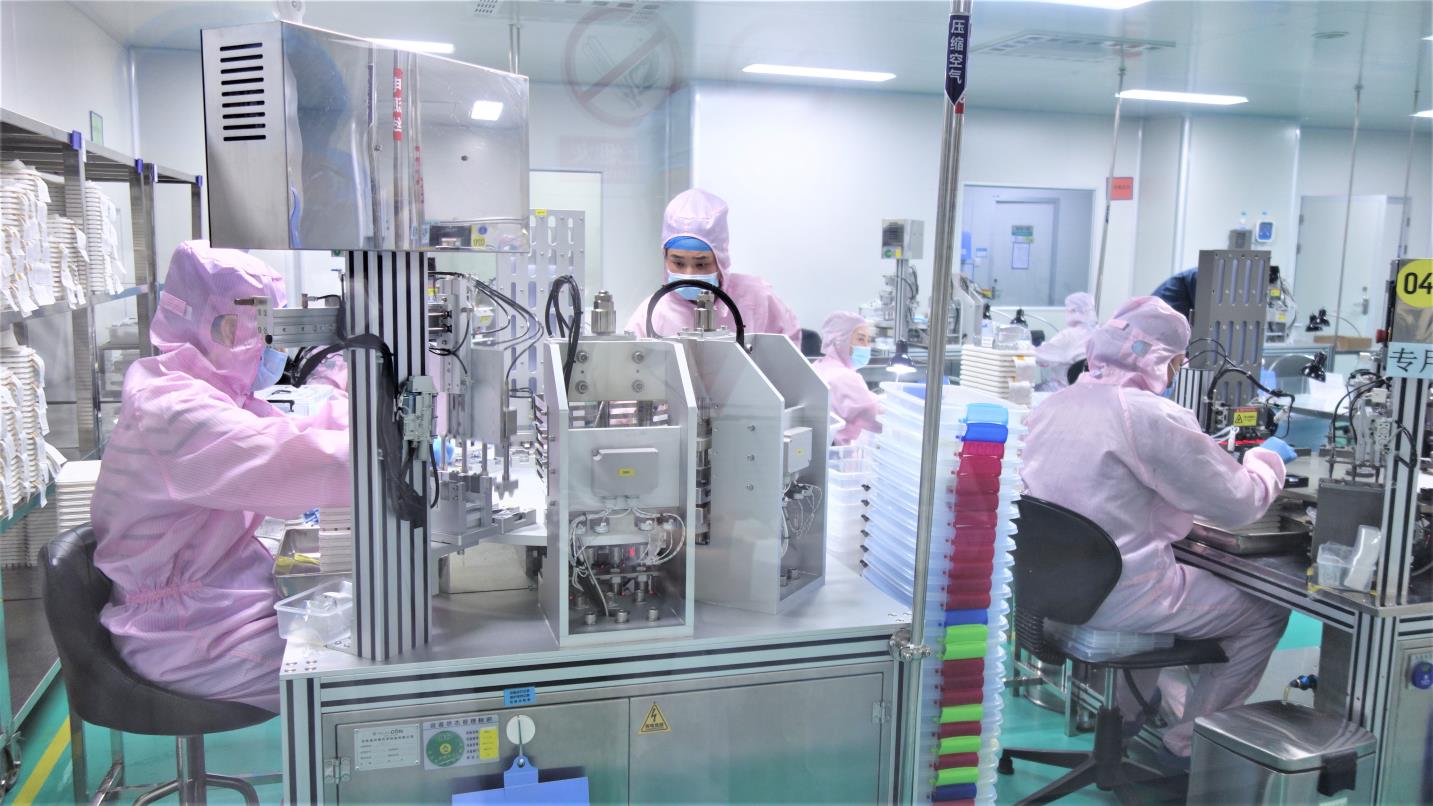
Lenses are placed into blister packs containing buffered saline and sealed with medical foil.
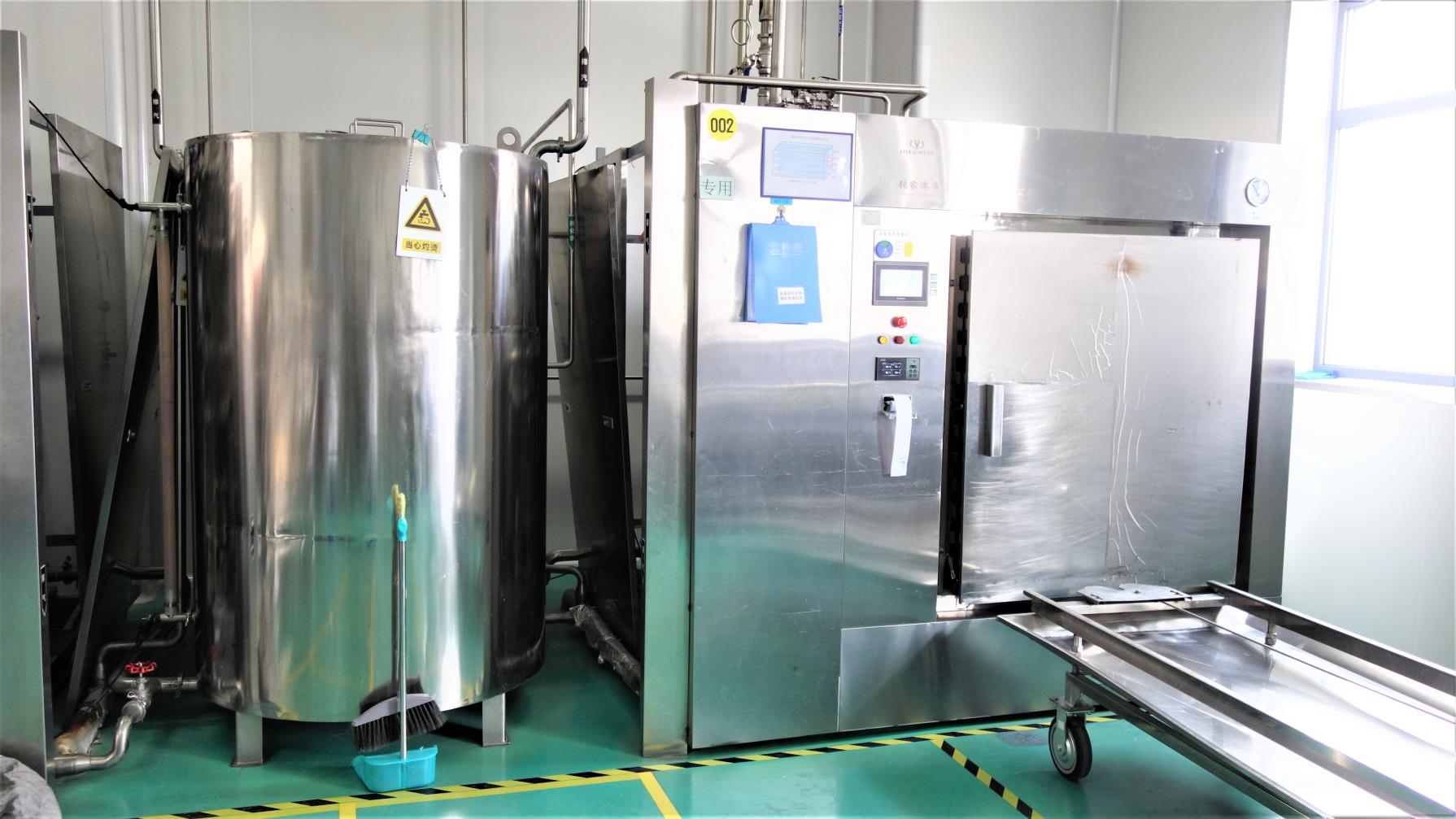
Autoclaves subject sealed blisters to high-pressure steam, achieving SAL 10^-6 sterility.
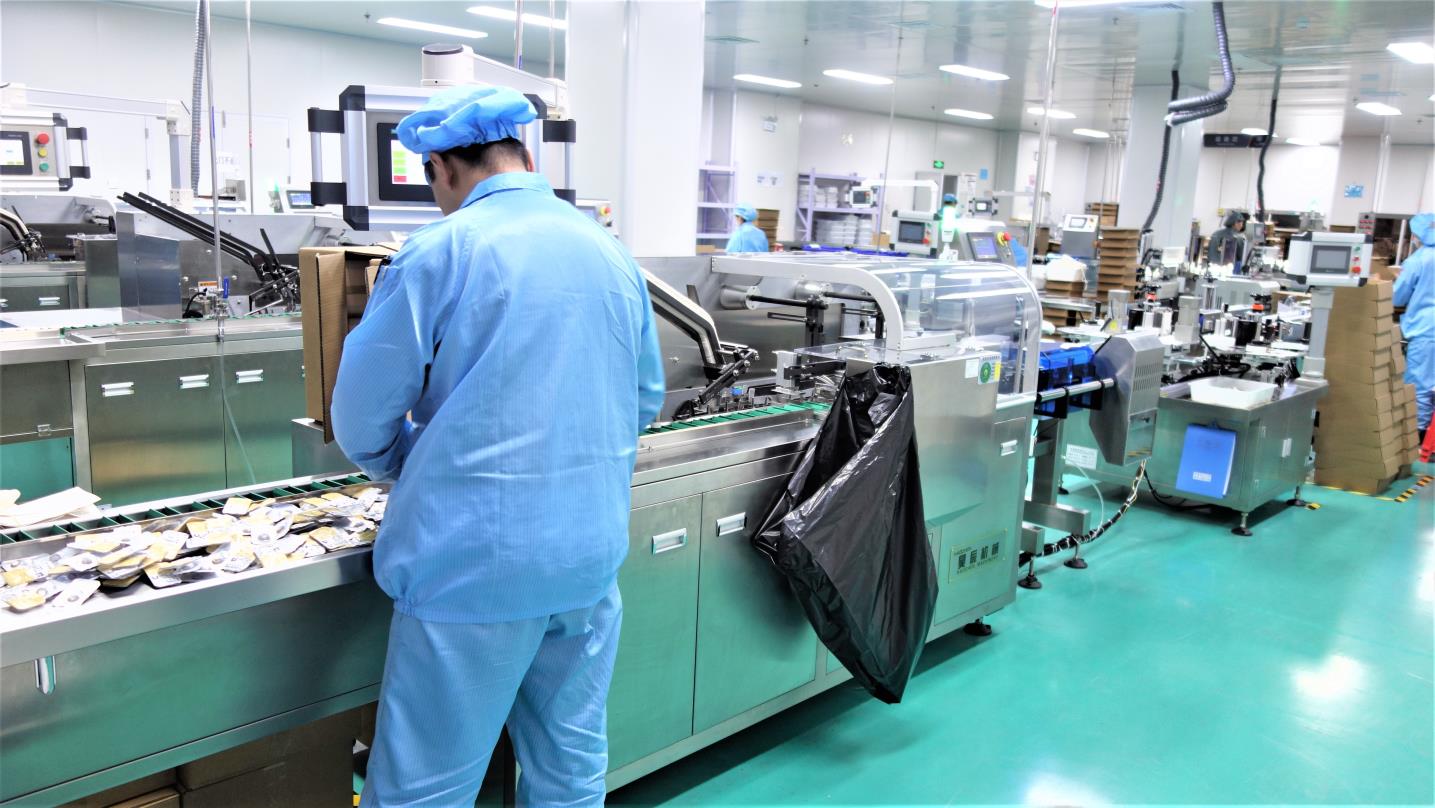
Final labeling with batch codes, expiry dates, and optical power details for easy warehousing.
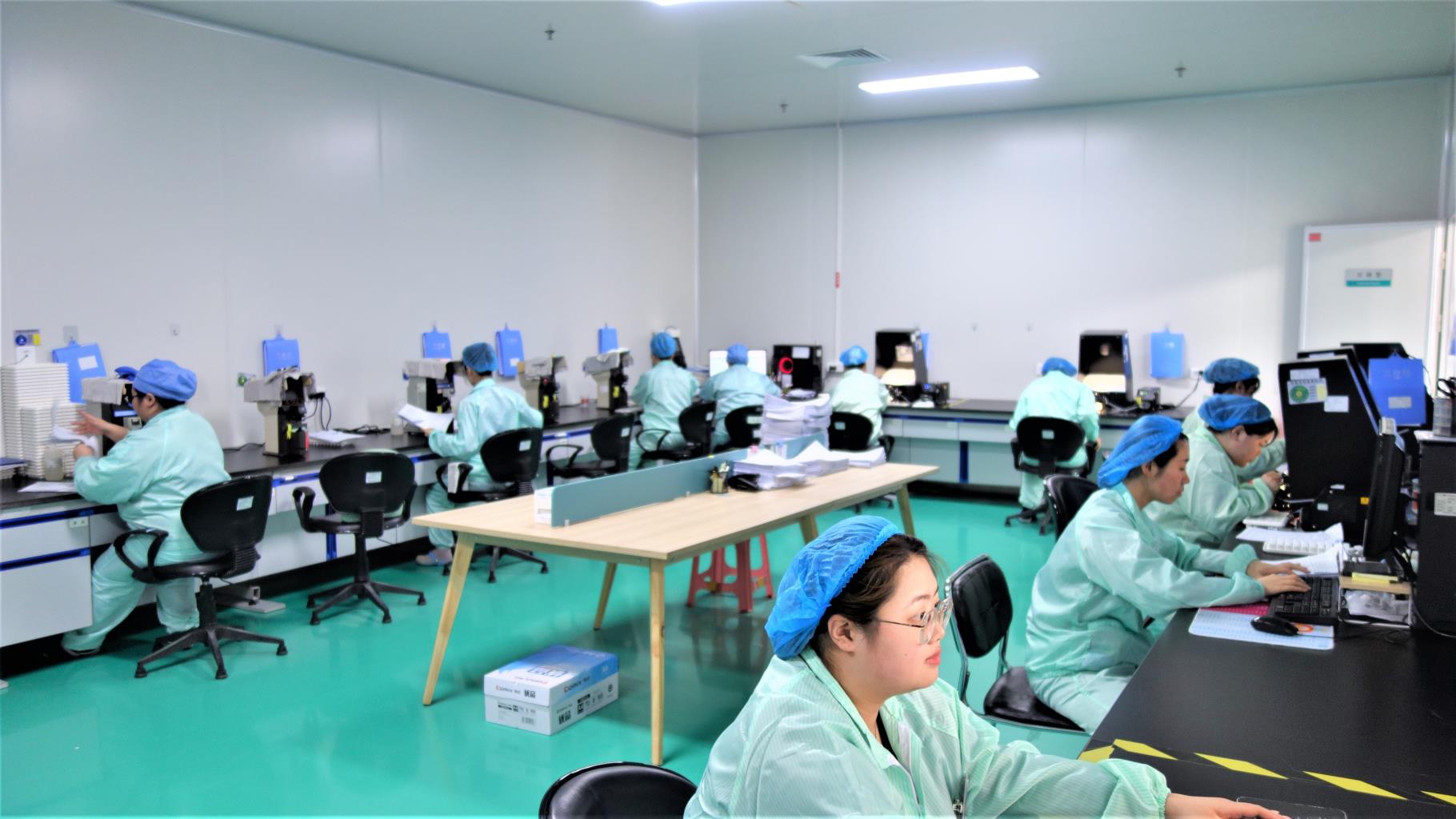
Random batch inspections checking parameter stability (base curve, diameter, power, pH, salinity).
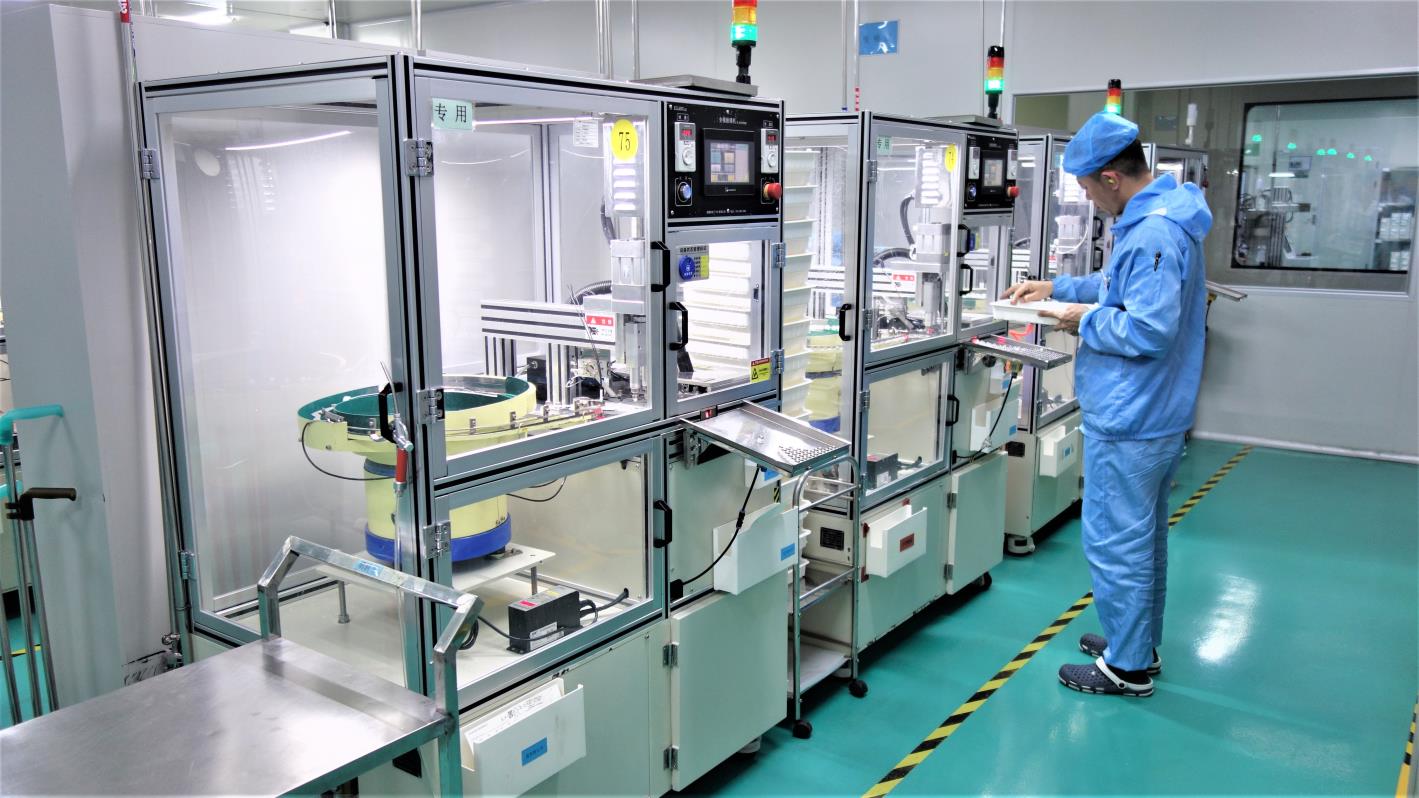
Specialized pneumatic systems designed for gentle, stress-free separation of dry hydrogels.
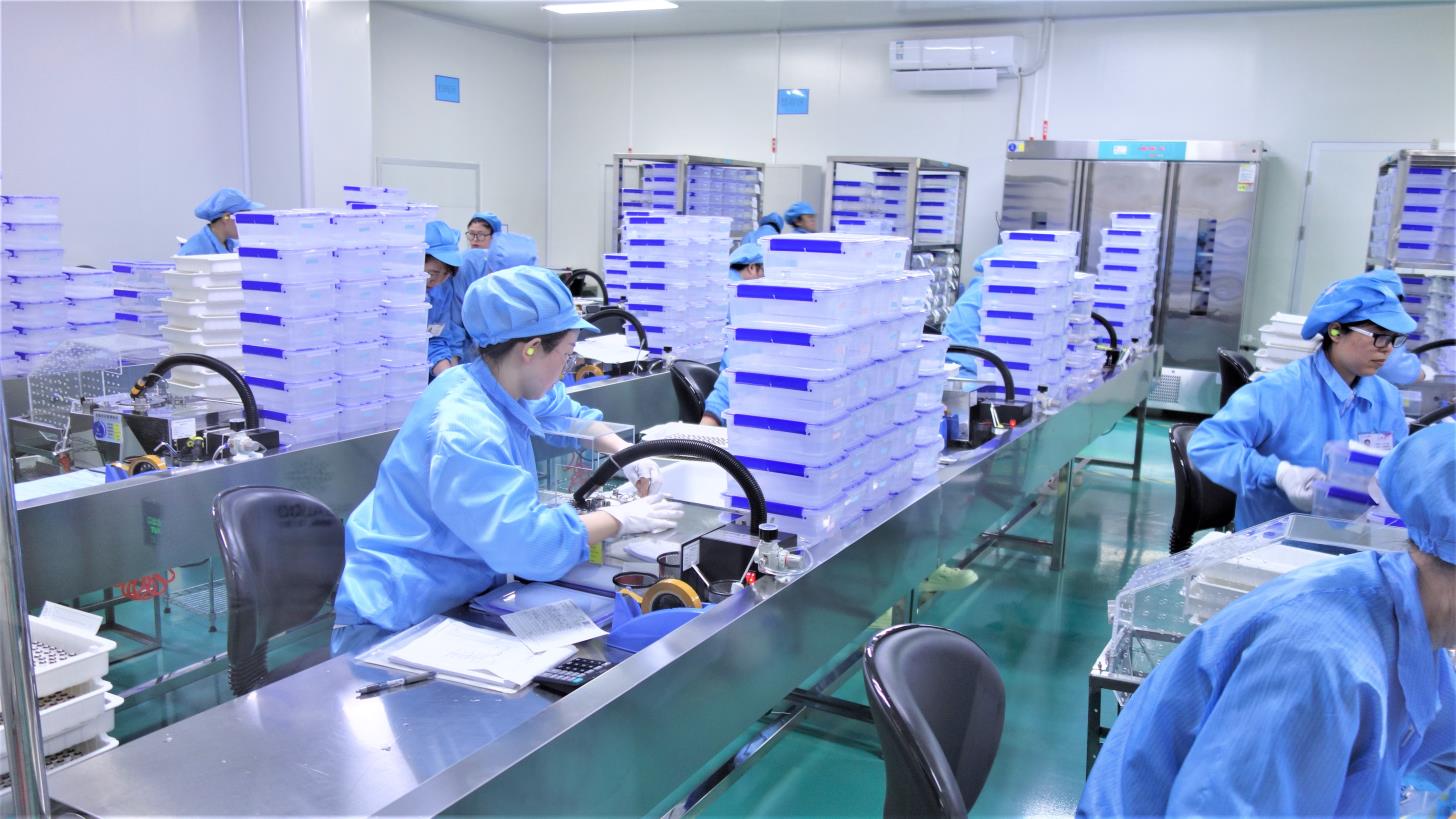
High-speed robotic suction assemblies transfer wet lenses without physical handling.
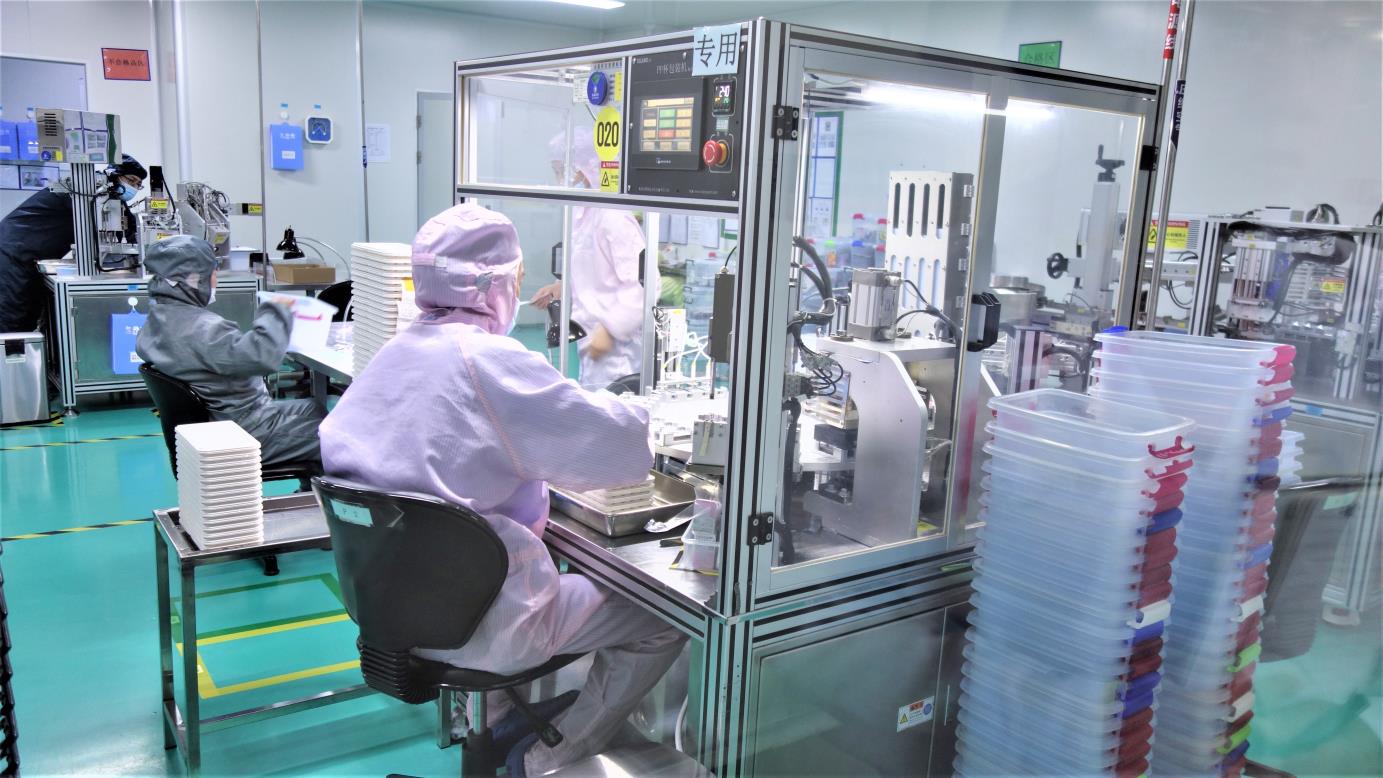
Doses a precise volume of isotonic solution to maintain lens hydration over a 5-year shelf life.
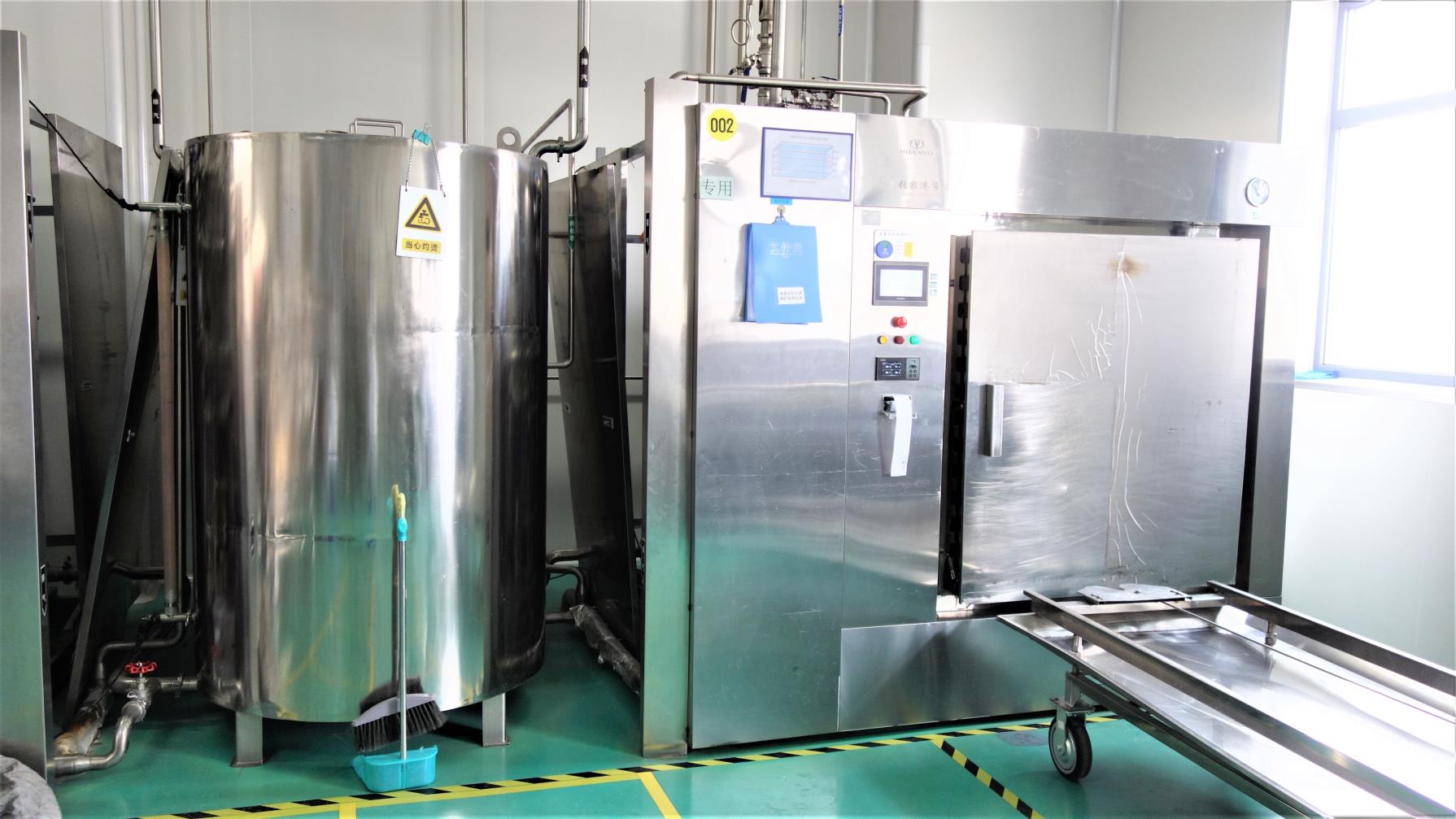
Microprocessor-controlled steam sterilization chamber configured for biomedical medical devices.
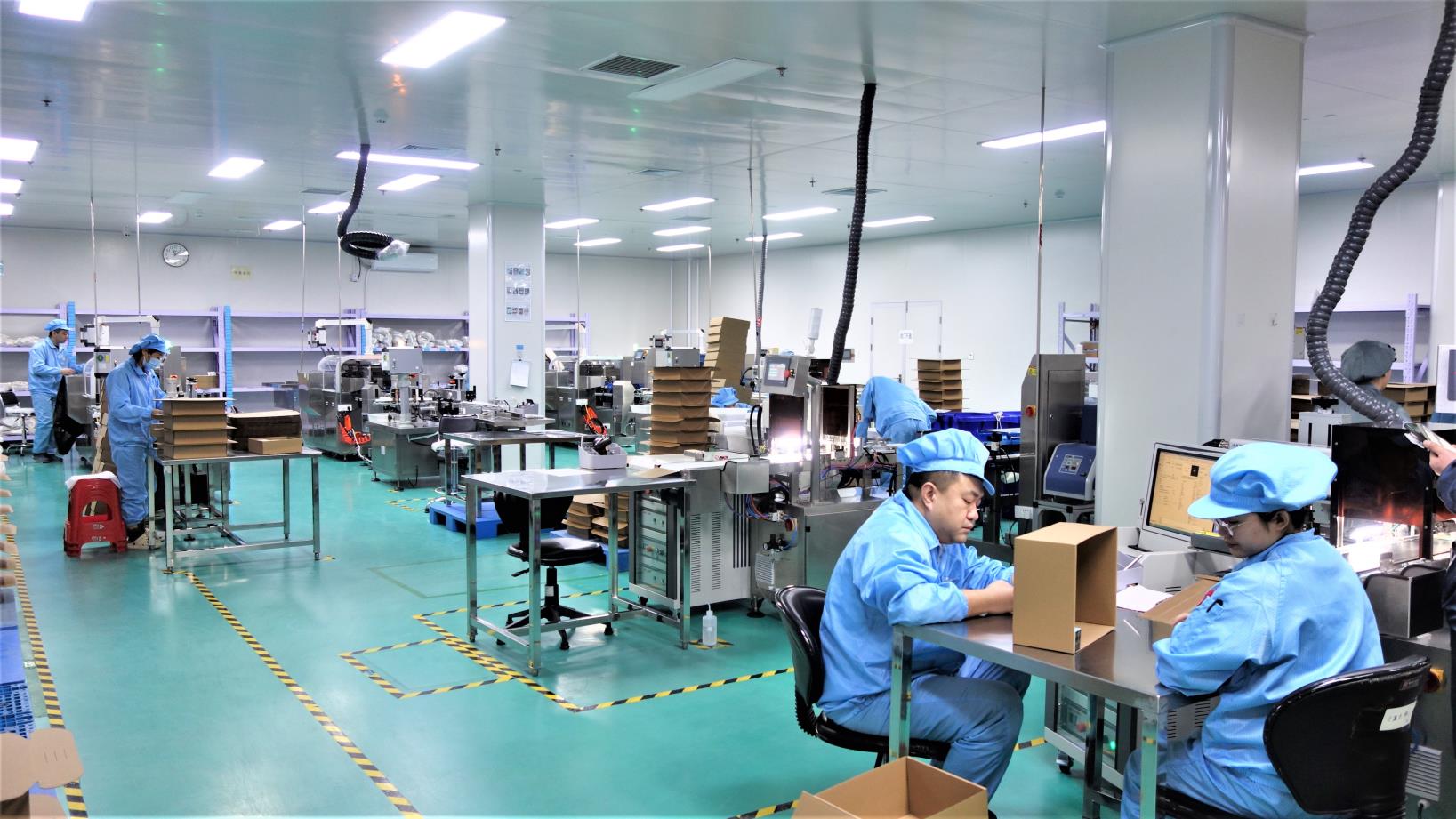
Fast heat-sealing of blister packages prevents contamination and maintains sterility.
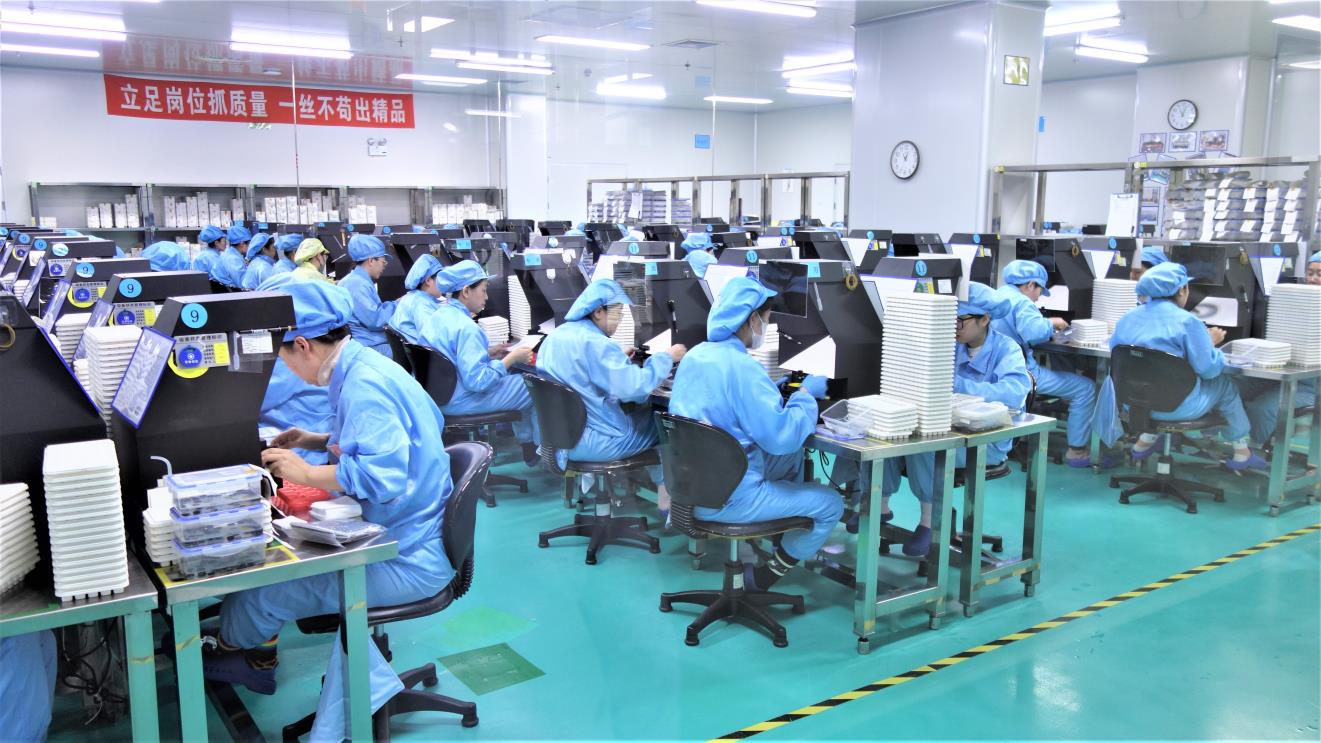
High-resolution camera systems perform sub-pixel analysis to identify cosmetic blemishes.
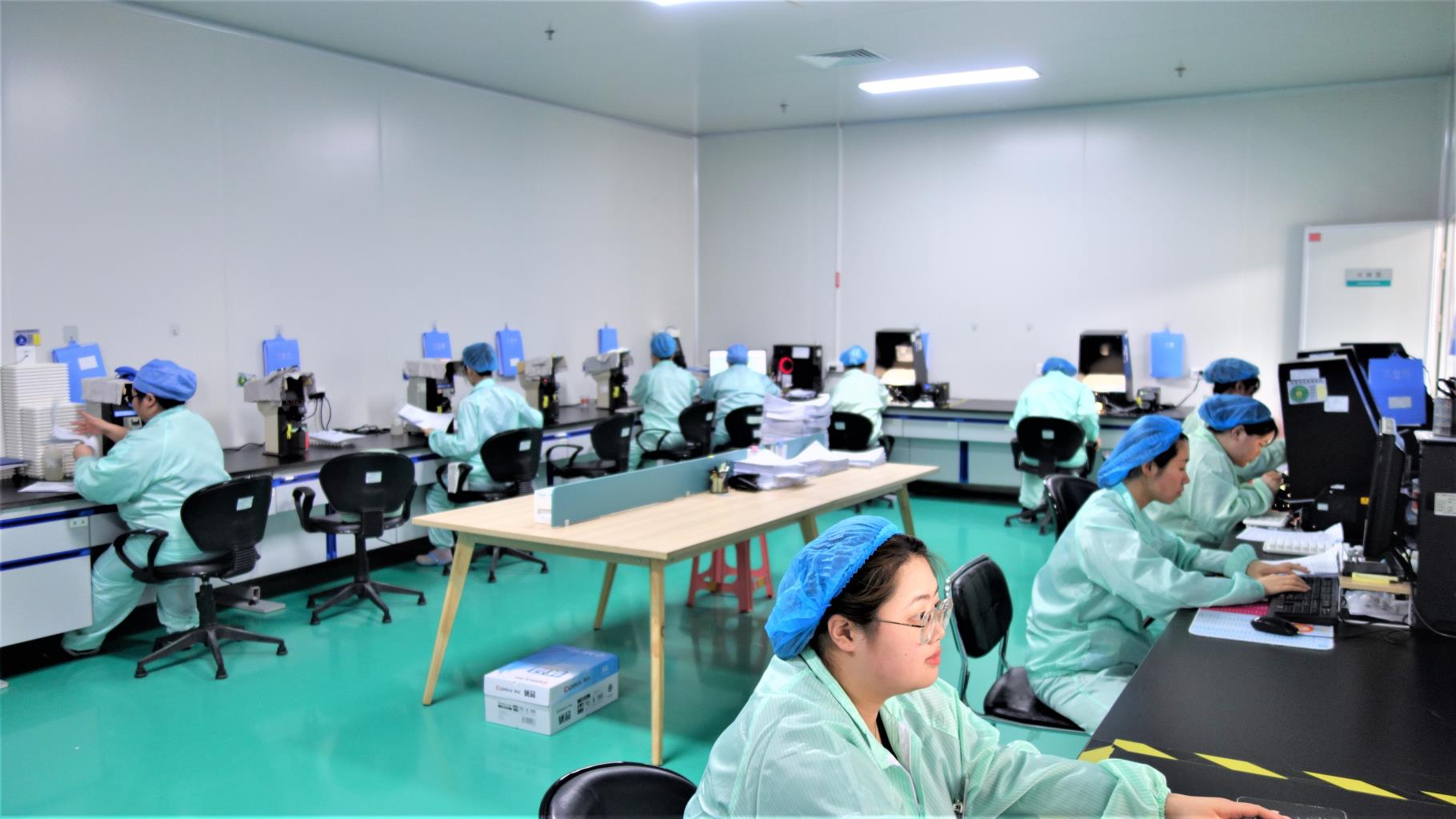
Final physical inspection by trained quality control technicians under laminar flow hoods.
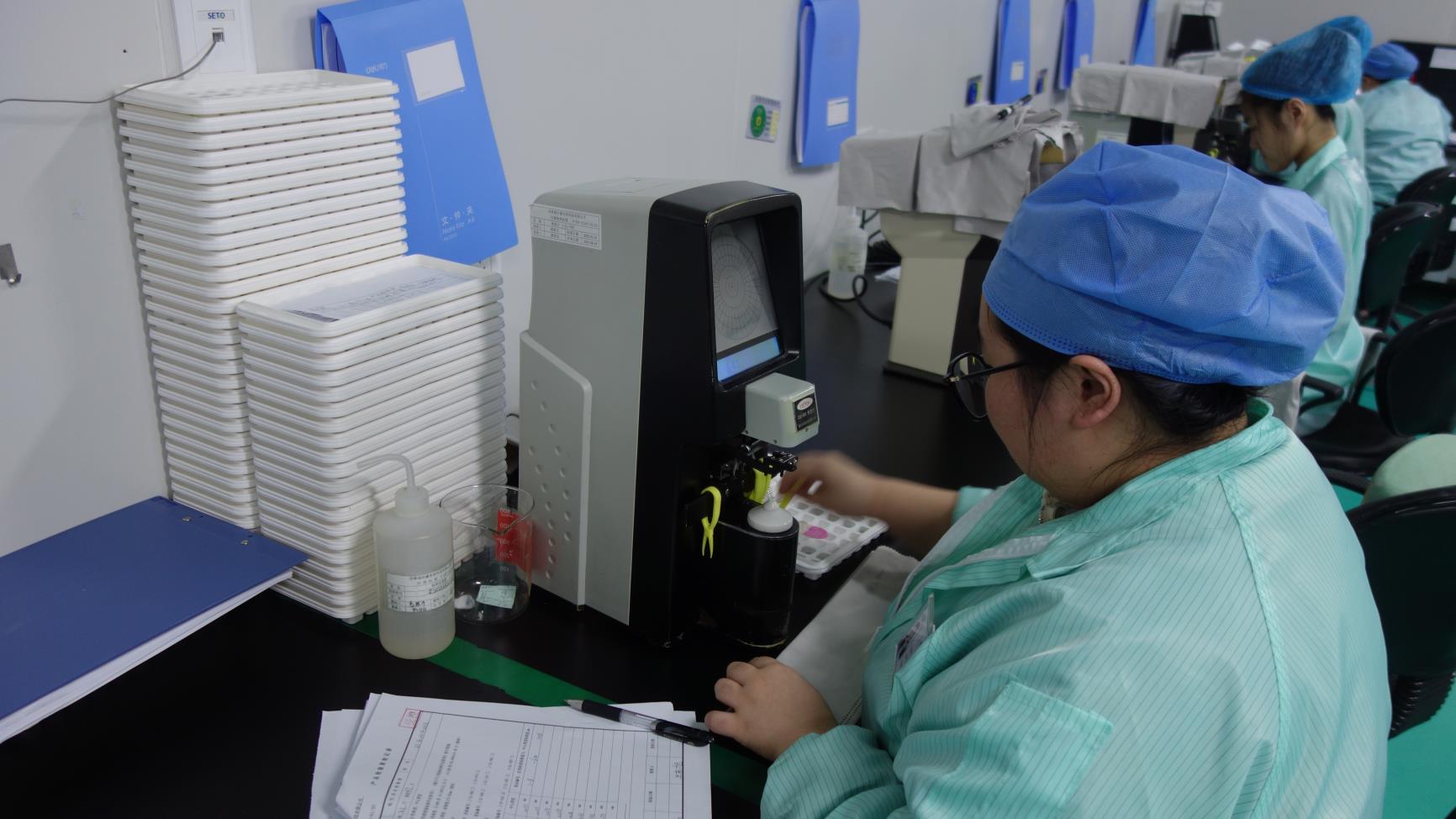
Optical power meter verifying the exact back vertex power of corrective lenses.
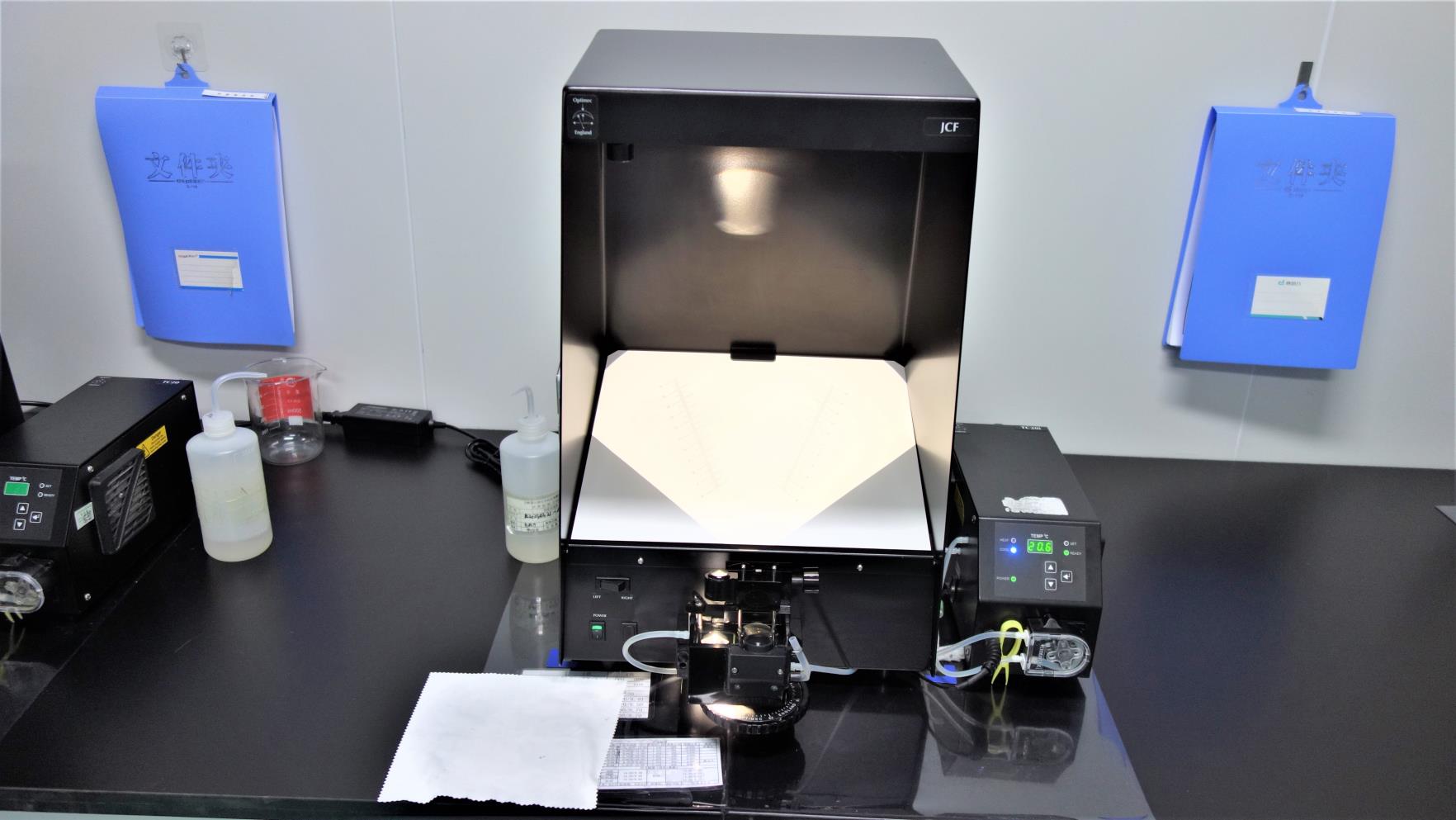
Enlarged edge profile screening to detect micro-cracks and ensure roundness.
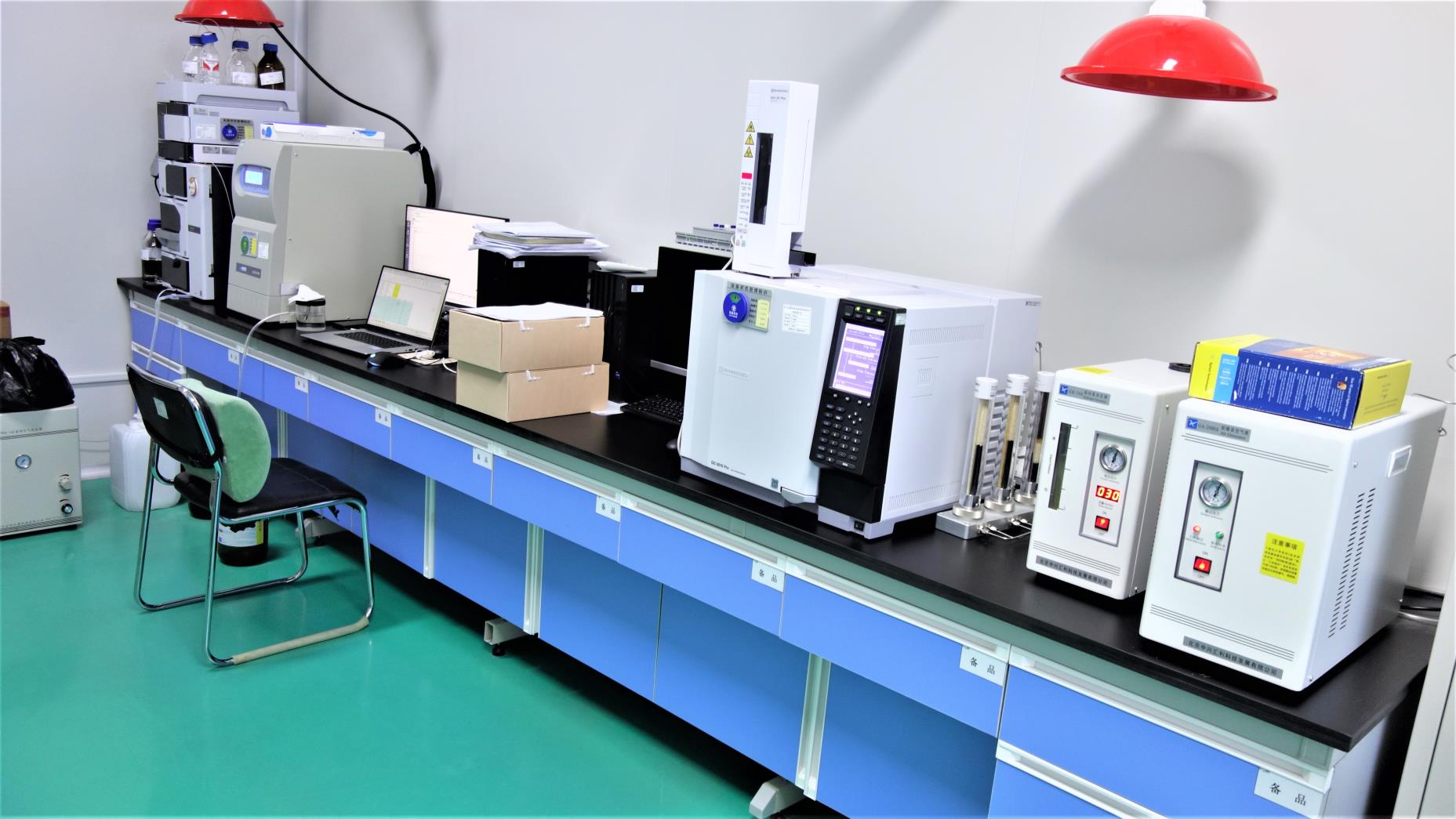
UV-Vis spectrophotometer verifying UV-blocking efficiency and precise color reproduction.
Ensuring compliance with the Therapeutic Goods Administration (TGA) and maintaining full traceability from monomers to the final lens.
All soft lenses are manufactured in facilities that support full technical file transparency, including ISO 13485 biocompatibility audits, enabling efficient local sponsor registration in New South Wales.
Export operations benefit from a decade of logistics experience, handling custom clearance at Port Botany, customs bonds, and temp-controlled air-freight tracking for active polymers.
Complete custom box printing, blister foil labeling, and localized package inserts tailored to Australian consumer safety requirements, including local support contact points.
For distributors in Sydney, importing ophthalmic products requires strict adherence to the Therapeutic Goods Act 1989. Shenzhen Fresh Vision Co., Ltd. provides comprehensive certification portfolios, including raw material composition sheets (HEMA, EGDMA, NVP, photo-initiators), biological evaluation reports (ISO 10993 cytotoxicity, sensitization, ocular irritation studies), and validation of sterilization cycles. This technical package simplifies the submission process for listing on the Australian Register of Therapeutic Goods (ARTG).
Innovations in biocompatibility, smart optoelectronics, and micro-encapsulated color layering.
Traditional cheap cosmetic lenses print pigments directly onto the inner layer of the lens, which can contact the cornea and cause staining or micro-scratches. Our manufacturing facility uses a sandwich process where the colored layer is enclosed between two layers of clear hydrogel (HEMA). This ensures that the pigments never come into contact with the eye tissues, guaranteeing comfort and safety for users in Sydney.
Our research and development program is transitioning to next-generation silicone hydrogels. By combining the high water content of traditional hydrogels with the high oxygen permeability of silicone, these materials achieve Dk/t values exceeding 100. This minimizes corneal hypoxia, reducing redness during long wear cycles—ideal for Sydney's long-haul office commutes and high-exposure outdoor lifestyle.
As smart systems integrate with wearable tech, we are developing micro-electronic and prosthetic contact lenses. These designs incorporate specialized filtering elements for patients with aniridia, coloboma, or severe photophobia. They offer both cosmetic normalization and clinical therapeutic benefits, helping distributors capture high-value niche segments in Australia's private healthcare system.
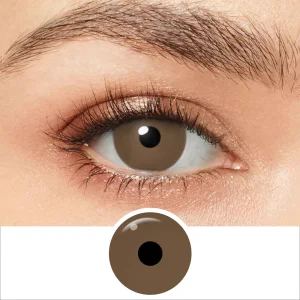
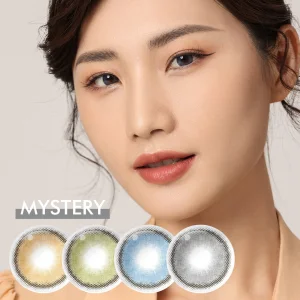
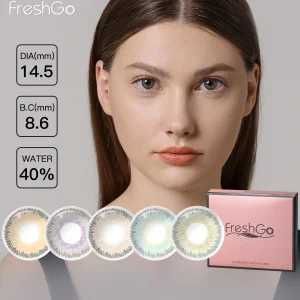
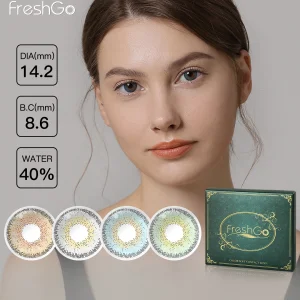
Explore our main selection of cosmetic and corrective soft lenses, ready for rapid dispatch to the Sydney market.
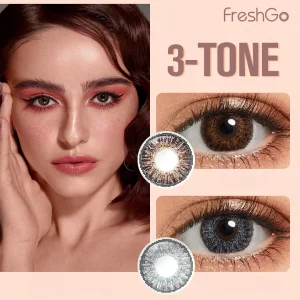
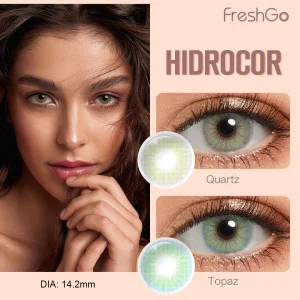
Critical insights for procurement managers, retail sponsors, and optical brand owners in Sydney and Oceania.
Get in touch with our team to request sample kits, certificates, and wholesale pricing. Discover how our RTS logistics can support your retail and online distribution network.
Send Inquiry Now