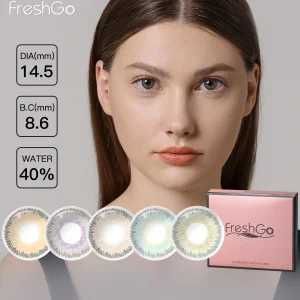
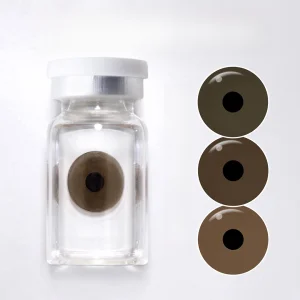
Fresh Lenses
Fresh Lenses
Fresh Lenses
Ready-to-Ship (RTS) inventory offering instant shipping capability to India's major optical centers in Mumbai, including Colaba, Bandra, and Andheri.
Mumbai, recognized as India's financial powerhouse and the beating heart of Bollywood and the national entertainment industry, is experiencing an unprecedented surge in demand for aesthetic medical and cosmetic products. Among these, colored contact lenses and prescription soft contacts have evolved from specialized corrective devices to essential beauty accessories. B2B buyers—ranging from large-scale distributors in Crawford Market and wholesale retailers in Andheri, to dynamic digital-native direct-to-consumer (D2C) cosmetic brands—are constantly seeking pathways to satisfy this localized consumption pattern.
For these businesses, the traditional import cycles present a major bottleneck. Custom manufacturing projects can take months to clear manufacturing queues and Indian customs (CDSCO clearance). This is where Ready-to-Ship (RTS) contact lenses offer a revolutionary logistics model. RTS sourcing minimizes capital lockout, allows retailers to react in real-time to fast-moving beauty trends propelled by social media, and ensures that inventories are constantly optimized without the risk of overstocking.
In a city characterized by fast-moving commercial activity, the speed of supply chain operations determines profitability. RTS enables optical businesses to secure fully compliant, sterilized, and packaged contact lenses with zero production lead time. A robust RTS pipeline connects the world's most advanced optical production lines in Shenzhen directly to the Mumbai seaport (Nhava Sheva) or Chhatrapati Shivaji Maharaj International Airport within days.
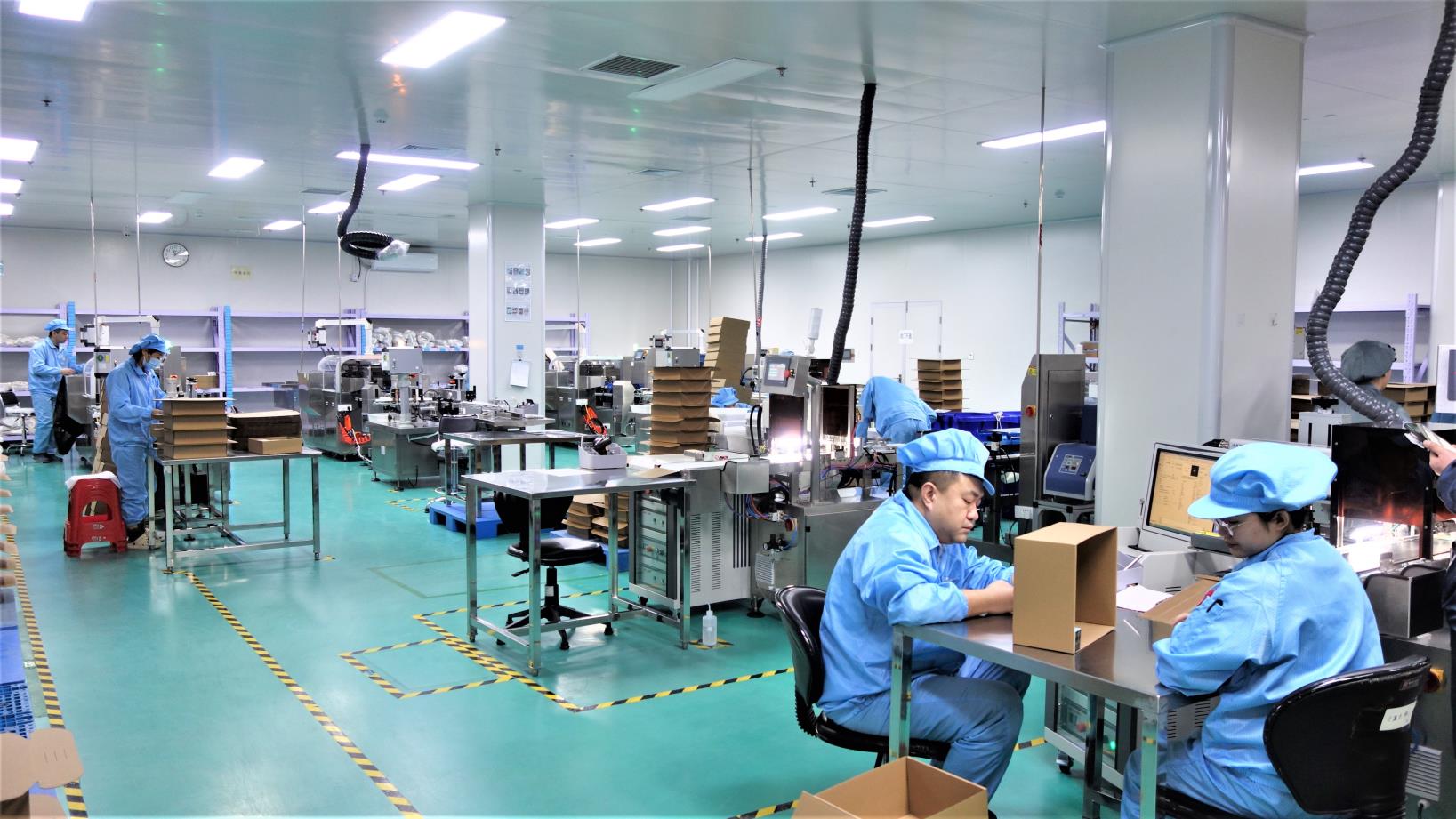
As a dominant force in high-tech manufacturing, Shenzhen-based manufacturers present unparalleled technological superiority in contact lens fabrication. Established in 2016, Shenzhen Fresh Vision Co., Ltd. serves as a stellar blueprint for this industry. Boasting over a decade of export operations and a state-of-the-art facility spanning 1,100 square meters, the company bridges the gap between massive manufacturing efficiency and high-fidelity product design.
Unlike localized micro-factories, Chinese manufacturers leverage highly integrated raw material ecosystems, specialized R&D departments, and comprehensive automation. The benefits of sourcing from a specialized facility like Shenzhen Fresh Vision include:
Export & Industry Expertise
Class-100 Cleanroom Area
Advanced R&D Team
Traceable Raw Materials
Manufacturing medical-grade contact lenses is a rigorous, high-precision thermodynamic process. The following sequence details how Shenzhen Fresh Vision processes raw materials into sterilized retail-ready units:
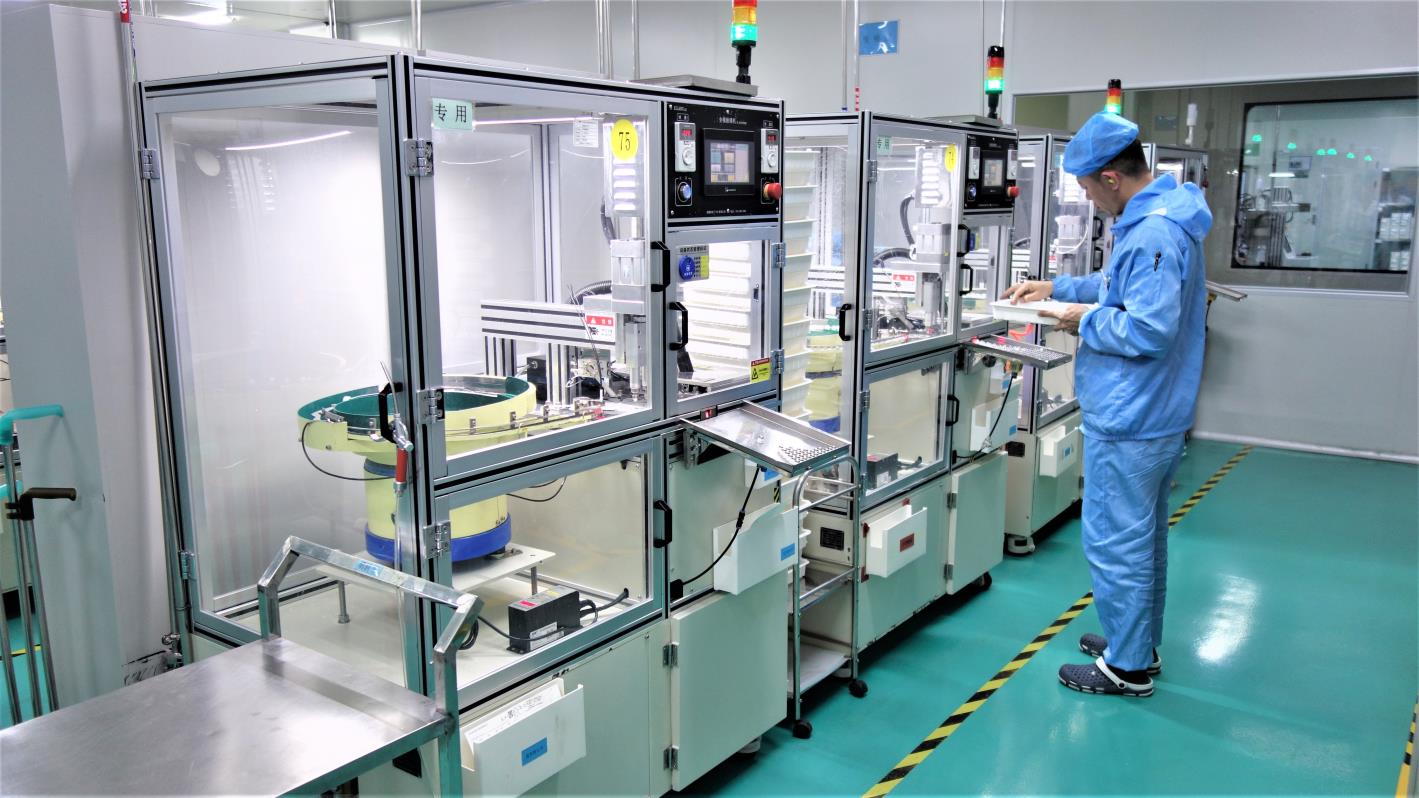
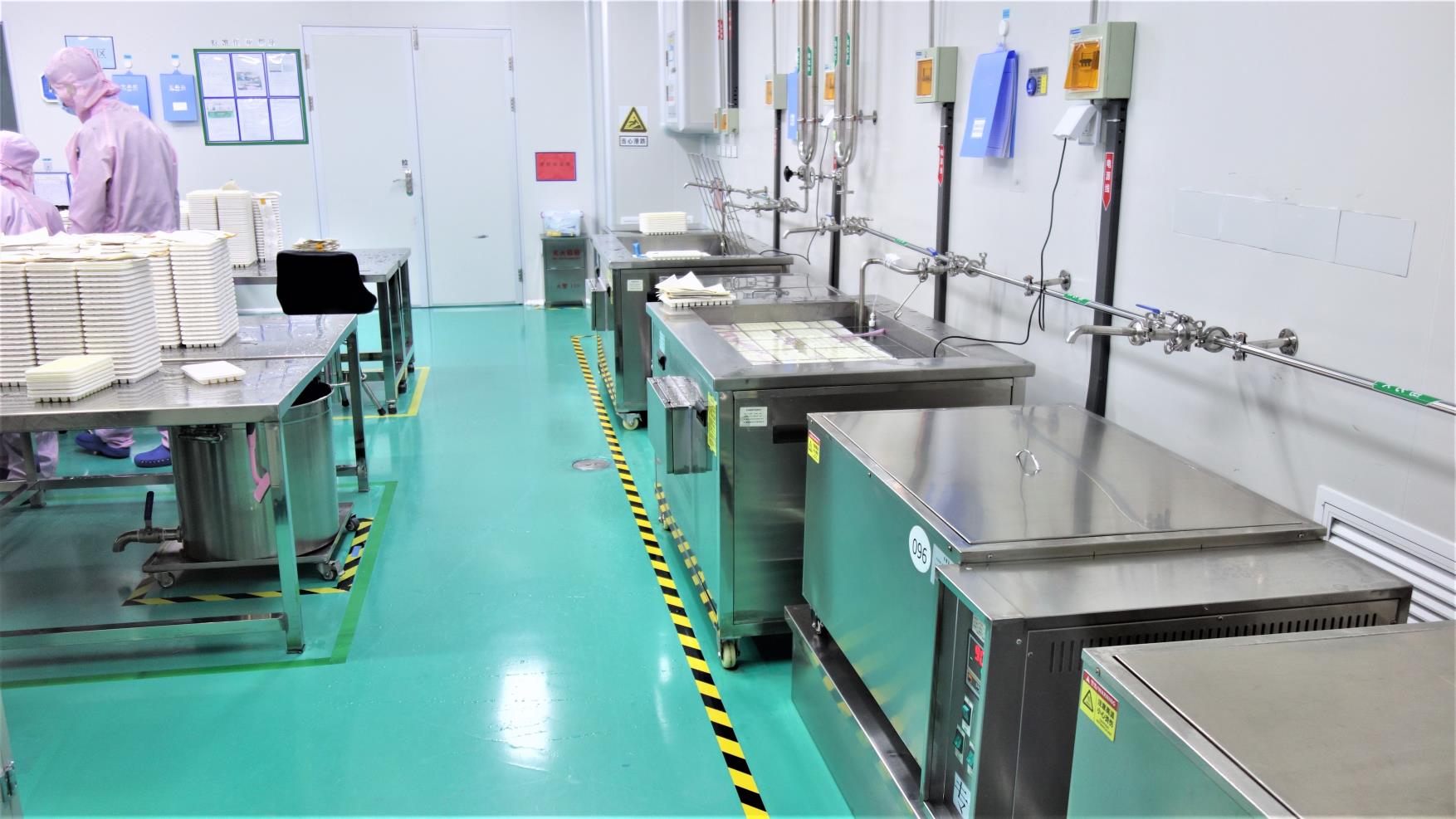
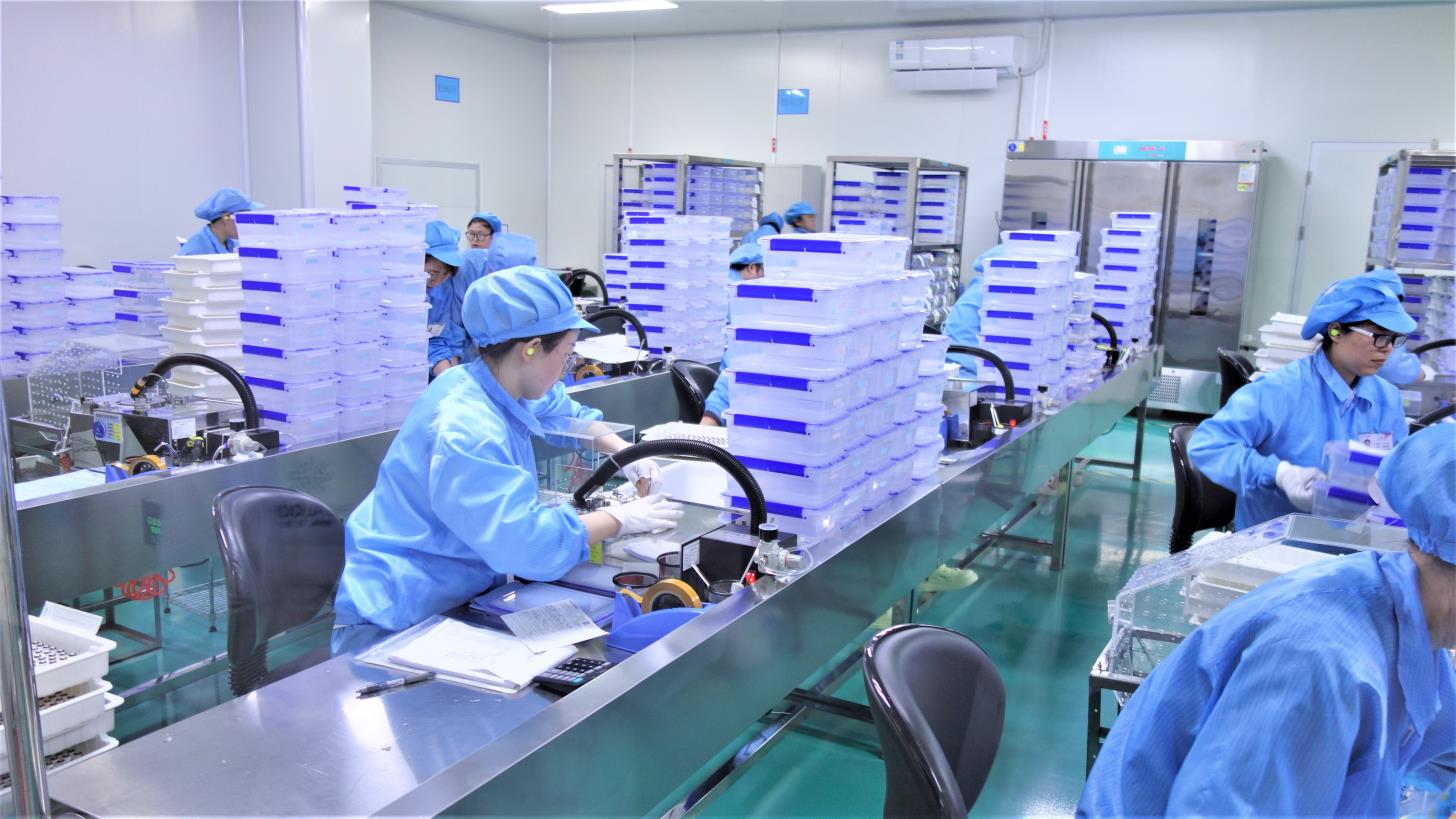
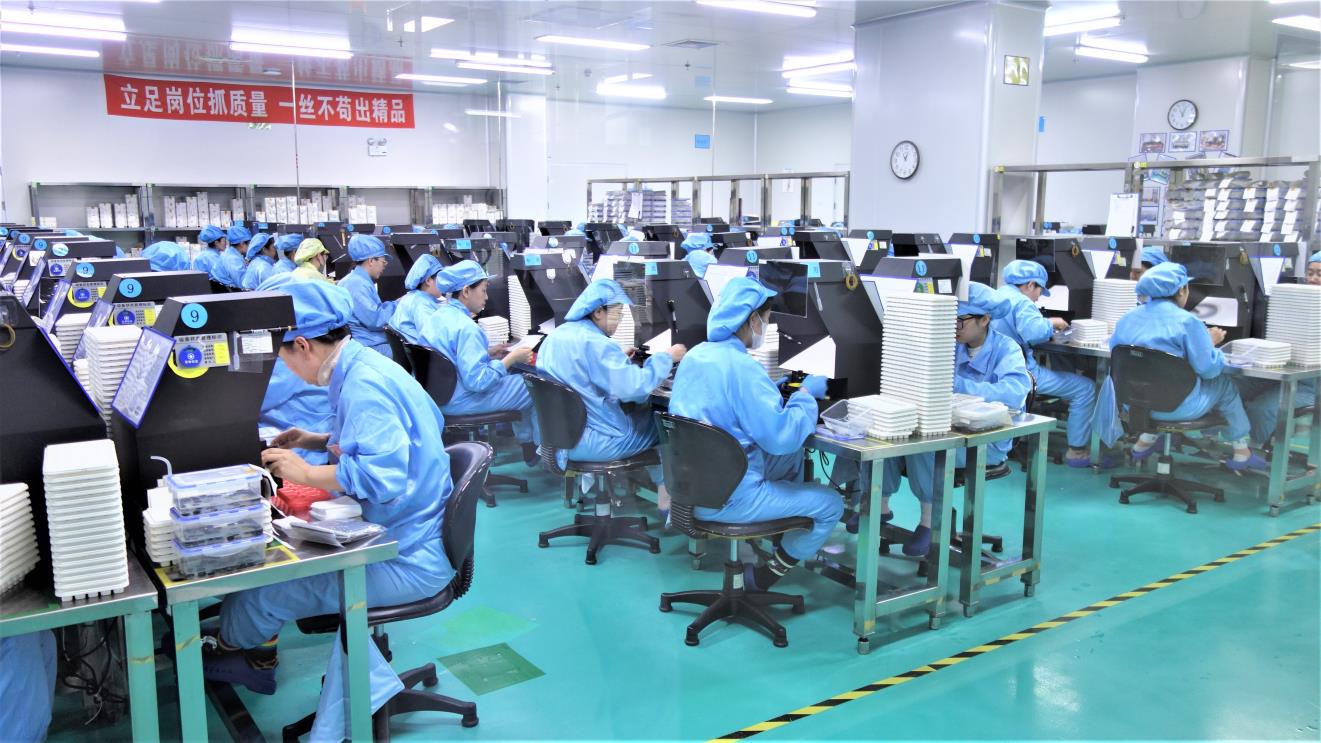
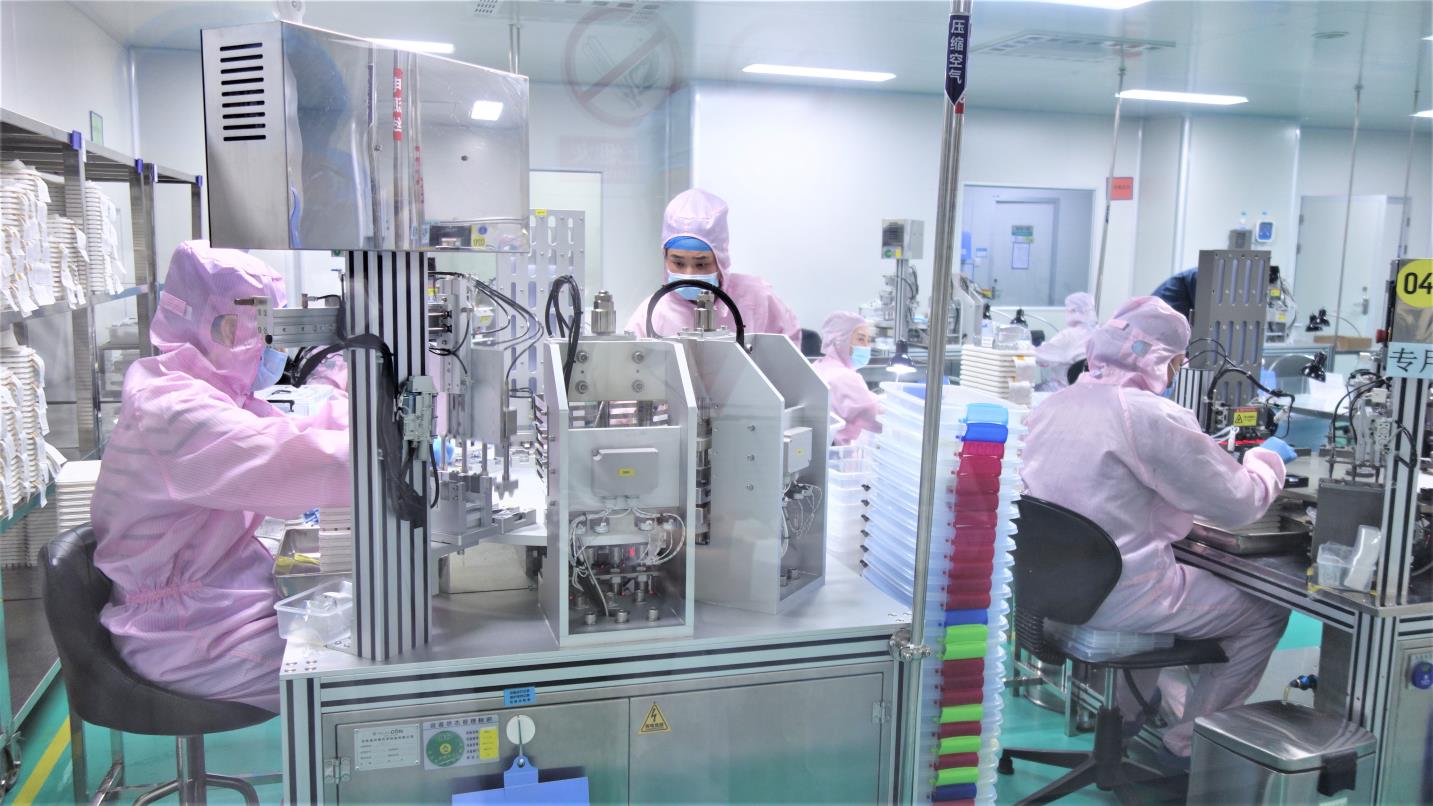


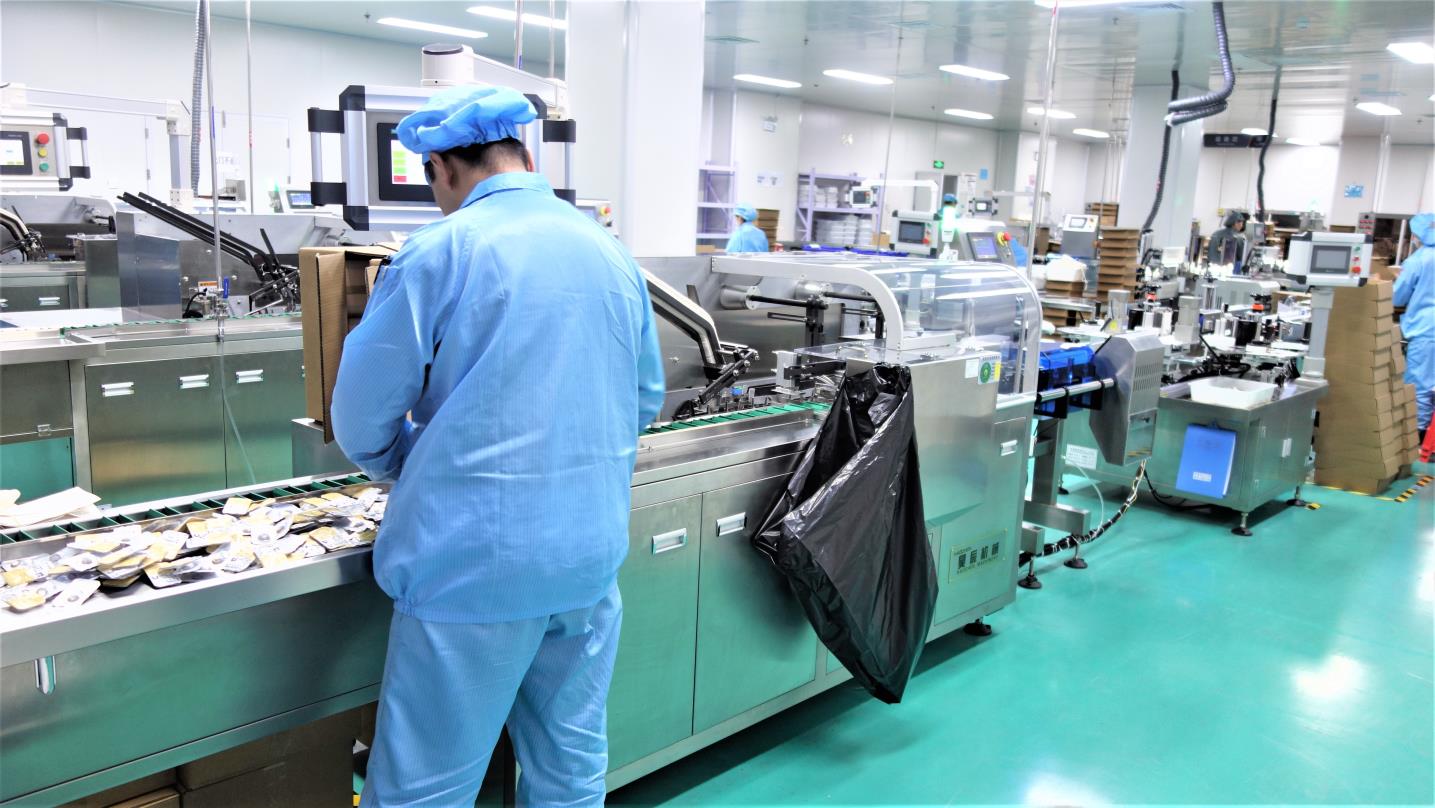
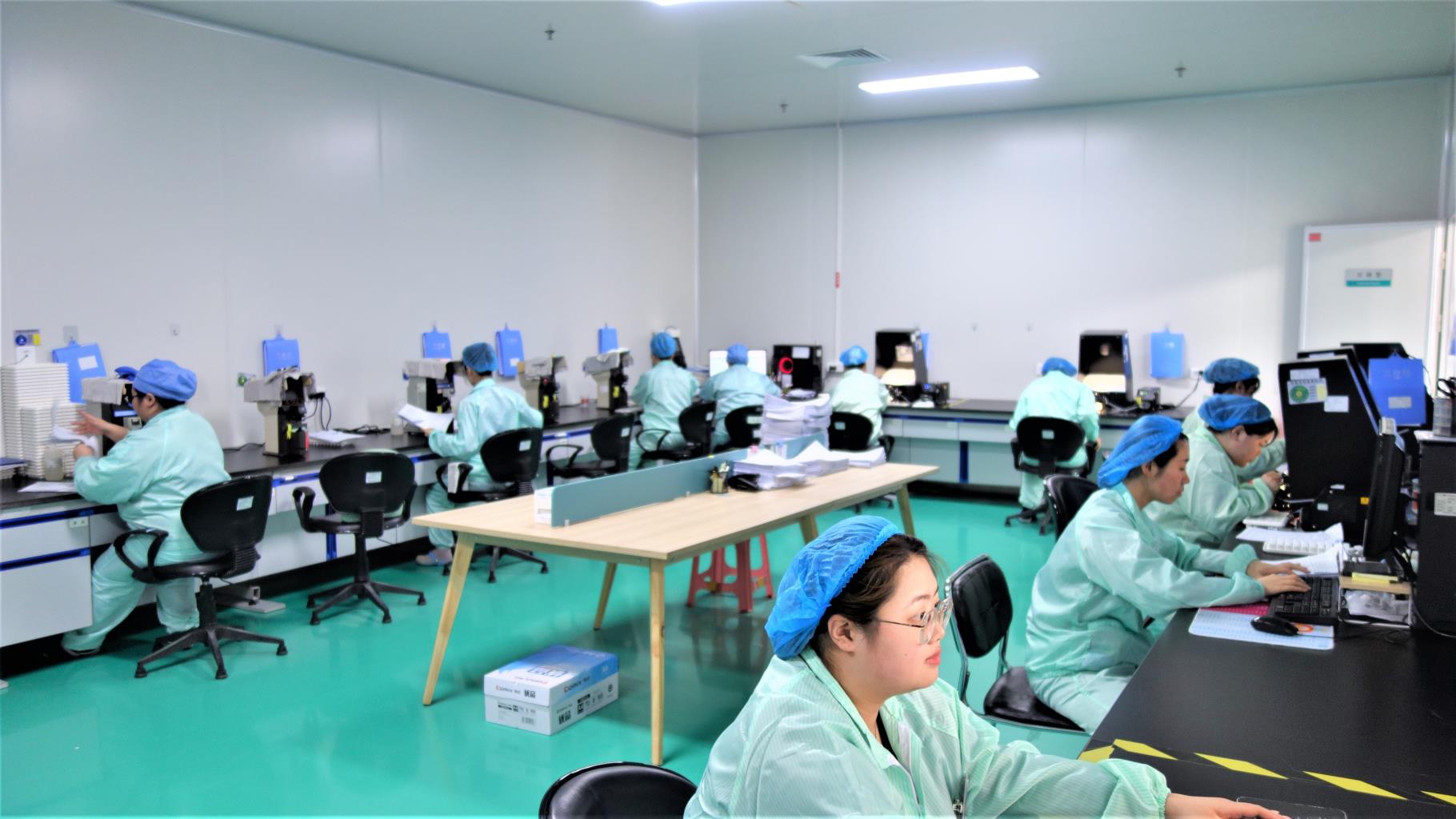
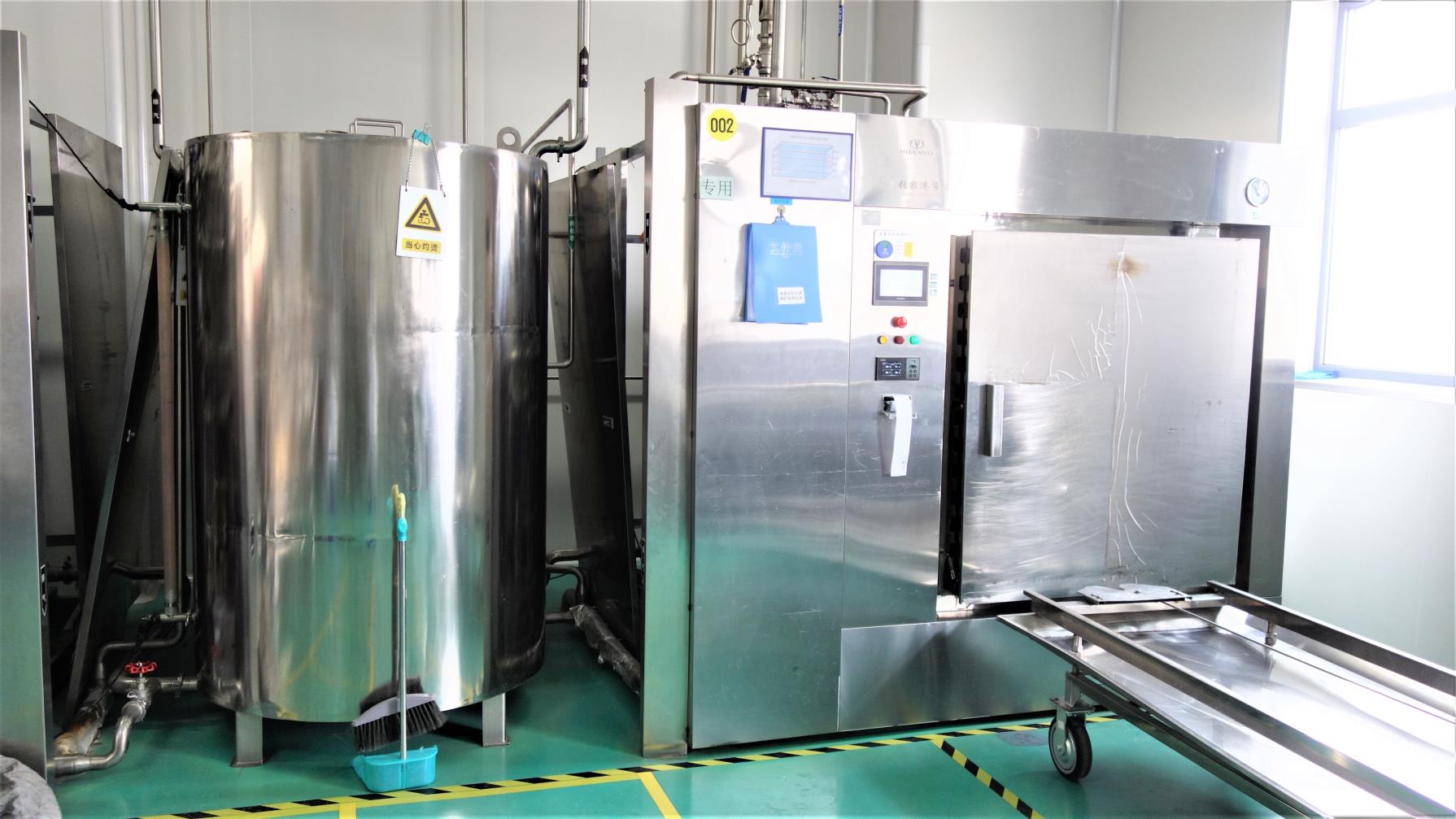
During the Demoulding stage, cured polymer lenses are separated from high-precision molds. Following this, the Soak and Disinfect step hydrates the lenses and eliminates trace chemical residues. Lenses undergo automatic Film Suction to remove excess moisture before being subjected to 100% Inspection for cosmetic flaws and physical deformations. In the Filling phase, lenses are placed into blisters filled with buffered saline solution. Next, high-temperature wet-steam Sterilization is performed in a pressurized autoclave to ensure absolute sterility. Lenses are then packaged and passed through a final round of OQC.
Maintaining optical consistency requires heavy investment in high-precision automated machinery. The Shenzhen Fresh Vision plant operates an advanced line of machinery to ensure micro-level accuracy across millions of pieces annually:
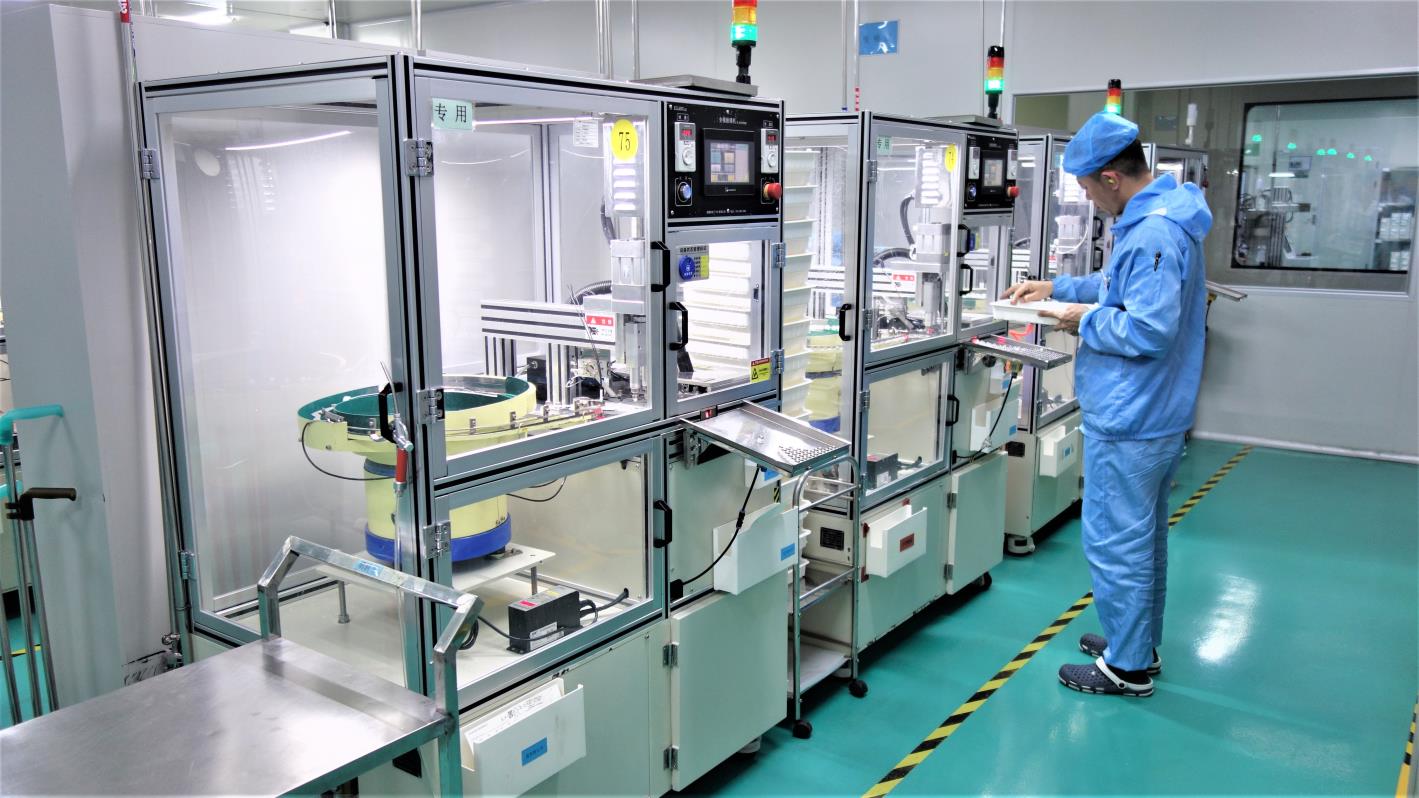
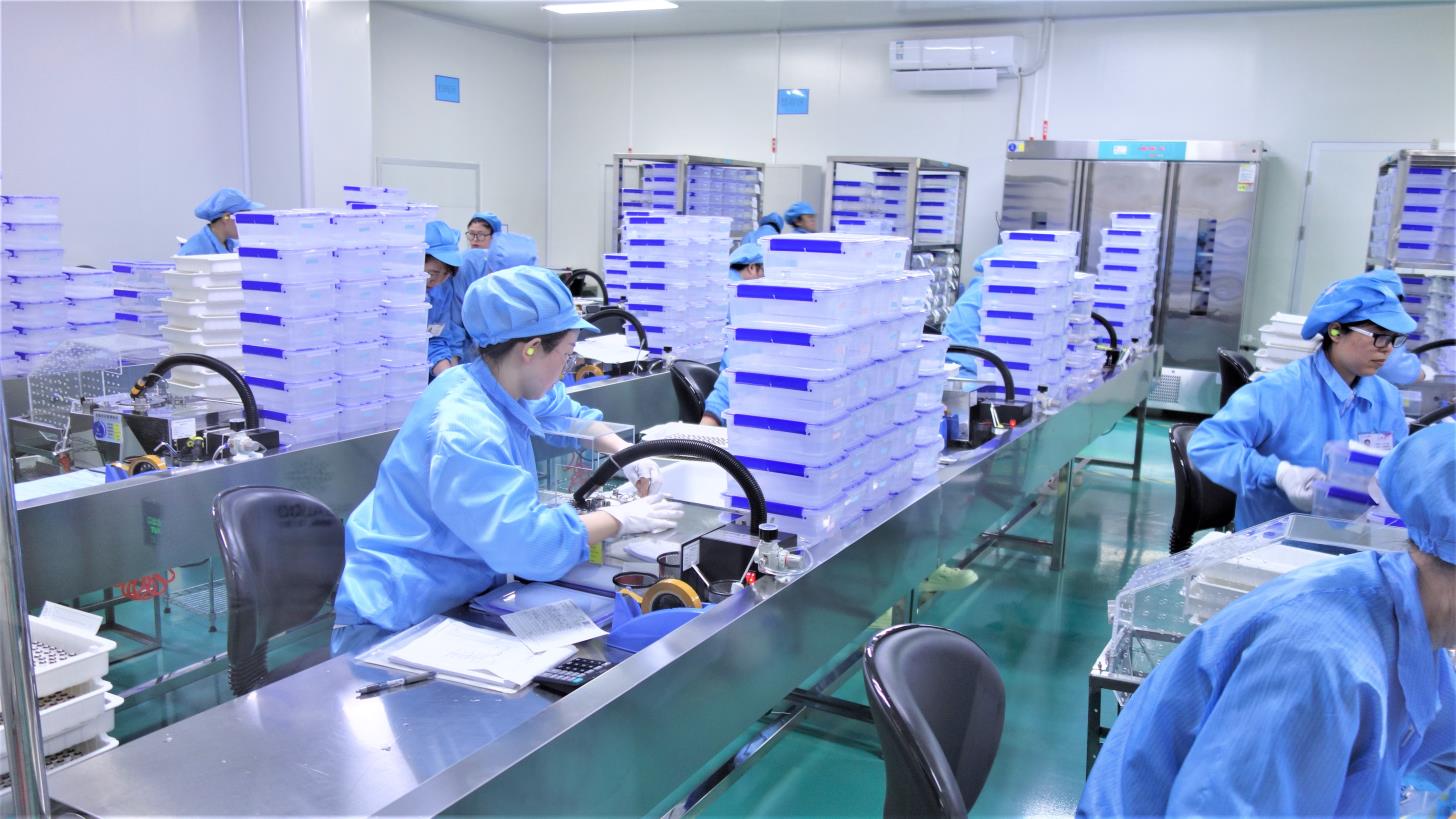
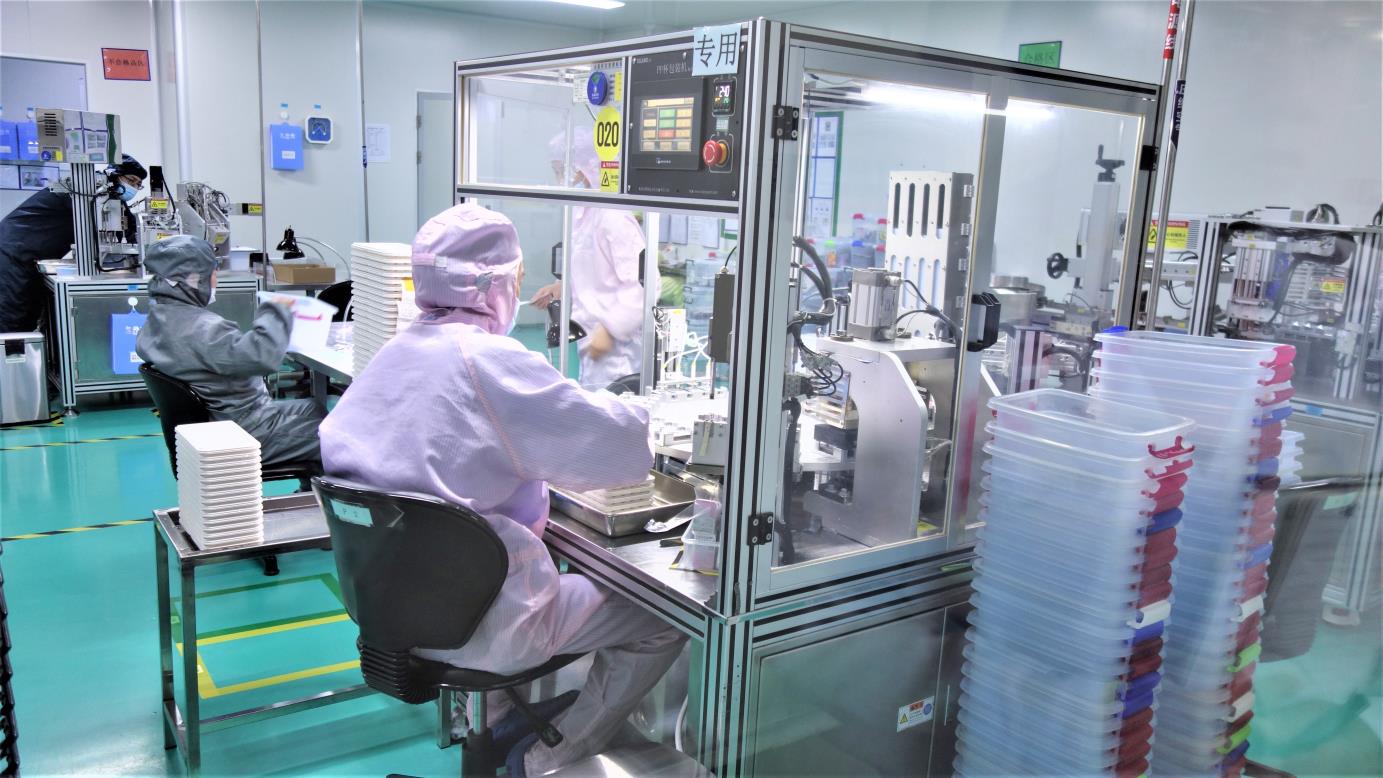
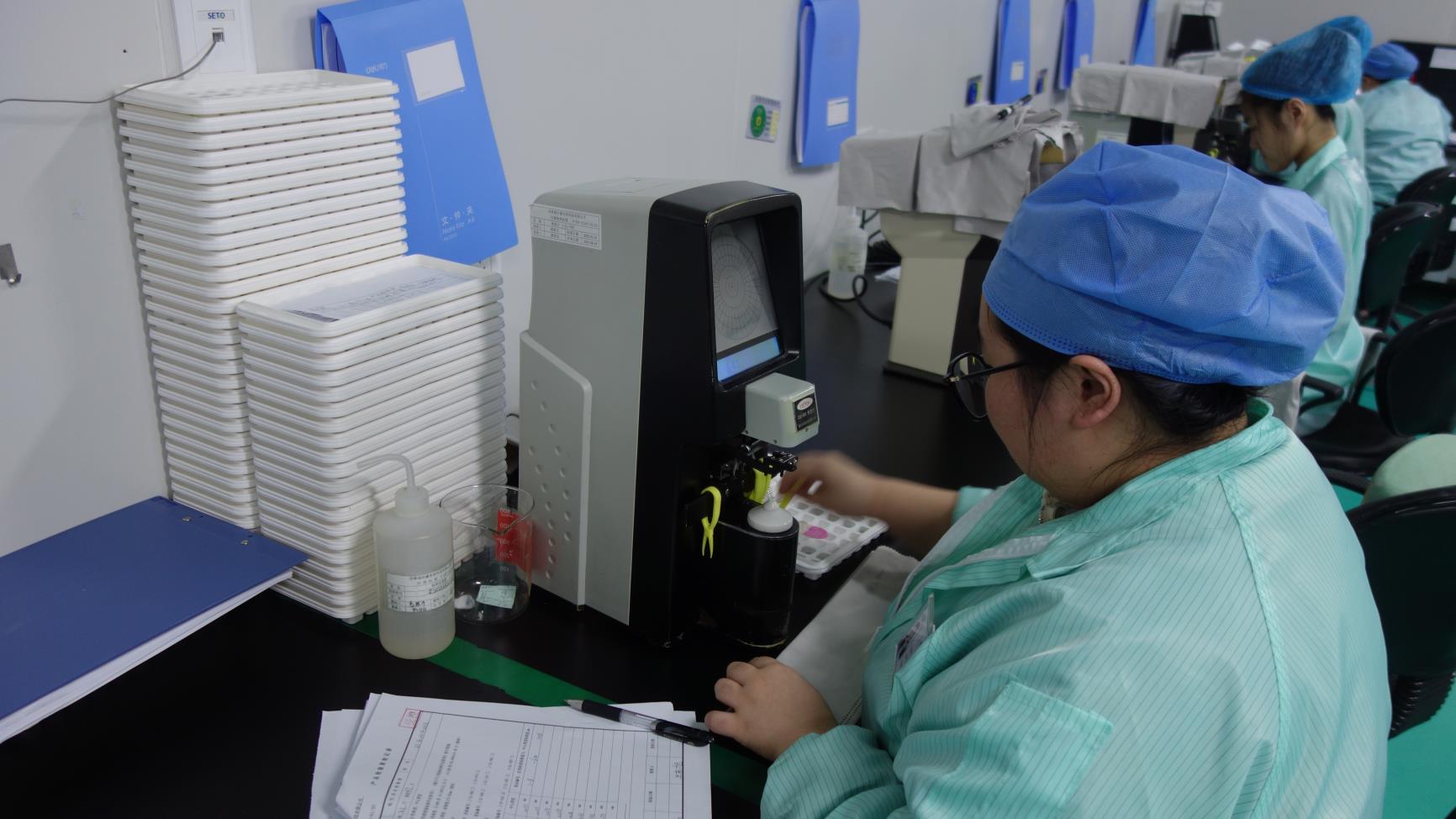
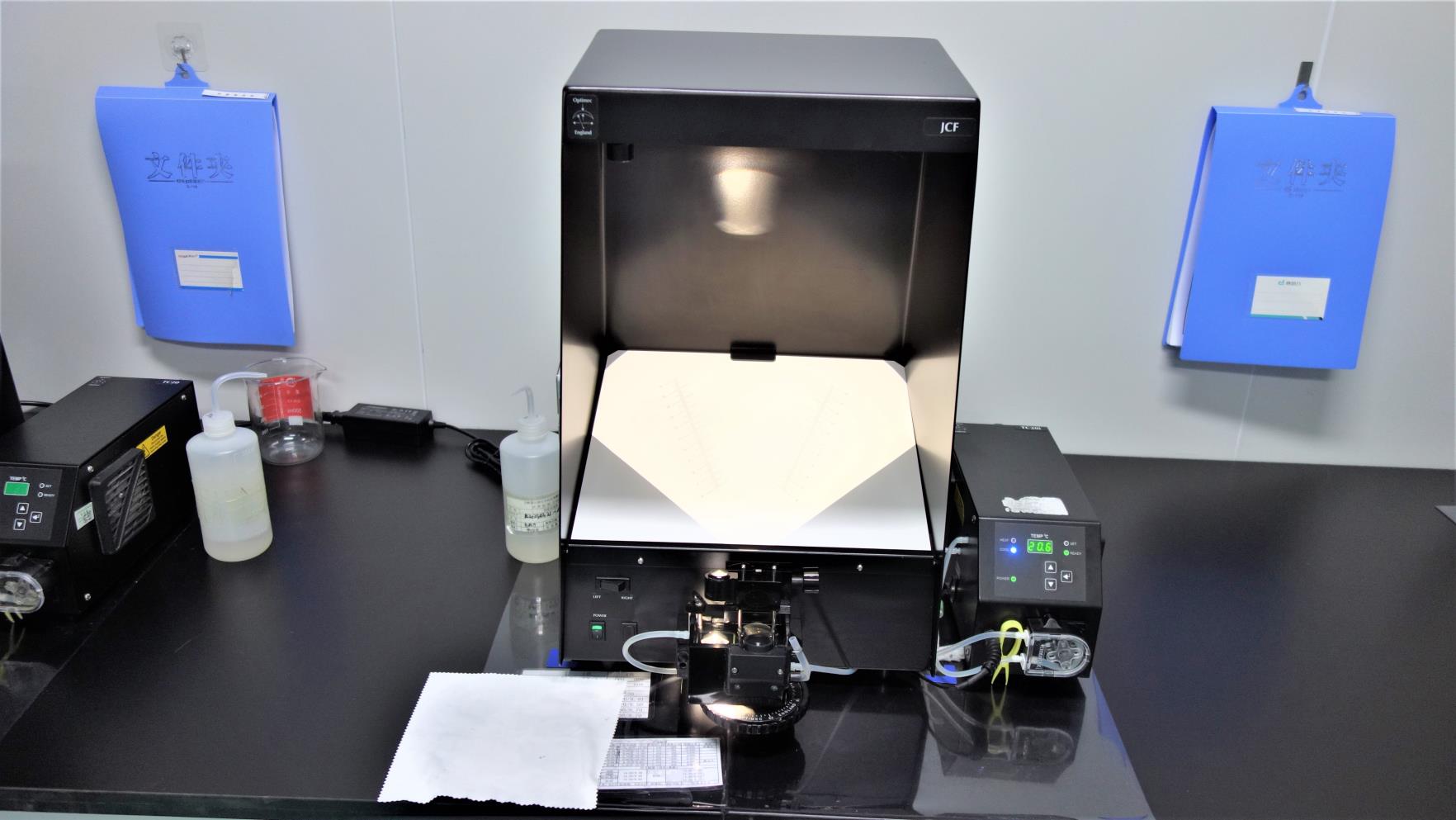
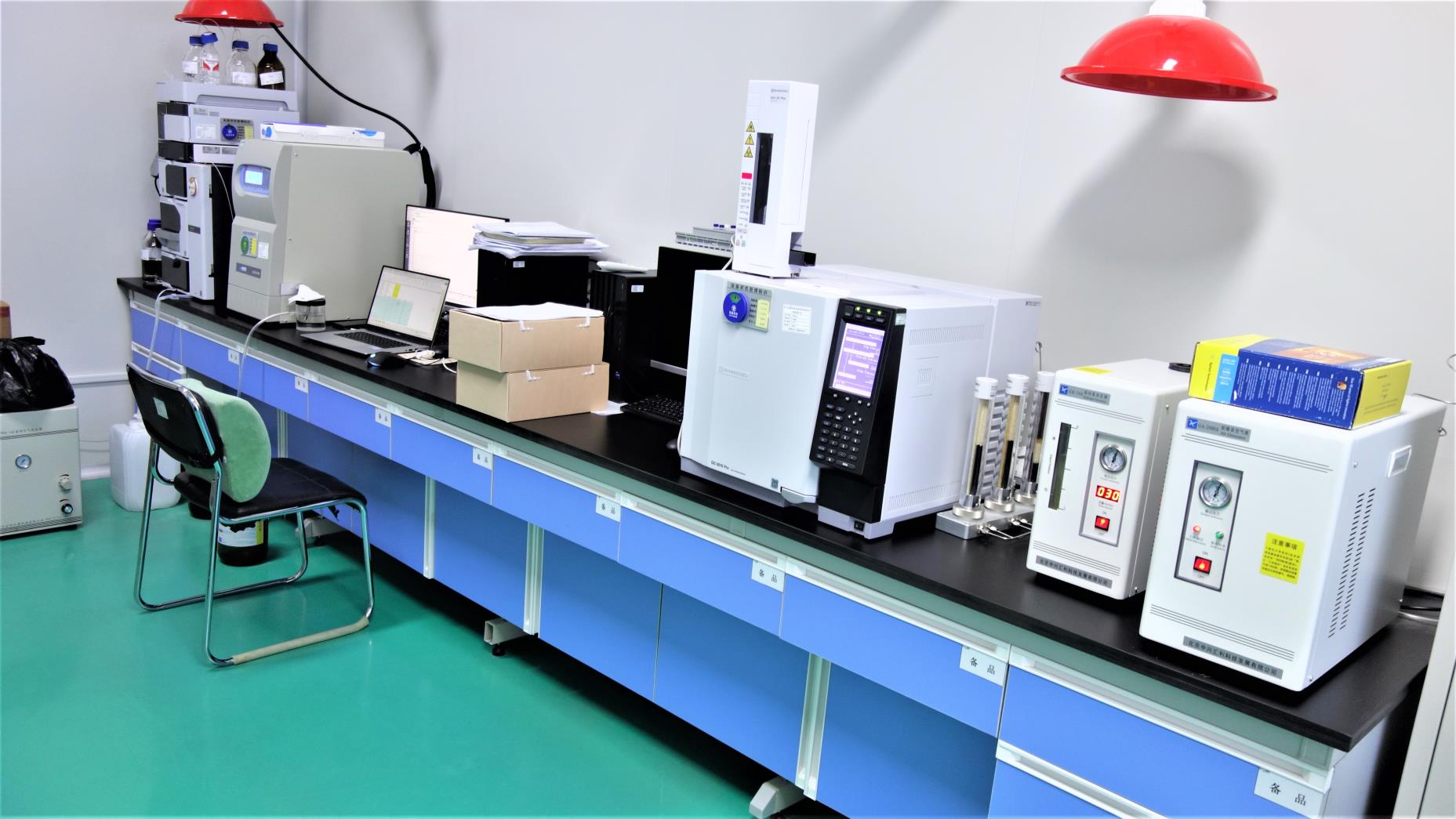
To ensure power accuracy, the factory utilizes high-resolution Focimeters that verify the focal length and diopter of every single batch. The Edge Projectors magnify the lens profile to inspect the edge curvature, verifying comfort and preventing corneal irritation. Spectral Equipment checks the light transmission, ensuring that colored matrices do not interfere with normal vision while maintaining UV-blocking features when required.
The global contact lens industry is shifting rapidly. B2B buyers are looking for high hydration, oxygen permeability, and striking cosmetic designs. The market is driven by several key developments:
To meet this global demand, Shenzhen Fresh Vision integrates design and logistics, making bulk importing easy for international buyers and guaranteeing that RTS products adhere strictly to safety guidelines.
Explore our full selection of cosmetic, therapeutic, and natural contact lenses available for direct import to Mumbai.
Get professional answers about importing, compliance, and custom manufacturing contact lenses for the Indian market.
For Ready-to-Ship (RTS) orders, products are prepared and dispatched from our Shenzhen facility within 2–5 business days. When shipping via express air courier (DHL, FedEx, UPS) to Mumbai (BOM), transit takes approximately 4–7 days. For maritime shipping to Nhava Sheva Port, the transit time ranges from 15 to 22 days, excluding local customs clearance.
Our manufacturing processes conform strictly to ISO 13485 (Medical Devices Quality Management System) and European CE standards. Every lens batch is manufactured under sterile conditions and undergoes wet-steam sterilization at 121°C. We assist our Mumbai partners by providing technical data sheets, raw material traceability records, and packaging specifications required for CDSCO registration.
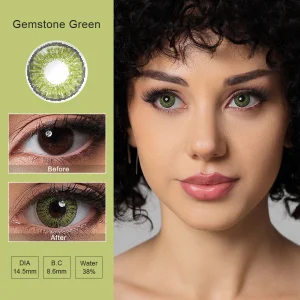
Yes. Through our OEM/ODM custom services, we support graphic processing, sample-based customization, and tailored parameters. Our engineering team, consisting of 5 specialists, can adjust water content, center thickness, base curve (standard 8.5–8.6mm), and lens diameter (standard 14.0–14.5mm) to suit the anatomical requirements of Indian users.
Our standard hydrogel lenses feature a water content of 38% to 42%, which strikes a balance between initial comfort and long-term hydration. This moderate water content prevents the lenses from drawing moisture from the wearer's tear film, making them highly suitable for Mumbai's warm, humid, and air-conditioned microclimates.