RTS Contact Lenses Factories & Exporters

Providing High-Performance, Medically Compliant Aesthetic and Prescription Soft Contact Lenses to the Mexico City (CDMX) Wholesale and Retail Distribution Markets.

Whitepaper: B2B Import & Supply Chain Resilience of Soft Lenses

An authoritative analysis of optical import dynamics, local regulatory hurdles, and localized user demographics in the Valley of Mexico.

1. Global & Local Market Paradigm: Mexico City (CDMX) Focus

The global soft contact lens market is experiencing rapid technological evolution, transitioning from traditional polymethyl methacrylate (PMMA) and early hydrogel formulations to highly breathable silicone hydrogels. In the Metropolitan Area of Mexico City (CDMX)—a megalopolis of over 22 million consumers—this global transition intersects with unique regional economic and physical factors. As one of Latin America's primary commercial gateways, Mexico City represents a highly concentrated hub for retail optical chains, independent boutique cosmetics stores (distributors in Centro Histórico and Tepito), and emerging e-commerce platforms.

Understanding consumer intent in CDMX requires looking beyond generic optical metrics. Unlike flatter, humid coastal markets, Mexico City sits at an altitude of over 2,240 meters above sea level, characterized by lower atmospheric oxygen levels and dry seasonal air, often compounded by metropolitan air quality challenges. For contact lens wearers, these environmental vectors increase the risk of dry eye syndrome (keratoconjunctivitis sicca) and corneal hypoxia. Consequently, B2B importers targeting CDMX must prioritize contact lenses featuring high oxygen transmissibility (Dk/t) and superior water-retention technologies to ensure comfort under these specific local conditions.

Economic Viability
Direct factory sourcing bypasses domestic wholesalers, maximizing gross margins for distributors in CDMX.
Ocular Health Adaptability
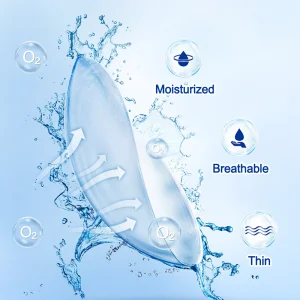
High-water retention structures prevent micro-dehydration caused by the high altitude of the Mexican central plateau.
Rapid Turnaround (RTS)
Minimized lead times via air cargo routing directly into Felipe Ángeles (AIFA) or AICM airports.

2. Localized Application Scenarios & Demographics

B2B buyers in Mexico City typically segment their orders into three distinct application scenarios, each requiring specialized product configurations:

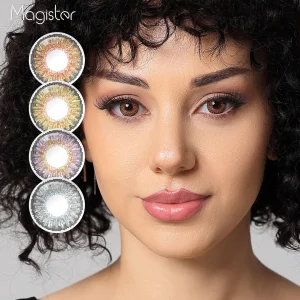
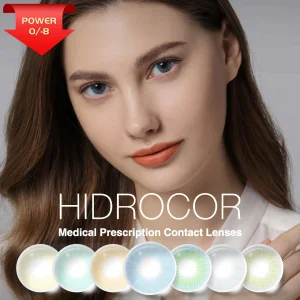
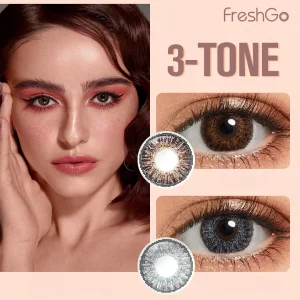
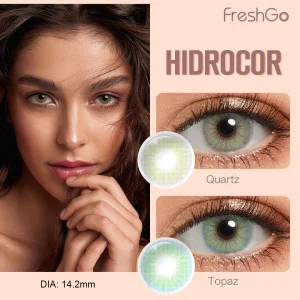
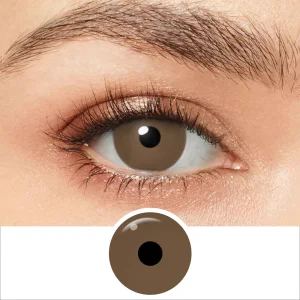
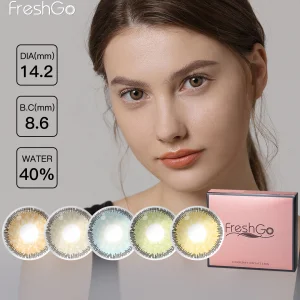
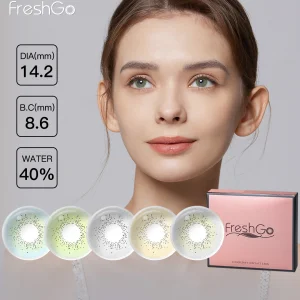
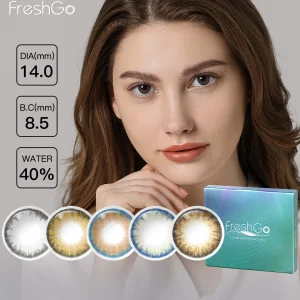
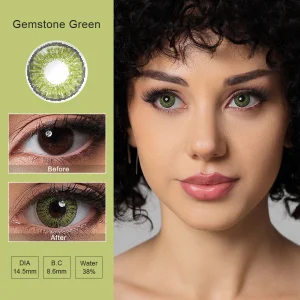
  • Cosmetic & Aesthetic Wear: Popular among the younger demographic in metropolitan areas like Polanco, Roma, and Coyoacán. High-impact color variations (e.g., green, blue, hazel) must feature natural-looking blending patterns (2-tone and 3-tone configurations) to blend seamlessly with dark brown irises. Products like the Freshgo HIDROCOR and MAGISTER Star series cater specifically to this demand.
  • Cosplay, Performance, and Theatrical: The cultural resonance of seasonal festivals, particularly Día de los Muertos (Day of the Dead) in November and the growing cosplay subculture in CDMX, drives spikes in the demand for specialty lenses. Large-diameter black sclera, whiteout, and custom pattern lenses (e.g., sharingan effects) experience massive wholesale demand starting early Q3 annually.
  • Medical, Corrective & Prosthetic: Optometry clinics along Calle Tacuba in Downtown CDMX look for stable supply lines of clear prescription lenses and specialized prosthetic options (such as the Peyeche Prosthetic Smart Lenses) for patients seeking corneal scar concealment or pupillary symmetry.

"Supply chain agility in the cosmetic and corrective lens sector is no longer just about pricing; it is about how fast a factory in China can adapt its inventory to match the rapid shifting of aesthetic trends on platforms like TikTok and Instagram among young Mexican consumers."

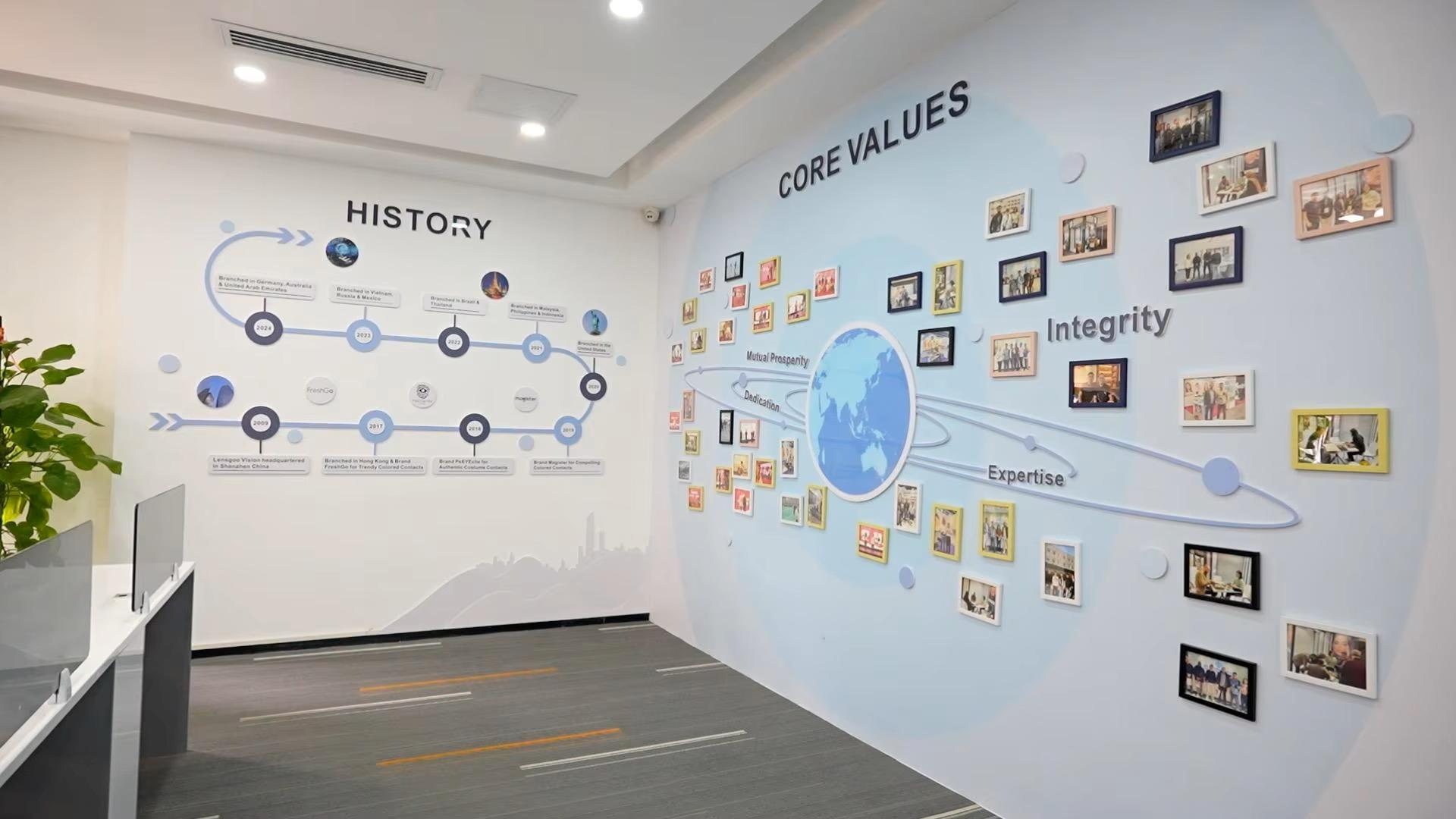
Shenzhen Fresh Vision Co., Ltd.

Direct-from-factory capabilities combining advanced R&D engineering with strict quality control protocols.

2016
Established
1,100㎡
Clean Room Space
10+ Years
Export Experience
100%
OQC Inspected

Technical Strength and R&D Capability

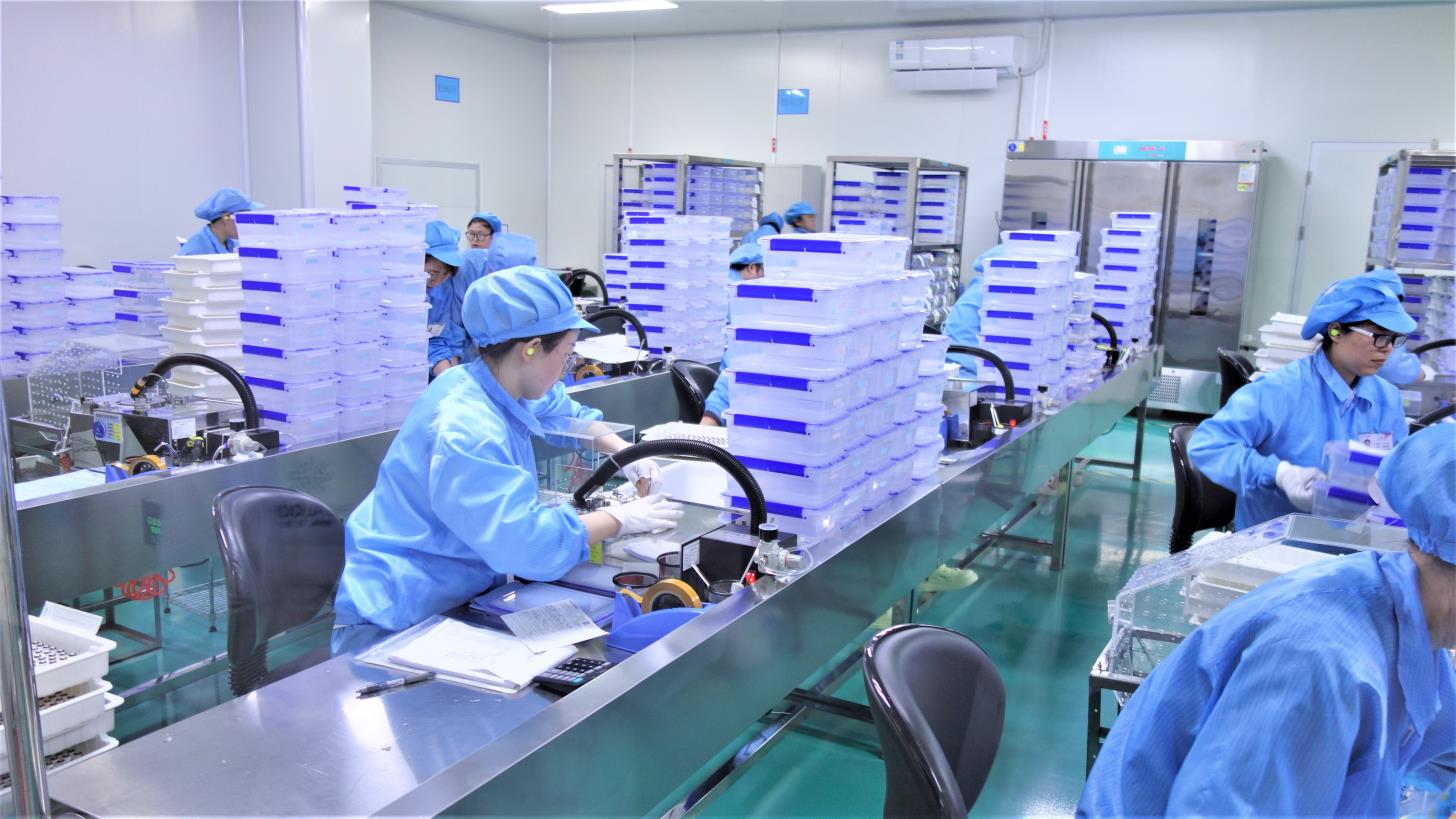
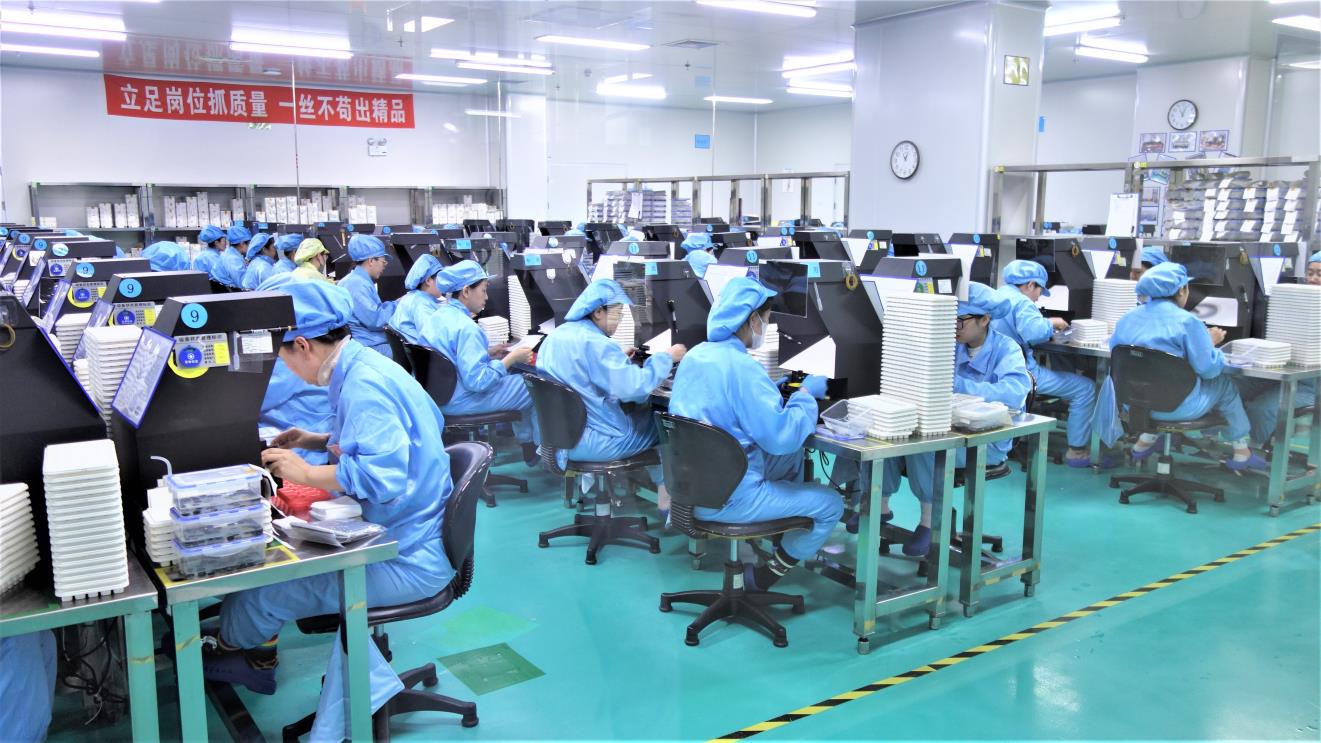
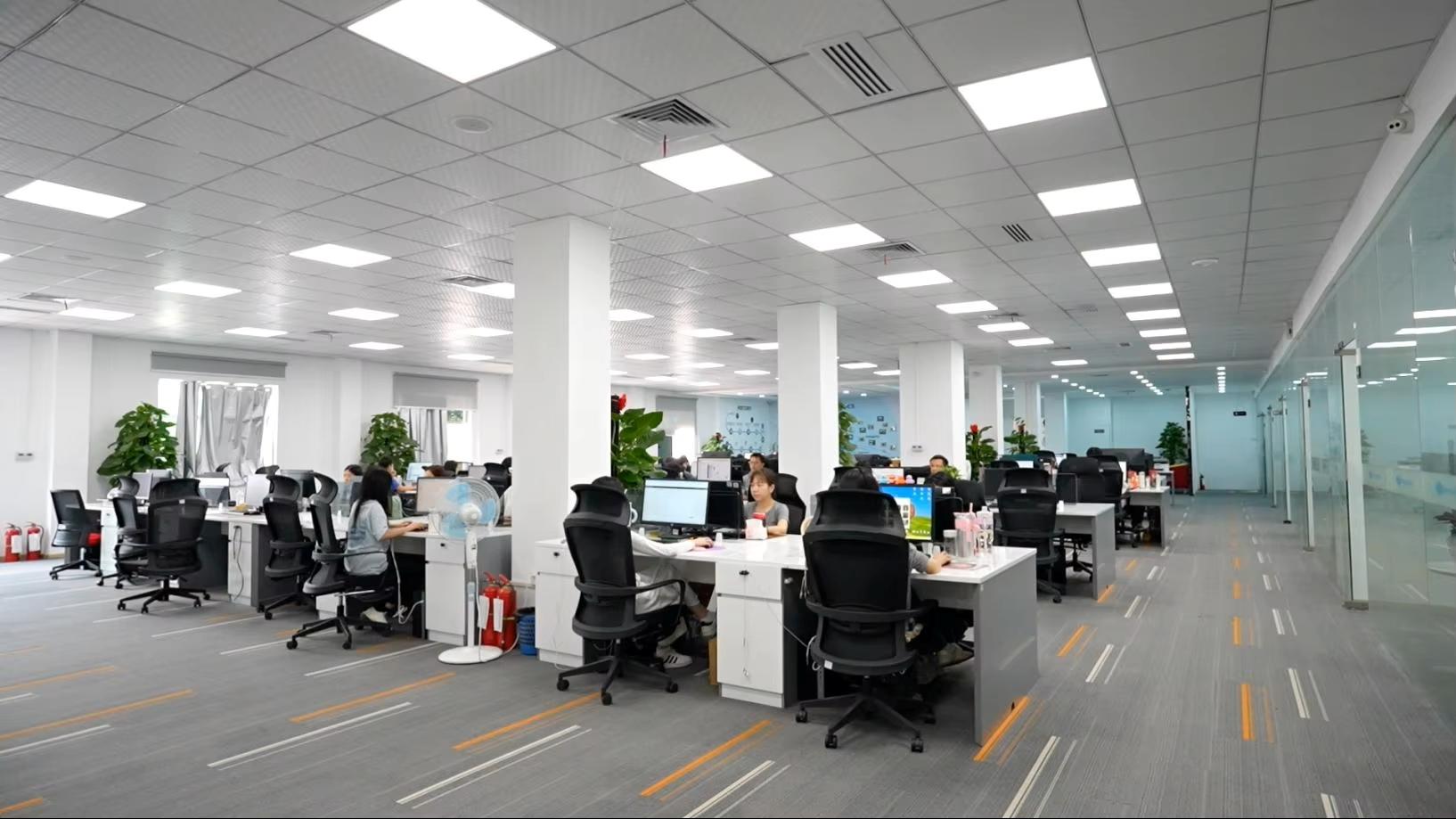
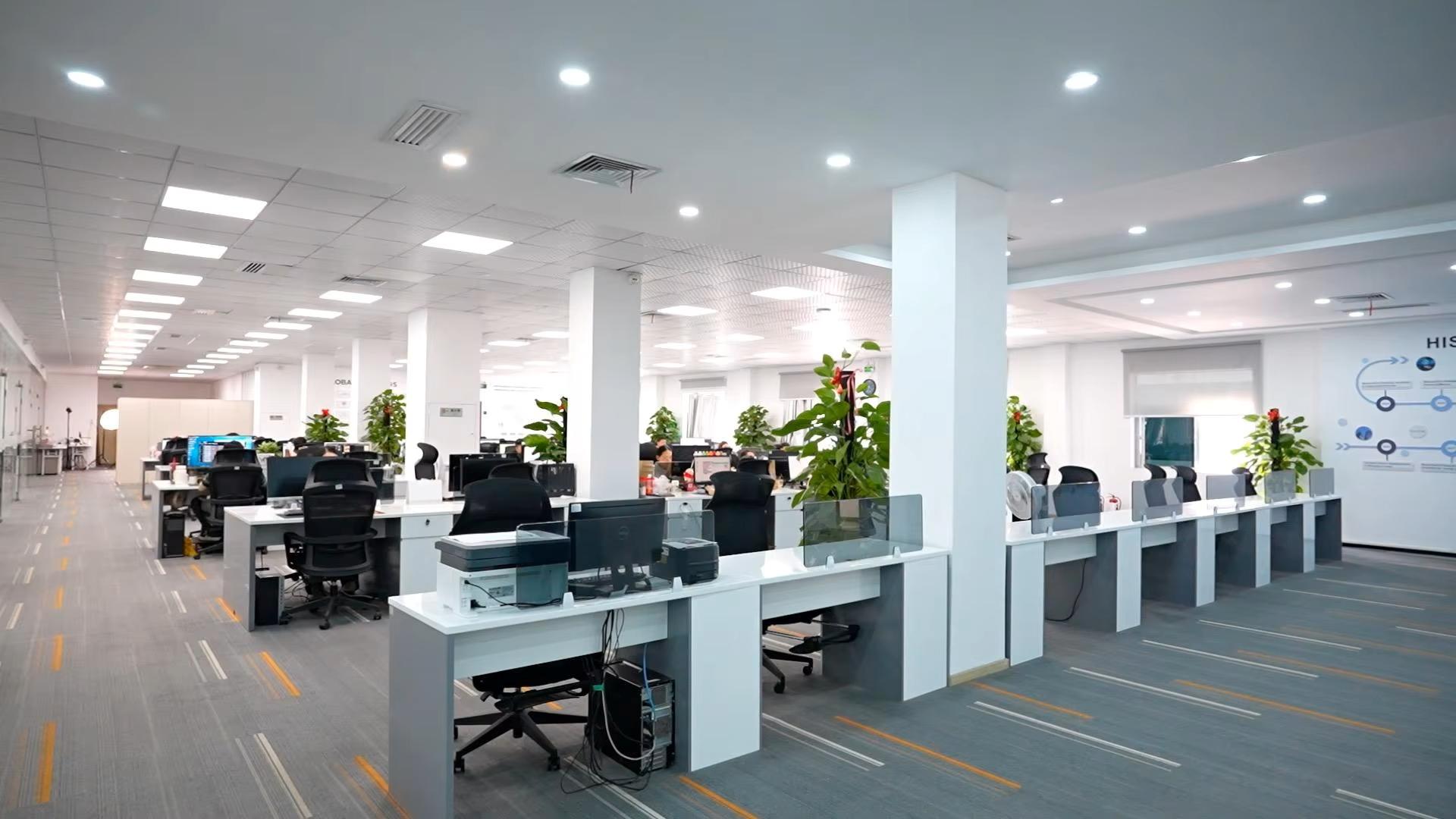
Established in 2016, Shenzhen Fresh Vision Co., Ltd. operates a highly standardized production facility spanning 1,100 square meters. With 10 years of exporting expertise and a deep focus on the Latin American market, the company maintains trilingual communications (Spanish, English, and Chinese) to eliminate operational barriers during the import cycle.

The plant's R&D division is staffed by 5 specialized optical engineers (including 3 postgraduate-degree holders and 2 junior college technicians) dedicated to polymers chemistry and physical optical performance. The team specializes in improving surface hydrophilicity, designing smooth lens margins to reduce palpebral friction, and integrating UV-blocking filters within cosmetic lens structures to protect the eyes from high UV levels in high-altitude environments like CDMX.

Traceable Quality & Precision Manufacturing

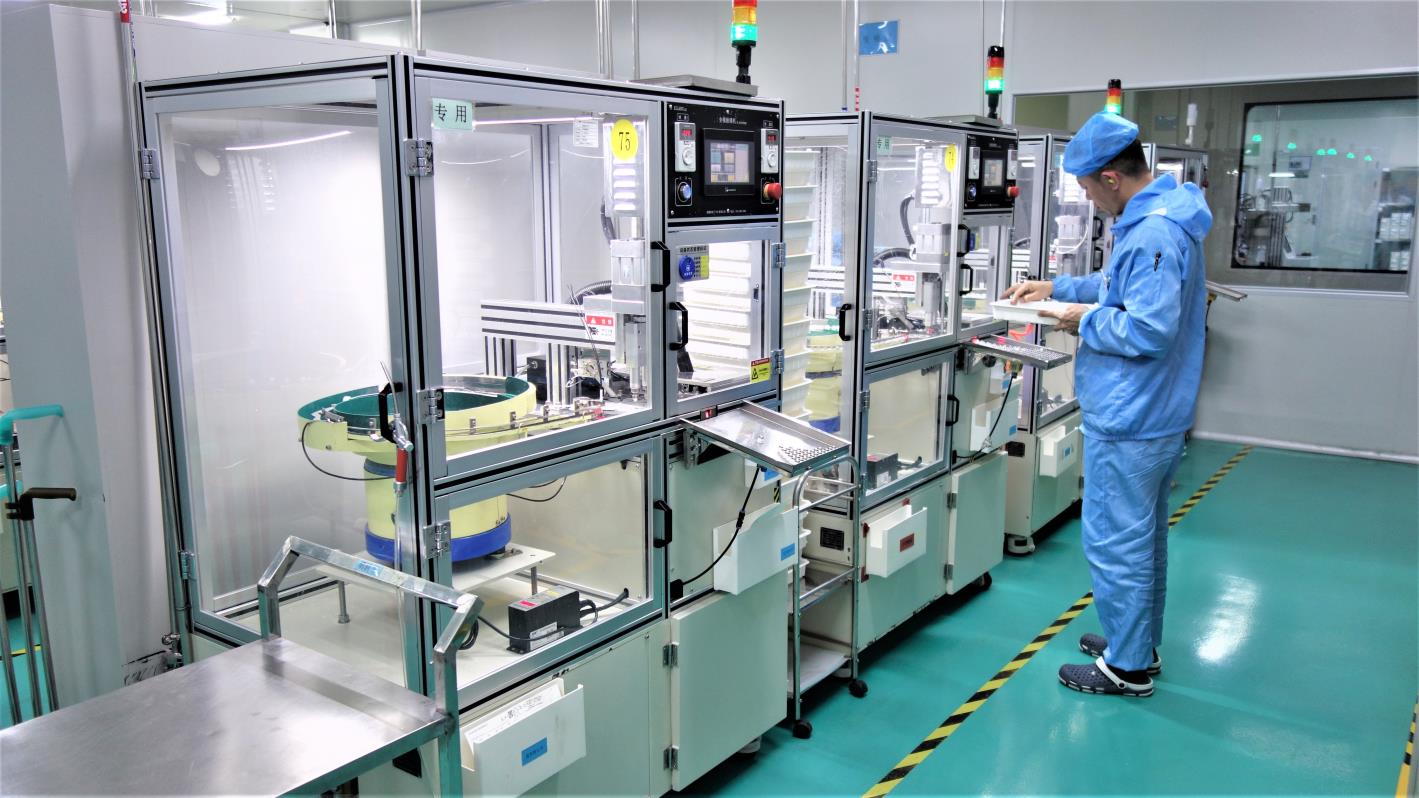
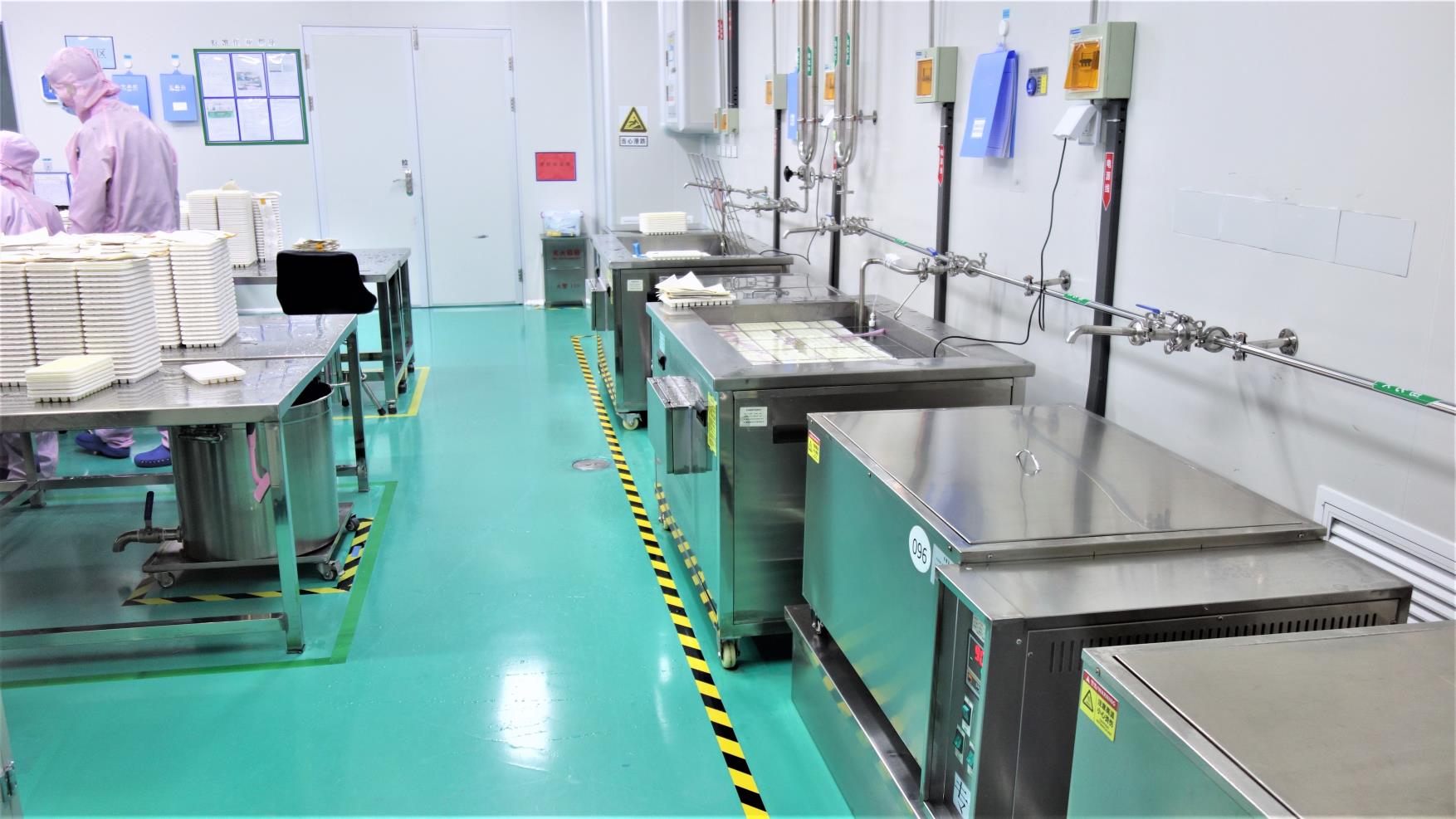
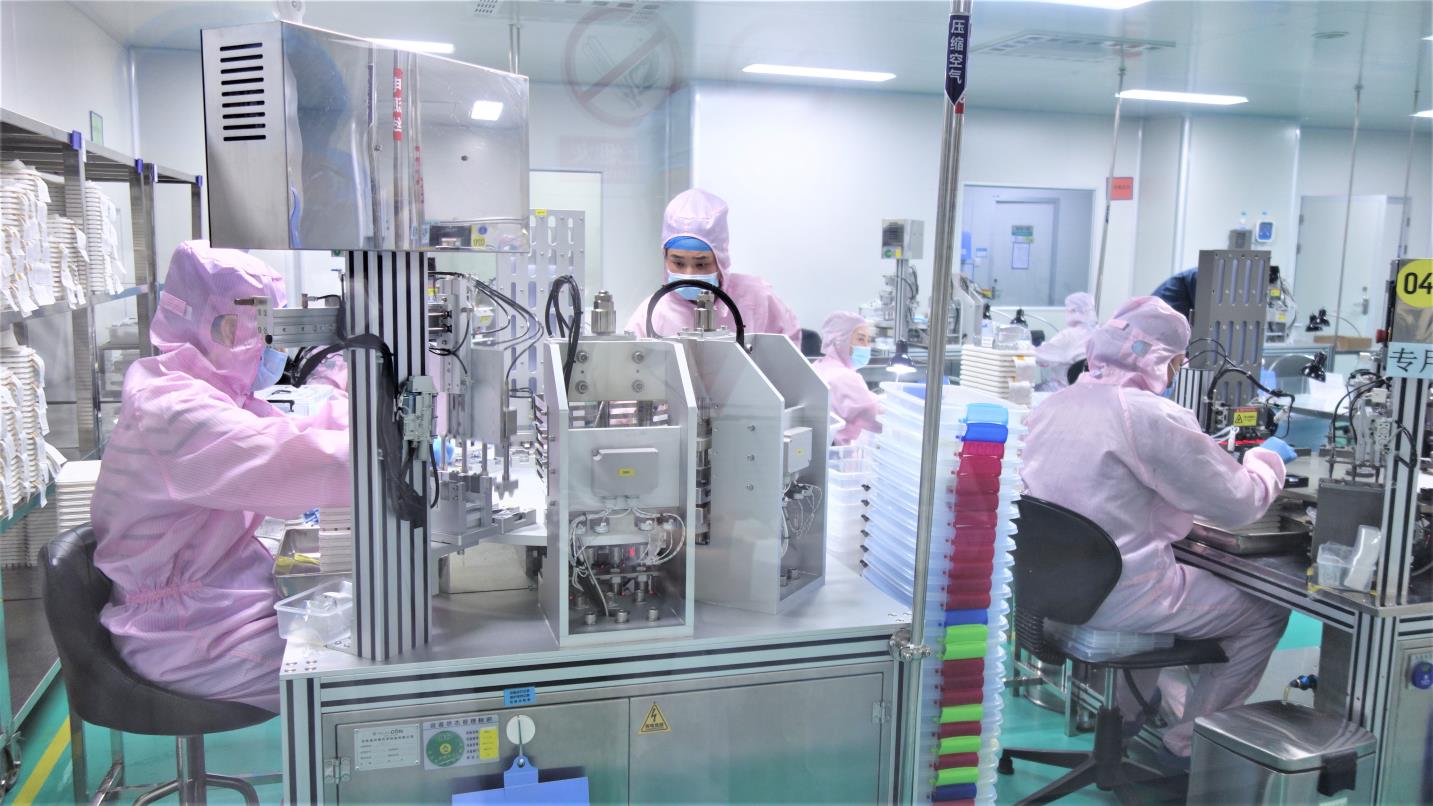
A look inside our 100% inspected, raw-material traceable manufacturing process flow, ensuring safety and compliance.
R&D Lab Testing
R&D Lab Testing
Material Preparation
Precision Molding
Precision Molding
Demoulding Process
Demoulding
Soak and Disinfect
Soak & Disinfect
Film Suction Process
Film Suction
Ocular Inspection
Inspecting
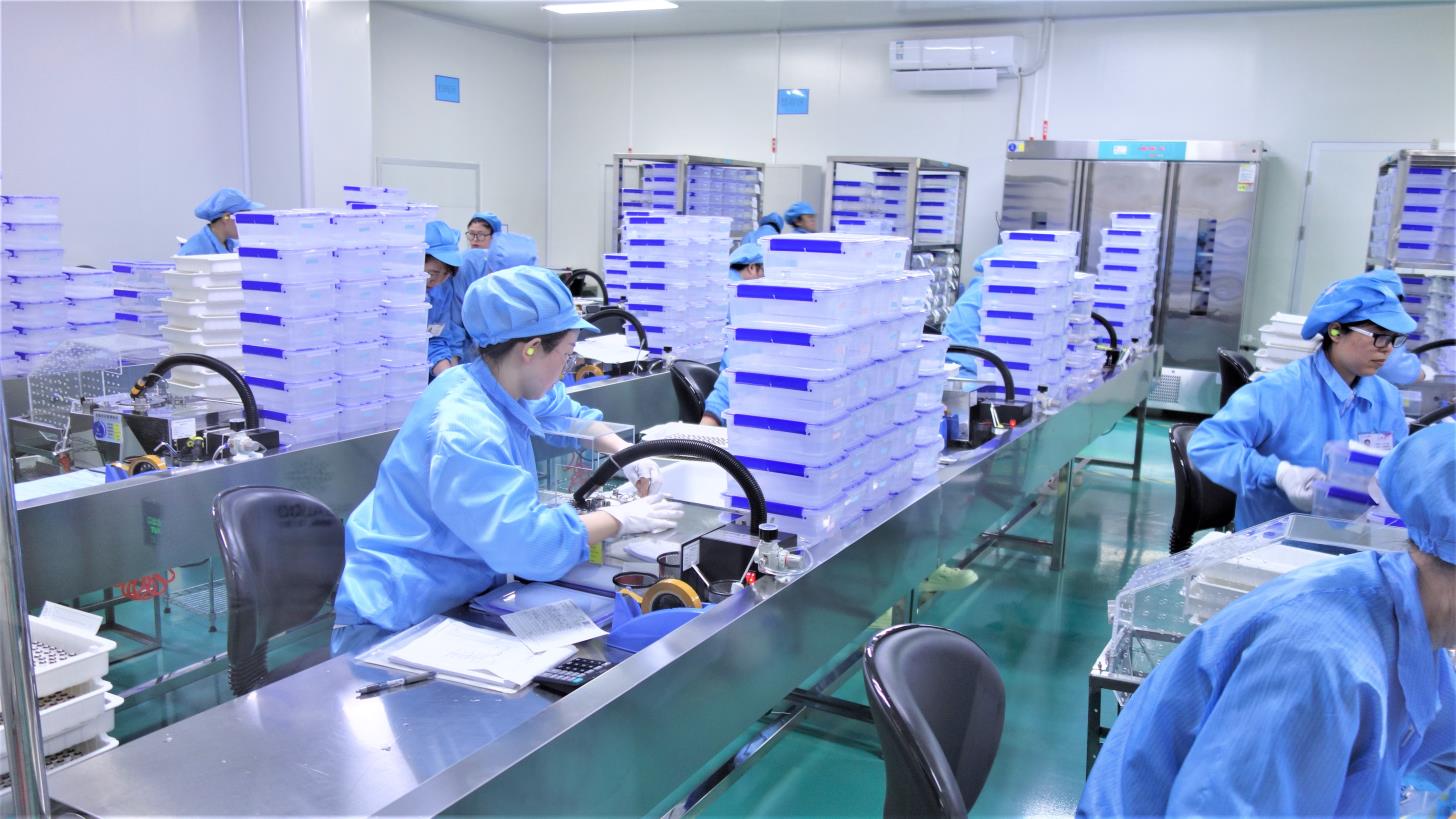
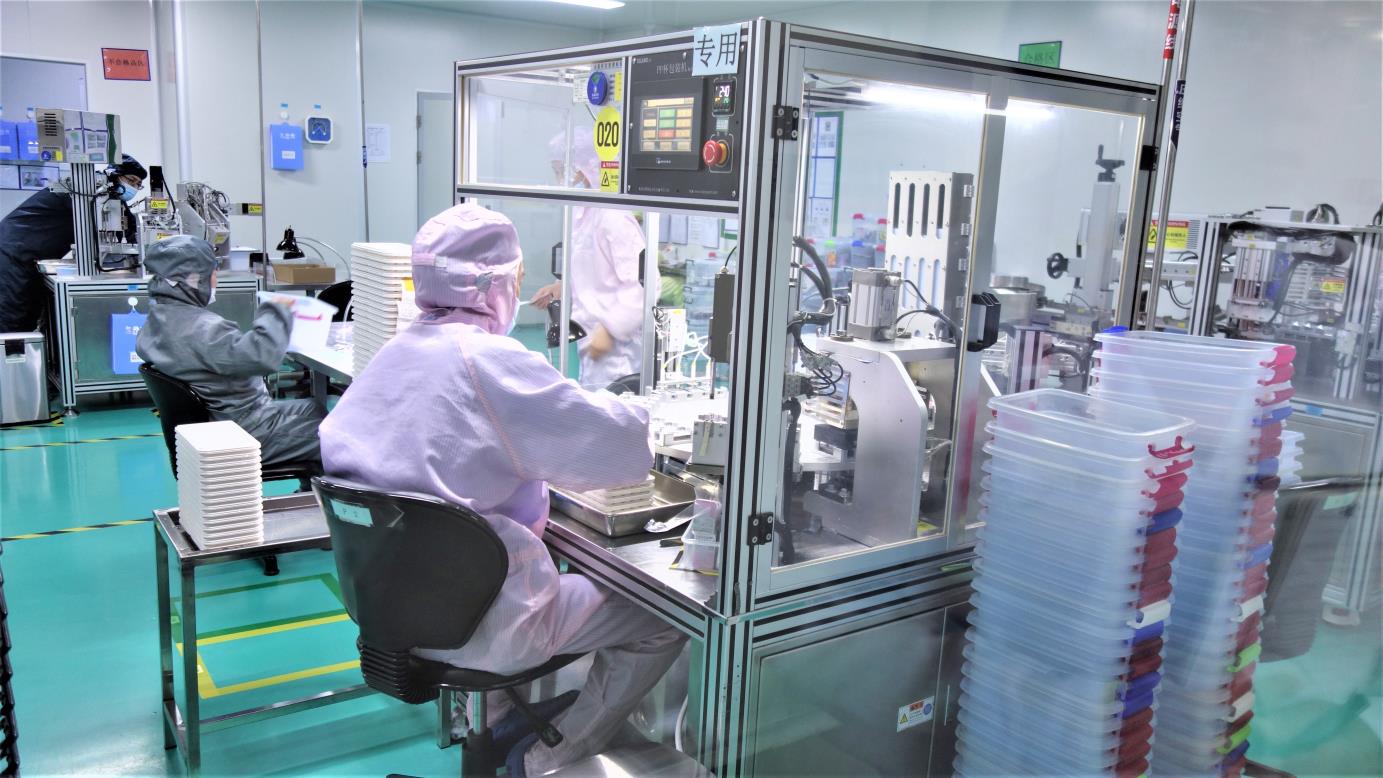
Vial and Blister Filling
Filling
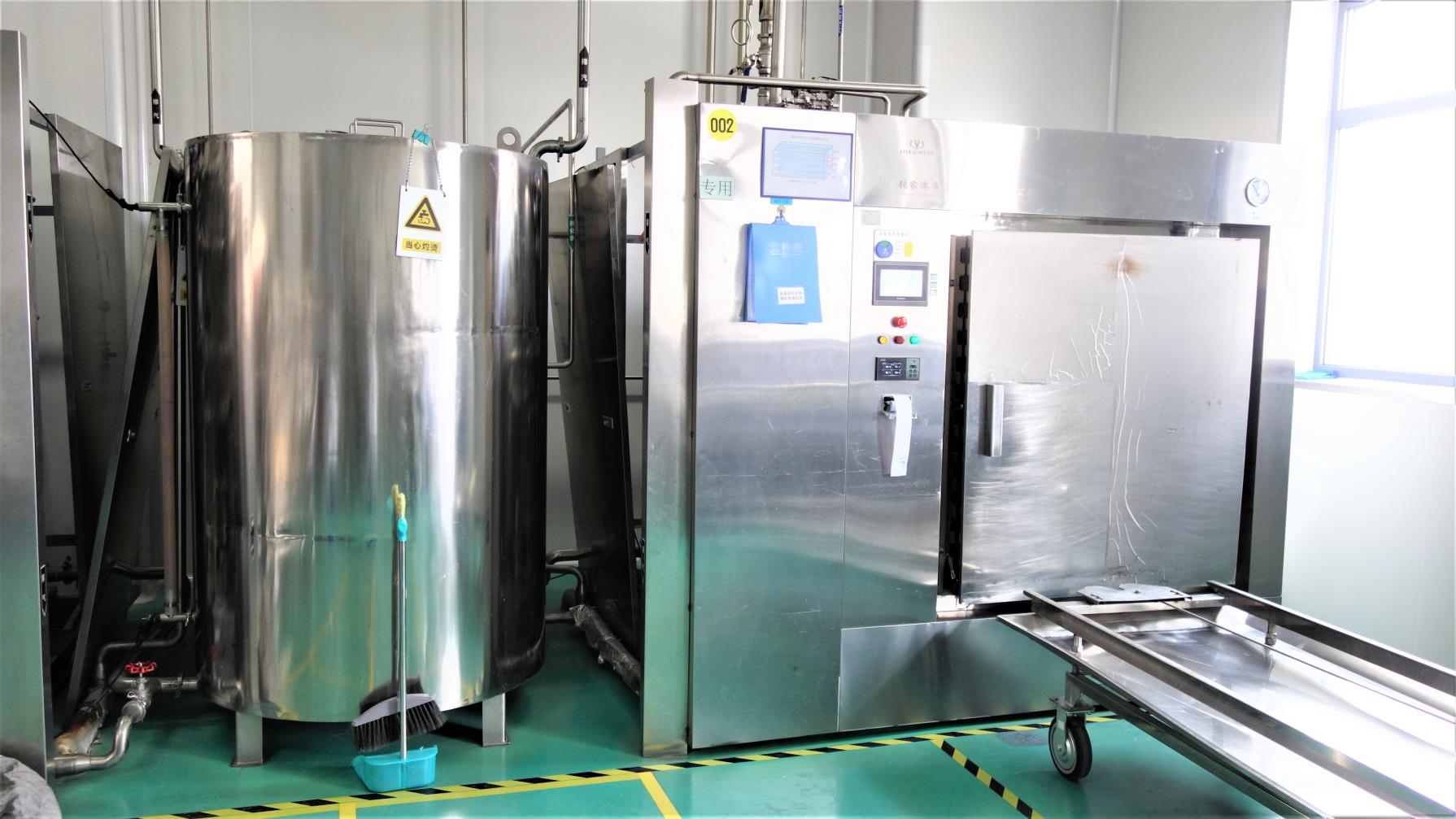
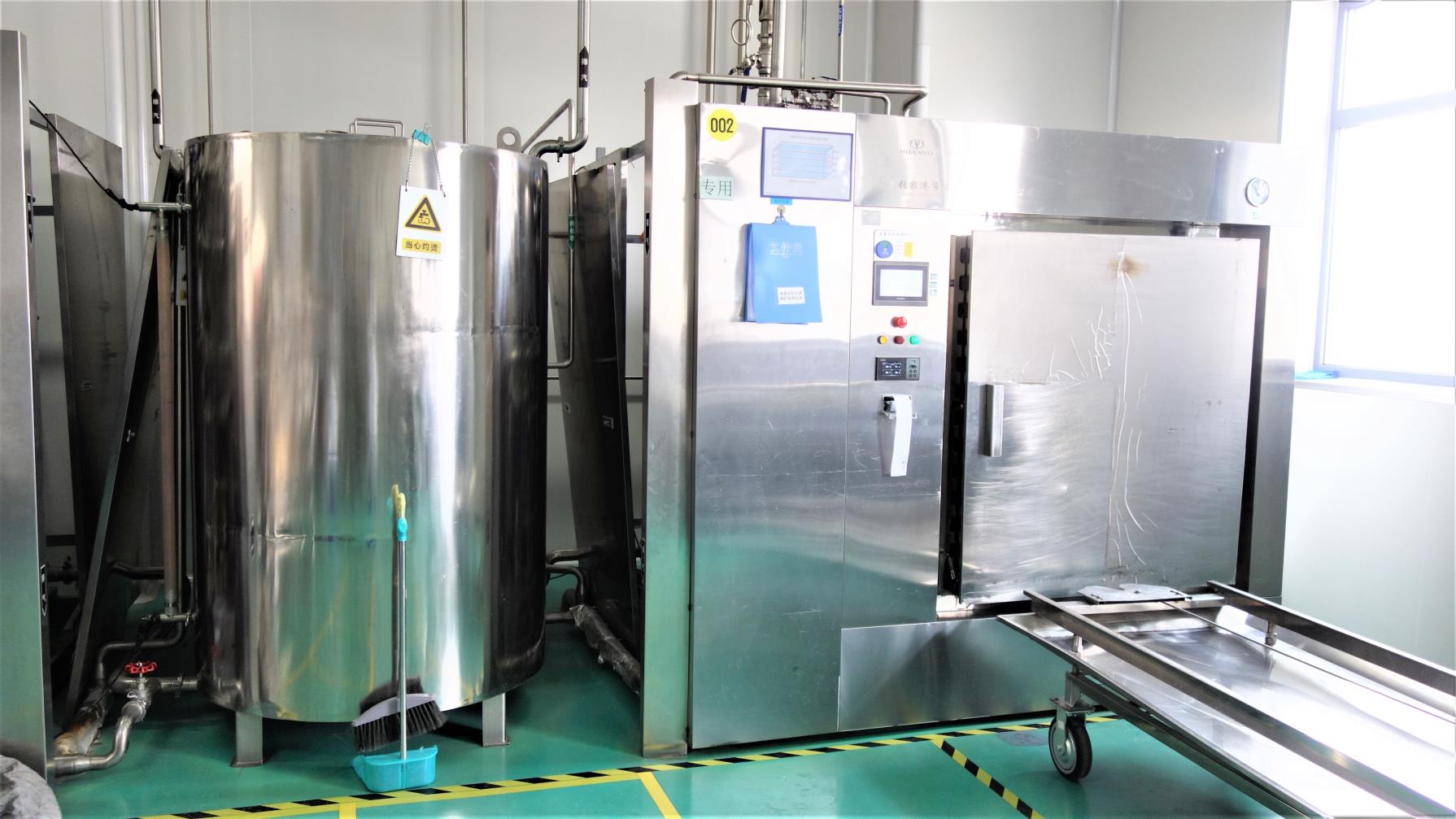
Sterilization Autoclave
Sterilization
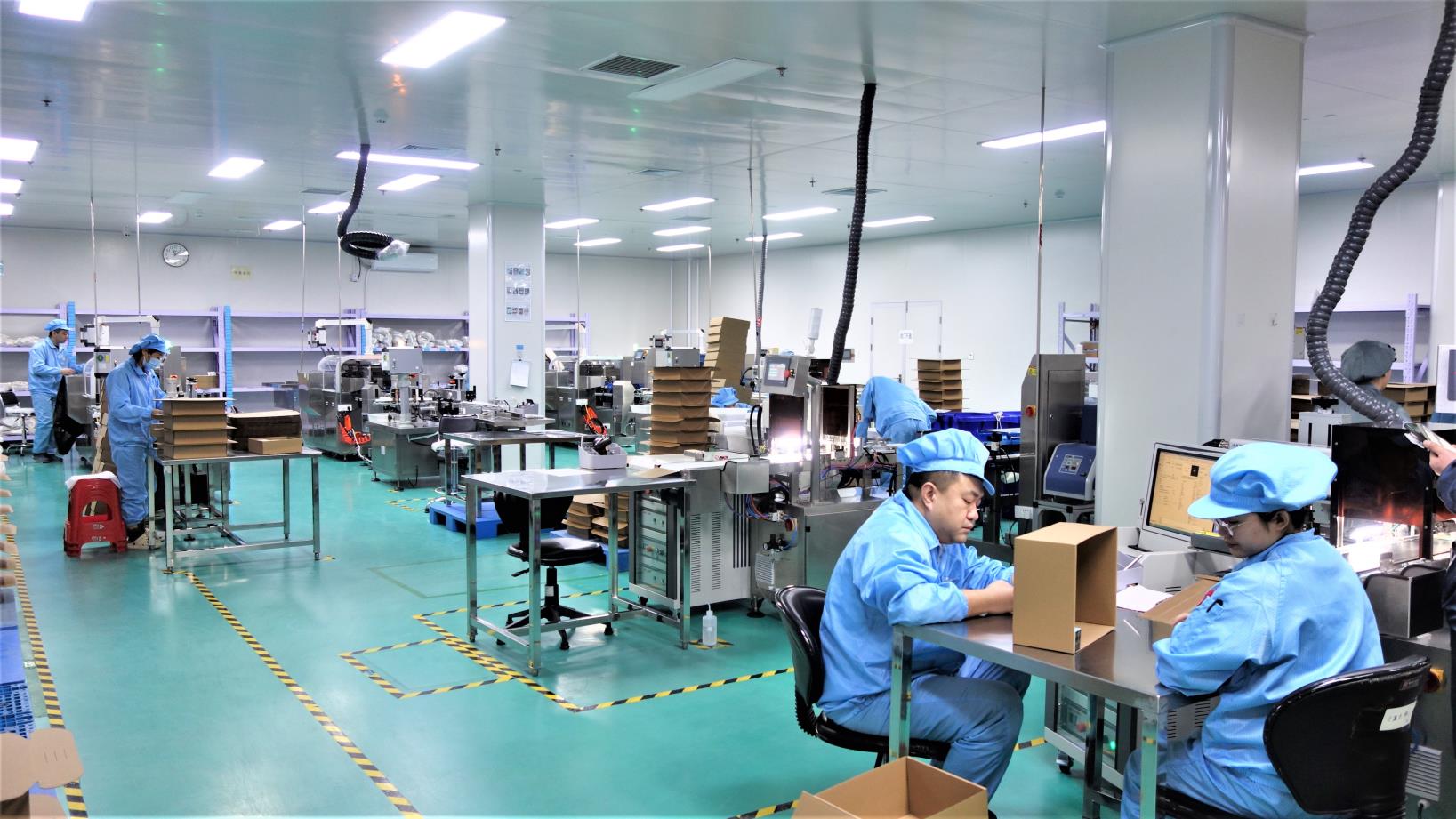
Clean Packaging
Packing
OQC Final Inspection
OQC
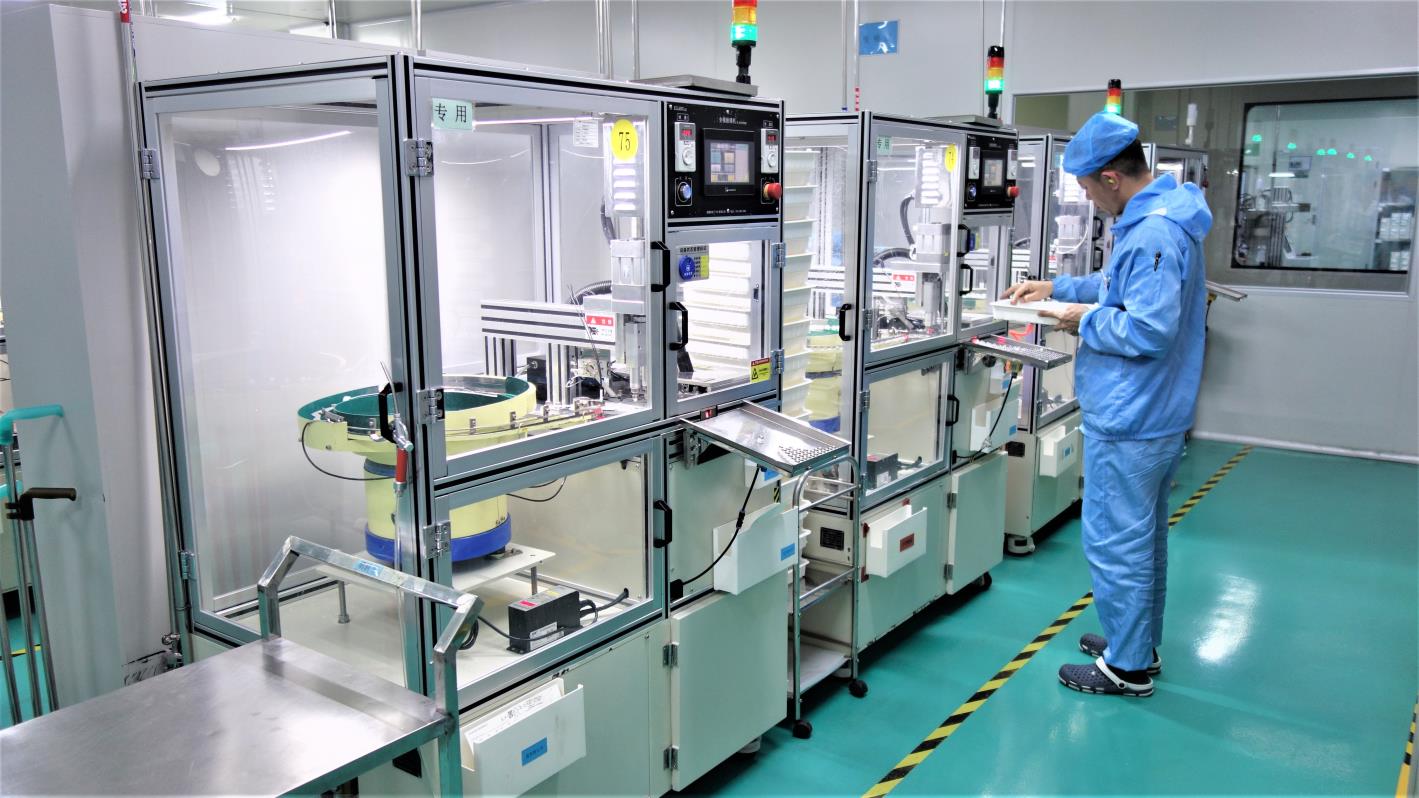
Automated Demoulding Machine
Demoulding Machine
Film Suction Machine
High-Speed Filling Machine
Filling Machine
Sterilization Cabinet
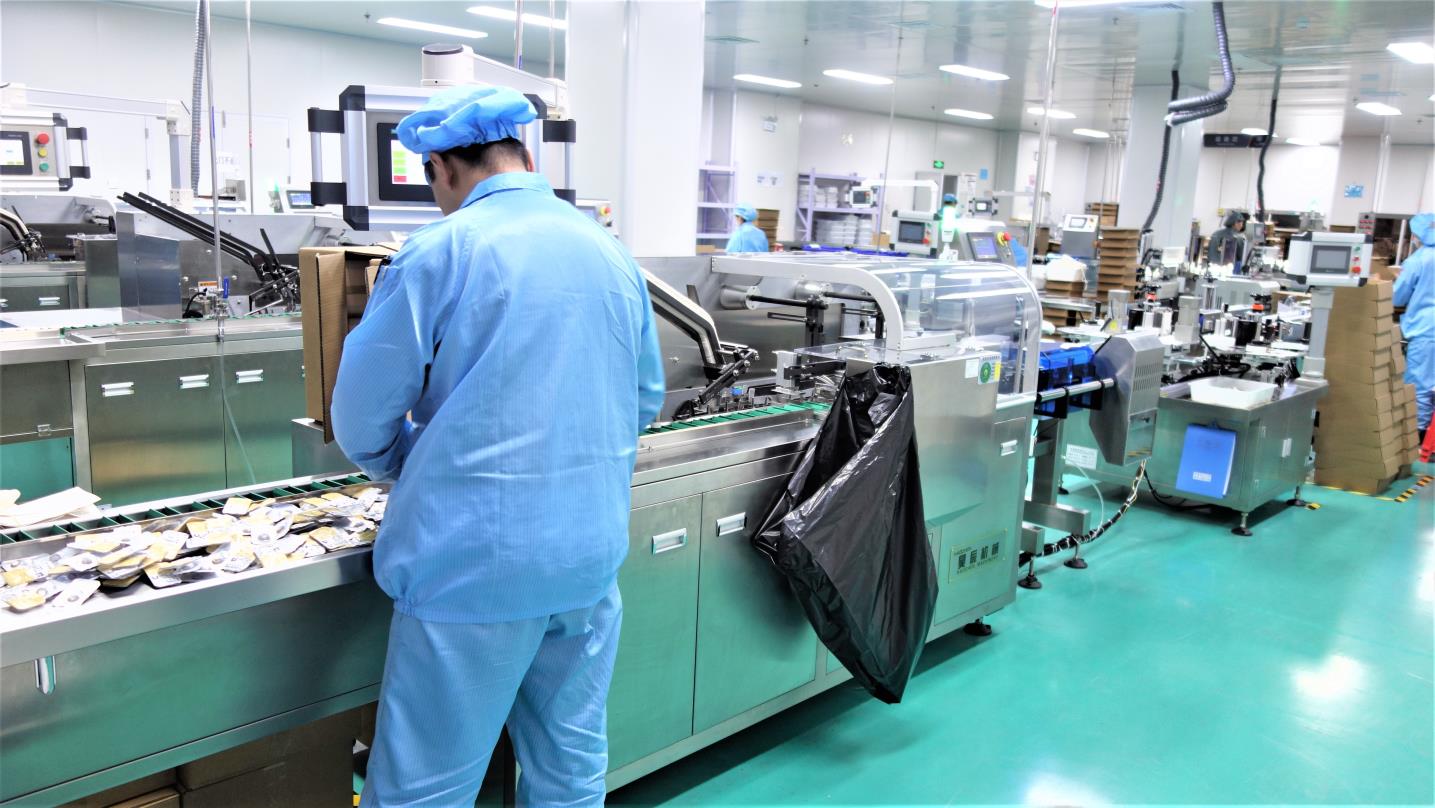
Automated Packaging Machine
Packaging Machine

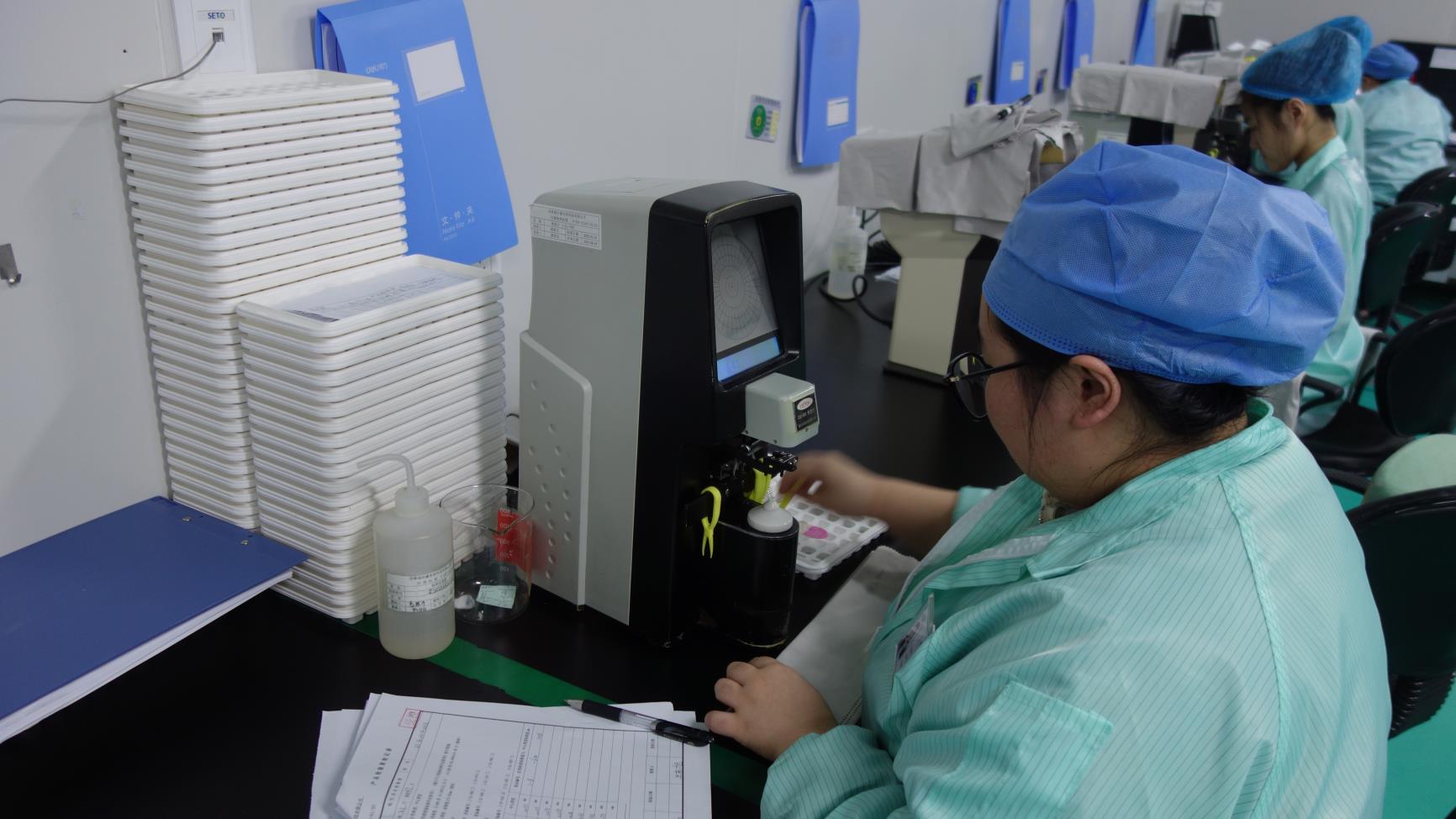
Advanced Quality Assurance Instruments

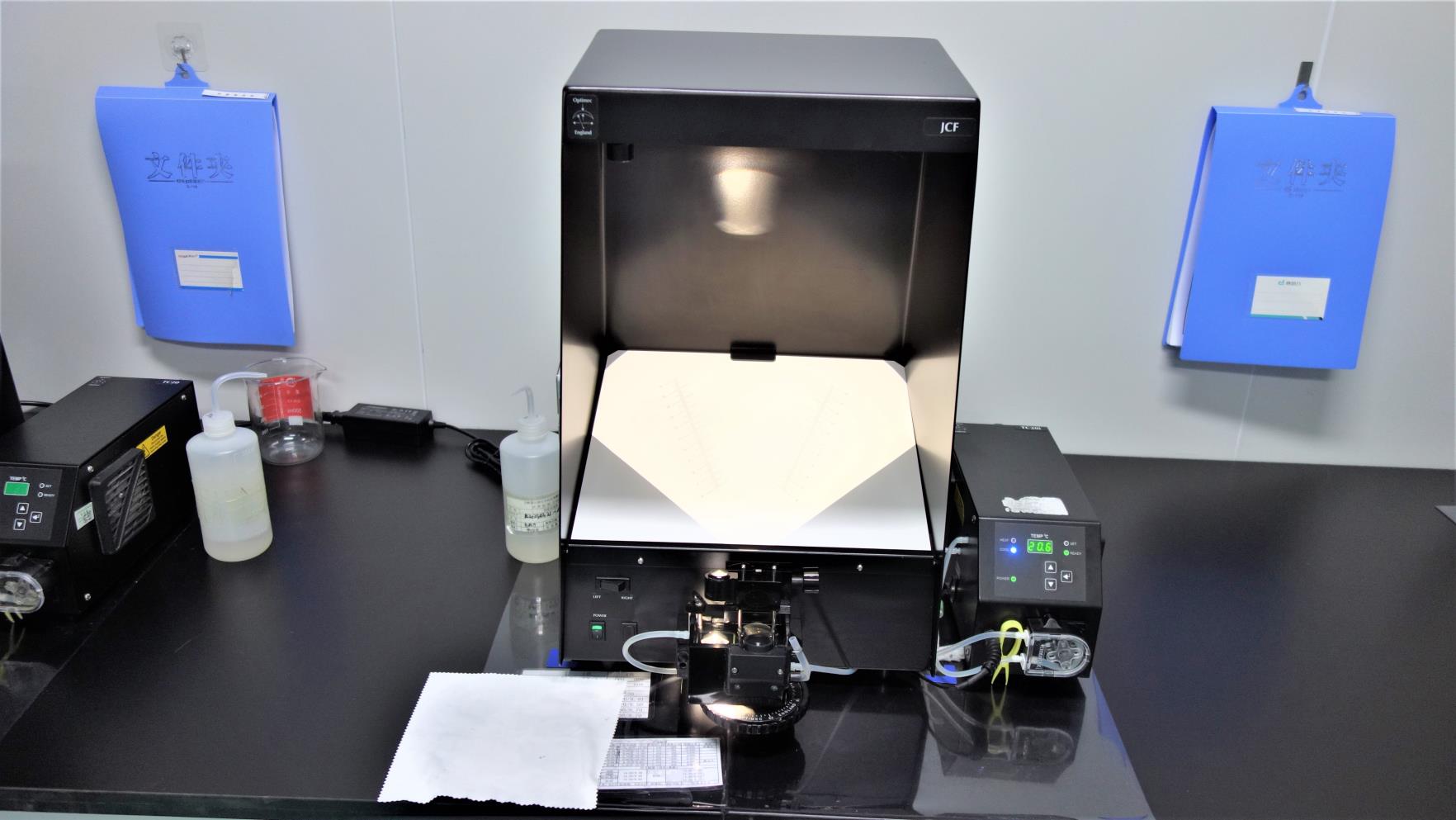
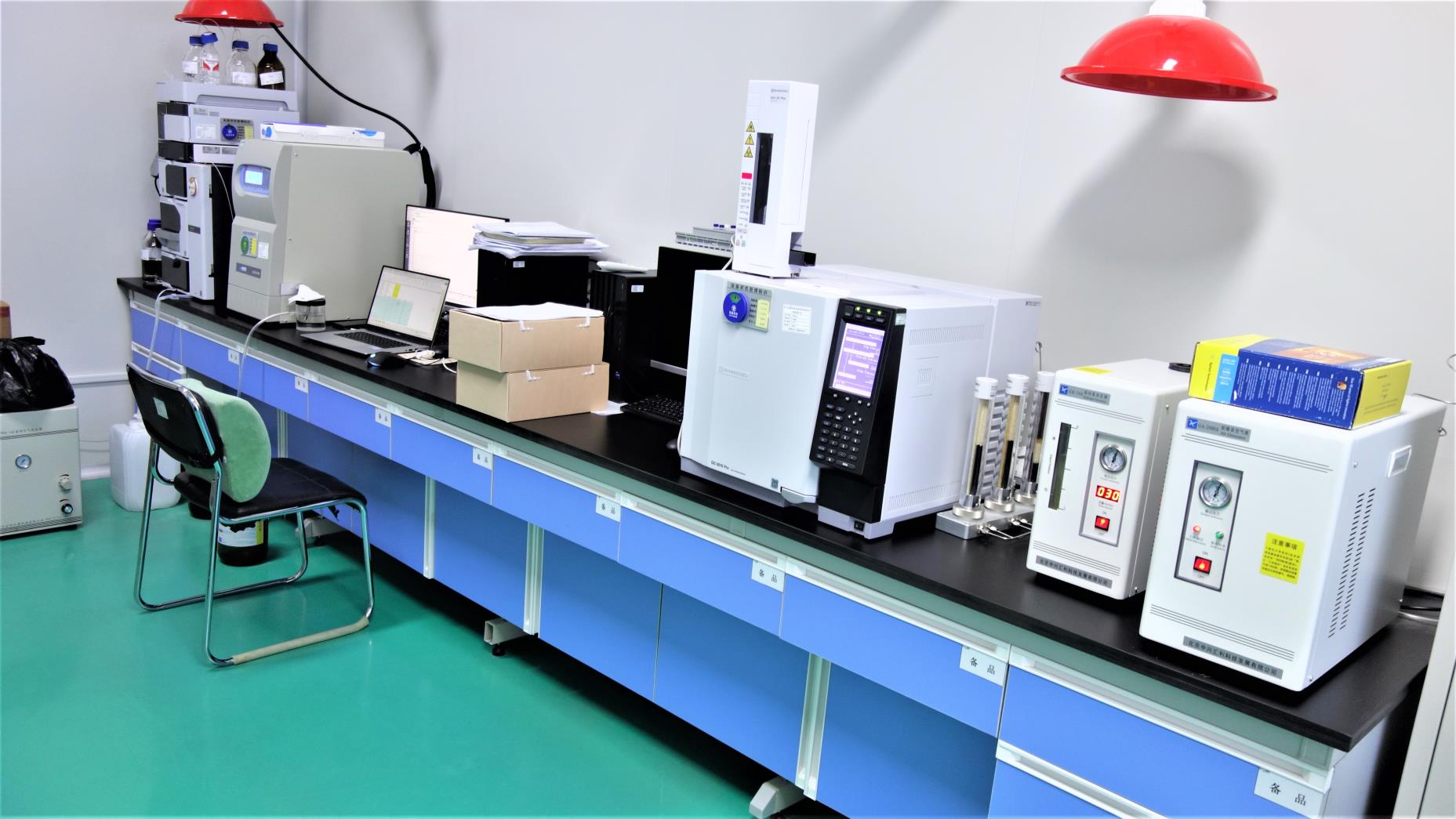
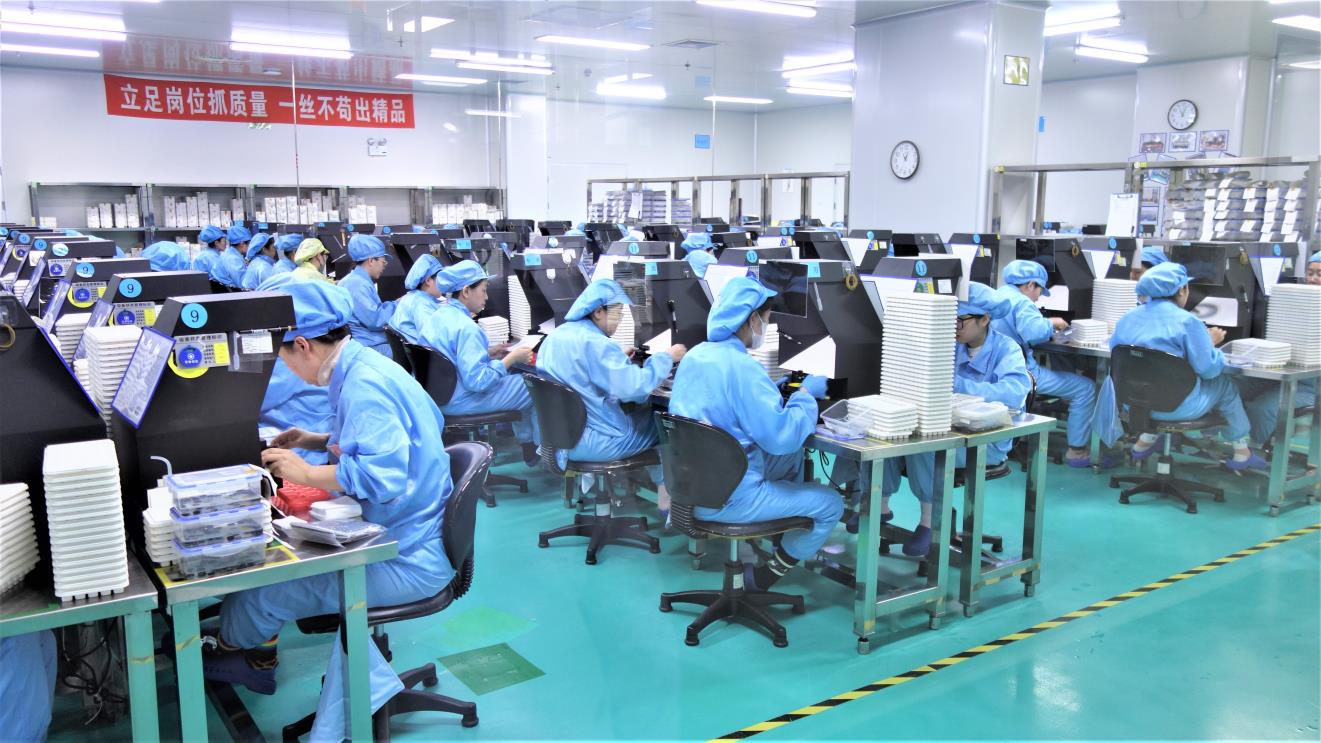
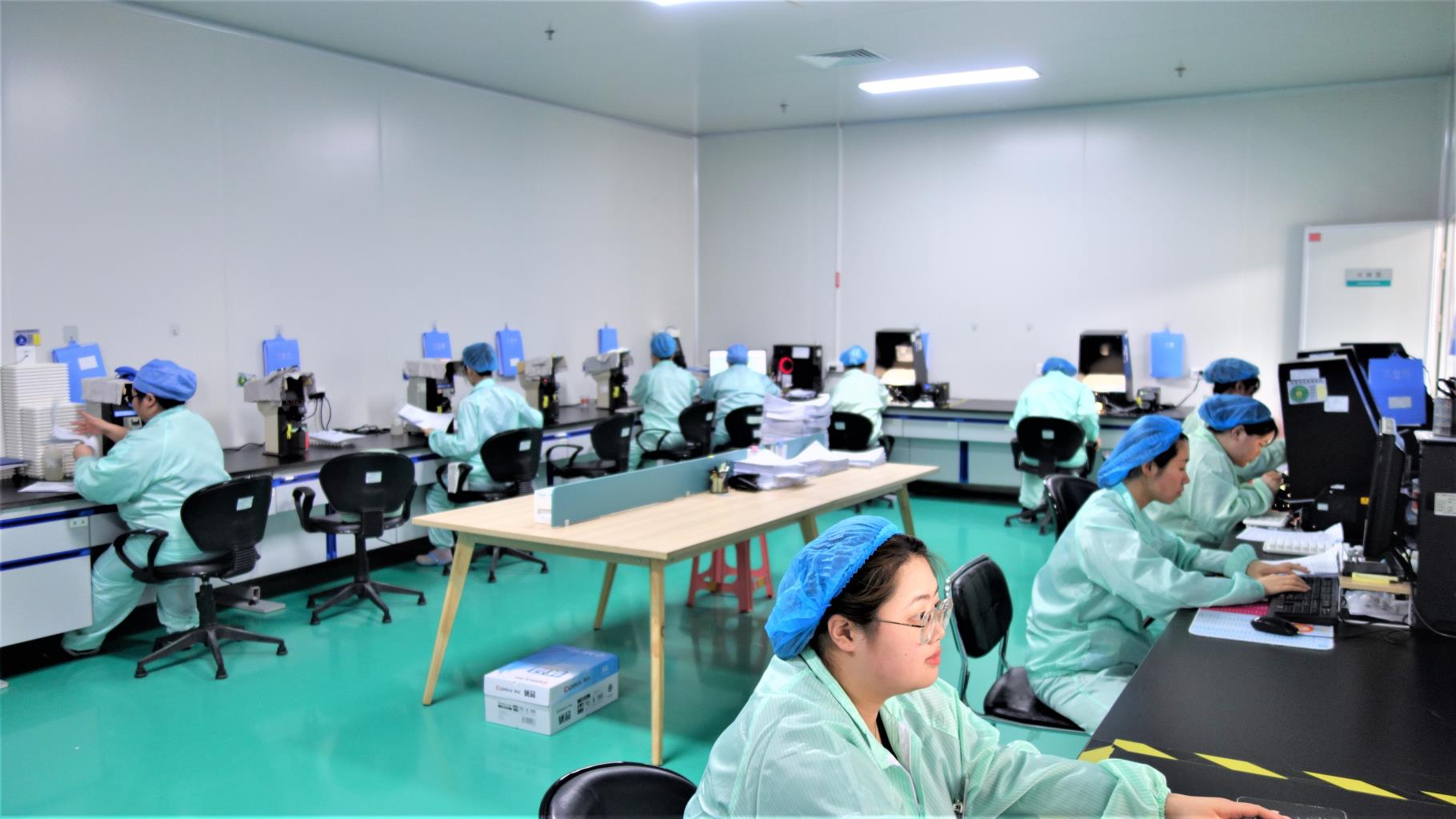
To ensure strict alignment with international quality standards and satisfy COFEPRIS (Comisión Federal para la Protección contra Riesgos Sanitarios) requirements in Mexico, our facility utilizes high-tech inspection systems. Every single production batch is verified using specialized instruments shown below:
Secondary Inspection Line
Inspecting Station II
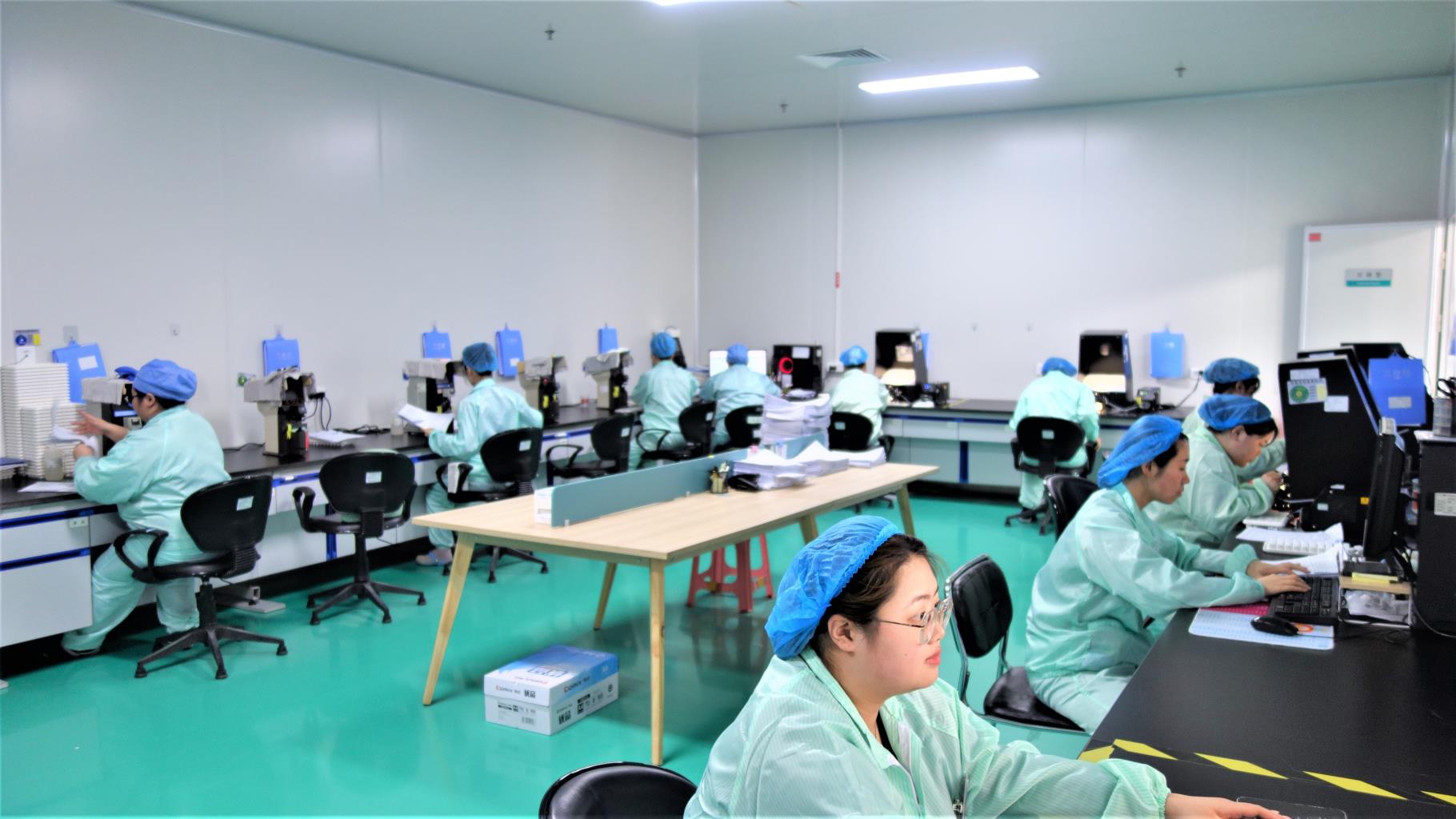
OQC Lab Room
OQC Lab Room
Focimeter Testing
Focimeter (Diopter Calibration)
Projector Inspection
Projector (Contour Measurement)
Spectral Equipment
Spectral Equipment (Light Transmittance)

3. Compliance, Logistics, and COFEPRIS Frameworks for CDMX Import

Importing medical devices (Class II) into Mexico requires strict adherence to regulatory pathways managed by the Federal Commission for the Protection against Sanitary Risks (COFEPRIS). For contact lenses, this involves securing a Sanitary Registration (Registro Sanitario), which necessitates full raw-material traceability, validation of sterilization processes (autoclave at 121°C as demonstrated in our sterilization line), and ISO 13485 certification.

Shenzhen Fresh Vision Co., Ltd. supports Mexican importers by providing complete documentation packages, including:

  1. Certificate of Analysis (COA): Outlining water content, base curve accuracy, and light transmission curves (measured using our spectral equipment).
  2. Free Sale Certificate (FSC): Verifying the legal export status of the products.
  3. Spanish-Language Labeling Support: Compliance with NOM-137-SSA1-2008, which dictates the labeling specifications for medical devices in Mexico, ensuring Spanish instructions, composition data, and warning signs are legibly placed on all retail boxes.

Furthermore, our logistics partnerships optimize transit routes. For urgent RTS (Ready to Ship) orders, air freight consignments are dispatched from Shenzhen (SZX) or Hong Kong (HKG) directly to Mexico City International Airport (MEX) or Felipe Ángeles International Airport (NLU), clearing customs within 5 to 7 business days under standard broker arrangements.

4. Material Sciences & Future Technology Roadmap

Our manufacturing team is actively migrating production lines towards next-generation silicone hydrogel compounds (e.g., Balafilcon A, Senofilcon A equivalents) that boast oxygen permeability rates up to four times higher than conventional HEMA-based hydrogels.

Our technology roadmap includes:

  • Sandwich Color Locking Tech: For cosmetic colored contacts, ensuring that color pigments are encapsulated between the polymer layers, preventing direct contact with the corneal epithelium.
  • Biocompatible Moisture Agents: Infusing hyaluronic acid or other hydrophilic polymers into the monomer mix, reducing lipid deposits and maintaining high hydration levels throughout a 12-hour wear cycle, especially useful in CDMX's dry, high-altitude winters.
  • Prosthetic Pupil Customization: Using advanced imaging to design irregular irises for trauma recovery cases, ensuring custom-matched lenses can be printed and shipped with minimal delays.

Frequently Asked Questions (FAQ)

Technical and logistical answers for B2B distributors, opticians, and cosmetics brands in the Mexican market.

What is the minimum order quantity (MOQ) for RTS contact lenses shipping to Mexico?
For our Ready-to-Ship (RTS) catalog, we support low starting MOQs (often starting from 10 to 50 pairs per color/style) to allow boutique owners in Mexico City to test market demand before committing to larger production runs.
Are these contact lenses compliant with COFEPRIS regulations in Mexico?
Yes, our products are manufactured in an ISO 13485-certified facility and have met strict international quality standards. We provide complete technical files (dossiers), including sterilization certificates and material data sheets, enabling your local customs broker or legal representative in Mexico to register them with COFEPRIS.
How do you handle color accuracy and pigmentation safety?
We use advanced "sandwich printing" technology. The dye layers are safely locked inside the lens material, meaning the pigment never comes into contact with the wearer's cornea. Colors are checked for uniformity and spectral light transmission using our precision projectors and spectrophotometers.
What are the shipping times from your Shenzhen factory to Mexico City?
Air cargo shipments typically arrive at Mexico City International Airport (AICM) or Felipe Ángeles International Airport (AIFA) within 5 to 9 days after dispatch. For larger maritime orders, we ship via the Port of Shenzhen to the Port of Manzanillo or Lázaro Cárdenas, which takes around 22 to 30 days.
Can we request customized packaging (OEM/ODM) for our brand in CDMX?
Absolutely. We offer customized packaging (vials, blister packs, and outer color boxes) along with Spanish instructions to satisfy NOM-137-SSA1-2008 standards. Our R&D team of 5 engineers and graphic designers can generate packaging templates based on your brand assets.