Prescription Lenses Manufacturers & Manufacturer for the Nigeria Market

Pioneering high-precision ophthalmic solutions, customizable soft contact lenses, and bulk distribution channels engineered to transform vision care in West Africa.

Send Inquiry Now

Global Ophthalmic Manufacturing Paradigm & Market Dynamics

The global prescription contact lens industry is experiencing a profound paradigm shift. Valued at over USD 9.5 Billion, with projected compound annual growth rates (CAGR) exceeding 6.2% through 2030, the sector has transitioned from simple visual correction tools to sophisticated bio-compatible ocular platforms. Modern manufacturing utilizes advanced casting technologies, hydrogel systems, and highly oxygen-permeable silicone hydrogel polymers.

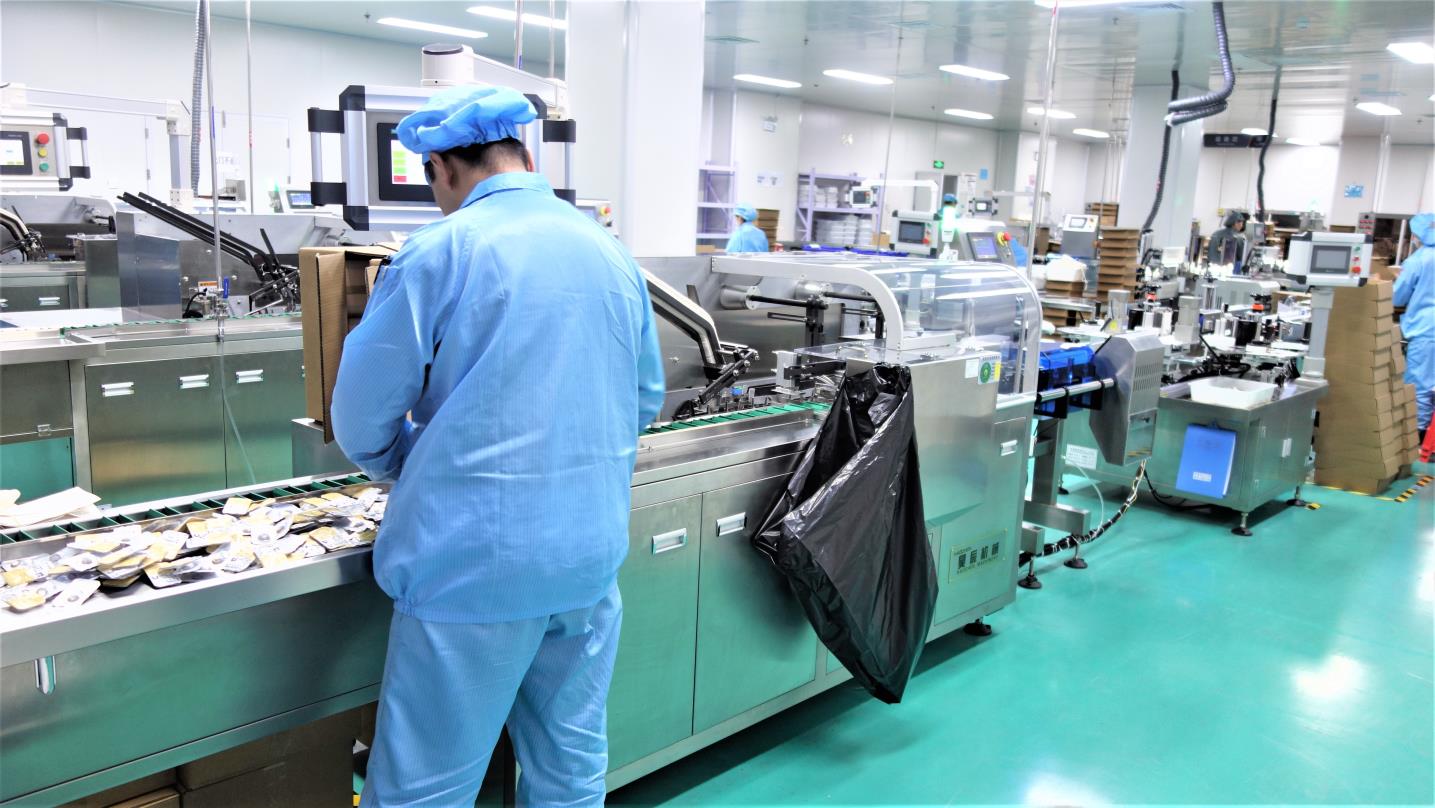
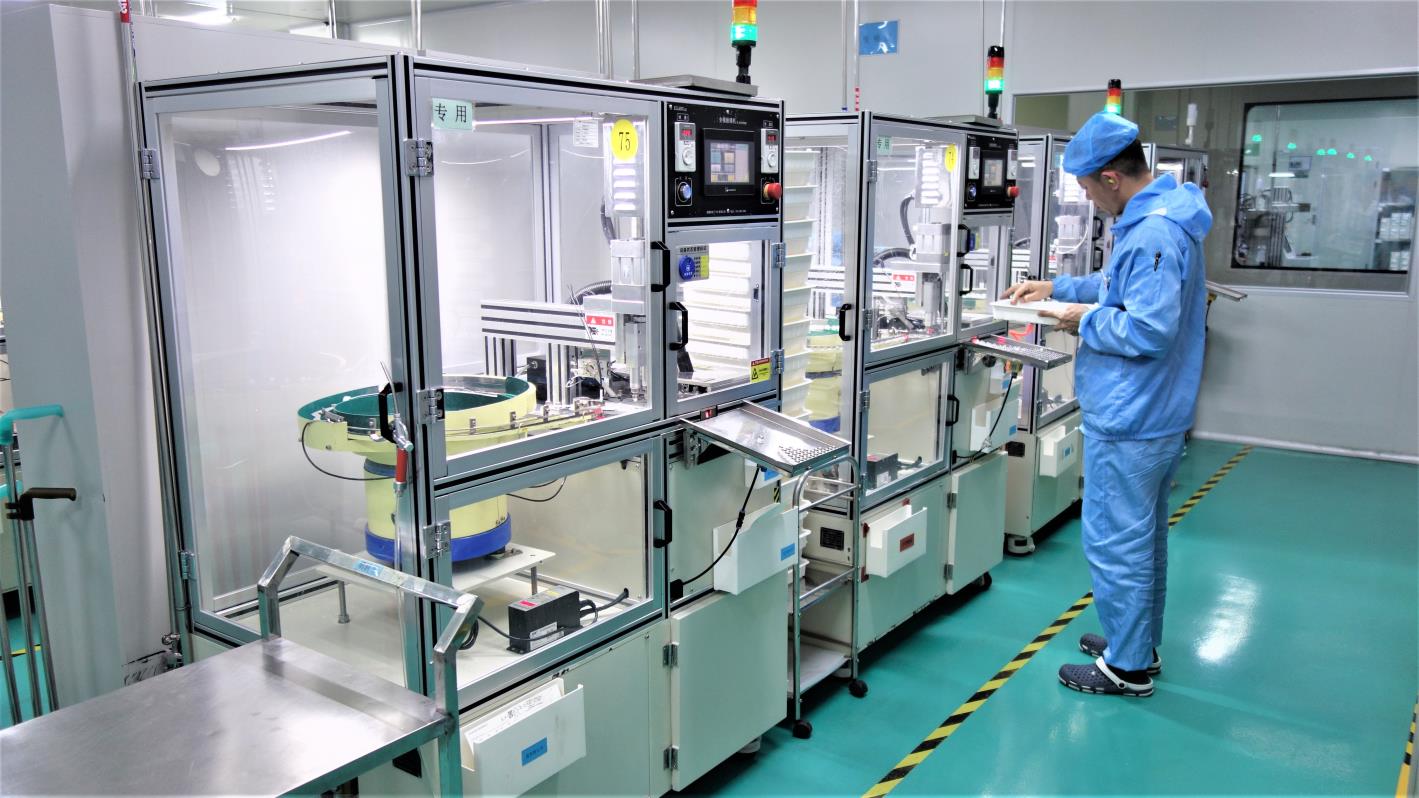
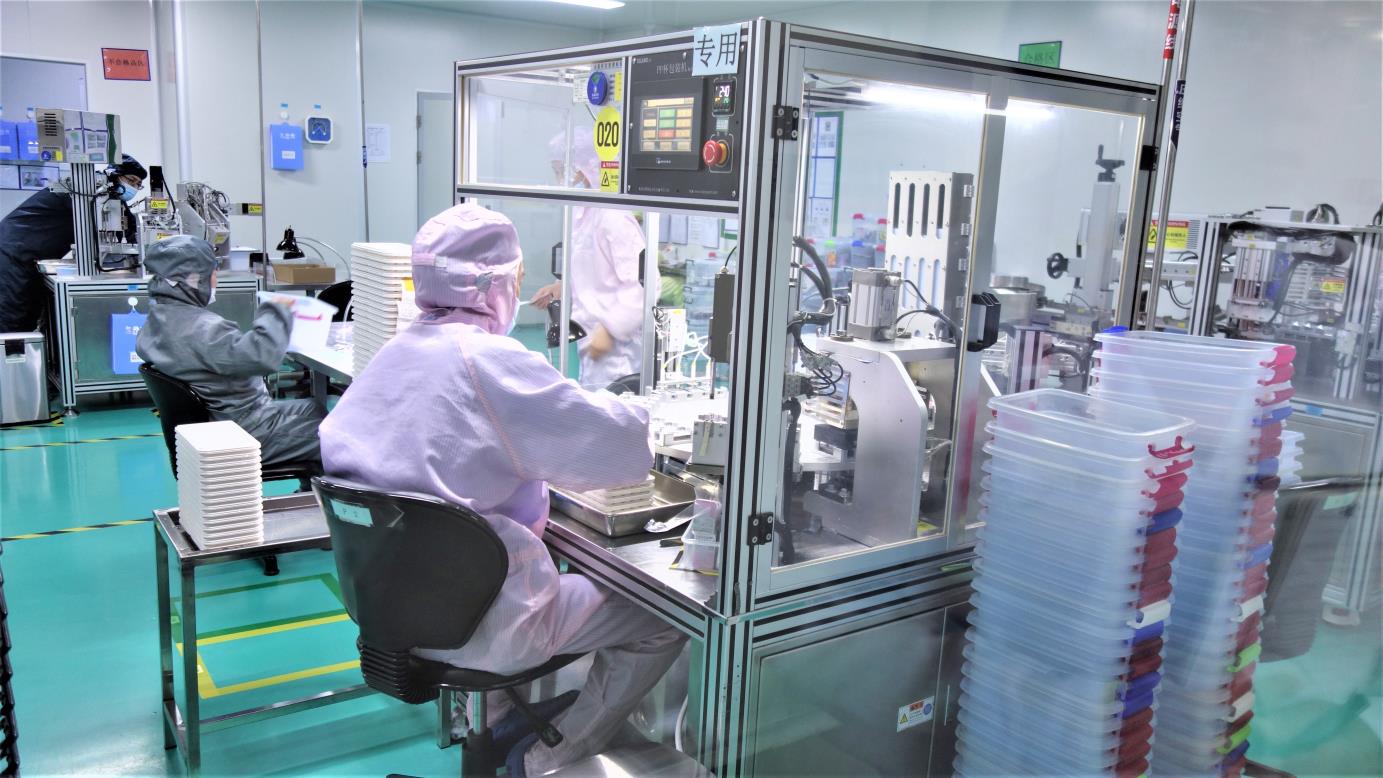
Innovations in polymer chemistry now allow manufacturers to balance critical lens metrics: water retention, oxygen transmissibility (Dk/t), and modulus of elasticity. High-precision molding equipment, laser-guided inspection systems, and automated sterile packaging lines are the pillars of modern mass production. Globally, distributors seek manufacturers capable of combining aesthetic variation (such as custom cosmetic color profiles) with strict medical-grade myopia correction properties to meet a highly diverse consumer demographic.

The Strategic Value of the Nigerian Optical Market

Nigeria, boasting Africa's largest population and its most dynamic economic ecosystem, presents an unprecedented growth window for ophthalmic distributors. Rapid urbanization in major hubs like Lagos, Abuja, Port Harcourt, and Kano, paired with increasing screen exposure, has accelerated the prevalence of refractive errors. Myopia, astigmatism, and eye-strain related pathologies are growing steadily among the young, tech-literate demographic.

Historically, access to high-quality, sterile corrective lenses was restricted to capital-intensive import models, driving up costs for end consumers. By establishing a direct pipeline with premium, certified global manufacturers, Nigerian opticians, medical centers, and bulk distributors can leverage economies of scale. Providing affordable, high-quality hydrogel prescription contact lenses directly answers the critical public health need for vision correction while capturing significant market share in the cosmetic beauty sector.

Manufacturing Infrastructure & Export Reach

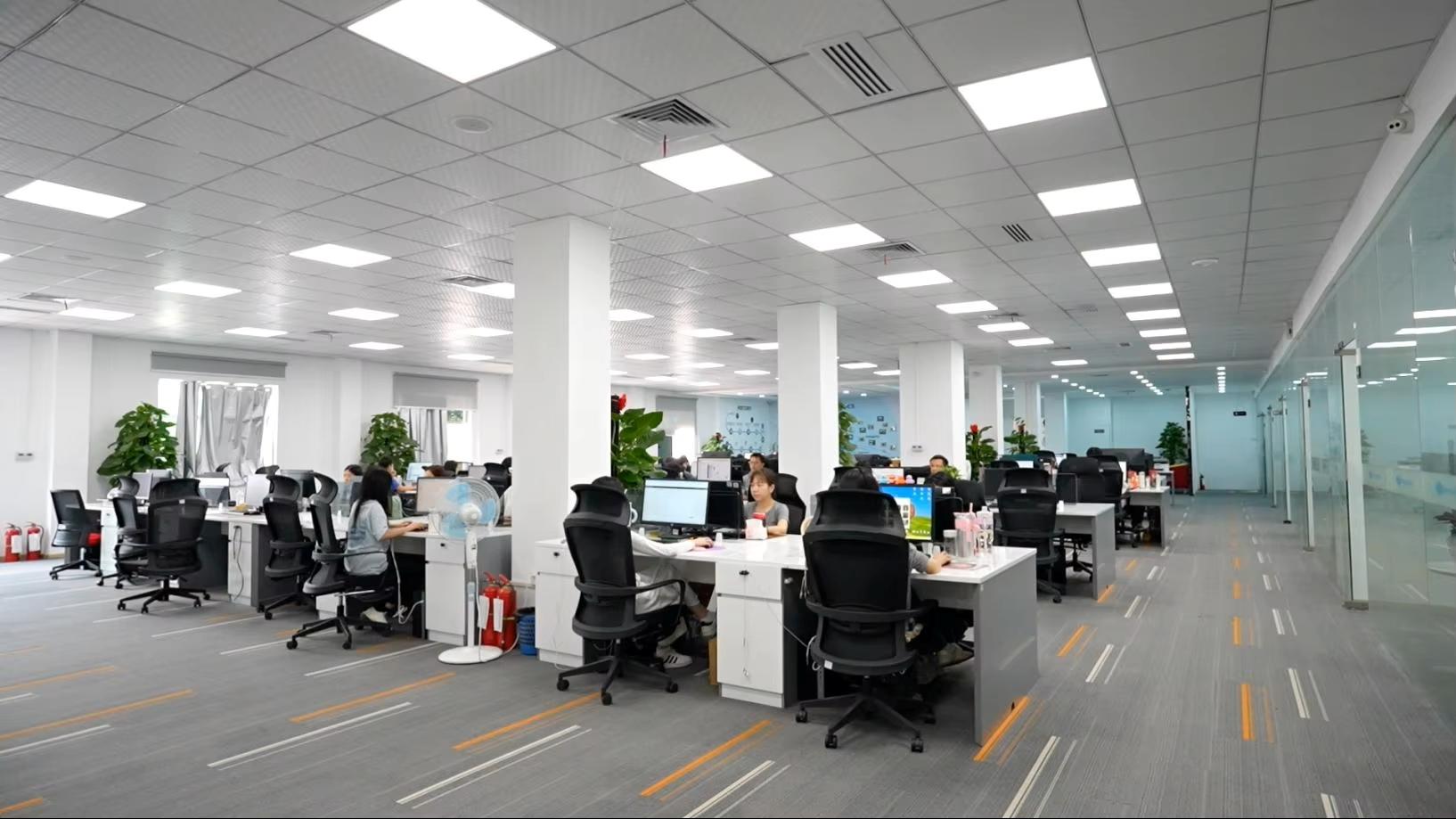
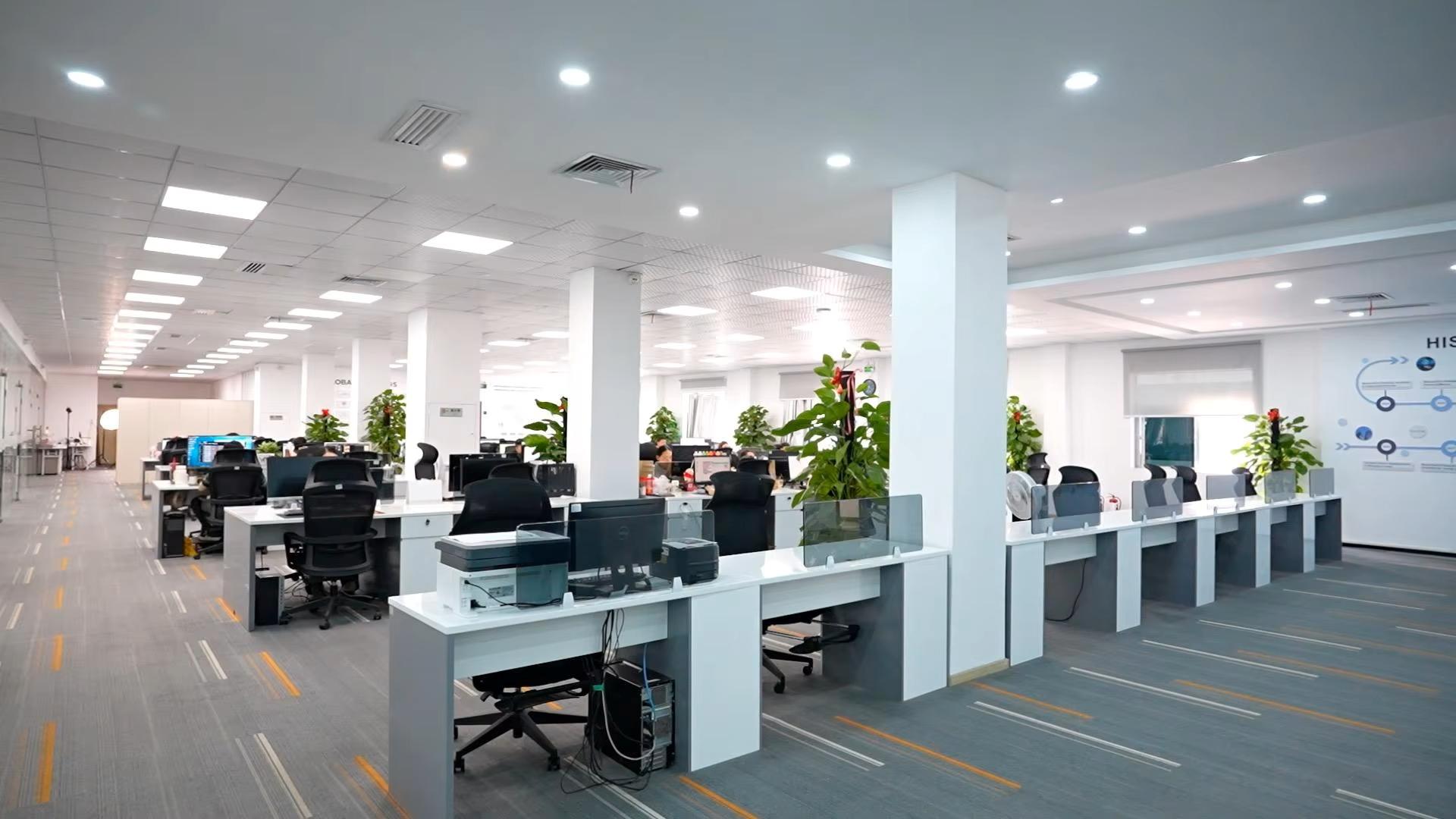
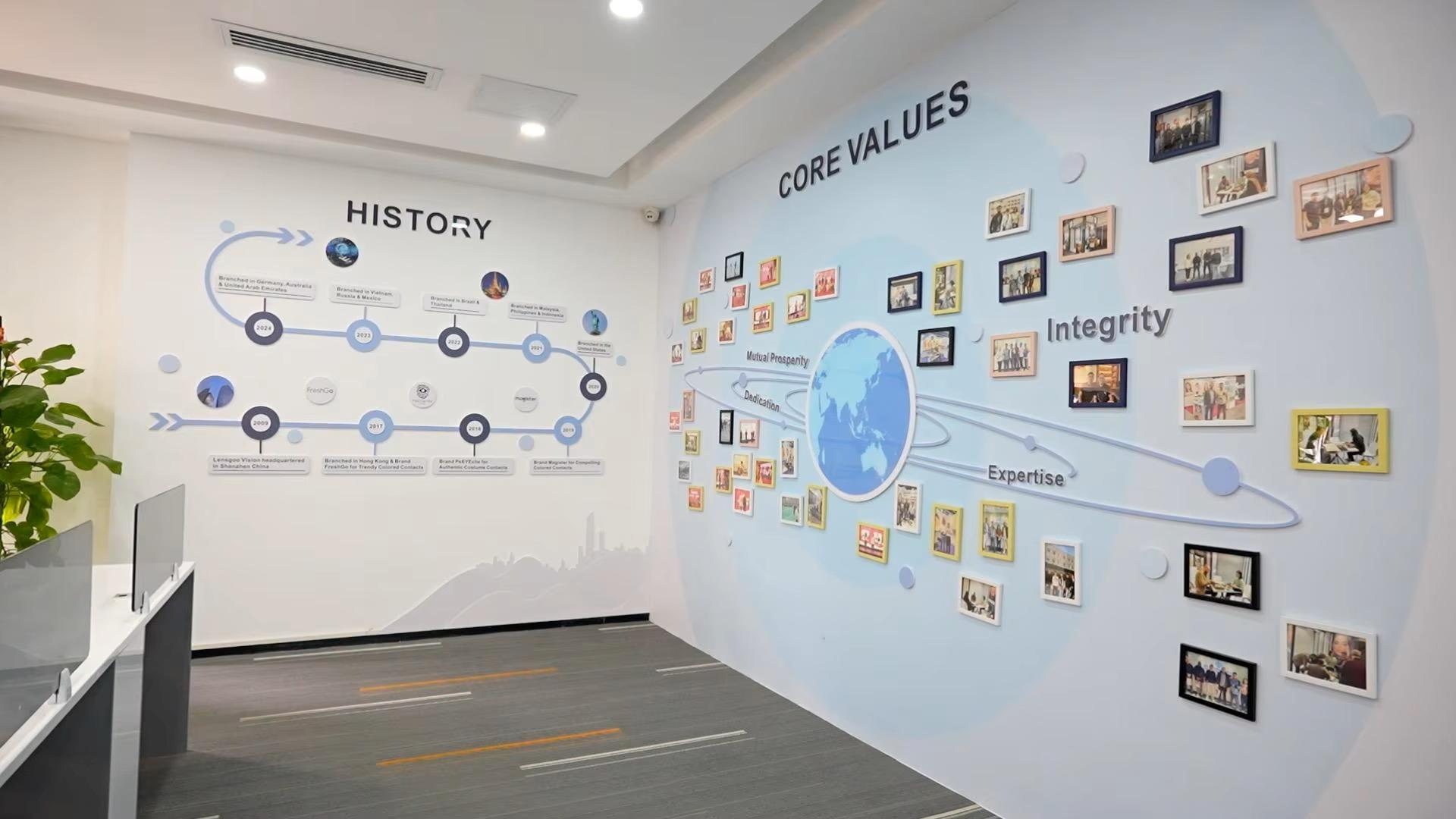
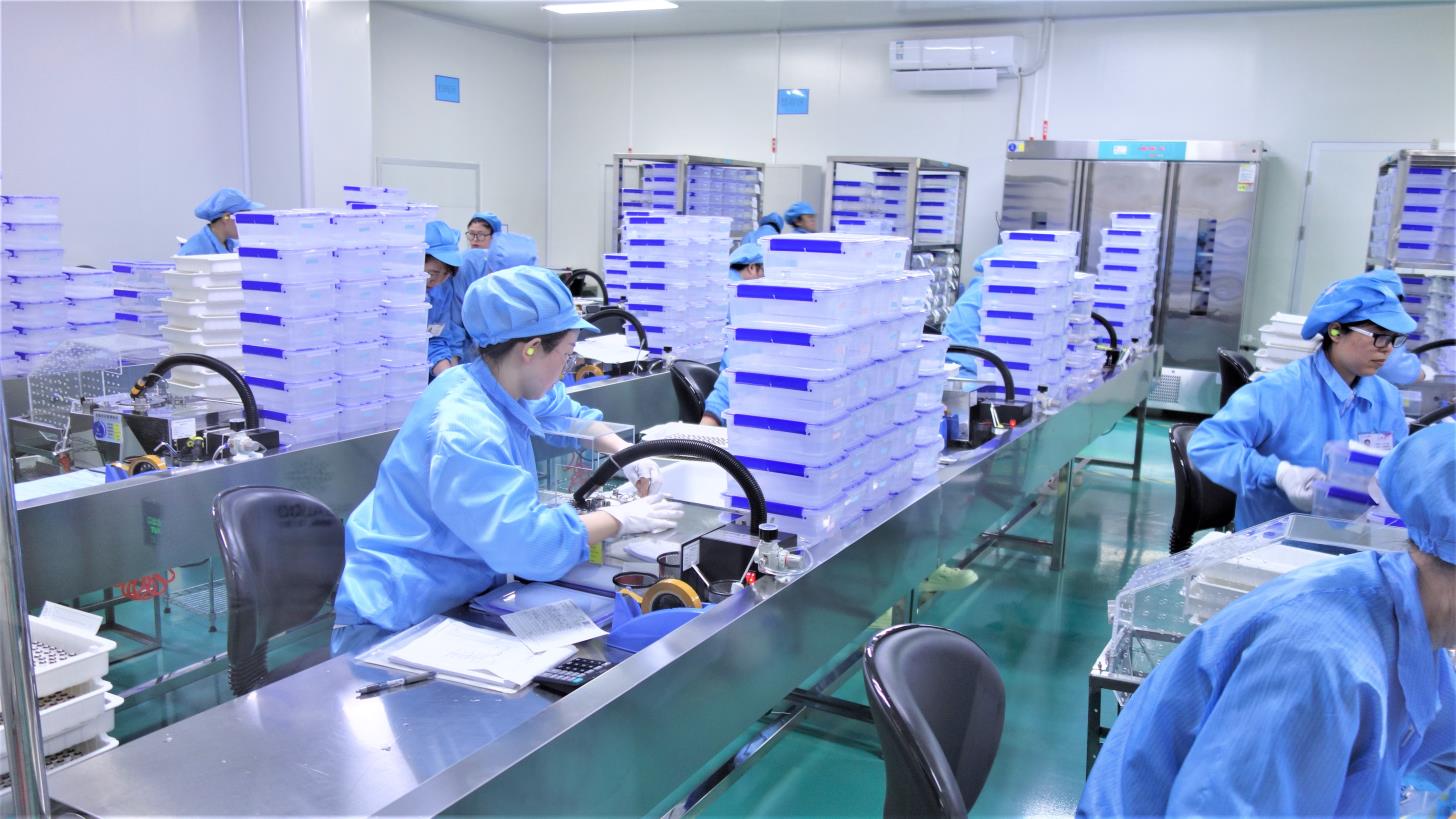
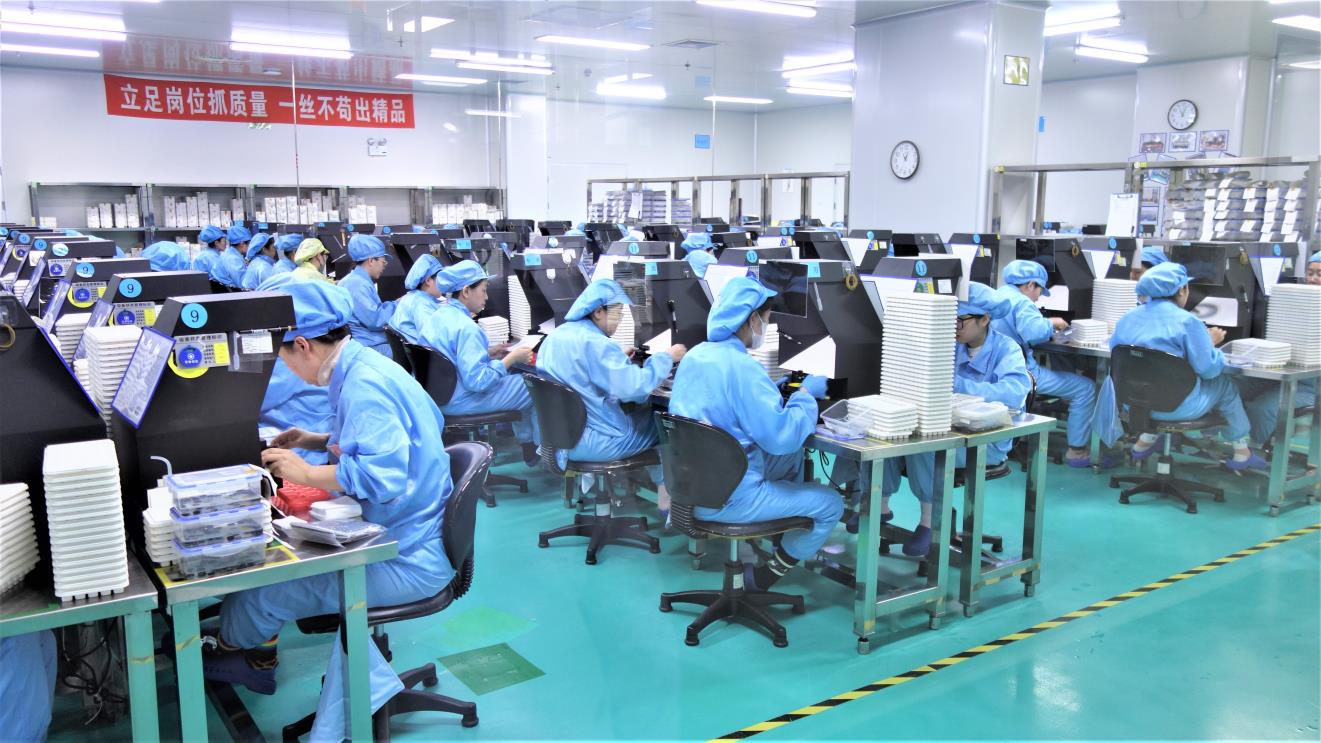
A snapshot of our capabilities, demonstrating the high operational capacity of Shenzhen Fresh Vision Co., Ltd.

2016
Company Registration Date
1,100 m²
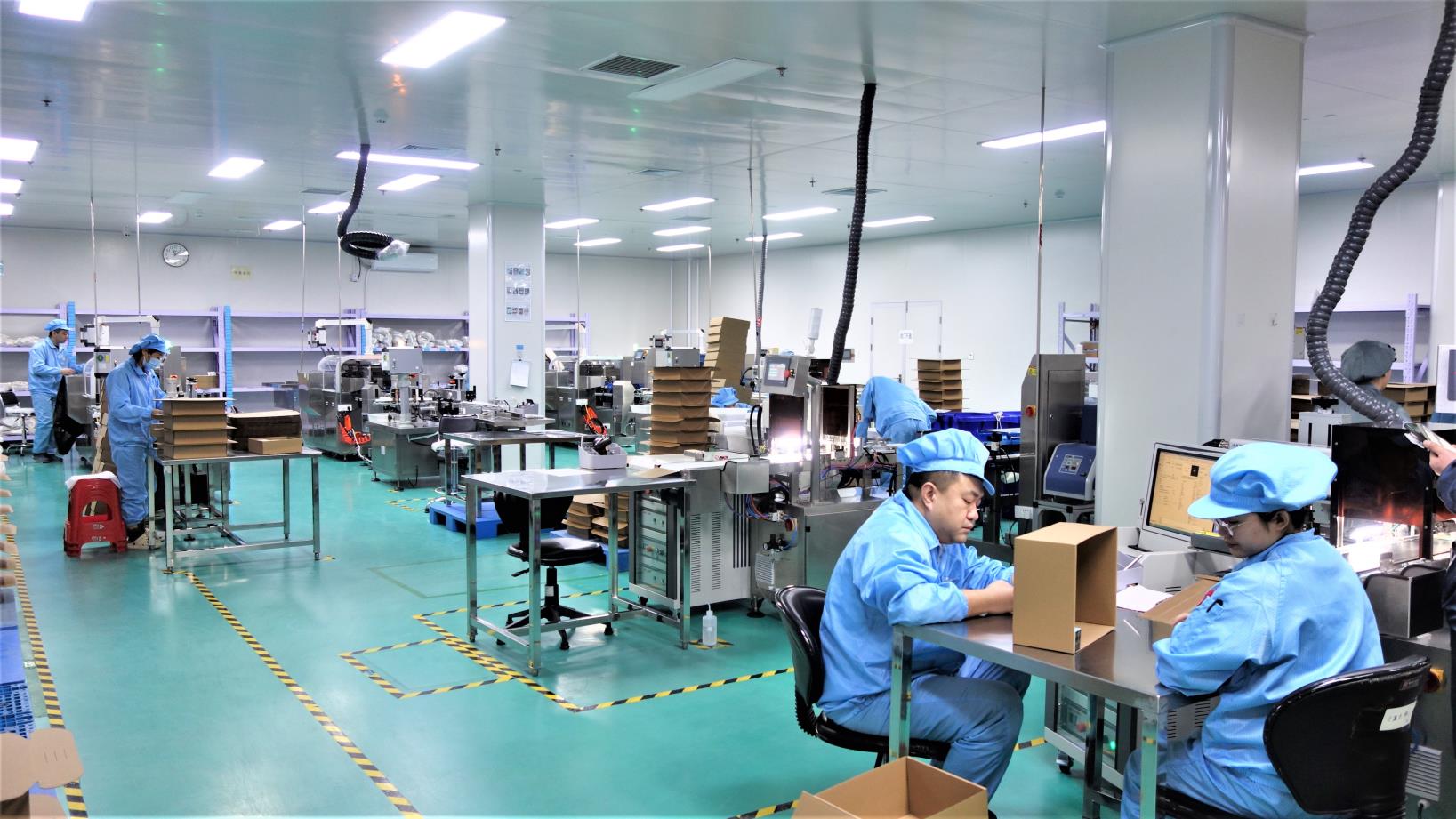
Modern Production Facility
10 Years
Industry & Export Excellence
100%
Raw Material Traceability

Shenzhen Fresh Vision Co., Ltd. — Technical Roadmap & Quality Controls

Every batch of lenses destined for the Nigeria market undergoes a rigorous, fully traceable production sequence matching FDA, CE, and international ophthalmic guidelines.

Accepted Languages English, Spanish, Chinese
Customization Options Sample, Graphic & On-demand Customization (OEM/ODM)
R&D Staff 5 Dedicated Engineers (3 Graduate, 2 Junior College specialists)
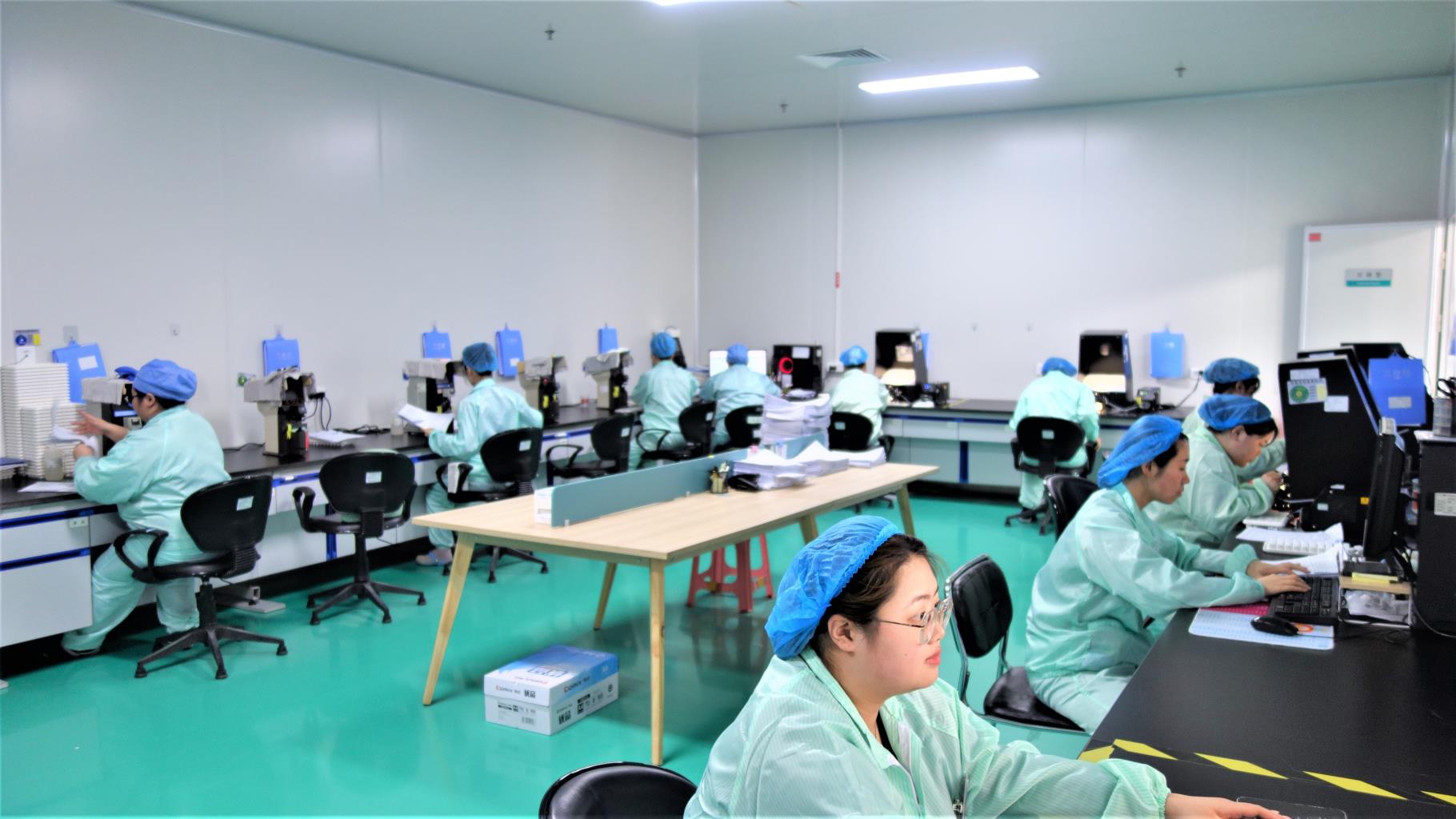
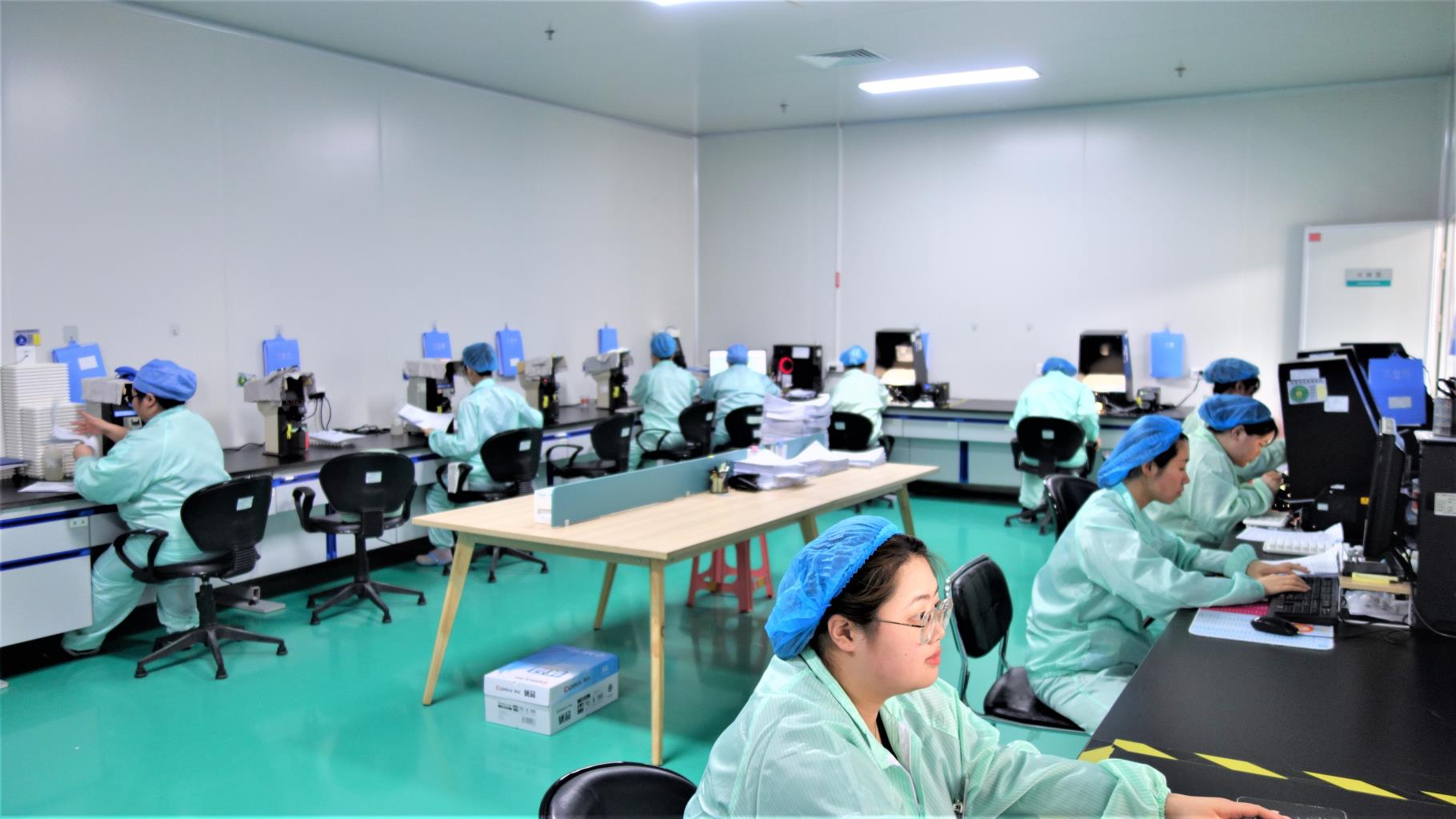
Product Inspection 100% Comprehensive Inspection on all production lines
Main Client Types Brand business, Retailers, Wholesalers, Manufacturers

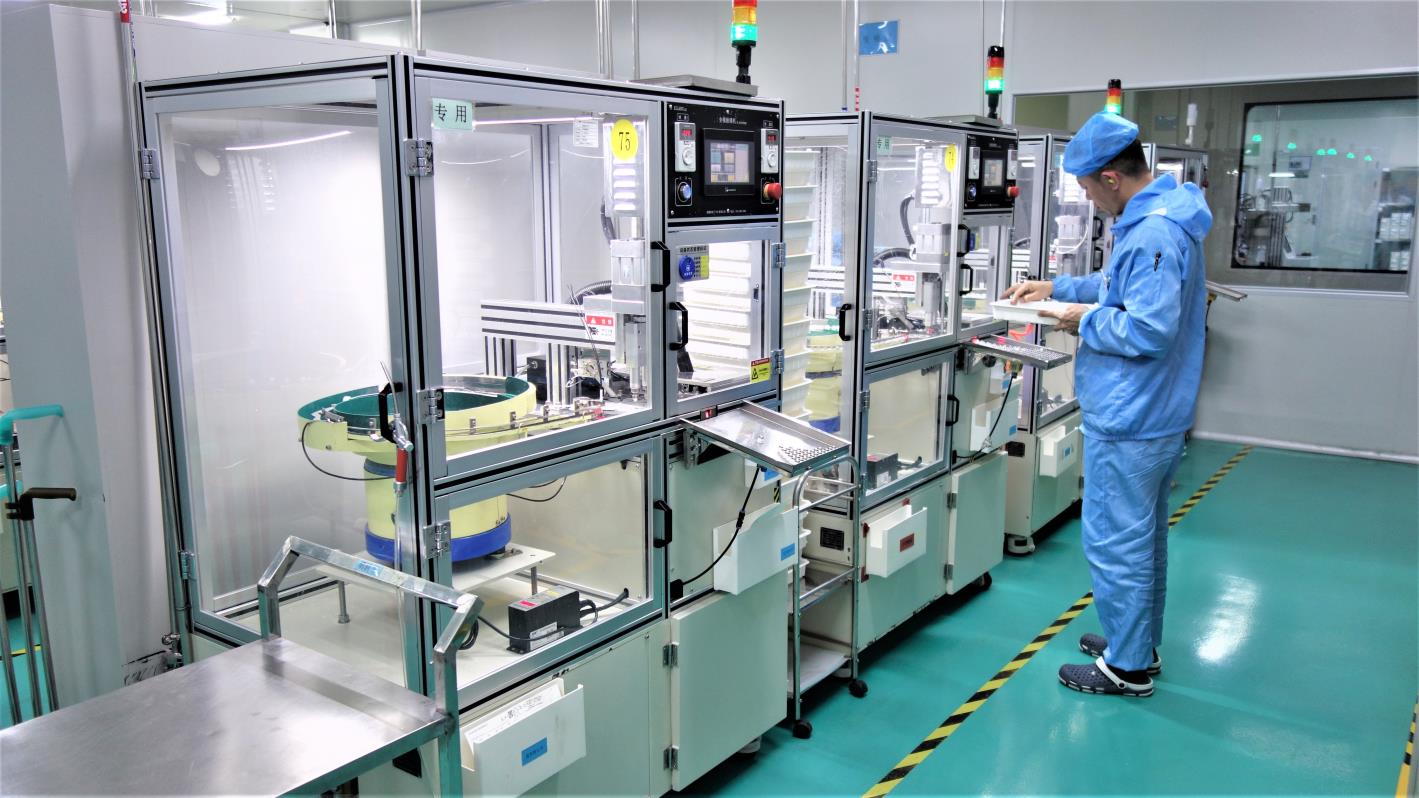
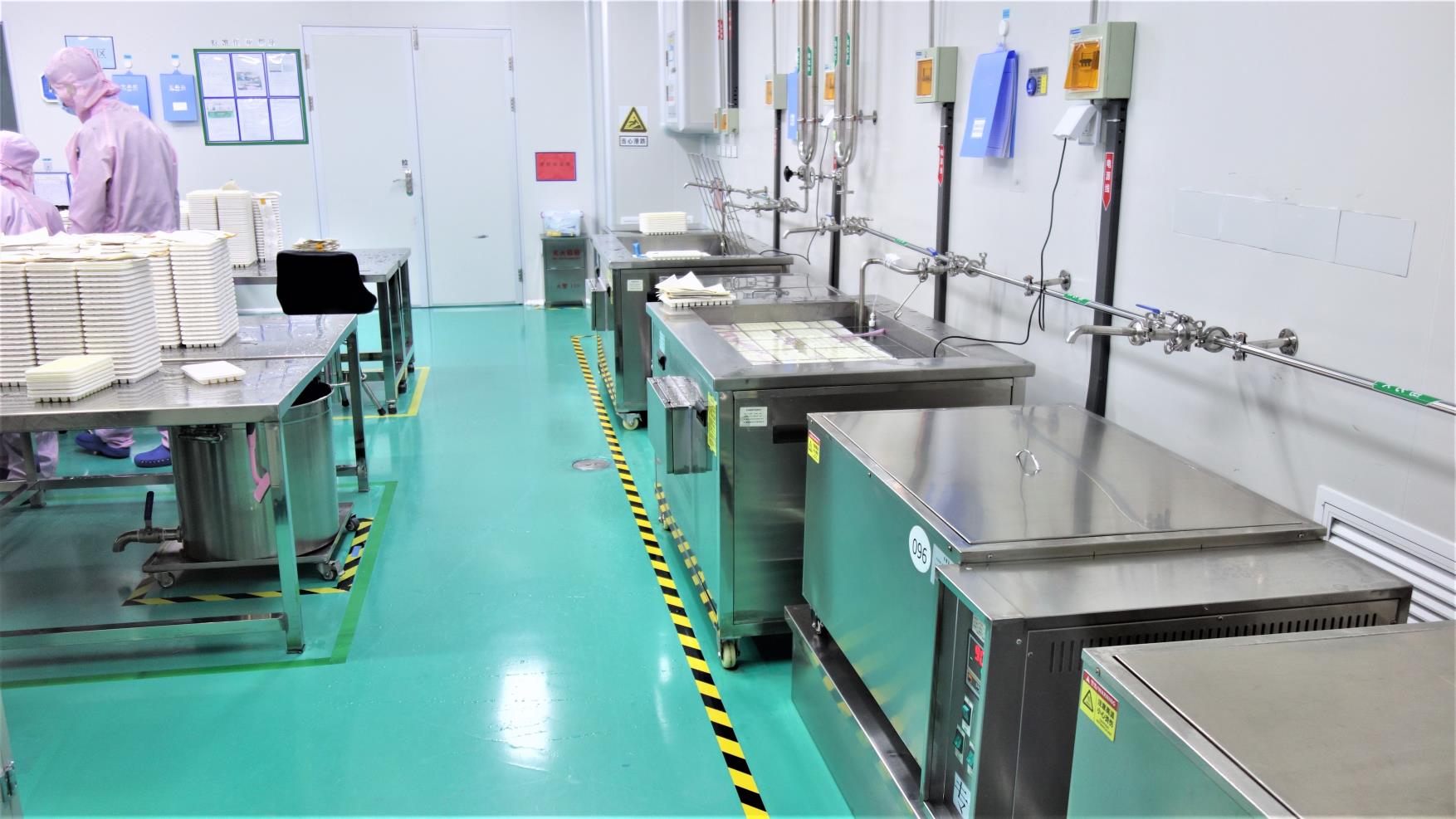
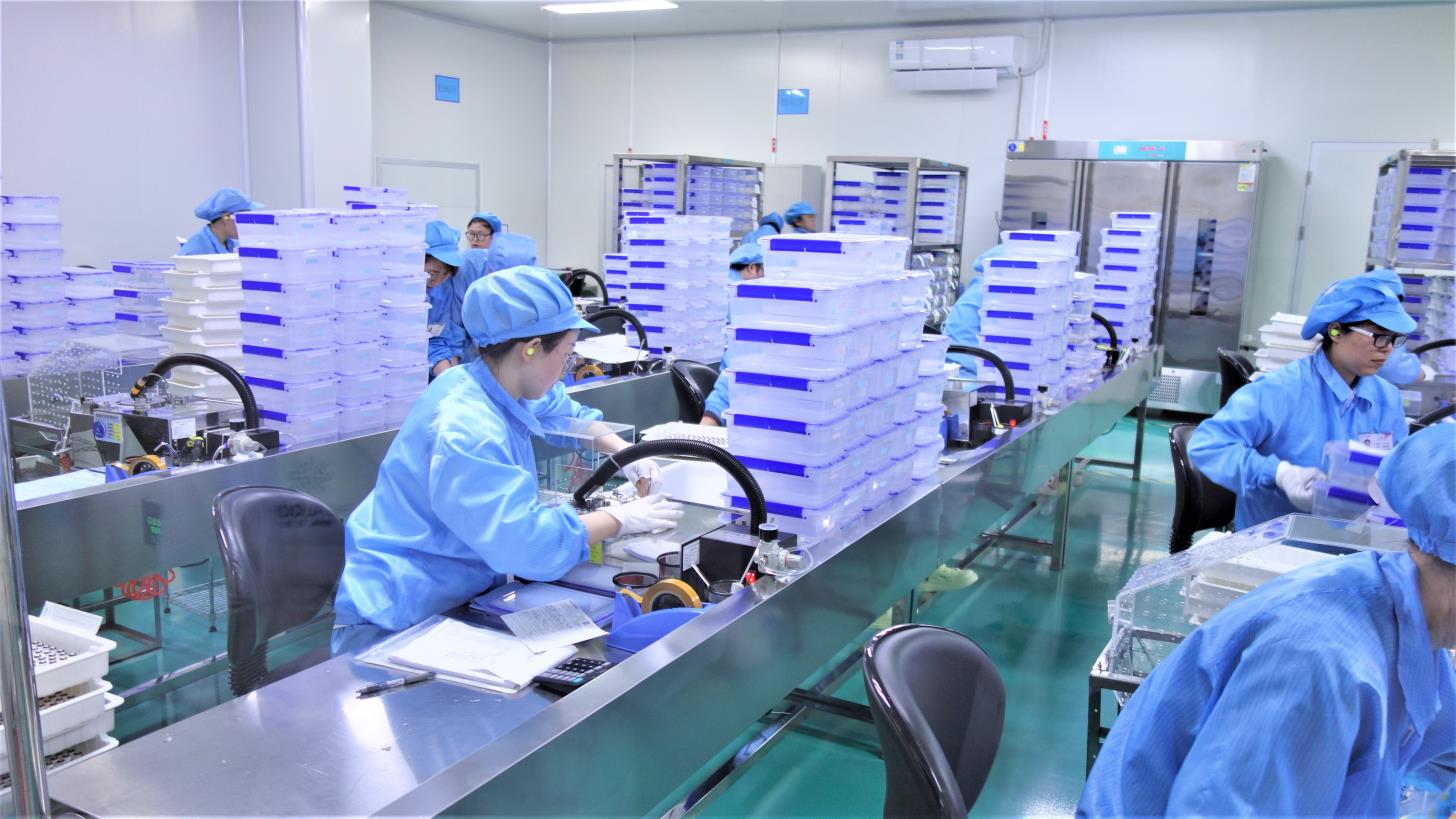
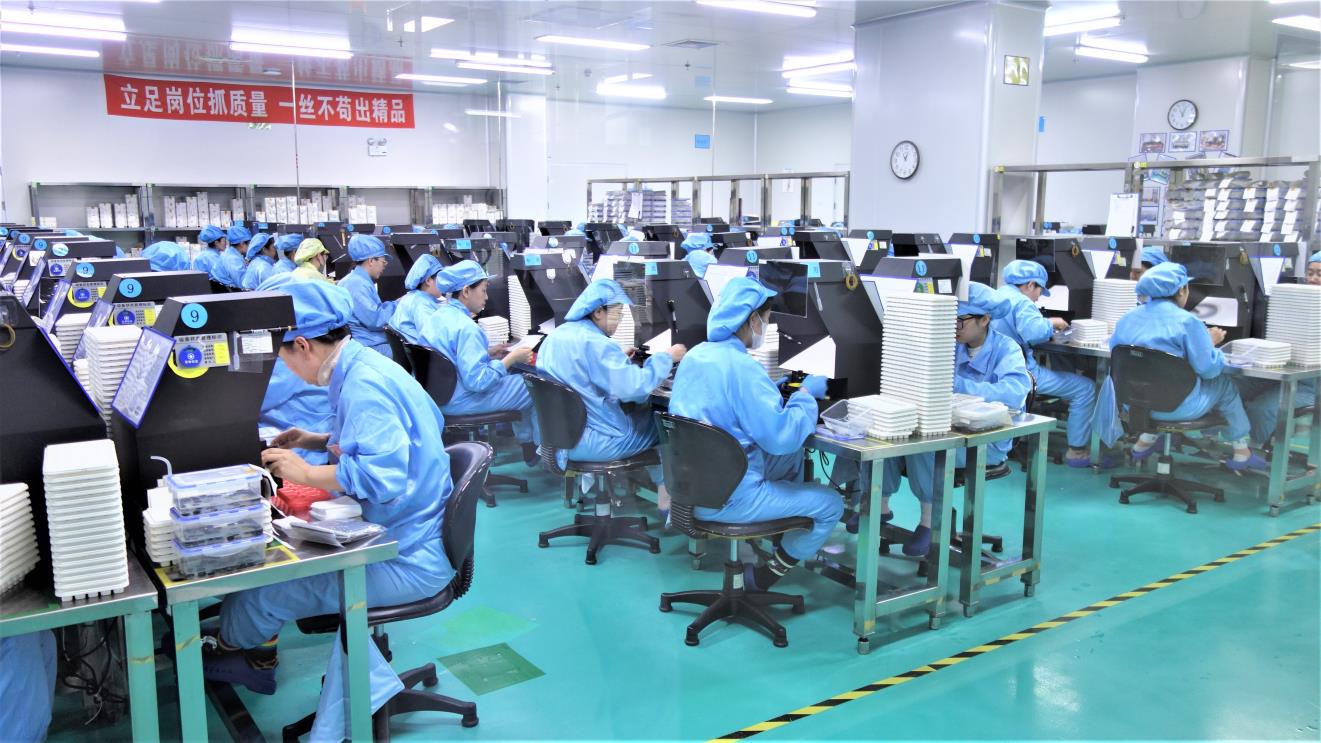
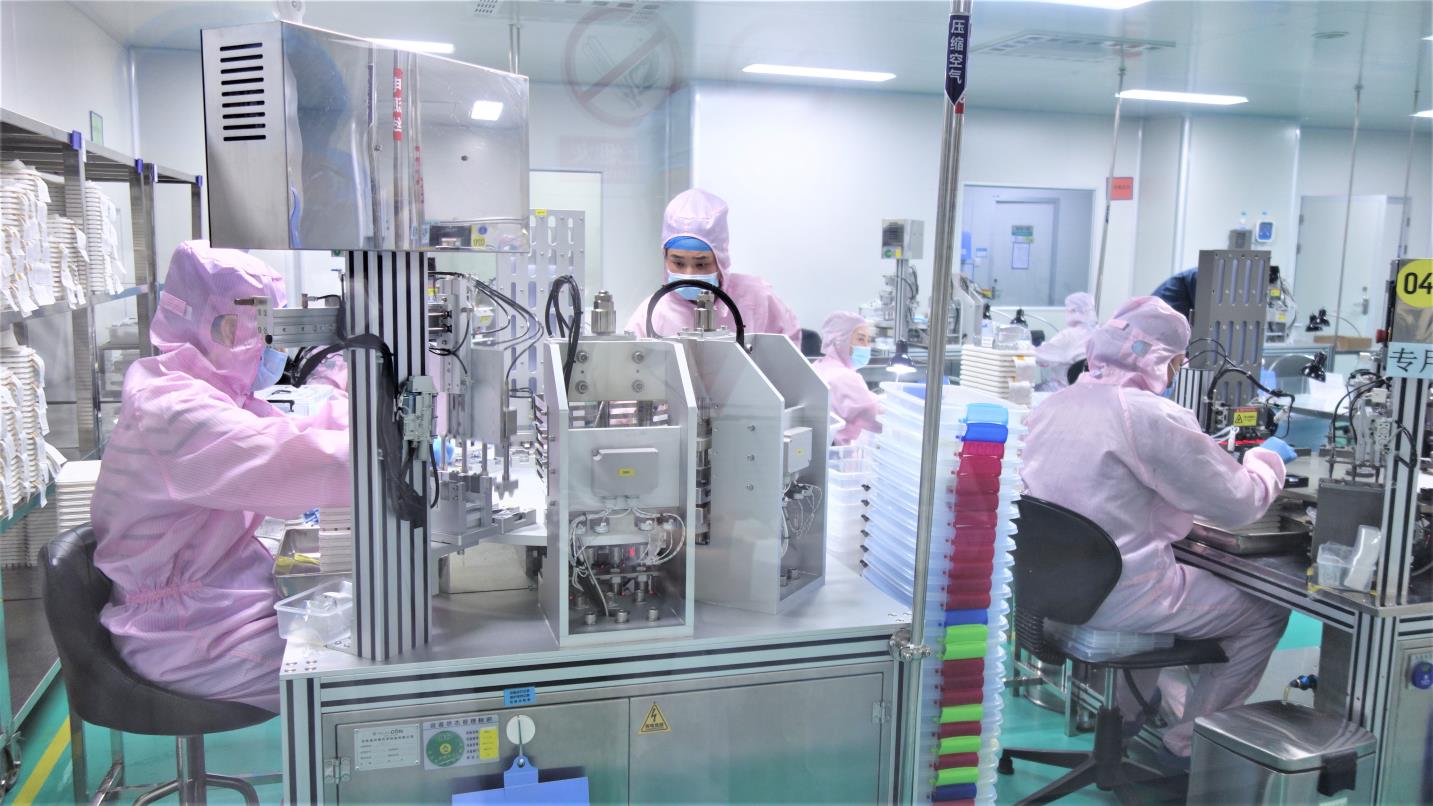
Precision Step-by-Step Production Sequence

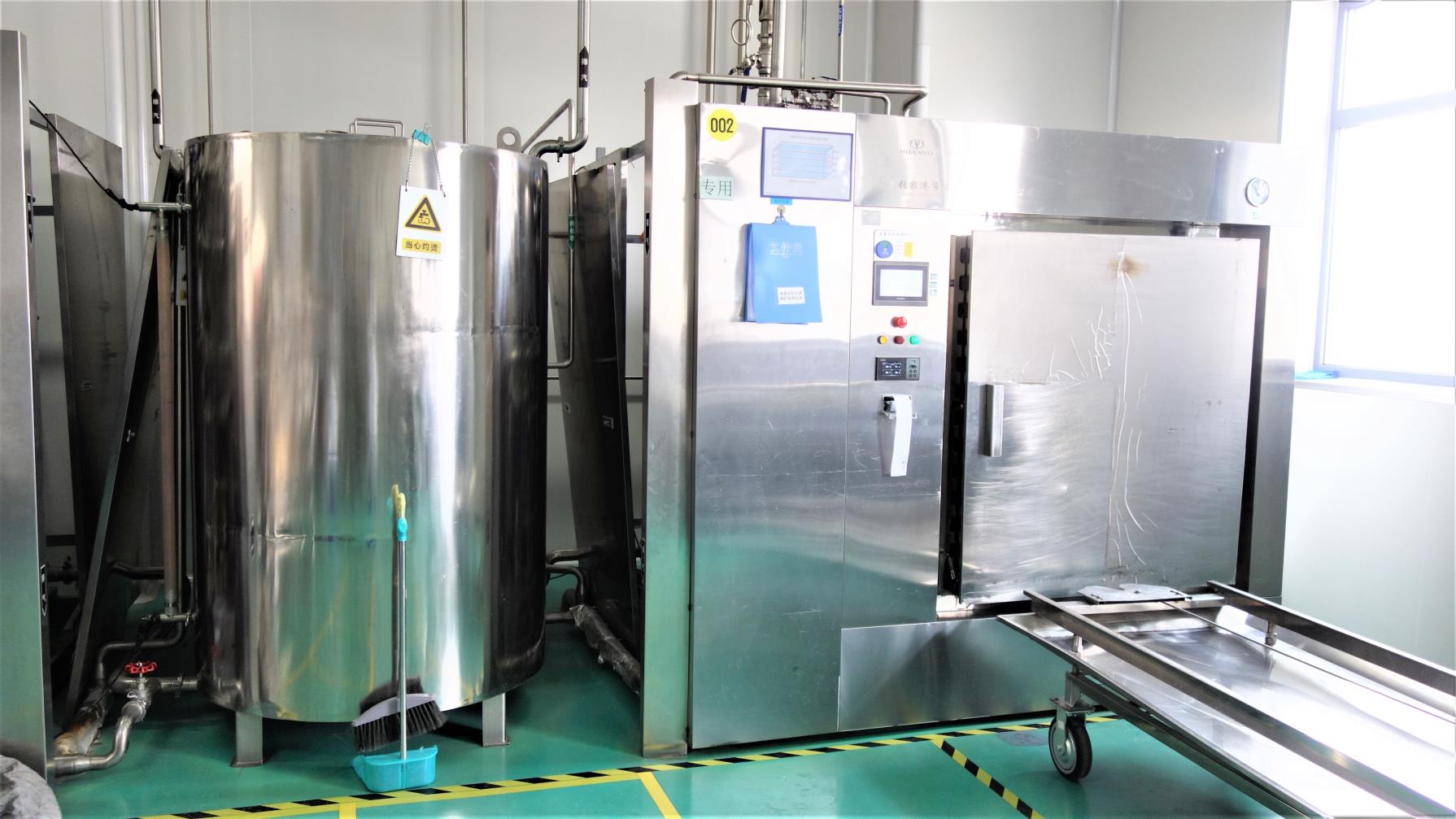
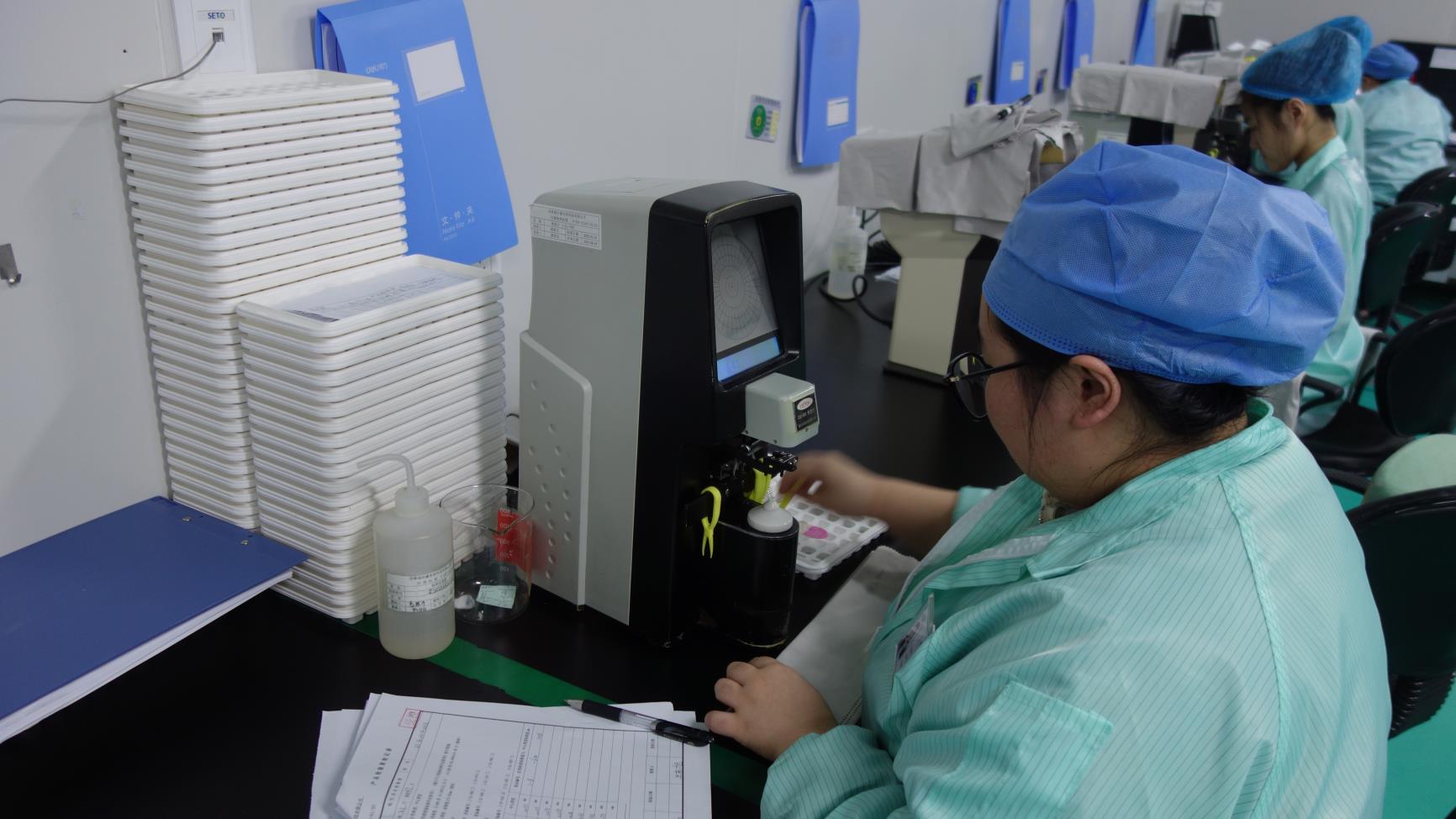
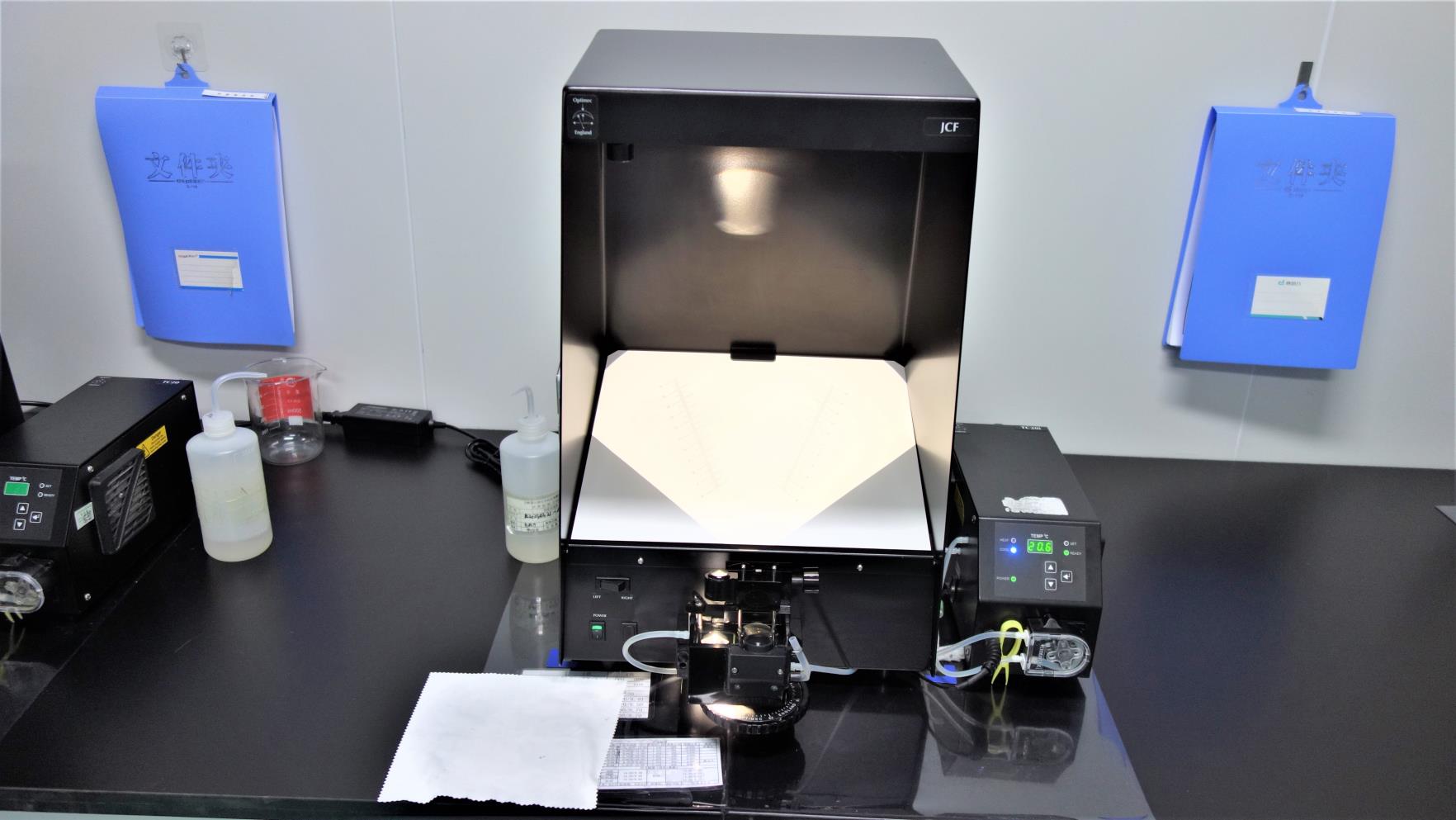
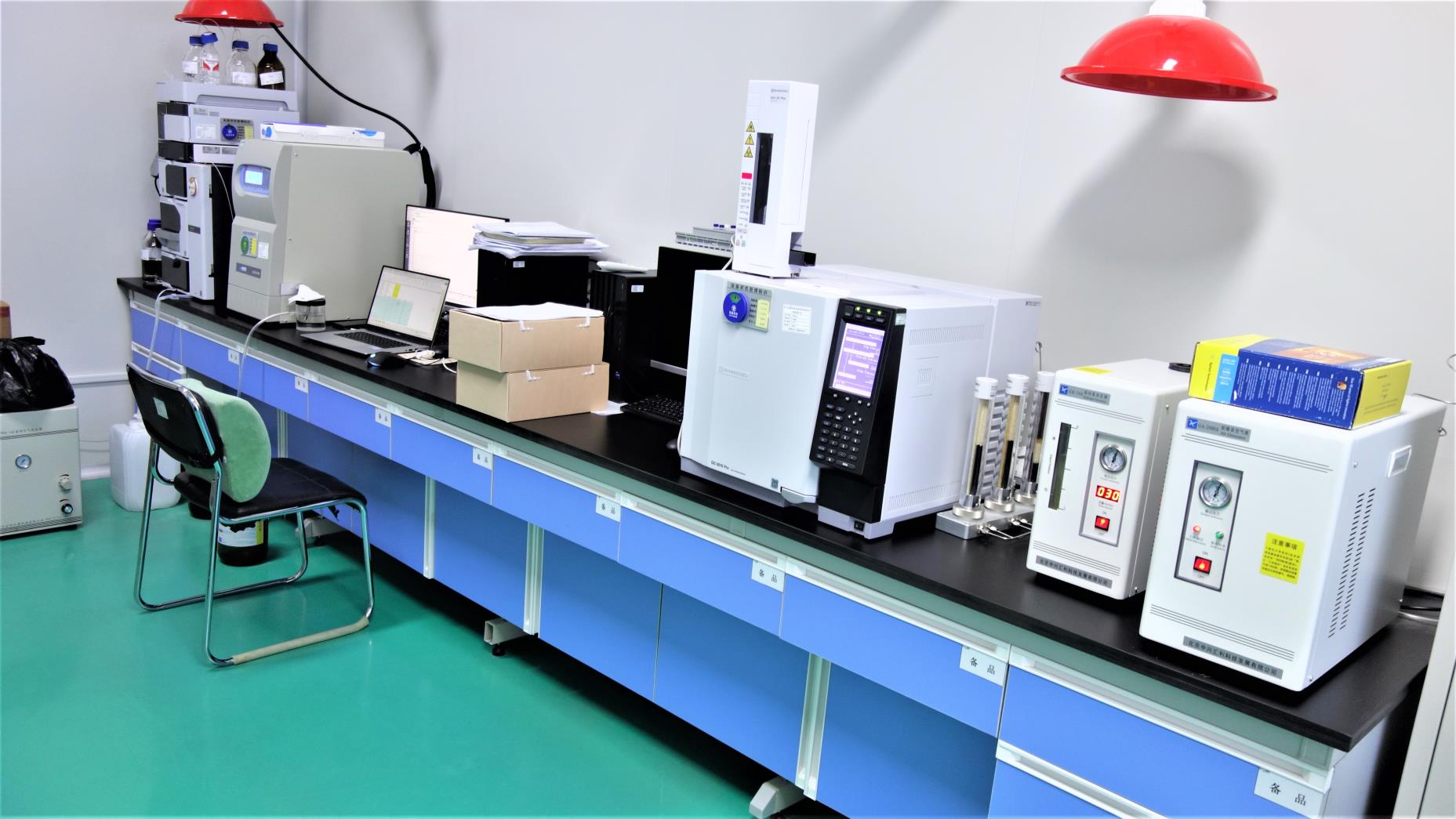
Advanced Testing & Verification Equipment

Tailored Ophthalmic Solutions for West African Markets

Operating within sub-Saharan environments requires vision care solutions that address localized physiological and environmental challenges:

  • High-Humidity Comfort & Tear Film Stability: Formulated using premium HEMA polymers, our contact lenses ensure high water retention. This prevents dehydration of the lens matrix caused by dry air conditioning systems in modern Lagos corporate offices or dust particles during the harmattan season.
  • UV Radiation Blocking Integration: Nigeria experiences high solar radiation. Our manufacturing process integrates UV-blocking compounds within the polymer network to filter out harmful UVA and UVB wavelengths, safeguarding patients against chronic solar ocular damage.
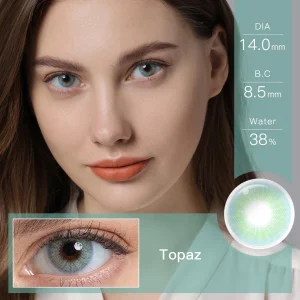
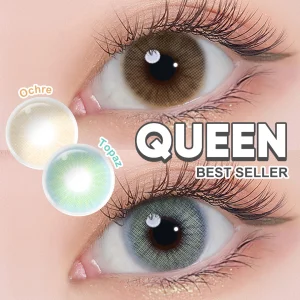
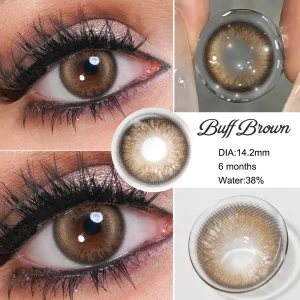
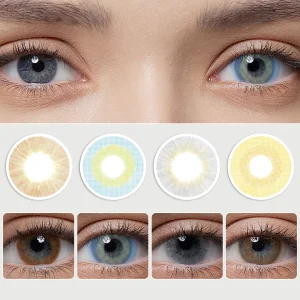
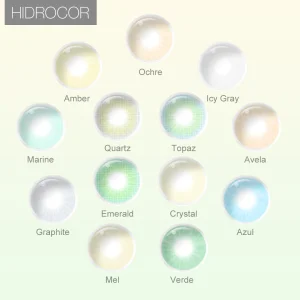
  • Advanced Pigment Locking: For colored contact lenses, we utilize Sandwich Coloring Technology. This encapsulates colorants within the lens material, preventing pigment particles from contacting the corneal epithelium, mitigating the risk of allergic conjunctivitis.
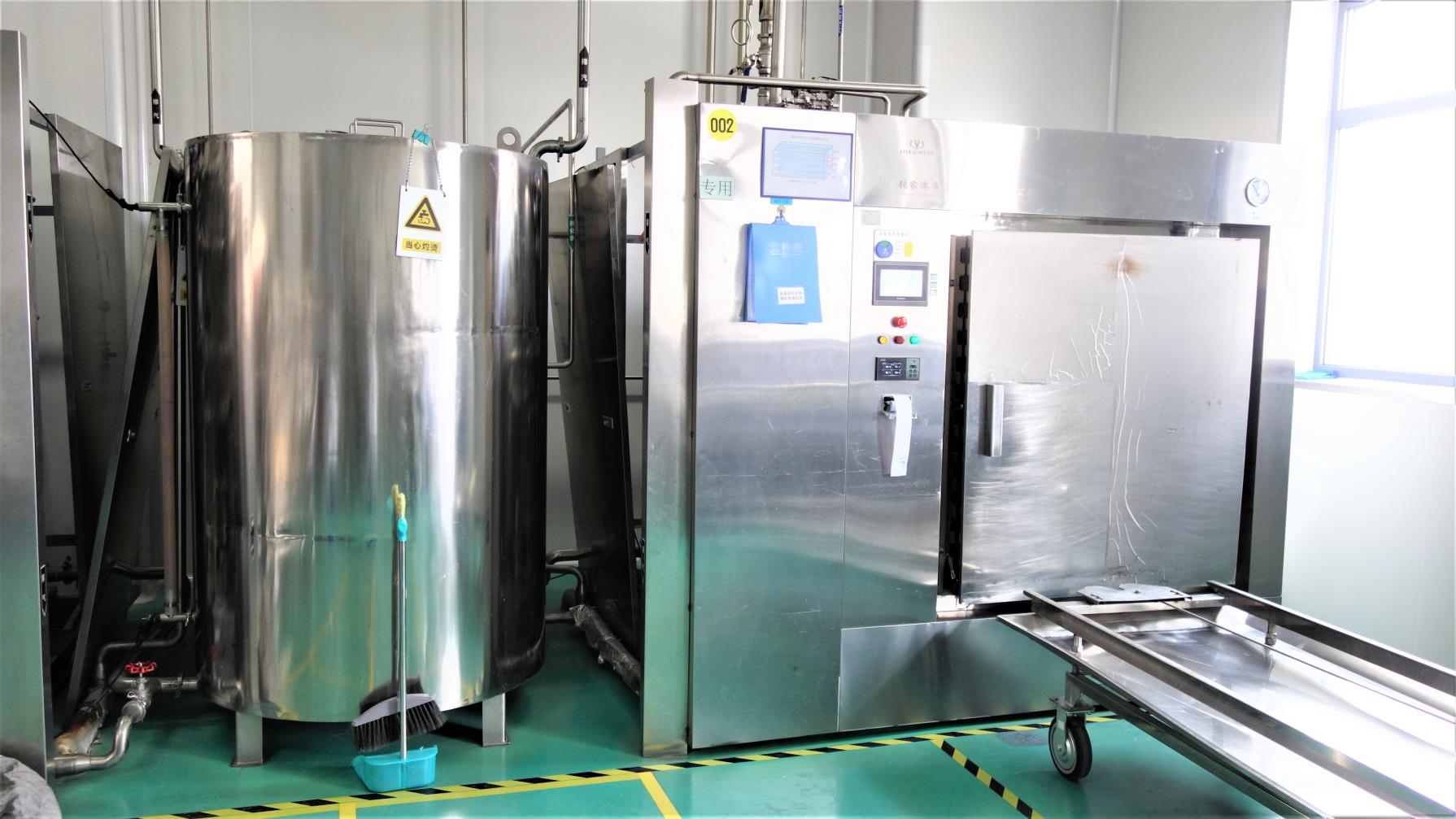
  • Sterility and Extensively Extended Shell Life: With our advanced pressurized steam autoclaving, our packaged yearly lenses maintain sterile stability throughout transit times and warehouse storage, keeping safety profiles high for Nigerian end-users.

Knowledge Base: Nigeria Vision Care Importation & Technical FAQ

Direct answers to the most common technical and logistics queries posed by professional lens distributors, hospital buyers, and optical store chains in Nigeria.

1. What certifications do Shenzhen Fresh Vision contact lenses carry for importation into Nigeria?
Our production lines maintain ISO 13485 medical device quality standard conformity. We supply complete certificate portfolios (CE, Certificate of Free Sale, and detailed raw material sheets) necessary for local regulatory approval processes, including registration with the National Agency for Food and Drug Administration and Control (NAFDAC) in Nigeria.
2. Can we customize the lens packaging and brand logos (OEM) for our local pharmacy chains?
Yes. Shenzhen Fresh Vision offers full OEM/ODM services. We support custom graphic processing, sample processing, and private label packaging design. This enables Nigerian distributors to establish their own brands with customized boxes, blister packs, and instruction manuals in local English styles.
3. How are bulk orders shipped from Shenzhen to major ports in Nigeria like Lagos (Apapa/Tin Can)?
We offer flexible logistics channels. For sensitive medical goods like contact lenses, we recommend express air cargo (DHL, FedEx, UPS) to ensure temperature-controlled transit from our facility to Abuja or Lagos airport within 5 to 7 business days, preventing excessive heat exposure during transit. Sea shipping options are available for bulk accessories.
4. Which water content percentage is ideal for the hot climate of Sub-Saharan Africa?
For warm and humid environments, mid-range water content (38% to 42%) contact lenses are highly recommended. They do not quickly absorb natural tear moisture to maintain structural integrity, ensuring maximum all-day comfort for the patient compared to ultra-high water content lenses that can induce dry-eye symptoms in air-conditioned or windy environments.
5. Are free samples available for clinical testing and consumer feedback trials?
Yes. We provide sample sets of our main product lines to qualified distributors, clinical optometrists, and registered business buyers. This allows you to evaluate thickness profile, edge geometry, fit, and color reproduction locally before placing full commercial orders.