Fresh Lenses
Fresh Lenses
Fresh Lenses
High-precision contact lenses engineered with advanced optical power profiles, matching the rigorous quality standards expected by clinics in Tel Aviv, Jerusalem, and Haifa.

The Israeli optical market is characterized by high consumer expectations, an advanced healthcare framework, and strict quality control standards. Optical distributors, retail chains, and ophthalmic laboratories across Israel demand contact and ophthalmic lenses that not only meet aesthetic trends but also offer superior corrective parameters and maximum comfort. This demand is heavily shaped by both regional demographic features and local geographical factors.
All medical devices, including prescription contact lenses, must strictly comply with the Ministry of Health's AMAR registration framework to enter the Israeli market legally.
Israeli distributors seek direct-to-factory partnerships to bypass middle-tier markups, securing competitive pricing for large retail networks.
With low humidity in regions like Negev and dry Mediterranean summers in Tel Aviv, high-oxygen permeability and moisture-locking lenses are vital.
Consequently, optical retailers in Israel look for global manufacturers capable of providing customized formulation, advanced biocompatible materials (such as silicone hydrogel), and customized base curves ($8.5mm$ to $8.7mm$) with customizable diameter sizes. Our OEM factory addresses these specific parameters with automated production capabilities that optimize delivery cycles directly to Israeli hub airports and major Mediterranean ports (Ashdod and Haifa).
A world-class certified contact lens manufacturing facility driving innovation, strict regulatory adherence, and supply chain stability for global importers.
Shenzhen Fresh Vision Co., Ltd. has established itself as an industry pioneer over a decade of dedication to research, development, and high-precision molding. Exporting heavily to North America (25%), Southeast Asia (20%), and the Middle East (10%), the factory understands the localized demands of various compliance frameworks. Under our strict policy of raw material transparency, every batch of monomer material, hydration solution, and color pigment is tracked from its source origin to the finished product.
With an R&D department staffed by highly skilled engineers (including 3 graduate and 2 junior college engineering specialists), our technological pipeline is continuously updated to feature cutting-edge edge designs, anti-UV coatings, and high water retention coefficients. This ensures our products are ideally suited to meet the sophisticated standards of the Israeli optical sector.
From raw material synthesis to high-end optical measurements, view the technological sequence that guarantees our prescription lenses conform to global clinical metrics.
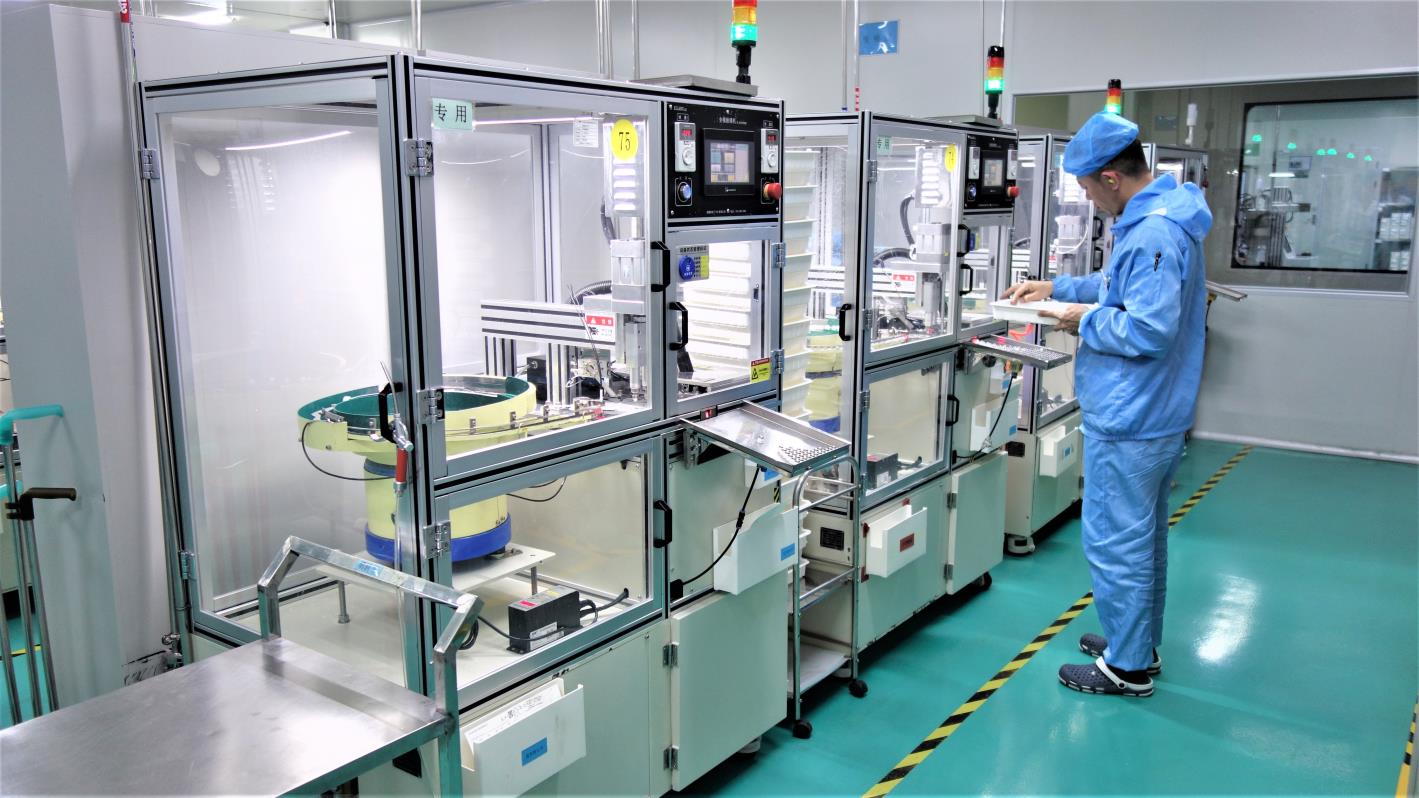
Automated removal of dry lenses from precision molds ensures micro-edge consistency without surface distortion.
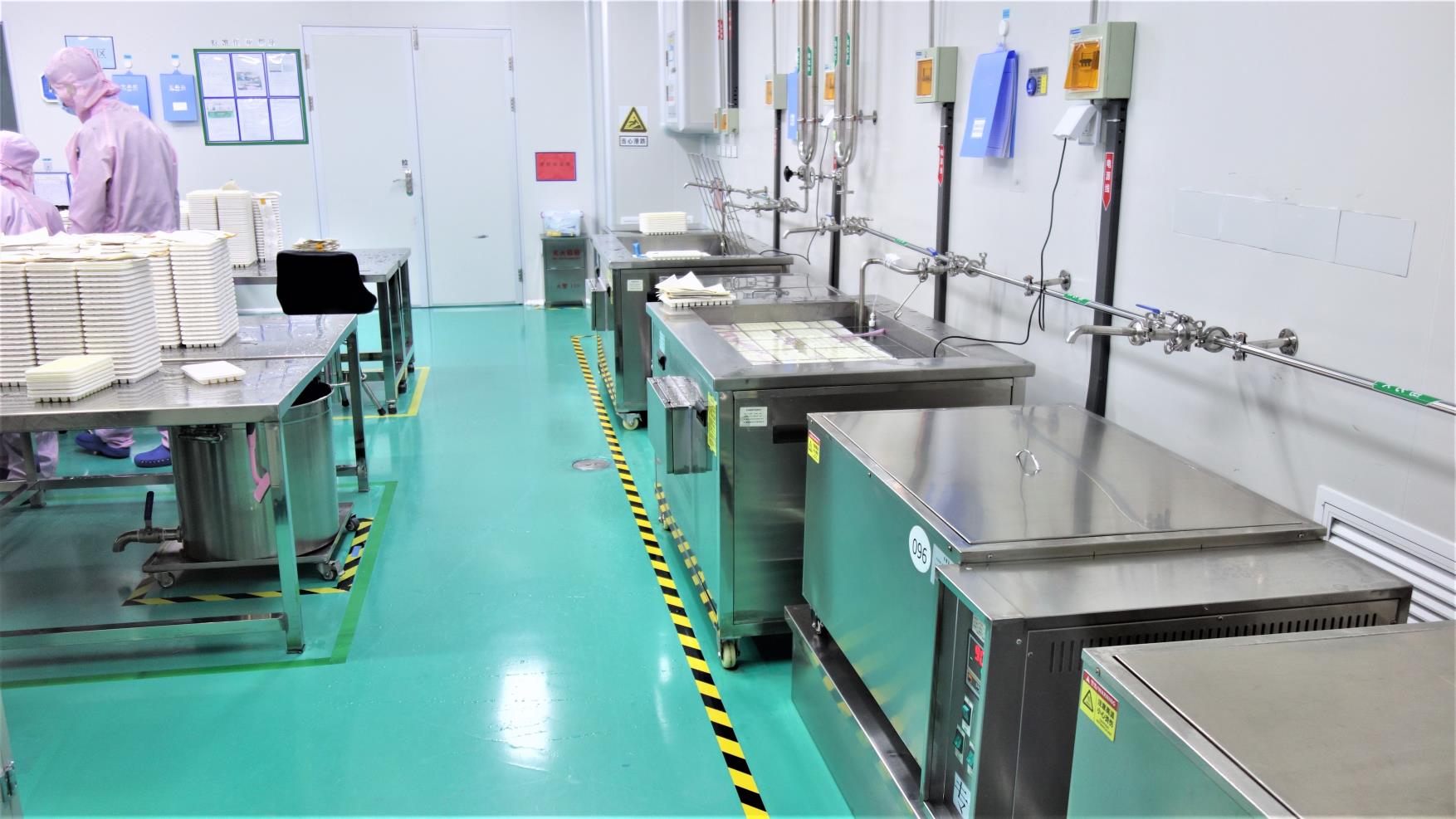
Multi-stage hydration processes wash away remaining monomers and fully hydrate the polymer matrix.
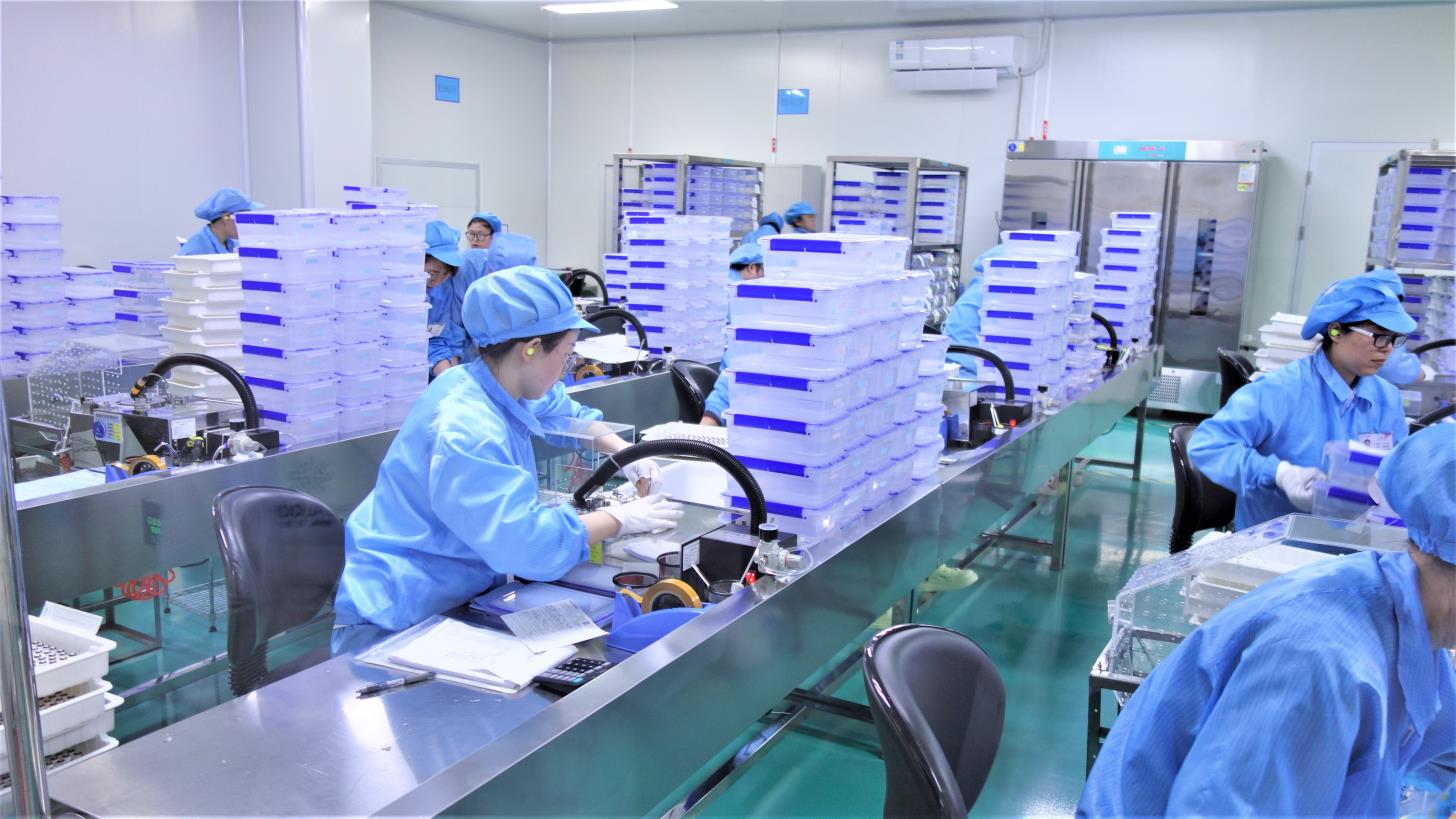
High-precision pneumatic components transfer hydrated lenses safely without causing mechanical micro-tears.
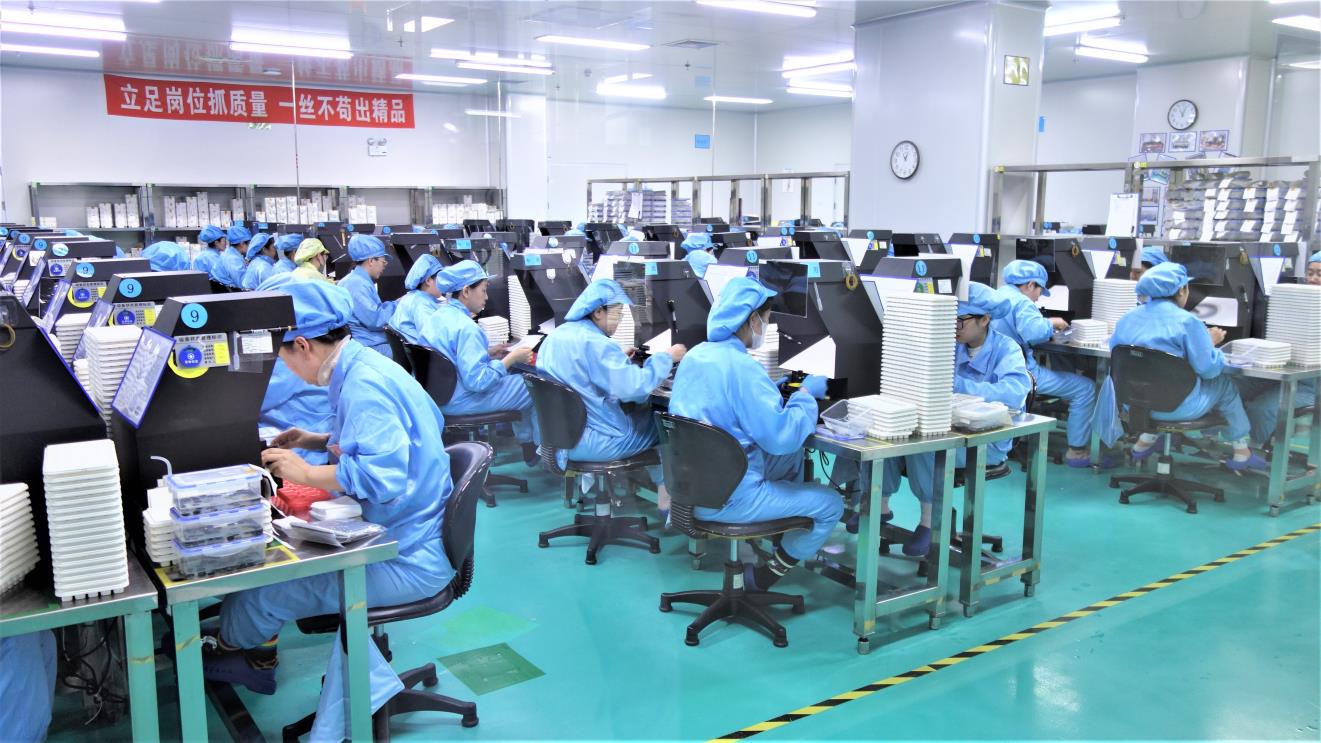
Each lens undergoes digital optical projection checking to identify minor physical defects or dust particles.
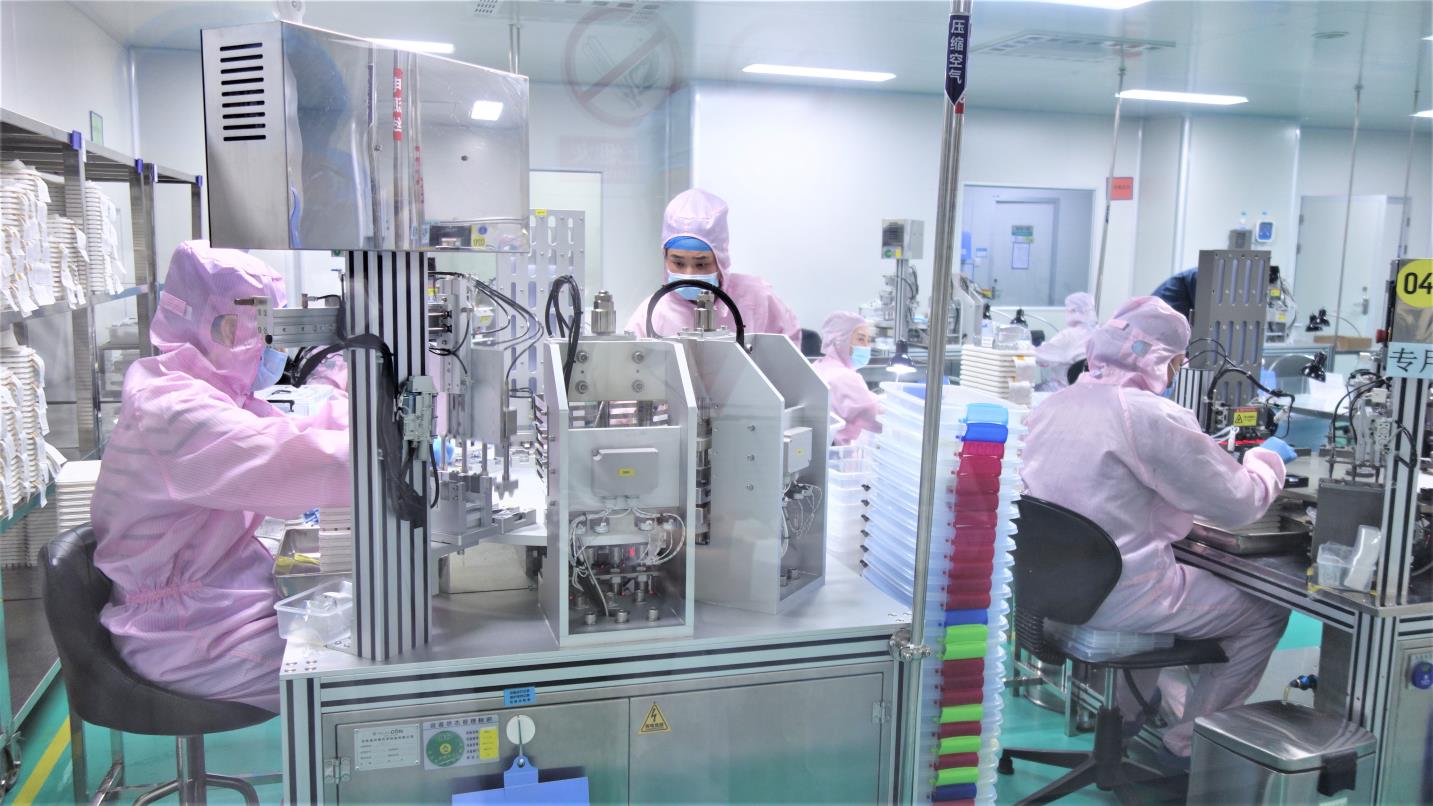
Lenses are immersed in buffered saline solutions to maintain optical stability during transport.
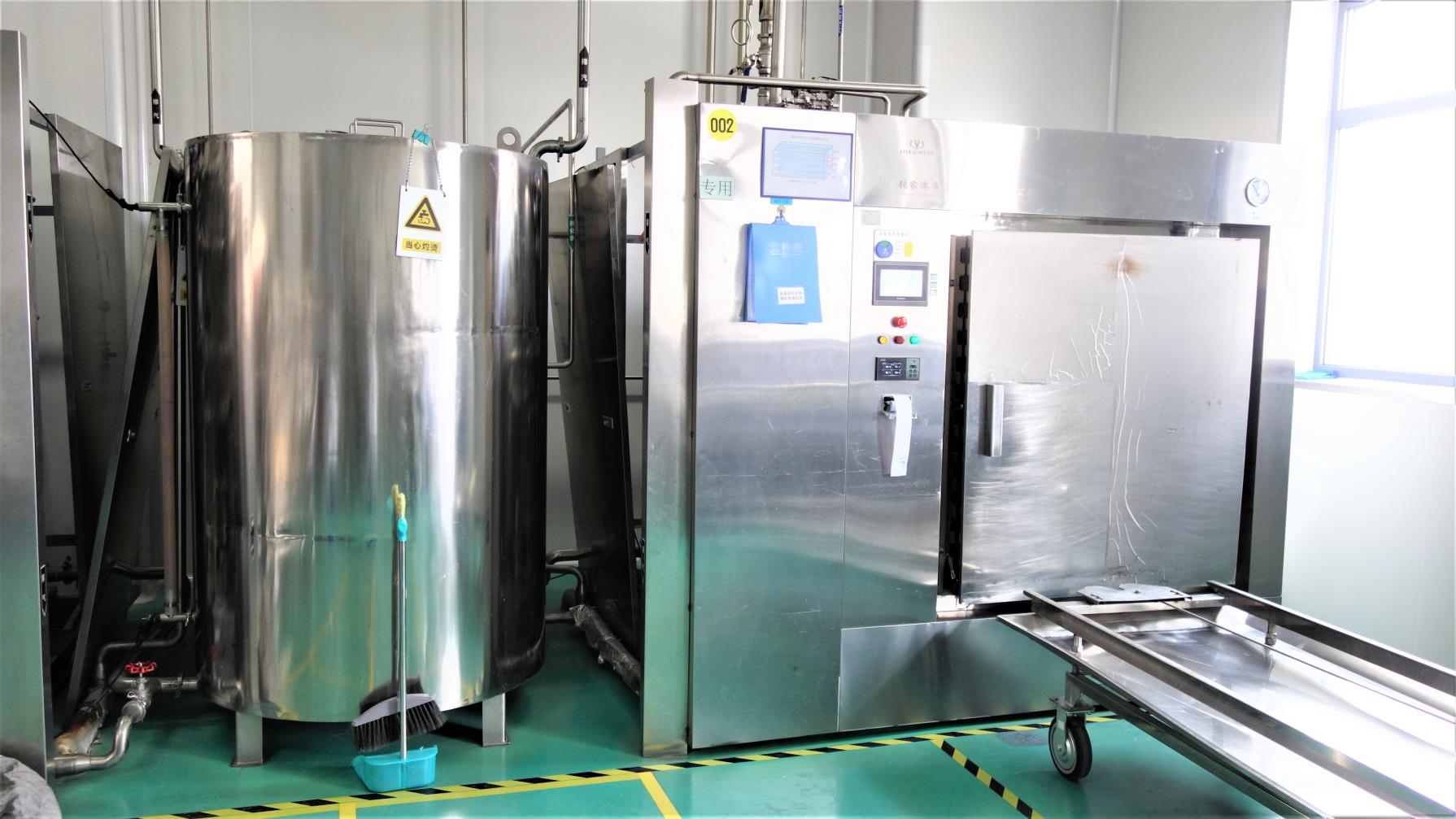
High-temperature steam autoclaves eliminate microbial organisms, exceeding international sanitary guidelines.
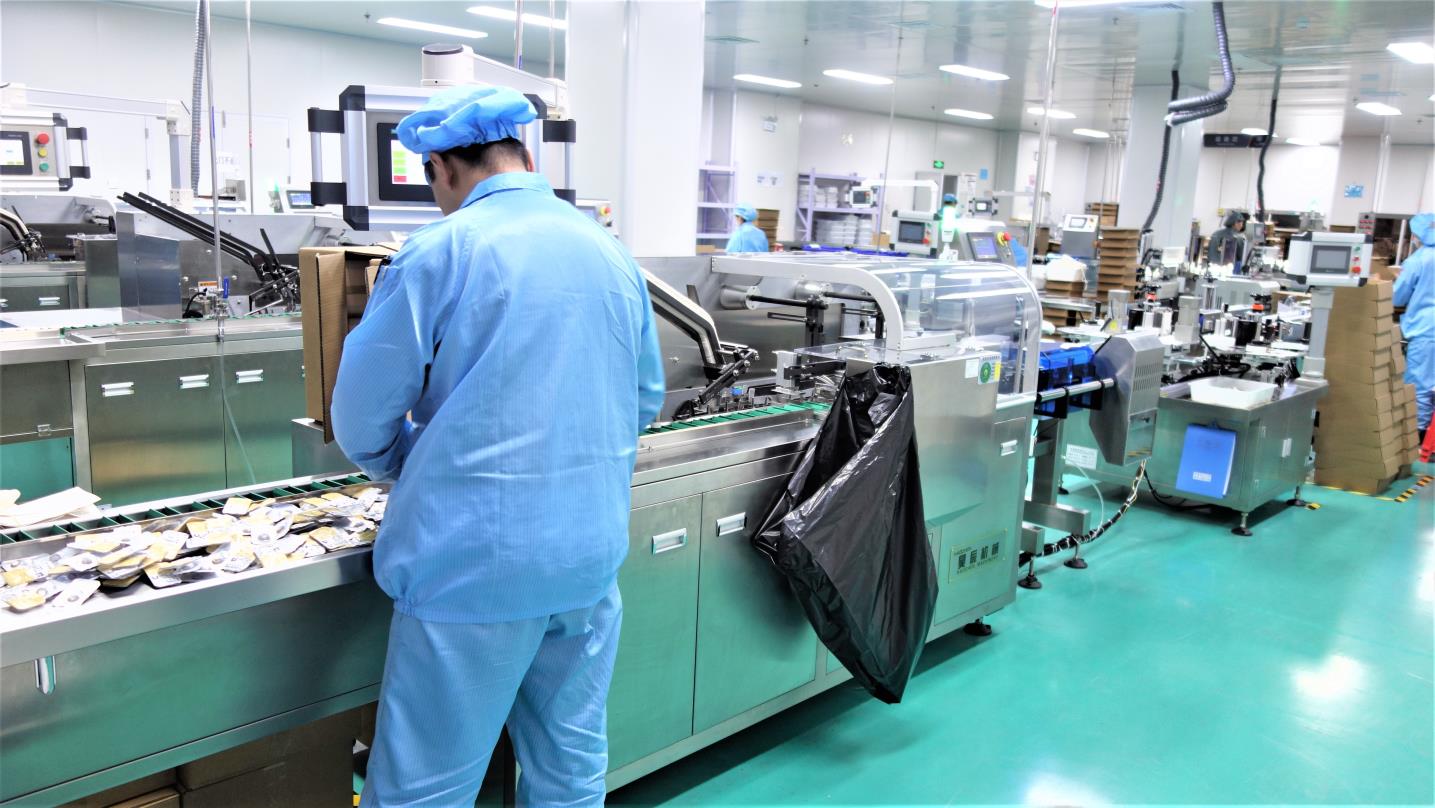
Blister packs are sealed with customized foils, printing batch codes, expiration dates, and powers.
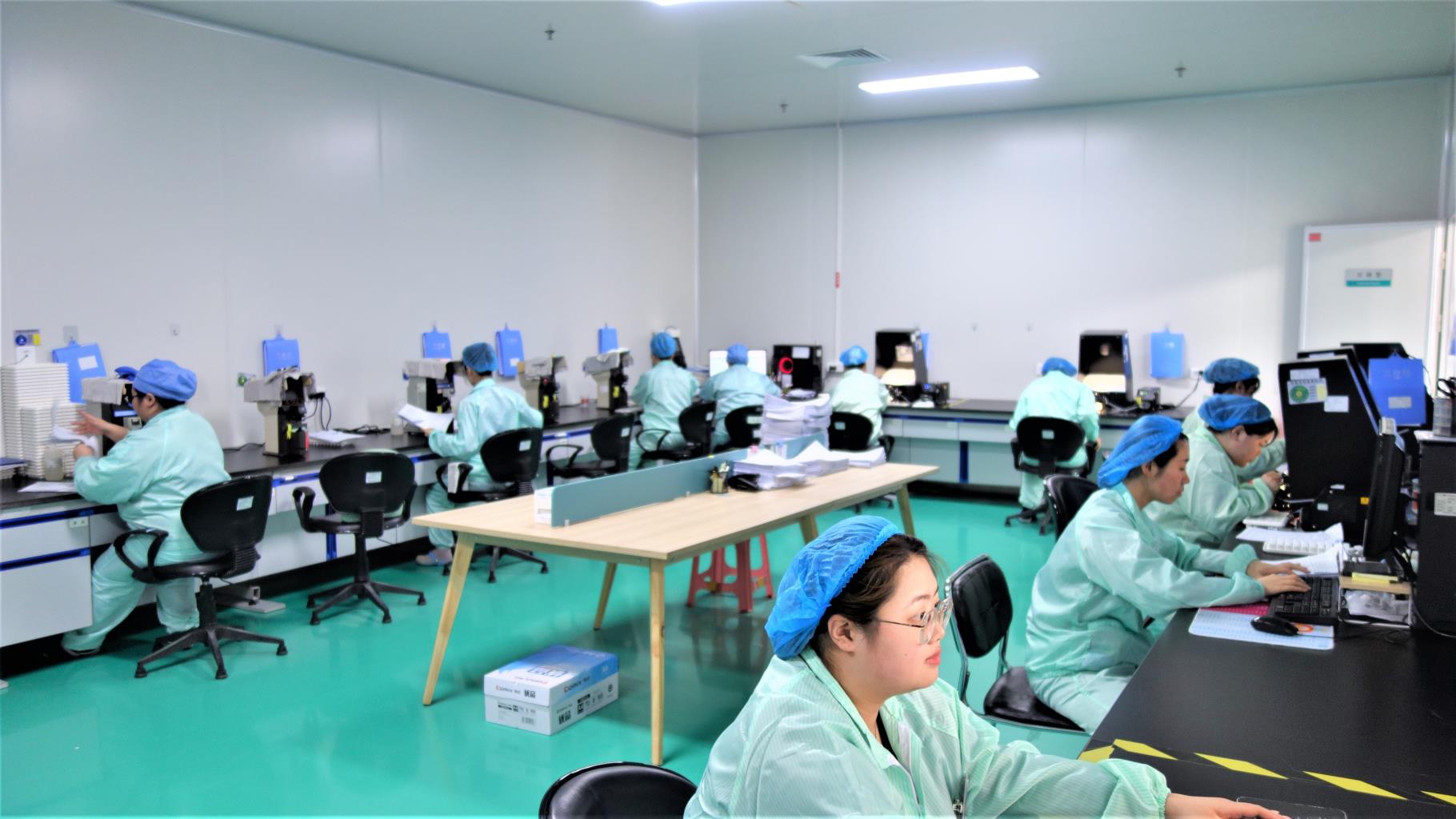
A final statistical audit checks packaging integrity and labeling before shipping to Israel.
Our manufacturing line relies on state-of-the-art automation and advanced measurement tools to guarantee zero-defect yields for global distributors.
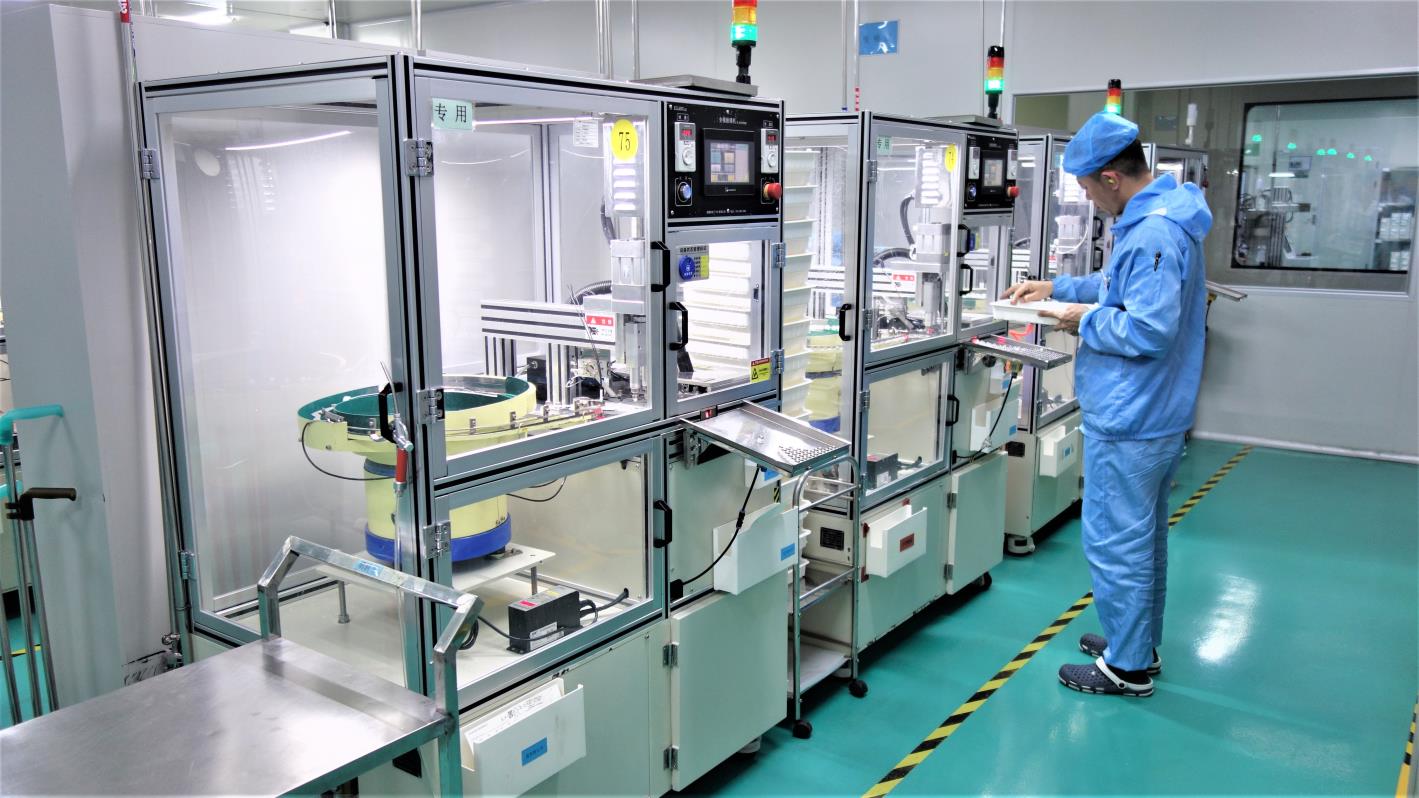
Fully automated mechanical demoulding systems that eliminate manual processing damage risk.
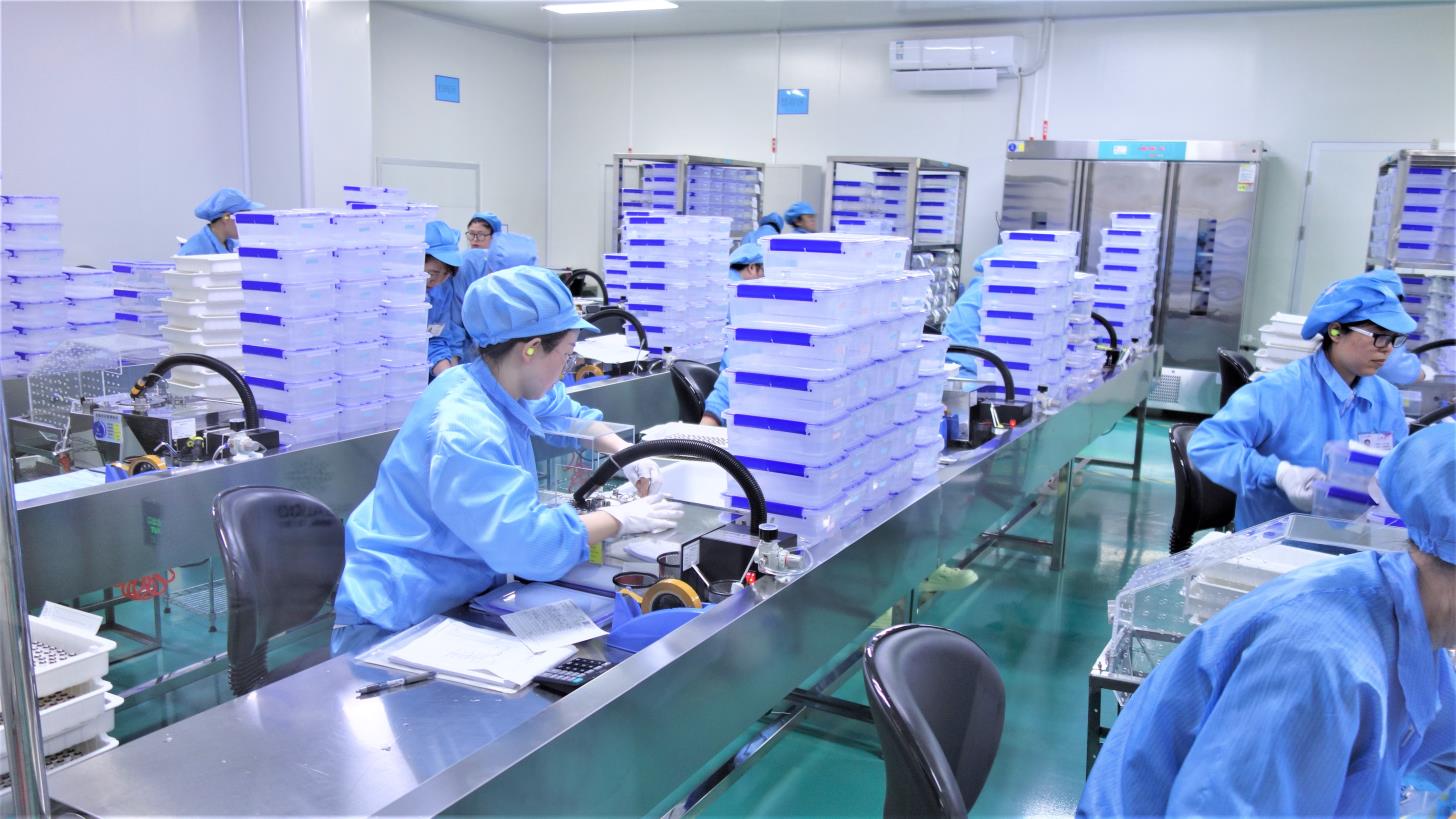
Pneumatically controlled vacuum interfaces that lift wet lenses with uniform, gentle contact.
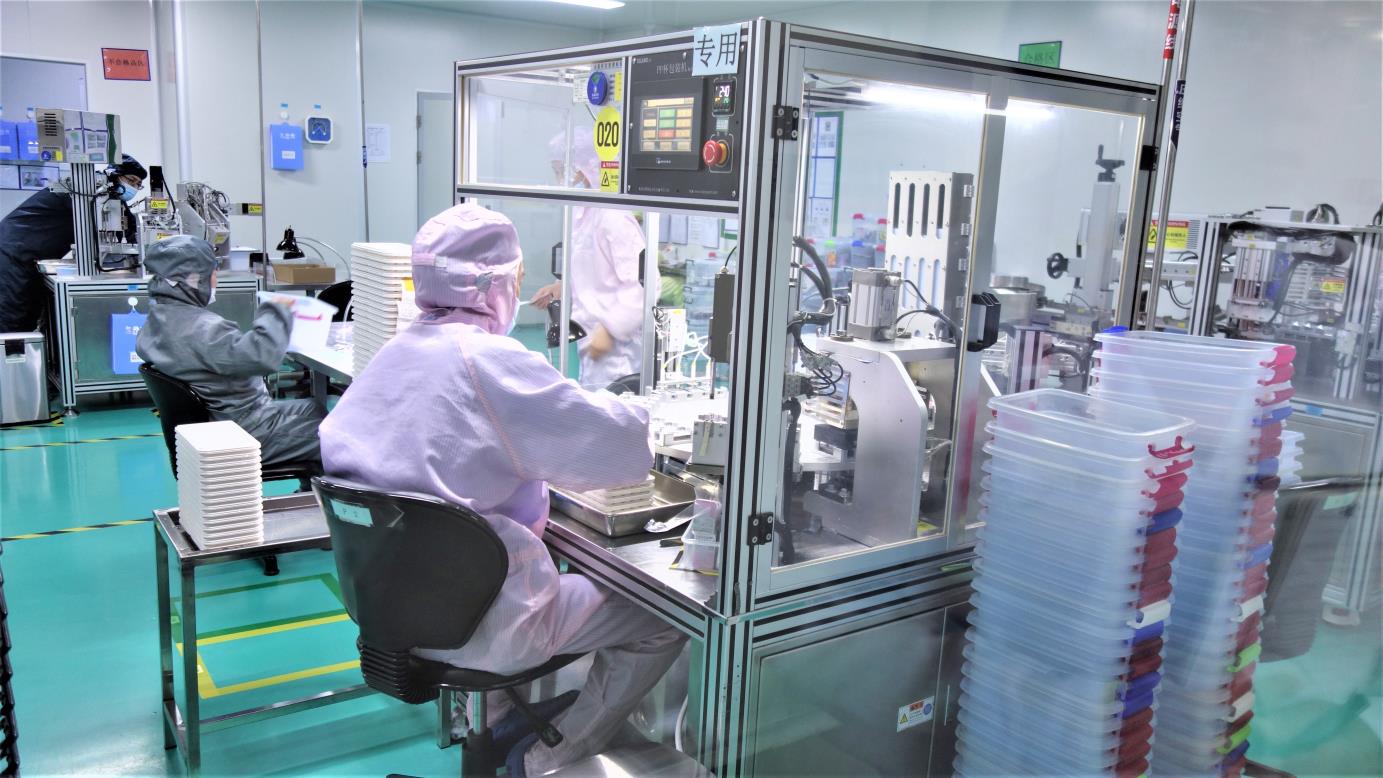
Volumetric filling equipment dosing saline with micro-milliliter accuracy.
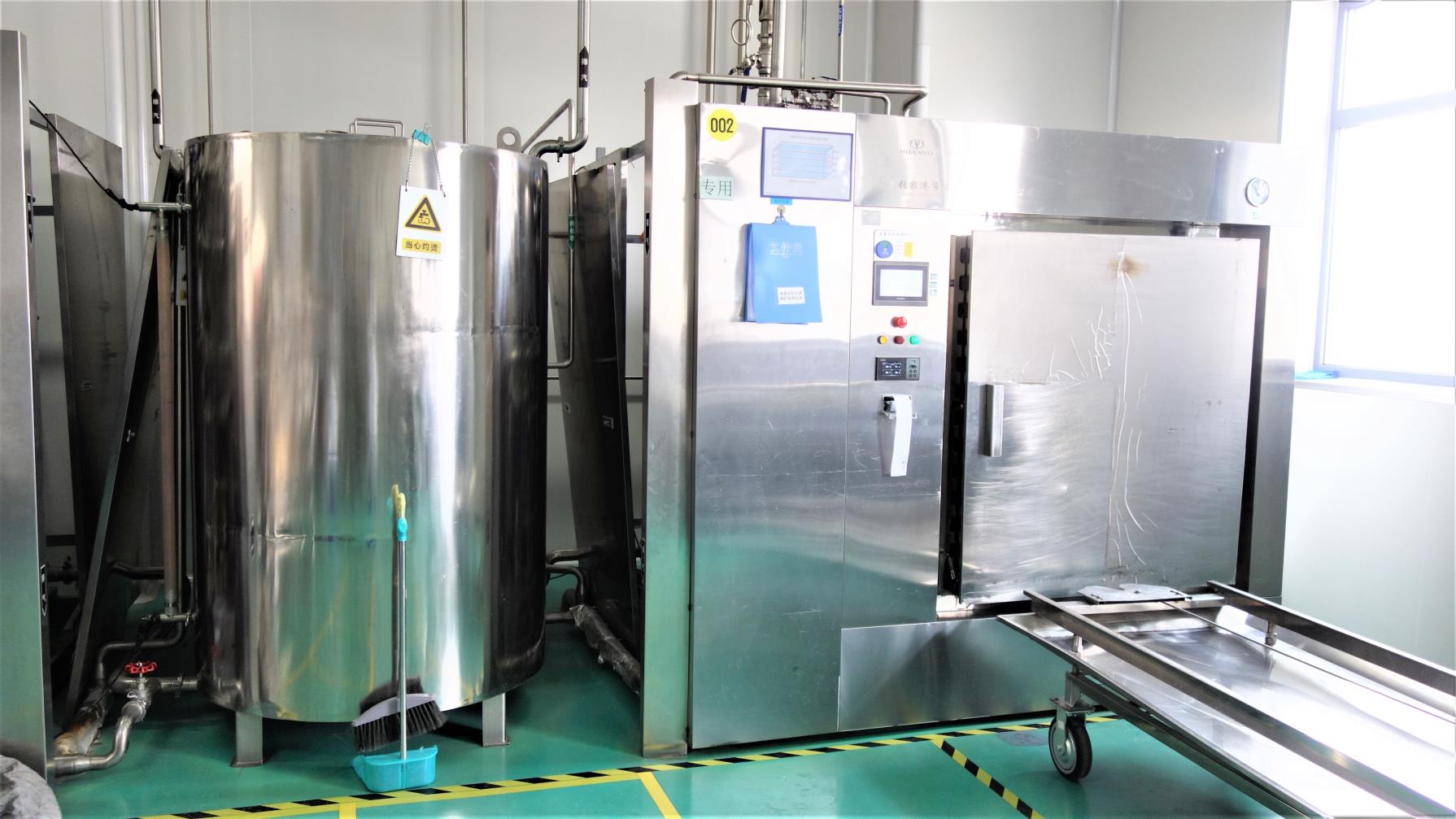
Industrial pressurized thermal autoclaves validated according to ISO sterilization standards.
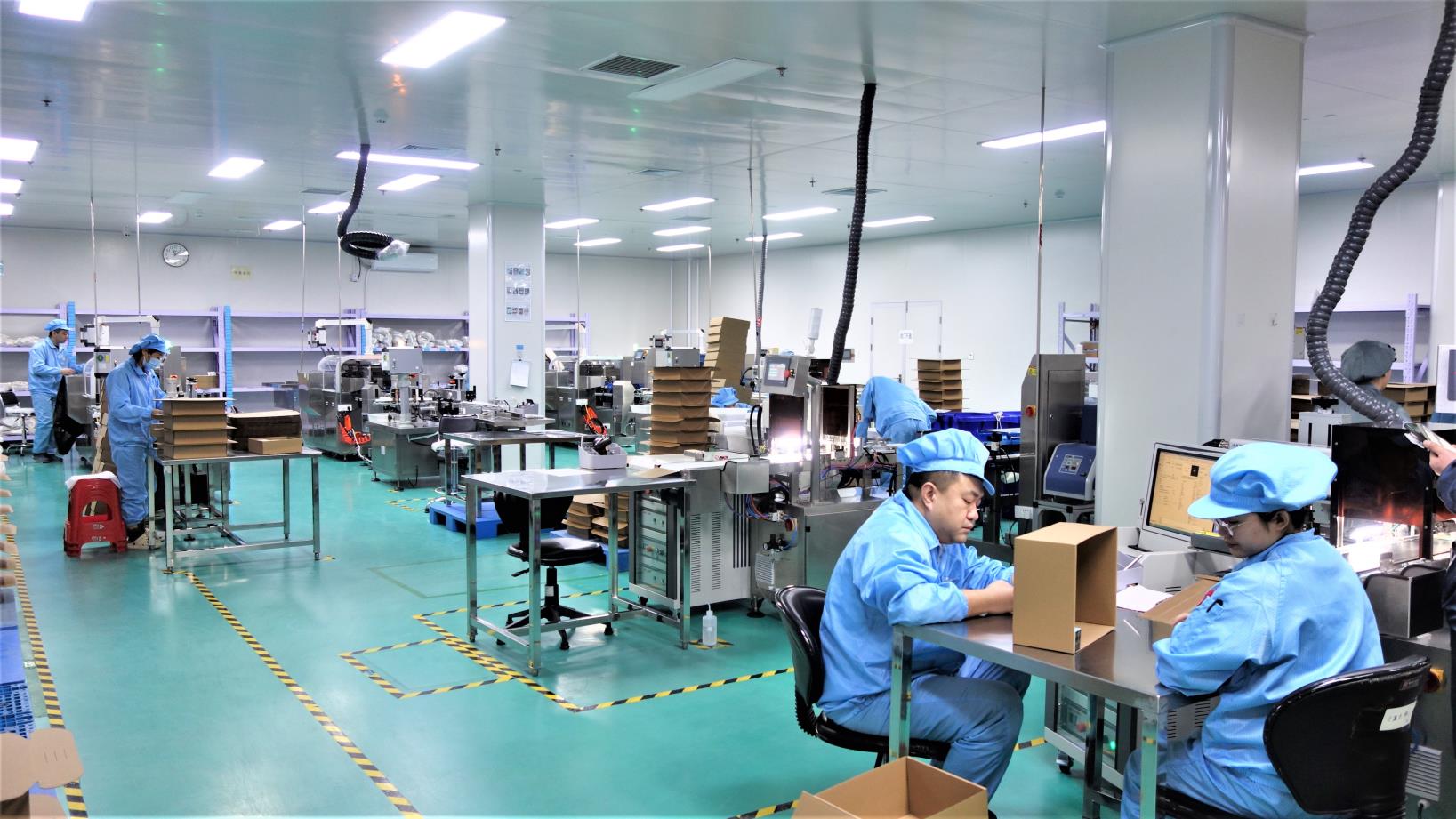
Thermal sealing unit bonding medical-grade aluminum cover foils onto blister trays.
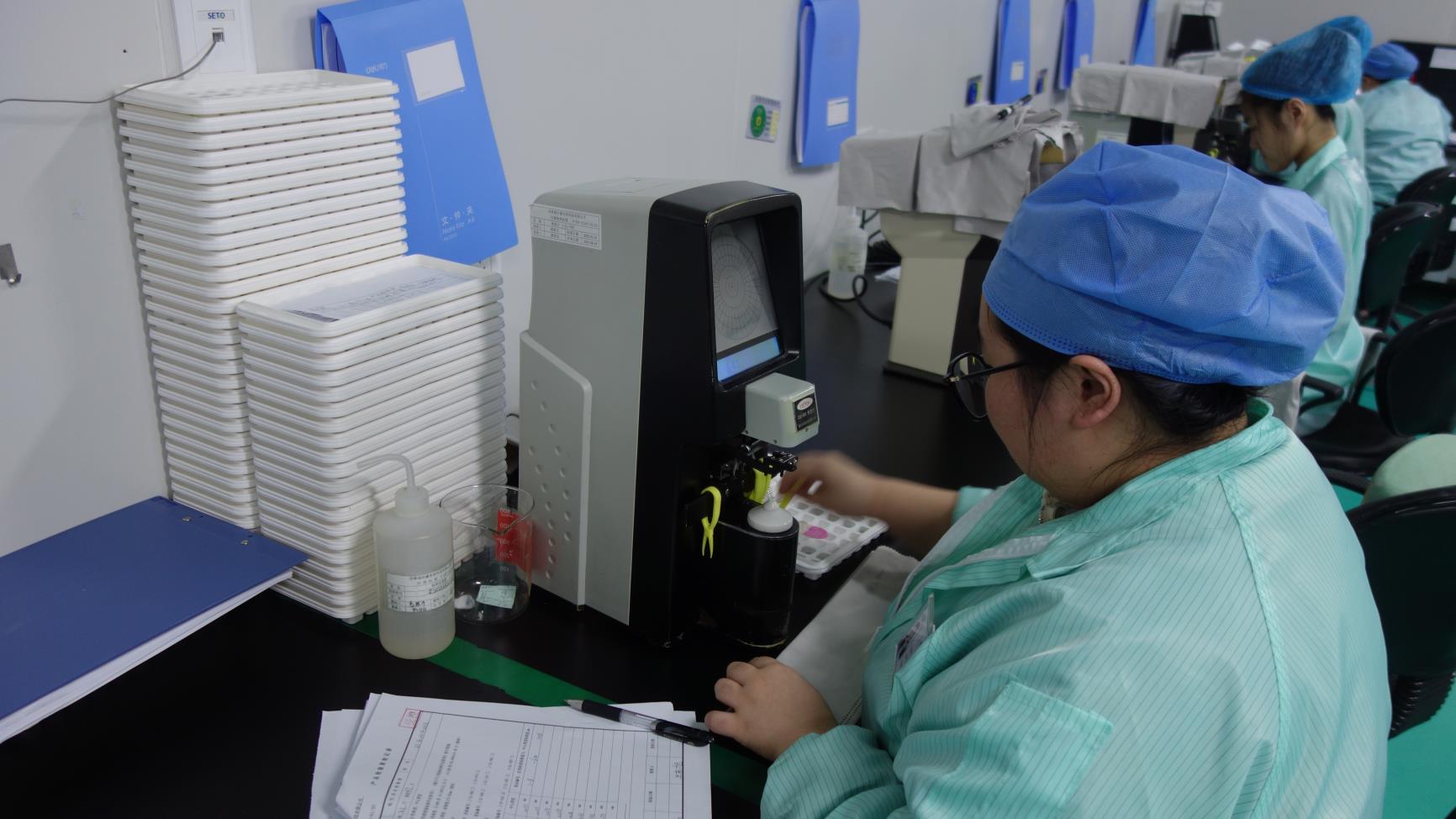
Precise digital optical back focal length measurement to verify precise diopter powers.
Operating a successful optical distribution model in Israel requires an understanding of how local weather profiles affect the wearability of soft contact lenses. Dry ambient desert winds, coupled with heavily air-conditioned office buildings in cities like Tel Aviv, accelerate the dehydration of standard contact lenses. When a lens dehydrates, it loses its oxygen transmission efficiency, causing corneal hypoxia, eye redness, and general fatigue.
Our research lab has optimized the hydrogel formulation by integrating specialized wetting agents such as Hyaluronic Acid (HA) into the polymer matrix during the polymerization process. Unlike surface-coated lenses, which lose their slick feel over time, our matrix formulation retains its water content ($40\%$ to $58\%$ options) during long wear cycles, minimizing dry-eye symptoms for Israeli end-users.
We leverage advanced Back-Surface Toric design and Prism Ballast stabilization for our corrective toric lenses. This ensures rapid rotational stability when blinking, offering sharp, consistent vision for users with complex astigmatism, even during intense physical movement.
Given the high UV index in Israel throughout the year, our prescription lenses incorporate Class II UV blockers, filtering out over $85\%$ of UV-A rays and $95\%$ of UV-B rays to protect the internal ocular structures from long-term sun exposure damage.
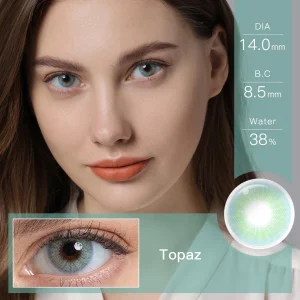
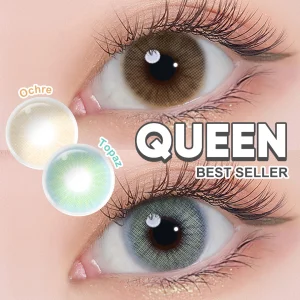
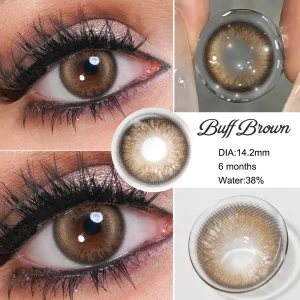
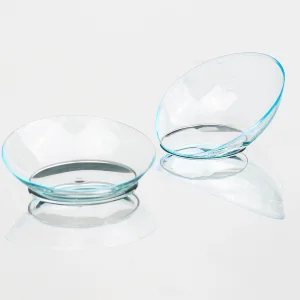
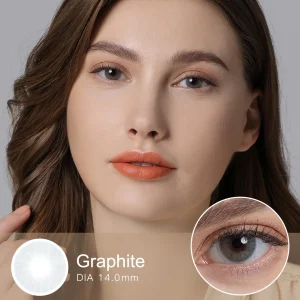
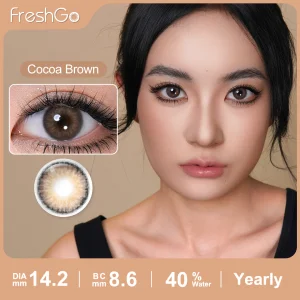
Explore our top-performing global inventory, customizable with private labeling options, customized base curves, and multi-diopter power ranges.

Entering the Israeli market requires systematic operational pipelines. Over years of working with importers in the Middle East, our logistics department has refined clearance methods to avoid unexpected customs delays at Tel Aviv Ben Gurion Airport (TLV) or the container terminals at the port of Ashdod.
To satisfy local consumer safety guidelines, we provide customized OEM packaging options printed with Hebrew translations of warnings, usage guidelines, storage conditions, and optical power parameters.
We supply complete documentation packages—including Certificate of Free Sale (CFS), ISO 13485 declarations, material safety sheets (MSDS), and clinical trial summaries—simplifying your AMAR approval application.
By coordinating with professional shipping networks, we guarantee safe temperature-controlled shipping methods so that the hydration balance of the soft lenses remains unaffected by thermal fluctuations during transport through dry desert climates.
Everything you need to know about OEM/ODM partnerships, import certificates, shipping timelines, and custom brand configurations.
Partner with Shenzhen Fresh Vision Co., Ltd. for reliable OEM/ODM contact lens production, high quality assurance, and competitive pricing structures.