Fresh Lenses
Fresh Lenses
Fresh Lenses
Highly customized, fast-moving prescription contact lens designs optimized for Eastern European regulatory standards and consumer demographics.


A B2B Strategic Perspective on Eastern European Ophthalmic Supply Chains
Bulgaria’s retail optical market has entered a phase of rapid modernization and digitization. Established distribution hubs in Sofia, Plovdiv, and Varna are witnessing a significant transition from traditional spectacles toward high-comfort corrective daily, monthly, and yearly contact lenses. Consumer preferences are aligning with broader European trends: a strong surge in cosmetic color contact lenses alongside rising correction requirements for myopia and astigmatism. For Bulgarian optical distributors and pharmacy groups, this shifts the strategic imperative toward finding robust manufacturing partners who can guarantee information gain, technical traceability, and strict compliance under the European Medical Device Regulations (EU MDR 2017/745).
Operating as a reliable strategic manufacturing partner, Shenzhen Fresh Vision Co., Ltd. provides Bulgarian lens brands, retail networks, and wholesale importers with a direct bridge to advanced production capacities. By removing intermediary costs and implementing fully audited cleanroom technologies, we help Bulgarian buyers secure margins, control stock levels, and customize product curves to fit local anatomical and demographic variations.
Oxygen Permeability, Water Content Balance, and Hydrogel Mechanics
Developing prescription and cosmetic contact lenses requires a precise balance of materials science. The human cornea has no blood vessels and relies entirely on atmospheric oxygen dissolved in the tear film. Therefore, the critical metric for ocular health in contact lens wearers is Oxygen Transmissibility (Dk/t).
At our 1100㎡ state-of-the-art facility, we utilize high-purity Hydrogel polymers and advanced Silicone Hydrogels. Standard hydrogels utilize hydrophilic monomers such as HEMA (Hydroxyethyl Methacrylate) combined with NVP (N-Vinyl Pyrrolidone) to draw water molecules into the polymer matrix. The water within the lens acts as the vehicle for oxygen diffusion. However, standard hydrogels are subject to dehydration under dry, air-conditioned environmental conditions—common in Bulgarian office spaces in Sofia.
| Polymer Compound Type | Water Content (%) | Oxygen Transmissibility (Dk/t) | Modulus of Elasticity (MPa) | Target Demographics & Wear Modality |
|---|---|---|---|---|
| Hydrogel (HEMA/NVP) | 38% - 42% | 20 - 30 | 0.35 - 0.40 | Highly stable colored designs, cosmetic comfort, easy handling |
| Silicone Hydrogel (SiHy) | 45% - 55% | 80 - 120 | 0.50 - 0.70 | Extended wear, high-myopia correction, active lifestyles |
| Biocompatible Phosphorylcholine (PC) | 48% - 52% | 40 - 50 | 0.38 - 0.45 | Dry-eye sufferers, long working hours, screen-intensive tasks |
By implementing advanced edge-profile contouring technologies, we produce lenses with a center thickness as thin as 0.08mm for standard corrections. This minimizes the physical barrier between the eyelid and the cornea, preventing conjunctival irritation and maintaining the tear film's stability. For cosmetic lenses, we utilize a patented Sandwich Color Locking Process where the pigments are encapsulated safely between layers of polymer, preventing any direct contact between the dyes and the corneal tissue or eyelids.
Shenzhen Fresh Vision Co., Ltd. — Operational Capabilities & Verification
Maintaining raw material traceability is a key part of our QA standards. Our production relies on high-grade biocompatible monomers sourced from global certified chemical producers. To comply with the strict standards of the European Union, including Bulgaria's Executive Agency on Medicines (BDA), every batch is assigned a unique production run code, preserving safety records from raw materials to final packaging.
How We Build High-Precision Prescription Lenses under Class 100 Cleanroom Conditions
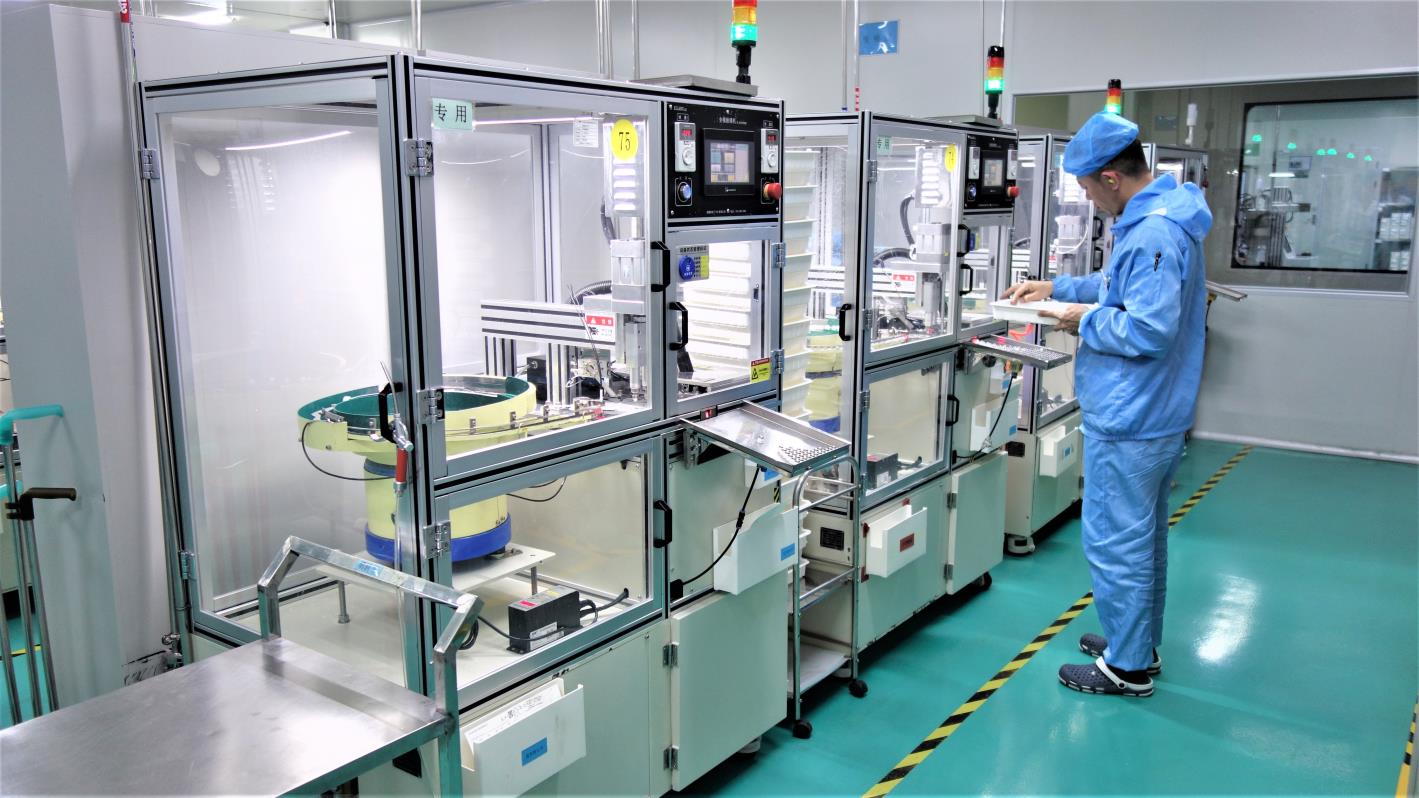
Lenses are carefully separated from high-precision molds, ensuring the optical edges remain intact and free of microserrated defects.
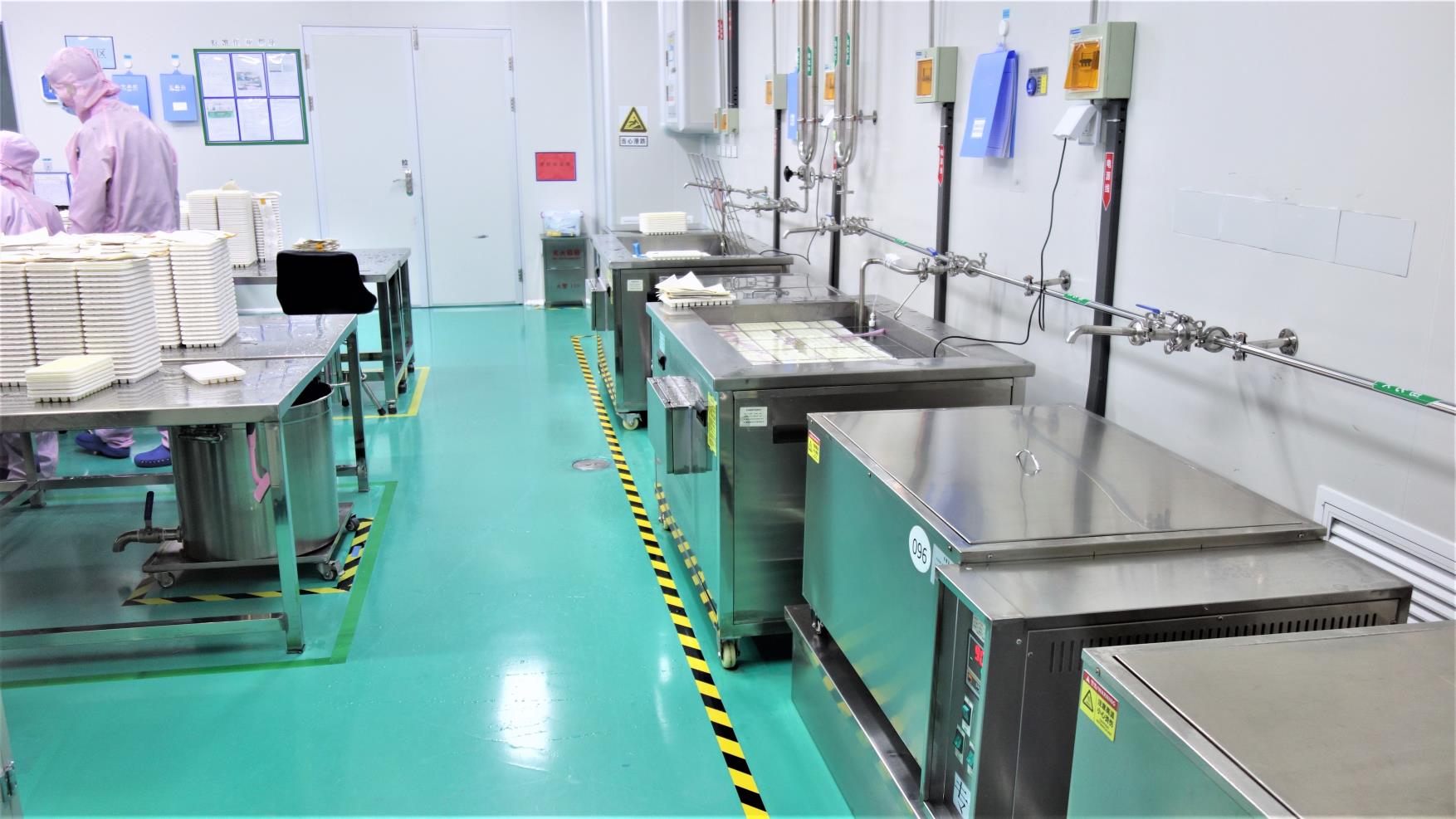
Unbound monomers and impurities are extracted through prolonged hydration and purification in sterile saline baths.
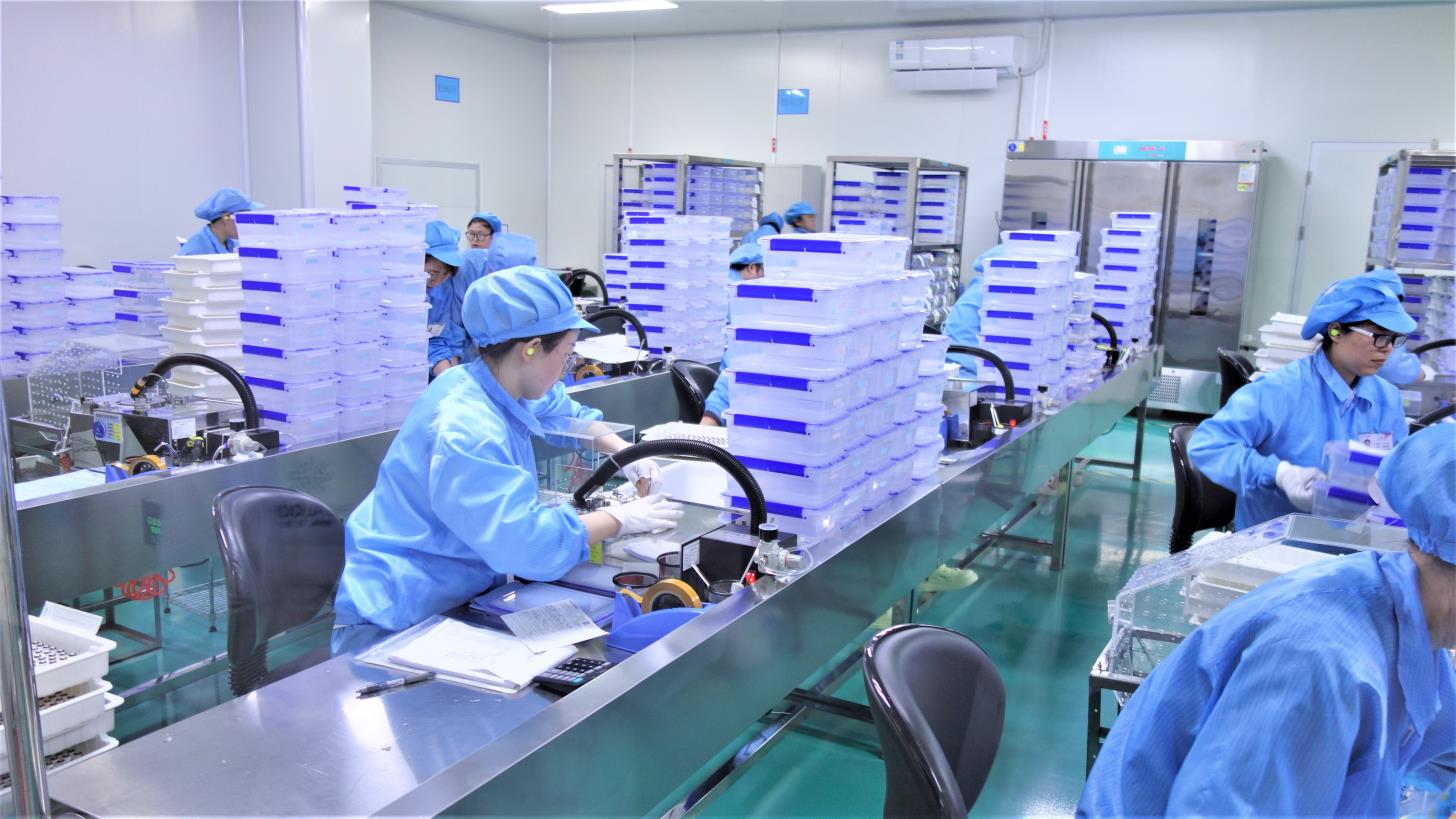
Automated vacuum transfer systems move hydrated lenses between stages without introducing mechanical shear or structural stresses.

Every single lens undergoes automated optical projection checks for surface imperfections, power accuracy, and edge contouring.
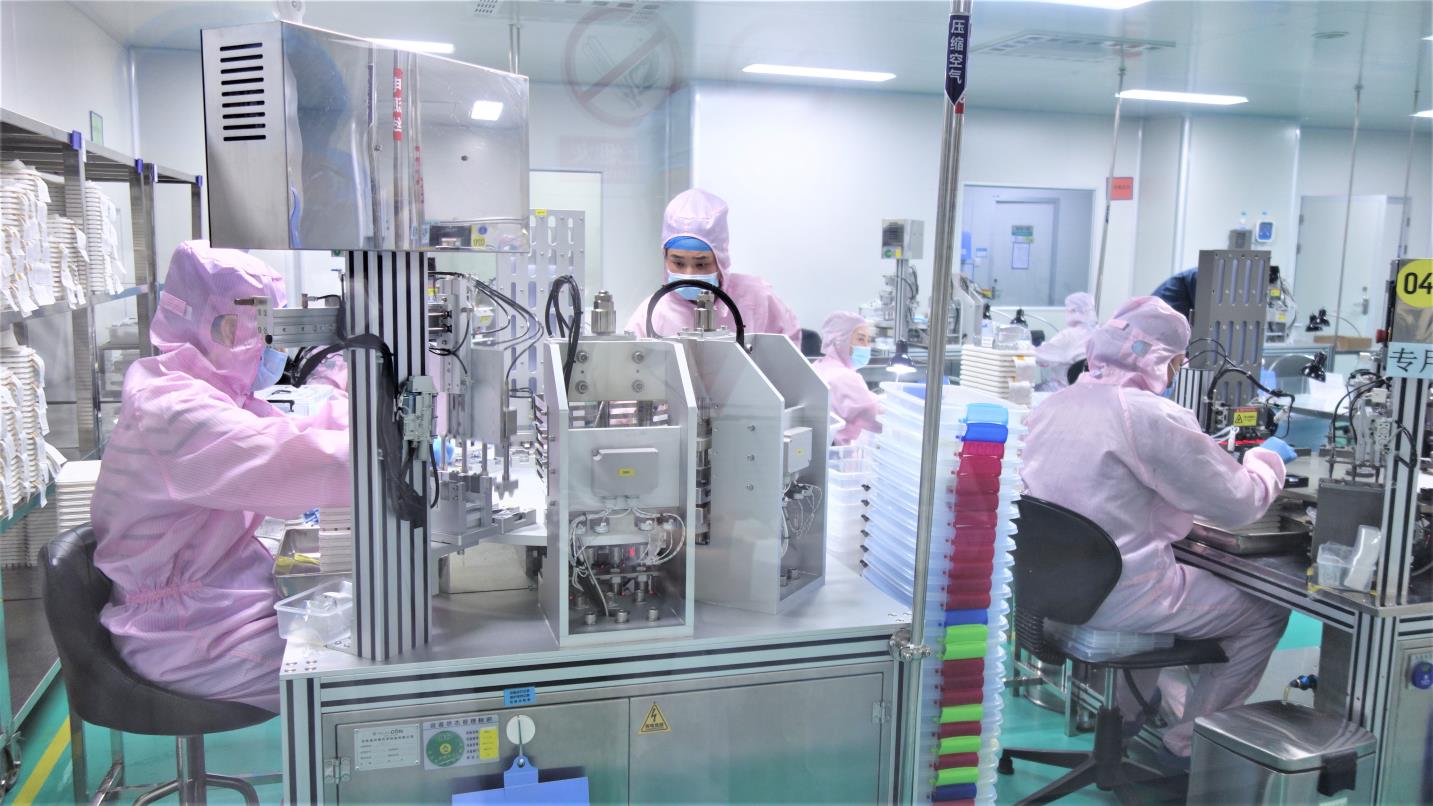
Lenses are placed into individual blister cups and filled with buffered, isotonic saline solution matching the pH of human tears.
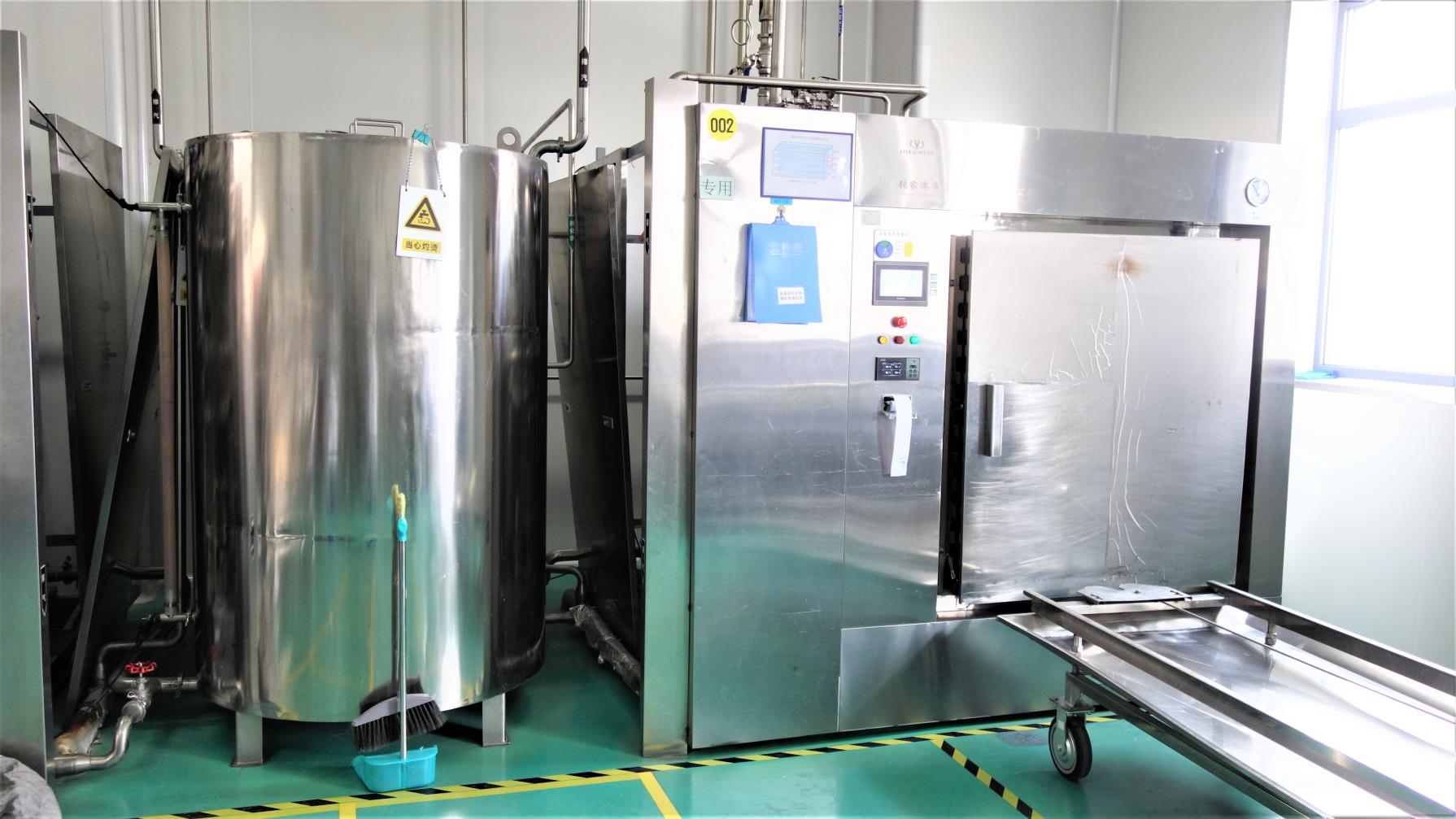
Using pressurized steam autoclaves, the sealed packages undergo moist heat sterilization to achieve a sterility assurance level (SAL).
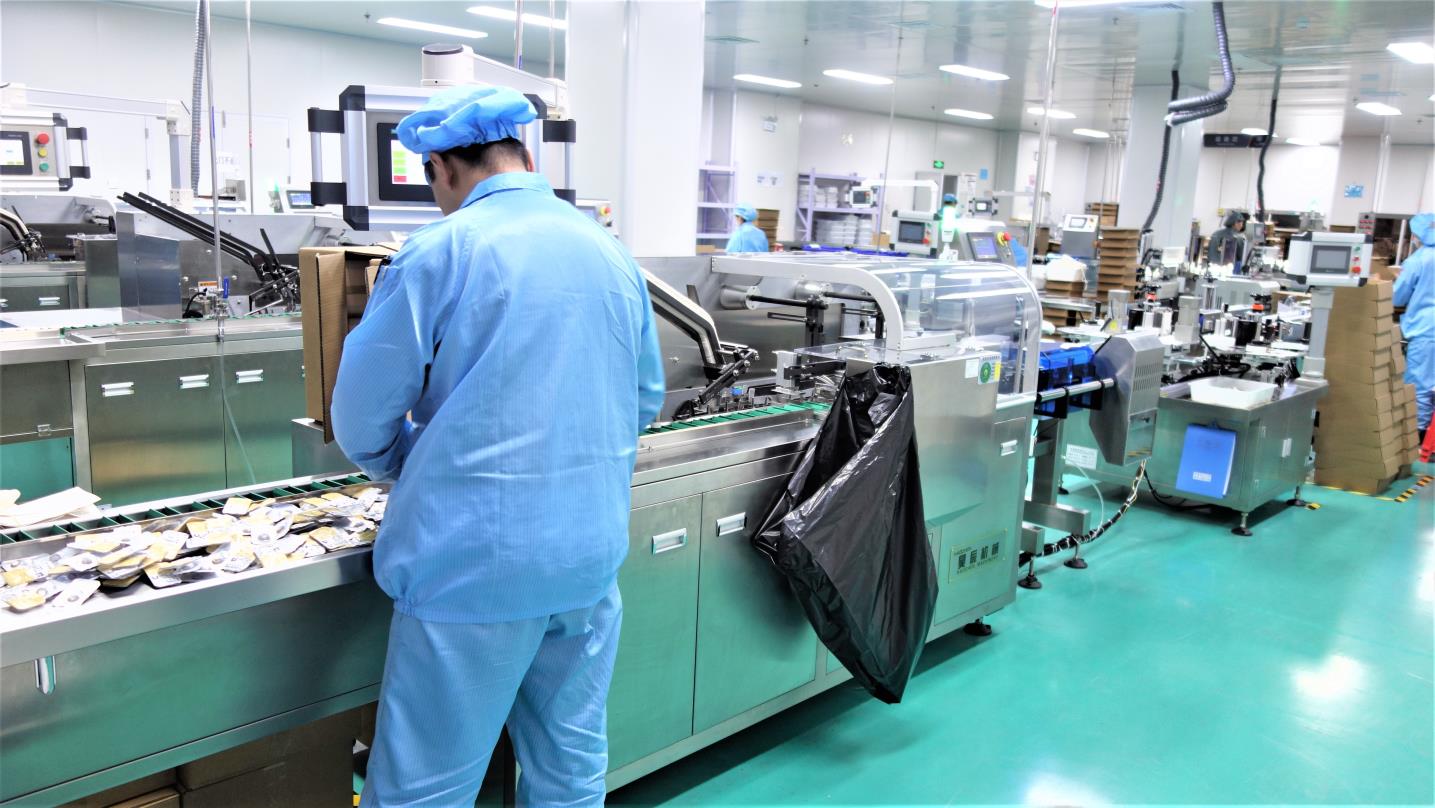
Automated packing systems print batch details, expiry dates, and diopter measurements directly onto secondary boxes and cartons.
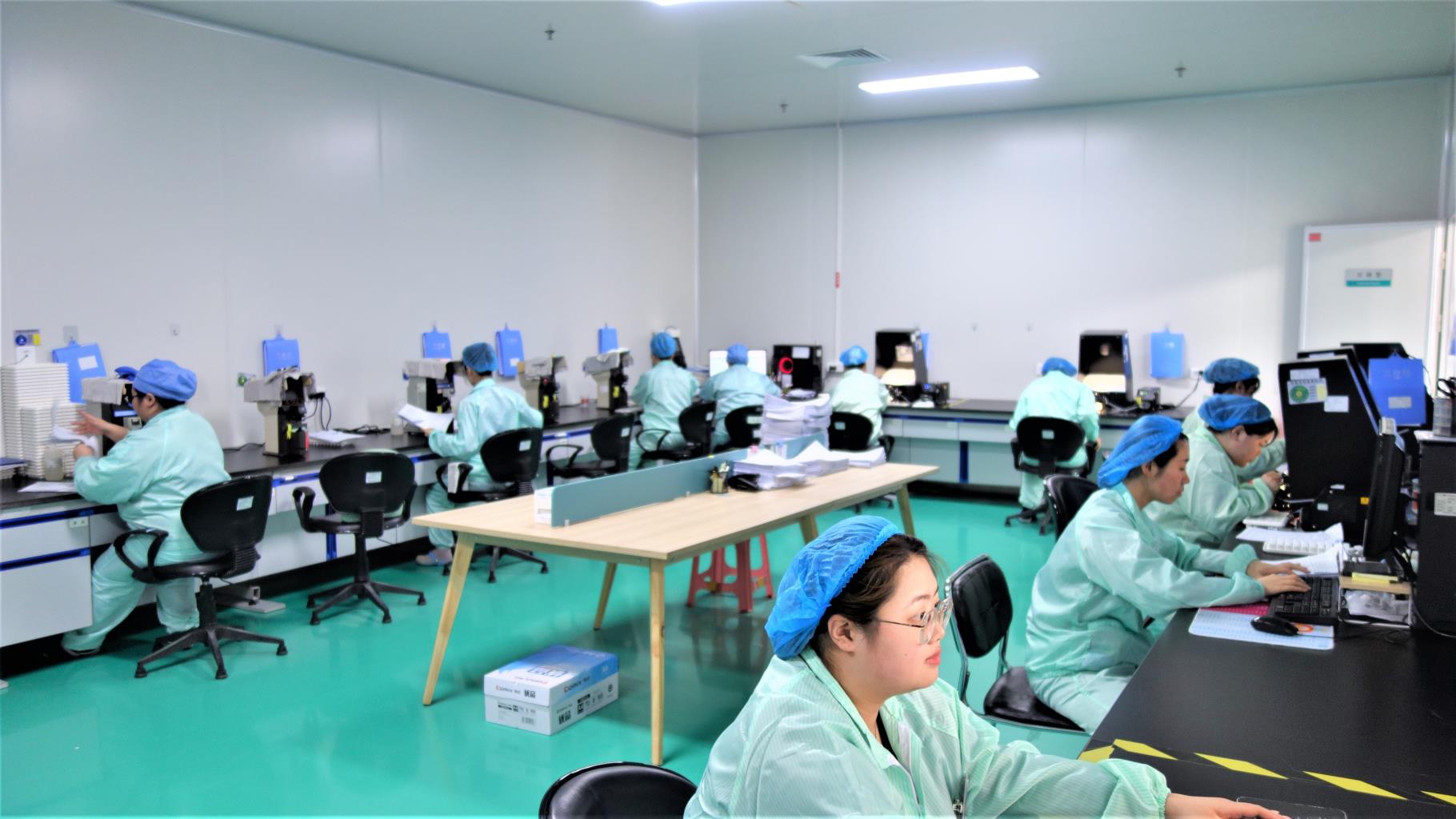
Final warehouse audit teams pull random samples to run verification protocols before authorizing shipments for customs clearance.
Optimizing Transit Times and Customs Protocols for Bulgarian Optical Chains
Shenzhen Fresh Vision Co., Ltd. manages a diverse export network, shipping 25% of our annual production to North America, 20% to Southeast Asia, and 10% to the Middle East, alongside growing shipments to the European Union. Over the past ten years of international trading, we have developed a streamlined logistics pipeline designed to minimize delivery times and customs delays for our partners in Eastern Europe.
For Bulgarian buyers, we offer two main shipping methods:
Industrial machinery and inspection systems used to maintain optical accuracy.
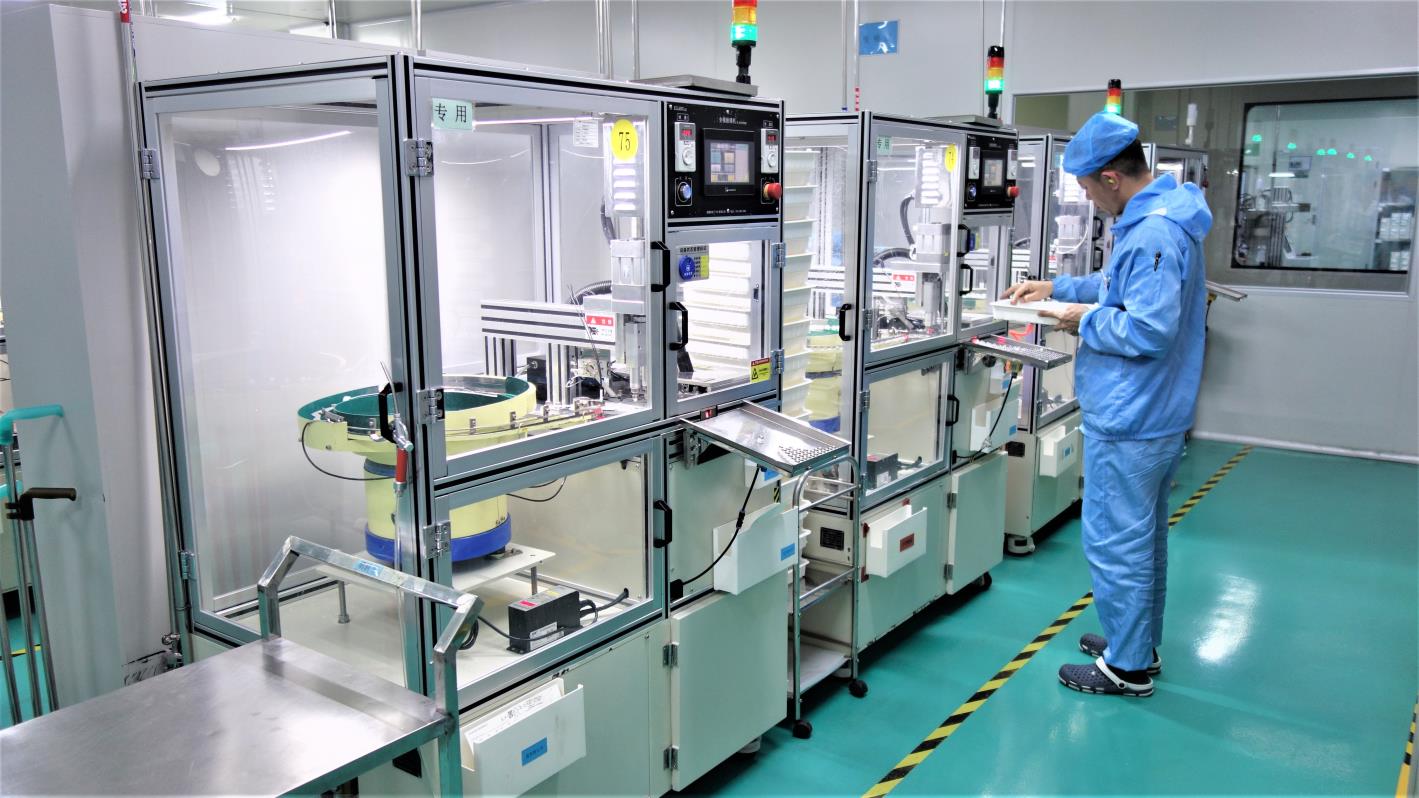
Automated separation system that maintains edge integrity across high-volume production runs.
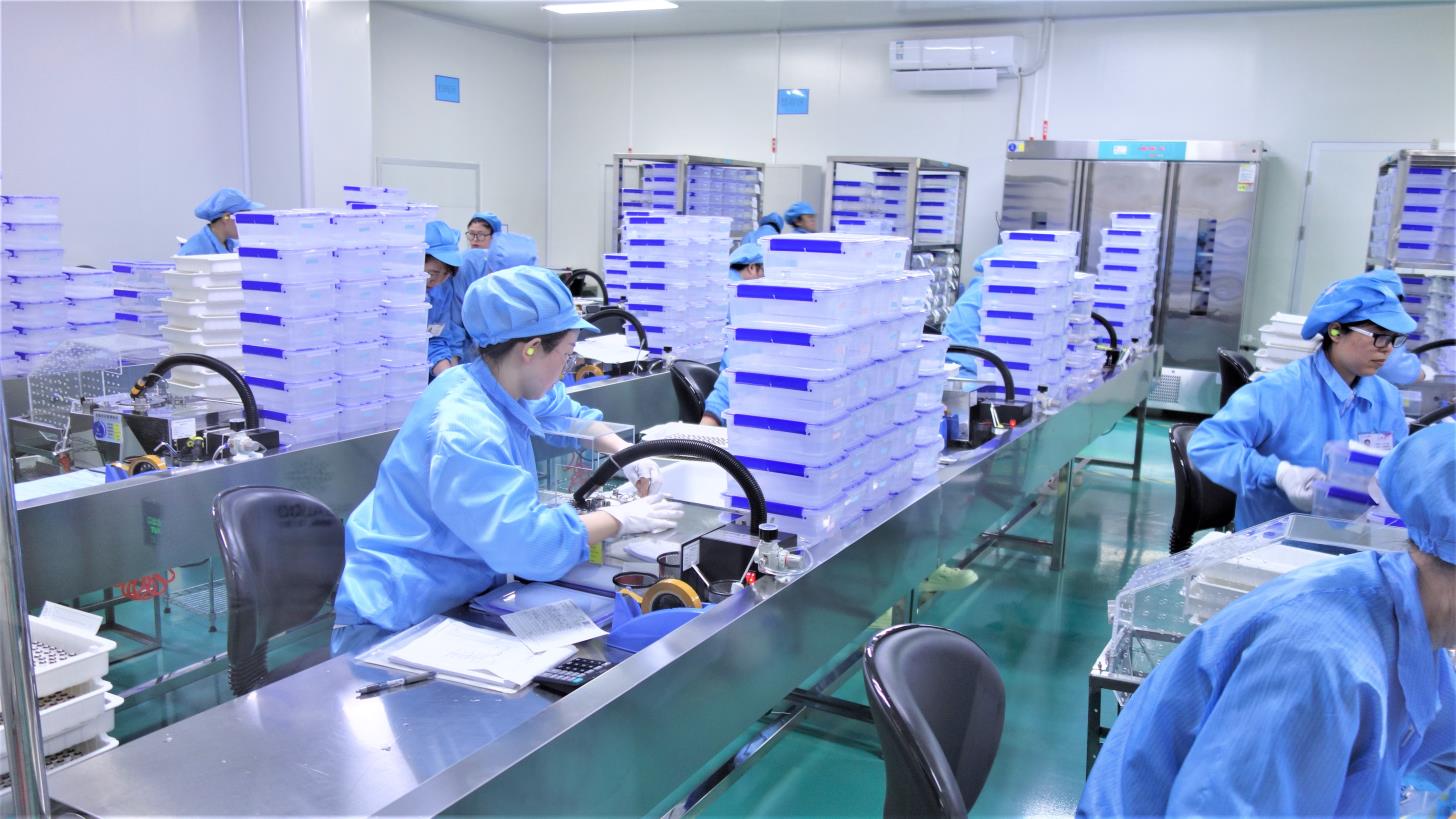
No-touch transfer system designed to prevent microscopic scratches during production transitions.
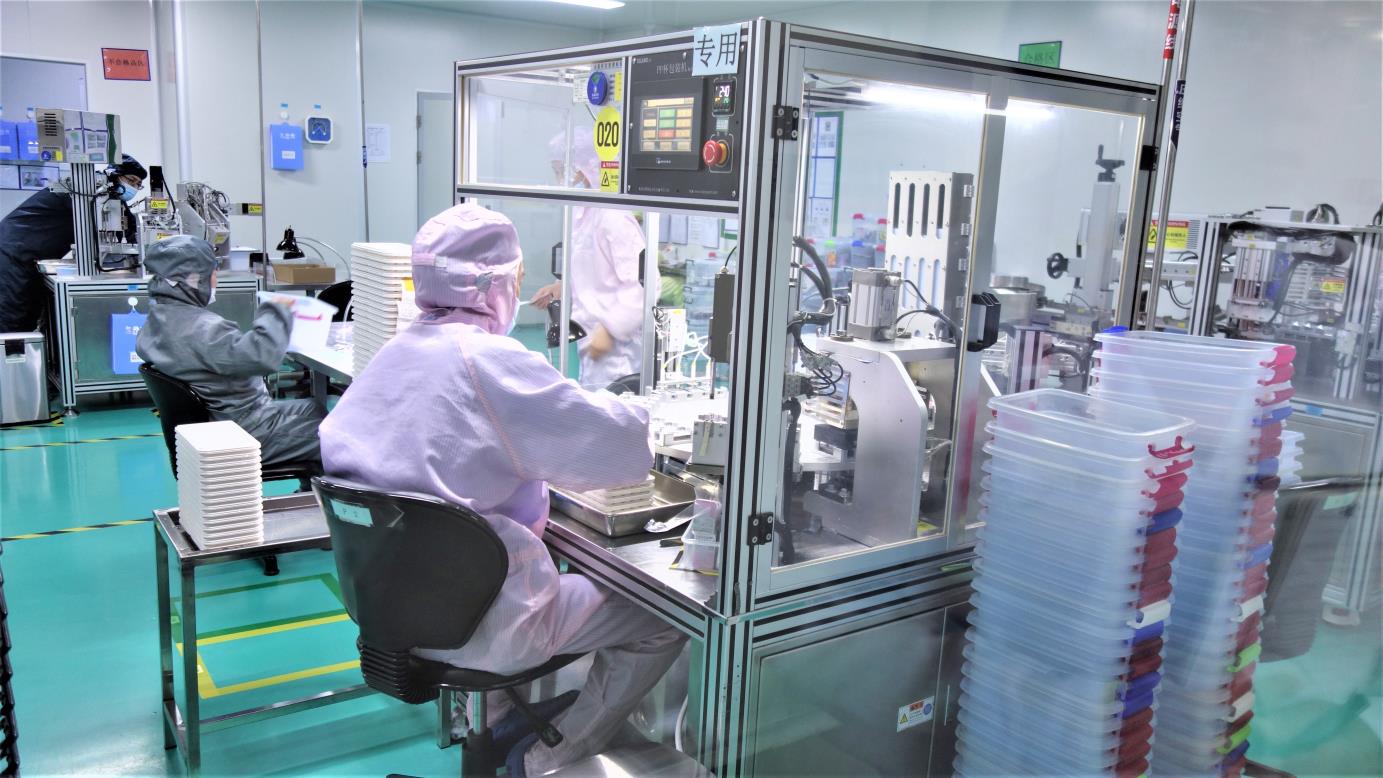
Dispenses saline solution with sterile precision, sealing the blister packaging to protect against contaminants.
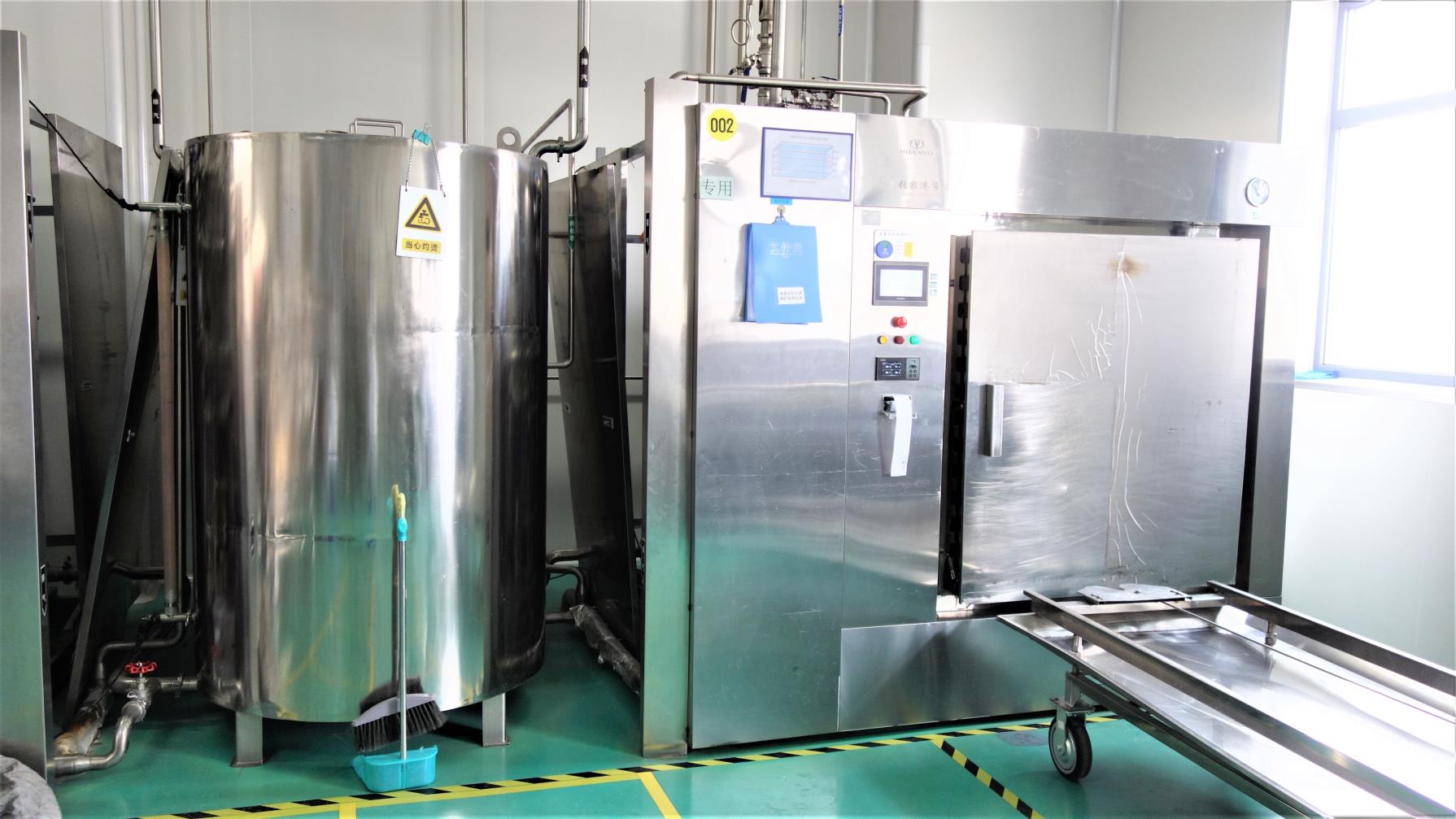
High-capacity pressure autoclave chamber that ensures all packaged lenses meet medical-grade sterility standards.
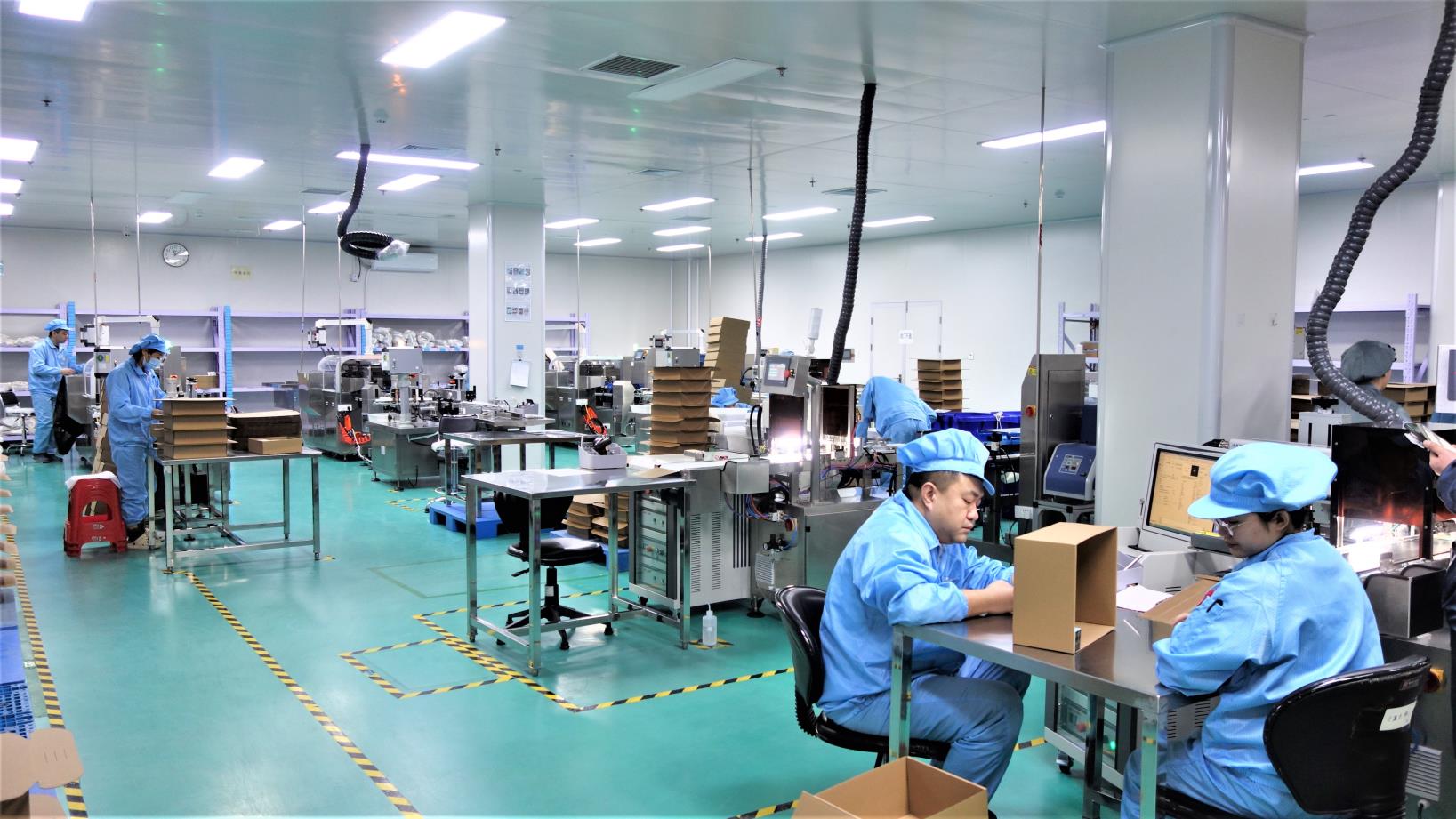
Fully automated cartoning and labeling system that formats box identifiers for easier tracking.
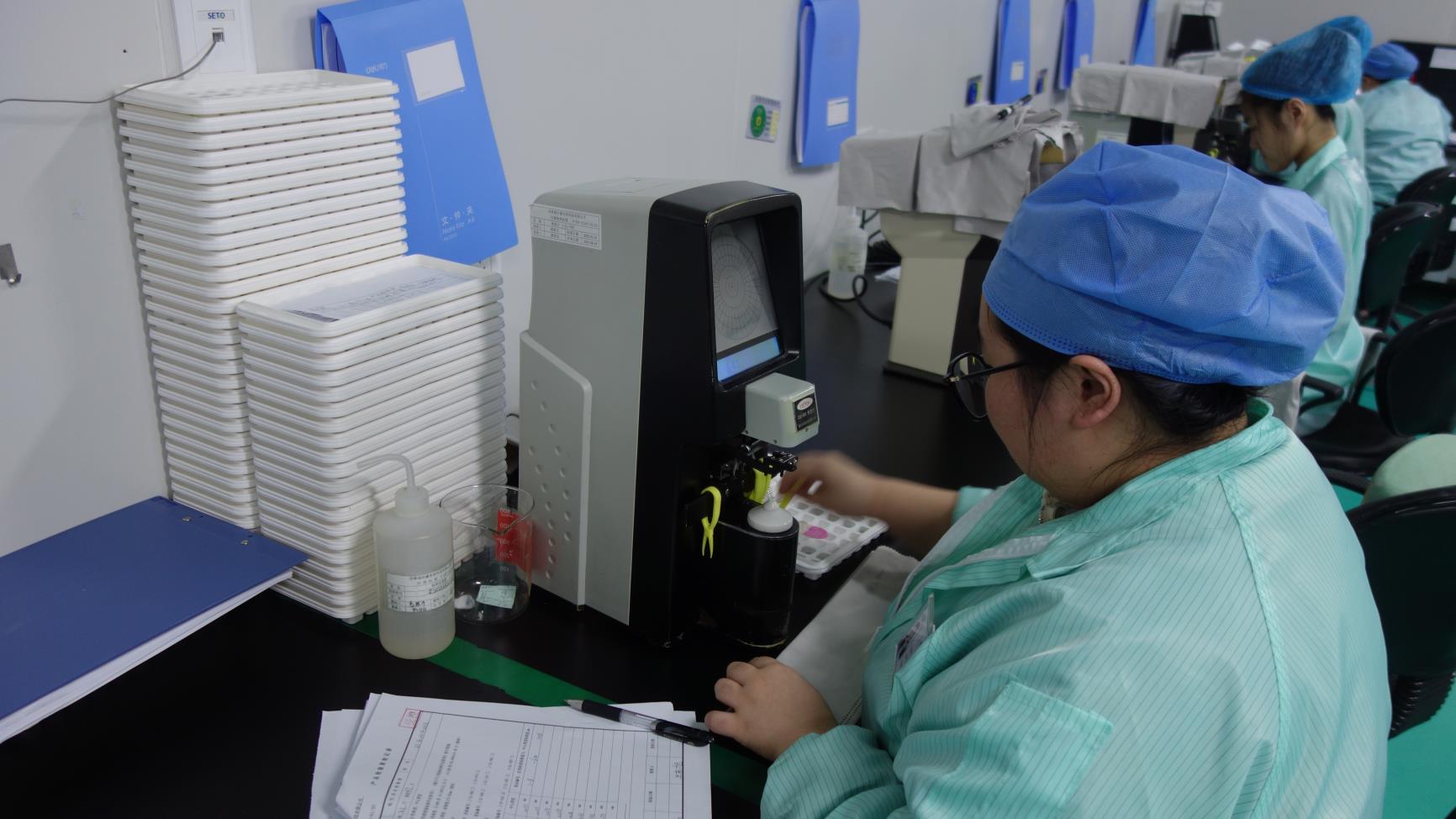
Measures back vertex power and focal points to confirm accurate prescription parameters.
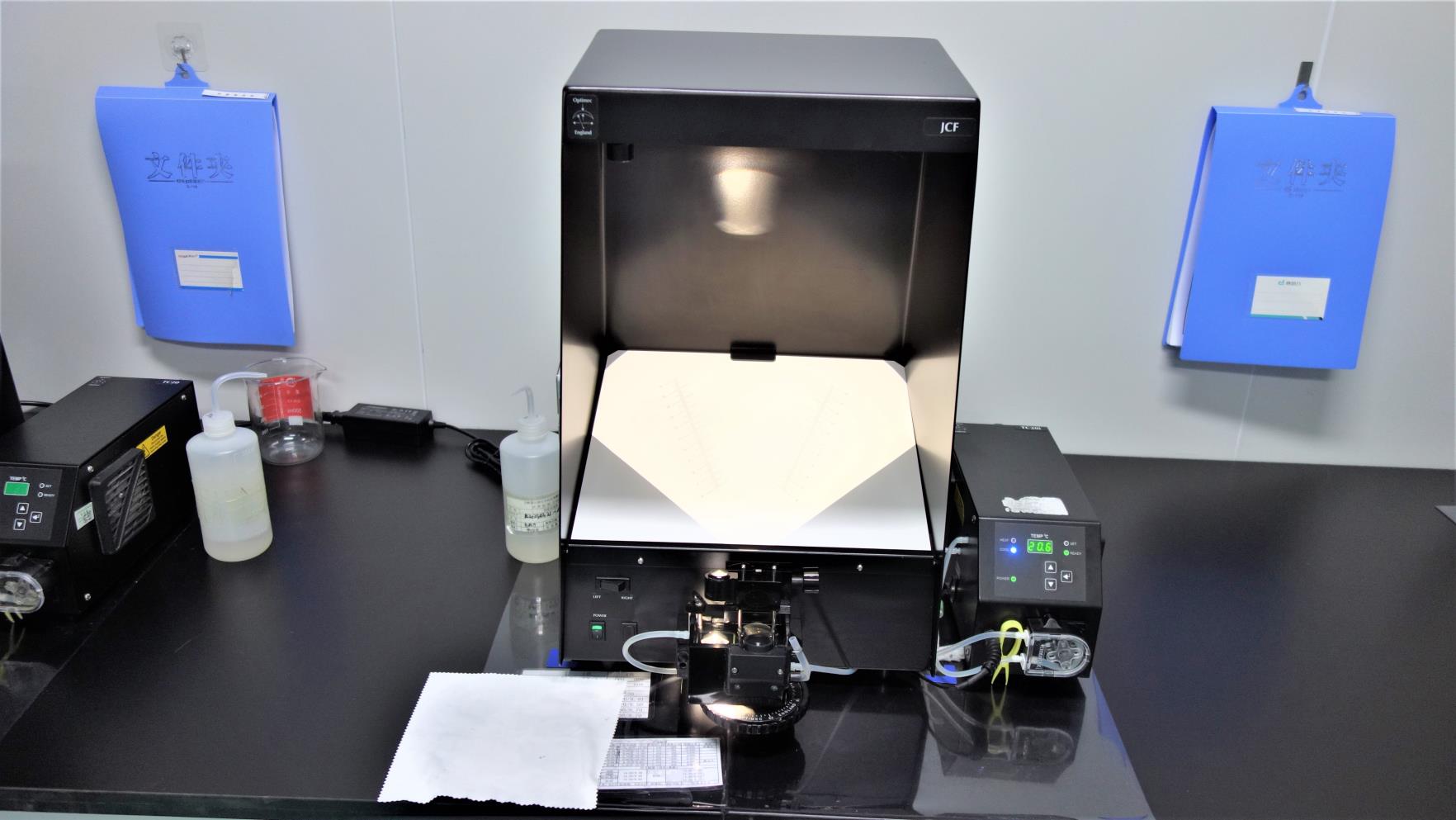
Projects magnified lens contours to identify micro-tears, bubbles, or contour imperfections.
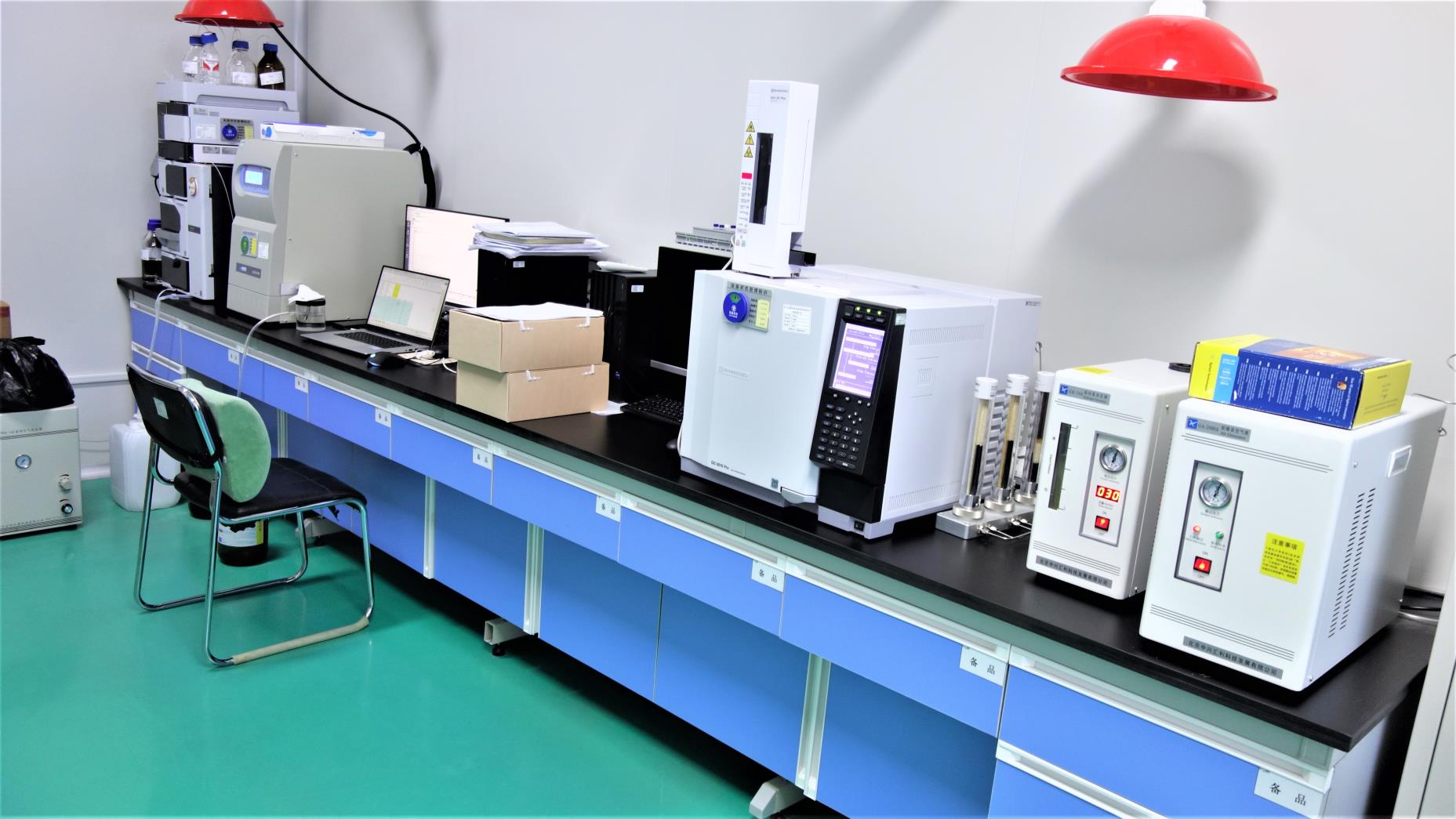
Measures UV transmittance and pigment stability, keeping color elements safely sealed away.
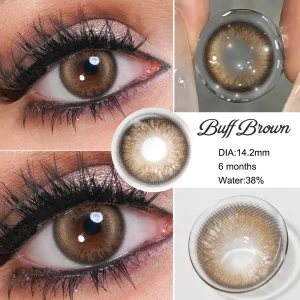
Designed for high-growth consumer segments, blending comfort with diverse color patterns.
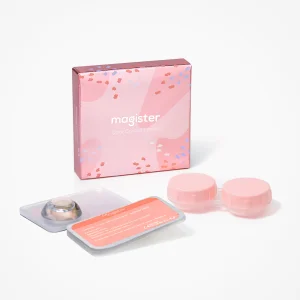
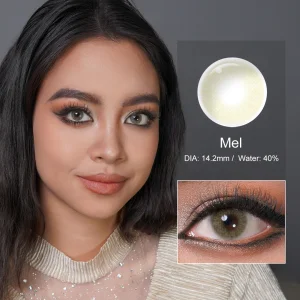
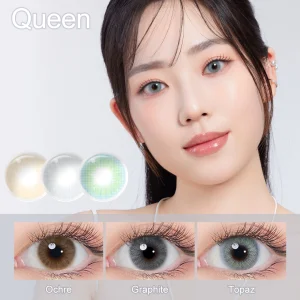
Flexible Branding, Packaging Customization, and Technical Parameter Adjustments
For optical clinics and cosmetic brands in Bulgaria, establishing a proprietary brand identity creates long-term value. Our R&D department—staffed by 5 dedicated engineers, including 3 post-graduates—supports full OEM/ODM customization options to help build and scale local brands.
Customization extends beyond packaging. We work closely with our partners to adjust lens dimensions and designs to match specific market preferences:
We provide graphic packaging design support, rendering localized Bulgarian boxes and multi-language instructions (Bulgarian, English, German, and Romanian) to ensure your brand meets local packaging requirements.
The Future of Contact Lens Production Technologies
Our engineering roadmap focuses on automating cleanroom processes and integrating advanced testing equipment. Traditional wet-casting is being updated with automated dry-casting systems linked directly to AI inspection cameras. This setup detects surface defects and minor optical deviations before the dehydration stage, reducing reject rates to less than 0.03%.
We are also testing biocompatible polymers infused with hyaluronic acid, which helps retain moisture and keeps lenses comfortable for over 14 hours. Additionally, we are working on smart lenses that integrate blue-light filtering properties directly into the polymer mix, helping to protect eyes from digital screens.
Order samples directly. Fast processing and delivery to Sofia, Varna, and European distribution hubs.
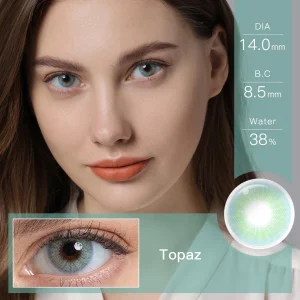
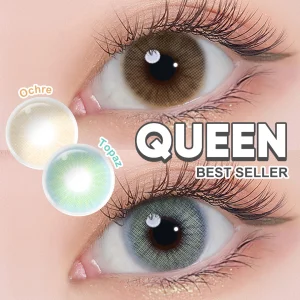



Detailed information about OEM requirements, shipping timelines to Bulgaria, and product compliance.