Fresh Lenses
Fresh Lenses
Fresh Lenses
Our initial selection of high-demand contact lenses customized to meet German retail trends, featuring HEMA-based hydration technology and certified pigments.
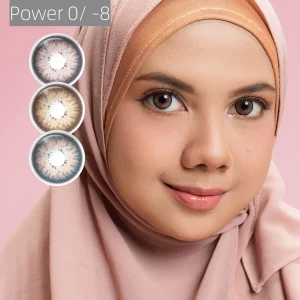

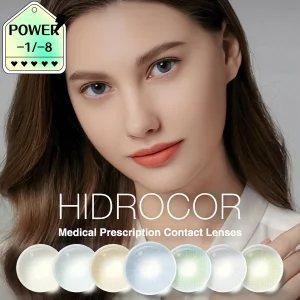
Germany represents one of the largest and most mature vision care markets in Europe. Approximately 67% of adults in Germany wear corrective eyewear, translating to a highly lucrative customer base demanding the absolute highest standards in dimensional stability, physiological compatibility, and optical transparency. Over the past decade, the transition towards contact lenses—specifically colored cosmetic prescription lenses—has accelerated rapidly in German urban hotspots such as Munich, Berlin, Hamburg, and Frankfurt.
However, importing prescription lenses into Germany requires navigating a complex matrix of European and domestic guidelines. With the full enforcement of the European Medical Device Regulation (MDR 2017/745), contact lenses (both corrective and cosmetic plano lenses) are classified under strict regulatory frameworks. Under these standards, manufacturers must ensure complete biological safety profiles, ISO-validated production runs, and comprehensive clinical documentation. For German procurement officers, partnering with overseas factories that understand these hurdles is not merely a cost consideration—it is a compliance necessity.
A decade of precision engineering, strict manufacturing hygiene, and comprehensive logistical networks optimized for European B2B requirements.
Sample processing, graphic customization, custom packaging designs, and customized color/base curve development tailored specifically to German demographic requirements.
Led by 5 dedicated optical development engineers (3 holding graduate degrees, 2 junior college certifications) operating under medical-grade sterile lab protocols.
The global production of contact lenses and prescription optics is shifting toward localized automation clusters. Shenzhen, as a pioneering hub of electronics, medical technology, and micro-injection molding, offers unparalleled advantages in supply chain integration. The convergence of precise mold-making technology, automated optical inspection systems (AOI), and robust chemical processing centers allows manufacturers in this zone to achieve production efficiencies that are unattainable elsewhere.
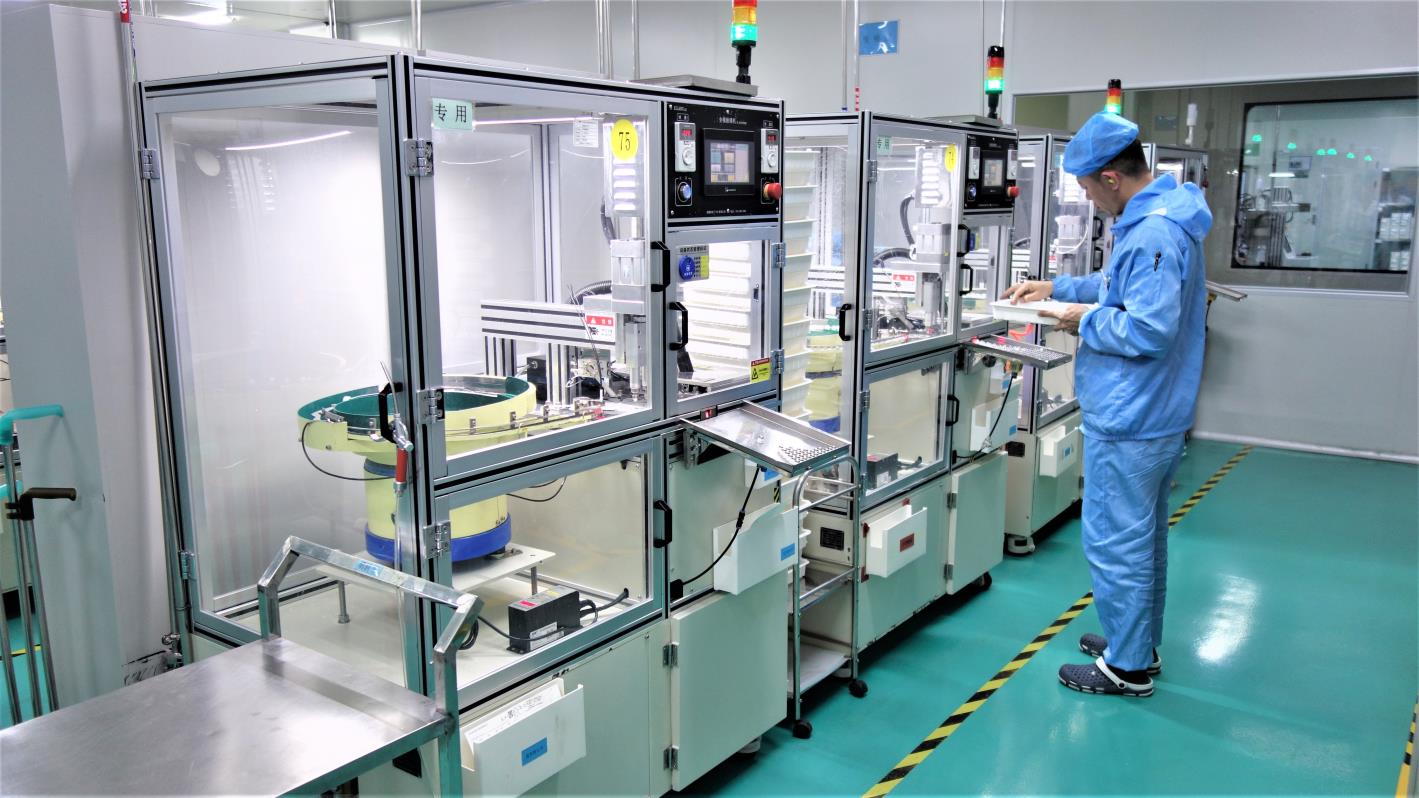
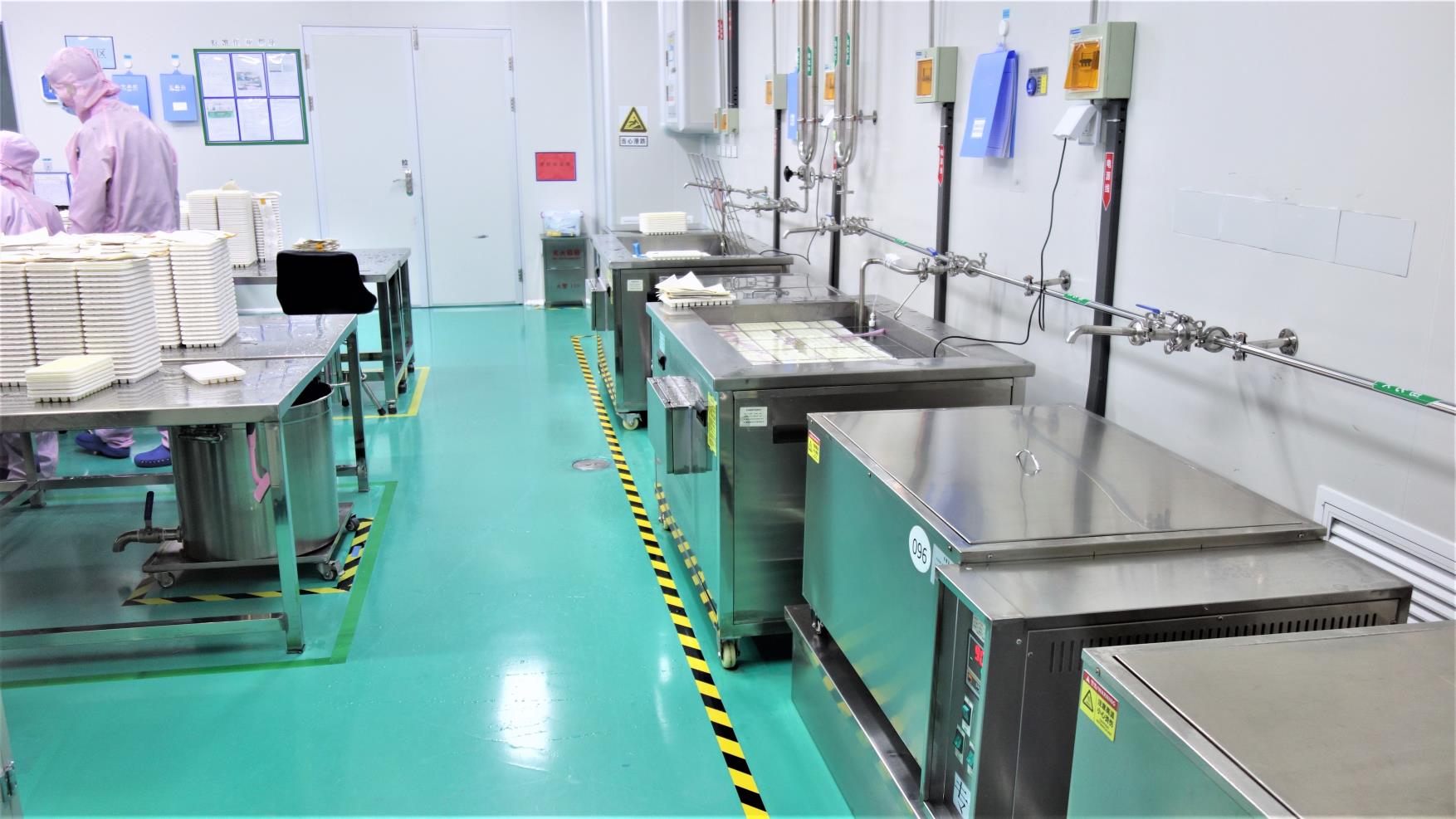
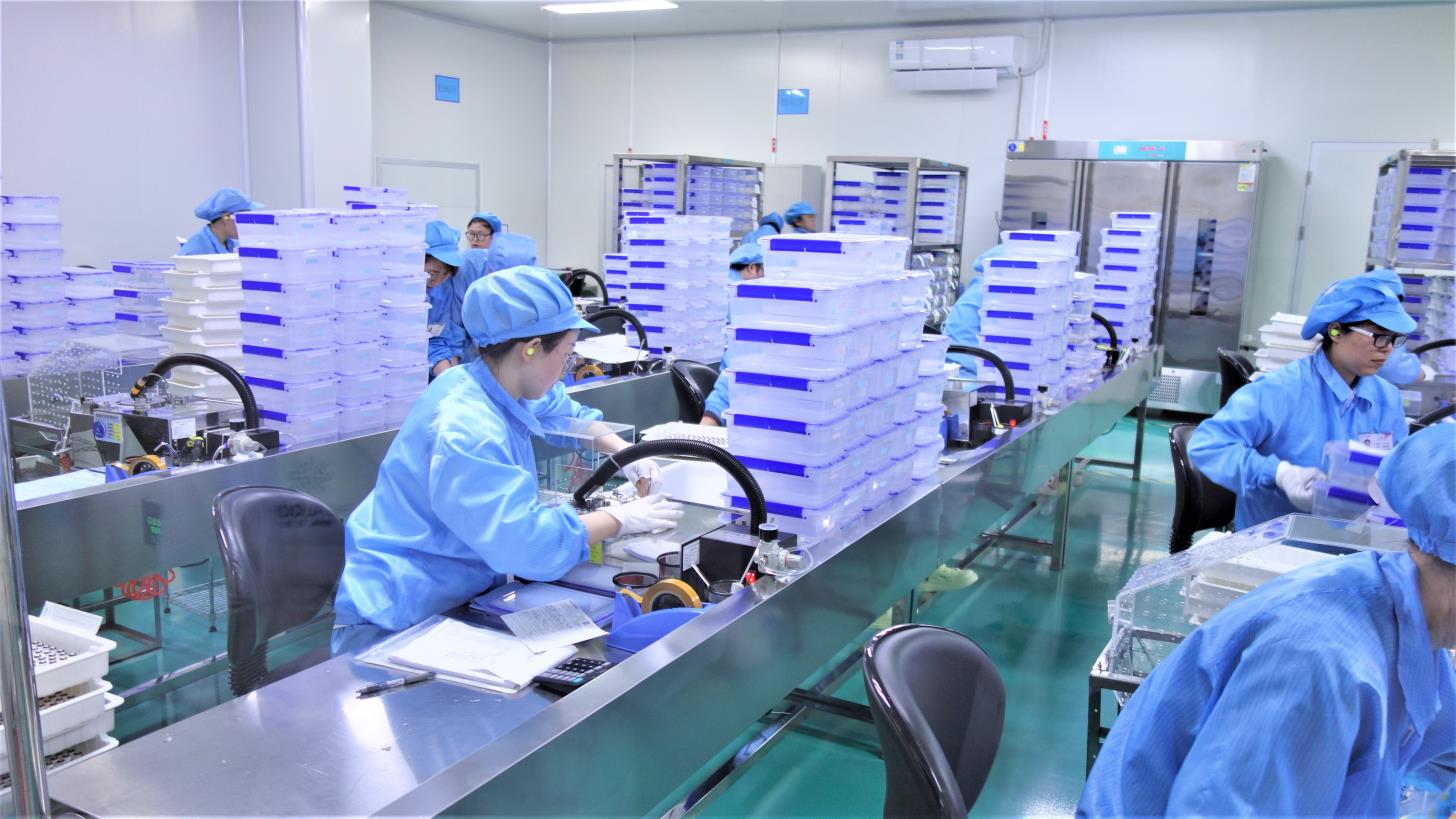
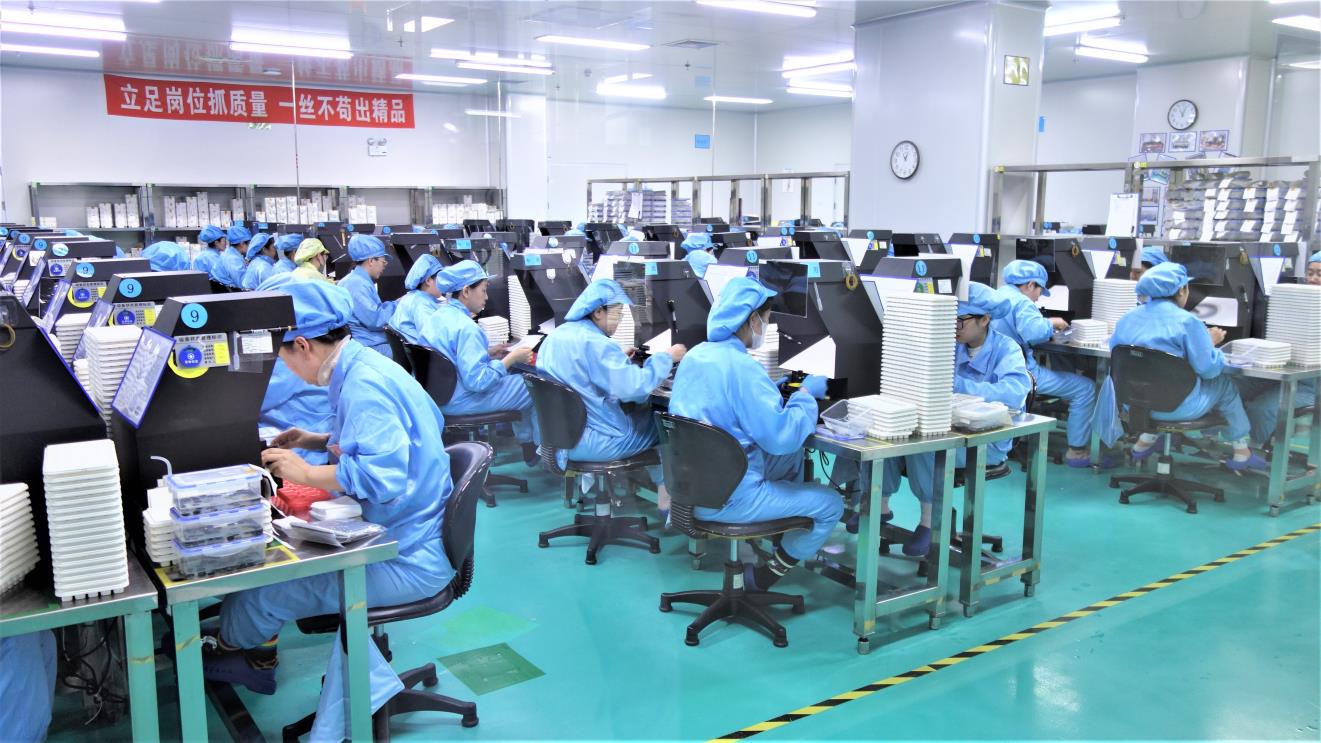
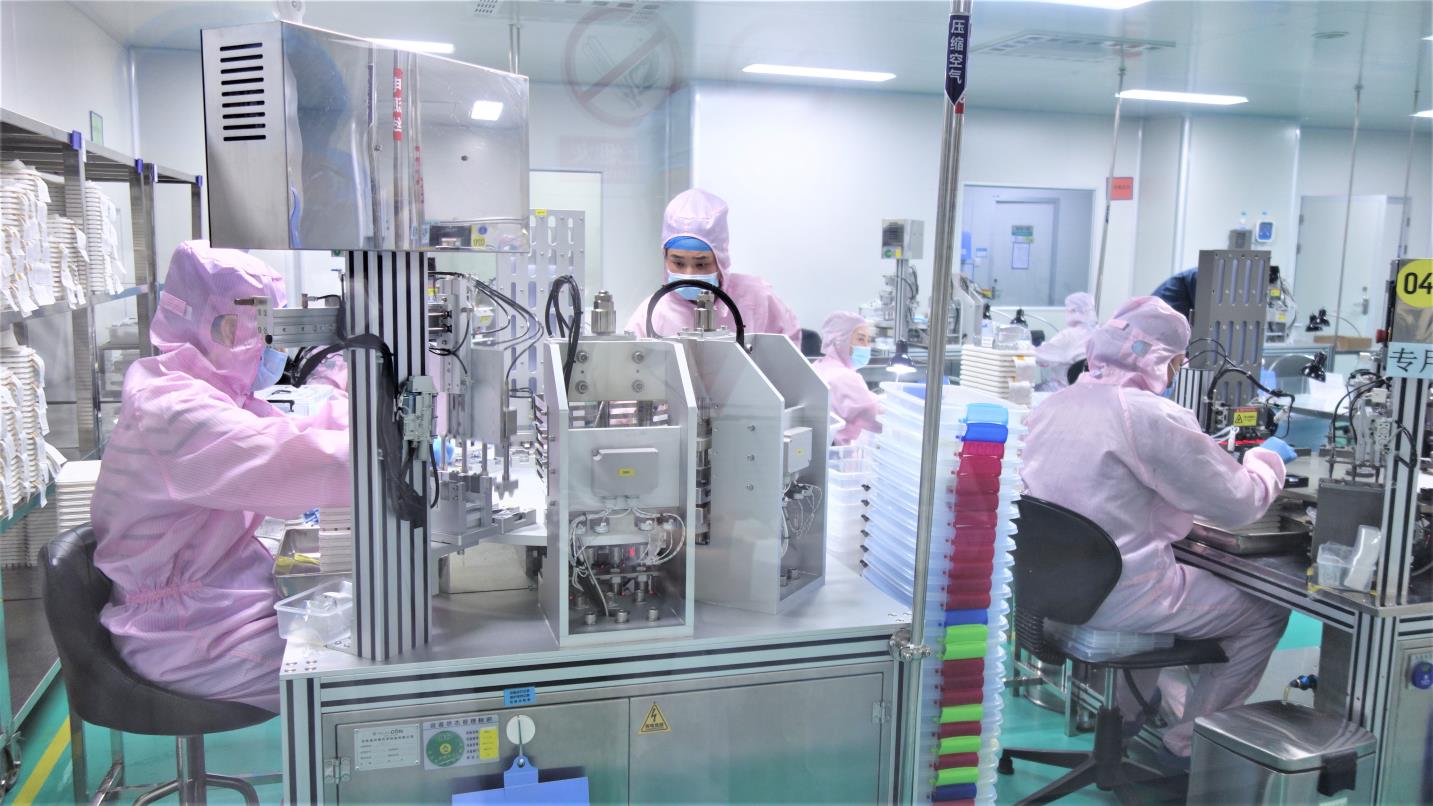
For German B2B importers, buying directly from Shenzhen factories means bypassing multi-tiered distribution networks, resulting in lower landing costs per lens pair. Shenzhen Fresh Vision Co., Ltd. operates in this high-tech corridor, utilizing a state-of-the-art 1,100 square meter facility optimized specifically for the production of soft contact lenses. By coupling Chinese raw material procurement networks with premium Korean monomer chemistry (HEMA/NVP formulations) and computerized demoulding techniques, we offer the perfect balance of competitive cost structures and German-grade quality assurance.
In accordance with ISO 13485 standards, each manufacturing run undergoes a multi-point verification process:
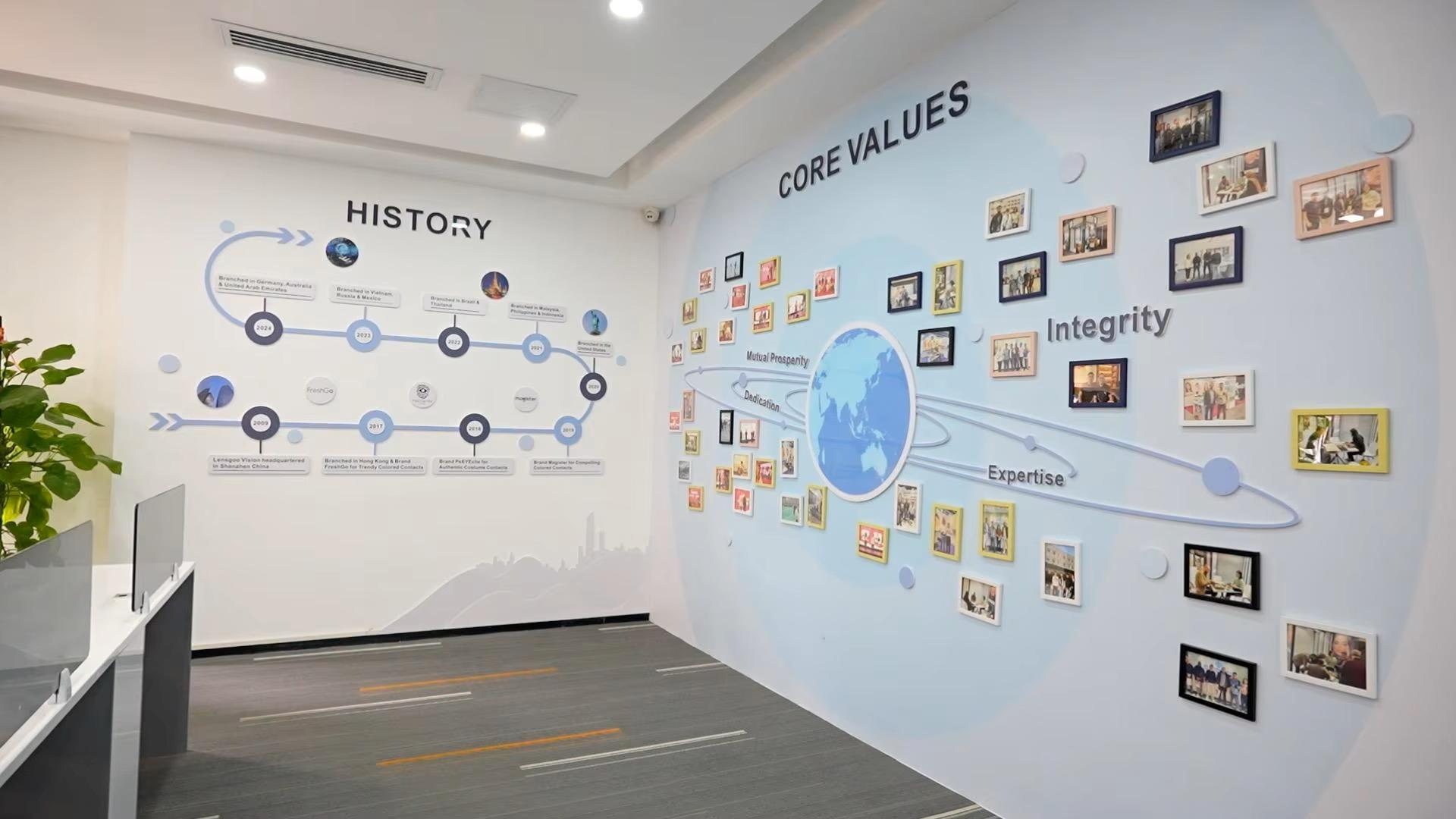
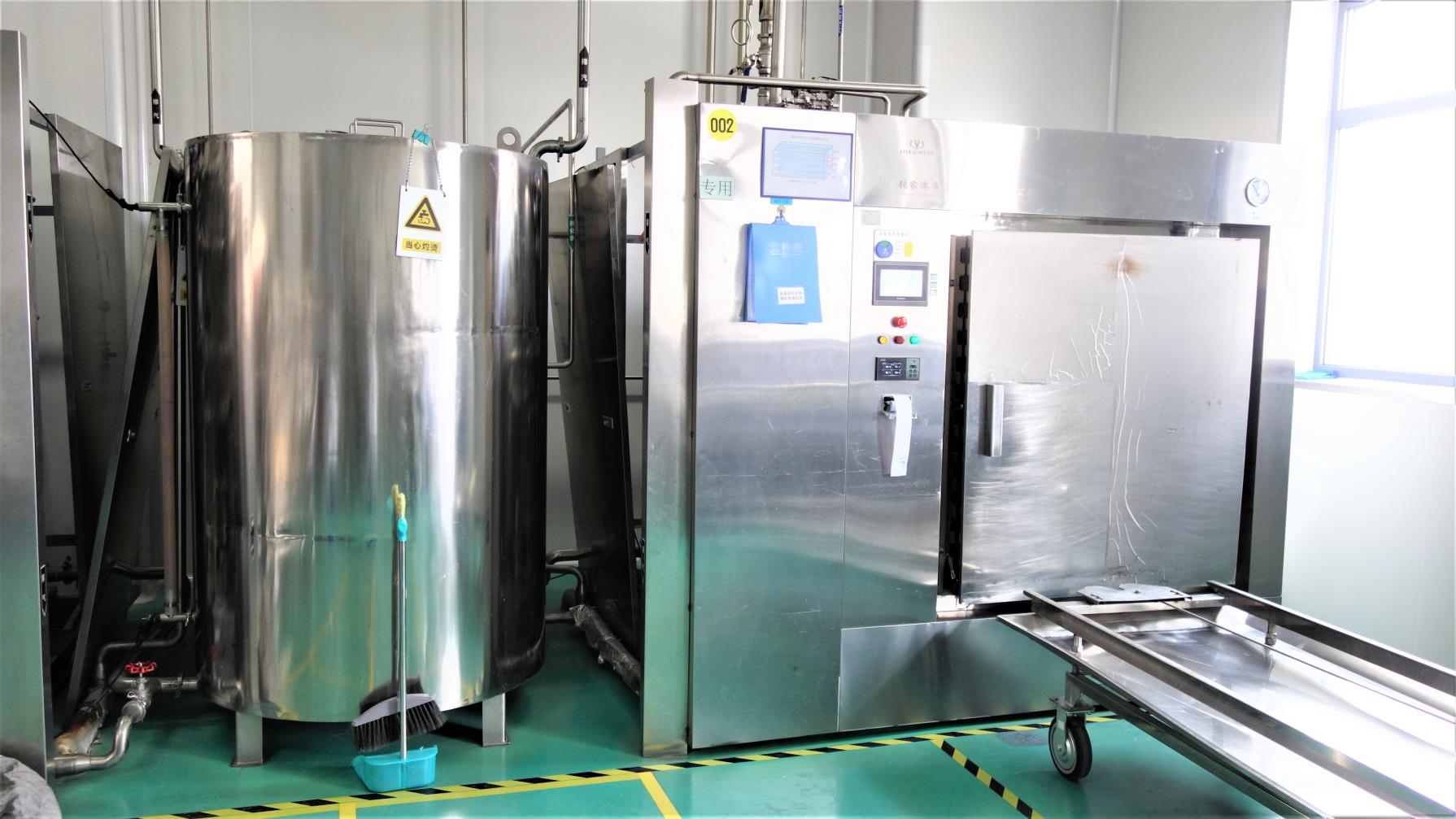
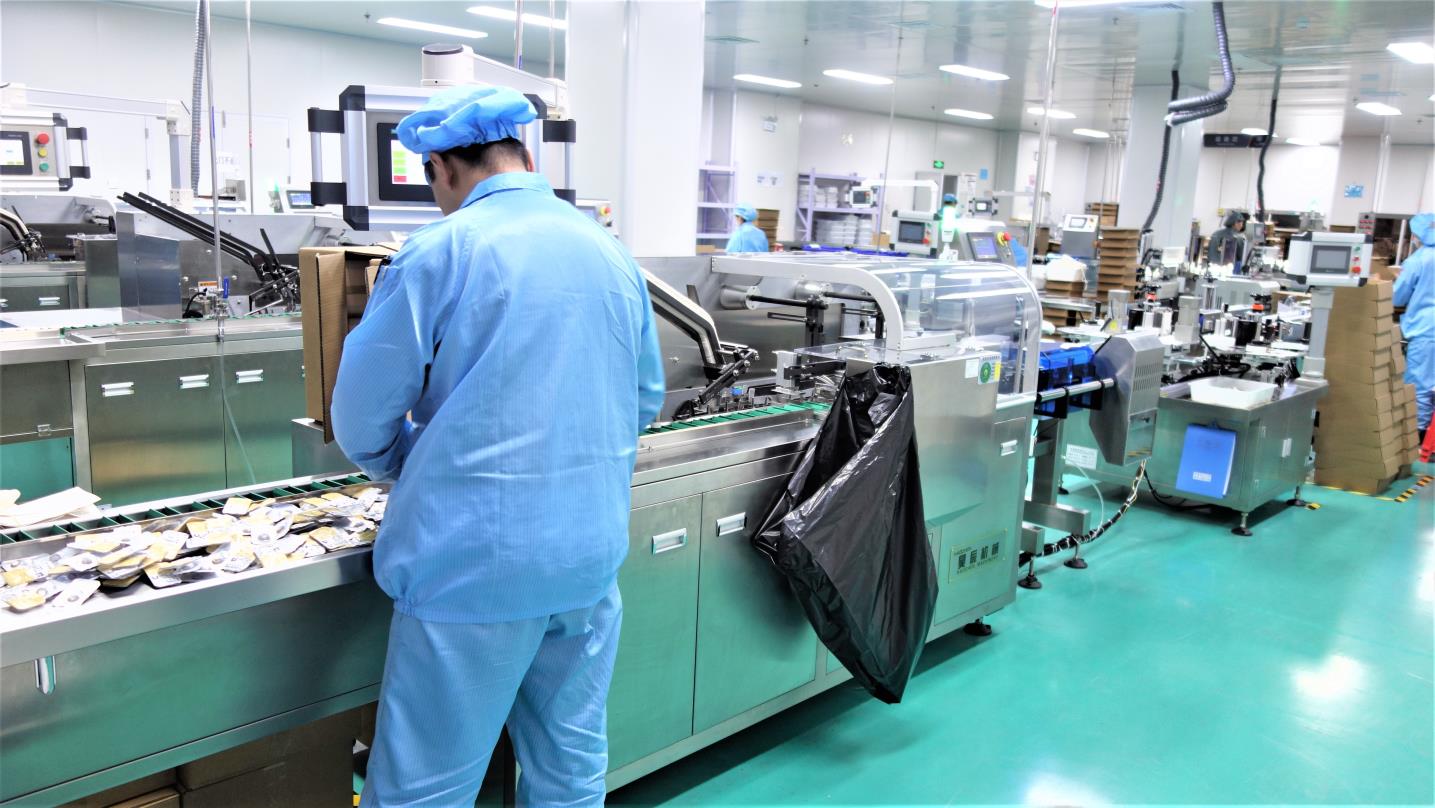
Witness the precise step-by-step sterilization, molding, and inspection line. Real imagery from our 1,100㎡ cleanroom facility.
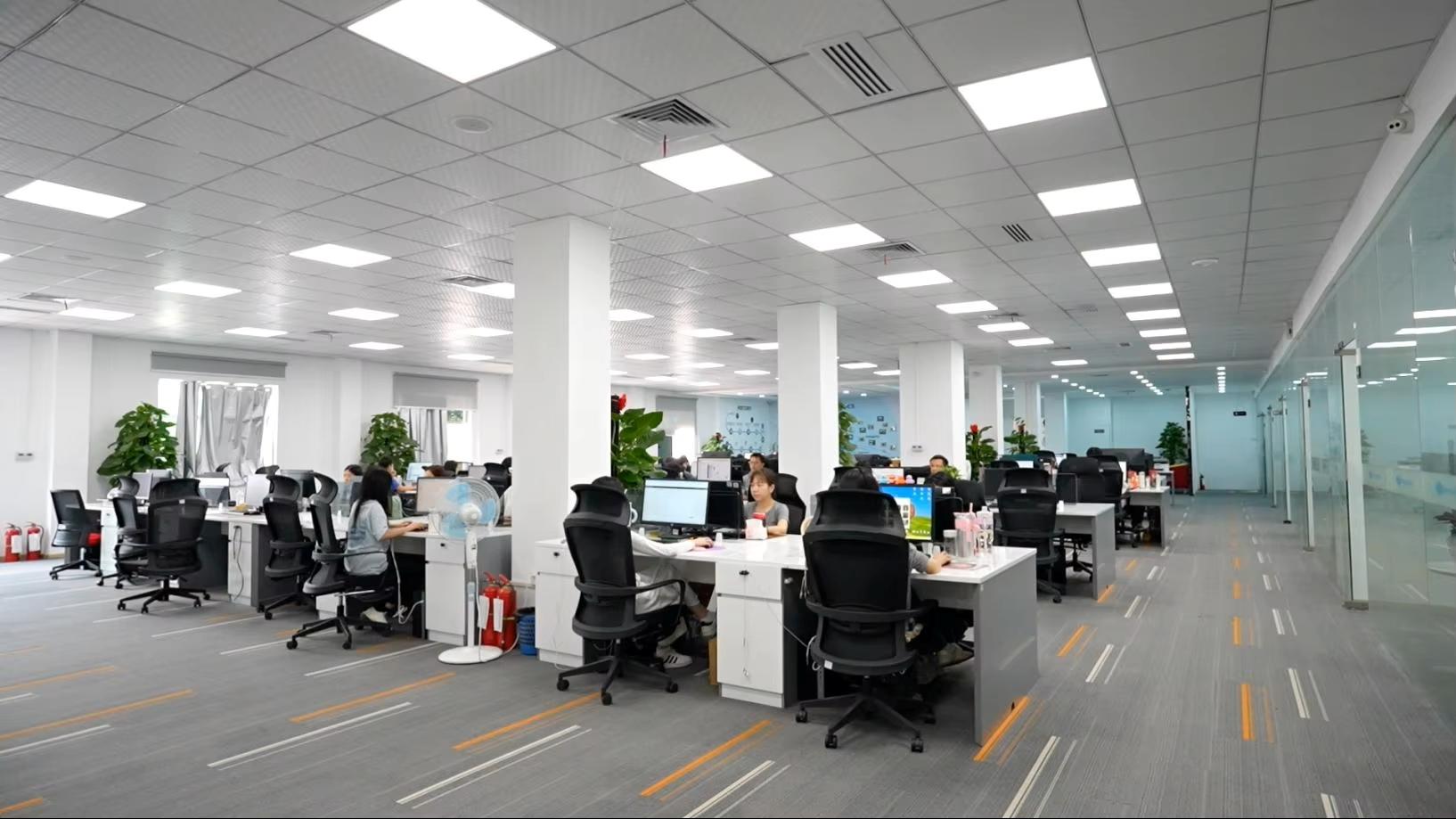
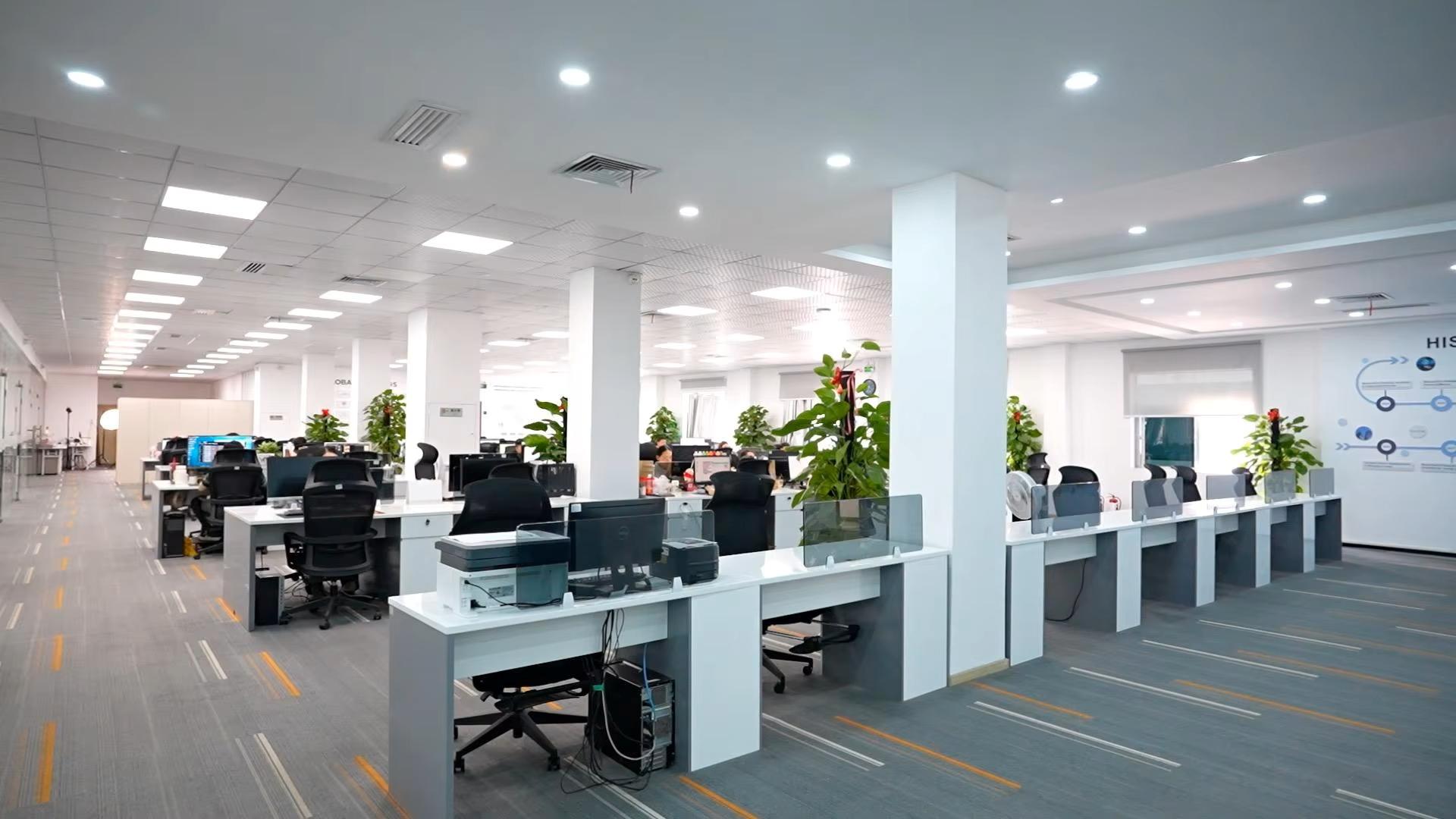
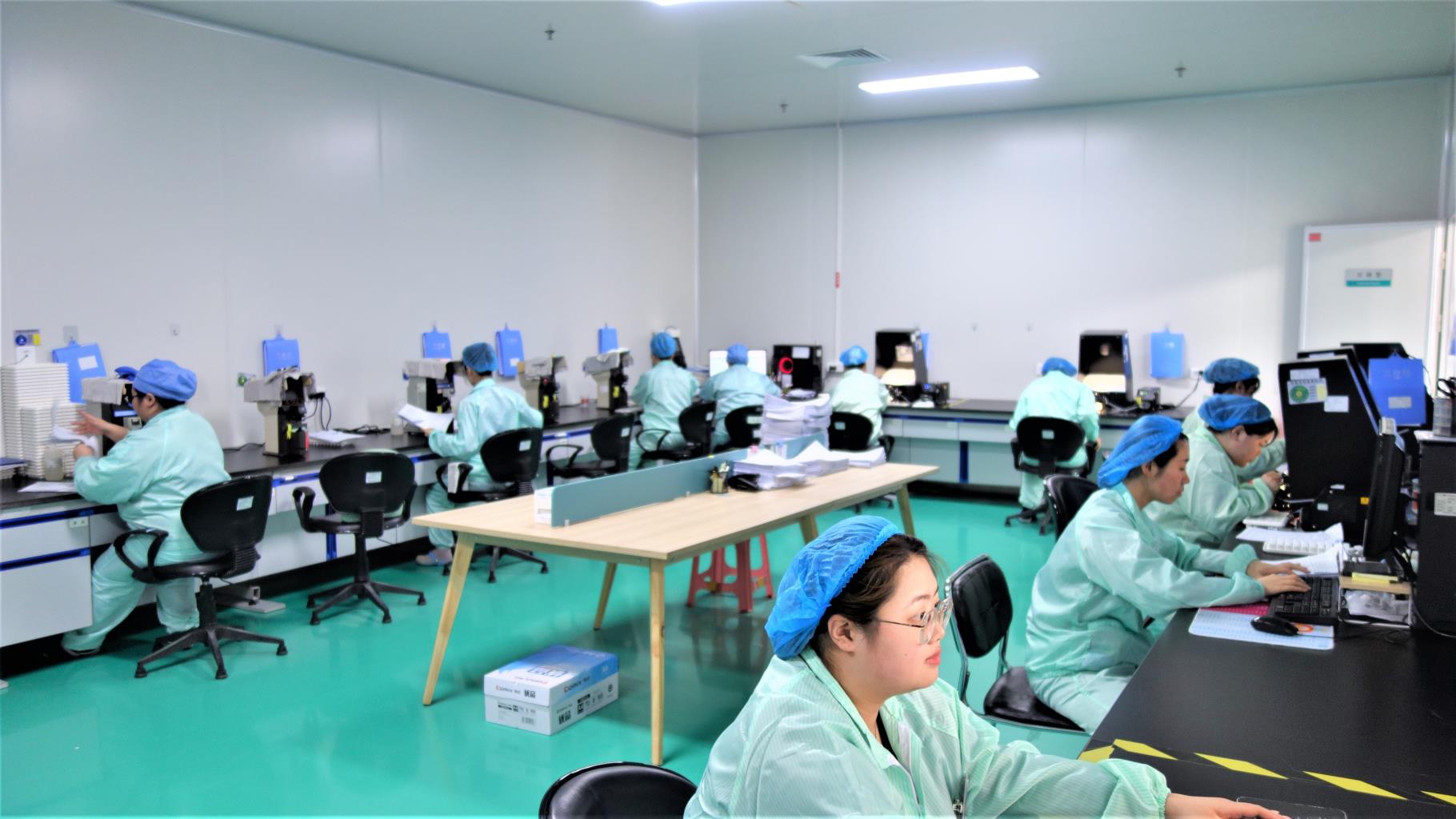
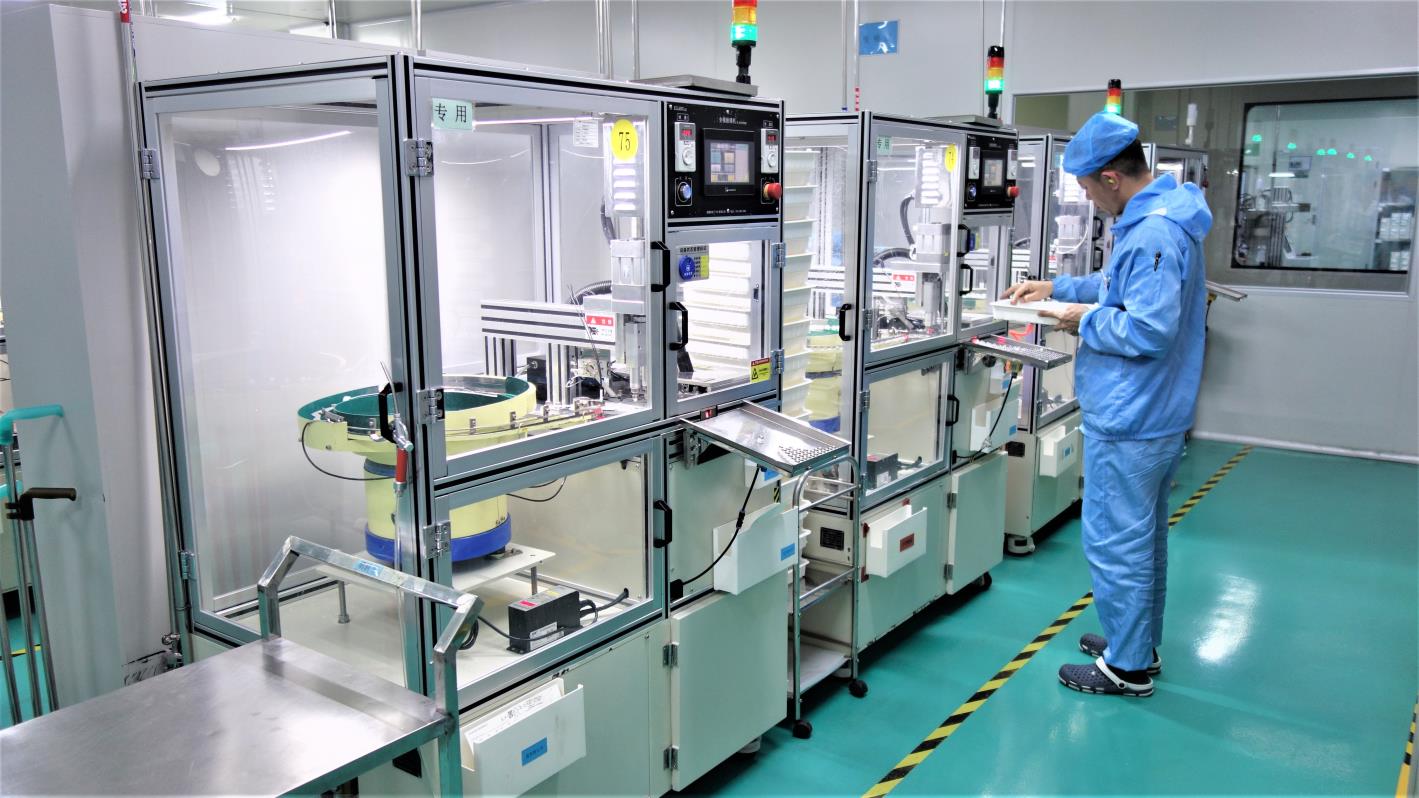
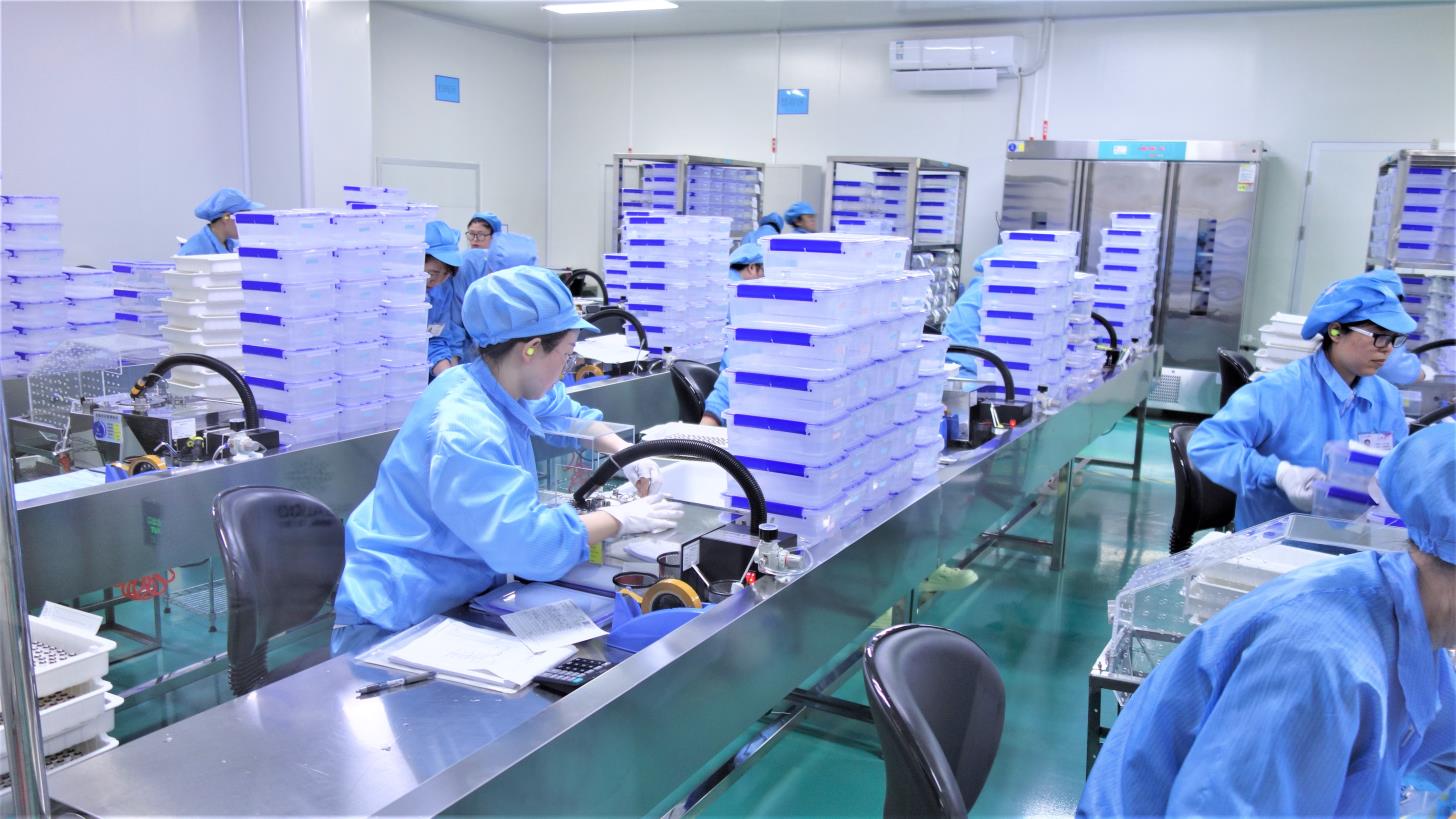
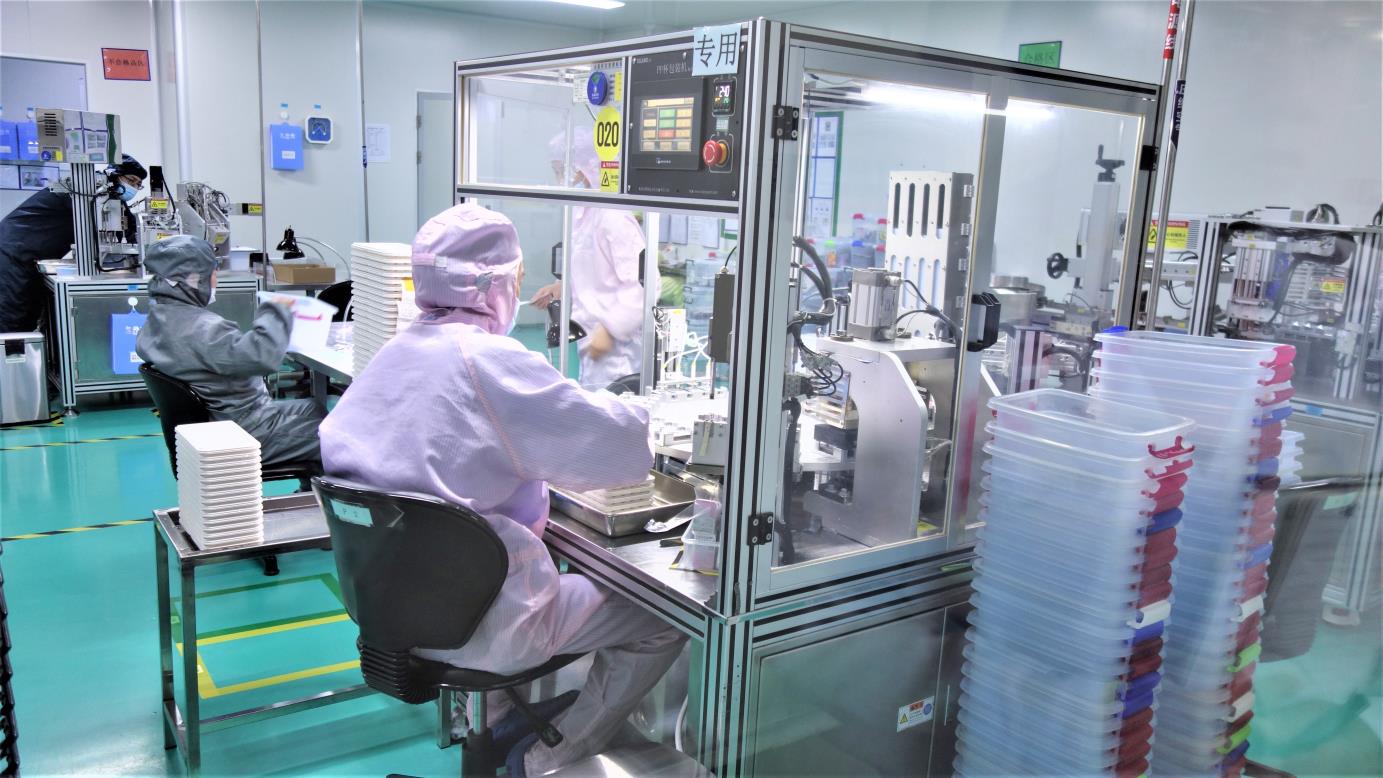
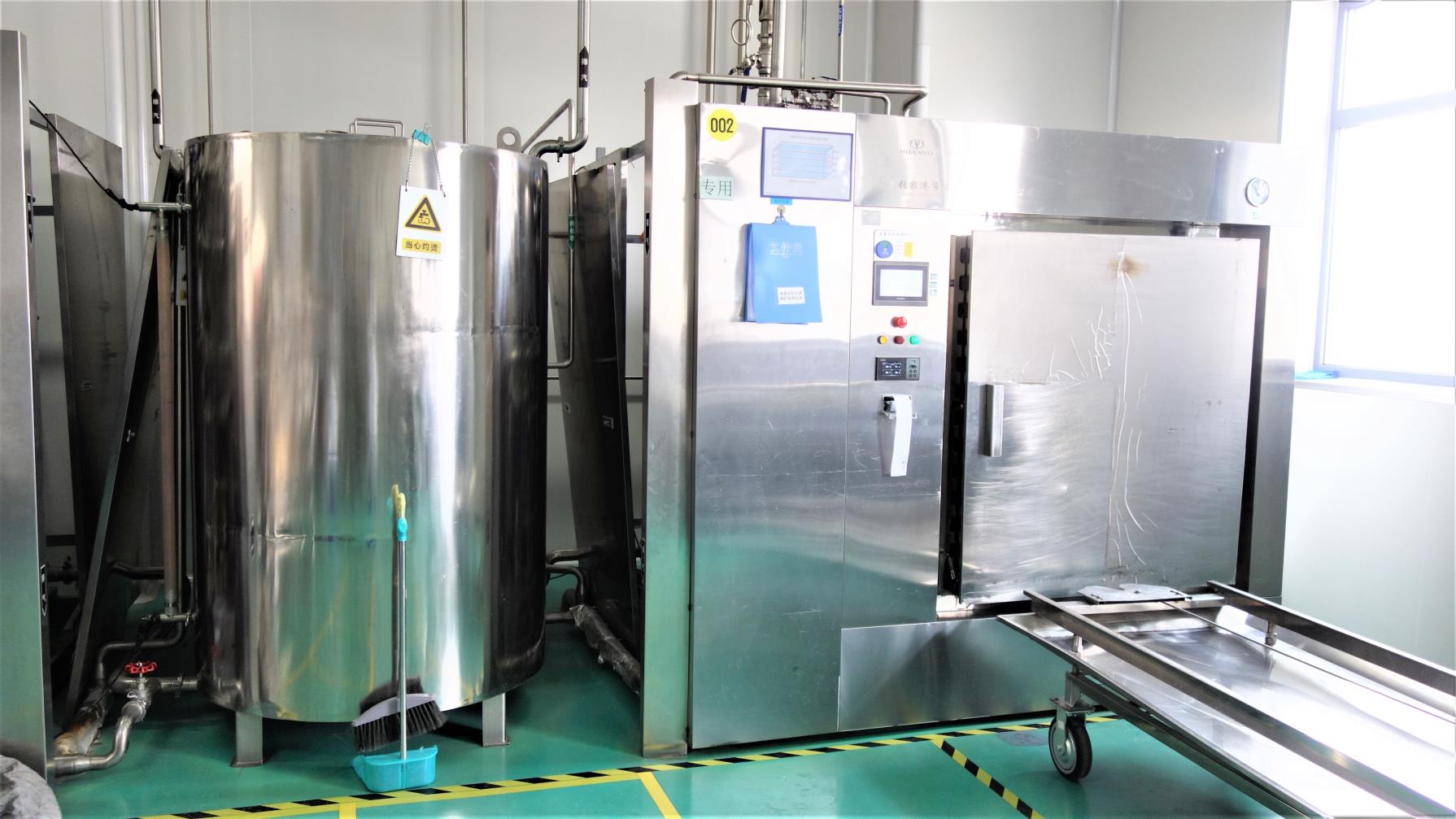
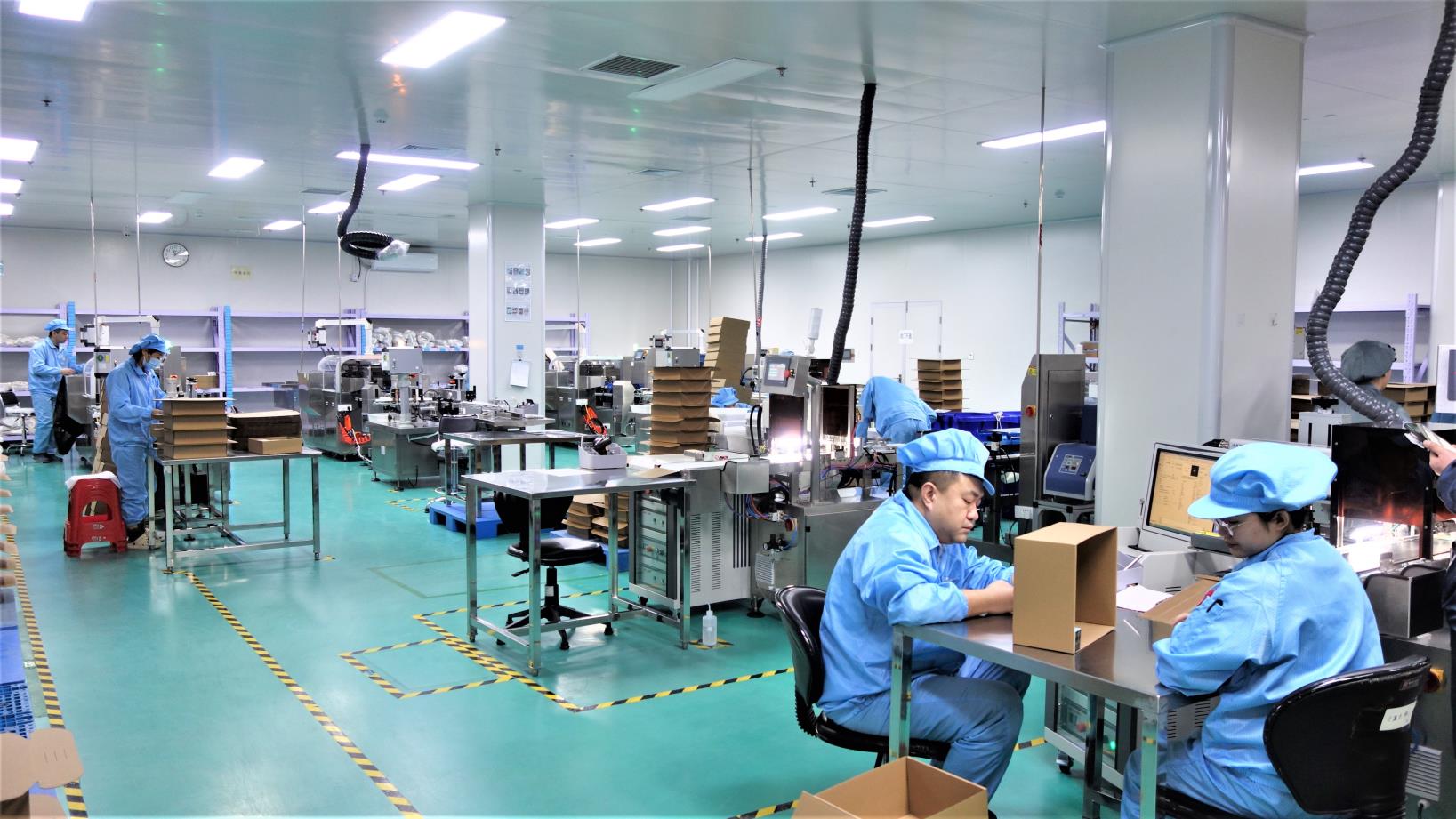
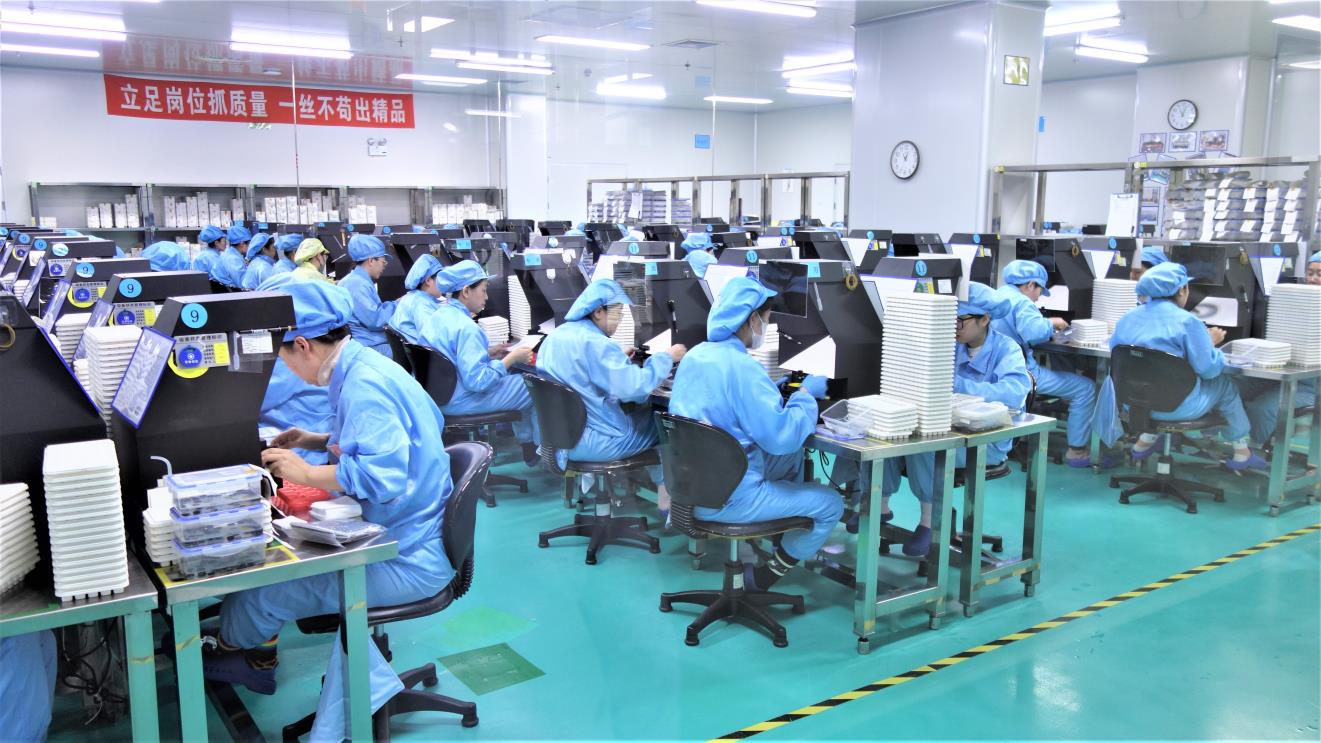
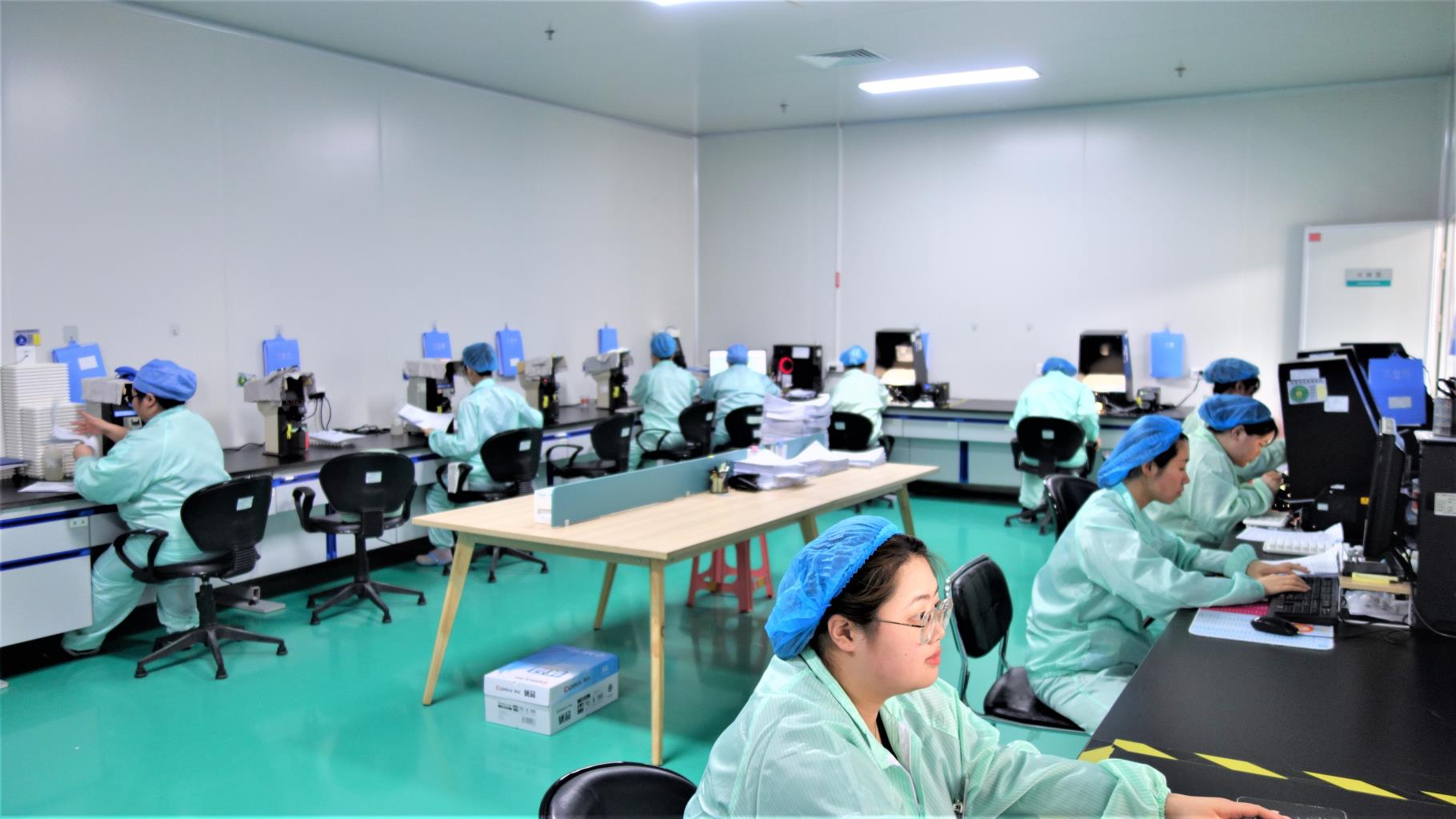
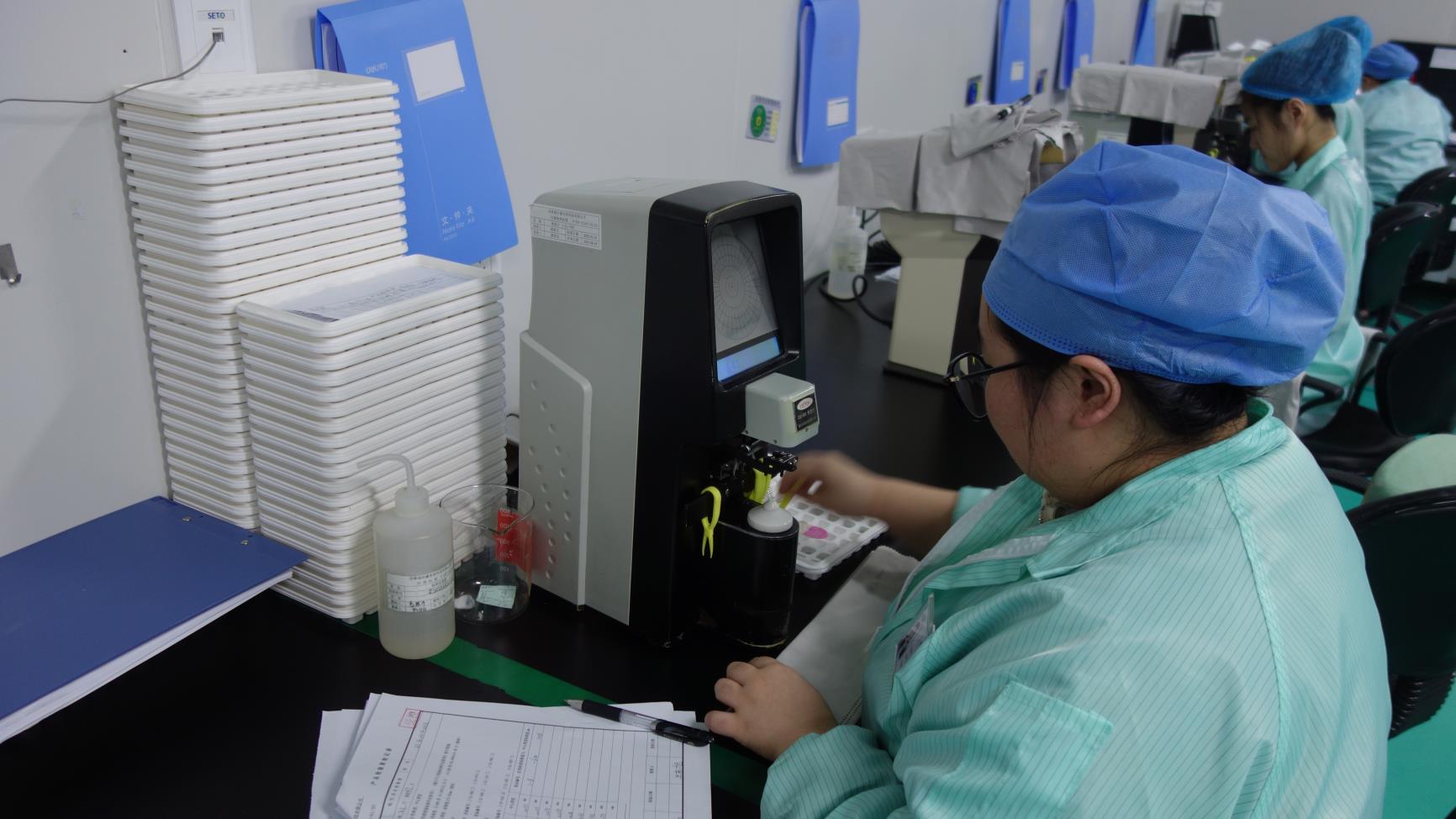
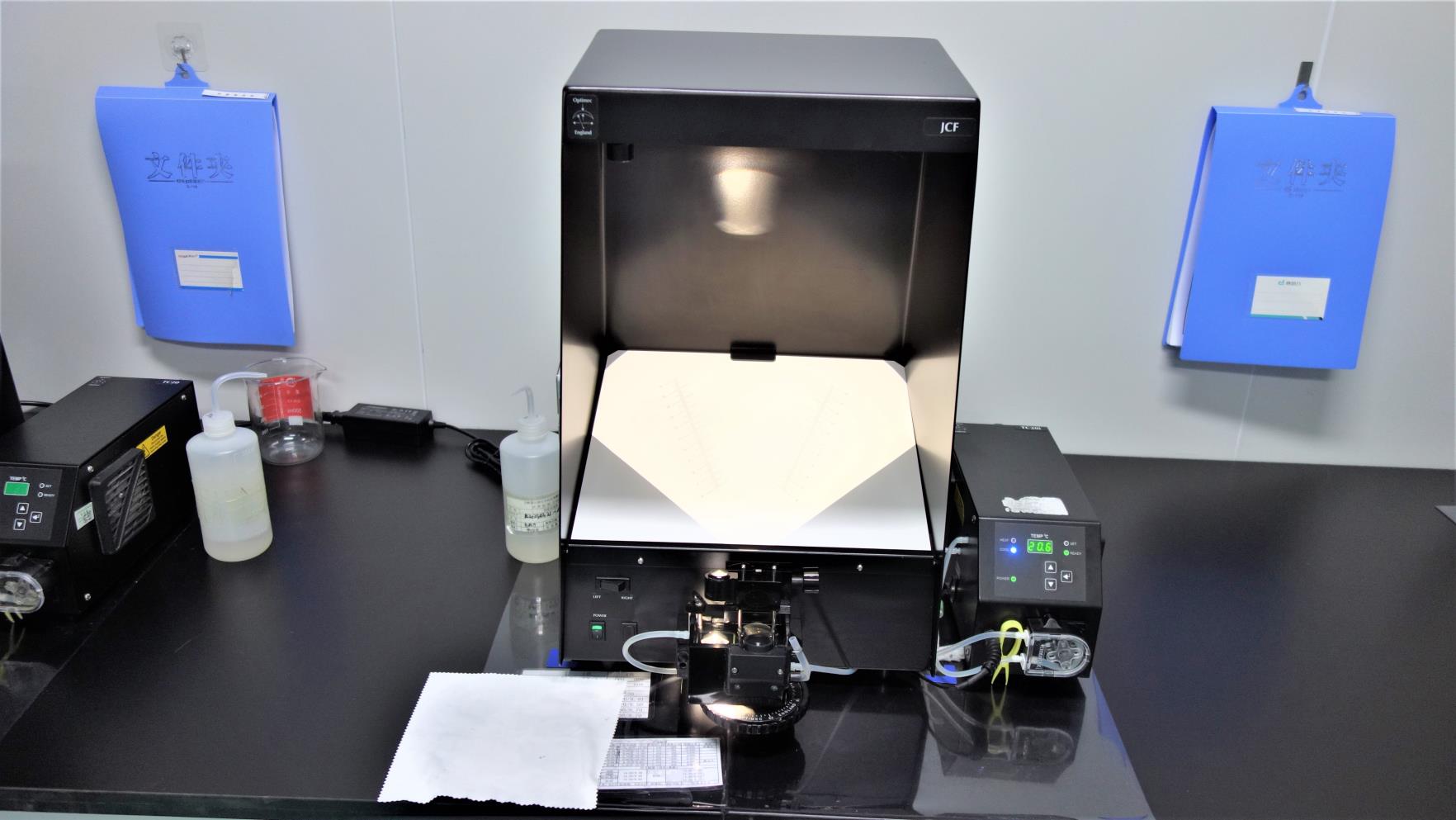
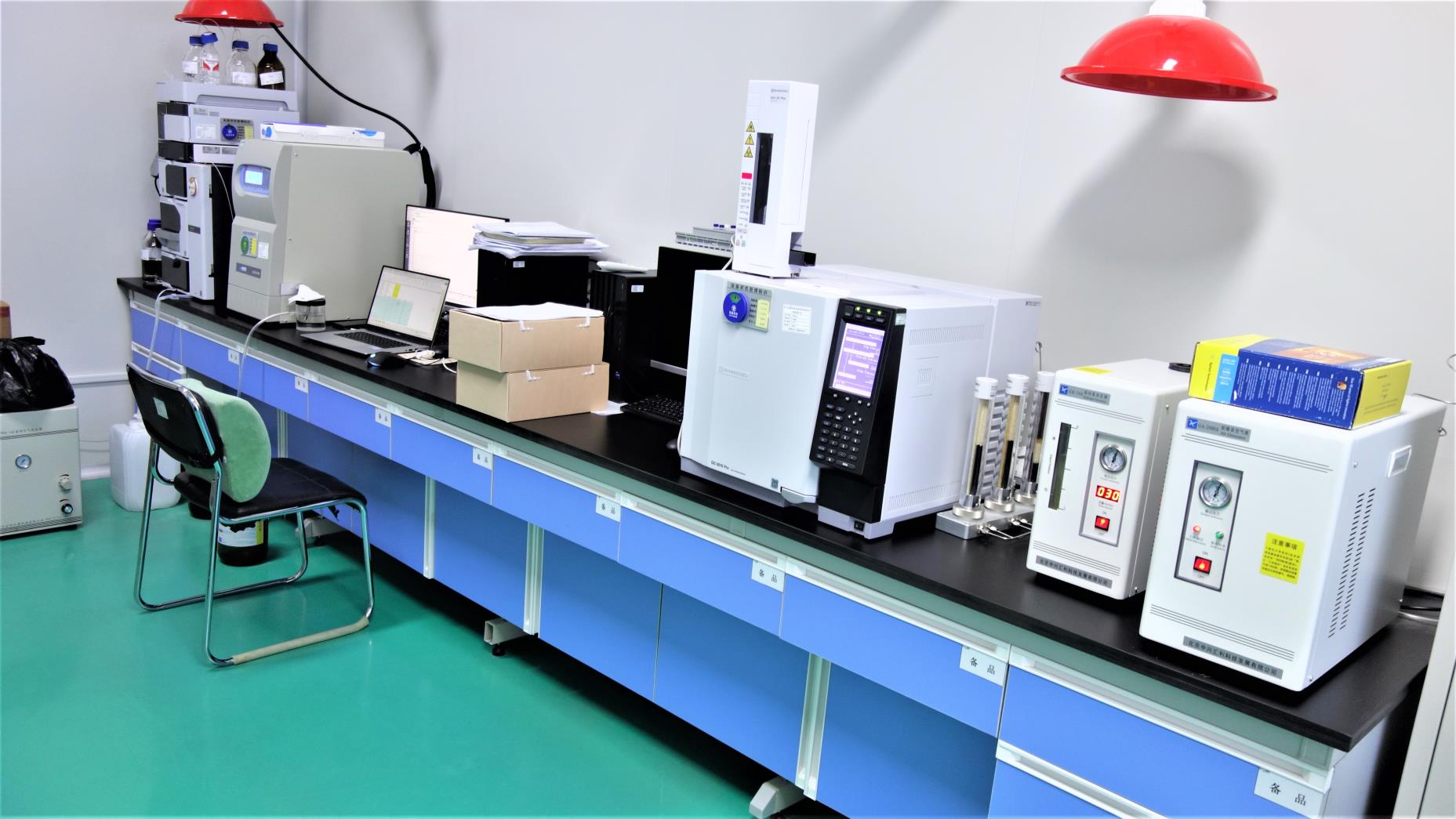
The selection of soft contact lens materials is a key factor in ensuring high compatibility with the delicate corneal microenvironment. Contact lenses destined for the German market utilize specialized HEMA (2-Hydroxyethyl methacrylate) polymers, copolymerized with crosslinkers like NVP (N-Vinylpyrrolidone) to maximize hydration retention. A baseline water content of 40% combined with a thin center profile (typically 0.08mm for plano lenses) strikes the optimal equilibrium between mechanical durability and critical oxygen transmissibility (Dk/t).
Furthermore, cosmetic pigmentation layering must follow strict bio-barrier standards. Modern sandwich technology embeds the colored pigments completely inside the HEMA matrix, preventing any direct contact between the pigment compounds and the corneal epithelium. This non-irritating design guarantees that retail wearers can experience comfortable, long-term wear while avoiding ocular surface disorders.
Answers to critical regulatory, logistical, and custom-design questions frequently asked by German optic importers.
Yes. All export-grade contact lenses from Shenzhen Fresh Vision Co., Ltd. are manufactured using ISO 13485 certified quality management systems. We ensure full material biosafety verification, compliant CE technical documentation, and complete tracking indices to assist importers in satisfying German BfArM and European MDR directives.
For private label and custom packaging projects optimized for German distributors, our baseline MOQ starts at 1,000 pieces per design variant. Sample processing and test mock-ups can be arranged beforehand with our engineering team.
Under standard terms, air freight shipments from Shenzhen to major German logistics gateways (e.g. Frankfurt Airport) take between 5 to 7 business days. We provide clean paperwork, HS code details, and chemical safety declaration profiles to facilitate rapid Zoll clearance.
Yes, we specialize in high-precision power correction customization. Power options range from -0.00 D up to -6.00 D (and up to -10.00 D upon custom request) in precise 0.25 D increments, utilizing highly accurate molding systems.
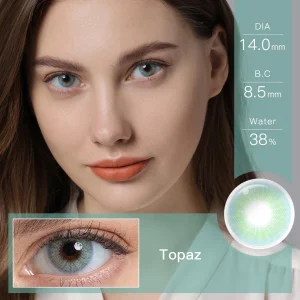
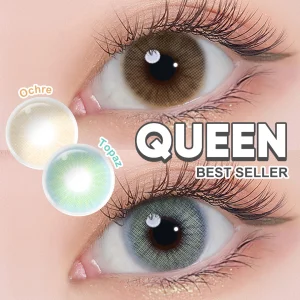
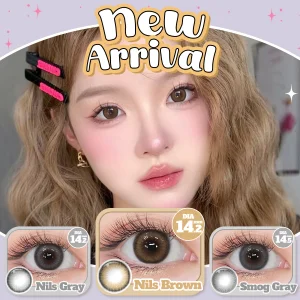
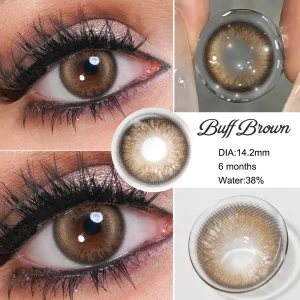
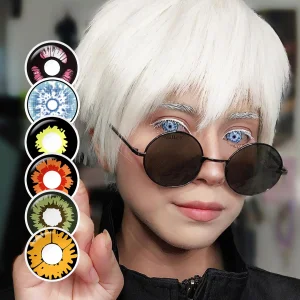
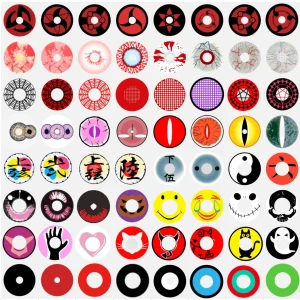
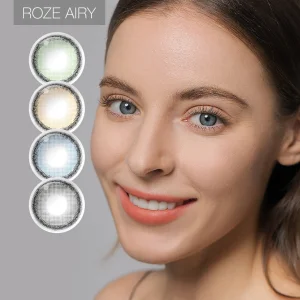
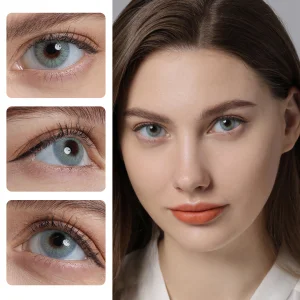
Explore our complete range of corrective and fashion lenses. Ideal for wholesale import, bulk supply chains, and private-label distributors in Germany.