Fresh Lenses
Fresh Lenses
Fresh Lenses
Experience-driven manufacturing featuring state-of-the-art moisture retention technology, certified for international compliance and bespoke private-label packaging.
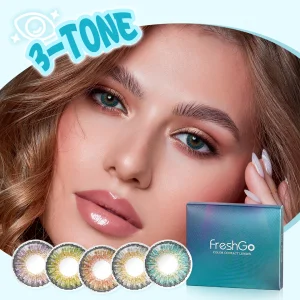
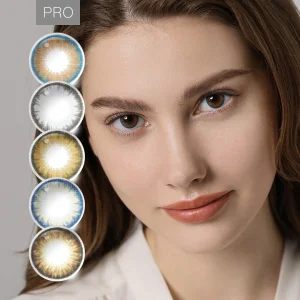
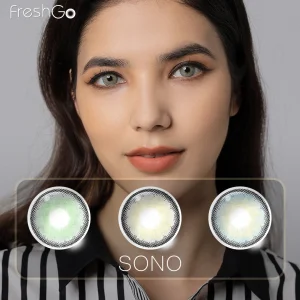
The Greater Philadelphia optical market, stretching from Center City to the suburban hubs of Montgomery and Delaware counties, is experiencing a structural shift in eye care retail. Driven by a dense concentration of academic medical institutions—such as the University of Pennsylvania Health System, Temple Health, and the renowned Salus University Pennsylvania College of Optometry—the region boasts an sophisticated network of ophthalmology and optometry practitioners. Consequently, consumer demand has transitioned from general mass-market products to high-performance, personalized contact lenses.
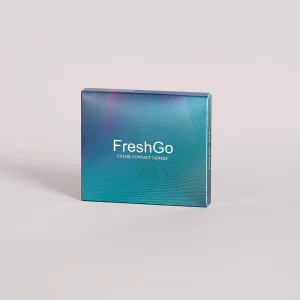
For independent private practices, regional optometry chains, and boutique color lens retailers throughout Philadelphia, sourcing high-grade contact lenses under private label programs (OEM/ODM) is essential for maintaining robust margins. As commercial costs rise in historical retail zones like Chestnut Street or Walnut Street, optical companies must distinguish their portfolios from generic e-commerce platforms. Offering custom-branded Daily Disposable and Cosmetic Color Contact Lenses allows Philadelphia optical suppliers to control local pricing structures and foster patient loyalty.
Furthermore, local safety regulations and demographic preferences dictate the types of materials required in the Mid-Atlantic zone. Philadelphia suffers from distinct seasonal variations; dry indoor heating in the winter and humid summer heatwaves make tear film stability and high oxygen transmissibility (Dk/t) paramount. This environmental reality highlights the shift towards Silicone Hydrogel compositions and biomimetic hydrophilic hydrogels, which are core elements of our manufacturing lineup.
Underwritten by Shenzhen Fresh Vision Co., Ltd.—our partner in advanced ocular engineering and production compliance.
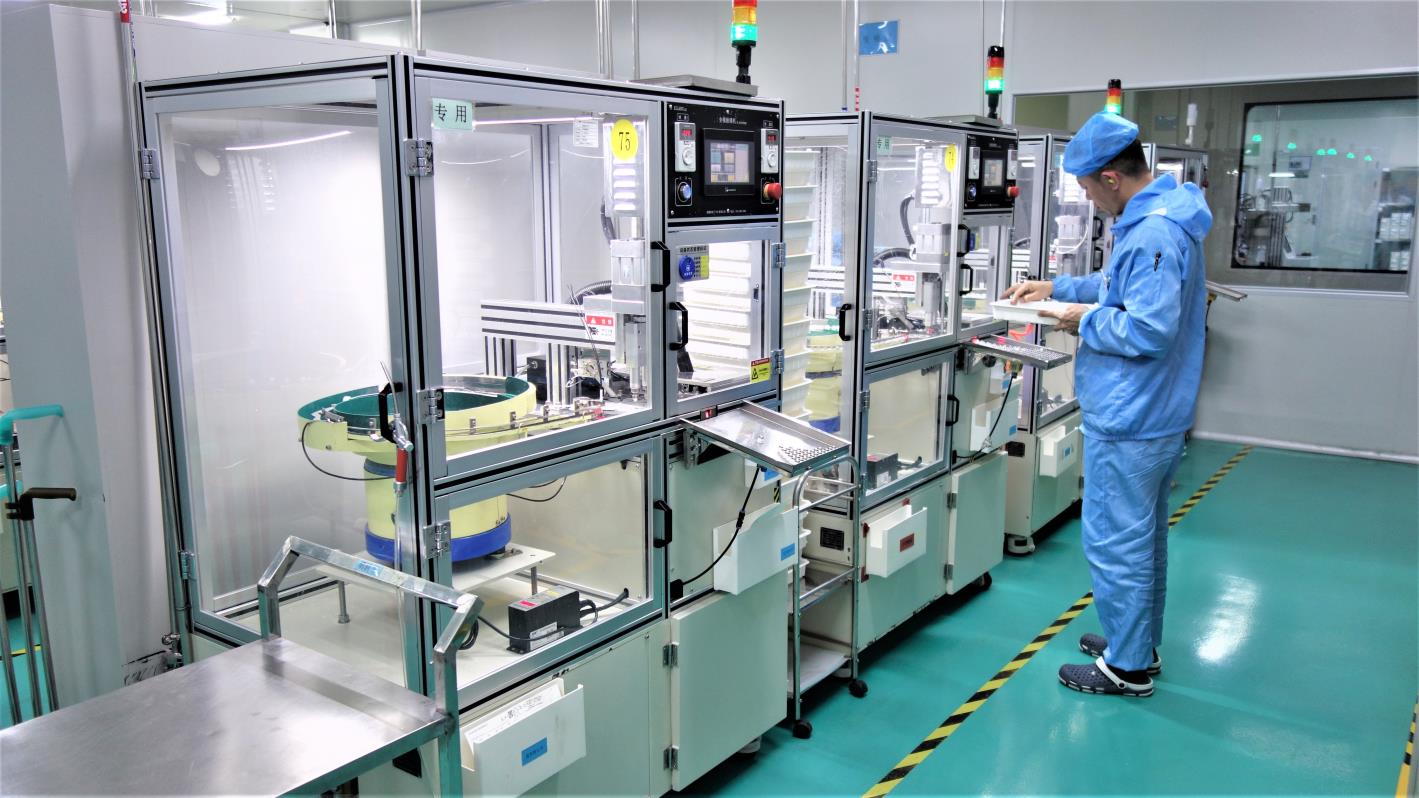
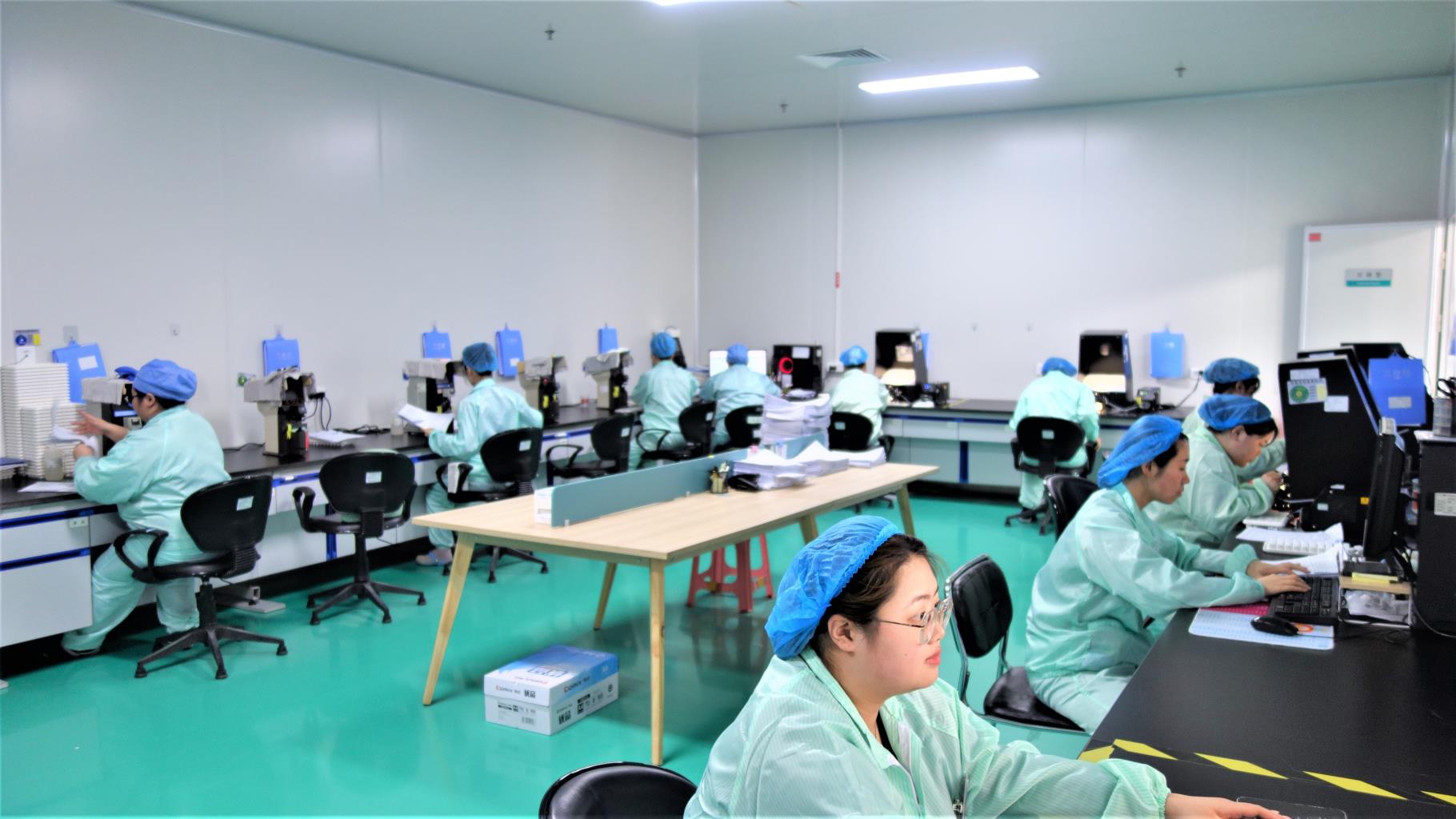
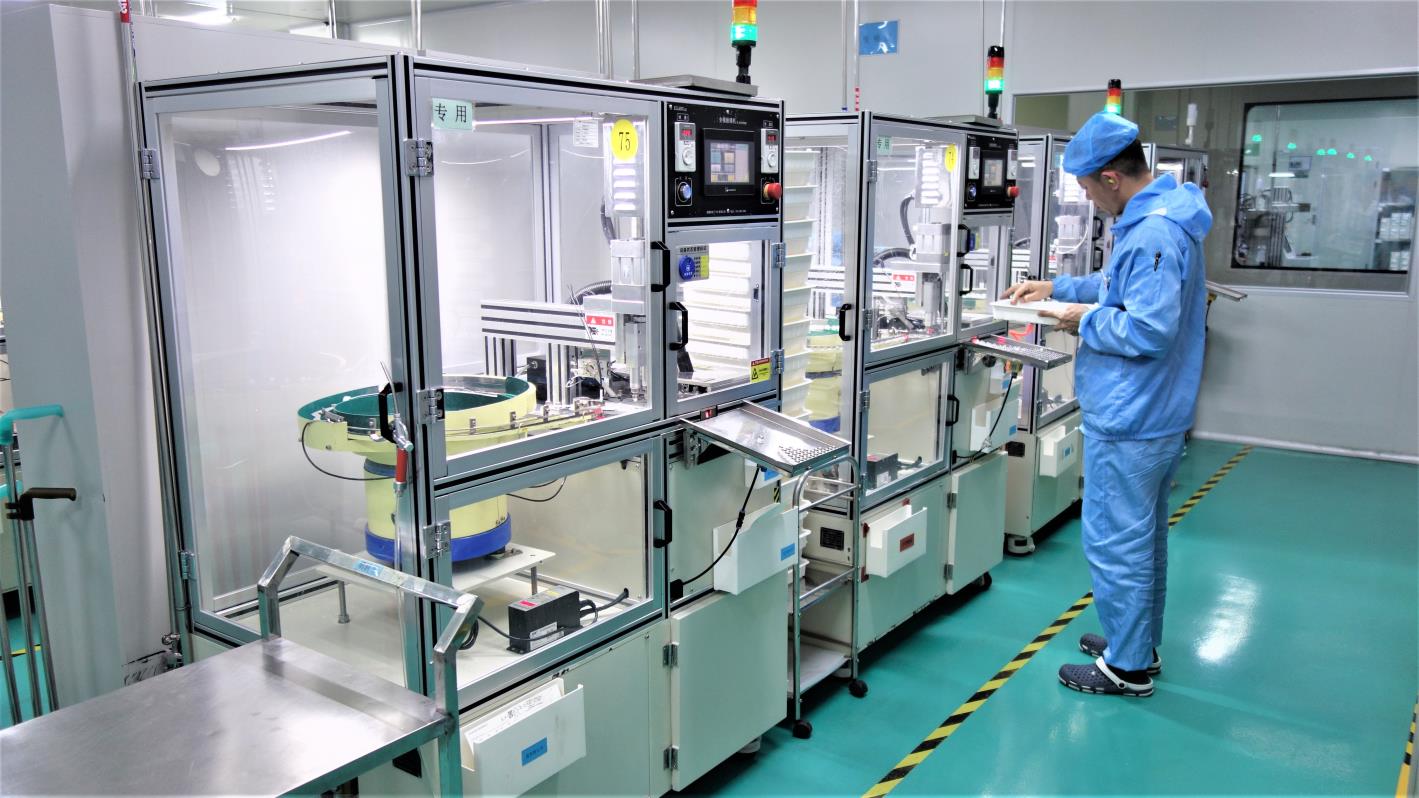
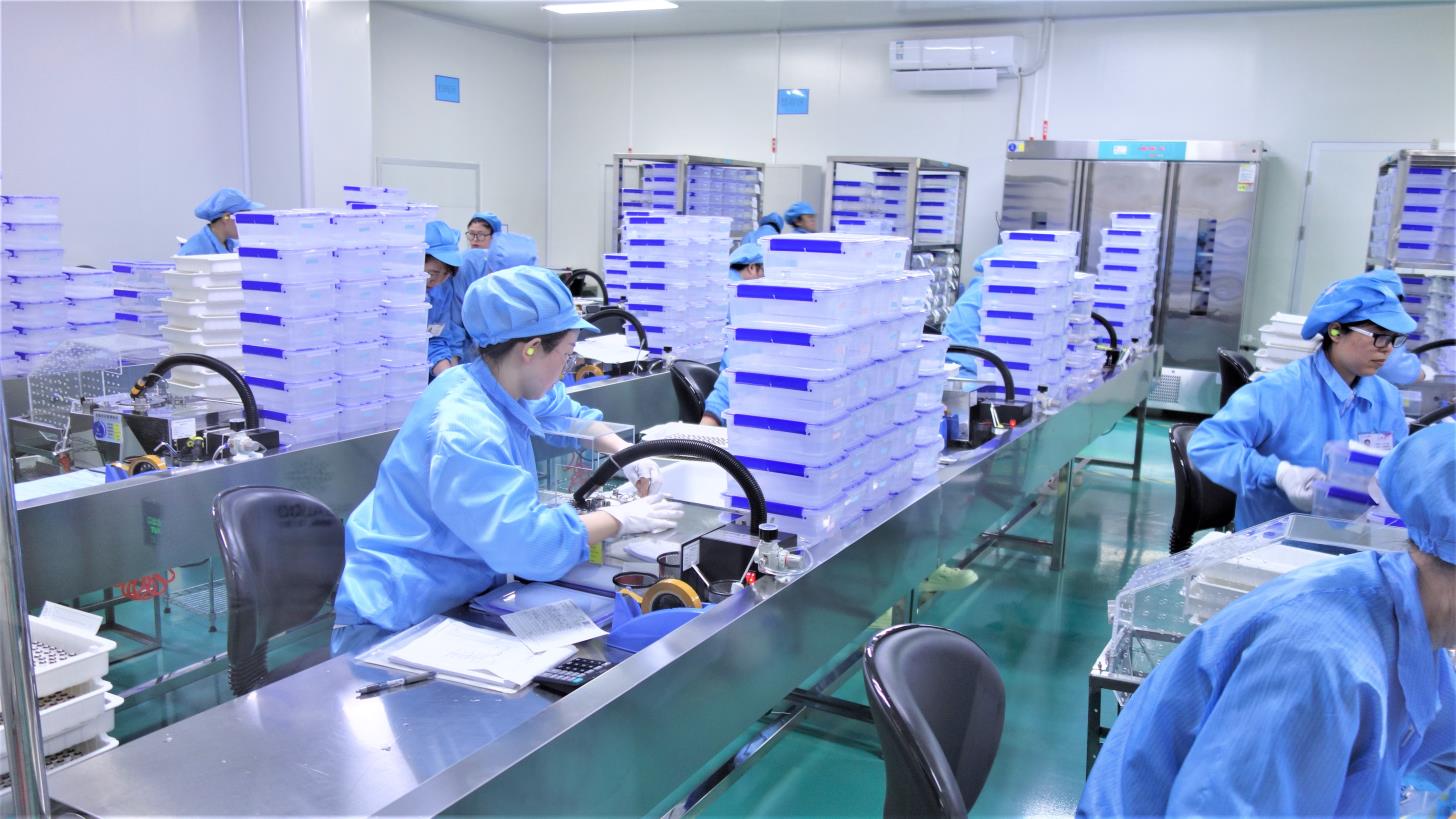
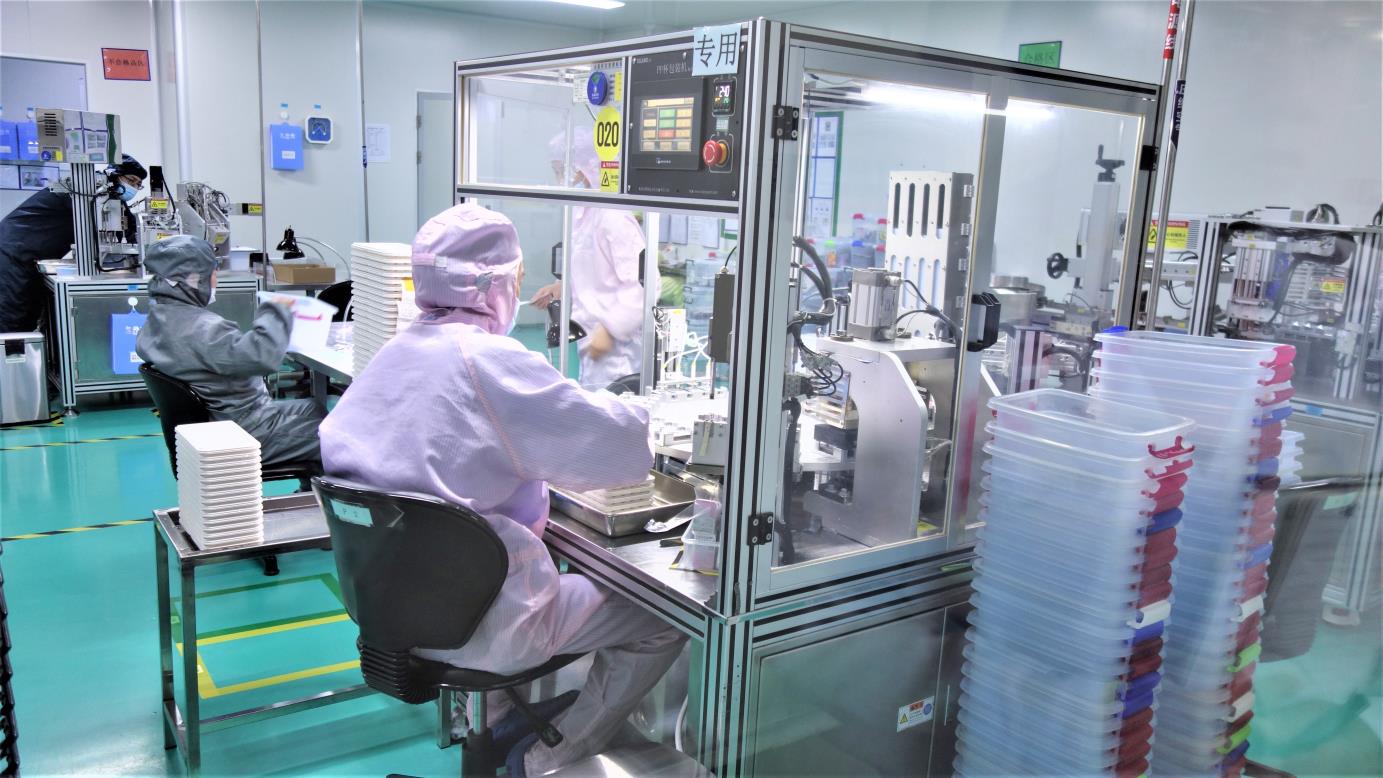
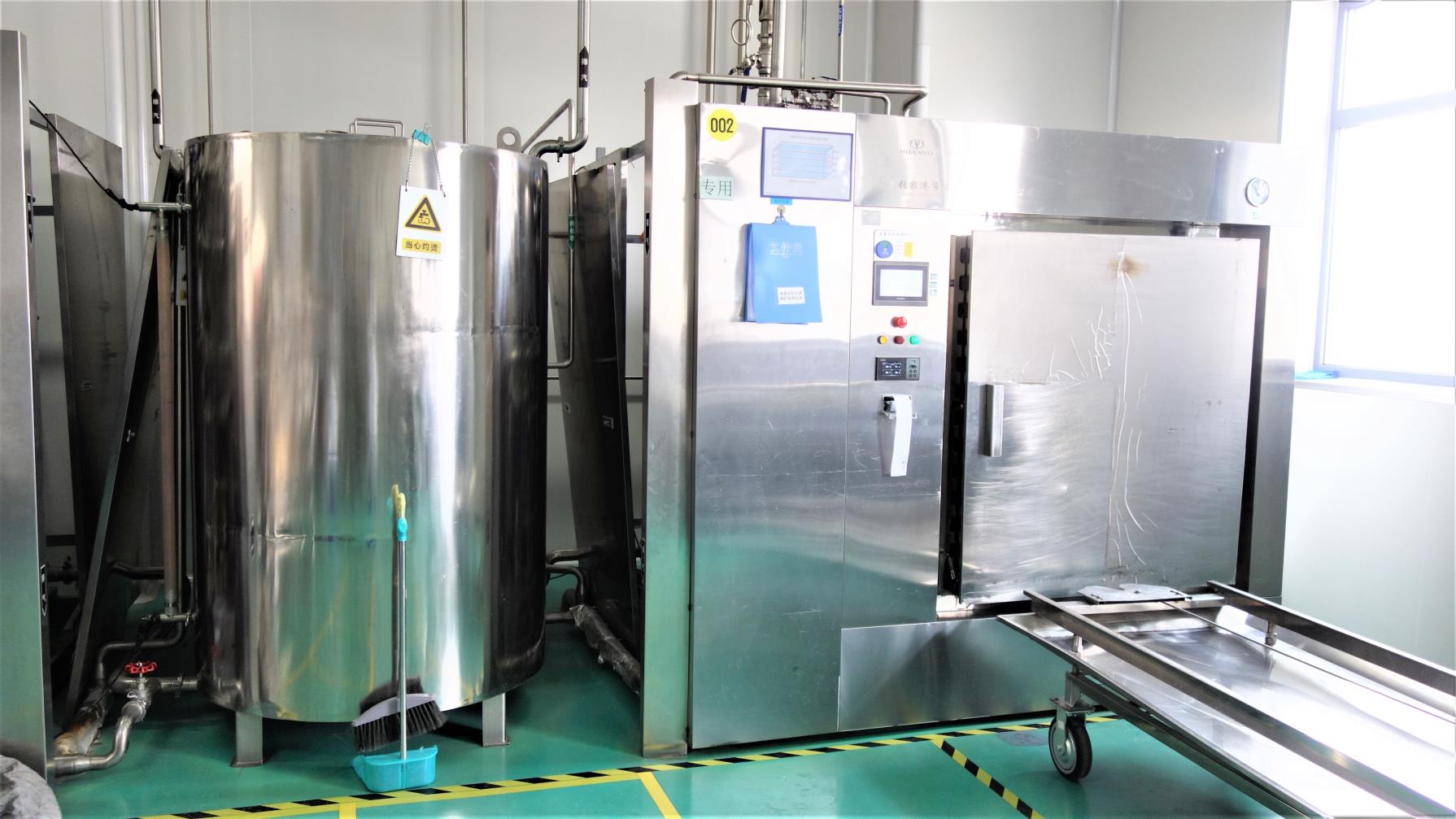
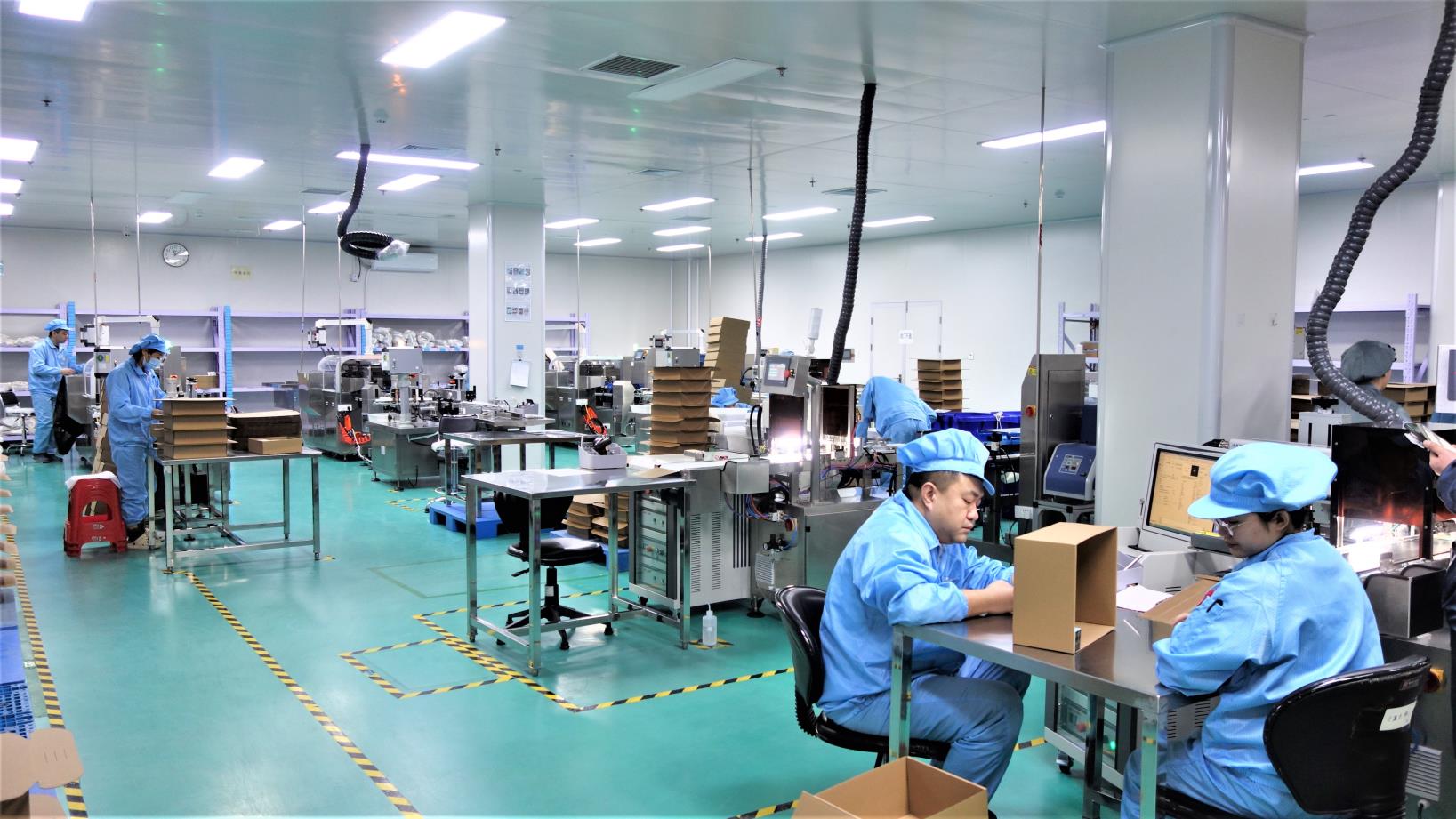
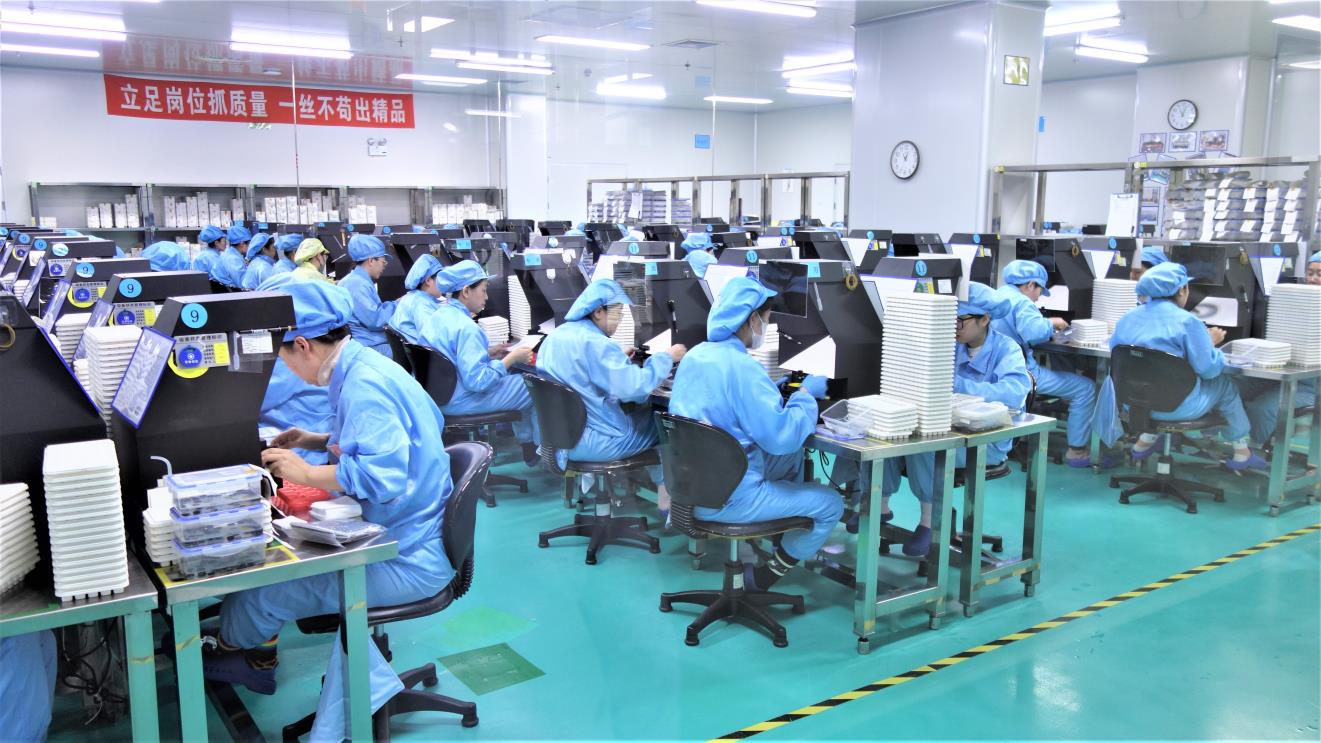
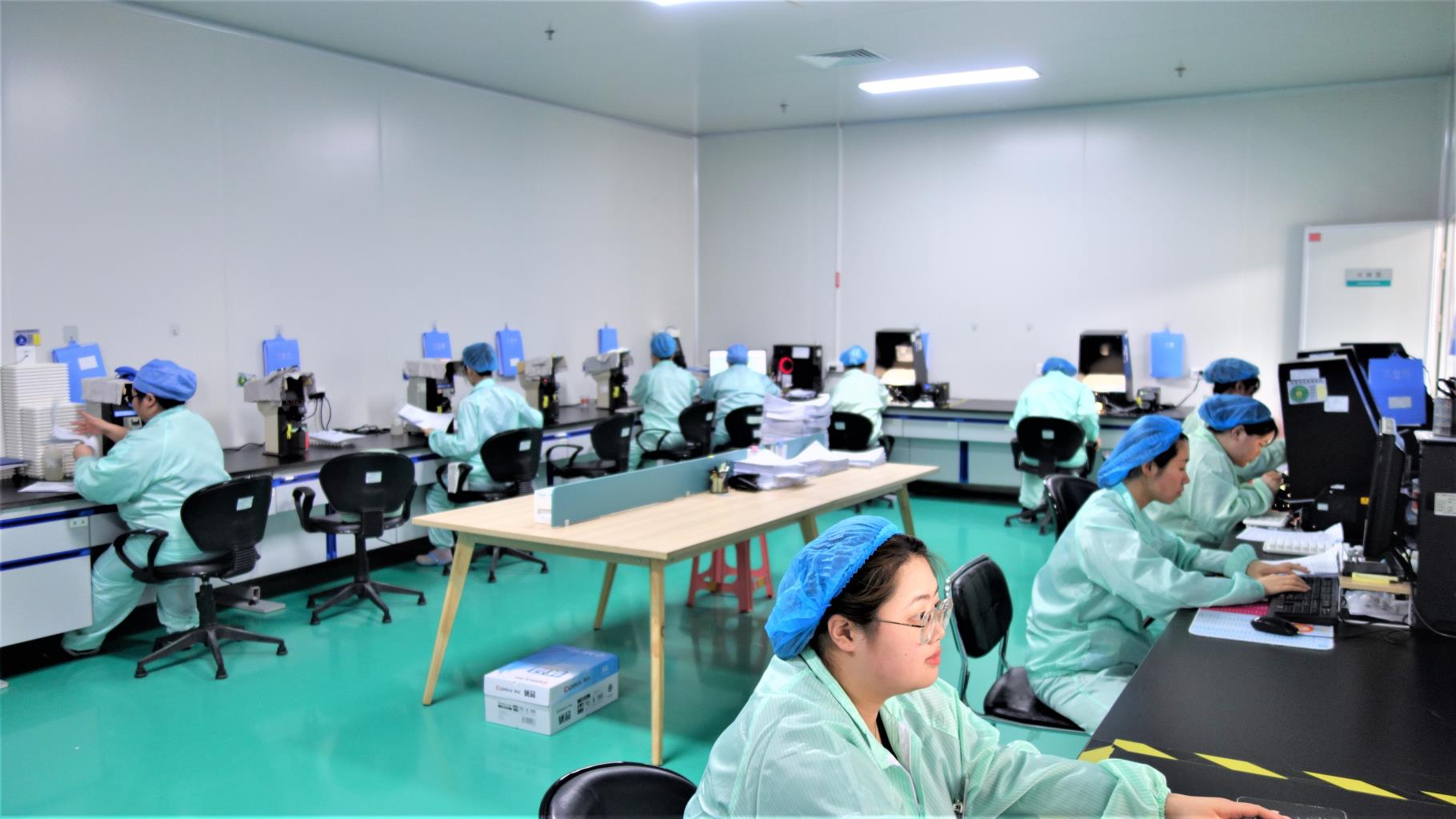
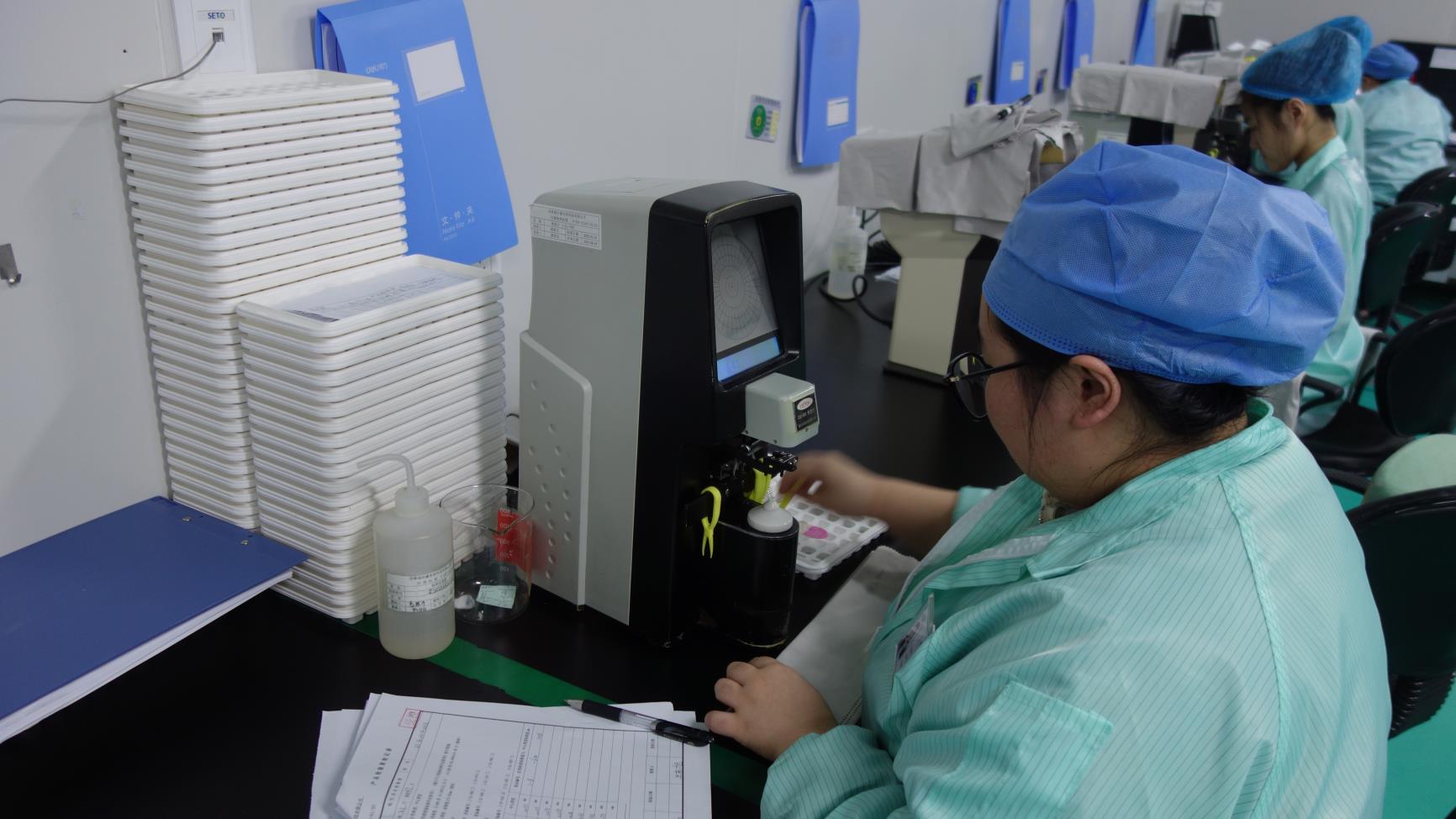
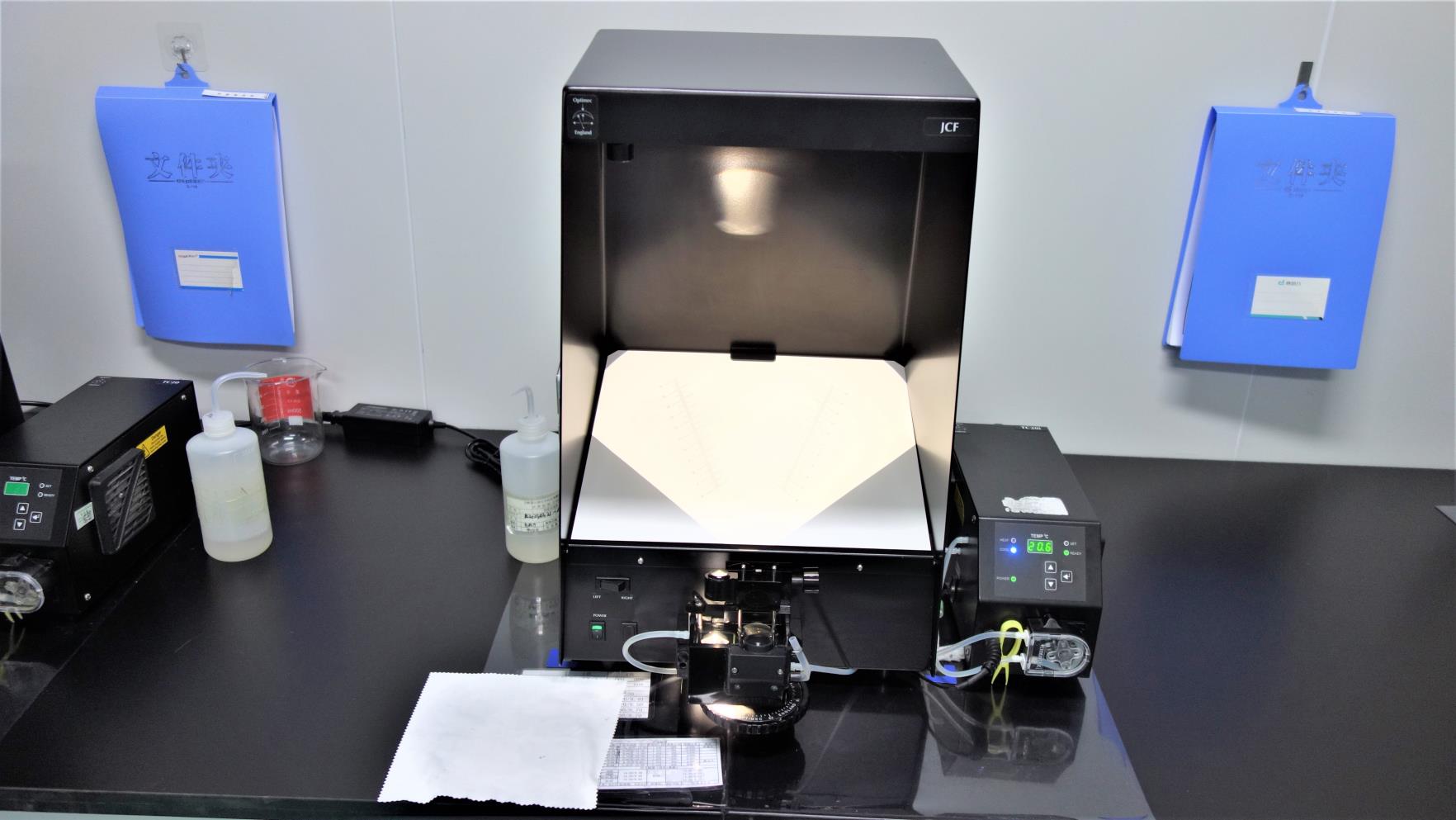
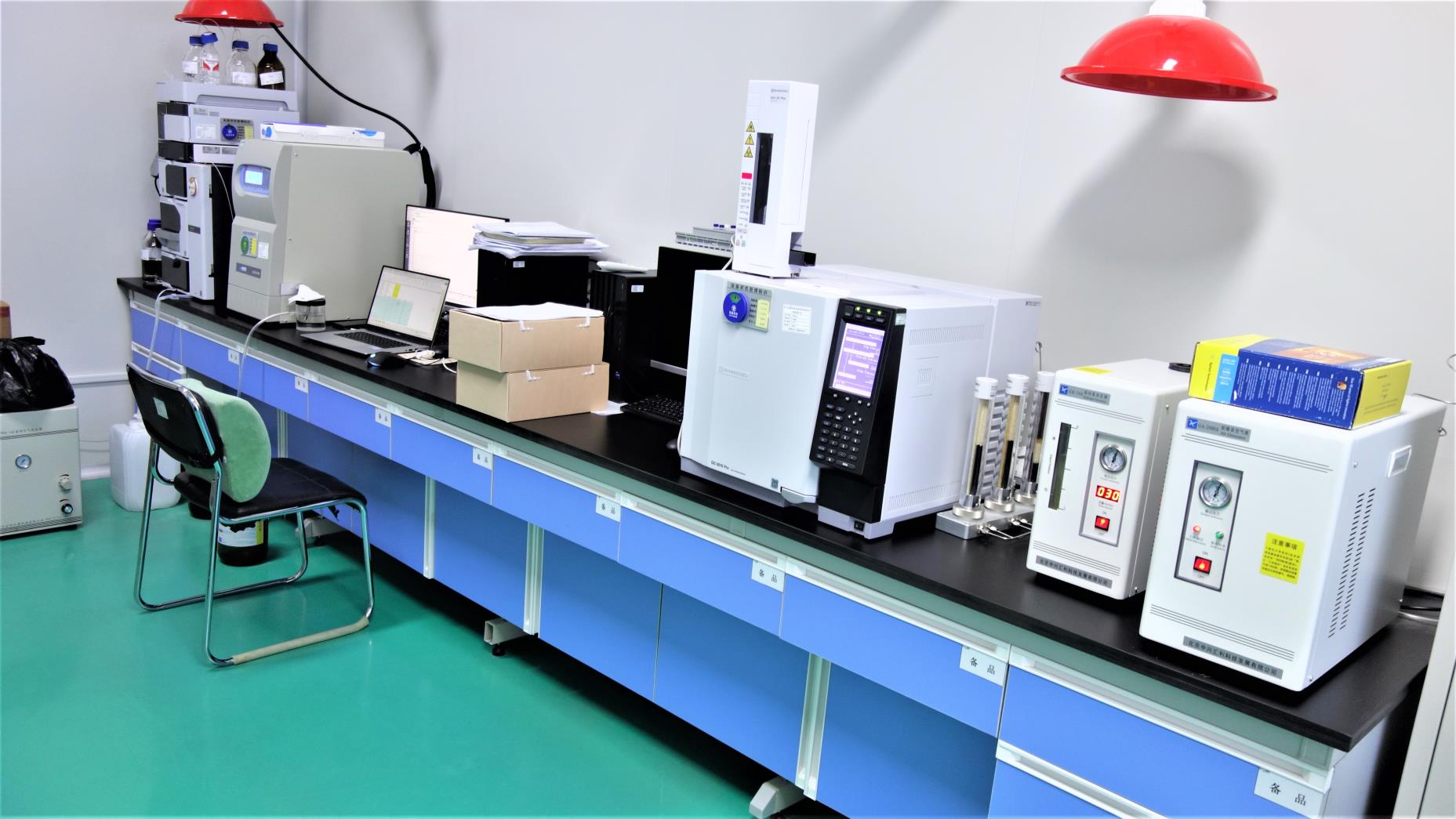
Operating a contact lens OEM facility requires strict compliance with medical device standards. Every step of the production run—from initial raw material sourcing (monomer synthesis) to final packaging and autoclave sterilization—undergoes meticulous tracking. Our partner facility operates a dedicated R&D lab supported by 5 expert engineers (comprising 3 graduate ocular biomaterial specialists and 2 junior college engineers). Every production line is inspected at multiple key points, guaranteeing that optical center thickness, base curve radius, and edge geometry match design parameters perfectly.
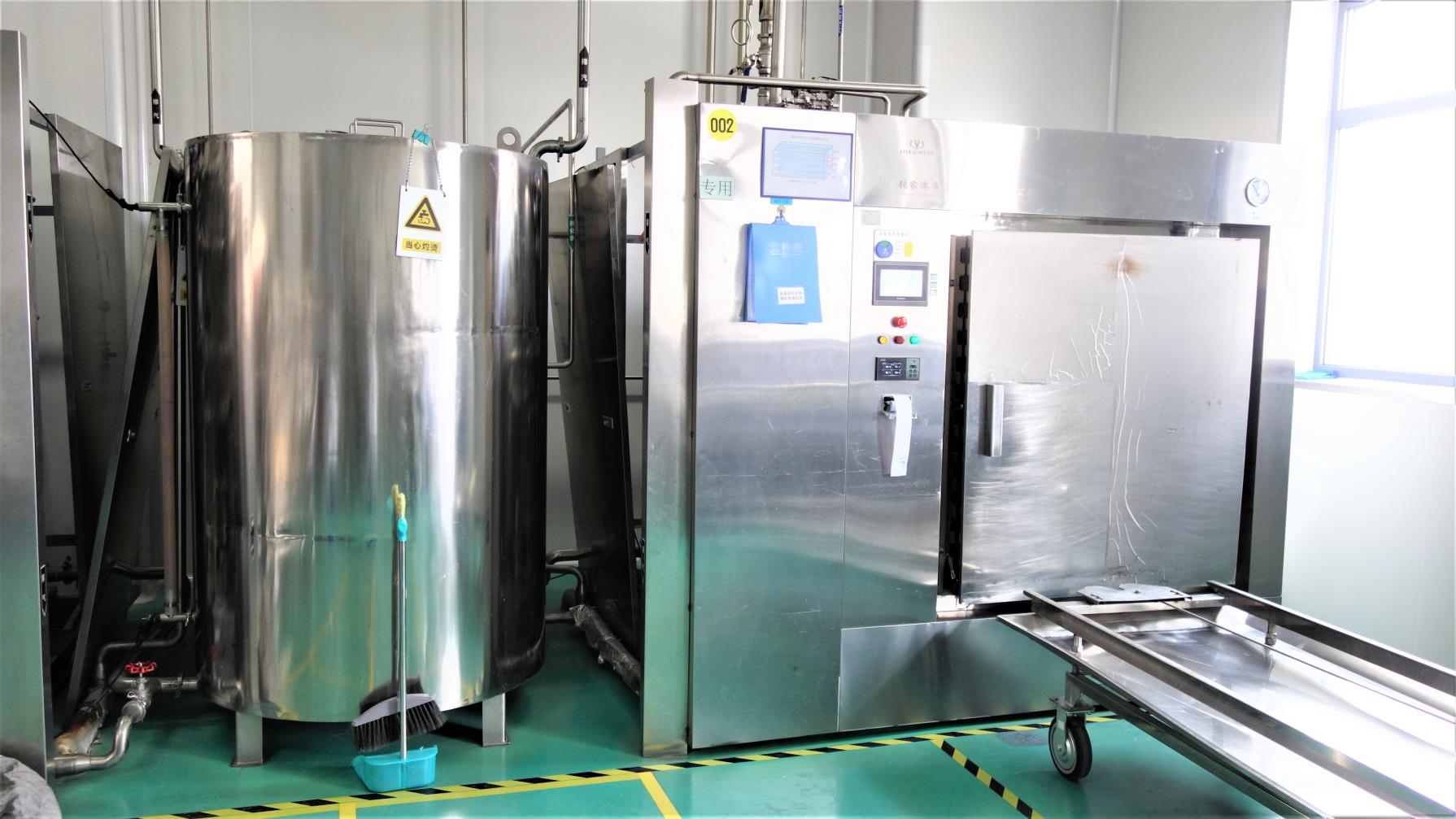
Our quality assurance measures include: Raw Materials Traceability (monomer lot verification), Inline AOI Inspection (Automated Optical Inspection for cosmetic defect checking), Gravimetric Water Content Testing, and Over-Sterilization Verification in high-pressure autoclaves to ensure absolute sterility.
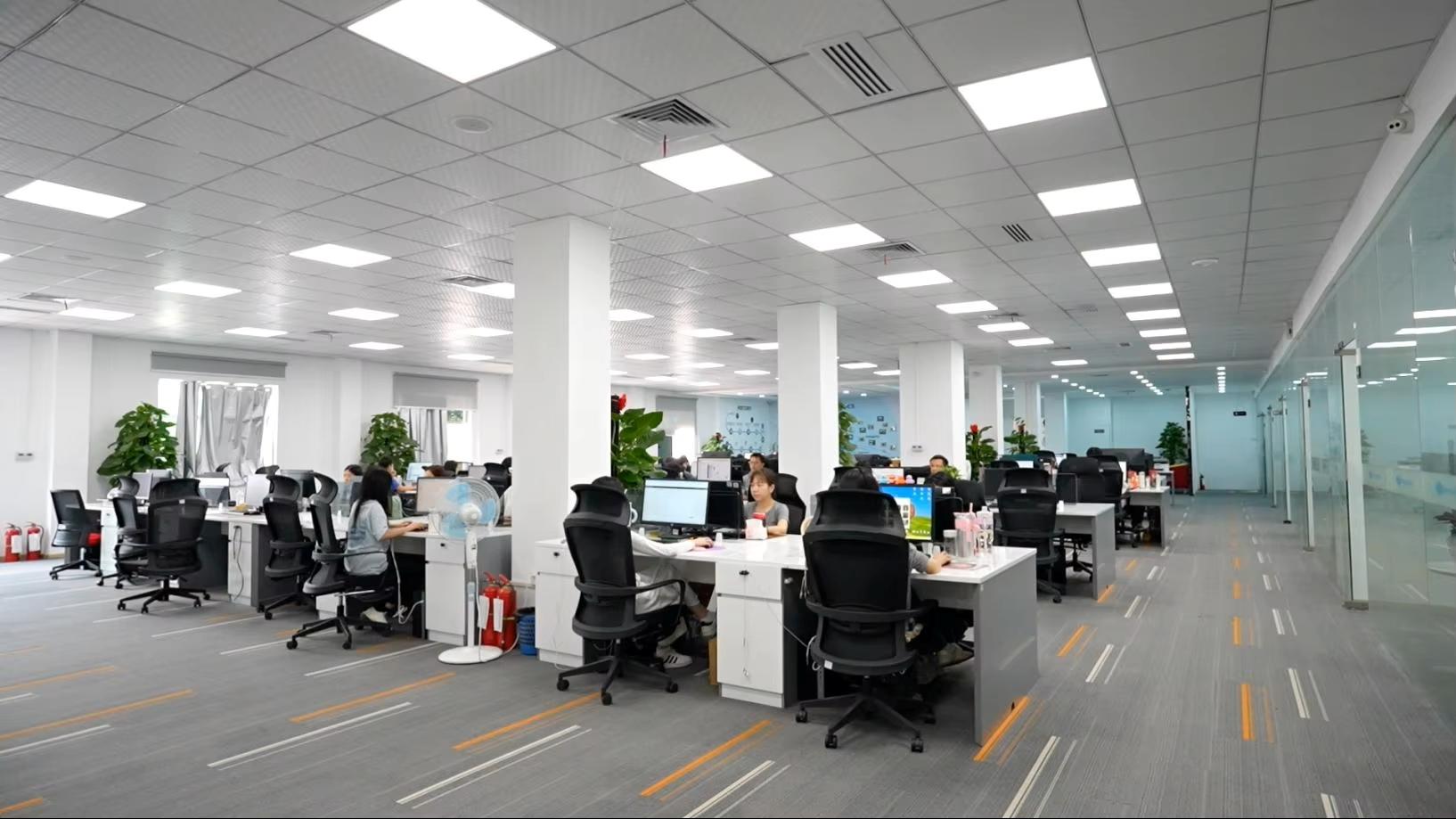
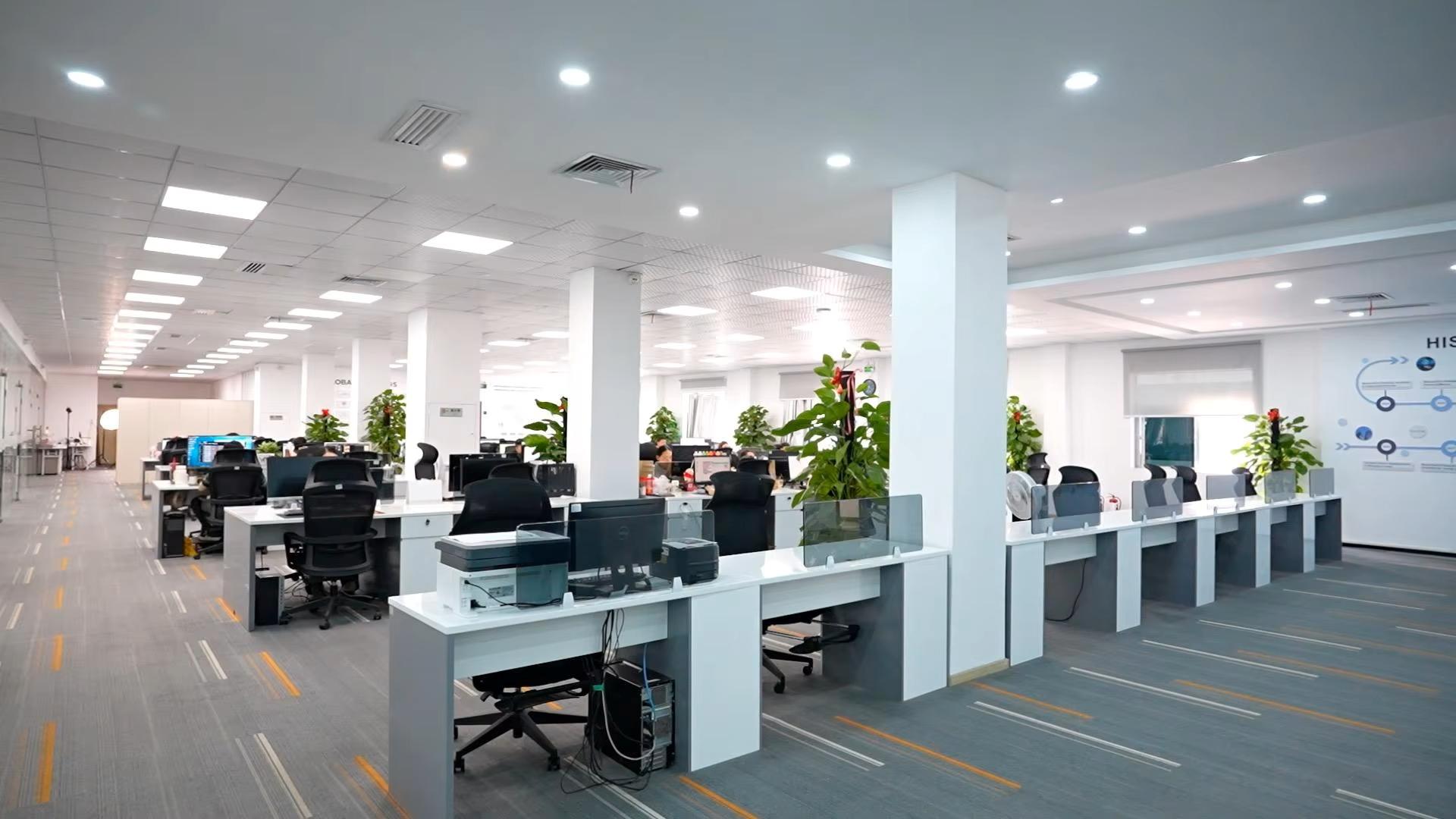
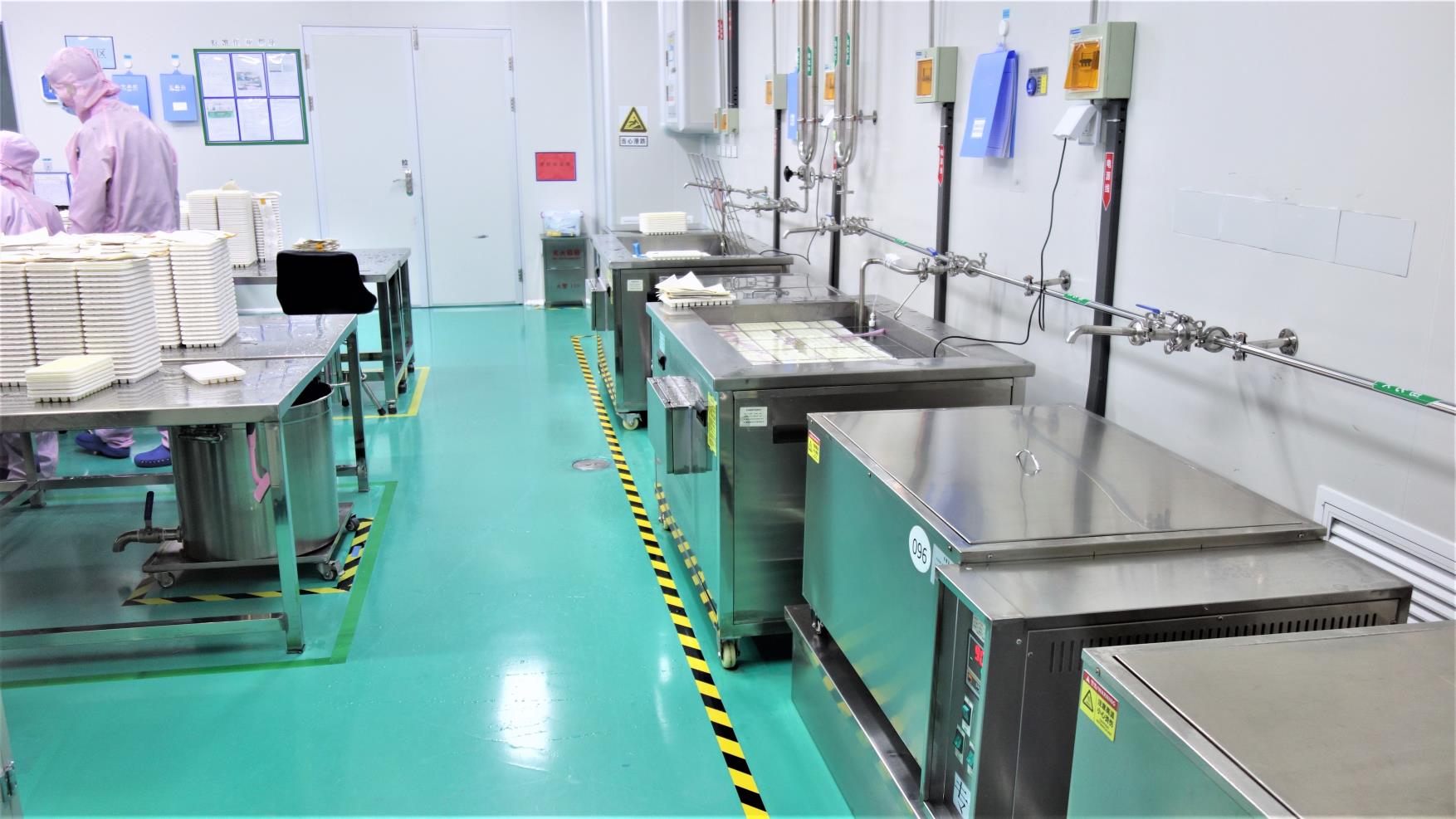
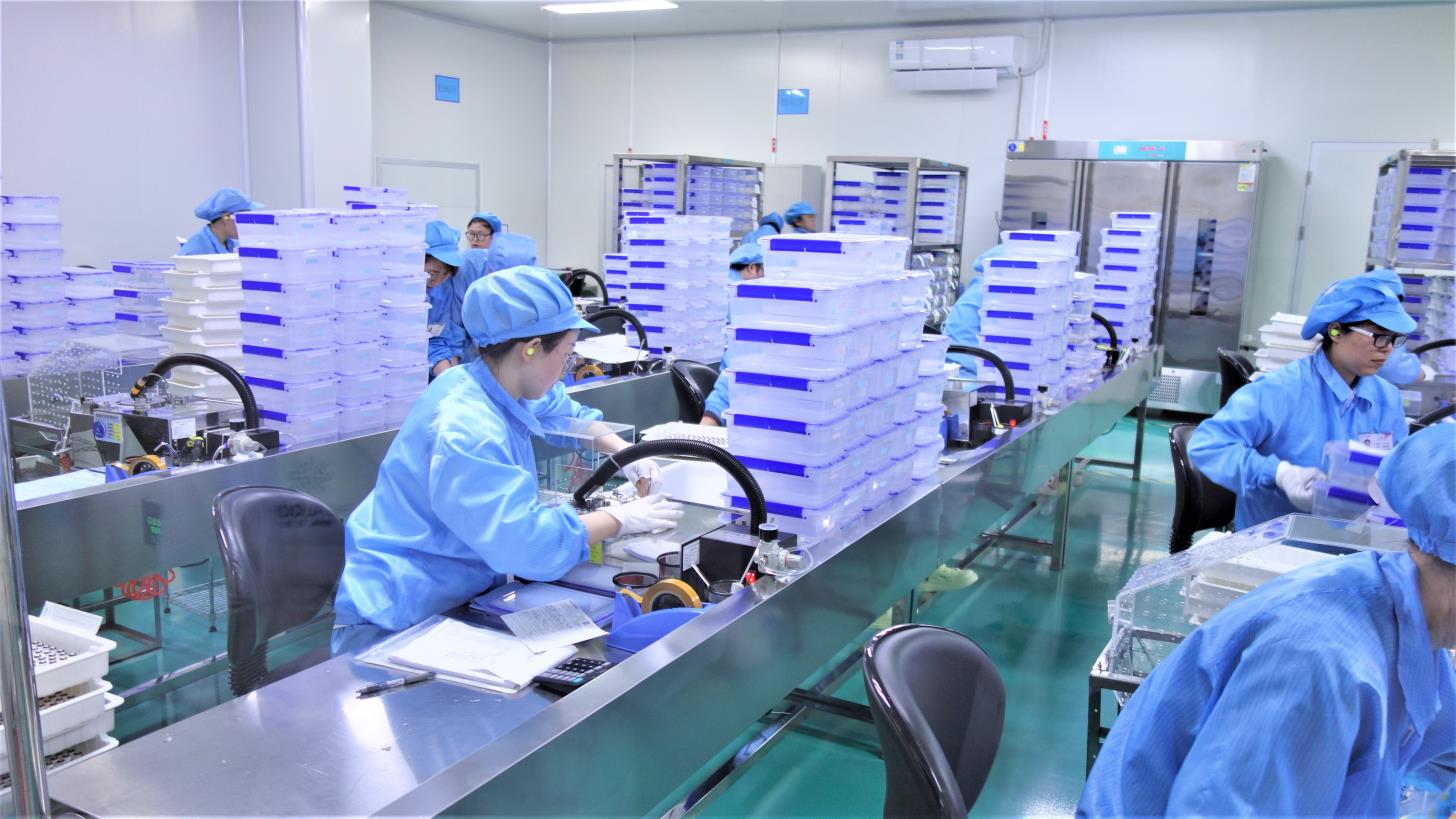
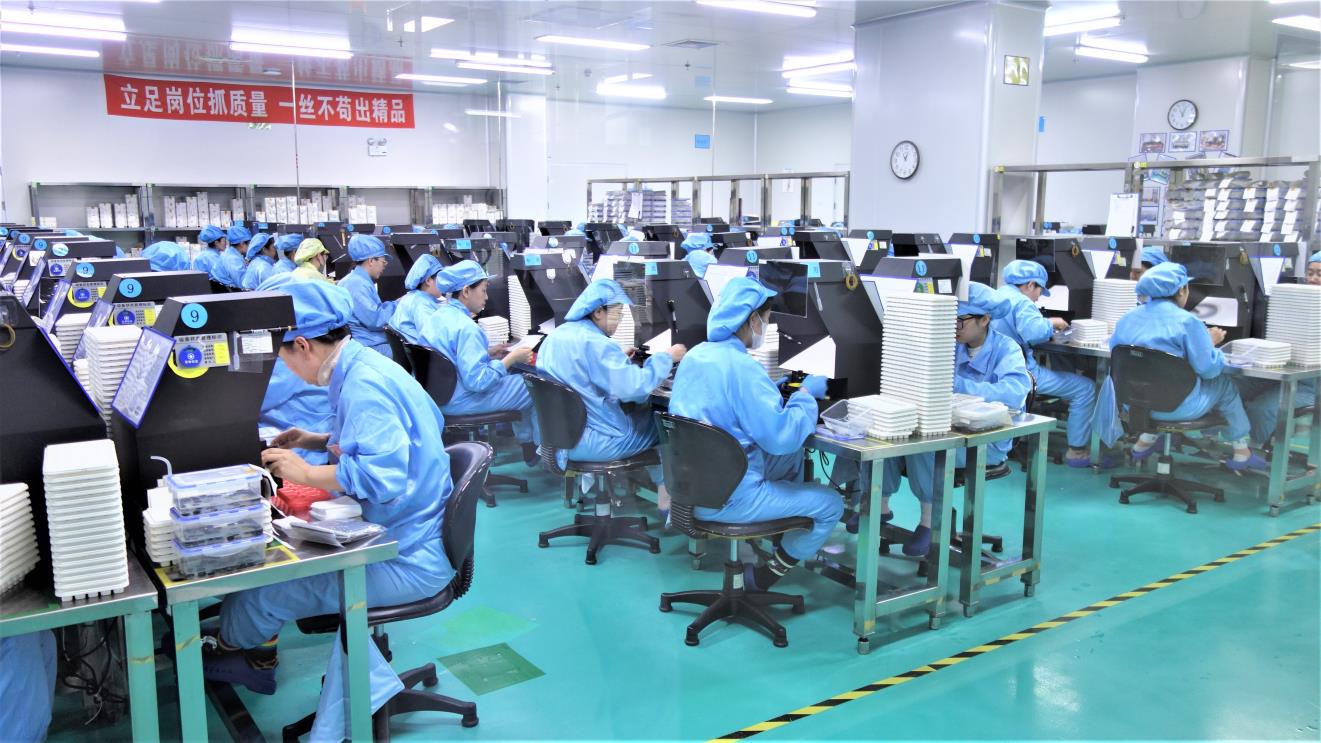
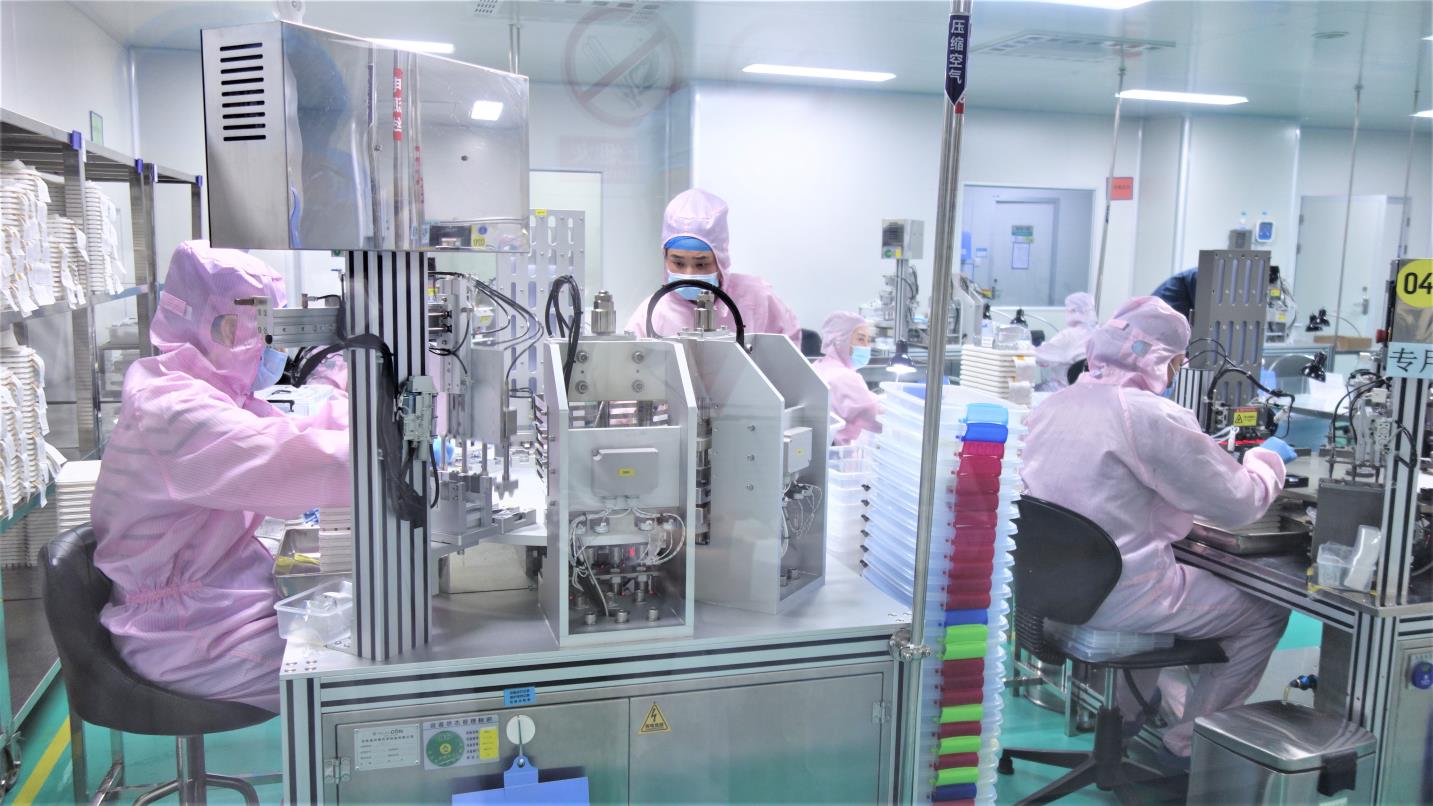
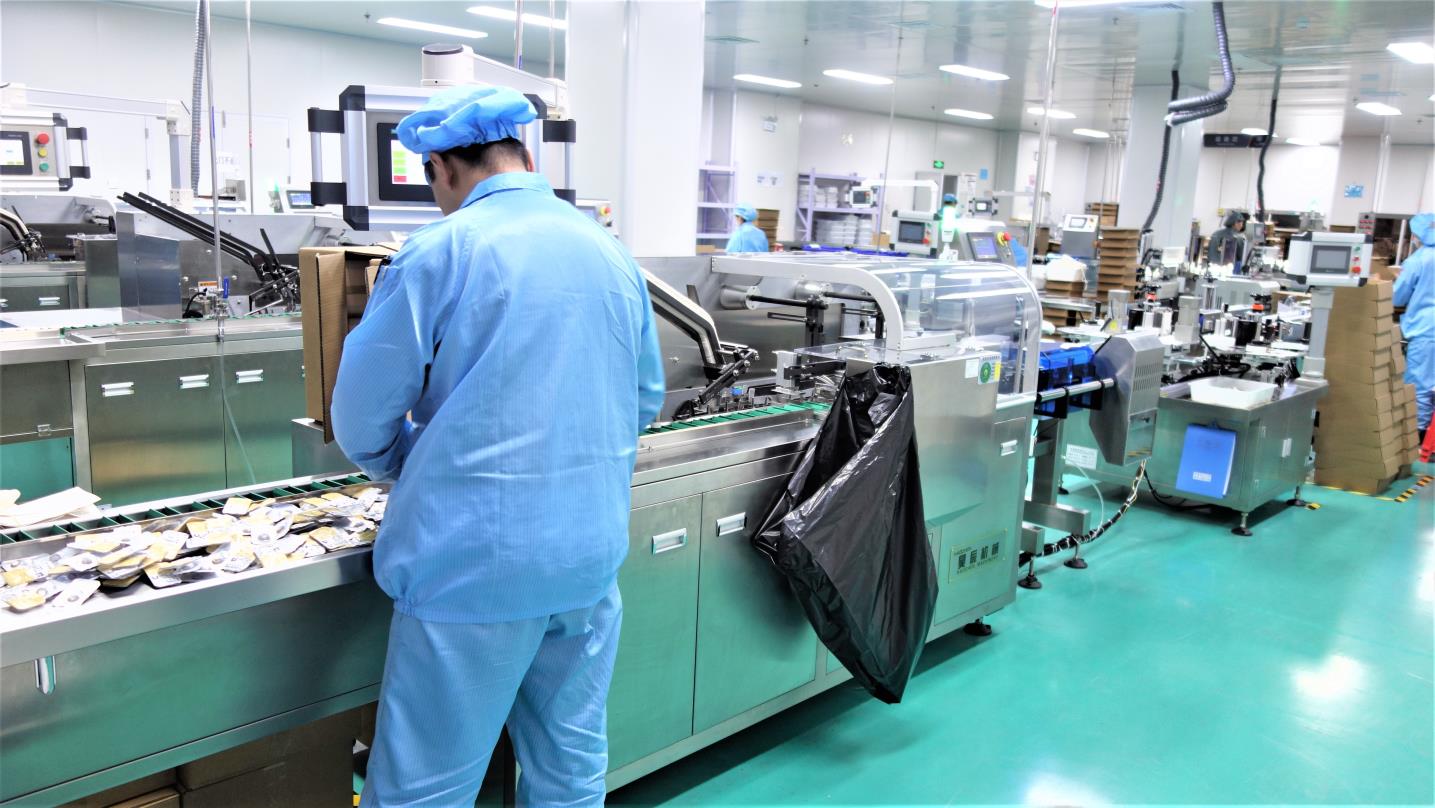
Take a step inside our modern GMP-compliant facility. Heavy automation guarantees scale, precision, and lower defect rates.
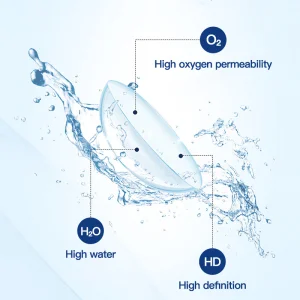
Understanding polymer chemistry is key to choosing the right contact lens supplier. Historically, regular hydrogel lenses dominated the market. They rely on their water content to transport oxygen to the cornea. However, high water content can draw moisture away from the eye, causing discomfort in dry climates—such as heated offices in Center City, Philadelphia. Our product developers address this with two main material lines:
| Material Formulation | Water Content | Oxygen Permeability (Dk/t) | Ideal Target Demographics |
|---|---|---|---|
| HEMA / NVP Hydrogel | 38% - 42% | Approx. 15 - 20 Dk/t | Cosmetic lens wearers; those prioritizing soft initial wear and vivid color applications. |
| Silicone Hydrogel (Si-Hy) | 45% - 55% | 80 - 120 Dk/t | Daily wear patients; working professionals experiencing dry eye symptoms from prolonged screen use. |
For cosmetic colored lenses, safety depends on the placement of the pigments. Standard, cheap lenses print pigments directly onto the inner surface, leaving colorants in contact with the eye. This can cause corneal abrasion, pigment leaching, and allergic reactions.
Our OEM factories utilize Sandwich Color Printing Technology. The color pattern is printed on a thin middle layer, which is then fully encapsulated between two layers of clear lens material. This ensures the pigment never touches the cornea or palpebral conjunctiva, while maintaining a smooth surface for natural blinking comfort.
Shenzhen's precision manufacturing infrastructure provides significant cost and speed-to-market advantages for contact lens production. By sourcing from this major medical manufacturing hub, our client brands benefit from raw material security, mold-making expertise, and automated assembly technologies. This ecosystem allows us to offer custom brand box designs, variable base curve designs, and low MOQs that are difficult to find elsewhere.
For optical companies in Philadelphia, logistics and supply chain stability are critical. Our logistics team works with direct air cargo channels from Shenzhen (SZX) to Philadelphia International Airport (PHL) or Newark Liberty International Airport (EWR). This setup keeps shipping times for customized bulk orders within 7–10 business days. We provide complete documentation—including FDA-compliant labeling, detailed pack lists, and certificates of analysis—to ensure smooth US customs clearance.
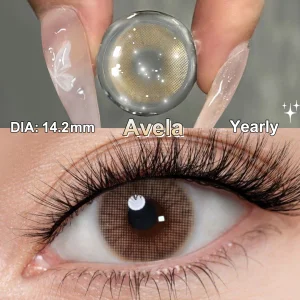
Browse our wide selection of FDA-compliant soft hydrogel and specialty cosmetic lenses, available for OEM customization.
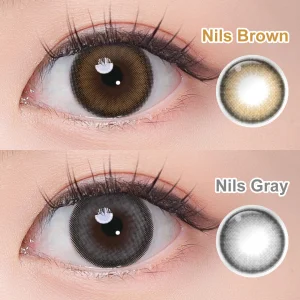
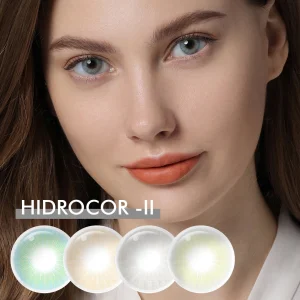
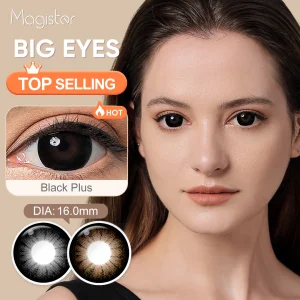
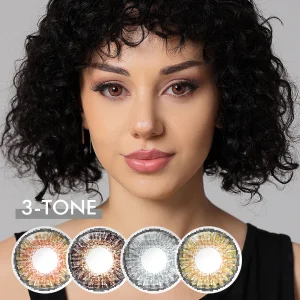
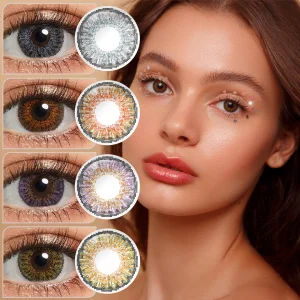
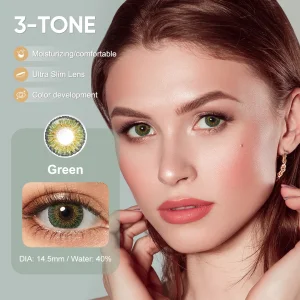
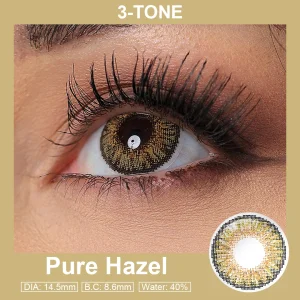
Contact lenses are classified as Class II medical devices by the United States Food and Drug Administration (FDA). Any entity importing or distributing lenses within the Commonwealth of Pennsylvania must strictly adhere to federal clearance rules. We work alongside our OEM partners to facilitate smooth market entry. From filing raw material data to designing product labels, we help ensure your private labels comply with all regulatory standards.
Our manufacturing and documentation services cover: 510(k) Premarket Notification Support, ISO 13485 Medical Device Quality Management Systems Certification, UDIR (Unique Device Identification) Packaging Design, and US FDA Device Establishment Registration for all facilities.
By keeping detailed documentation for every lens batch, we protect your brand from customs holds and product liability issues, ensuring a reliable supply chain for your customers.
Get answers to technical, commercial, and logistics questions about contact lens OEM partnerships in the Philadelphia market.
For custom private-label packaging (including custom-branded boxes and blister foil printing), the minimum order starts at 500 boxes per style. We also support smaller, trial runs for established optical practices and retail brands looking to test new color lines in the Philadelphia region.
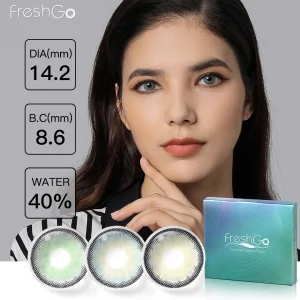
We inspect each batch using automated focimeters, edge projectors, and spectrophotometers. Every production run undergoes wet-state test routines to ensure that parameters like Base Curve (typically 8.5–8.7mm) and Diameter (14.0–14.5mm) remain stable.
Standard air cargo shipping from Shenzhen to Philadelphia (PHL) takes 7 to 10 business days. For customized OEM orders, production lead time ranges from 15 to 25 days, depending on packaging complexity and order volume.
Yes. All our colored lenses use Sandwich Color Printing Technology. This encapsulates the pigment layers between clear hydrogel materials, preventing the dye from contacting the eye surface.
Yes, we offer free evaluation samples to qualified B2B clients, optical chains, and distributors in Philadelphia. Click the "Send Inquiry Now" button below, specify your required prescriptions or color patterns, and our team will prepare the shipment.
Partner with an experienced OEM/ODM manufacturer. Get in touch today for technical advice, sample kits, and a detailed price quote tailored to your business needs.