Fresh Lenses
Whitepaper: Scaling OEM Contact Lens Distribution and Brand Authority in Russia
The contact lens industry in Russia is experiencing a significant paradigm shift. Historically dominated by major Western conglomerates, market dynamics are rapidly evolving due to macroeconomic restructuring, logistical realignments, and an increasing demand for domestic private label solutions. In this changing landscape, strategic partnerships with advanced original equipment manufacturers (OEM) have become crucial for Russian optical retail chains, e-commerce distributors, and ophthalmic brands seeking to secure stable supply chains and deliver premium quality products.
1. The Contact Lens Market Landscape in Russia
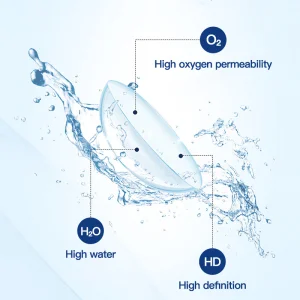
Russia's contact lens market is highly receptive to technological innovation. Optical health and cosmetic lens trends are shaped by a cold, dry continental climate, which requires soft contact lenses with high moisture retention and excellent oxygen permeability. Consumers are increasingly shifting from traditional hydrogel lenses to advanced silicone hydrogels, which offer superior biocompatibility and comfort during extended wear in heated indoor environments.
Furthermore, the digital integration of Russian retail channels via marketplaces such as Ozon and Wildberries, alongside traditional physical optical stores (optiki), has created a strong need for agile product sourcing. Online sales of cosmetic, colored, and daily disposable contact lenses are growing rapidly. To remain competitive, local optical distributors require customizable packaging, rapid prototyping, and flexible production capacity that matches regional demand spikes.
2. Global Sourcing Dynamics & China's Supply Chain Resiliency
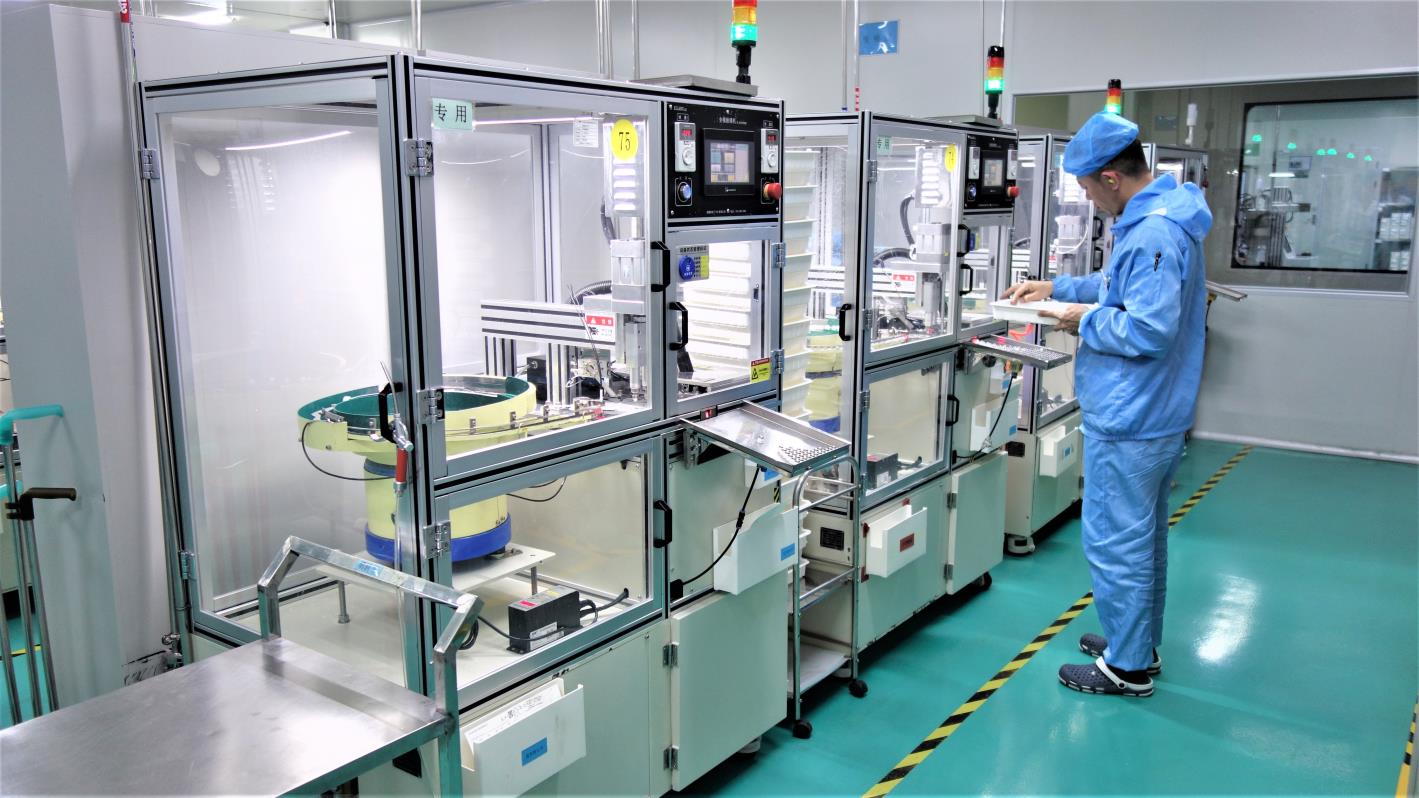
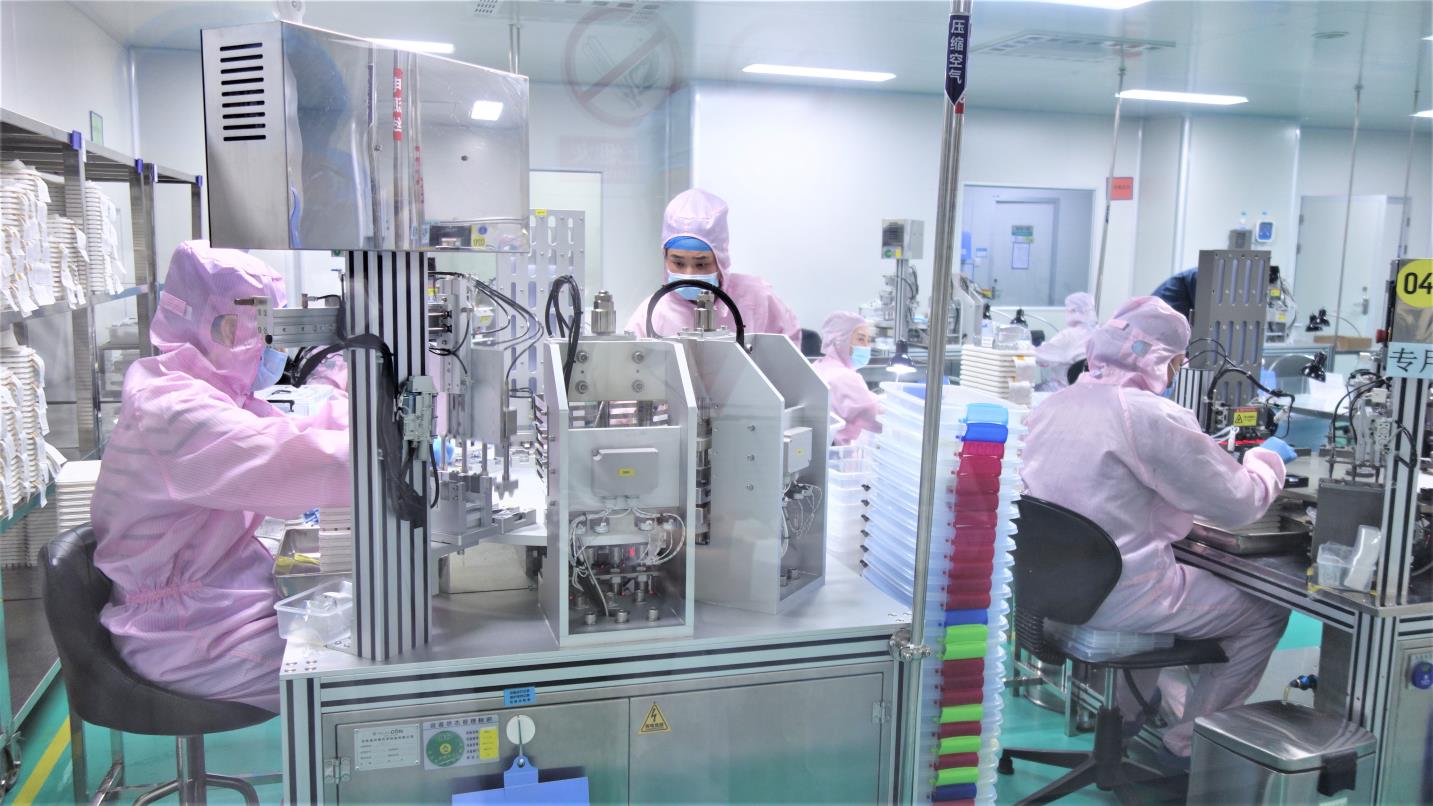
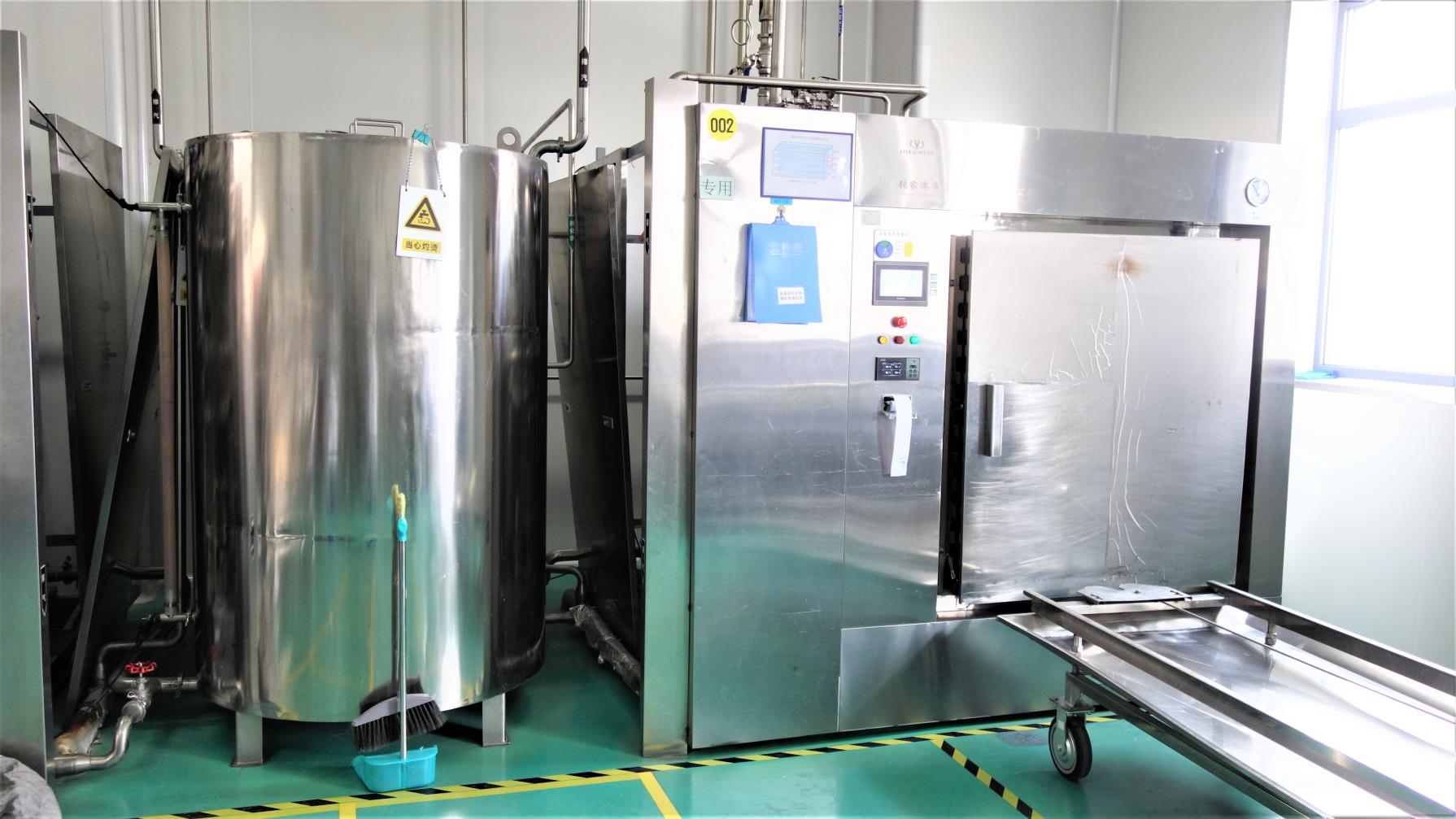
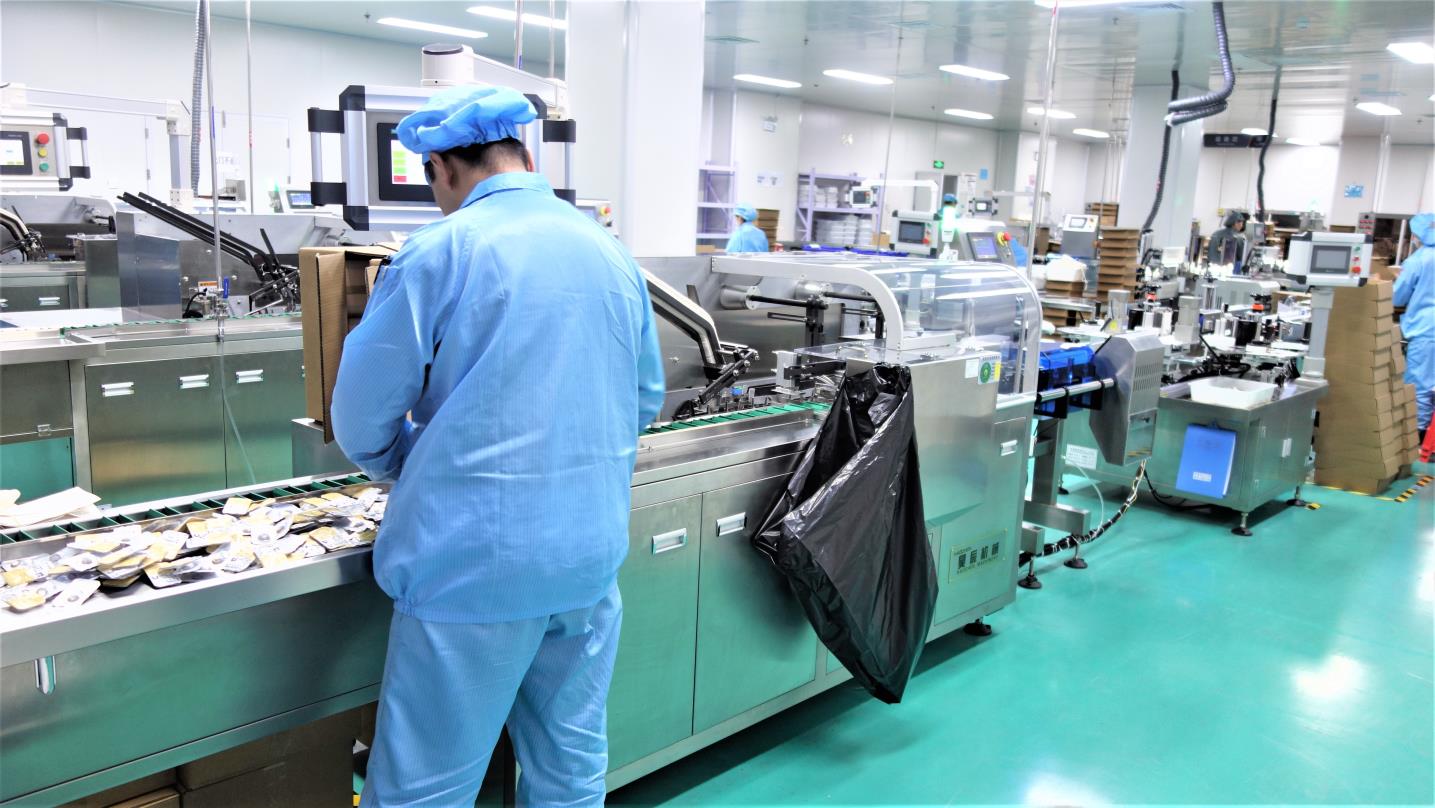
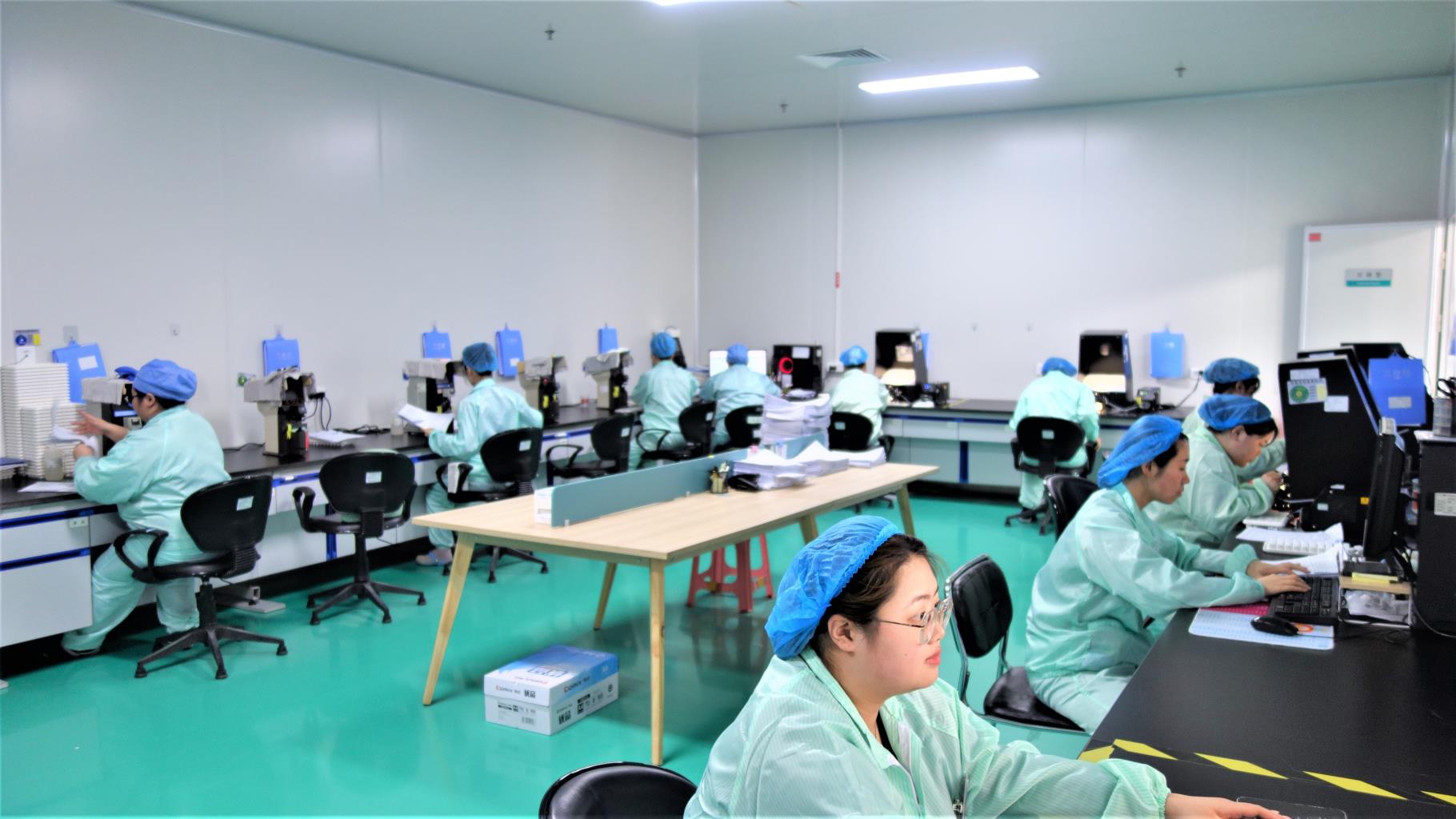
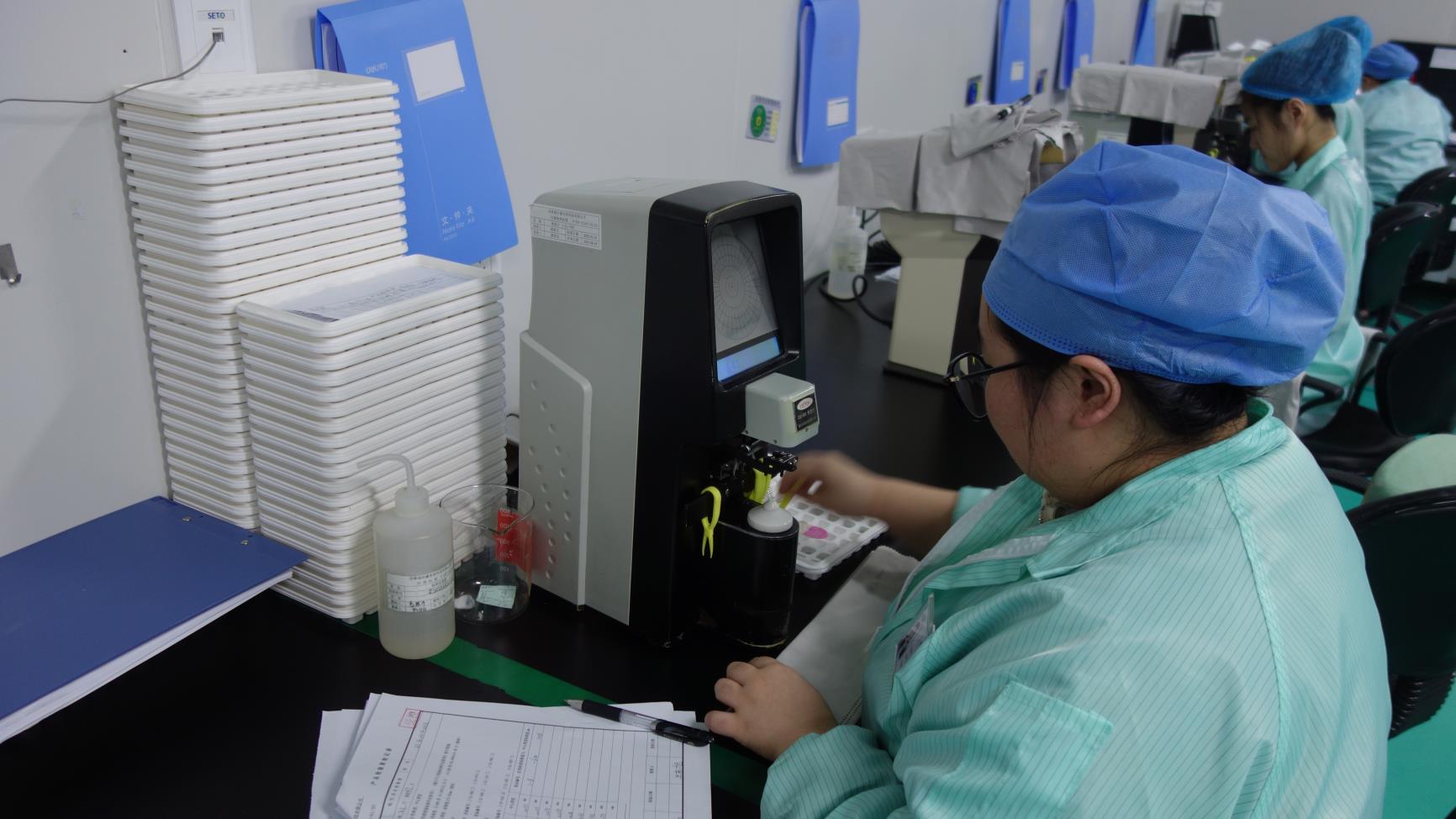
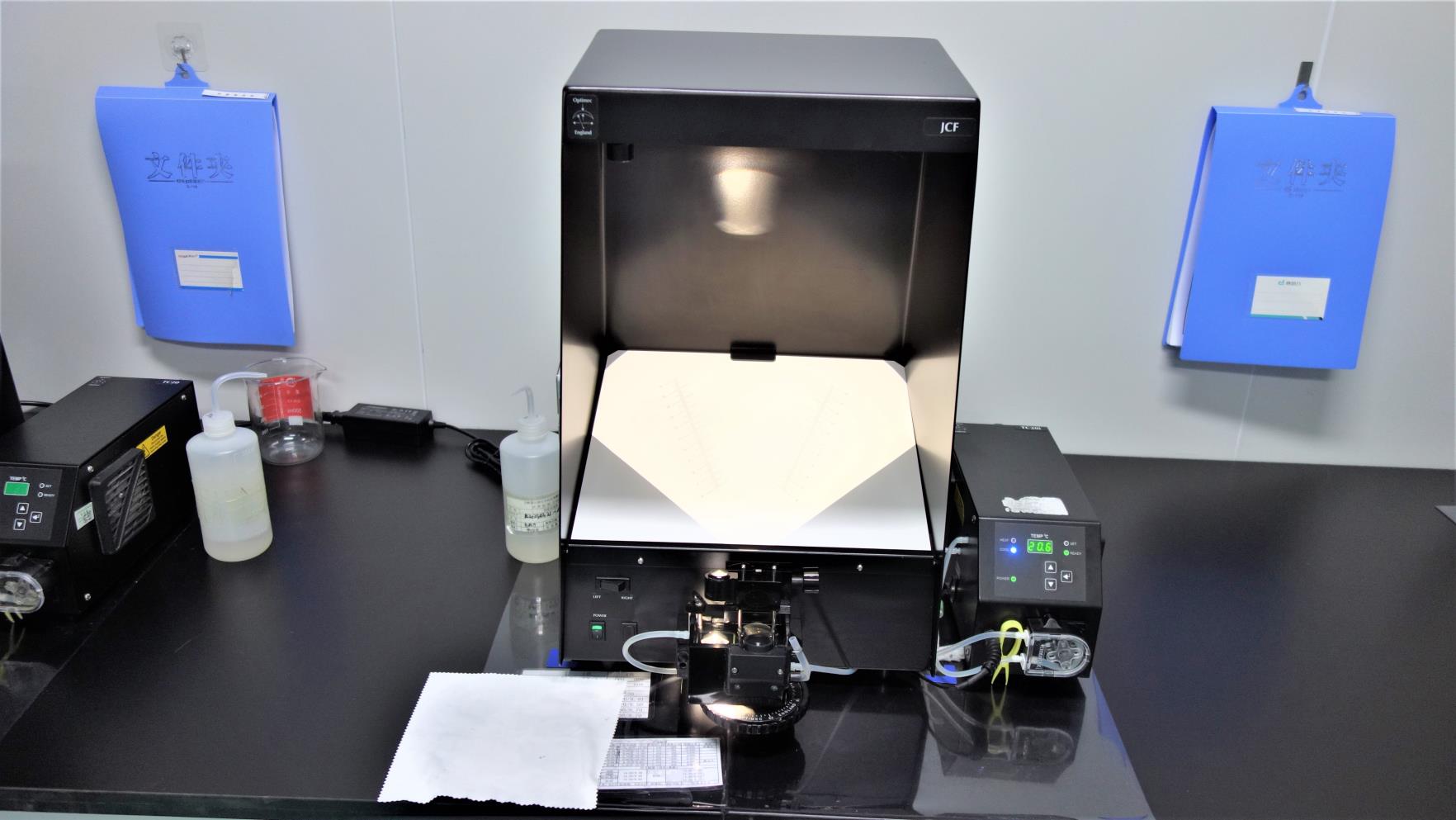
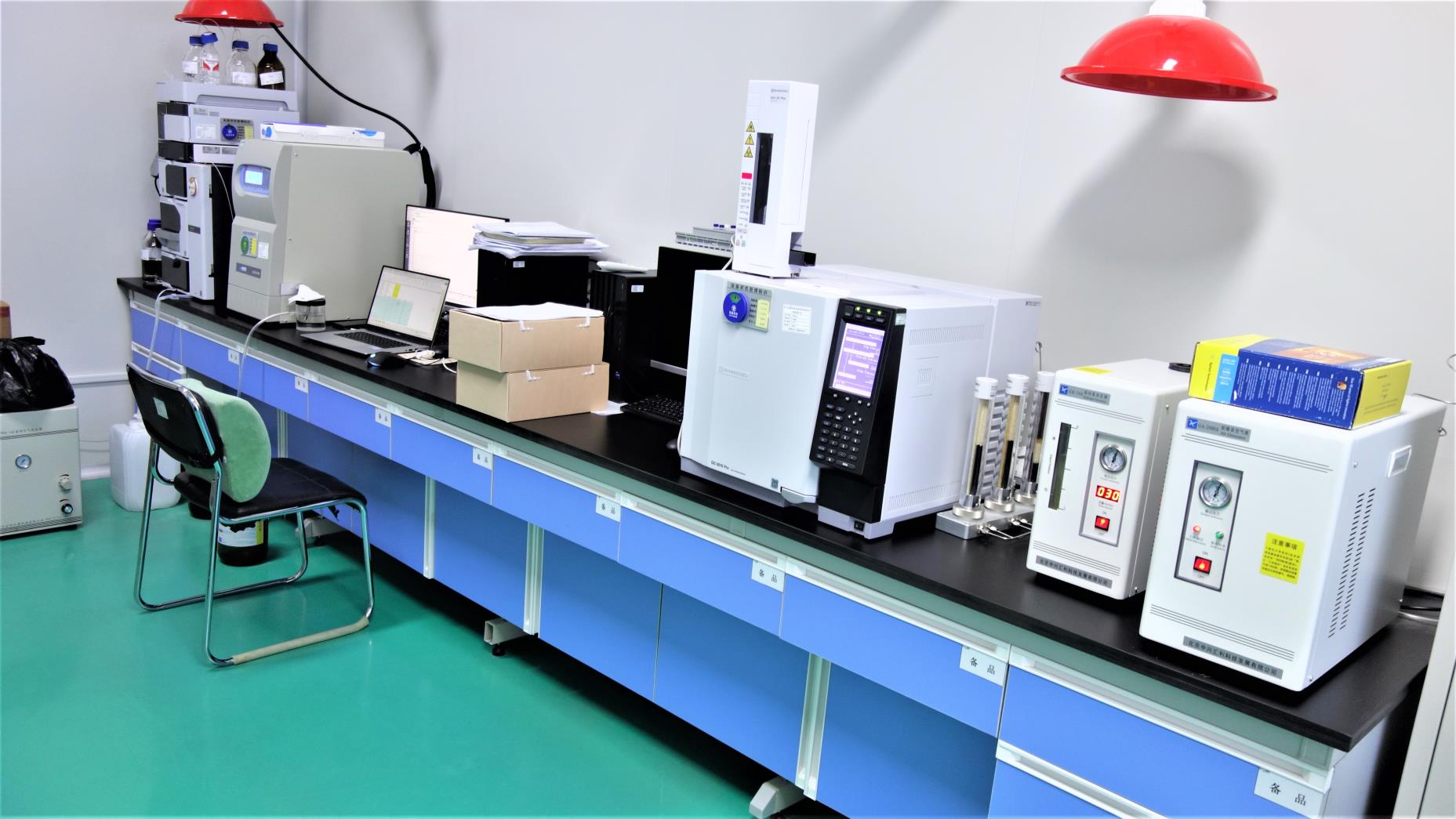
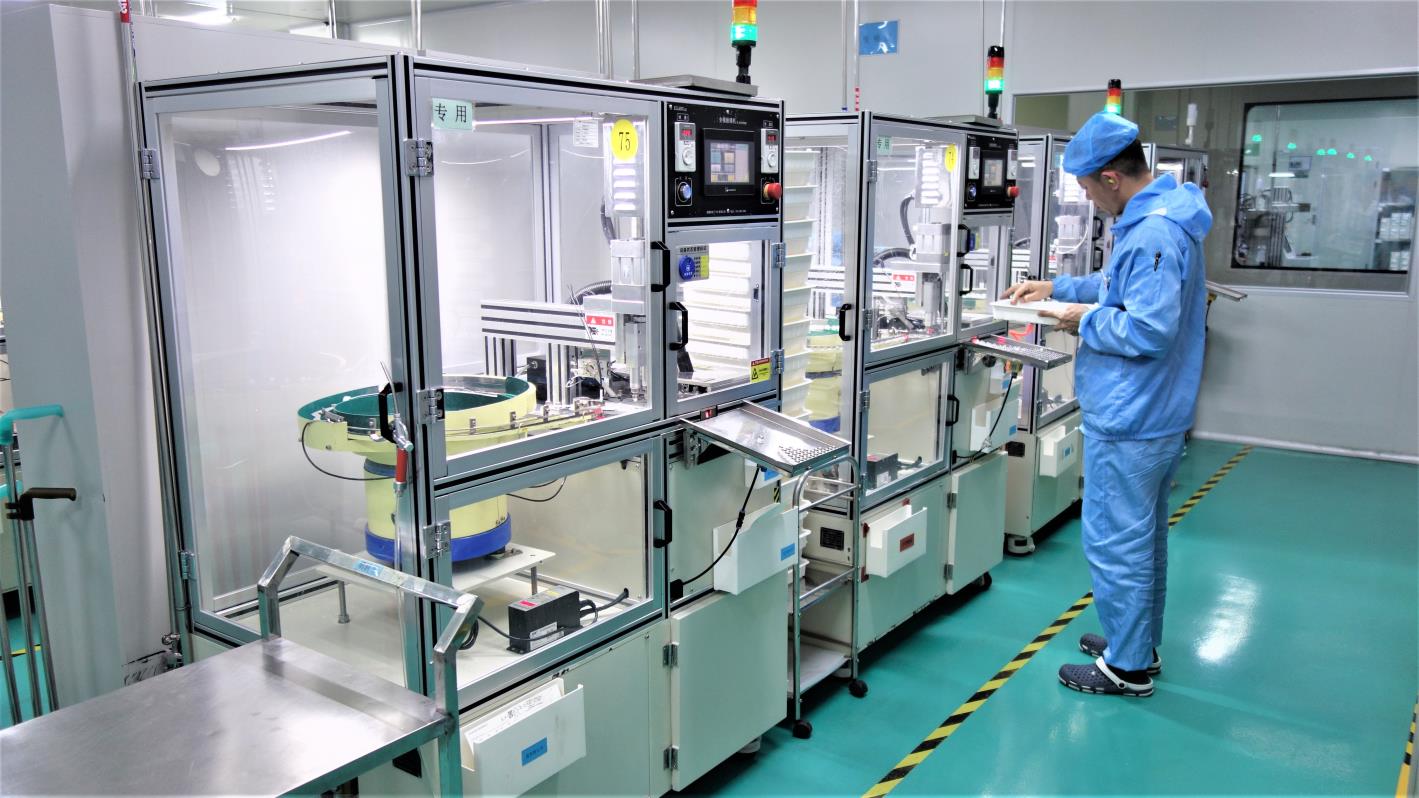
Faced with supply chain disruptions, Russian optical businesses are optimizing their procurement strategies. China's Factory 4.0 infrastructure stands out as a reliable and high-quality partner. The integration of advanced automation, precision injection molding, and digital quality control ensures that modern manufacturing meets or exceeds Western optical standards.
For Russian buyers, partnering with a Chinese supplier with a decade of specialized export experience, such as Shenzhen Fresh Vision Co., Ltd. (established in 2016), provides several key operational advantages:
- Raw Material Traceability: Ensuring that every medical-grade polymer (including HEMA and advanced Silicone Hydrogels) is sourced from globally verified raw material suppliers.
- Regulatory Standards Alignment: Products are manufactured in compliance with international quality management systems, facilitating smooth customs clearance and compliance registration within the Eurasian Economic Union (EAEU).
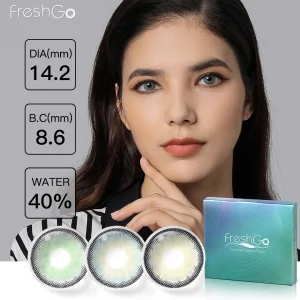
- End-to-End OEM/ODM Support: From custom lens parameter designs (such as Base Curve, Diameter, and Water Content) to customized blister, box, and label graphics.
"Supply chain resiliency in 2024 requires a shift from transactional procurement to deep technical partnerships. Our manufacturing ecosystem bridges the gap between state-of-the-art polymer physics and local retail needs."
3. Localization Scenarios: Tailoring to Russian Climatic and Cultural Preferences
Customization for the Russian market goes beyond simple language translation. It requires addressing specific regional preferences:
Climatic Adaptation: Long winters and intensive indoor heating call for lenses with integrated moisture locking technology. Offering lenses with water content optimized between 38% and 43% prevents rapid dehydration while maintaining high structural integrity.
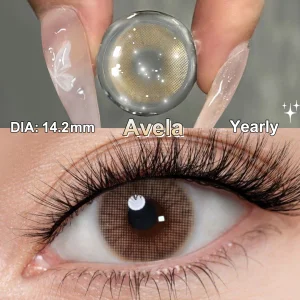
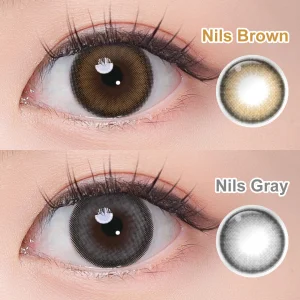
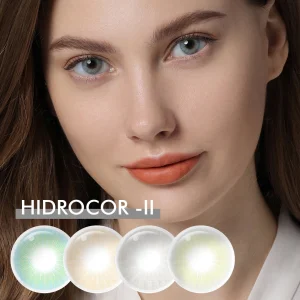
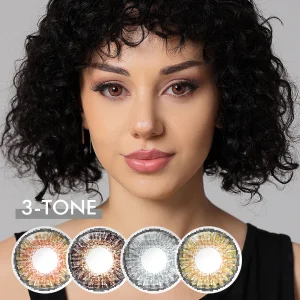
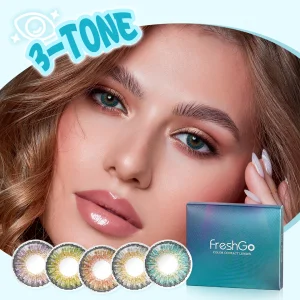
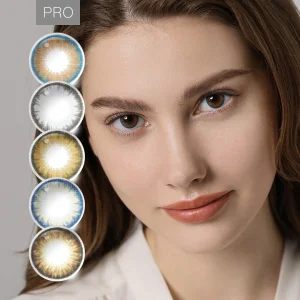
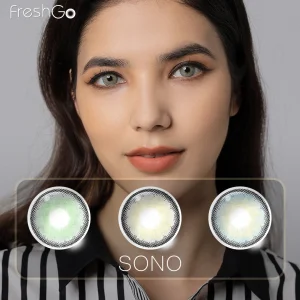
Cosmetic Preferences: Natural-looking color enhancements (such as gray, green, and hazel tones) are highly popular among Russian consumers. Multi-tone printing technology (e.g., 3-Tone color integration) creates depth and blends naturally with darker and lighter eye colors alike. In addition, seasonal events and cosplay culture drive steady demand for high-coverage creative lenses, such as 22mm Sclera and cosplay-specific designs.