Fresh Lenses
Fresh Lenses
Fresh Lenses
Premium cosmetic and medical contact lenses tailored for the high-end retail, fashion, and optometry hubs of Shinjuku, Shibuya, and Ginza.
An analytical evaluation of the Japanese contact lens sector, driven by demographic demands, urban lifestyle paradigms, and cosmetic innovations.
Navigating the regulatory framework of Class III Medical Devices under Japan's MHLW guidelines.
Full documentation tracking from medical-grade monomer synthesis to final polymerized lens structures, ensuring zero impurities.
Fully encapsulates the color layer within the lens matrix, preventing direct contact between pigments and the corneal epithelium.
Production lines designed around sterile barrier systems, certified cleanroom parameters, and strict environmental controls.
Step-by-step documentation of our highly automated, ISO-certified contact lens manufacturing processes.
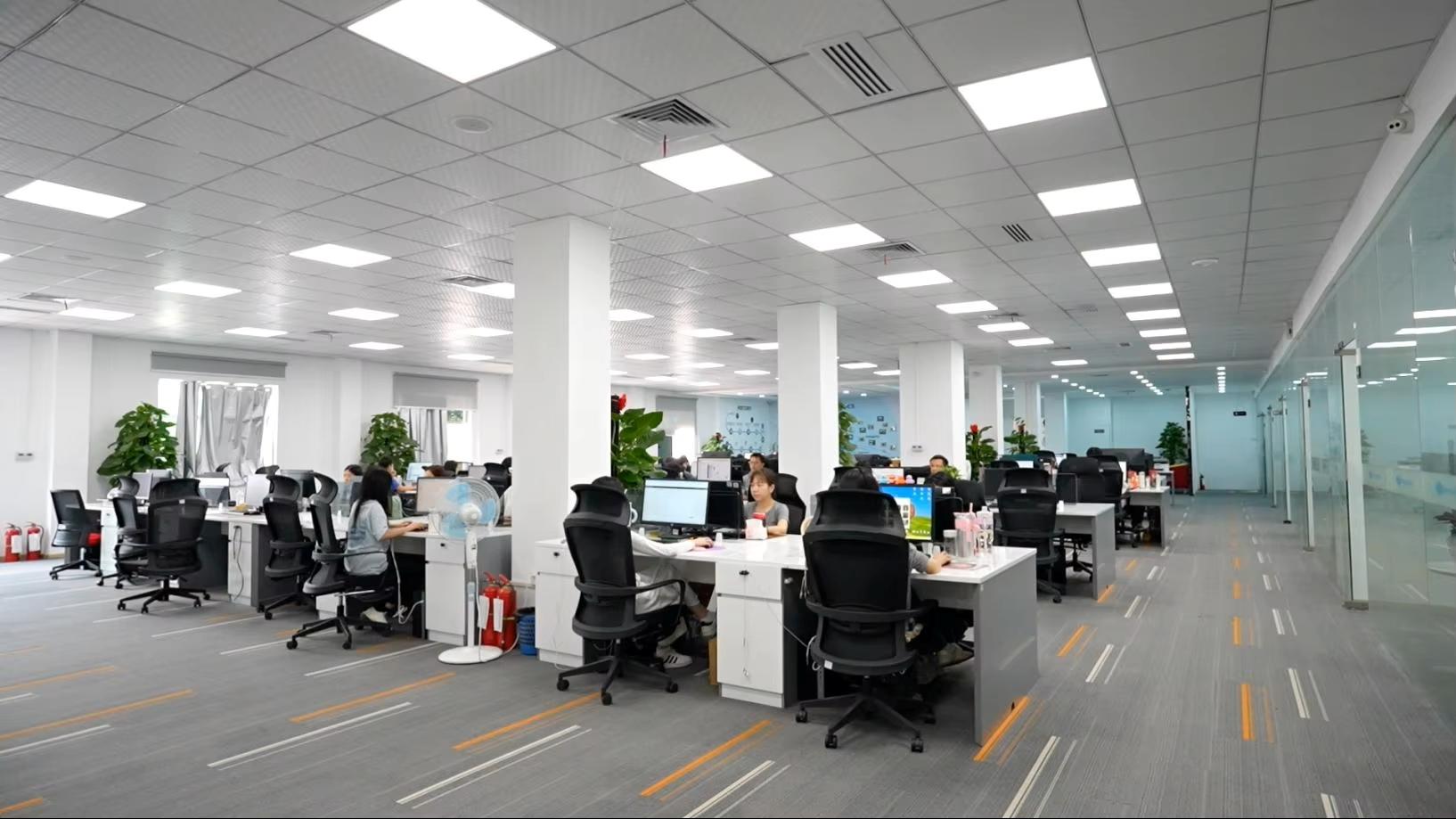
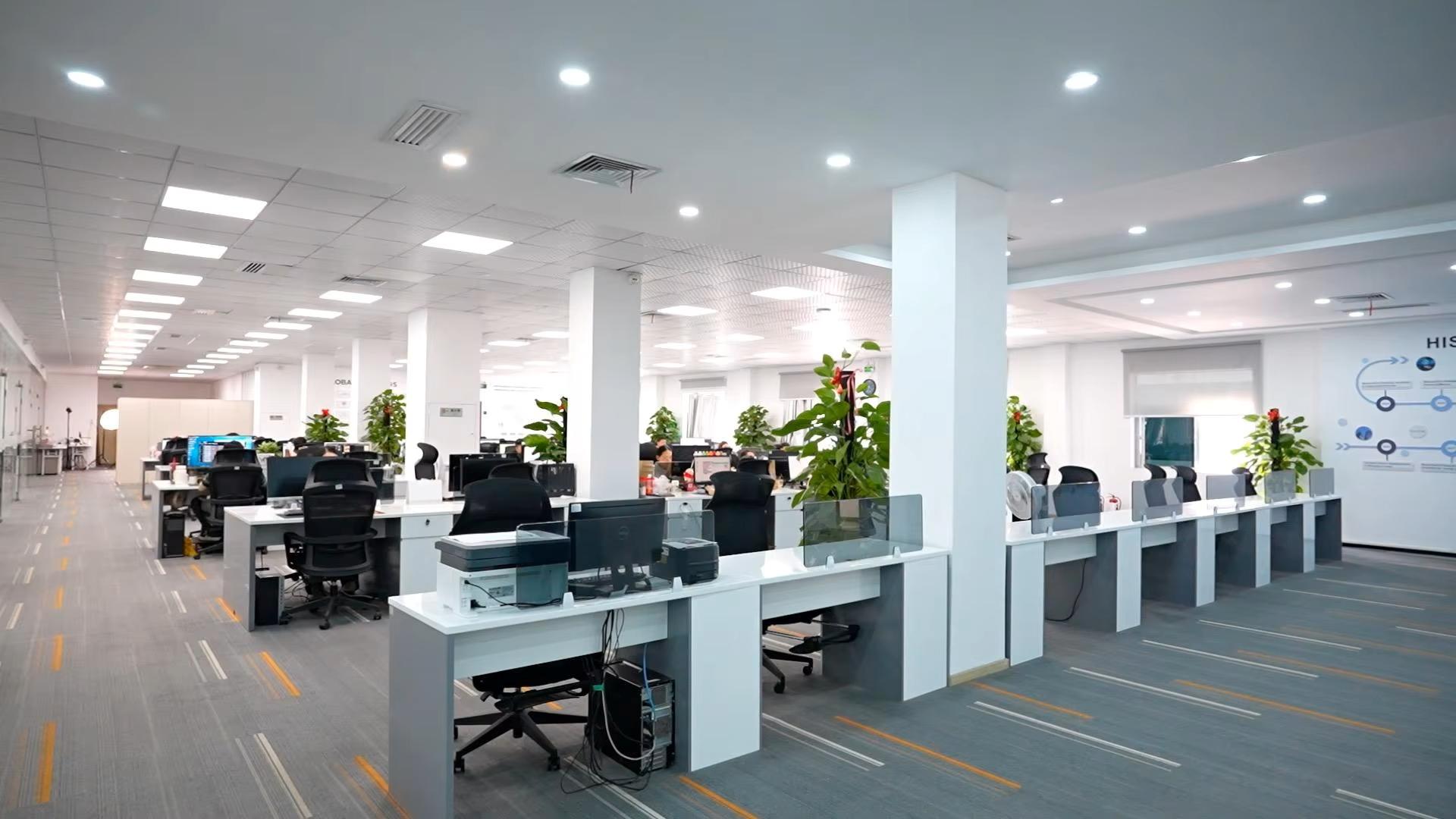
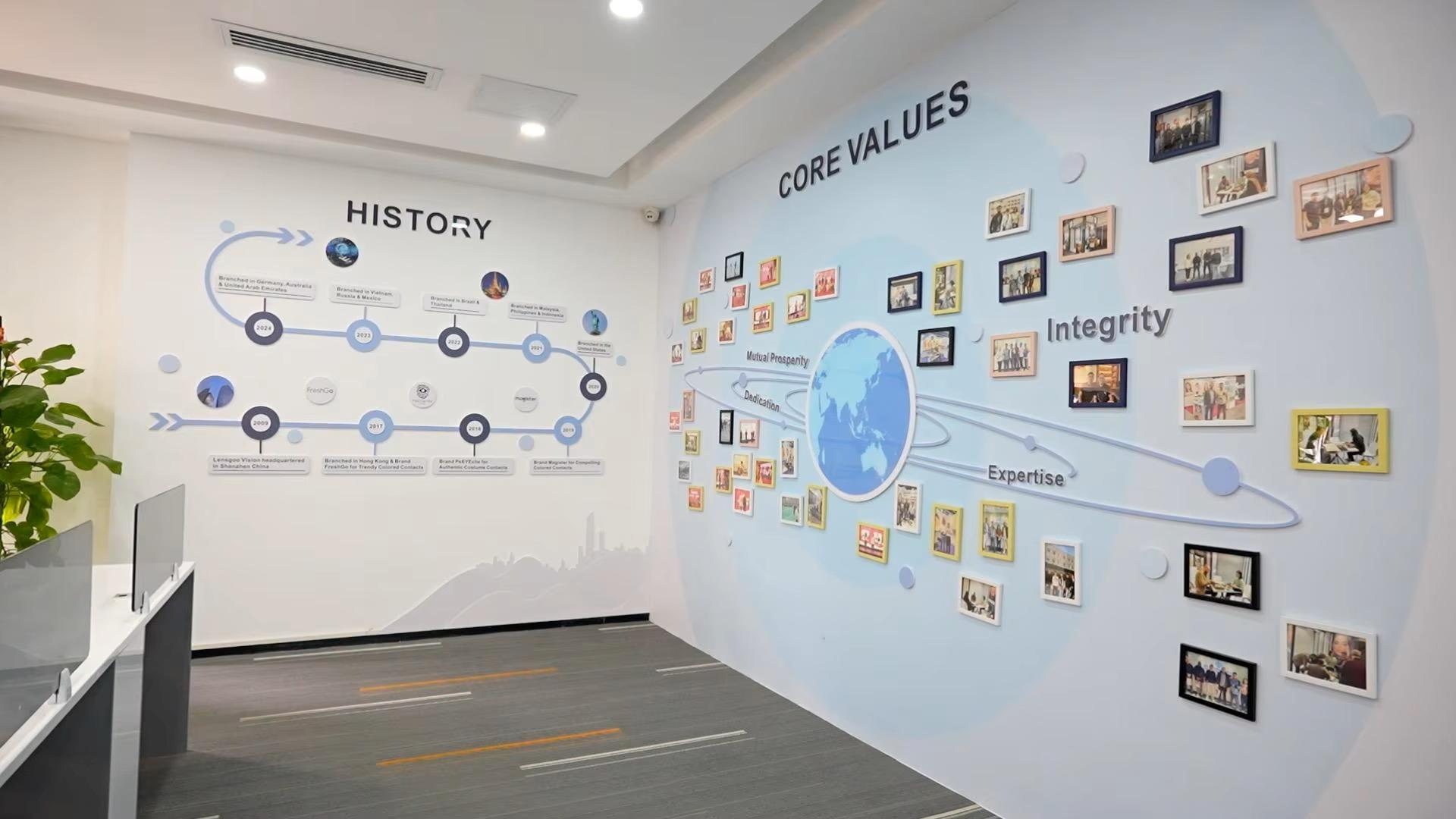
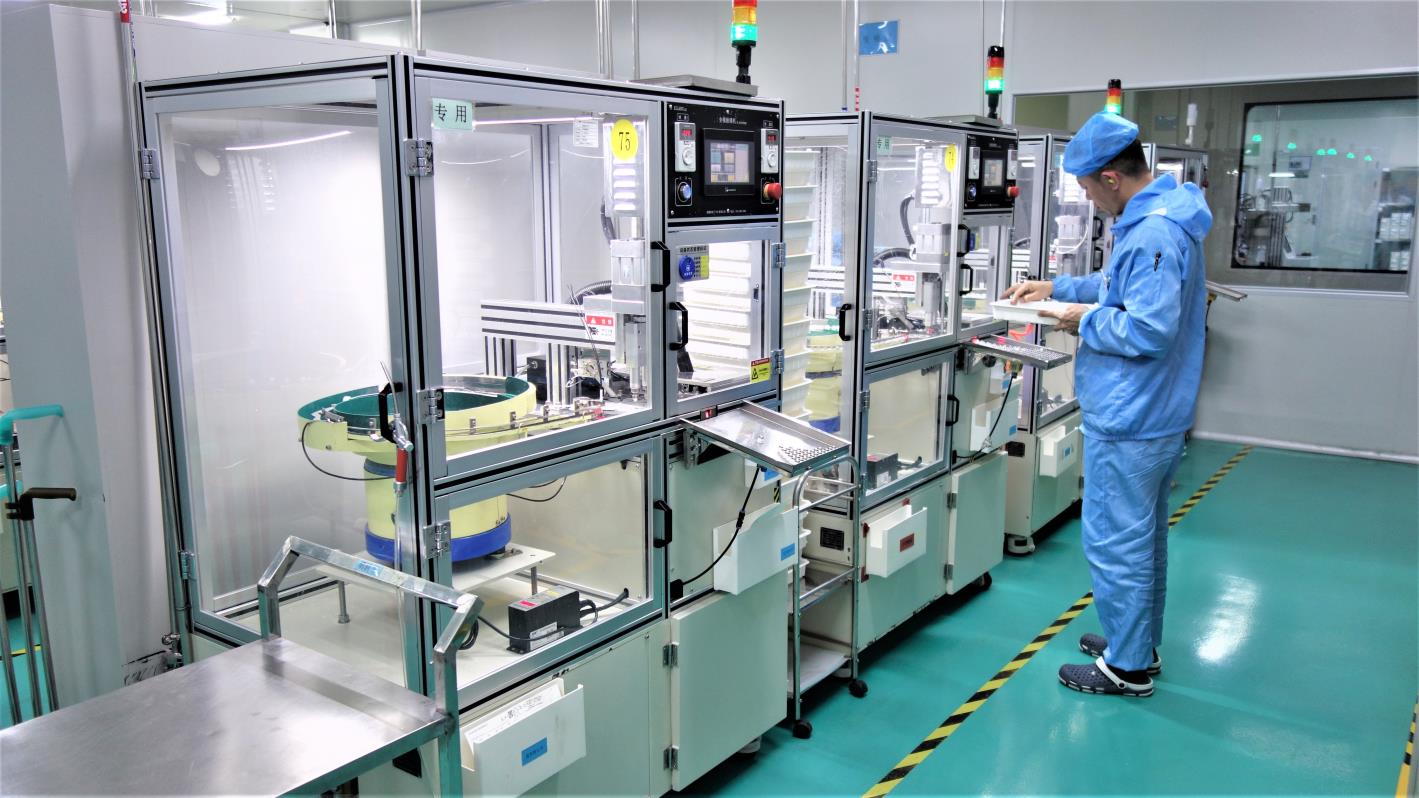
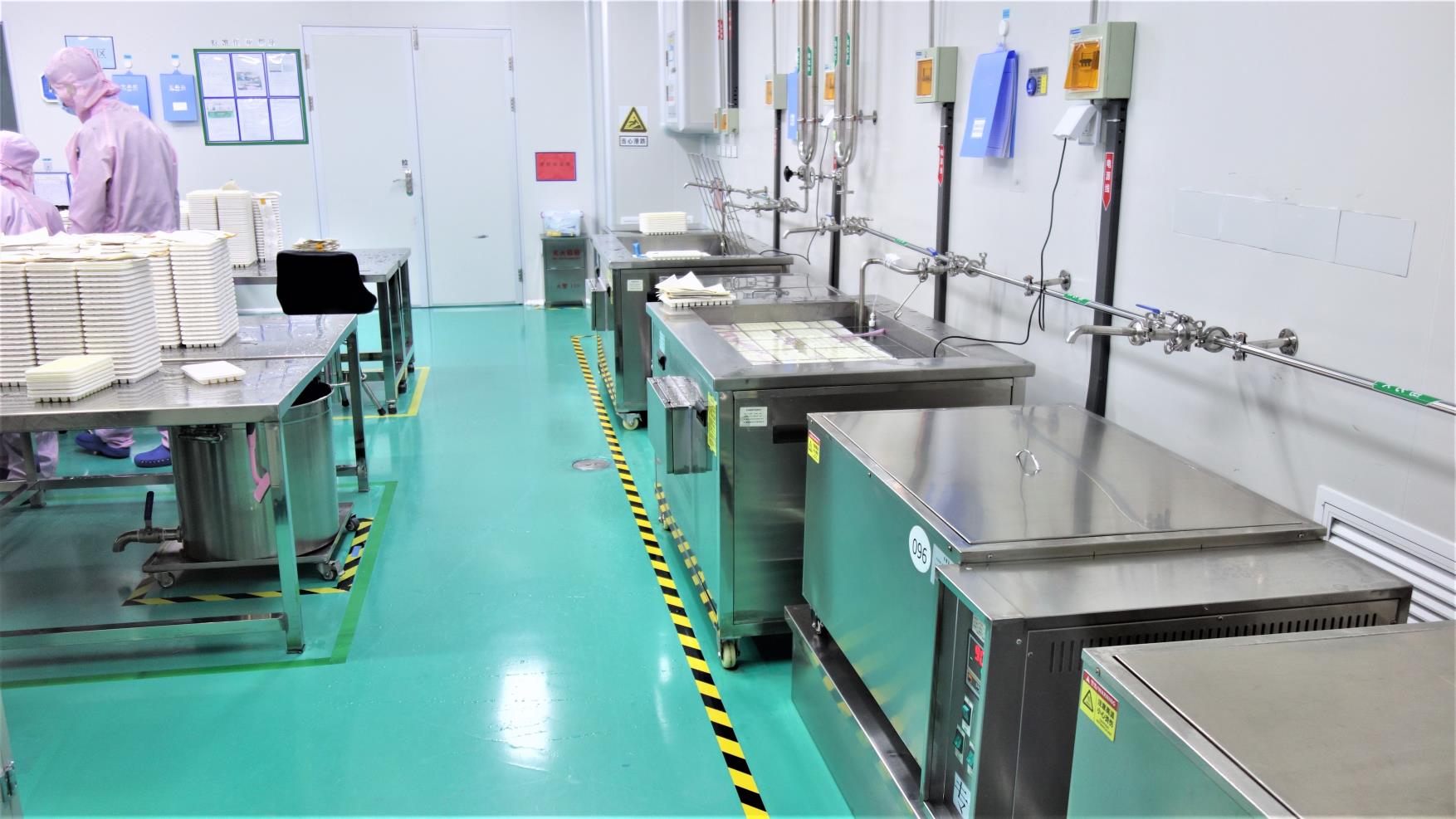
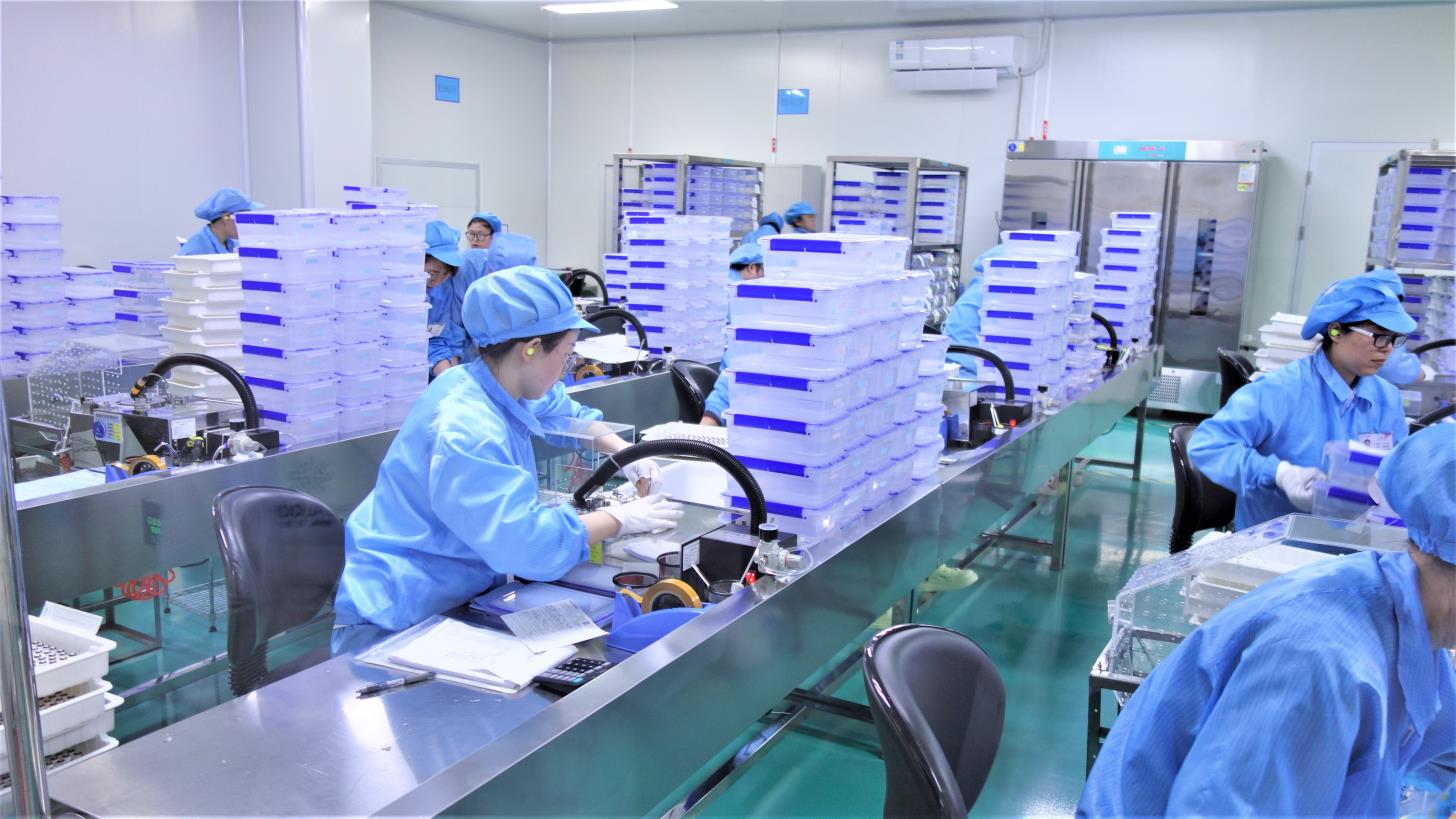
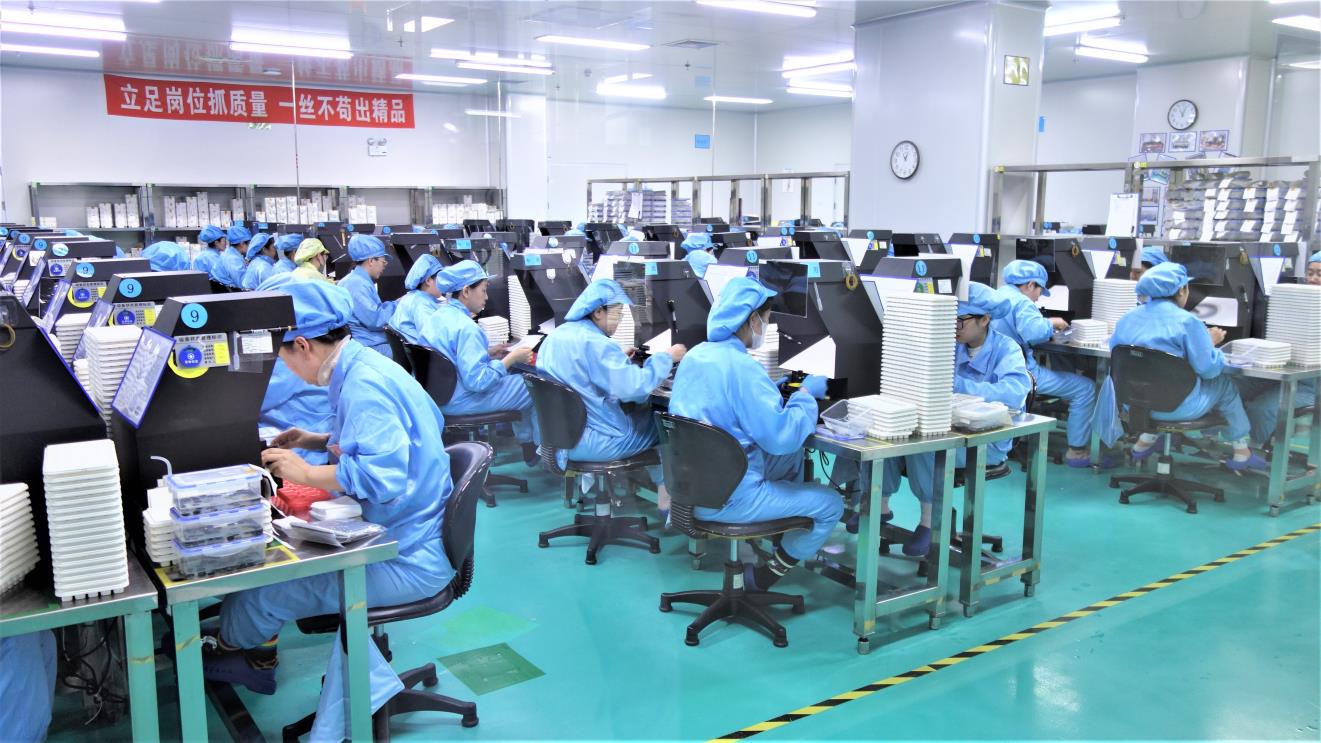
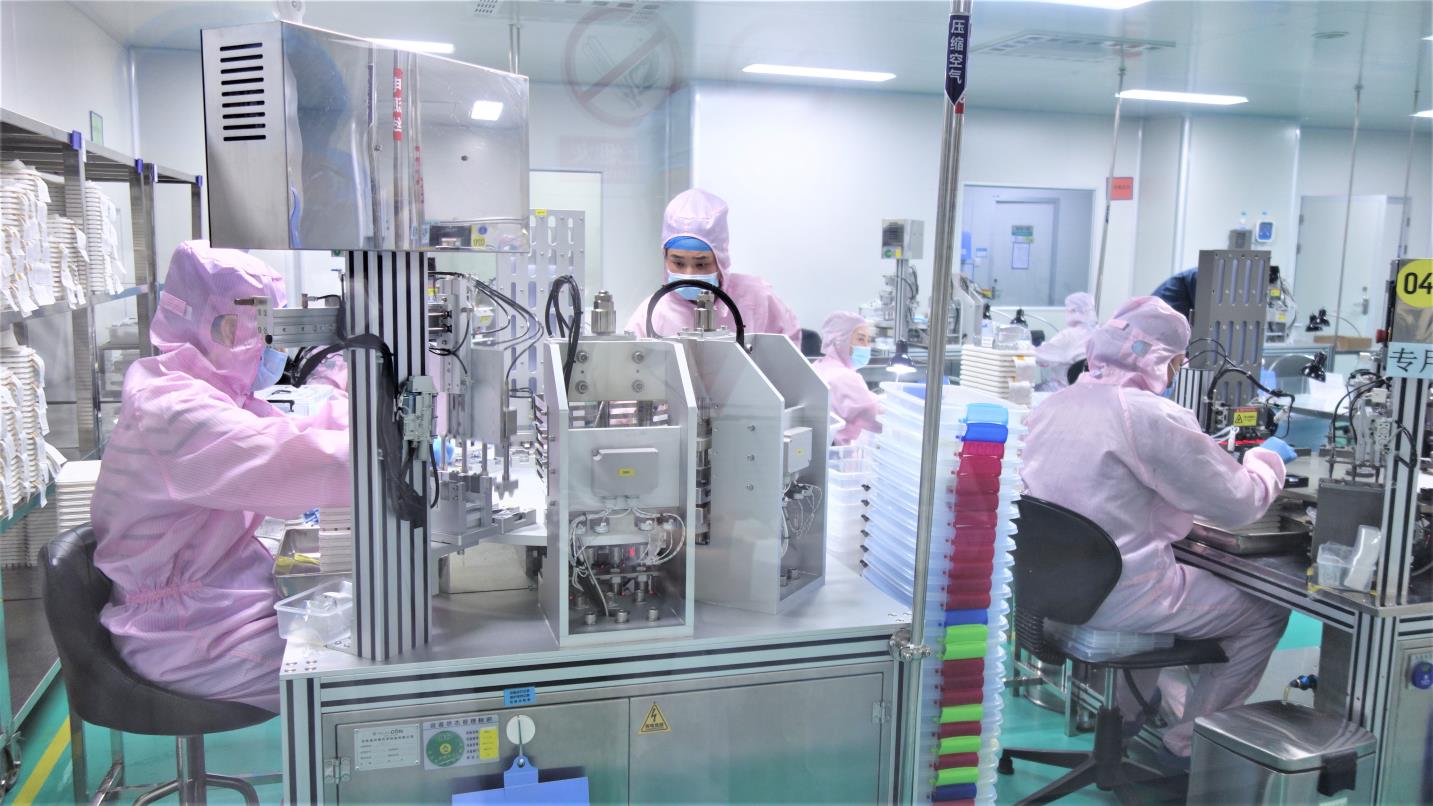
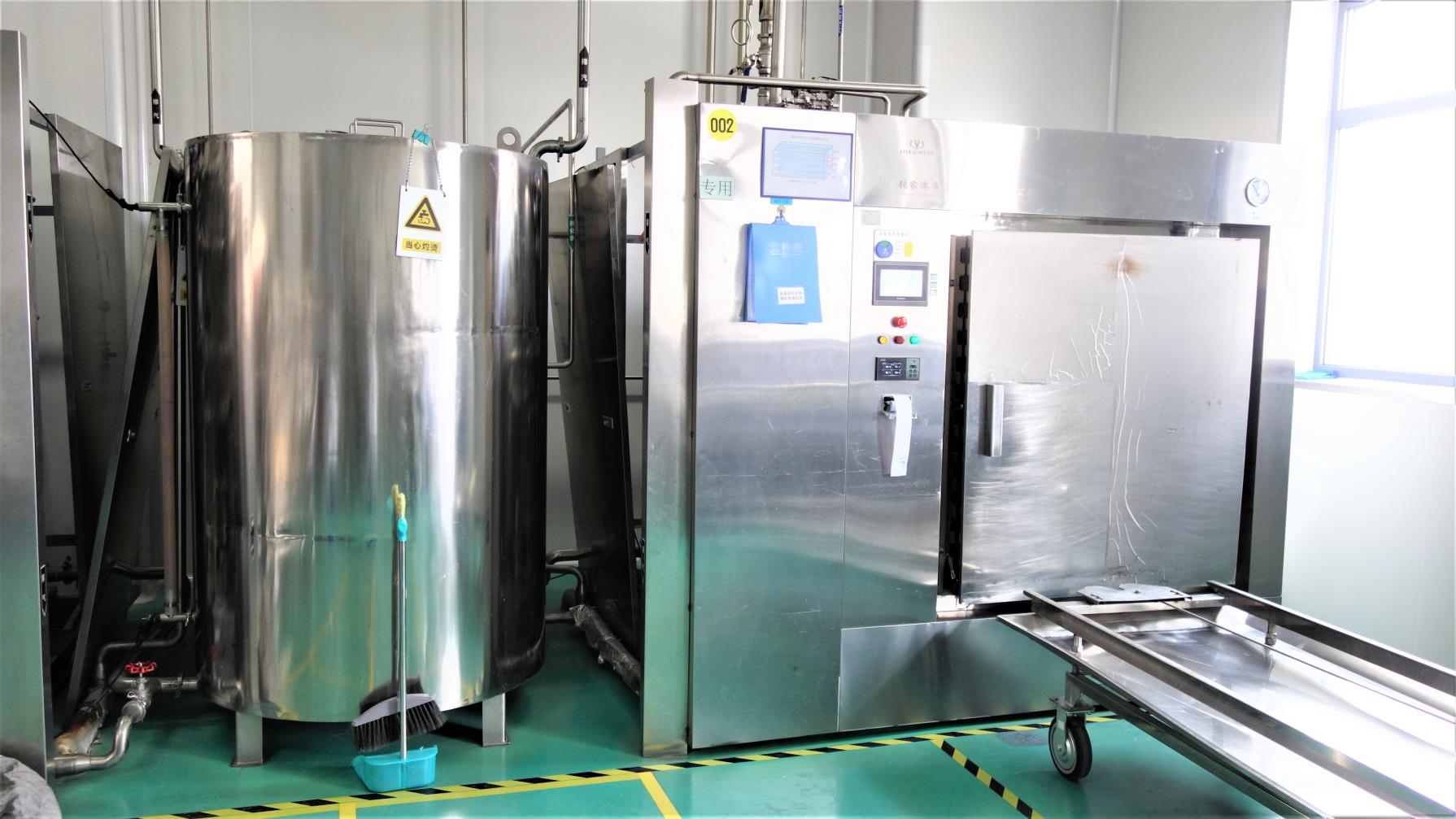
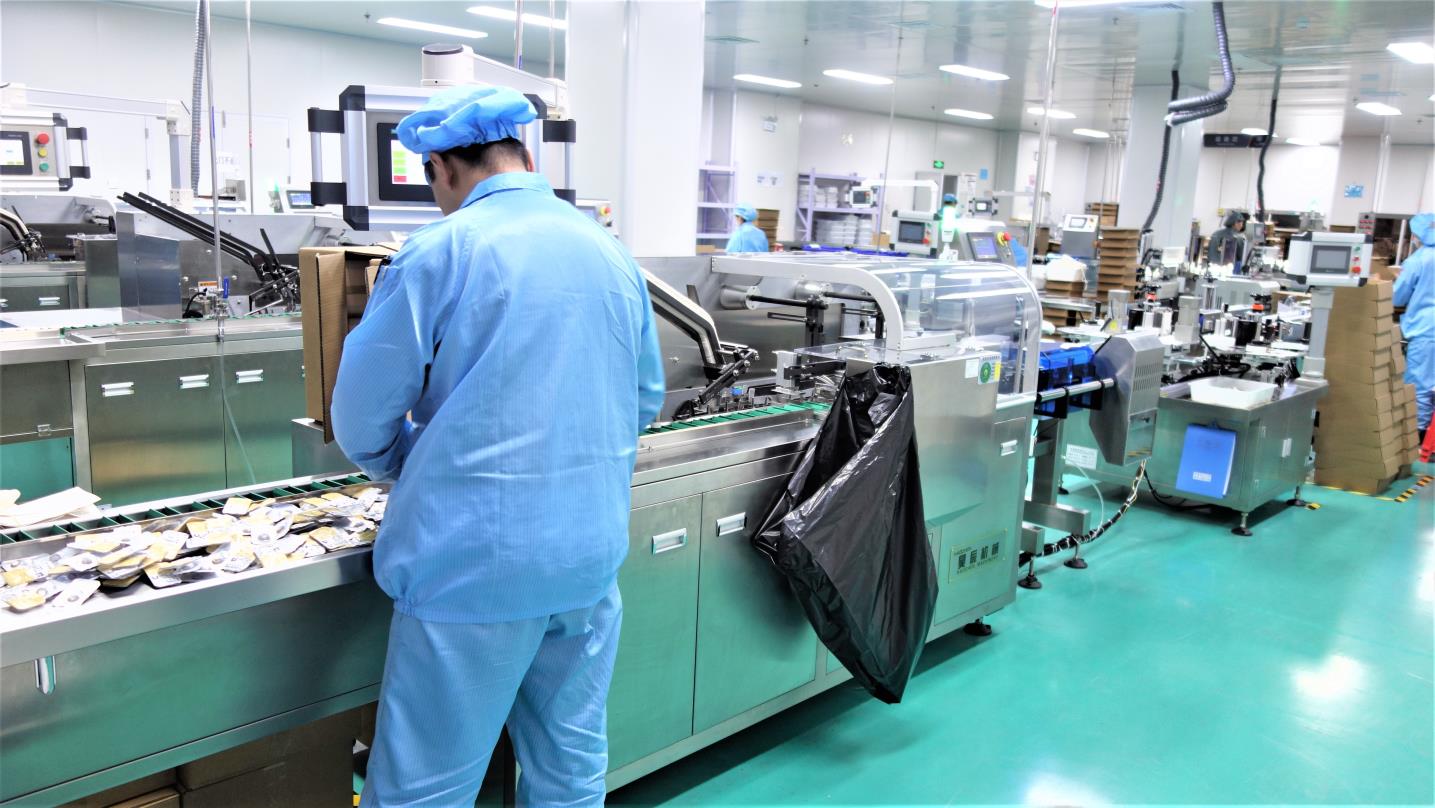
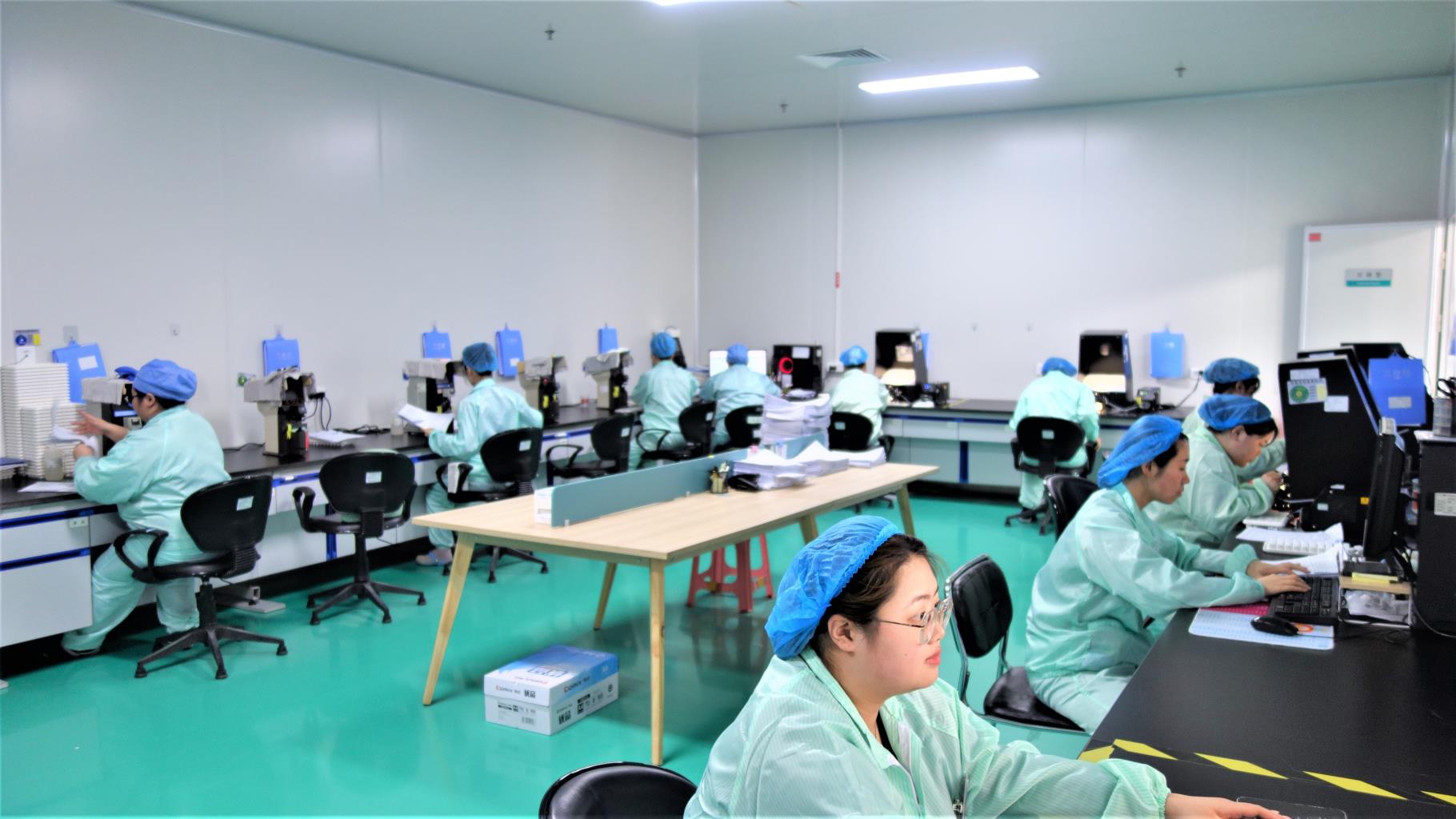
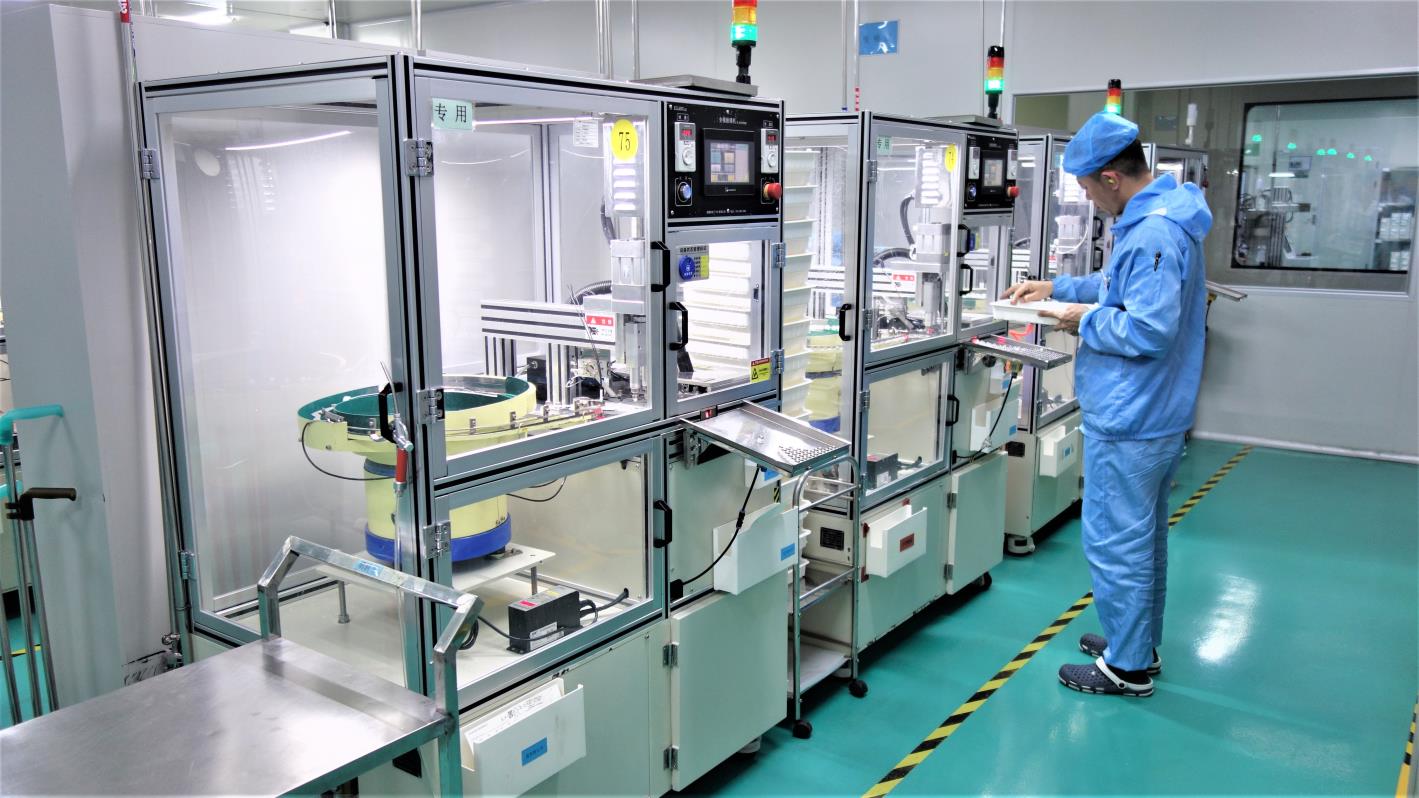
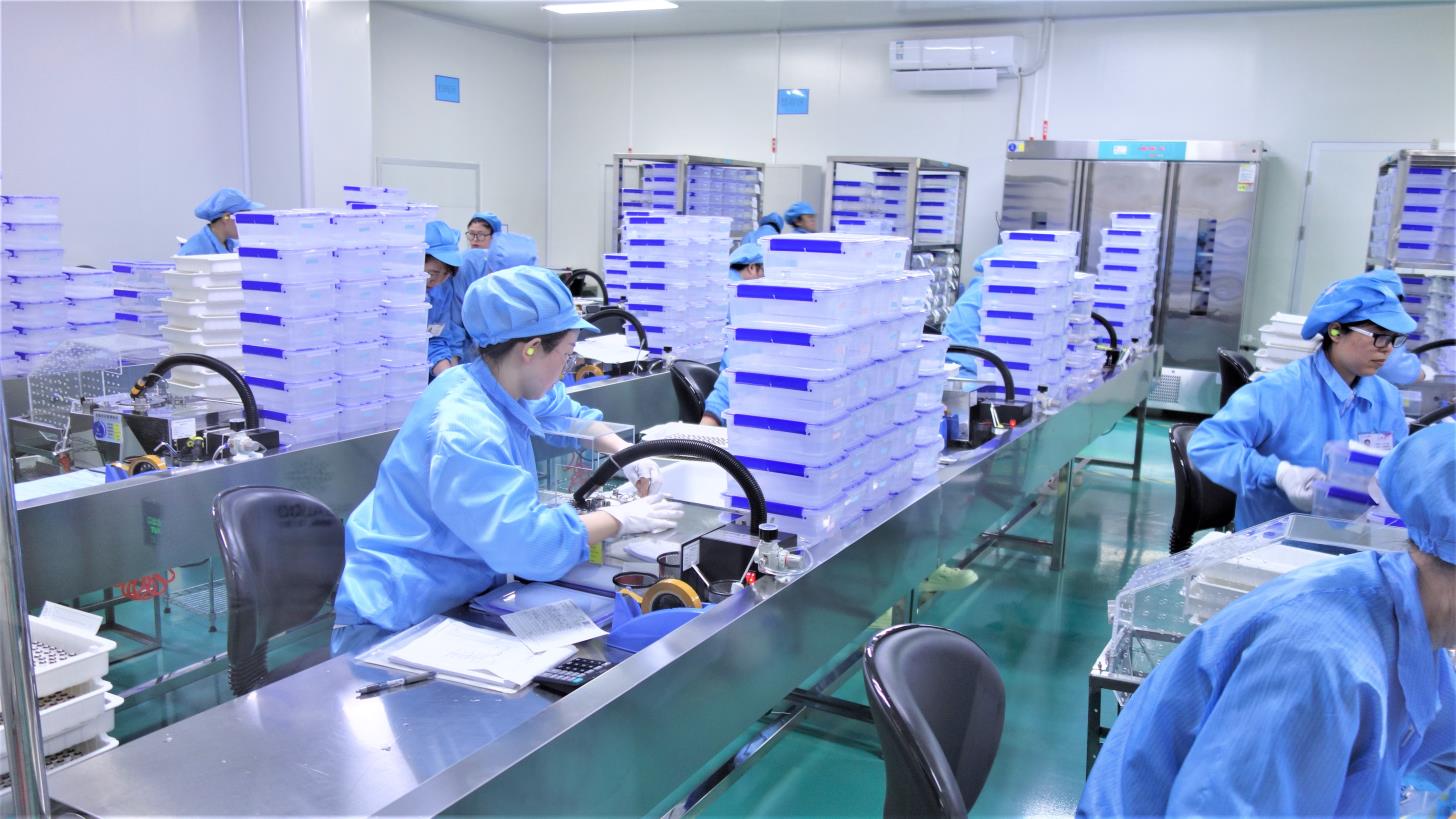
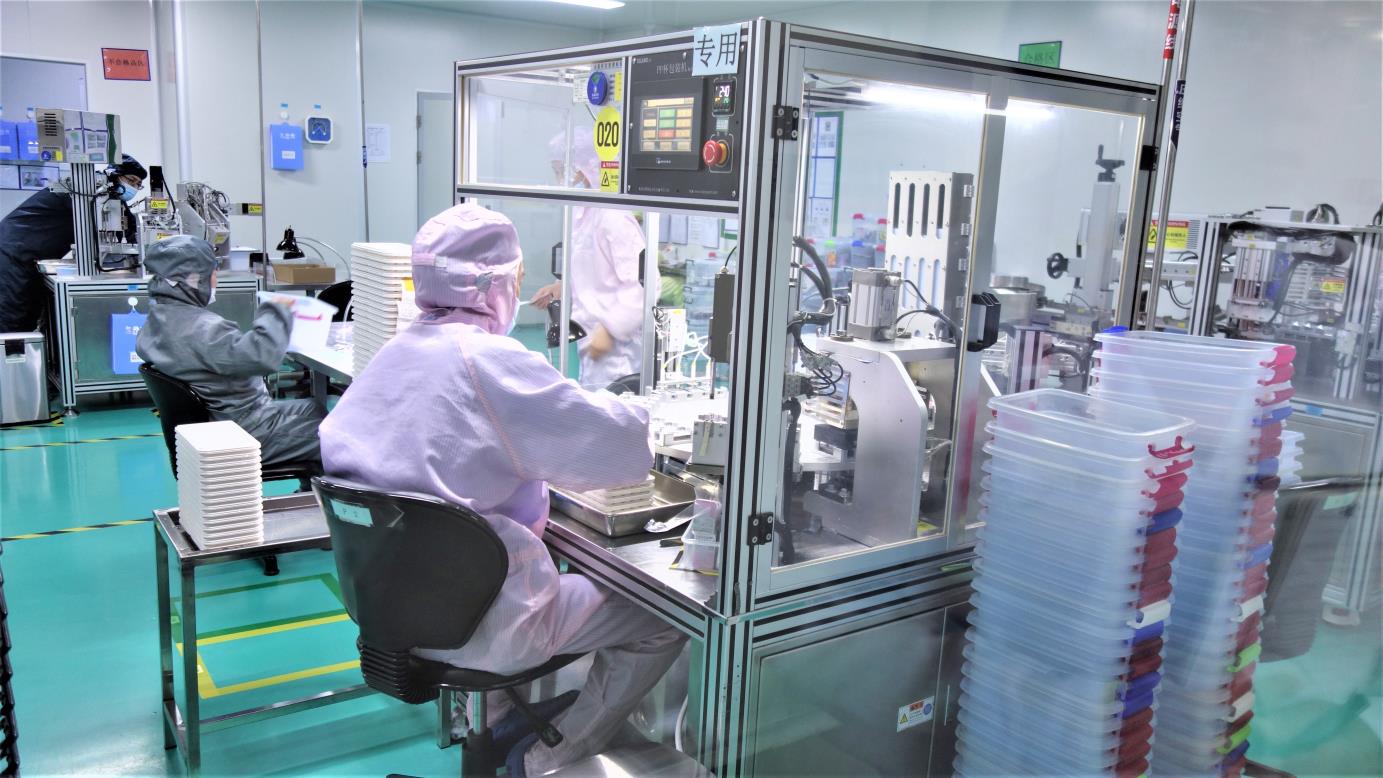
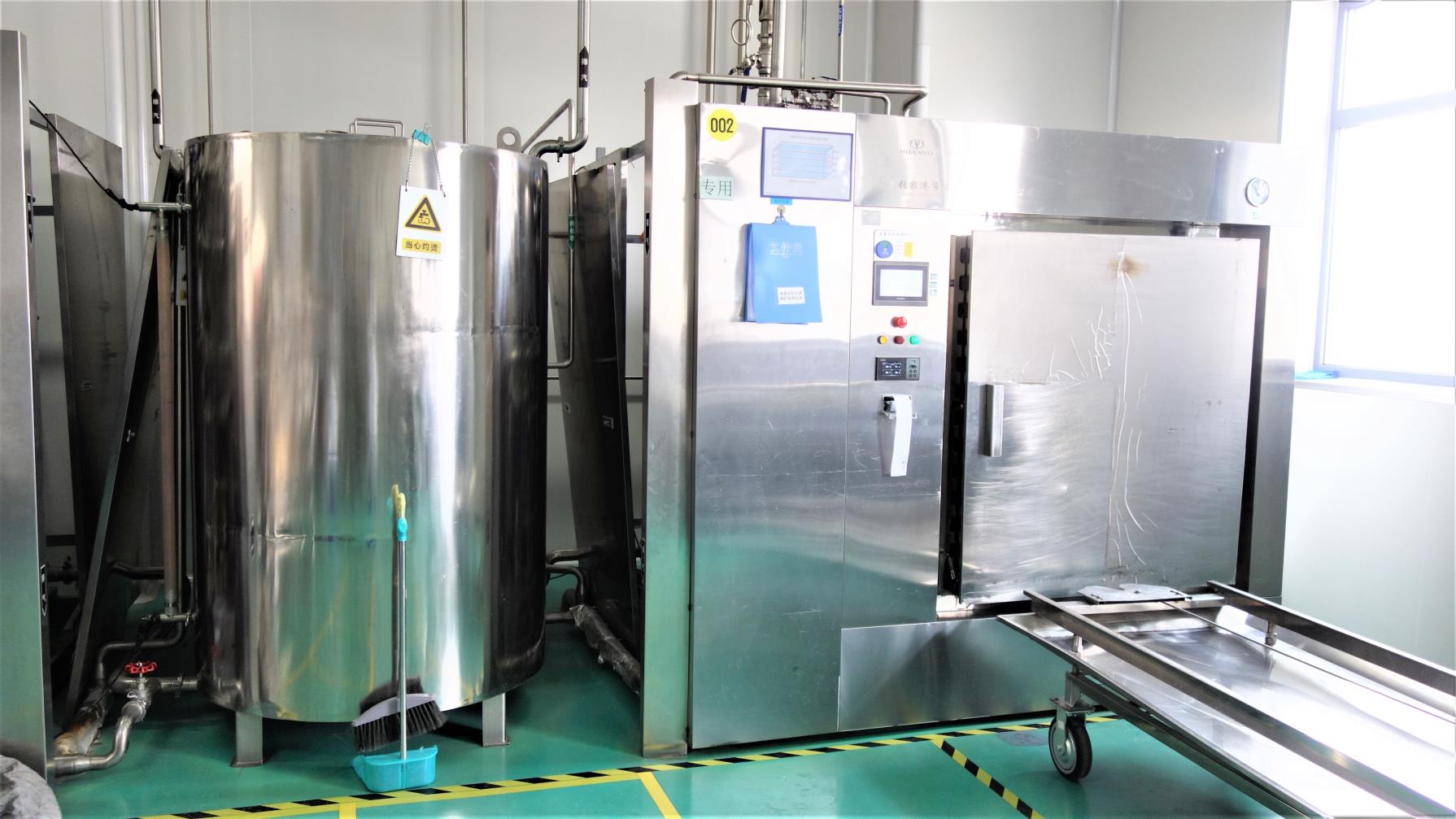
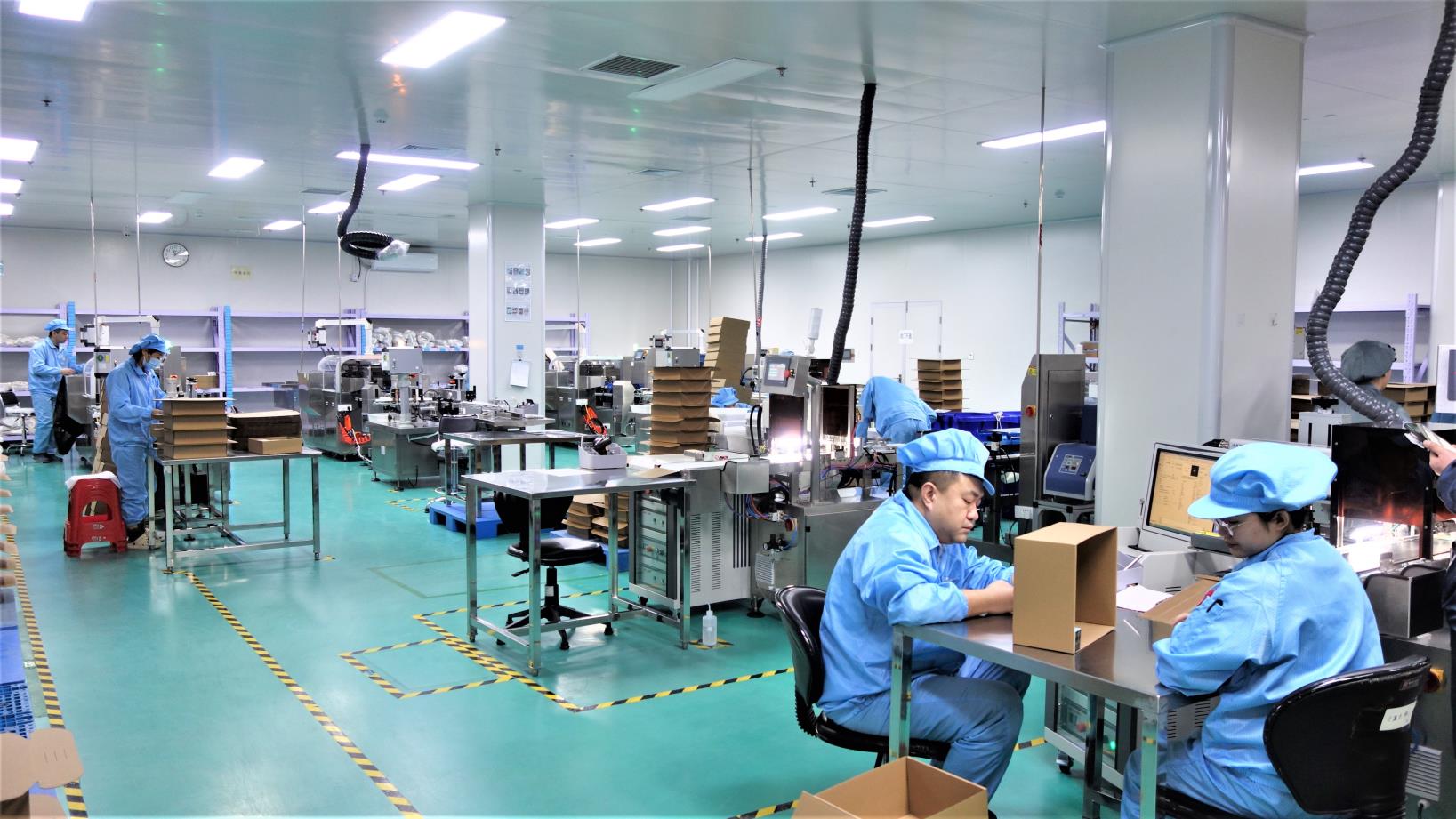
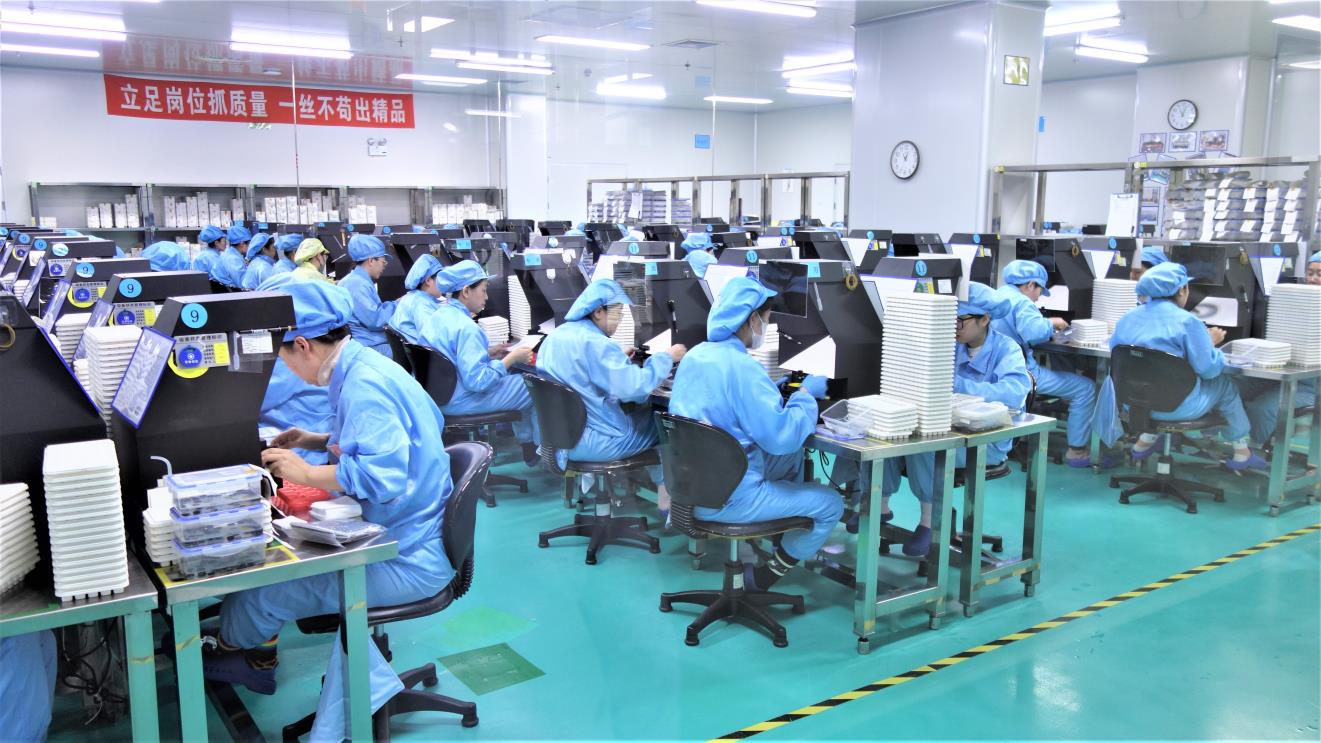
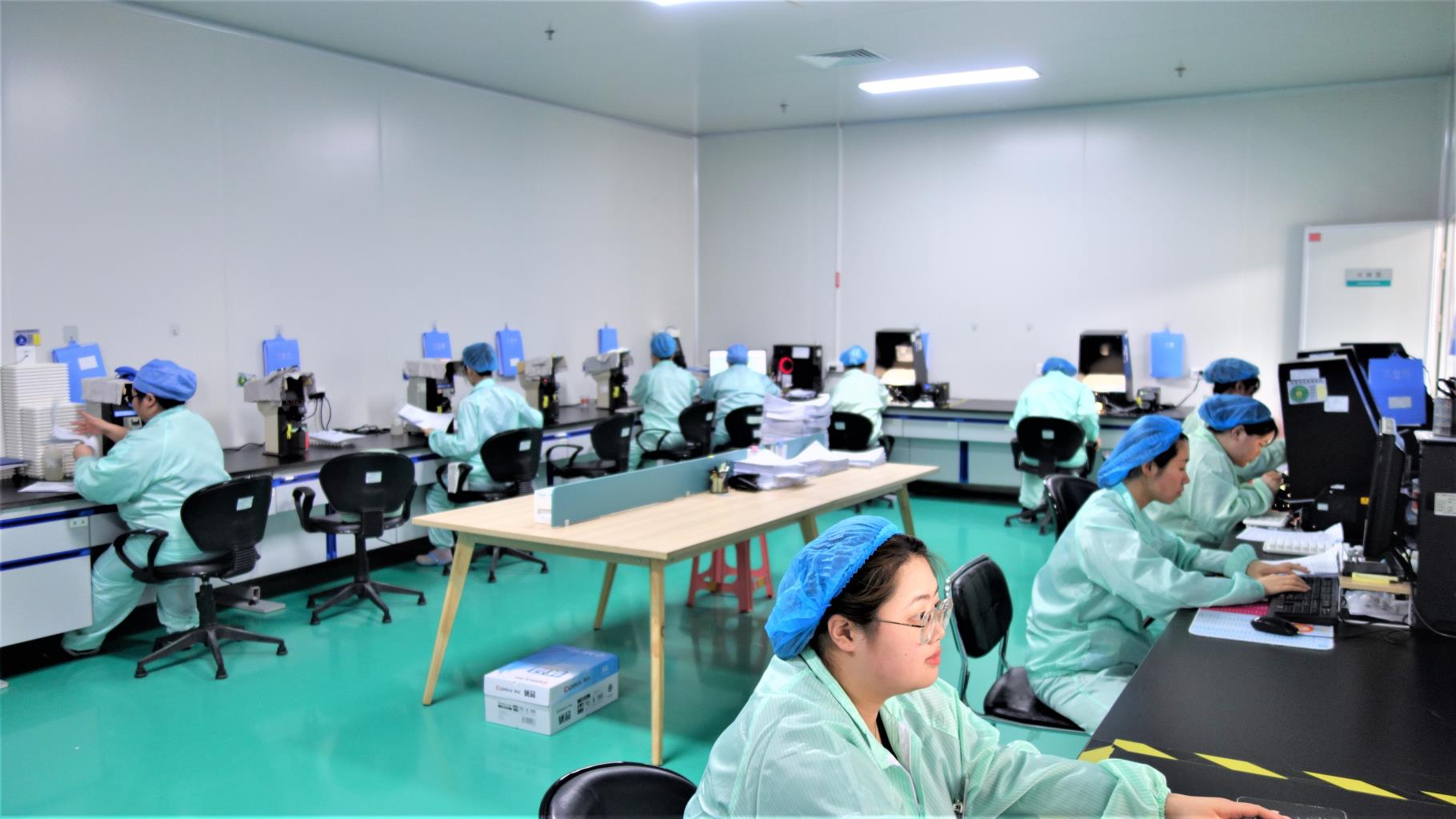
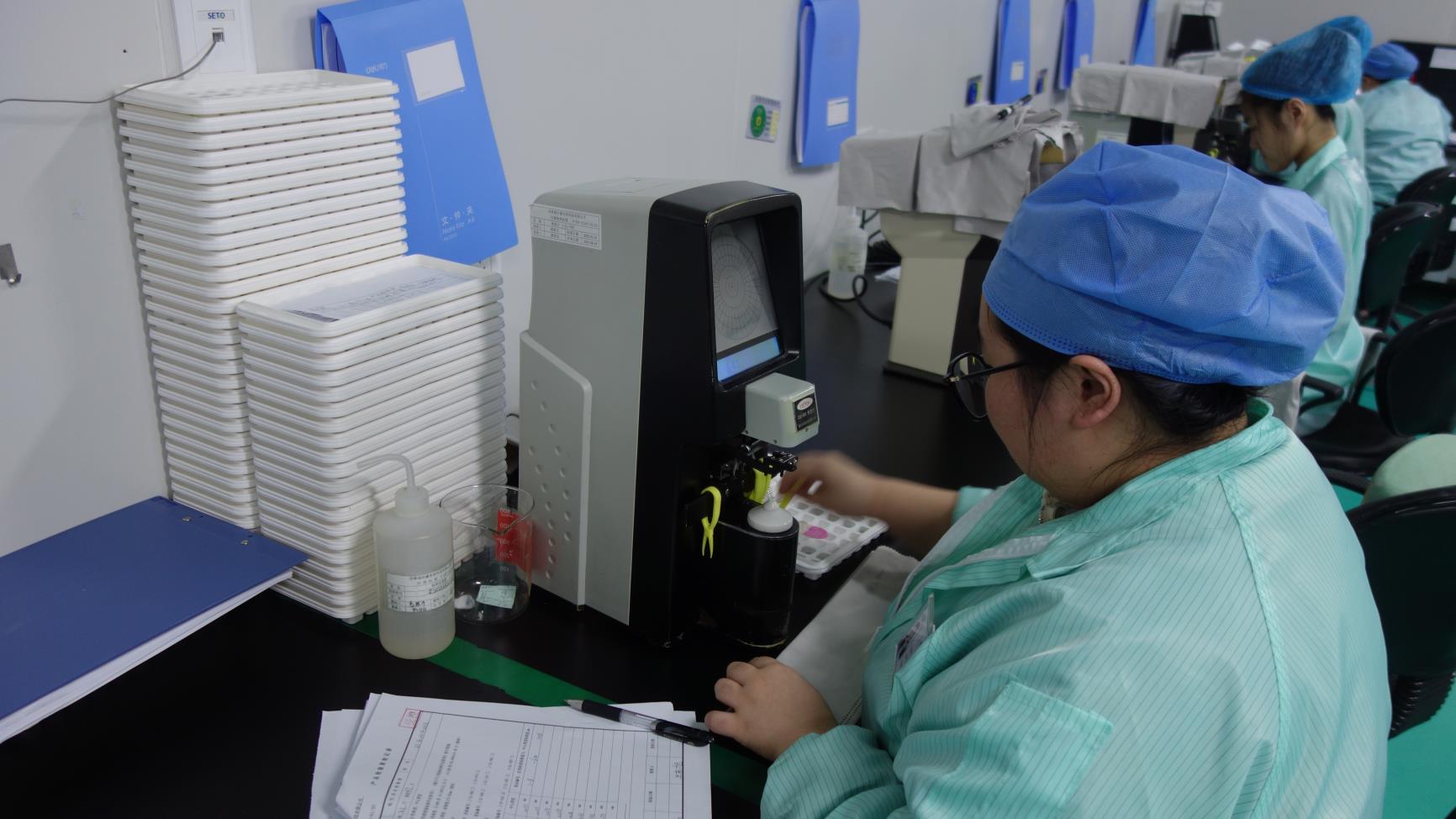
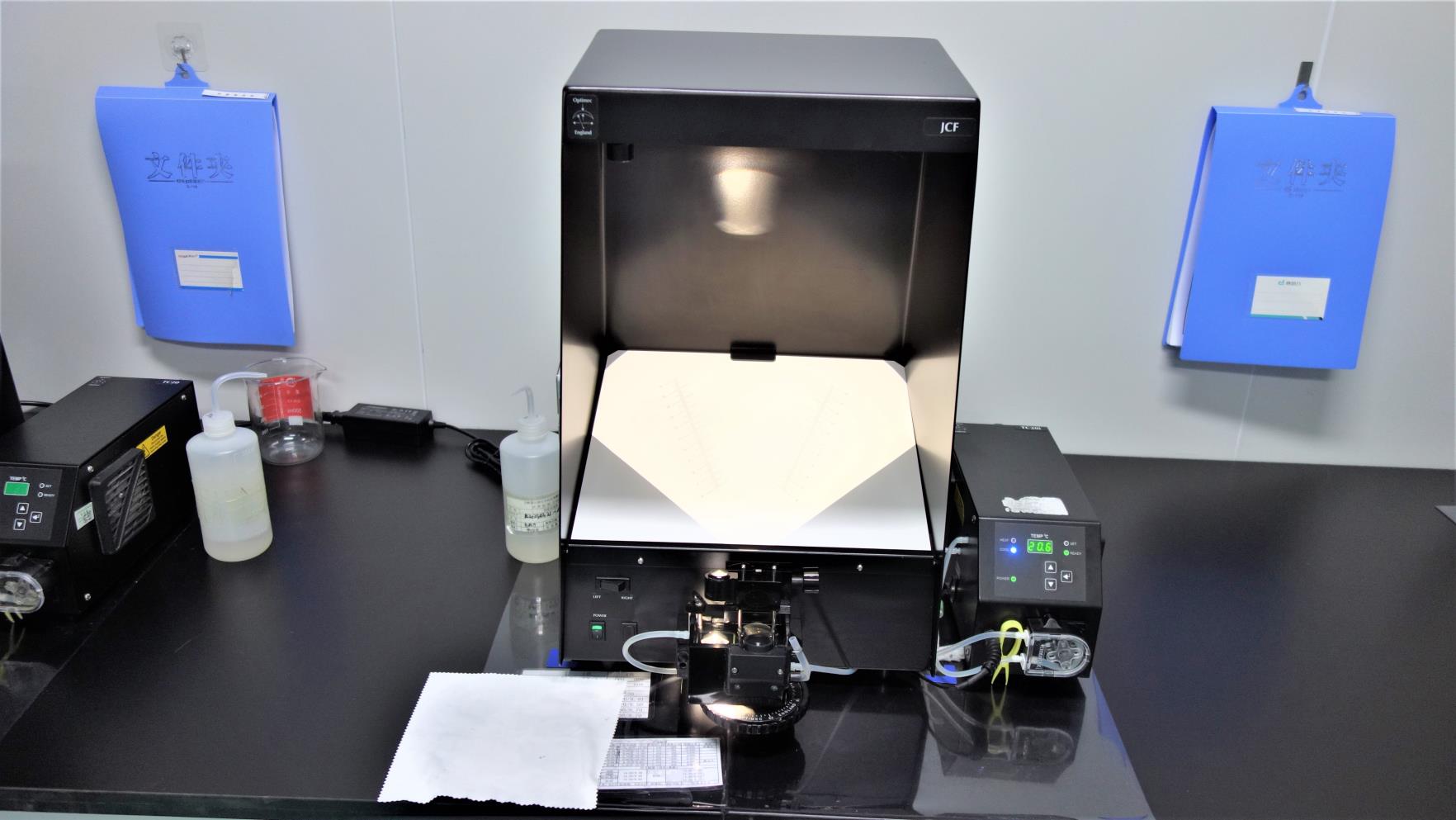
How our integrated factory architecture yields substantial cost and speed-to-market advantages for global procurement teams.
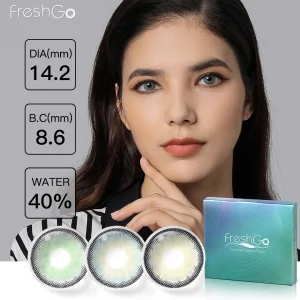
Explore our full OEM/ODM product selection, customizable in sizing, water content, and packaging options.
Embracing material science and consumer preference shifts in the East Asian optical sector.
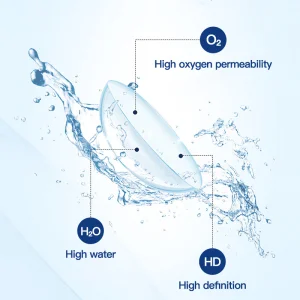
Traditional hydrogel lenses rely on water content to transport oxygen to the cornea. However, high water content can lead to increased ocular dehydration under air-conditioned environments, a common issue in Tokyo’s offices and subway networks. Silicone hydrogel allows oxygen to pass directly through the silicone polymer matrix, resulting in high oxygen transmissibility (Dk/t) while maintaining lower water content. This prevents dry-eye syndrome and allows for extended daily wear times.
Tokyo's consumers are highly conscious of ocular health. Lenses integrated with Class 1 or Class 2 UV blockers (absorbing over 90% of UVA and 99% of UVB rays) are becoming standard requests. Additionally, with the rise of screen time among modern office workers and students, blue-light-filtering monomer additives are gaining rapid traction in R&D pipelines.
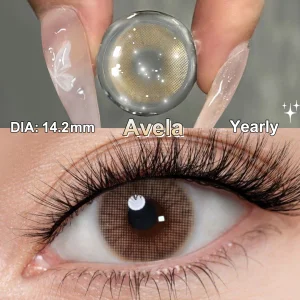
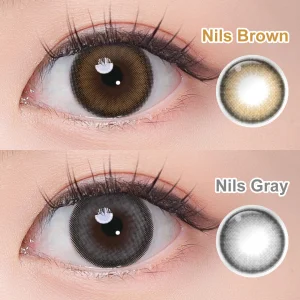
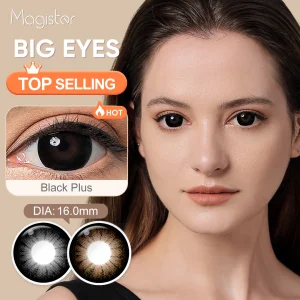
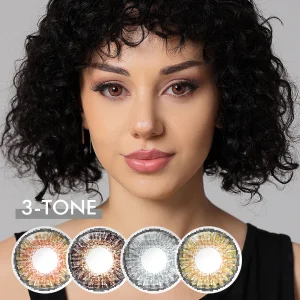
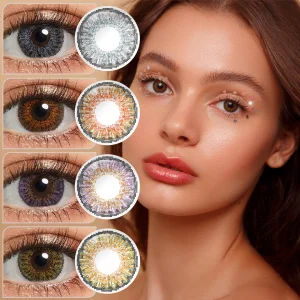
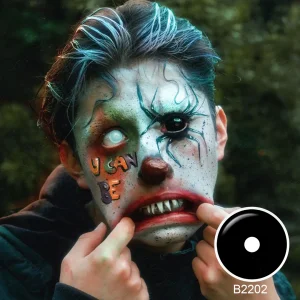
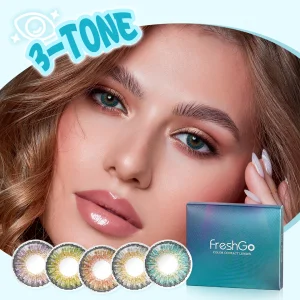
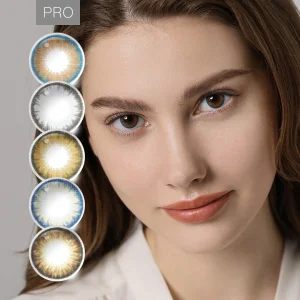
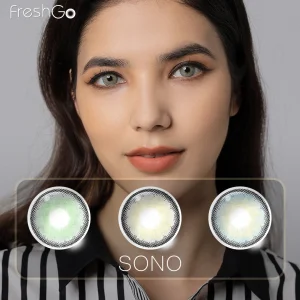
While extreme cosplay designs retain a dedicated market segment, the commercial mainstream has shifted toward subtle, natural color enhancements. Our 5-member R&D team specializes in creating dot-matrix printing arrays that blend with the natural dark iris of Japanese consumers. By utilizing dual-tone and tri-tone gradients with micro-dots, our lenses enlarge the eye appearance naturally without causing a flat, artificial look.
Hygiene concerns and active lifestyles have made 1-day disposables the dominant segment in Tokyo. We offer advanced packaging solutions, including thin foil blisters, which optimize material consumption and support brands' sustainability messaging. Our automated sealing machinery ensures sterile, hermetically sealed blisters that preserve lens integrity throughout transport and storage.
Essential information regarding custom OEM orders, shipping, and quality assurance processes.
For initial OEM orders involving new design setups (sample processing, custom mold tooling, and graphic validation), the turnaround is generally 30 to 45 days. Repeat production runs average 20 to 30 days. Air shipping from Shenzhen to Tokyo takes approximately 3 to 5 business days.
While the brand owner must serve as the primary marketing authorization holder (MAH) in Japan, we provide comprehensive technical documentation, including raw material source files, ISO 13485 certificates, production flowcharts, and sterilizer validation reports to facilitate your submission.
MOQs depend on the level of customization. For standard formulations with custom packaging (OEM paper boxes), the MOQ starts at 1,000 pairs per SKU/power. For completely custom color patterns or custom lens dimensions, please contact our sales team to discuss specific tooling requirements.
We utilize proprietary sandwich printing technology. The pigments are printed onto a base curve mold and then cast within the hydrogel material, ensuring that the color layers are fully encapsulated within the center of the lens. No ink ever touches the cornea or the eyelid.
Yes, we provide free stock samples for quality evaluation and fitment testing. For customized design samples, a development fee applies, which can be fully credited toward your first bulk production order.
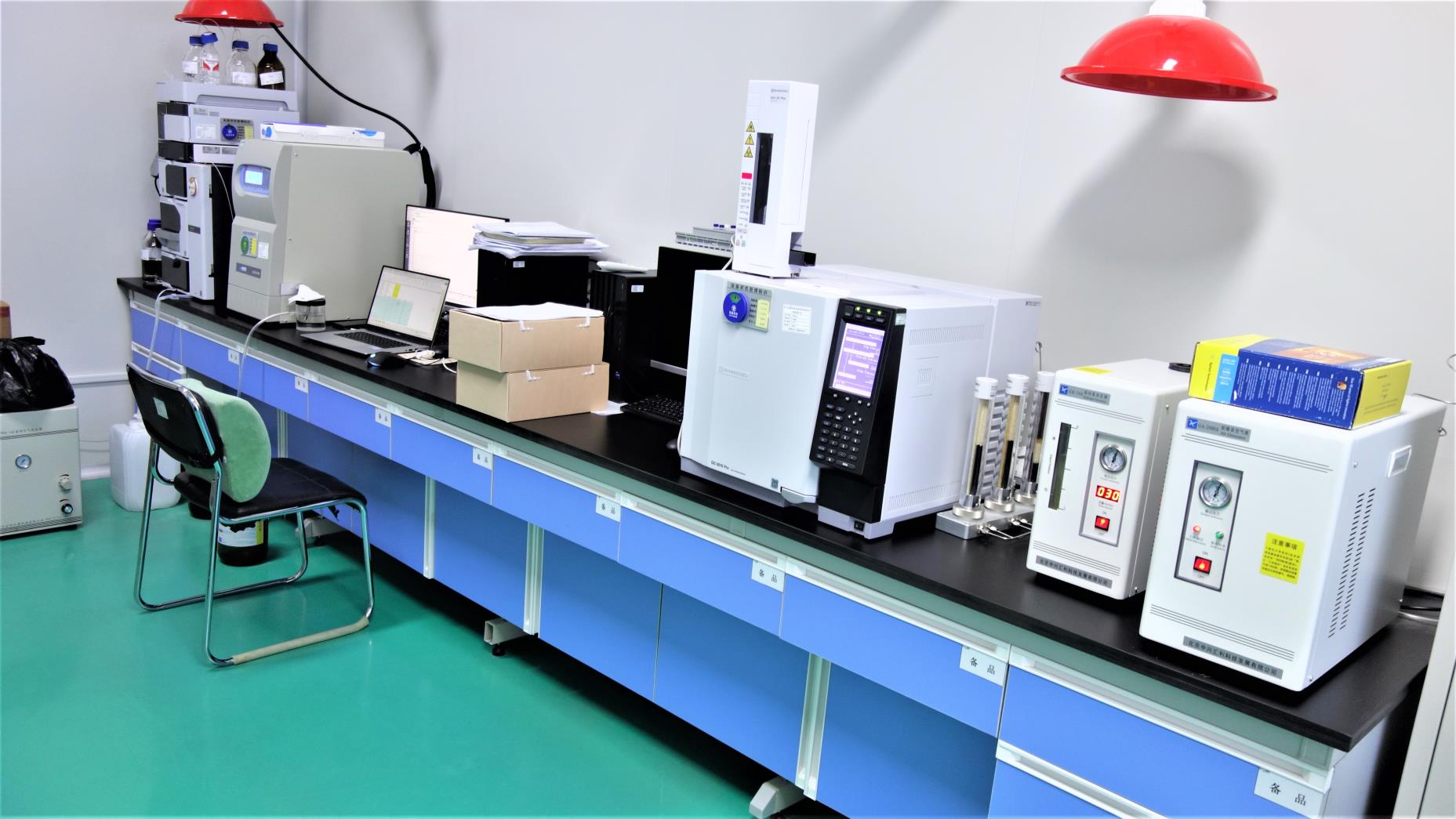
Our Quality Control system is active across all lines. Every single lens undergoes automated optical inspection (AOI) to detect tears, surface bubbles, and edge defects. Batch testing includes checking diopters on digital focimeters, physical measurements using profile projectors, and UV transmittance testing on spectrophotometers.
Partner with Shenzhen Fresh Vision Co., Ltd. for reliable, ISO-certified, and PMDA-compliant contact lens manufacturing. Request samples or a detailed quotation today.