Fresh Lenses
Fresh Lenses
Fresh Lenses
A select showcase of our high-demand OEM configurations optimized for Osaka's clinical and fast-fashion cosmetic retail standards.
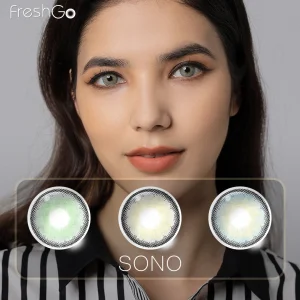
Analyzing demographic shifts, localized design preferences, and regional supply chain pathways.
Osaka, as the economic engine of Western Japan and the heart of the Kansai region, represents one of the most sophisticated contact lens consumer bases globally. The regional dynamics of the Osaka market are shaped by dual forces: a rapidly aging urban population requiring advanced multifocal and dry-eye preventive corrective lenses, alongside a highly dynamic youth population centered in districts like Shinsaibashi, Umeda, and Namba that drive the fast-growing premium cosmetic colored contact lens market.
In Osaka, the adoption rate of daily disposables exceeds the national average in metropolitan areas, propelled by a fast-paced urban lifestyle and high medical awareness. Historically, the retail landscape in Kansai has demanded exceptionally high compliance with safety metrics, making low-quality imports untenable. Importers and local brand owners in Osaka require OEM partners who can deliver not just cosmetic variety, but superior biomimetic lens materials that guarantee ocular health under long wearing hours.
1. Ultra-High Oxygen Transmissibility (Dk/t): Long office hours in Osaka’s financial hubs drive the demand for Silicone Hydrogel lenses that alleviate hypoxia-related corneal concerns.
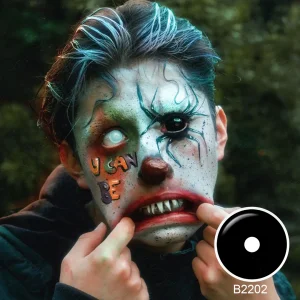
2. Cultural and Theatrical Niches: The Nipponbashi subculture community creates highly seasonal demand surges for specialty cosmetic lenses, demanding flexible MOQ setups from OEM manufacturers.
3. Advanced Biocompatibility: Resistance to protein deposits is vital due to the suspended urban atmospheric particulates, reinforcing the need for non-ionic materials such as Polymacon.
On a macro scale, contact lens manufacturing is shifting from legacy standard polymers to highly tailored copolymer matrices. Global OEMs must align themselves with structural trends: integration of UV blockers (Class 1 and Class 2), moisture lock technologies, and sandwich color encapsulation methods that prevent any direct contact between color pigments and the corneal surface. Global brands are continually looking for suppliers that offer customizable options such as custom edge profiles, varying base curves ($8.4\text{mm} - 8.8\text{mm}$), and specialized packaging that satisfies local regulatory requirements.
Your Strategic Manufacturing Partner for Class-III Medical-Grade Optical Products
Founded on rigorous engineering principles, Shenzhen Fresh Vision Co., Ltd. has established itself as a premier OEM/ODM manufacturer in the contact lens sector. With over a decade of processing, formatting, and exporting high-precision contact lenses globally, we maintain a robust operational framework serving brand owners, wholesalers, and clinical networks across North America (25%), Southeast Asia (20%), and the Middle East (10%).
| R&D and Engineering Matrix | |
|---|---|
| R&D Engineers | 5 Specialized Optical Engineers |
| Education Profile | 3 Graduate Degree Holders, 2 Junior College Graduates |
| Customization Options | Sample Processing, Graphic Processing, Customized Packaging |
| Accepted Languages | Spanish, English, Chinese |
Compliance is our foundational pillar. We execute a comprehensive, multi-tiered inspection protocol that ensures defect rates are maintained below industry-standard ppm values. Our manufacturing plant operates under a certified quality management system where every single batch is subjected to raw material traceability from pre-polymerization stages down to the final retail blister pack.
Behind-the-scenes breakdown of our state-of-the-art facility processes, guaranteeing high yield and optical clarity.
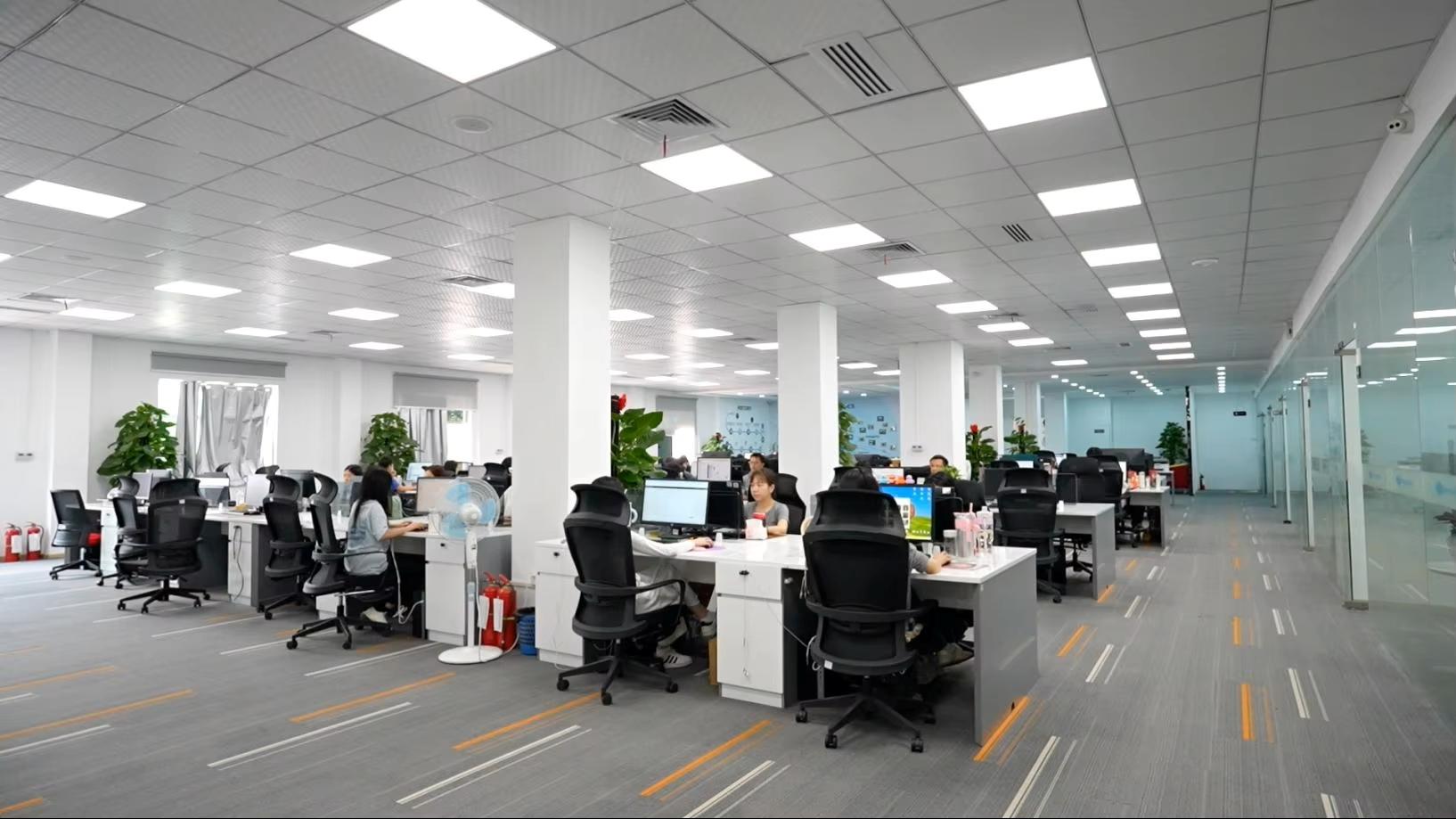 Cast Molding Preparation
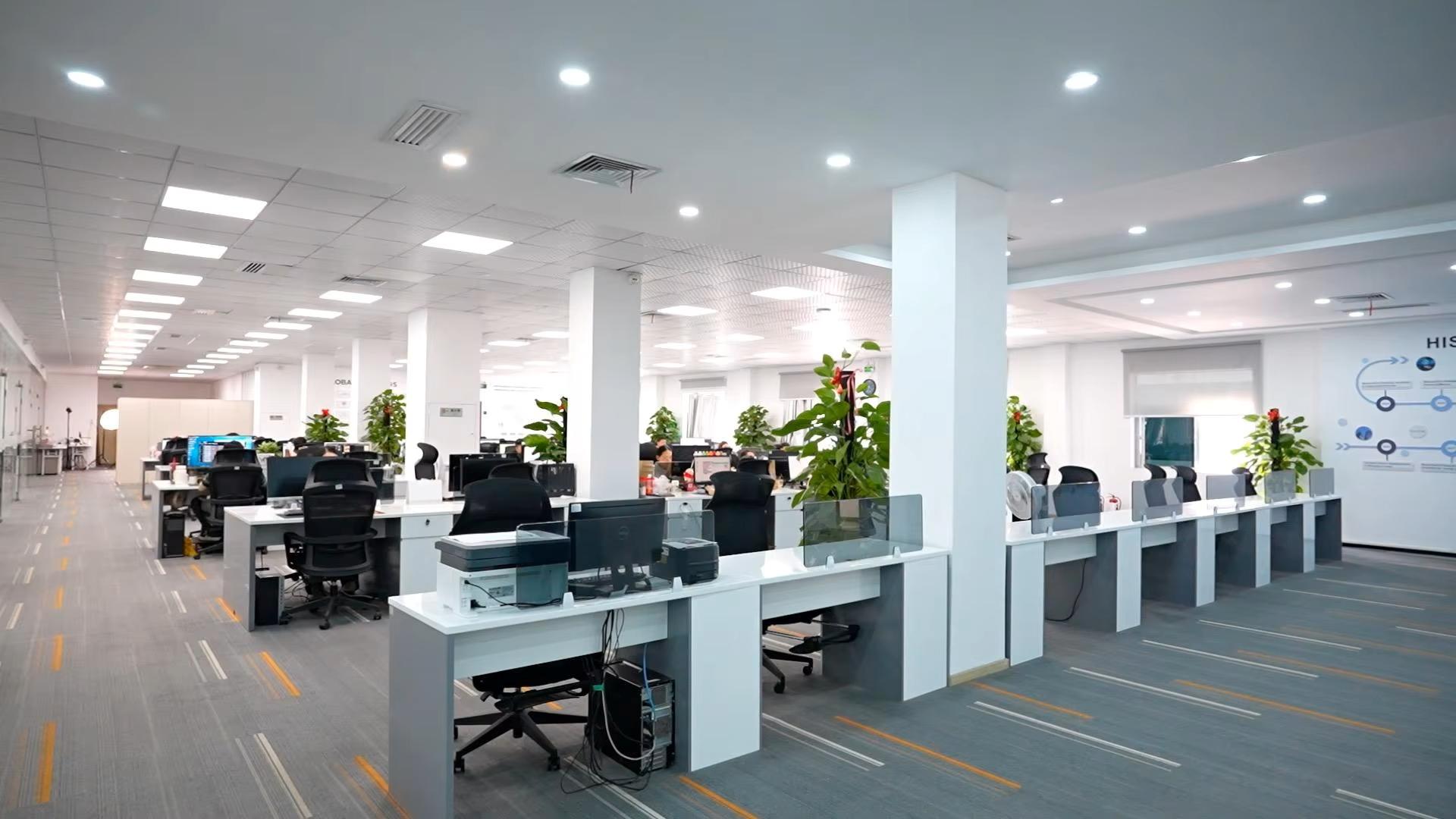 Polymer Processing
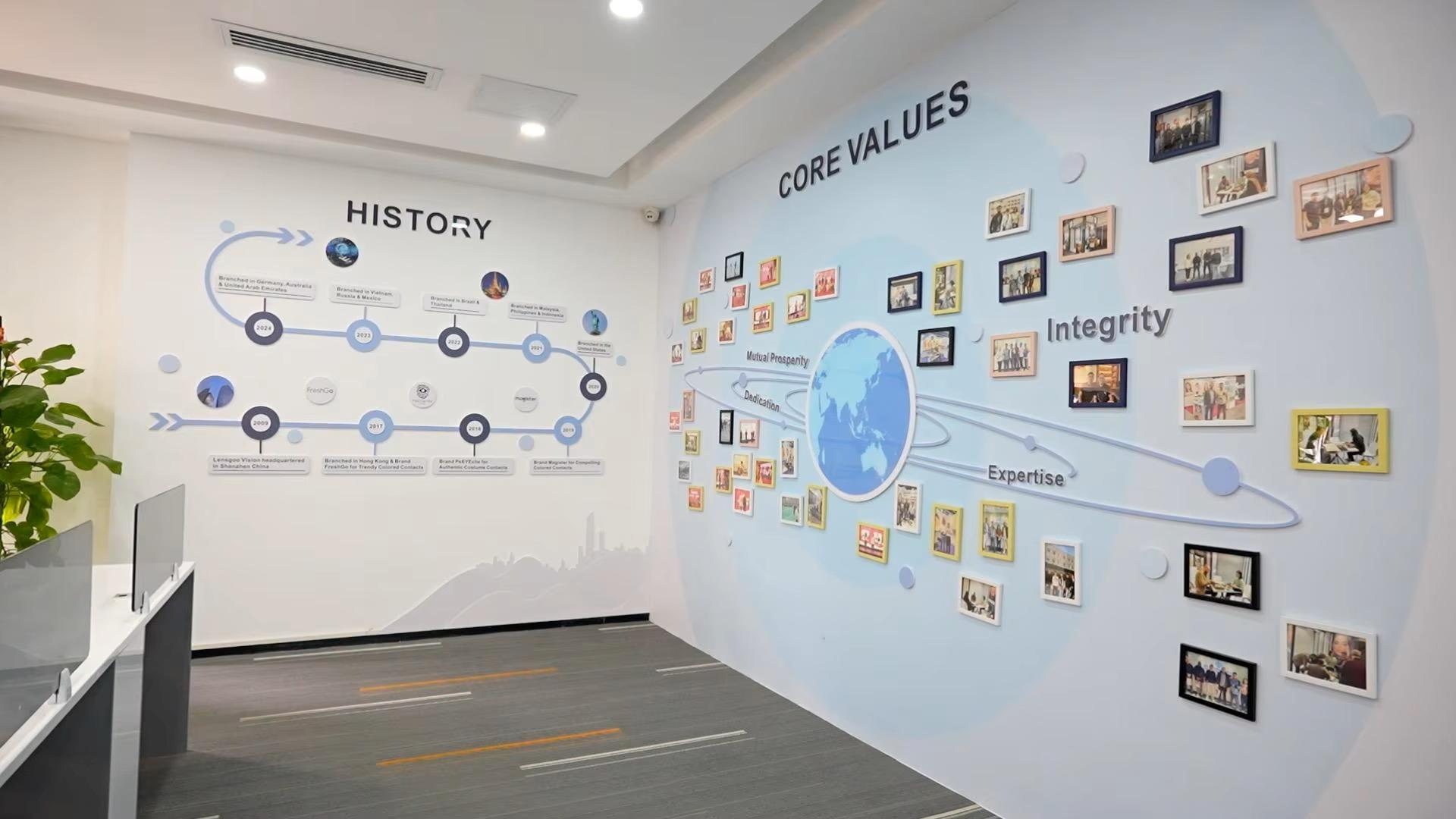 Demoulding Process
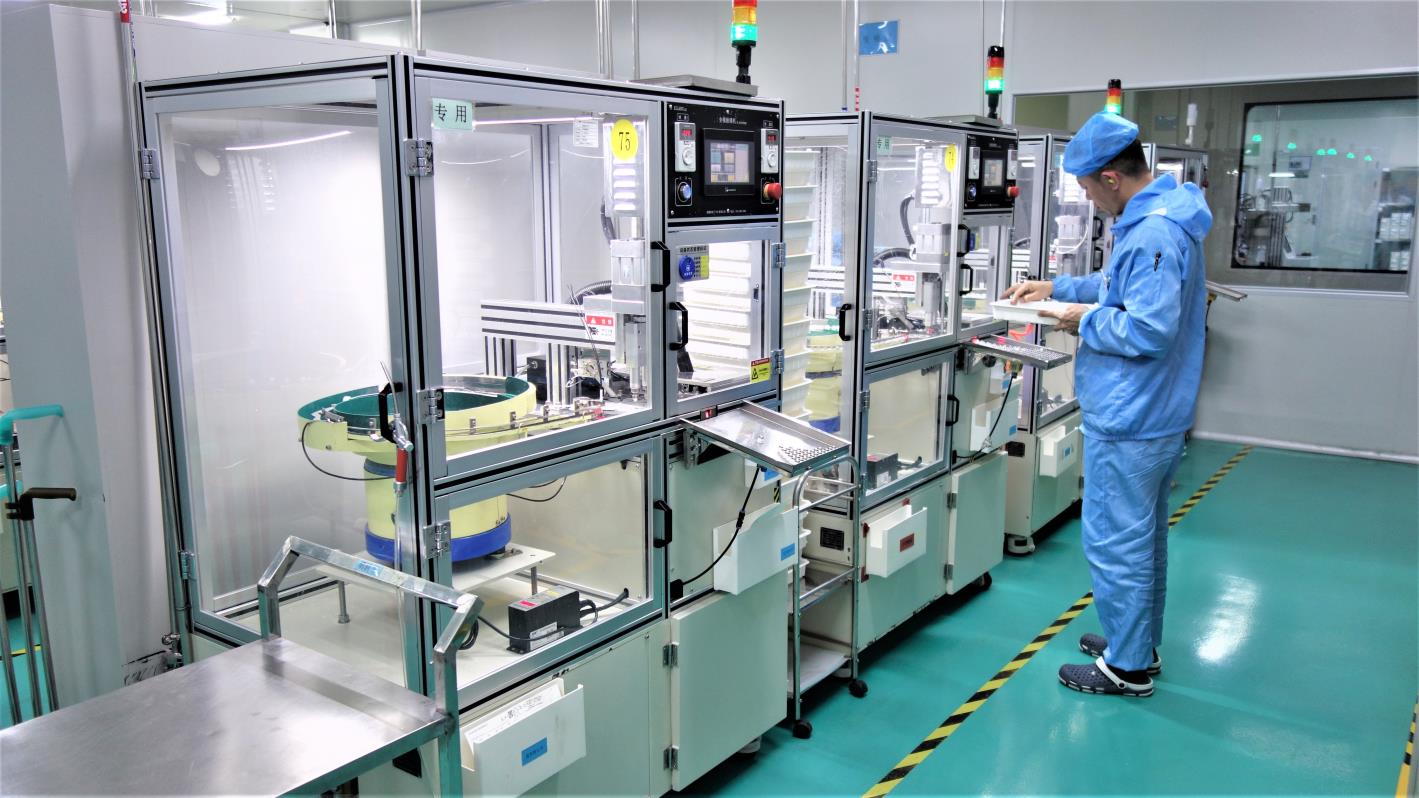 Demoulding Systems
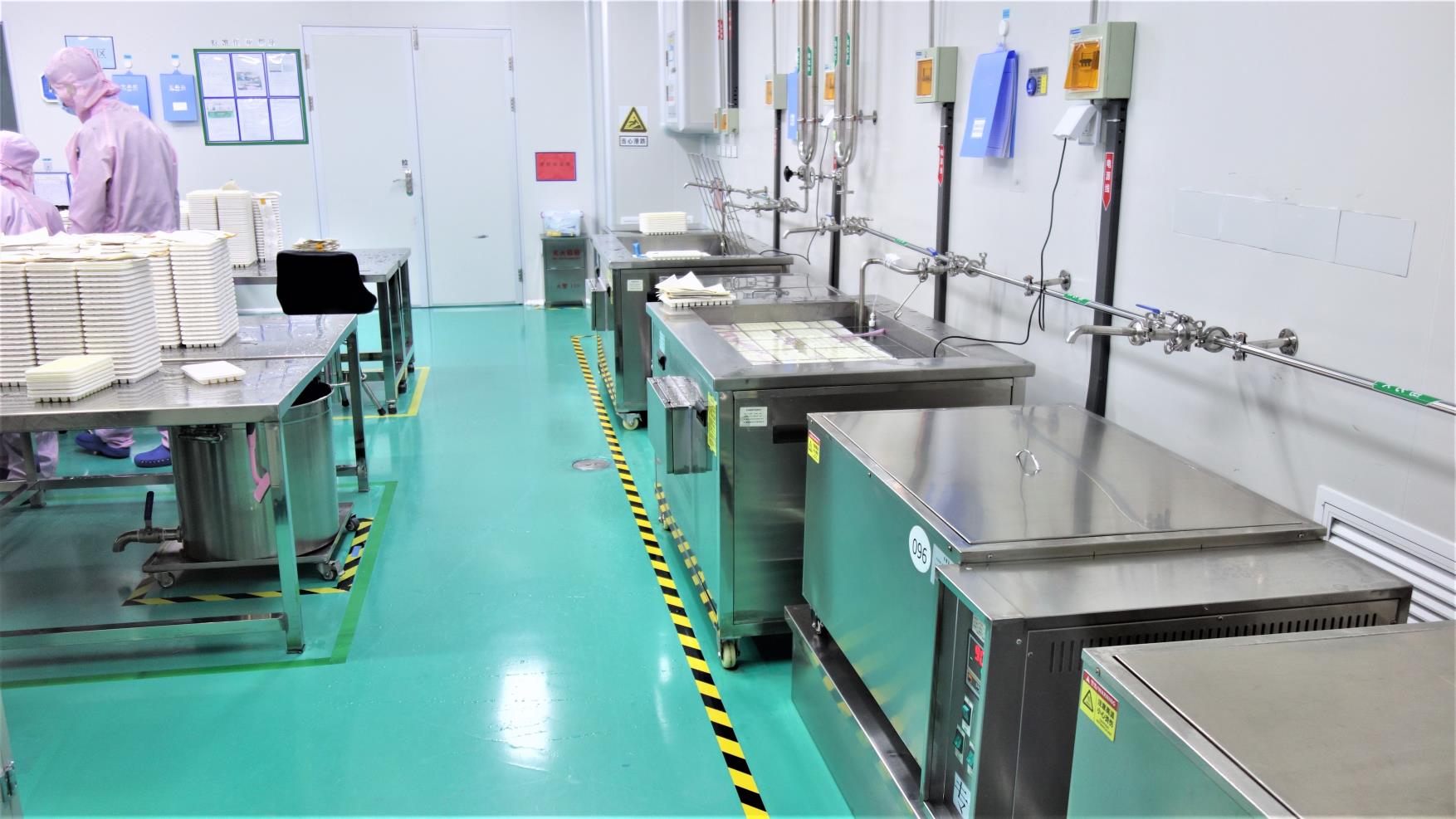 Soaking & Disinfection
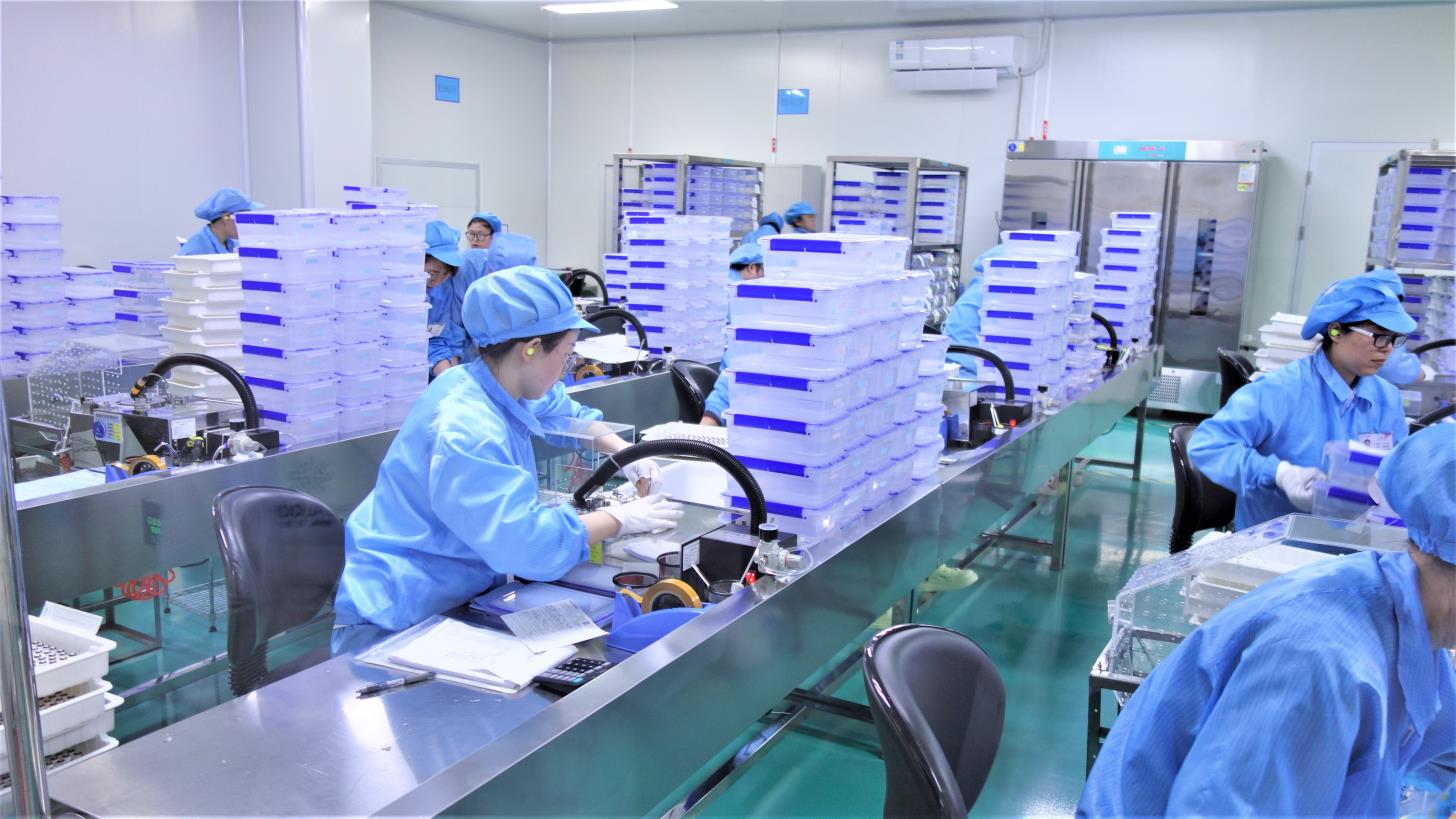 Film Suction Station
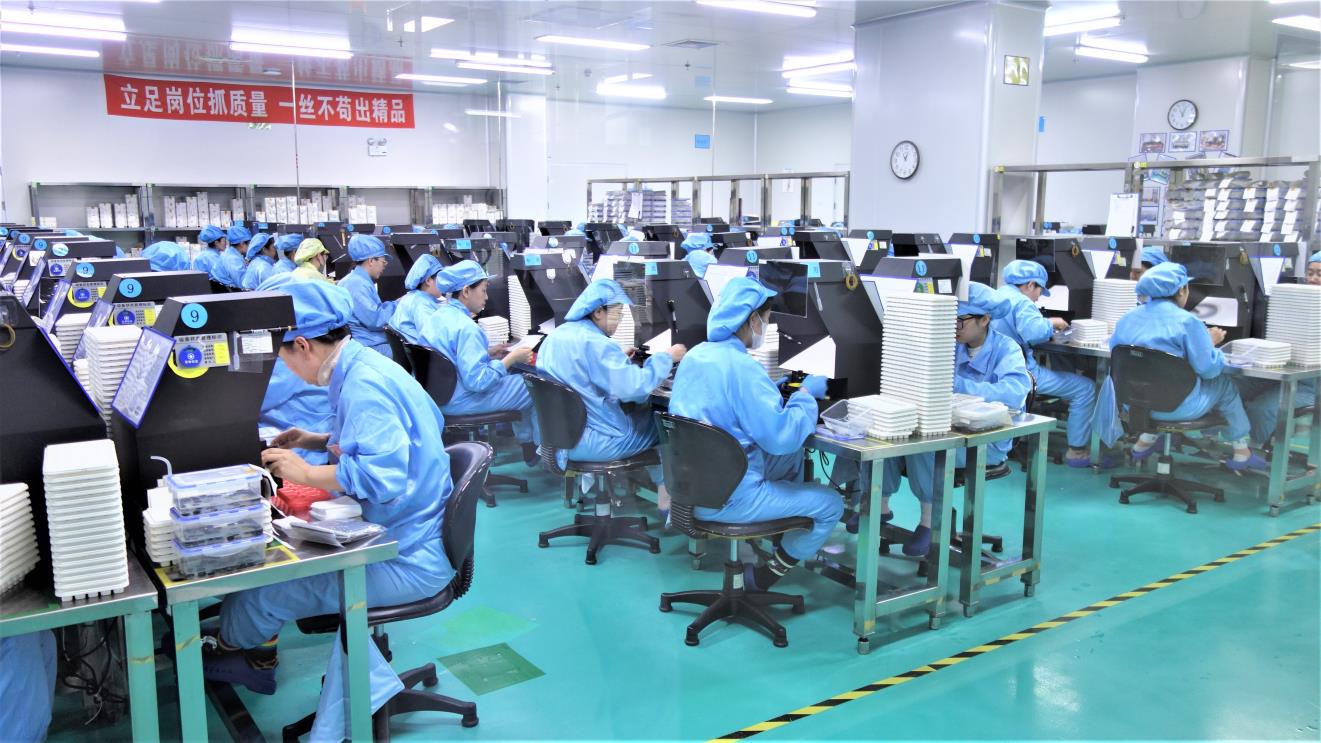 High-Res Optical Inspecting
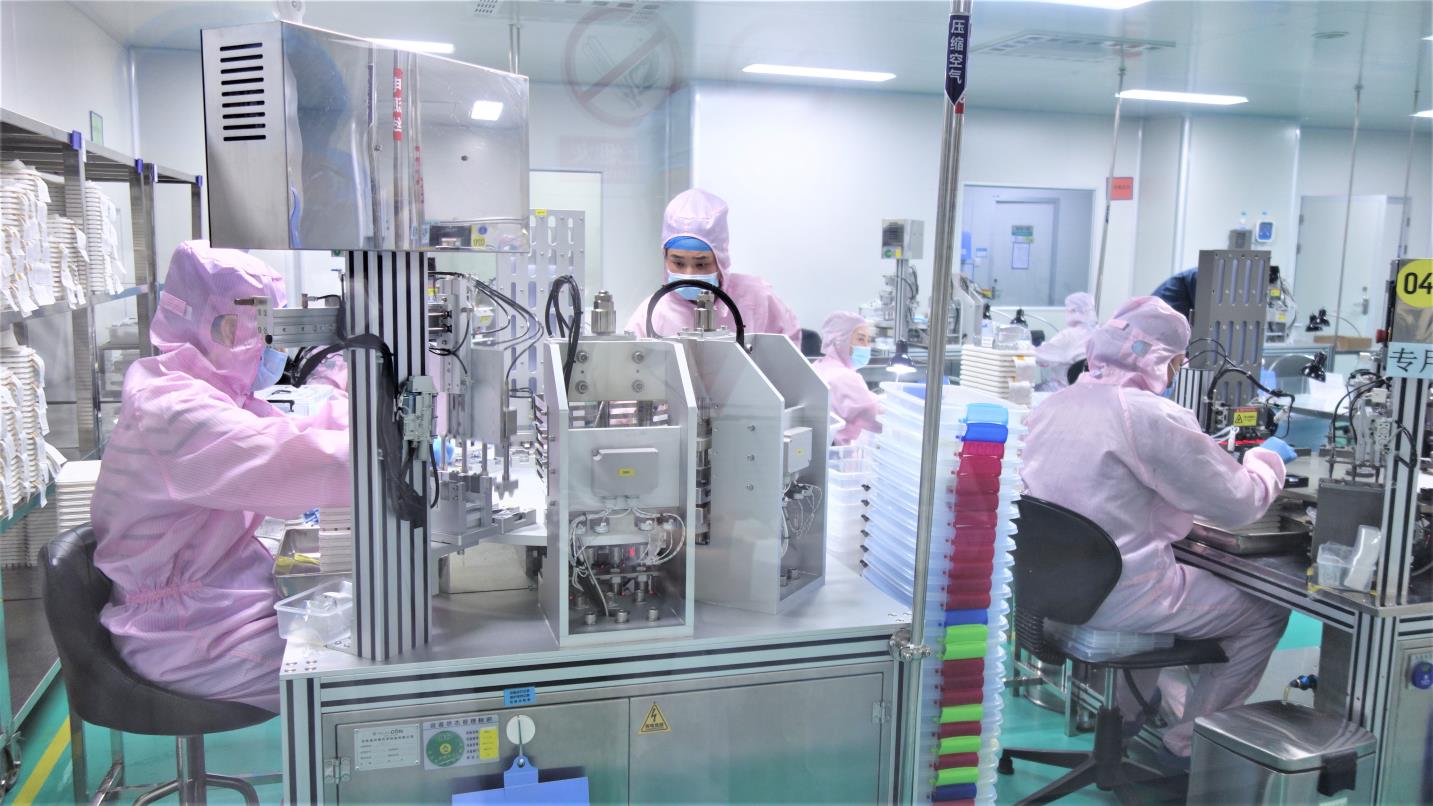 Saline Solution Filling
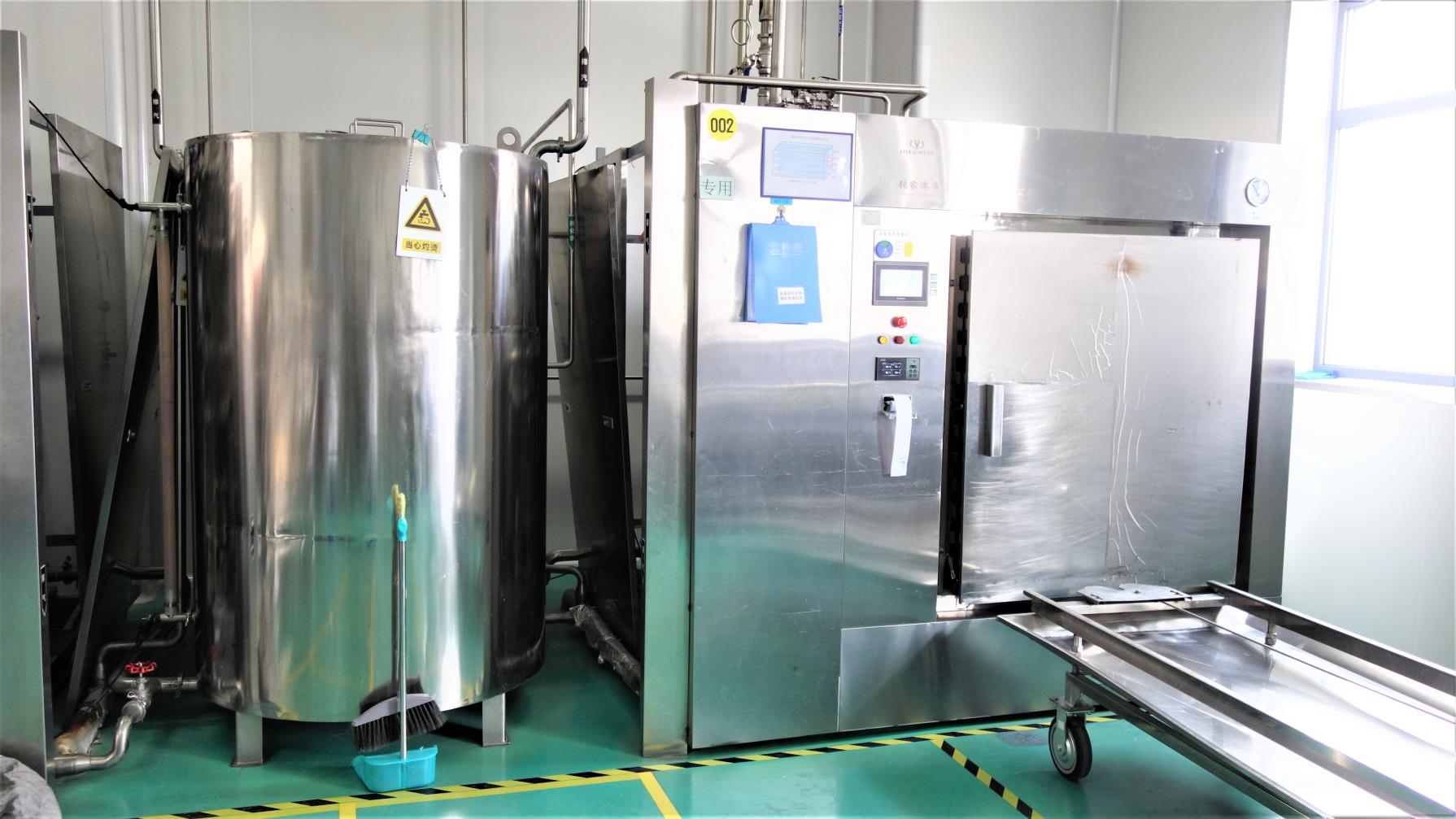 Autoclave Sterilization
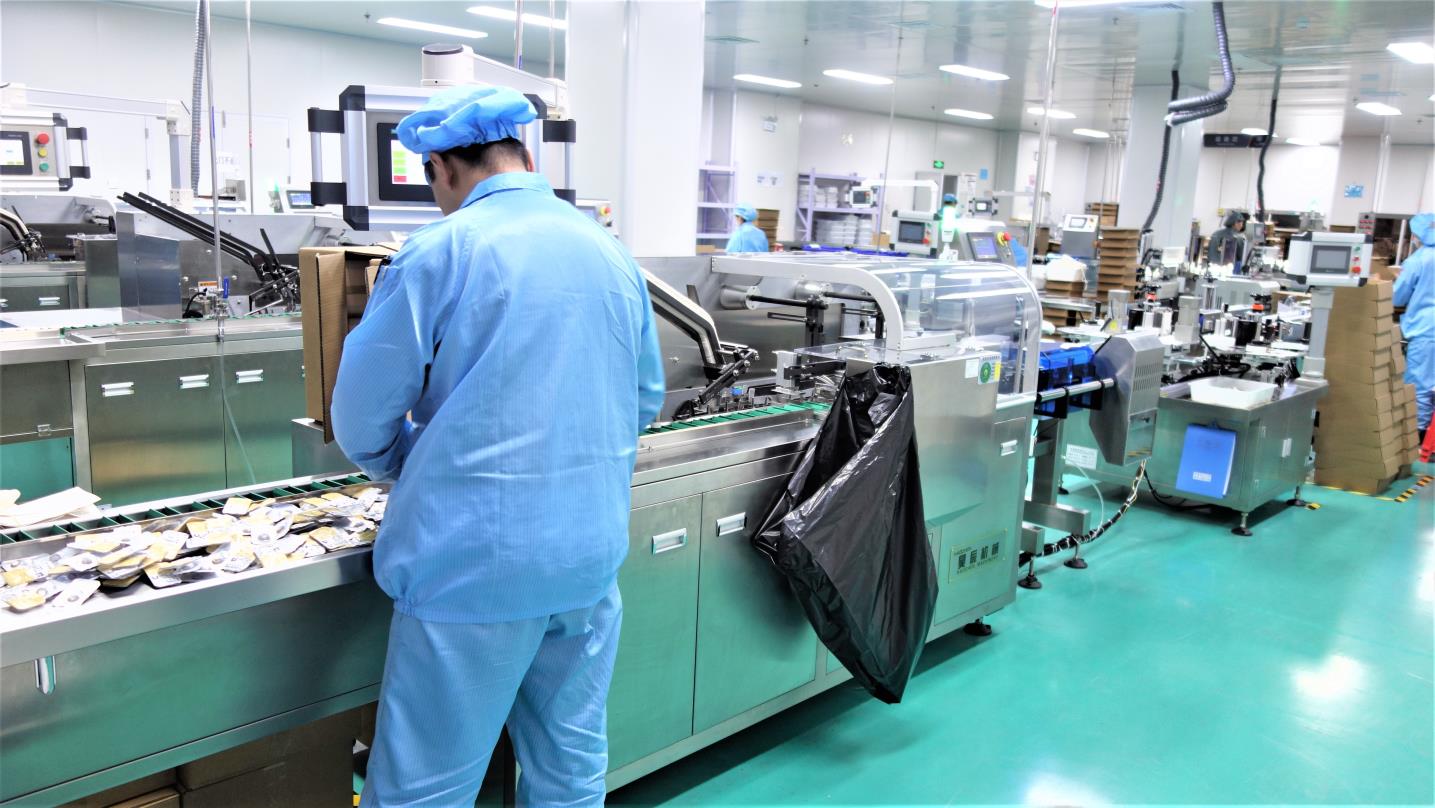 Hermetic Packing
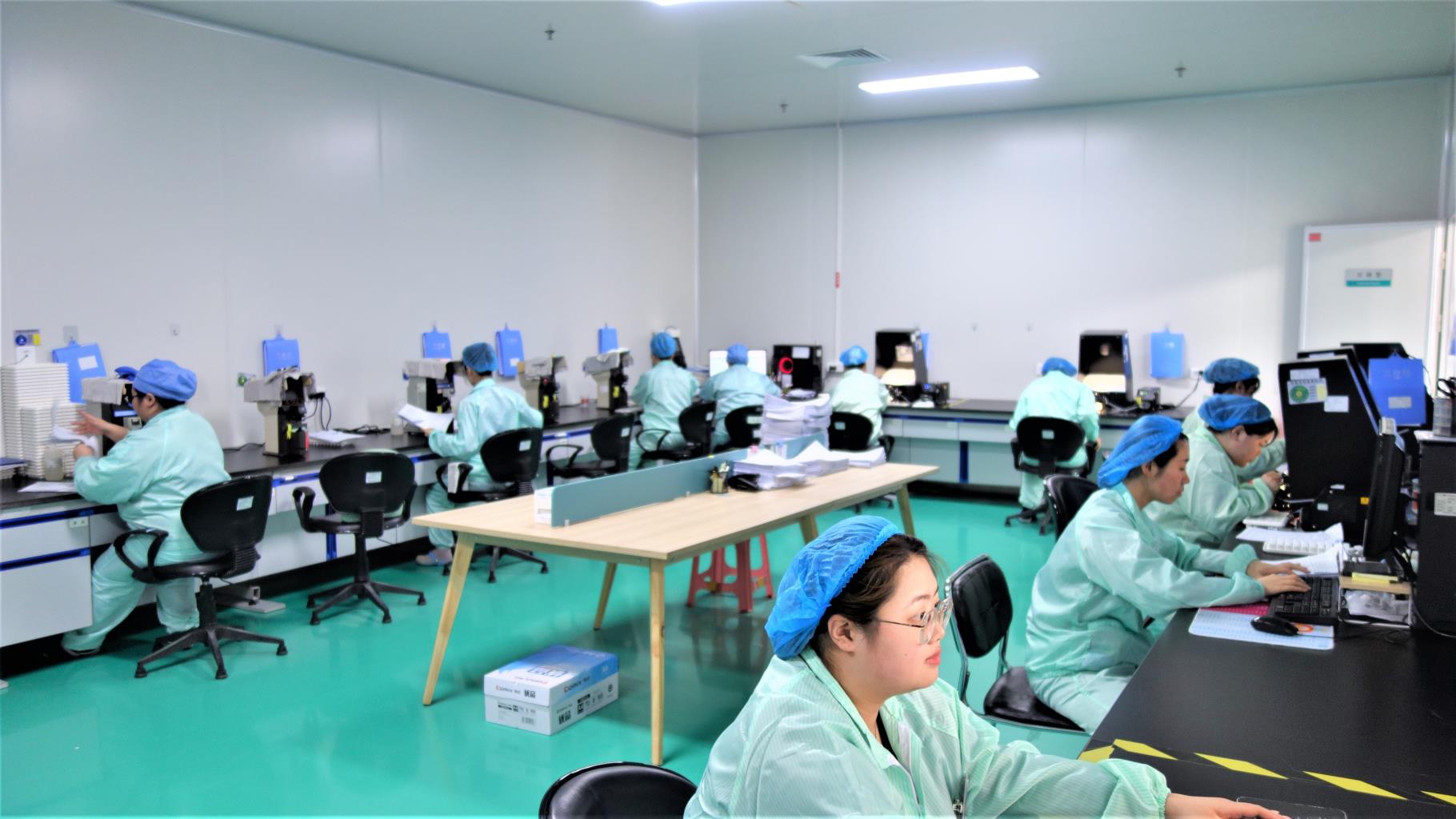 Outgoing Quality Control
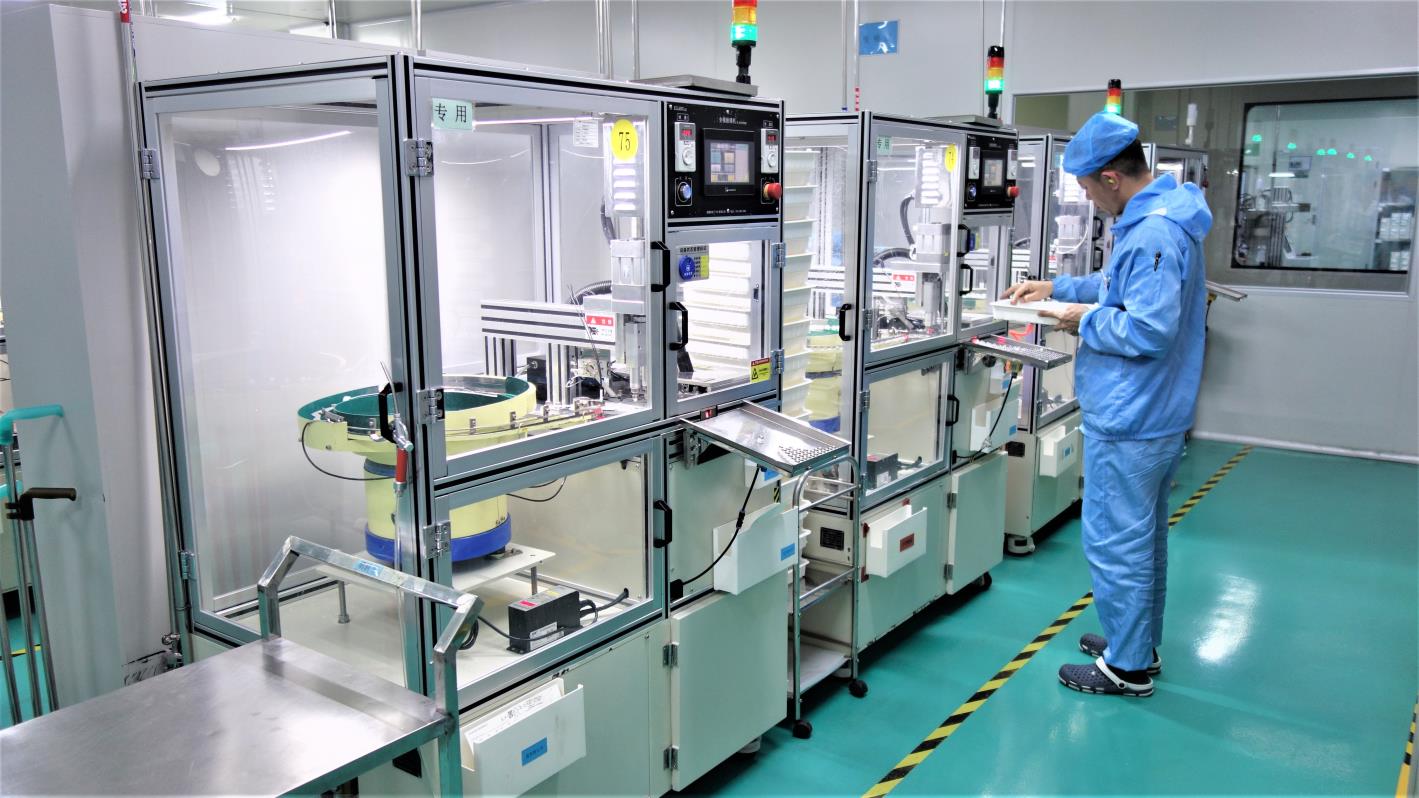 Demoulding Systems (Automated)
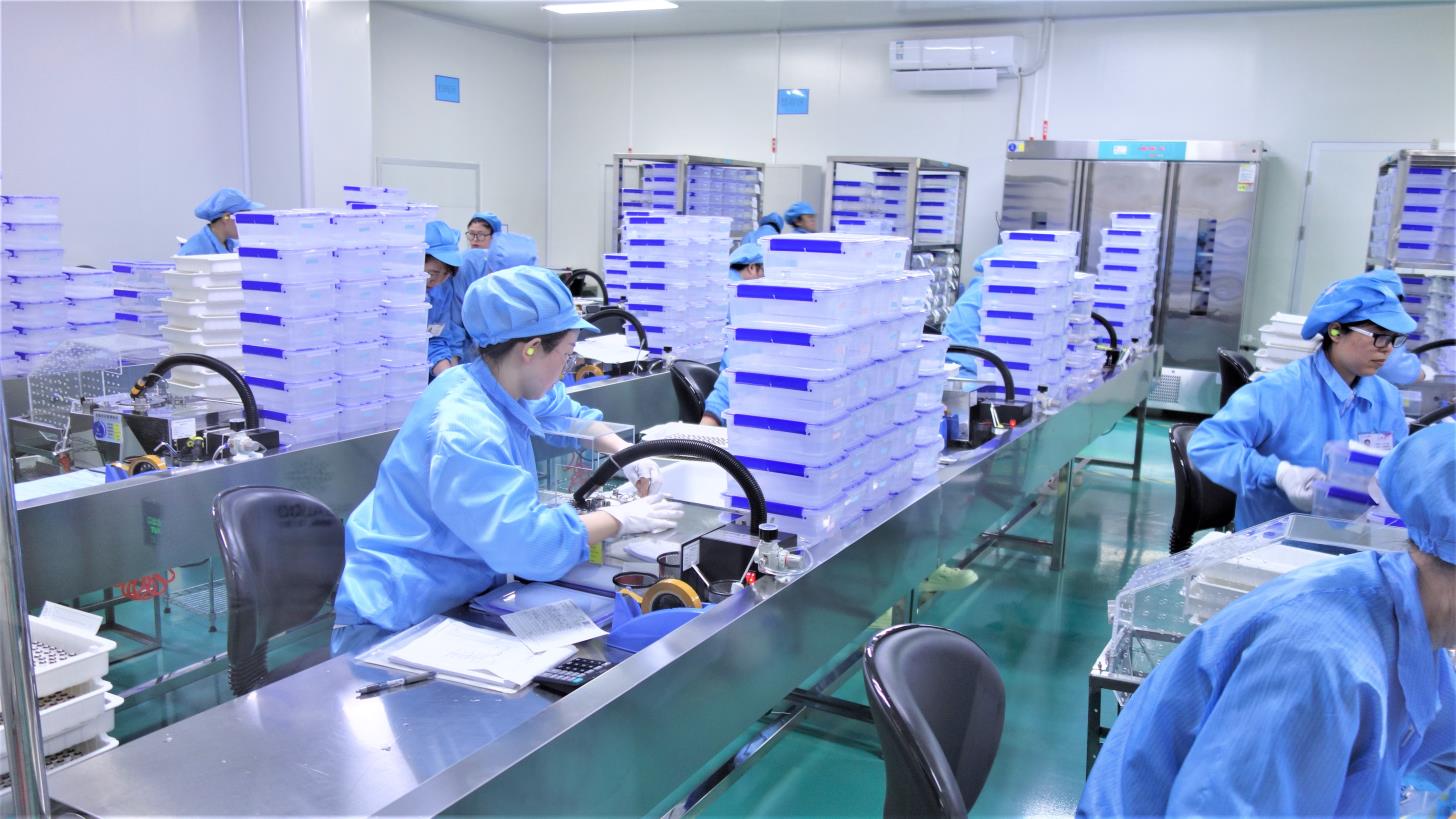 Film Suction Systems
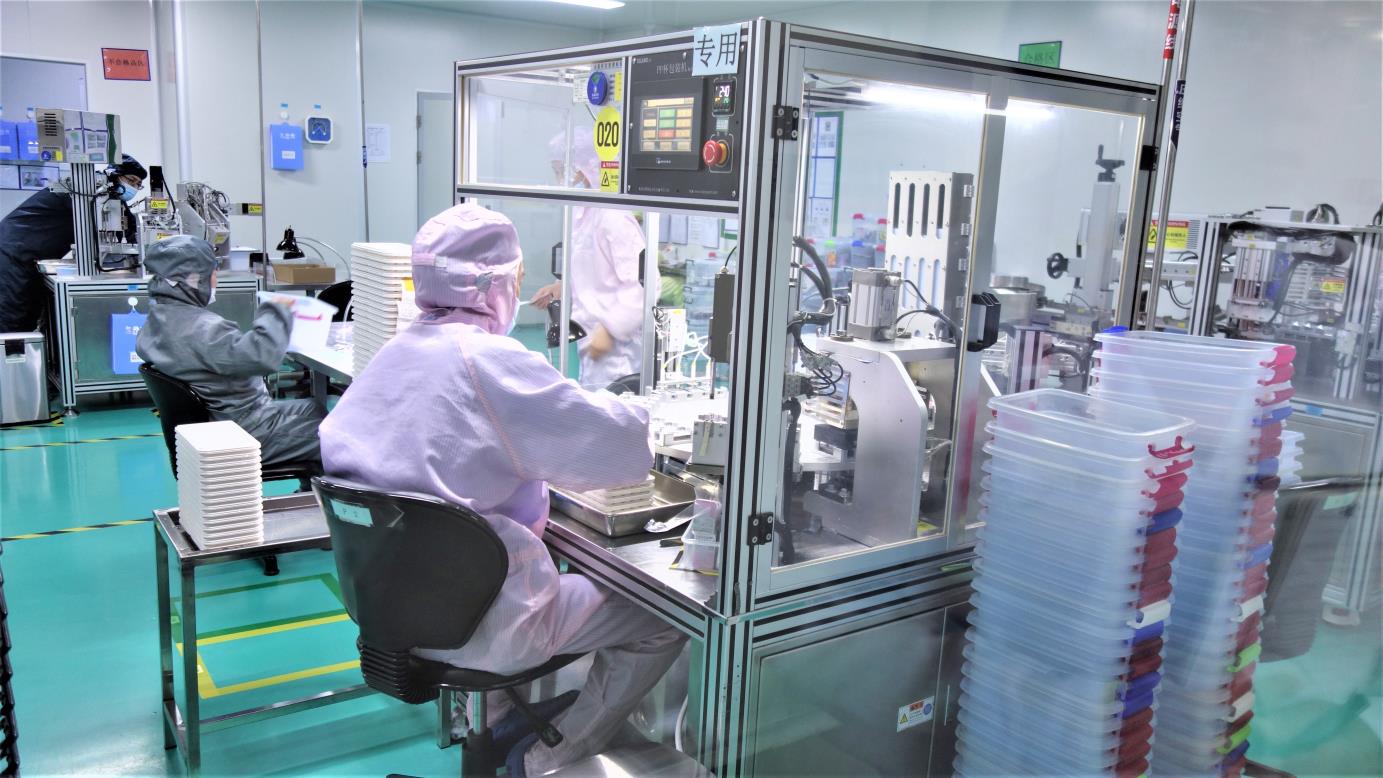 Filling Machine Controls
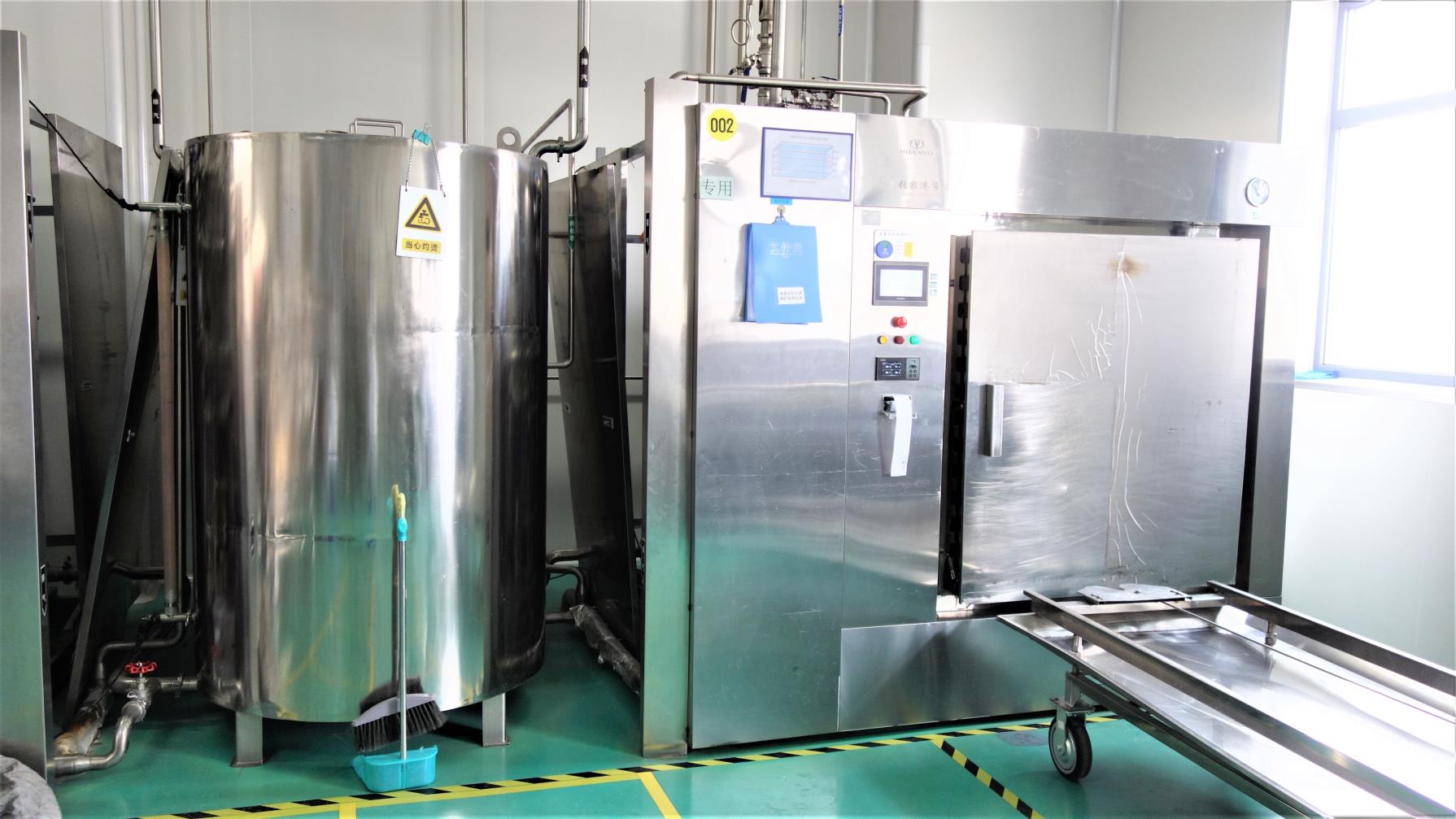 Sterilization Cabinet
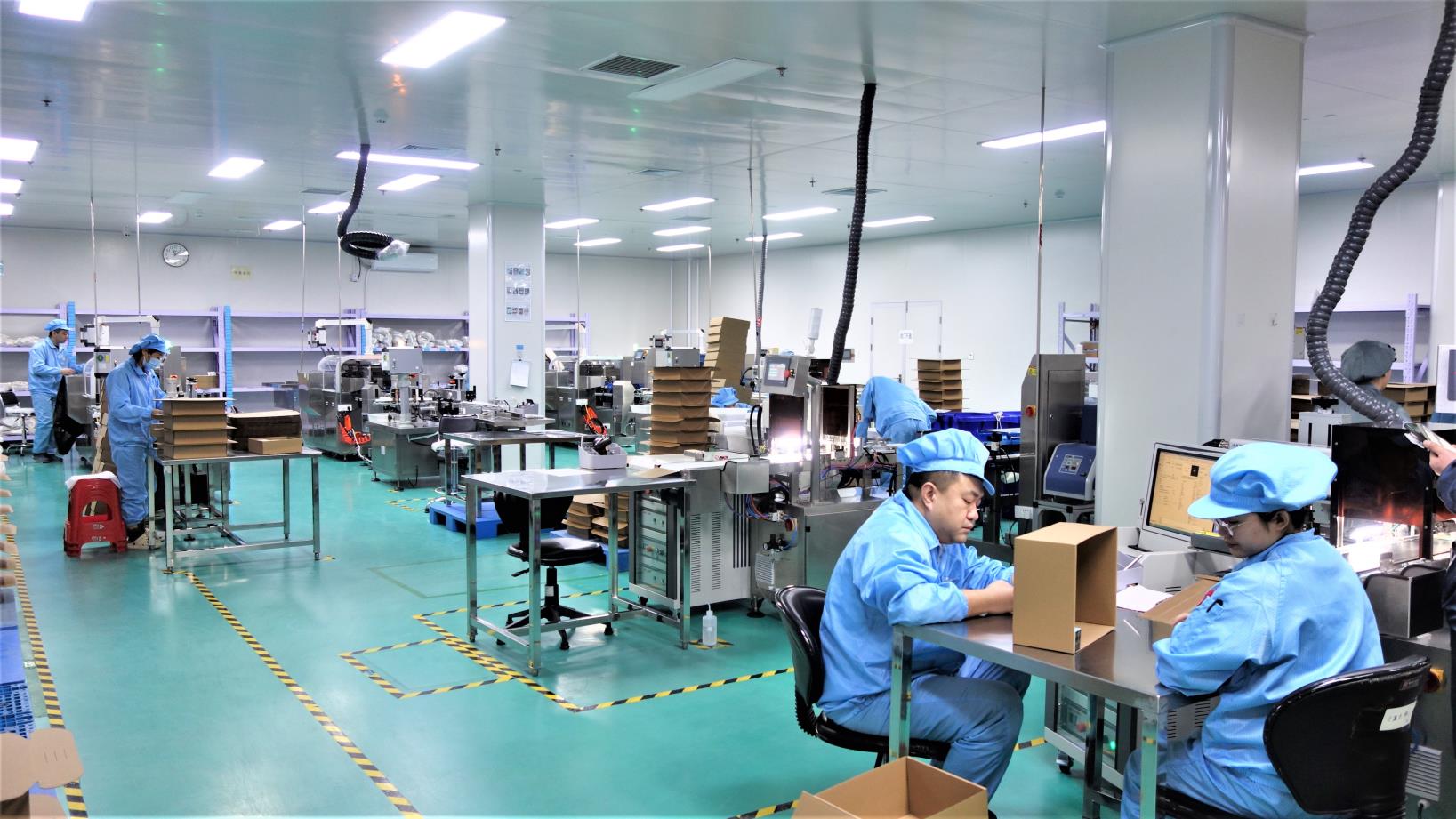 Packaging Machine Control Panel
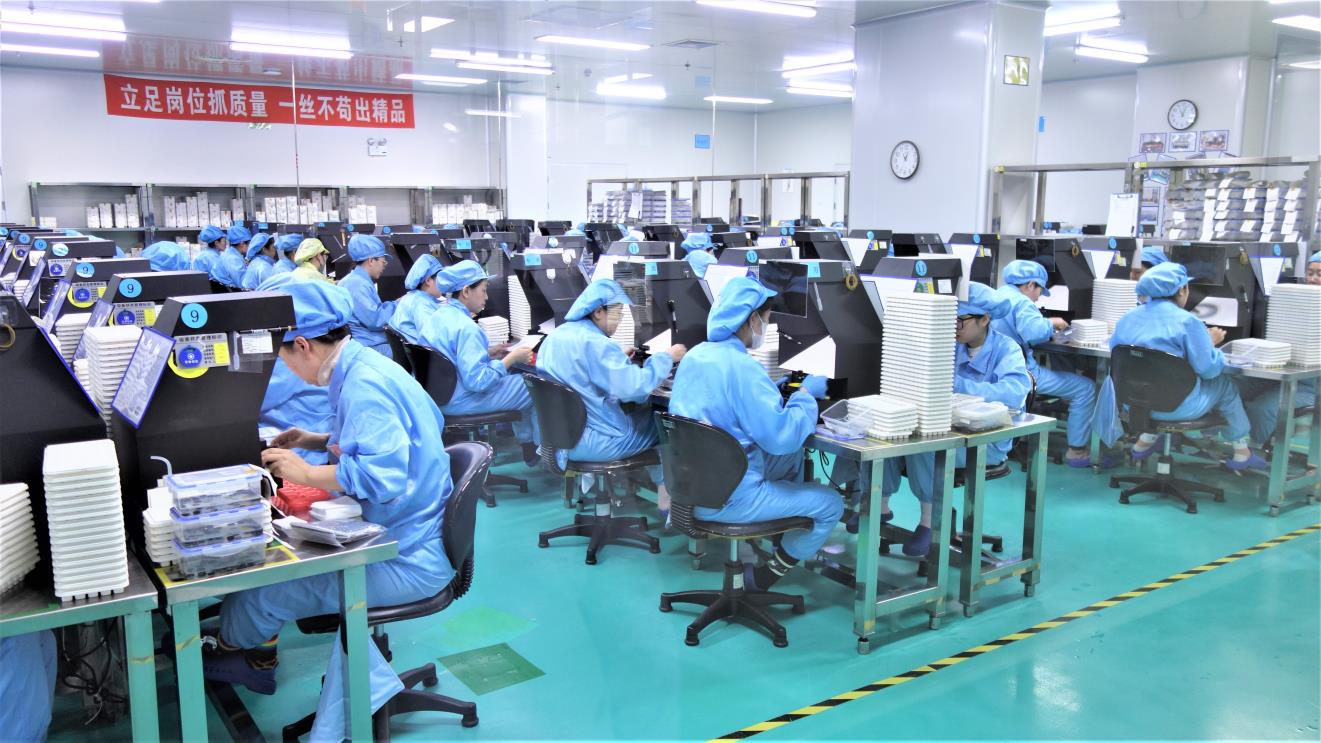 Manual Slit-lamp Inspecting
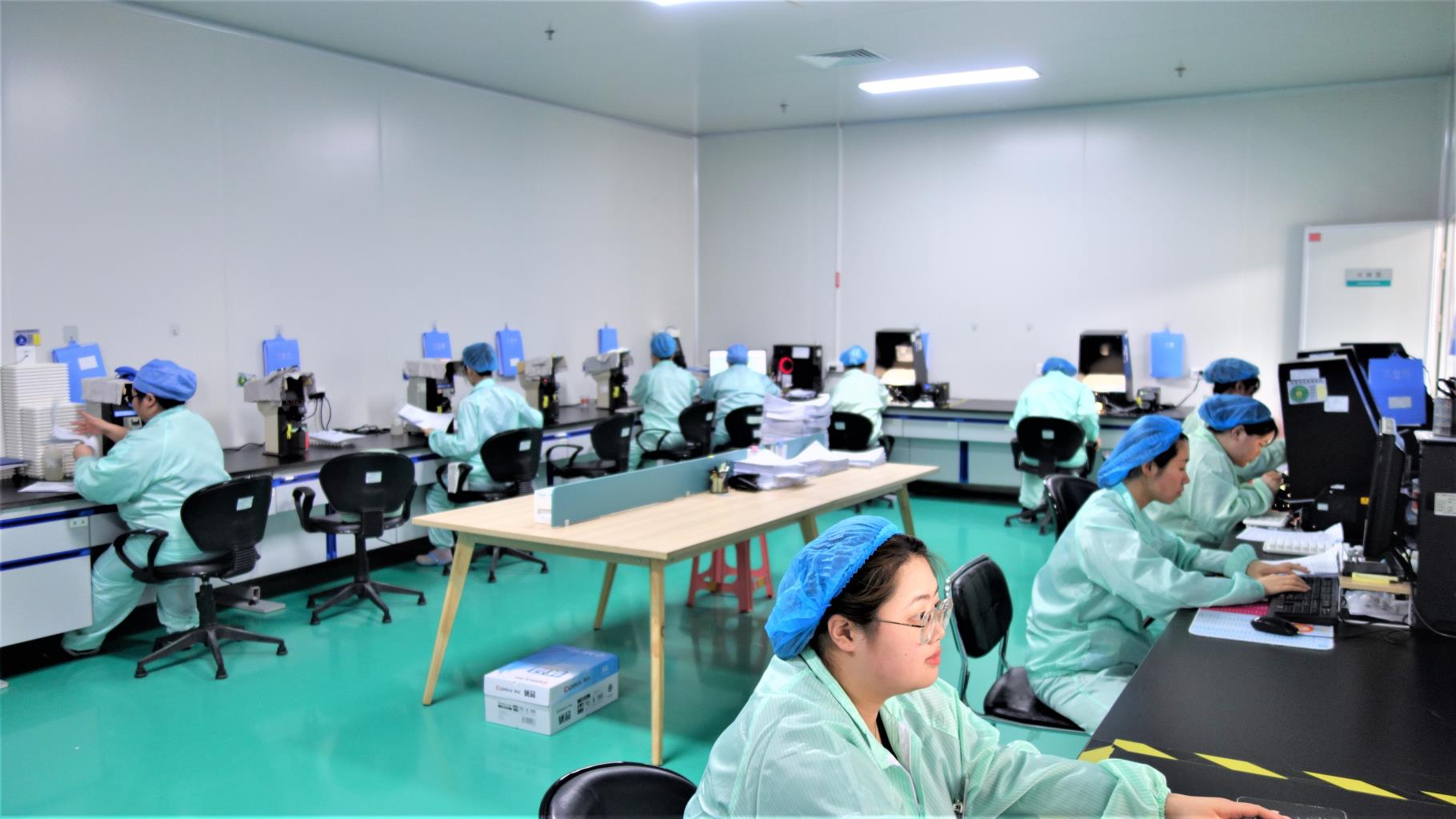 OQC Verification
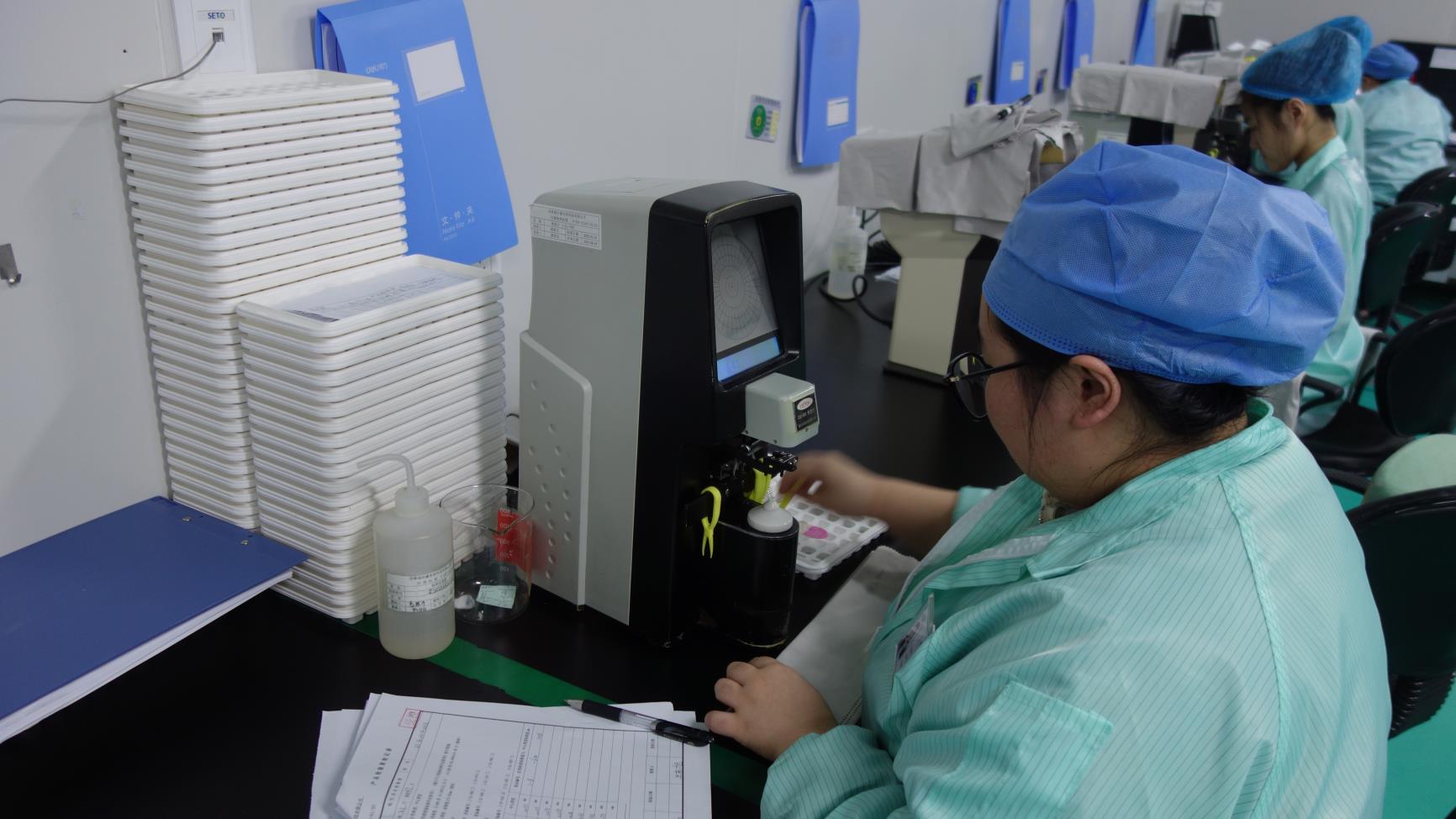 Precision Focimeter Calibration
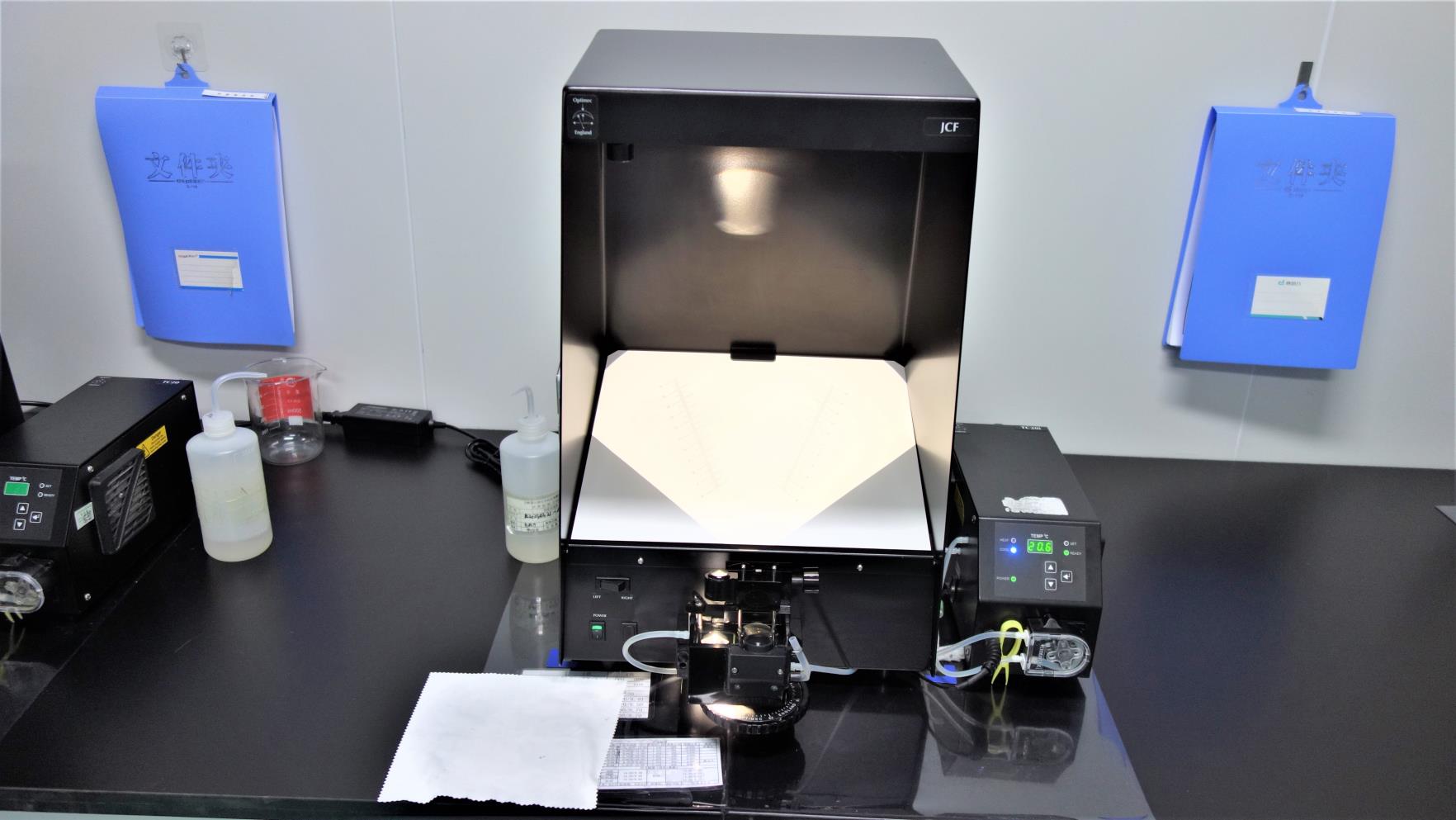 Optical Projector Inspection
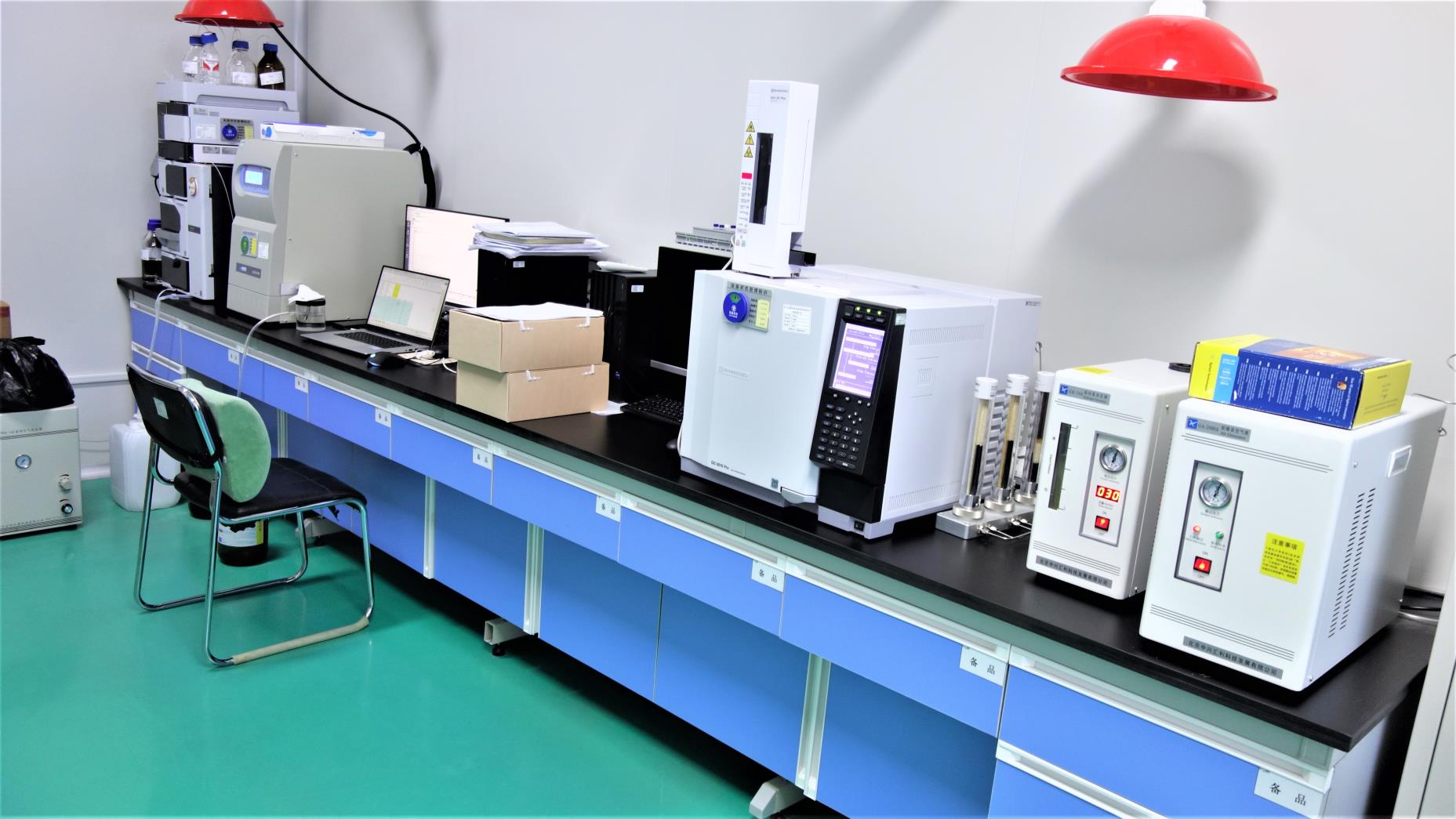 Spectral Measurement Systems: We analyze the color spectrum of all cosmetic contacts to guarantee compliance with Japan's color-safety protocols, assuring zero color bleeding and accurate transmission.
How we assist Kansai distributors in navigating PMDA certifications and MHLW regulations.
Exporting corrective or cosmetic lenses into Osaka, Japan, requires compliance with the Ministry of Health, Labour and Welfare (MHLW) under the PMDA (Pharmaceuticals and Medical Devices Agency) framework. Class-III medical device registration is mandatory for cosmetic contact lenses. Fresh Vision's cleanroom facilities comply with international medical production norms, simplifying the verification process for domestic Japanese Marketing Authorization Holders (MAH).
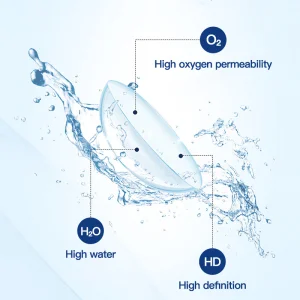
Our raw material sourcing relies heavily on biomimetic materials with a high moisture retention index. Through careful cross-linking, our design ensures a low modulus, offering mechanical flexibility that conforms comfortably to the corneal anatomy. The high water content (ranging from 38% to 58%) is balanced with low dehydration rates to ensure comfortable wear in Osaka's low-humidity winter months.
To pass PMDA inspection, cosmetic color contact lenses must prevent the direct contact of pigments with the eye surface. Fresh Vision utilizes advanced double-sided mold-casting to enclose the pigment layers securely between the biological materials. This ensures that the pigments are permanently fixed within the core, preventing surface friction and pigment leakage.
Technical answers, logistics, and compliance queries for Osaka buyers.
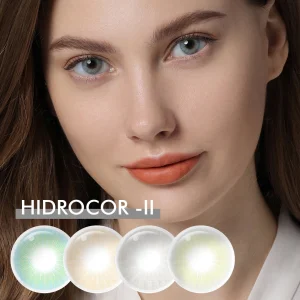
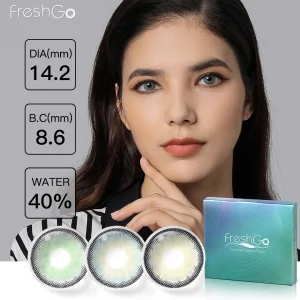
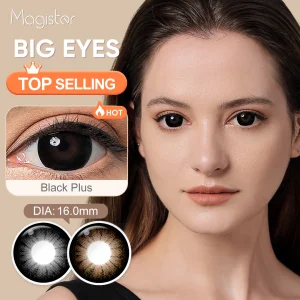
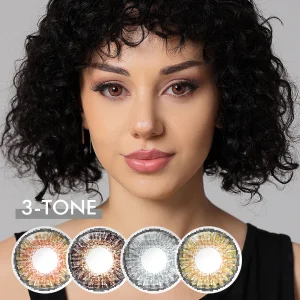
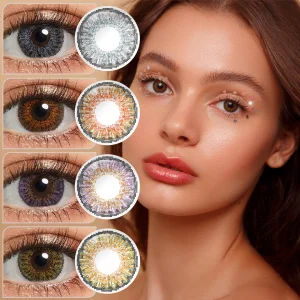
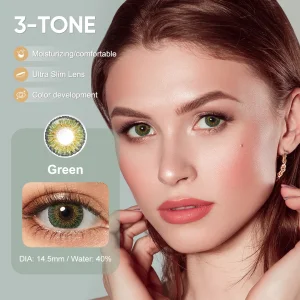
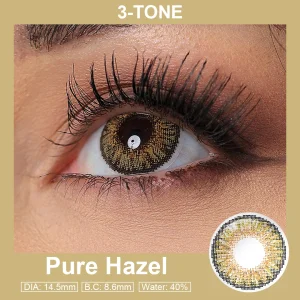
Our complete product range of color, natural, cosmetic, daily, and yearly lenses suitable for Osaka optical importers.
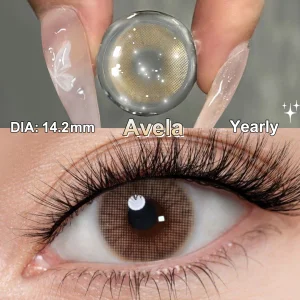
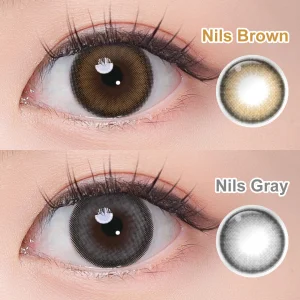

Request a free sample pack and technical documentation tailored to Japan’s MHLW regulatory frameworks.
Send Inquiry Now