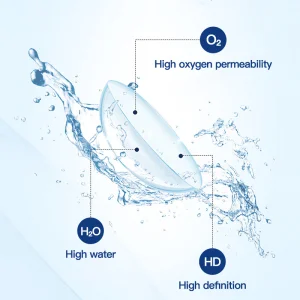
Fresh Lenses
Fresh Lenses
Fresh Lenses
Understanding the Strategic Convergence of Global Contact Lens Manufacturing and local Sri Lankan Vision Care Demands.
The contact lens market in Sri Lanka is entering a high-growth phase. Driven by a rising middle class, urban development in key cities like Colombo, Kandy, and Galle, and an expanding awareness of vision aesthetics among the younger demographic, the demand for both corrective (medical) and cosmetic (colored) contact lenses has escalated dramatically. To capitalize on this, local optical distributors and private labels are turning to global Original Equipment Manufacturers (OEM) to secure reliable supply chains.
Sourcing contact lenses requires navigating a complex environment of bio-compatibility, raw material supply, regulatory approvals by the National Medicines Regulatory Authority (NMRA) of Sri Lanka, and distribution economics. This whitepaper serves as an authoritative guide for importers looking to leverage advanced Chinese OEM factories—specifically highlighting the robust production systems of Shenzhen Fresh Vision Co., Ltd.—to dominate the Sri Lankan market.
"Strategic alignment with an OEM factory that maintains strict compliance with ISO 13485 and possesses strong R&D credentials is no longer a luxury; it is the baseline requirement to achieve sustainable brand equity in the South Asian optical market."
Advanced contact lens designs optimized for South Asian physiological traits and local lifestyle aesthetics.

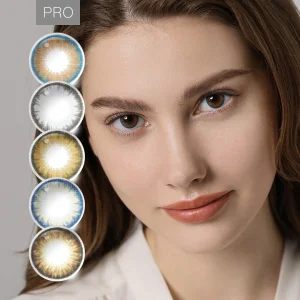

Analyzing key structural trends shaping consumer habits and optical retail dynamics globally and locally.
The global contact lens industry is valued at over $10 Billion and is transitioning rapidly from traditional hydrogel polymers to high-oxygen permeable Silicone Hydrogel (SiHy) formulations. Furthermore, single-day disposables (daily wear) are capturing market share due to health, sanitation, and comfort advantages. However, yearly and monthly reusable lenses remain dominant in emerging economies like South Asia due to cost-efficiency.
In Sri Lanka, the tropical environment, humidity, and atmospheric dust present unique challenges. Wearers need lenses that minimize dry eyes and maintain tear-film stability. The local consumer base is divided into two primary segments:
| Parameters | Hydrogel (Standard) | Silicone Hydrogel (Premium) |
|---|---|---|
| Water Content | 38% - 58% | 33% - 46% |
| Oxygen Permeability (Dk/t) | Low (~20 - 30) | High (80 - 130+) |
| Comfort Profile | Excellent initial comfort | Extended comfort in dry/air-conditioned zones |
| Best Fit for Sri Lanka | Daily cosmetic use | Extended office wear / heavy digital screen usage |
A look at the state-of-the-art facilities powering OEM projects globally.
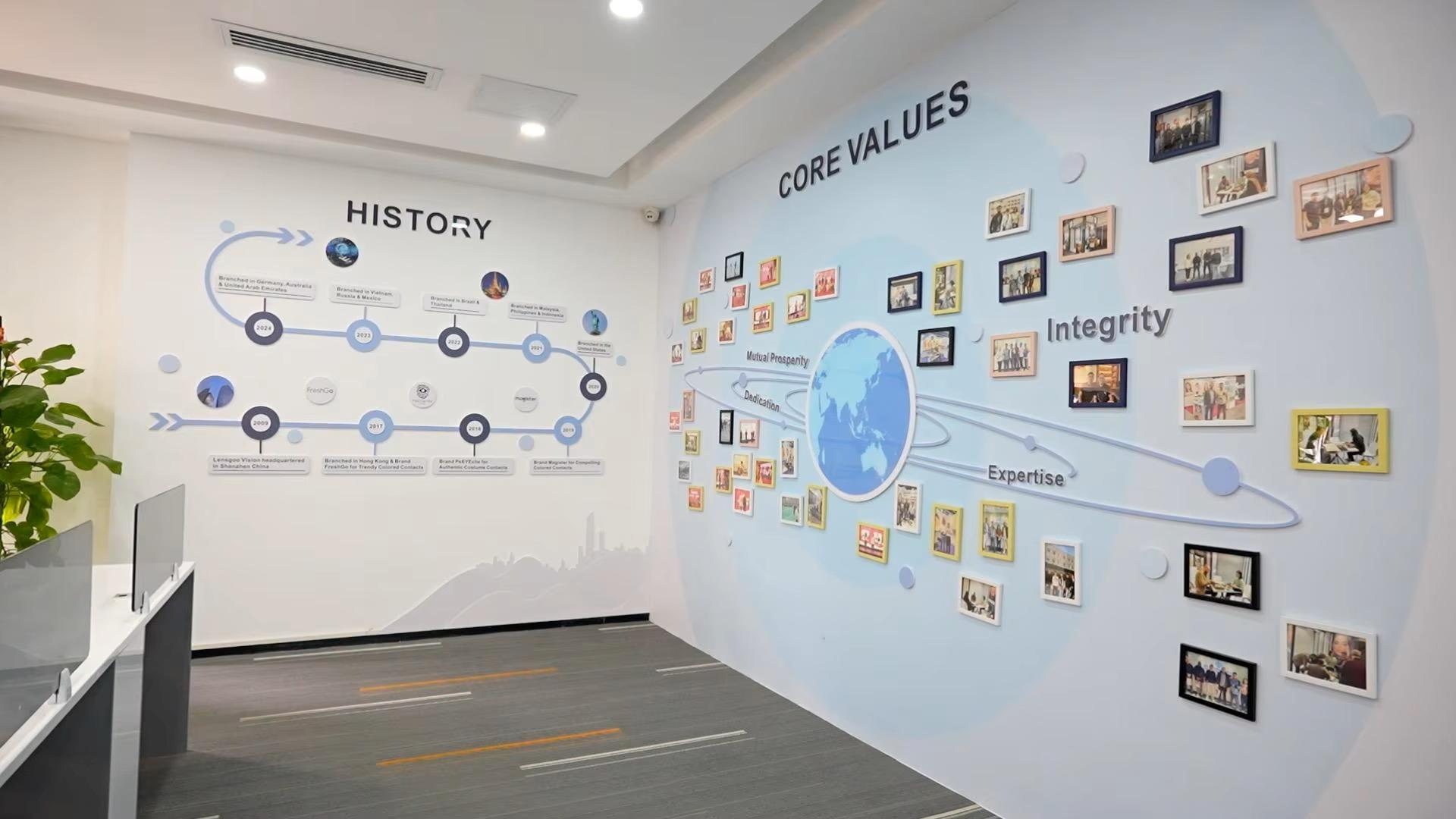
Shenzhen Fresh Vision Co., Ltd. has established itself as an industry leader in manufacturing safety and design innovation. Operating out of an 1,100 square meter cleanroom facility configured to Class 100,000 cleanroom standards, we implement continuous production monitoring to guarantee that every batch of lenses is sterilized, contamination-free, and optical-grade. Our export network spans North America (25%), Southeast Asia (20%), and the Middle East (10%), with Sri Lanka becoming an increasingly vital focal market.
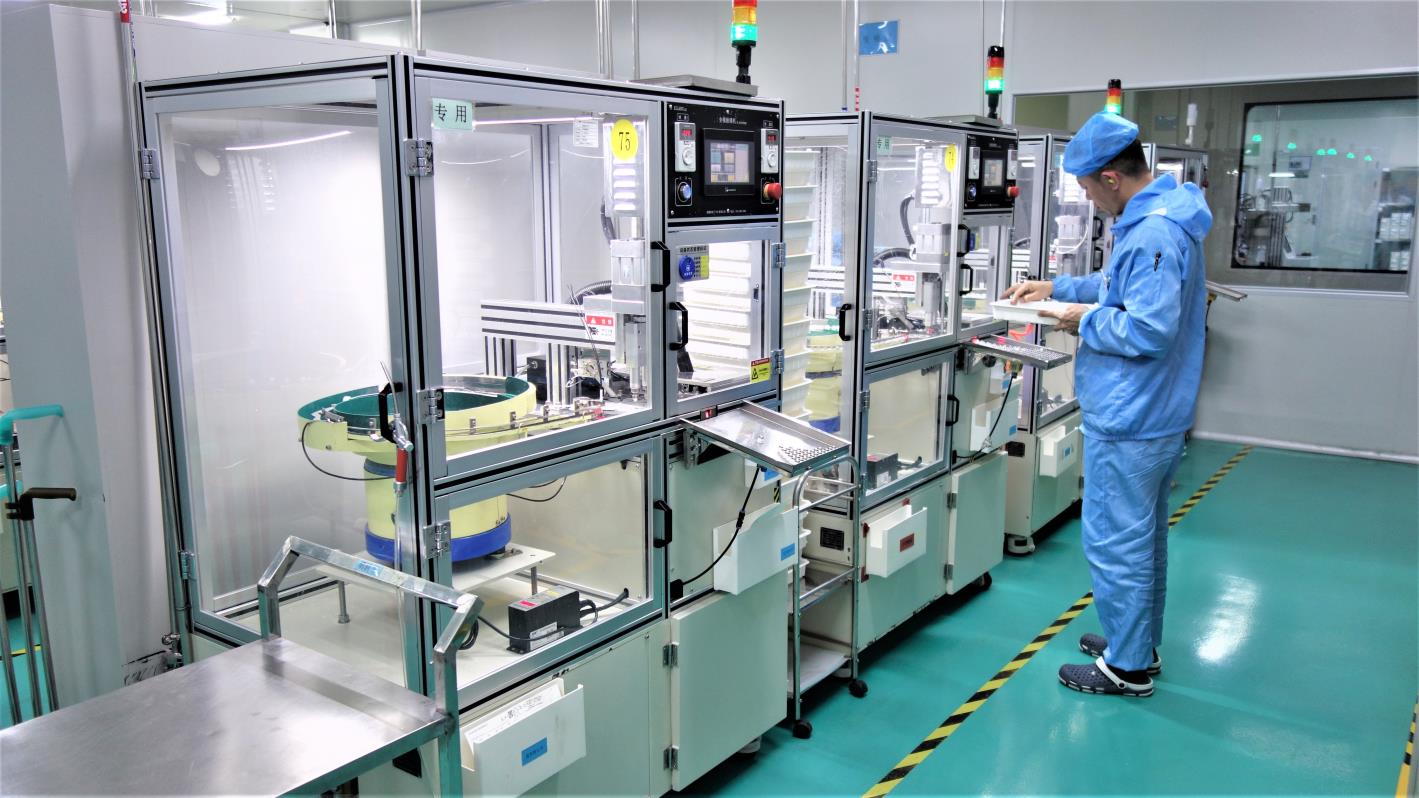
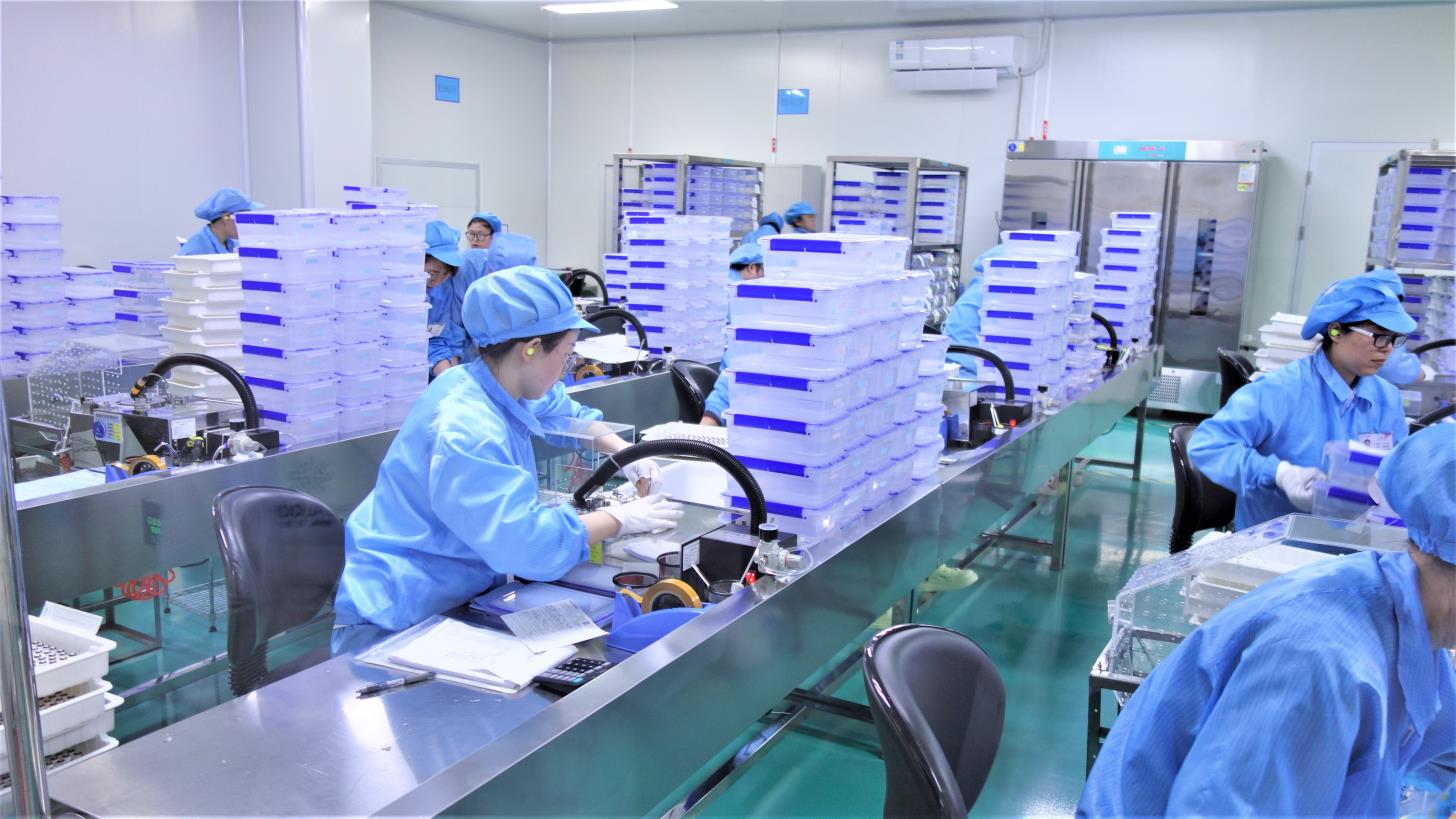
Visualizing our precision manufacturing pipeline from raw materials to Final Quality Control (OQC).
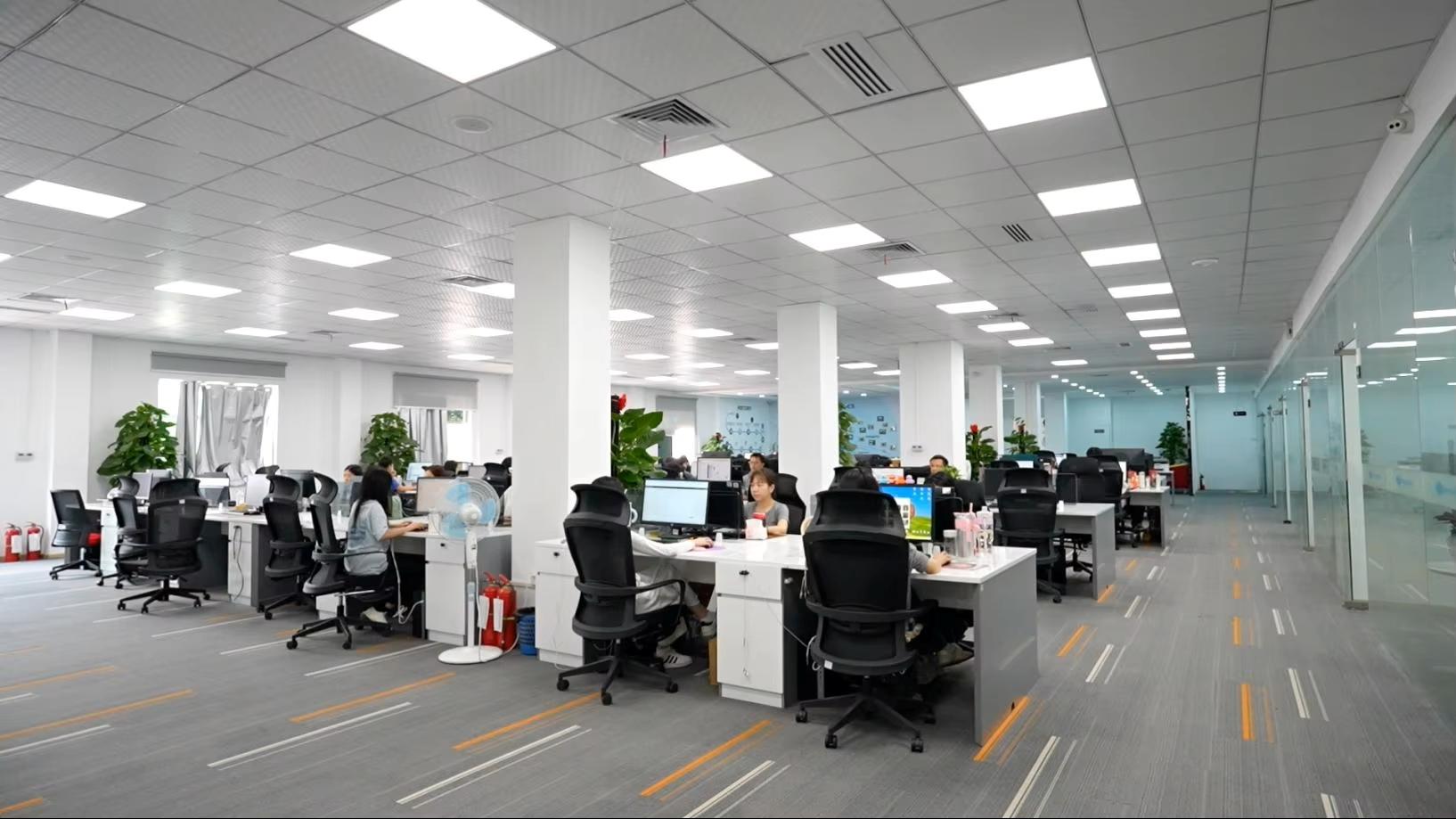
Production Line Overview
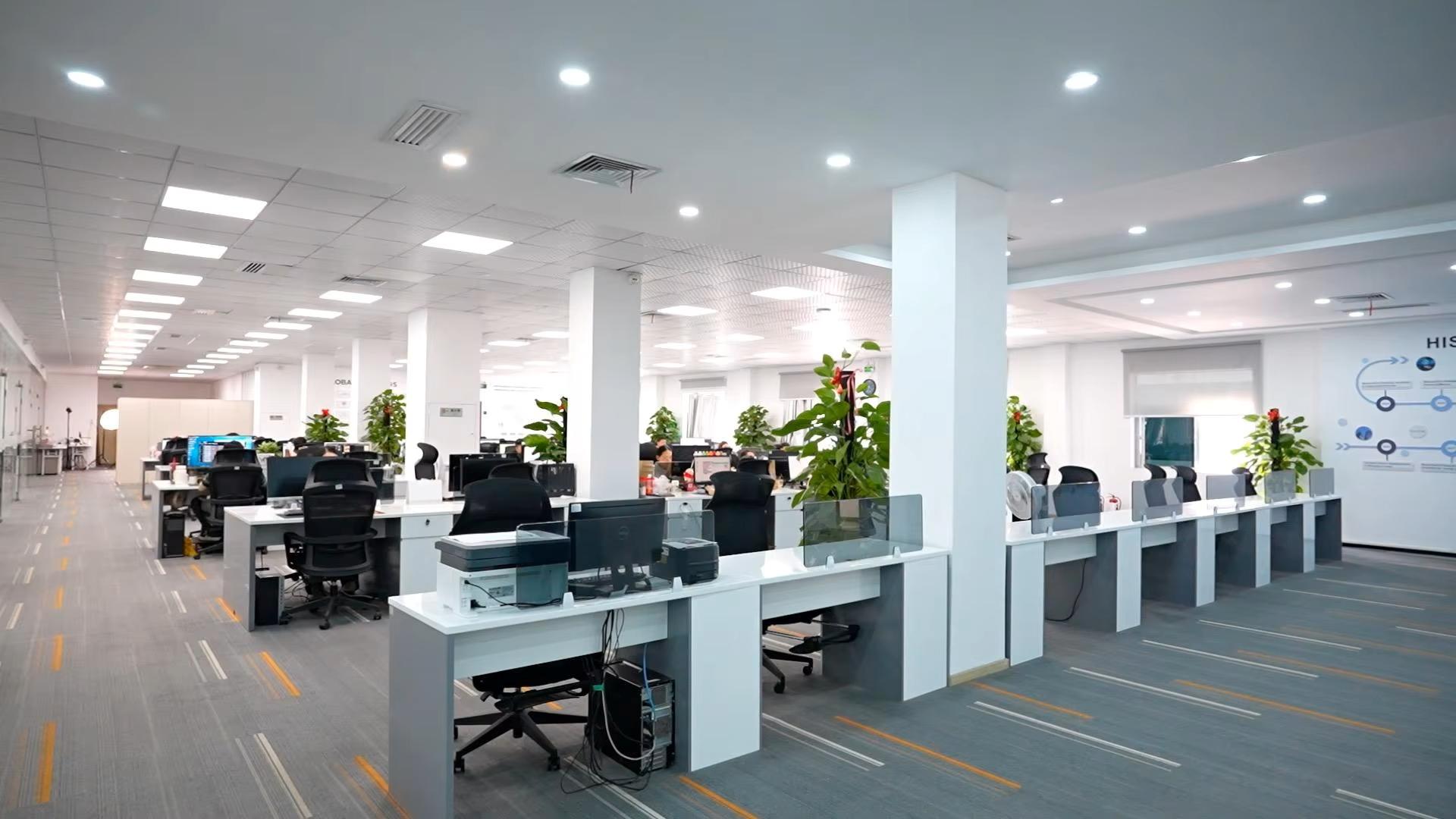
R&D Lab Testing
Cast Molding Process
Demoulding
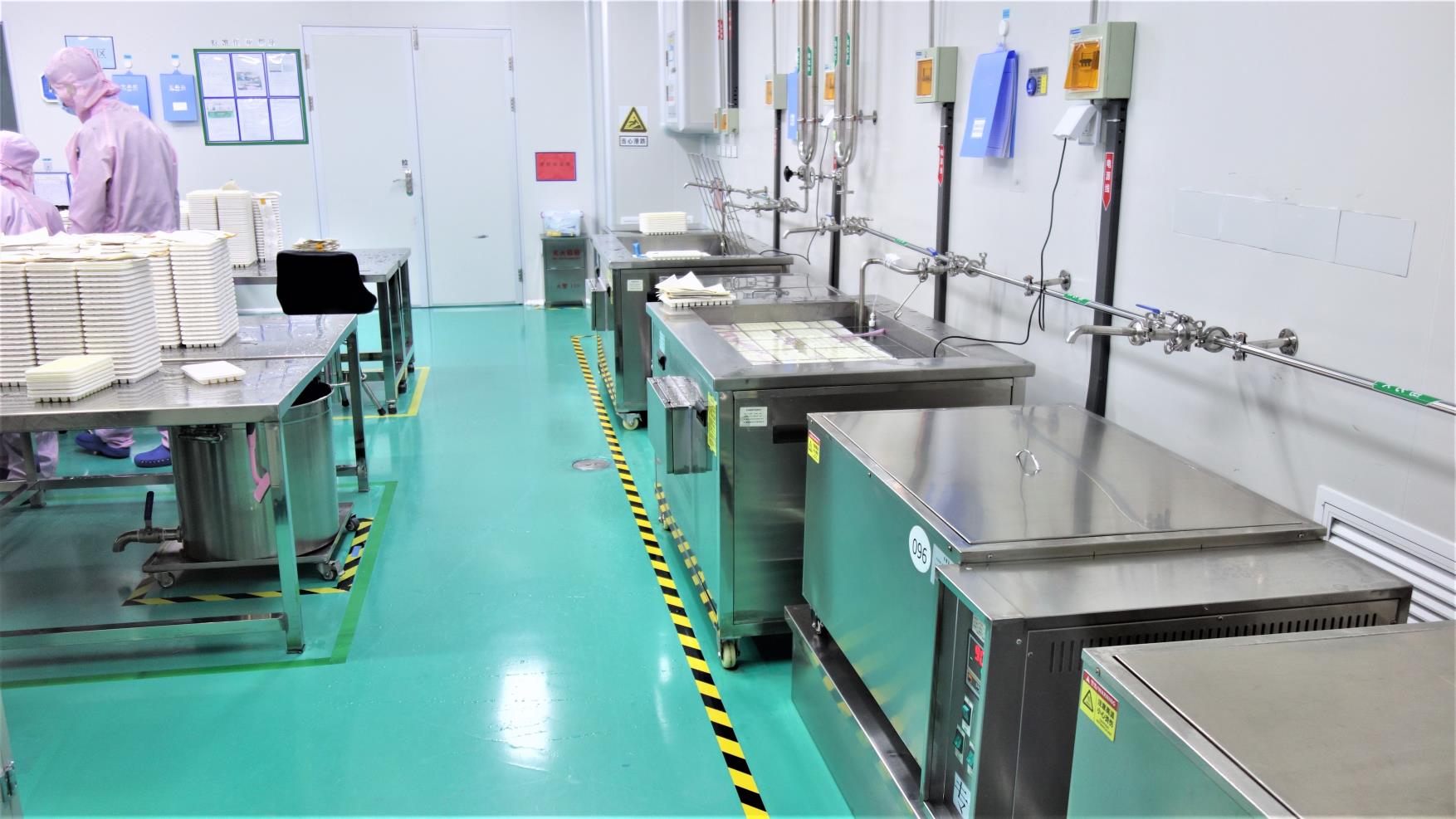
Soak & Disinfect
Film Suction
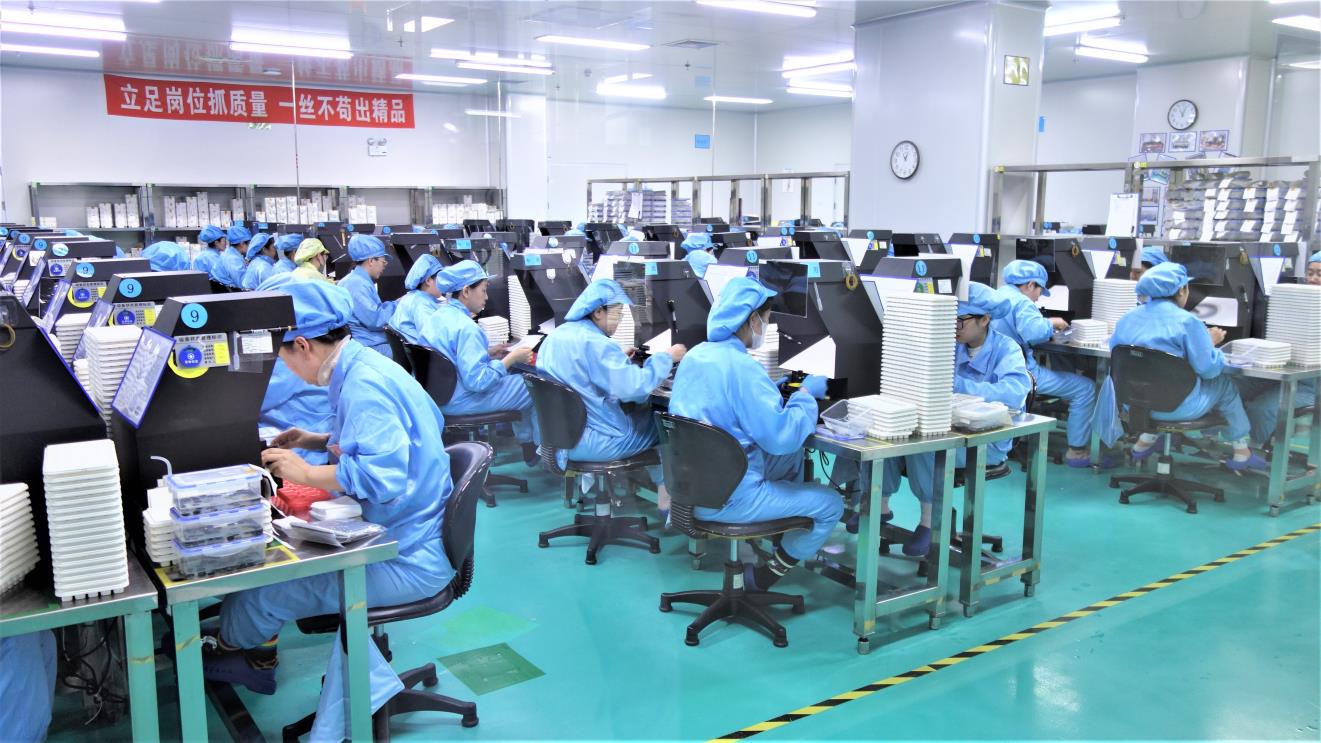
Inspecting
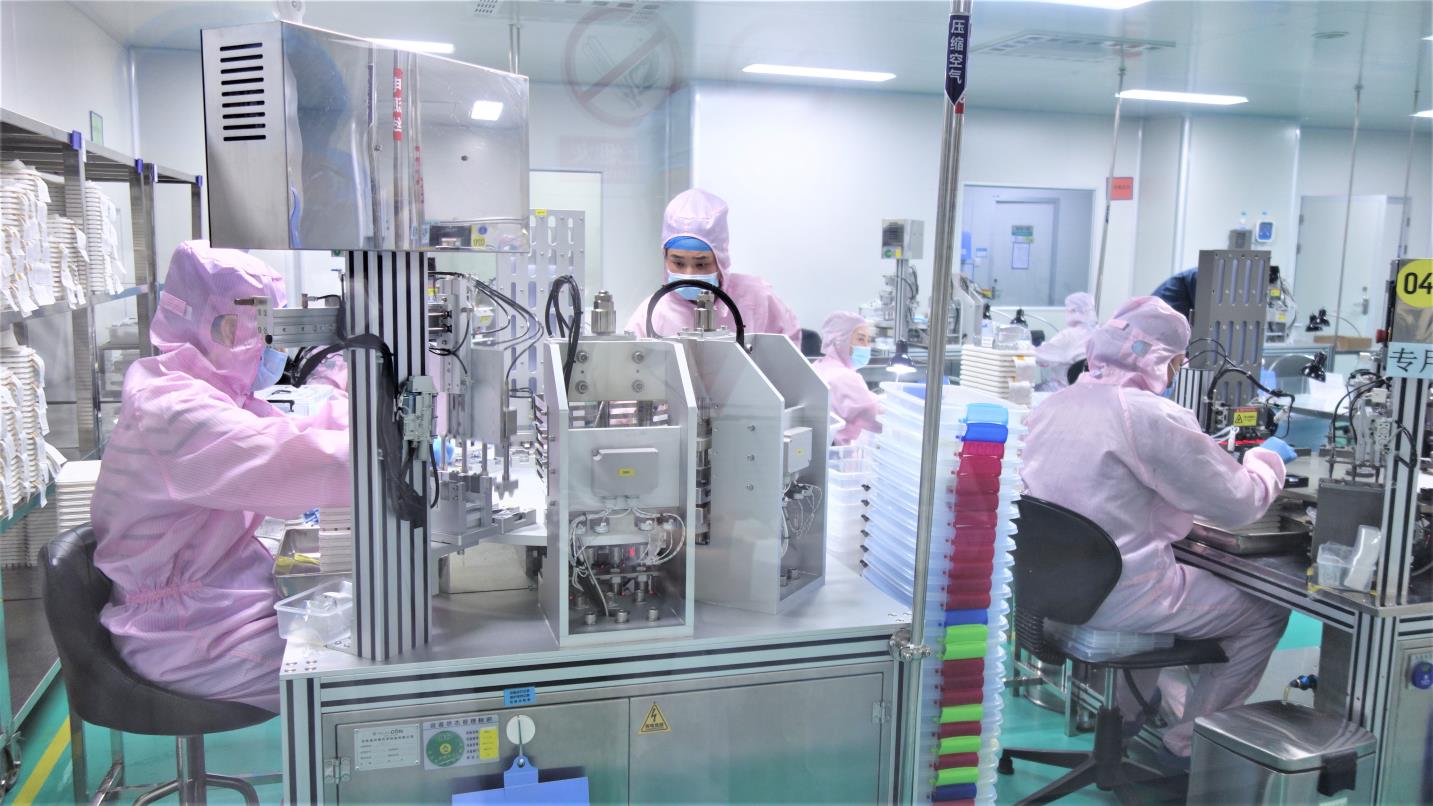
Filling
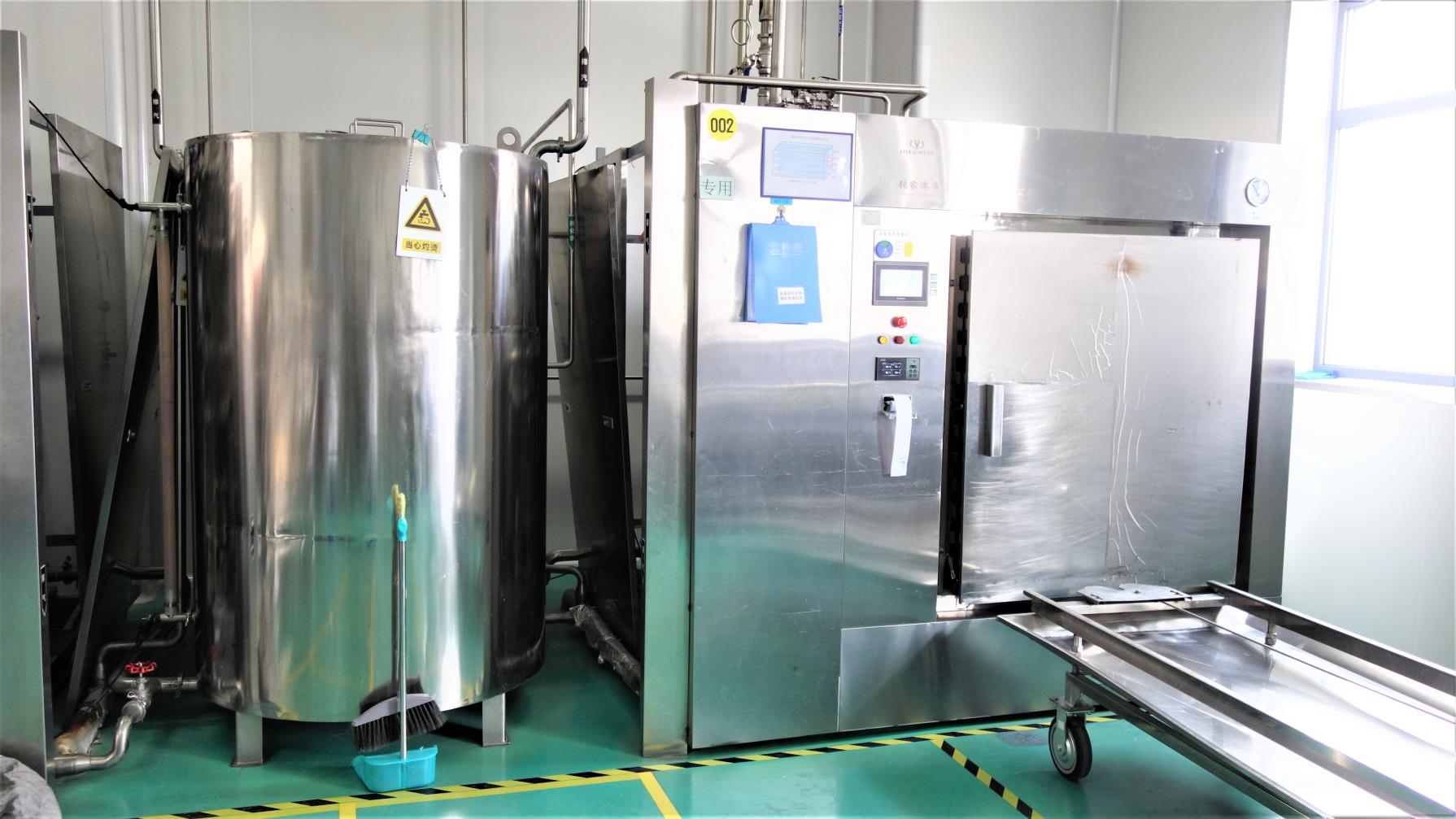
Sterilization
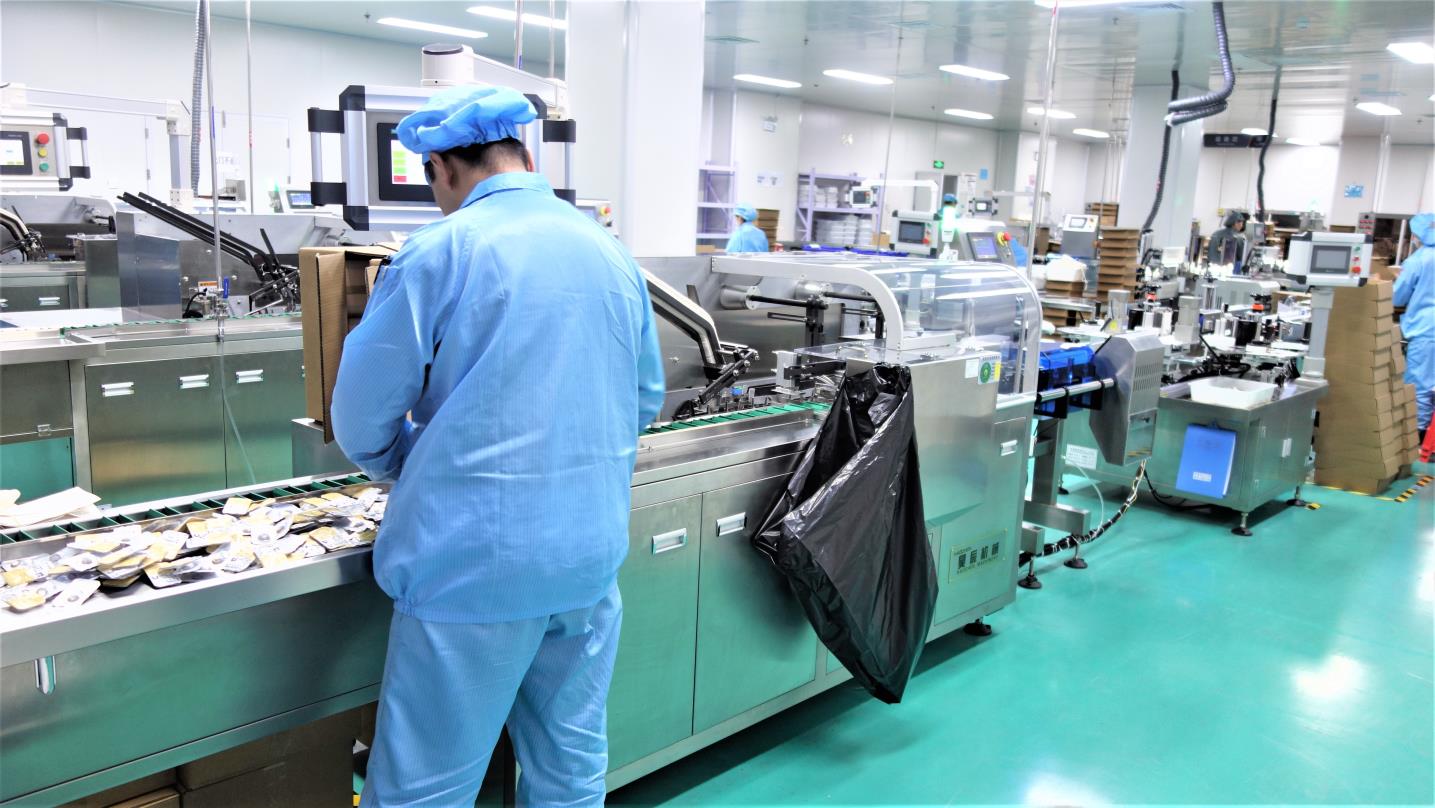
Packing
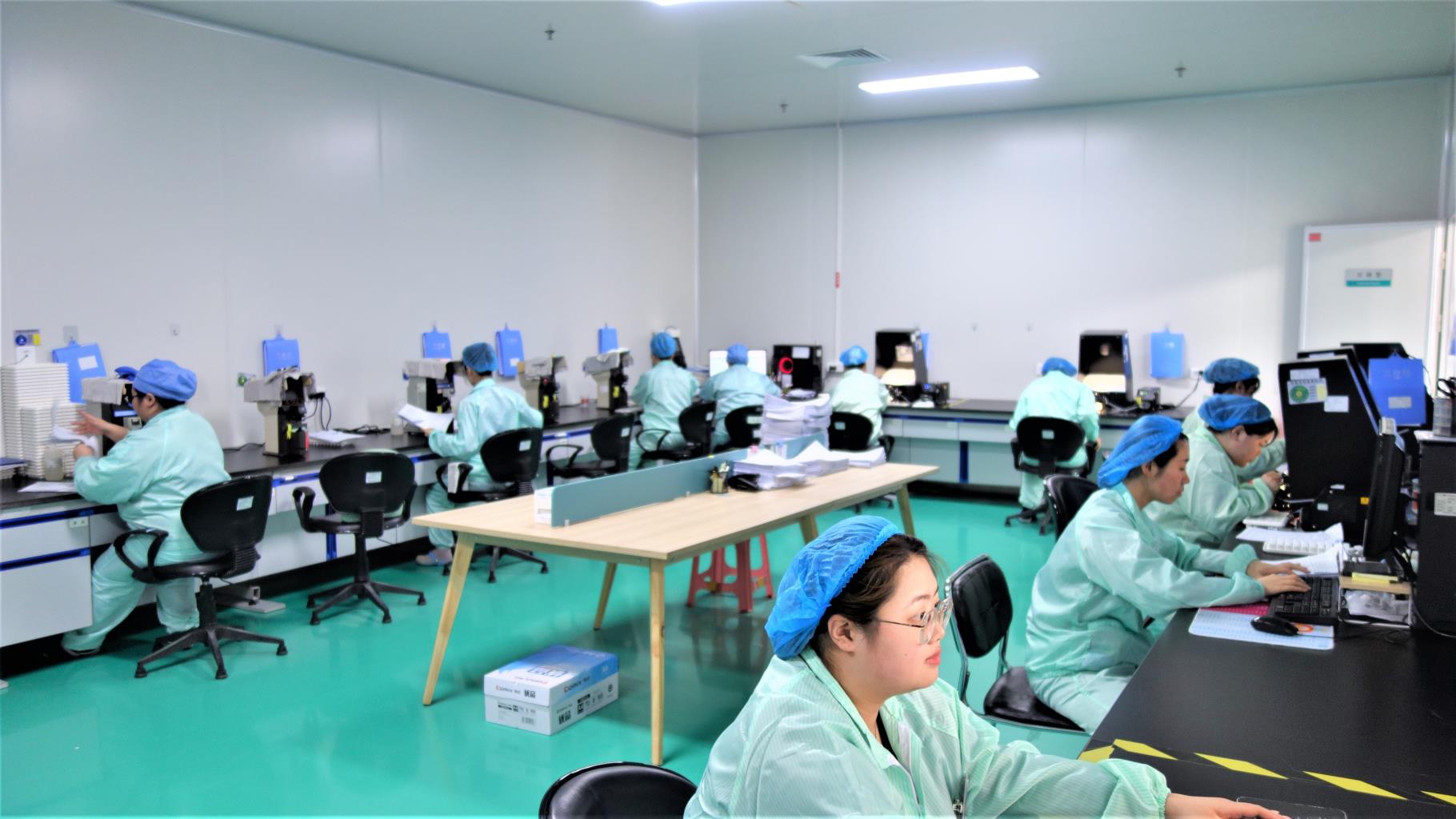
OQC
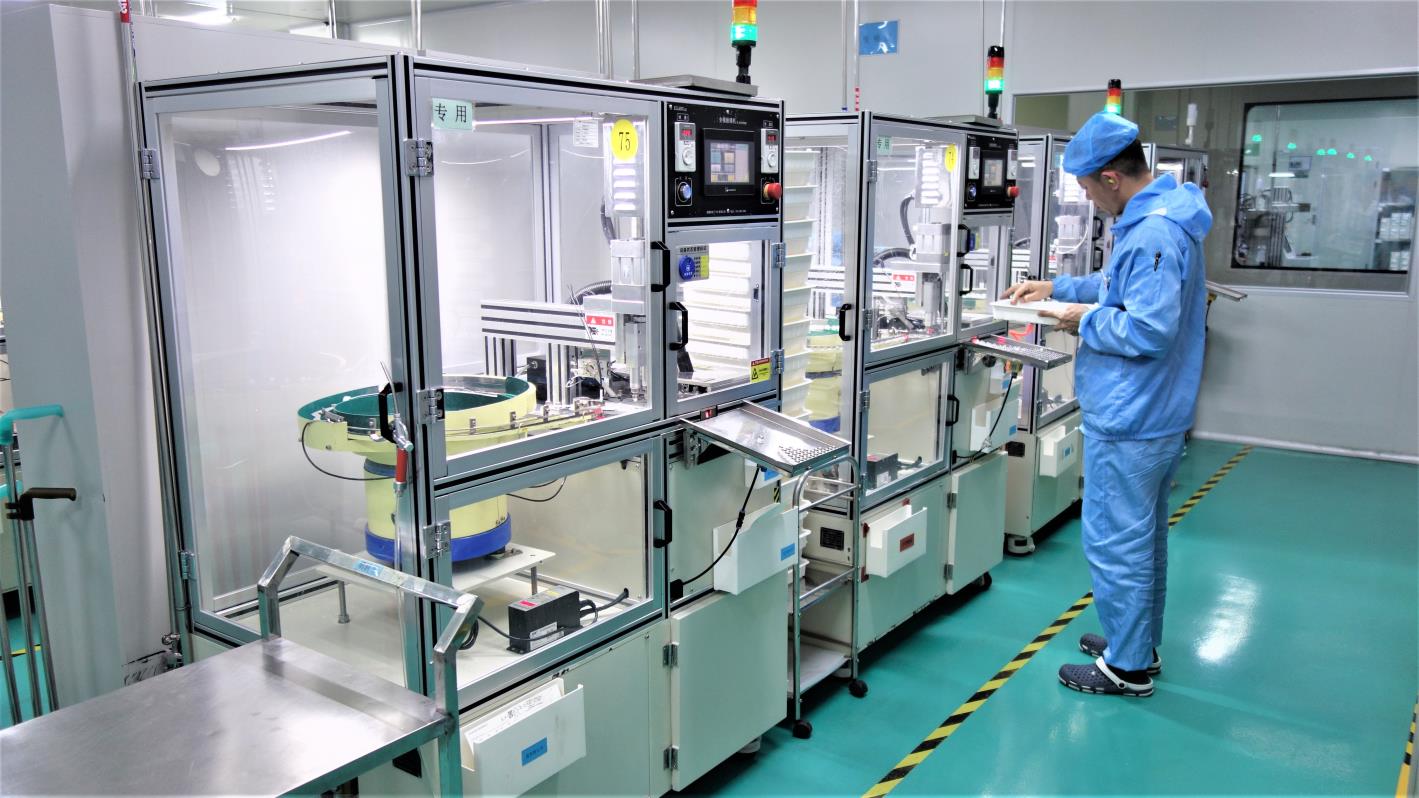
Demoulding Machine
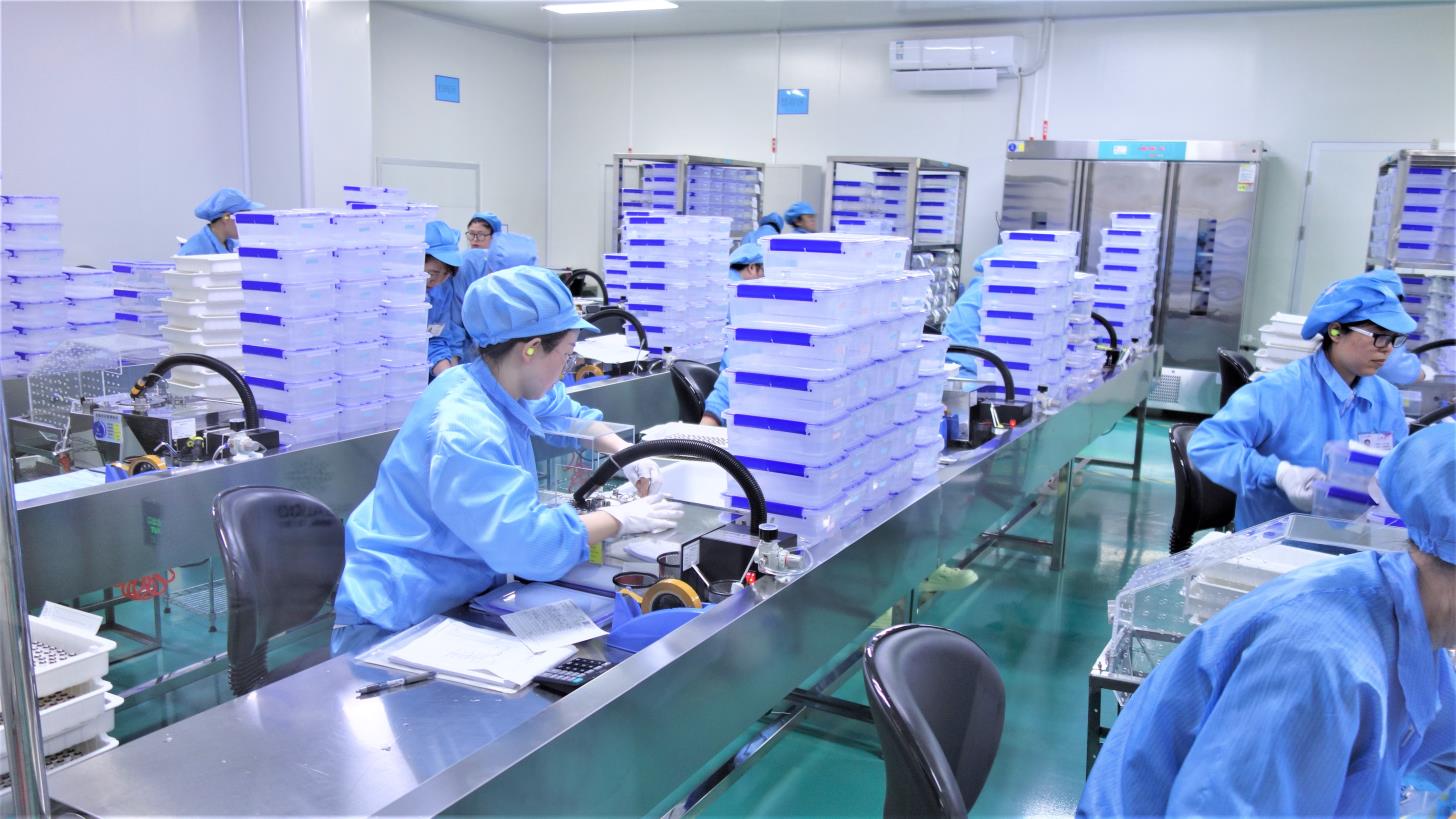
Film Suction Machine
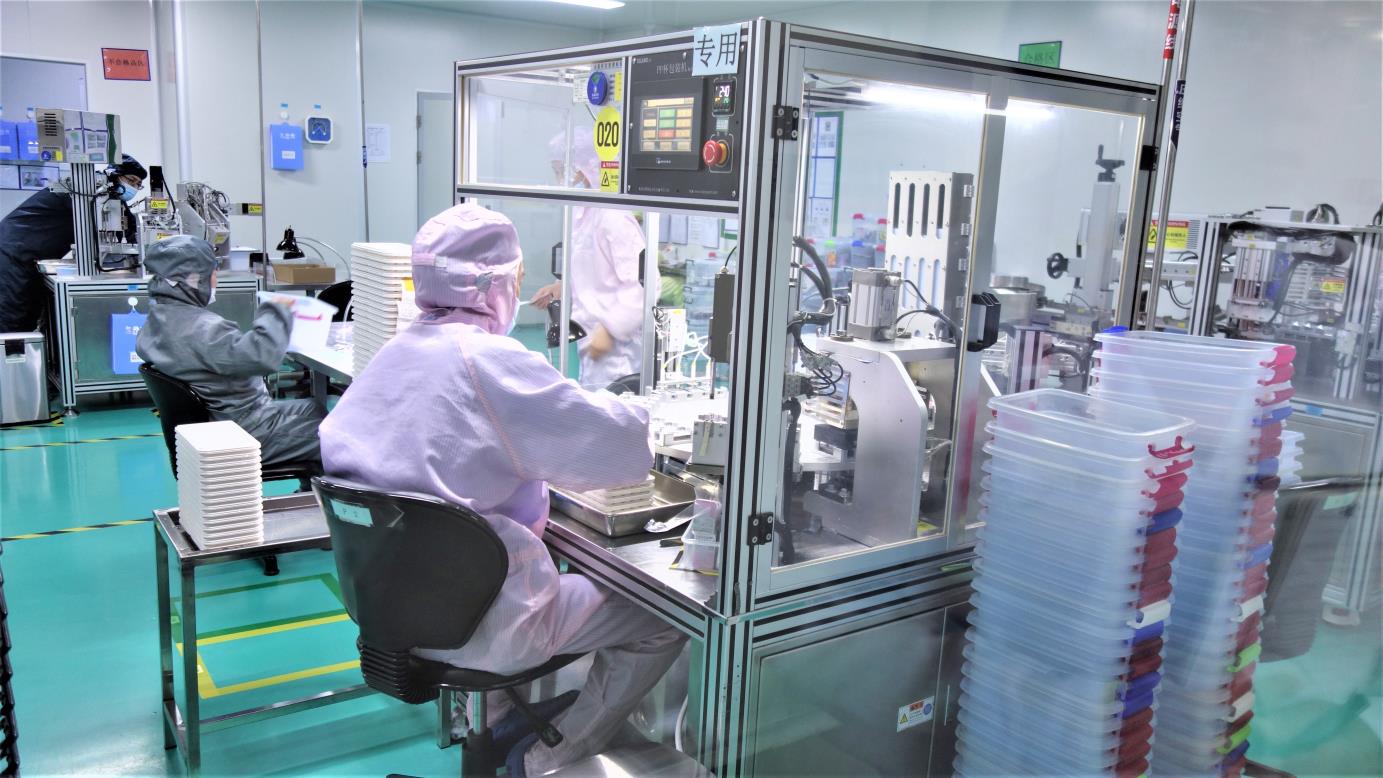
Filling Machine
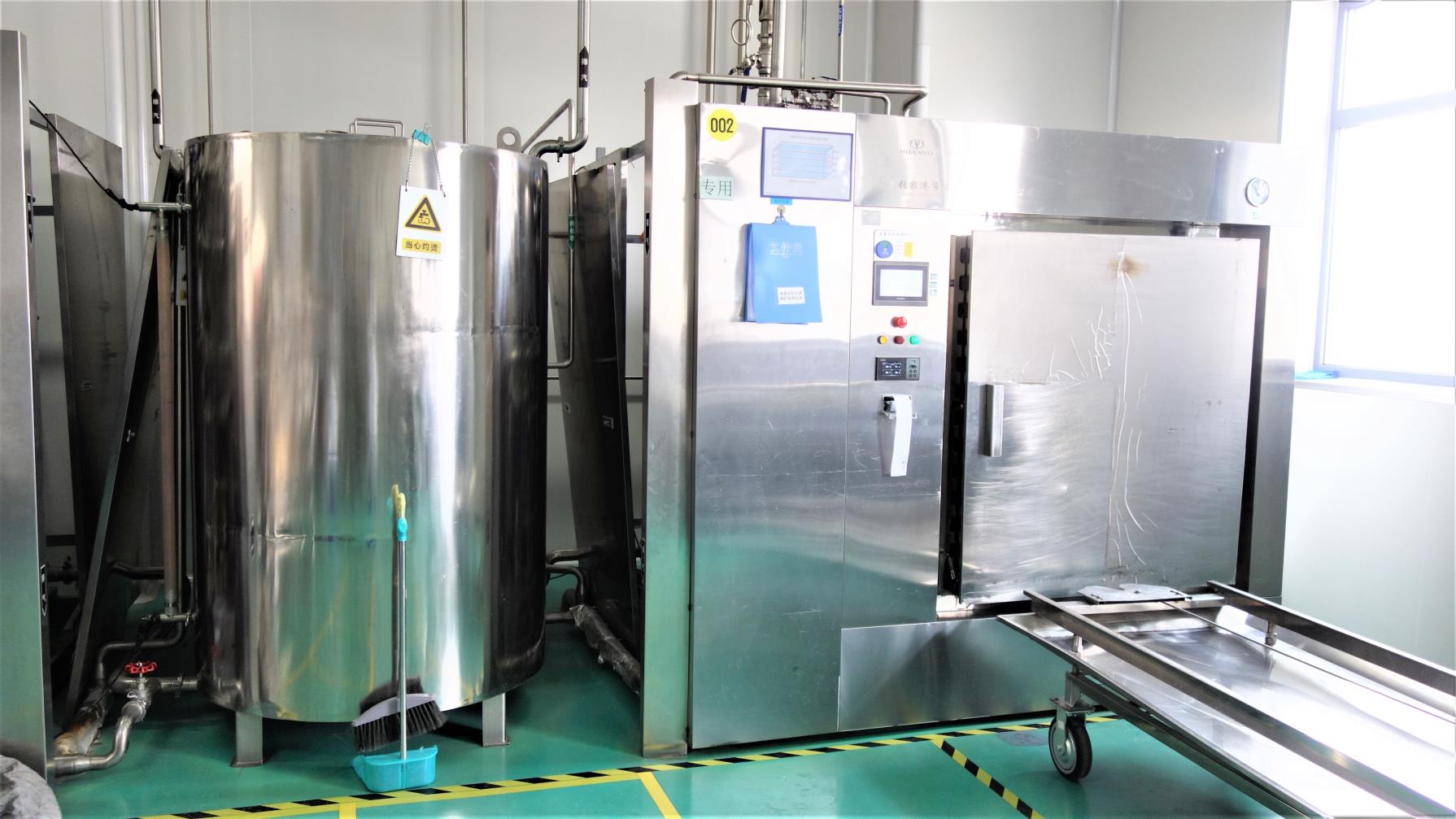
Sterilization Cabinet
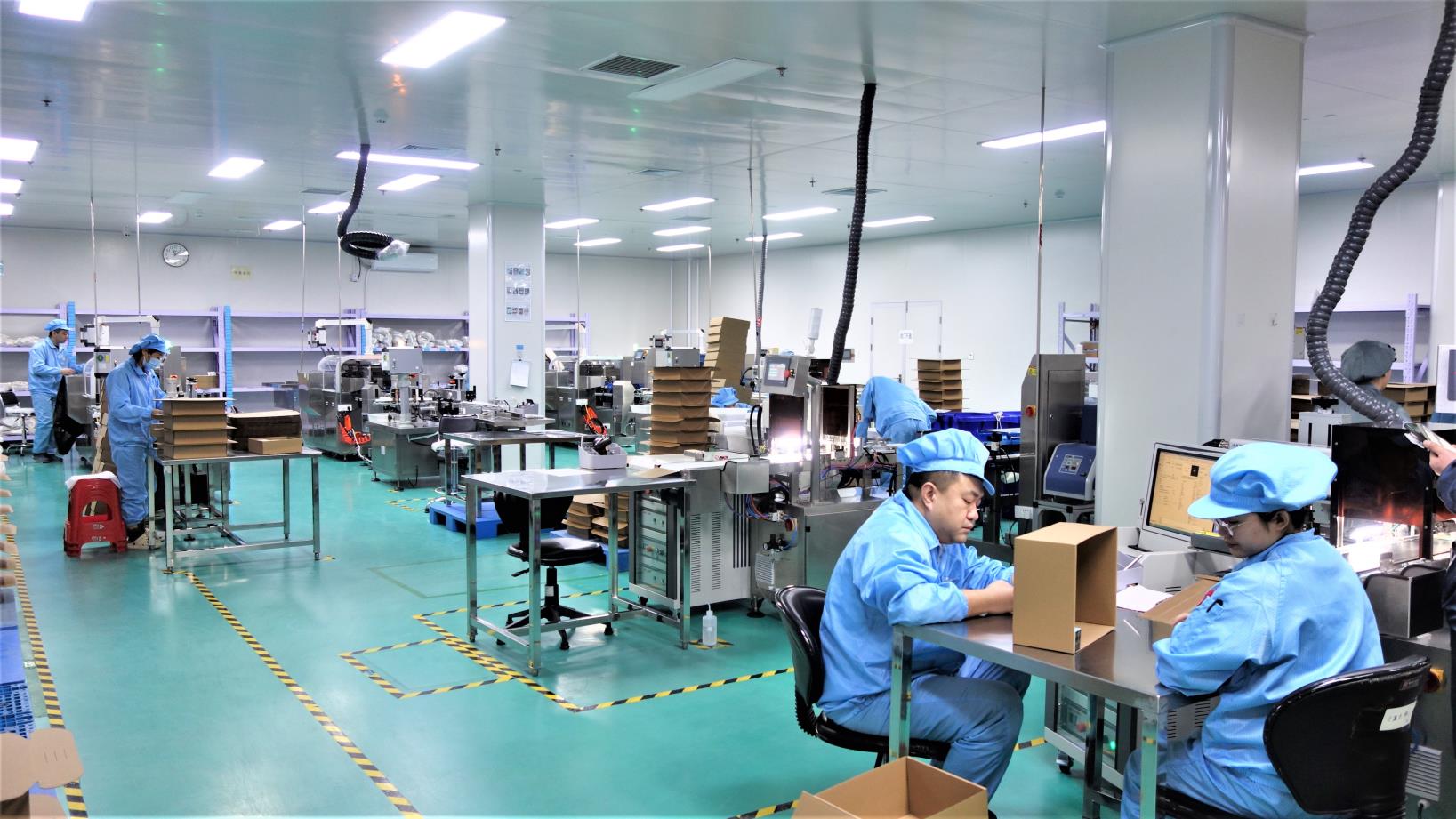
Packaging Machine
Monomer injection into custom precision molds followed by UV/thermal curing to lock lens shape.
Removing chemical impurities and swelling the polymer matrix in physiological saline to final parameters.
Every single lens undergoes magnification projection and optometric centering checks using a Focimeter.
Pressurized thermal sterilization at 121°C ensuring maximum biosafety and 5-year shelf-life stability.
Connecting China's manufacturing power with South Asia's leading logistics hub.
Sourcing from Shenzhen offers unmatched advantages for Sri Lankan importers. Benefiting from proximity to the Shenzhen port infrastructure, cargo routes can reach the Port of Colombo within 12 to 15 days via container shipping, or under 48 hours via air cargo routing. This enables agile inventory management, allowing distributors to mitigate supply shocks, avoid out-of-stock scenarios, and maintain low warehousing overheads.
Our flexible OEM system offers low MOQ requirements for private-label startups in Sri Lanka. From custom graphic processing to OEM packaging box design, we help you launch your unique contact lens line without excessive capital outlay.
Traceability of Raw Materials: Every lens batch is linked back to US FDA-approved polymer monomers, guaranteeing non-toxicity and optical clarity that complies with international standards.
High-precision testing equipment ensuring every contact lens complies with strict optical and biophysical metrics.
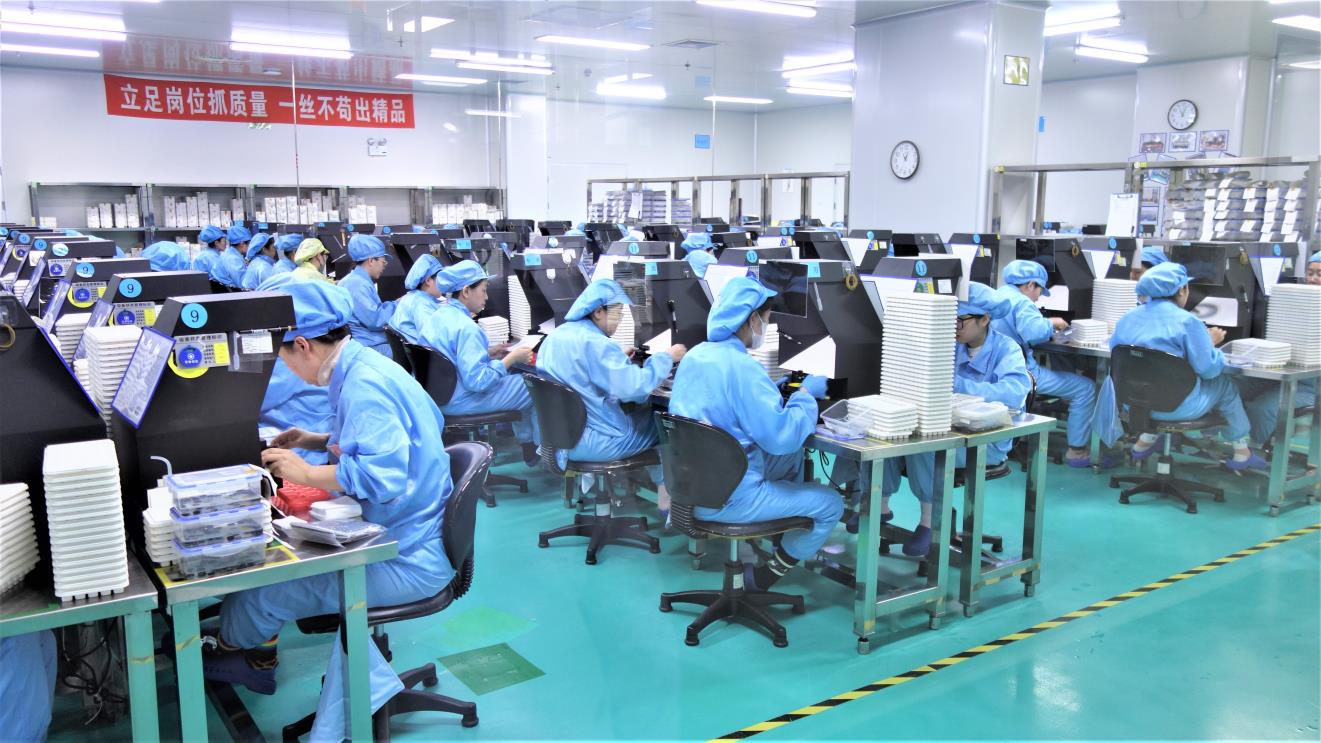
Manual Projection Inspection
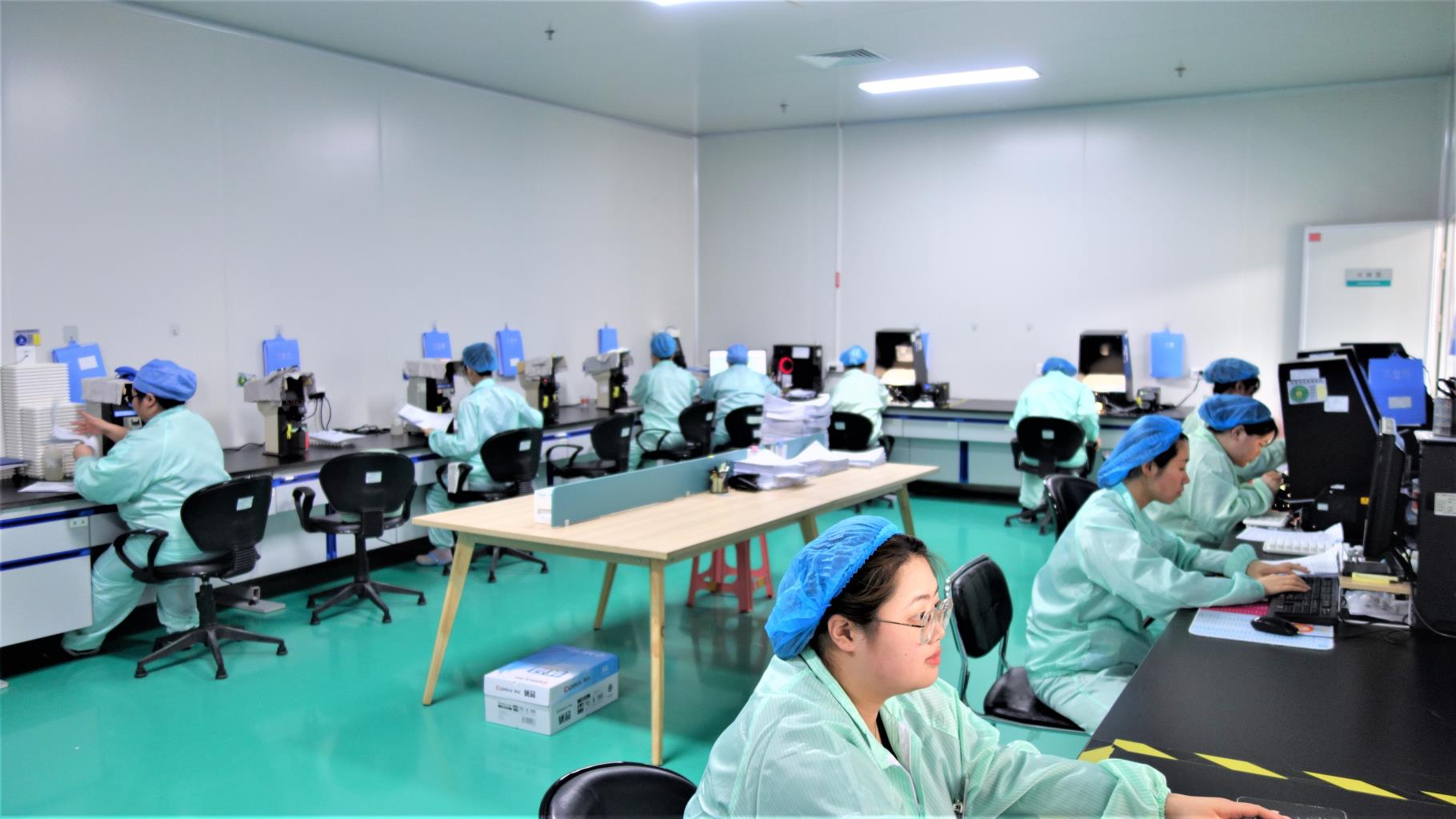
Finished Goods OQC Process
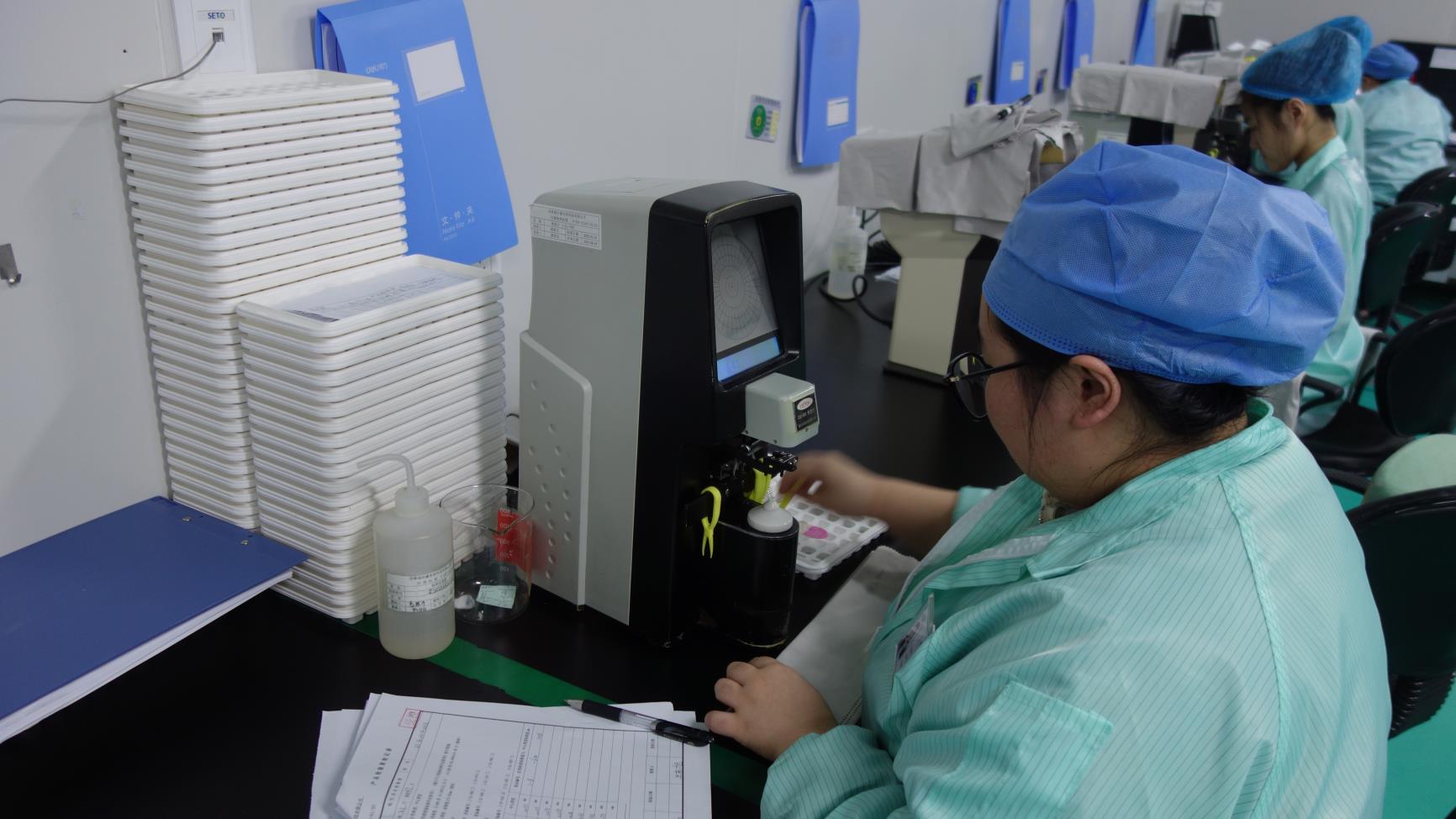
Focimeter Power Validation
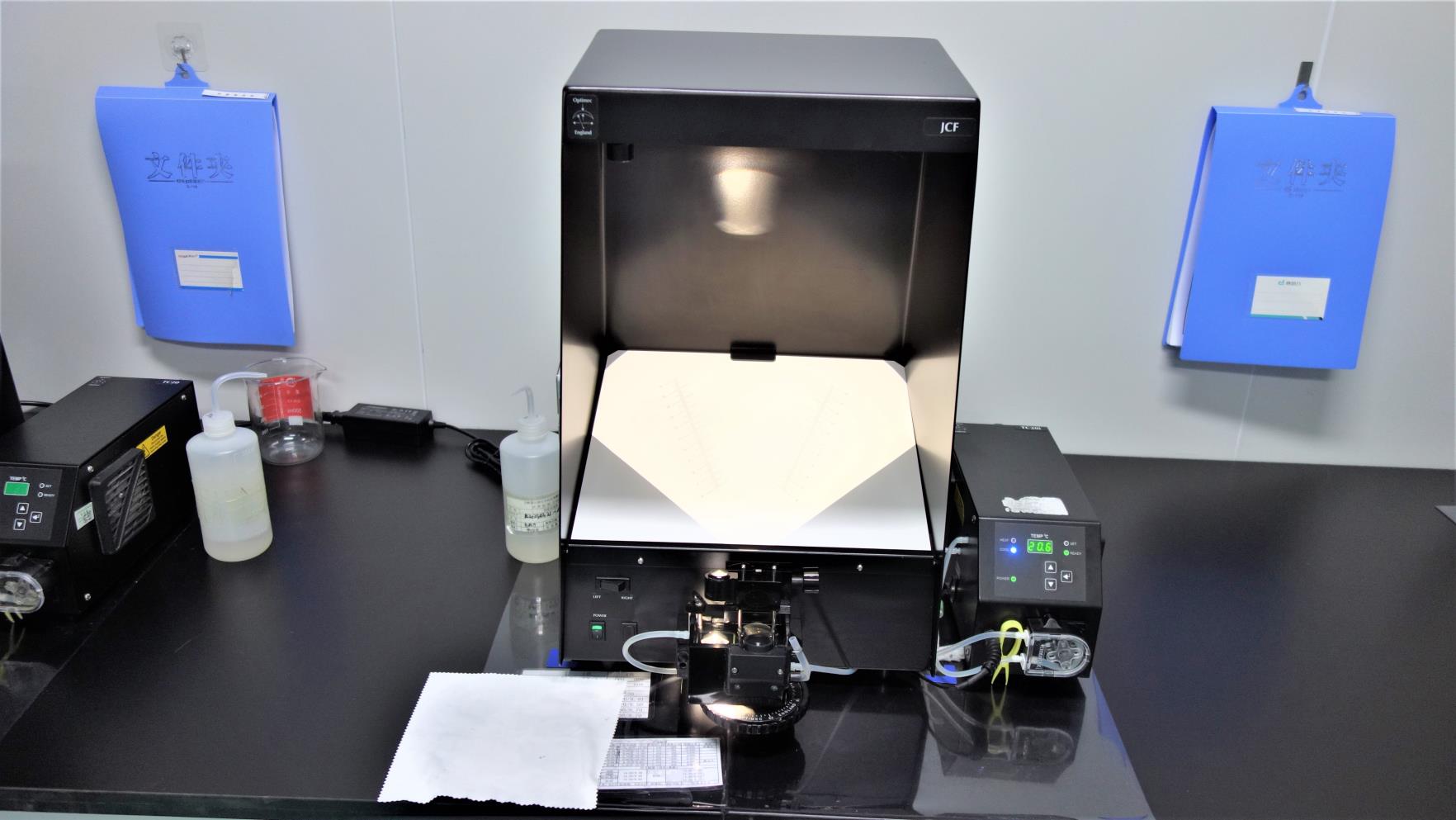
Optical Edge Projector
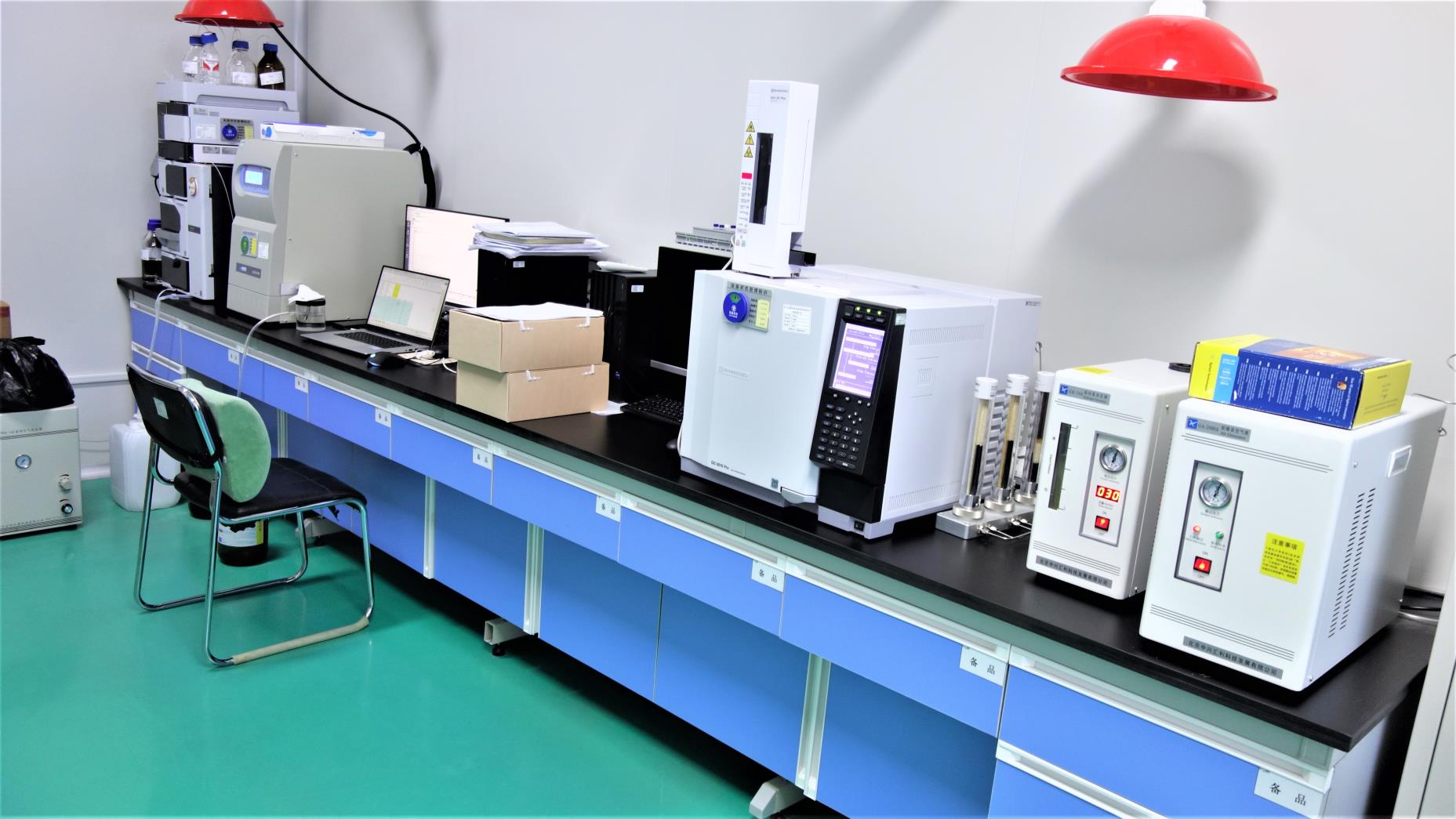
Spectral Transmittance Tester
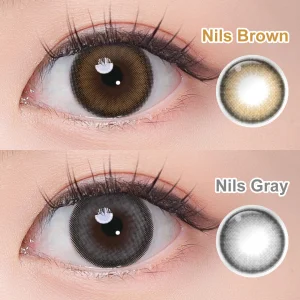
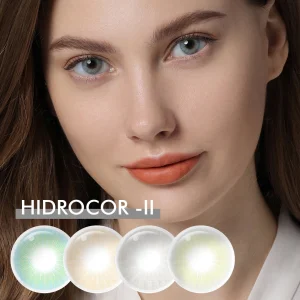
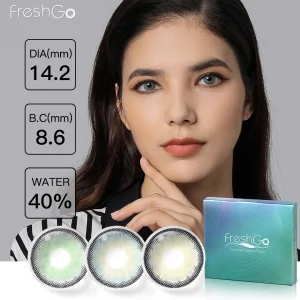
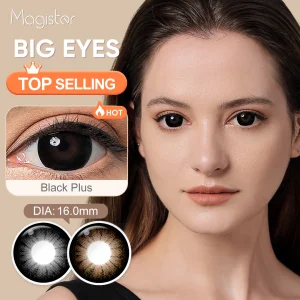
Premium OEM solutions featuring high water content, vibrant pigments, and durable hydrogel matrices.
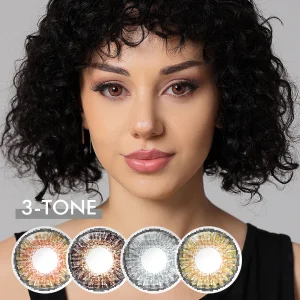
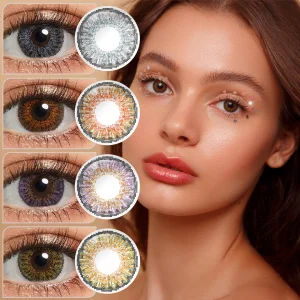
Crucial guidelines for legally importing and selling ophthalmic devices in Sri Lanka.
Contact lenses are classified as Medical Devices by the National Medicines Regulatory Authority (NMRA) of Sri Lanka. To import and distribute them legally, local entities must secure a medical device registration. Working with Shenzhen Fresh Vision Co., Ltd. streamlines this process significantly. We provide all the necessary technical dossier files:
Our export consulting team works directly with your local clearance agents to coordinate smooth port arrivals. We provide custom billing, precise HS Code classification (under HS 9001.30.00 - Contact Lenses), and certified packing lists to minimize delays at the Colombo customs terminal.
Commercial and technical queries answered by our senior engineering and export departments.
Partner with an established OEM manufacturer to get high-performance products, custom packaging design, and full NMRA-compliant regulatory support.
Send Inquiry Now