Fresh Lenses
Fresh Lenses
Fresh Lenses
Engineered to deliver exceptional hydration, optical clarity, and compliance for GCC climate challenges.
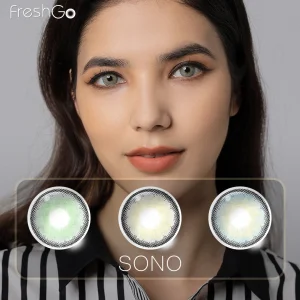
The State of Kuwait represents one of the most dynamic and high-value optical markets in the Gulf Cooperation Council (GCC) region. Characterized by elevated consumer purchasing power, a strong cultural appreciation for beauty trends, and a growing medical tourism infrastructure, the demand for both functional corrective lenses and luxury cosmetic contact lenses continues to rise exponentially.
However, brand owners and distributors in Kuwait face unique market entries. Importing medical devices into Kuwait requires navigating stringent regulatory frameworks established by the Ministry of Health (MoH) and local municipal trade codes. Simultaneously, the extreme local environment—marked by dry desert wind, sandstorms, and extreme UV rays—demands materials of the highest biocompatibility, oxygen permeability, and moisture retention.
Shenzhen Fresh Vision Co., Ltd. offers a comprehensive solution. By pairing state-of-the-art automated manufacturing processes with a mature global supply chain, we deliver tailored OEM/ODM manufacturing partnerships. Our capabilities empower Kuwaiti brands to develop, certify, and market world-class soft contact lenses that are perfectly suited for both local environmental realities and regional aesthetic preferences.
Analyzing current consumer preferences, optical clinical trends, and import paradigms in Hawally, Farwaniya, and Kuwait City.
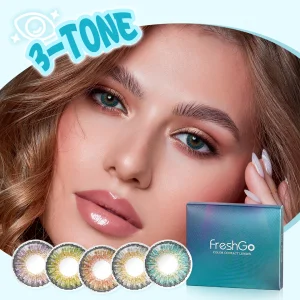
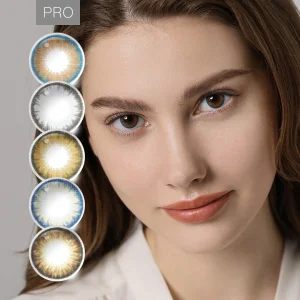
In Kuwait, cosmetic contact lenses are no longer viewed merely as optical prosthetics; they are key staples in high-end cosmetic regimens. The rise of local digital commerce, combined with premium beauty salons, has created an ecosystem where clients change colors seasonally or even daily. Natural-looking hazel, amber, sand-brown, and light gray pigments are highly sought-after. Our 3-Tone printing capabilities allow brands to deliver depth and texture that seamlessly blend with dark iris pigments, satisfying high aesthetic standards.
Kuwait regularly records summer temperatures exceeding 50°C. High air-conditioning usage in homes, offices, and vehicles severely reduces relative indoor humidity. For lens wearers, this triggers rapid dry-eye syndrome and lipid deposits. From a raw material perspective, local distributors require lenses formulated with a high-water retention profile or built upon advanced Silicone Hydrogel matrices. These materials prevent structural dehydration, ensuring comfortable all-day wear.
Inside Shenzhen Fresh Vision's 1,100㎡ state-of-the-art facility: Where engineering precision meets medical-grade safety.
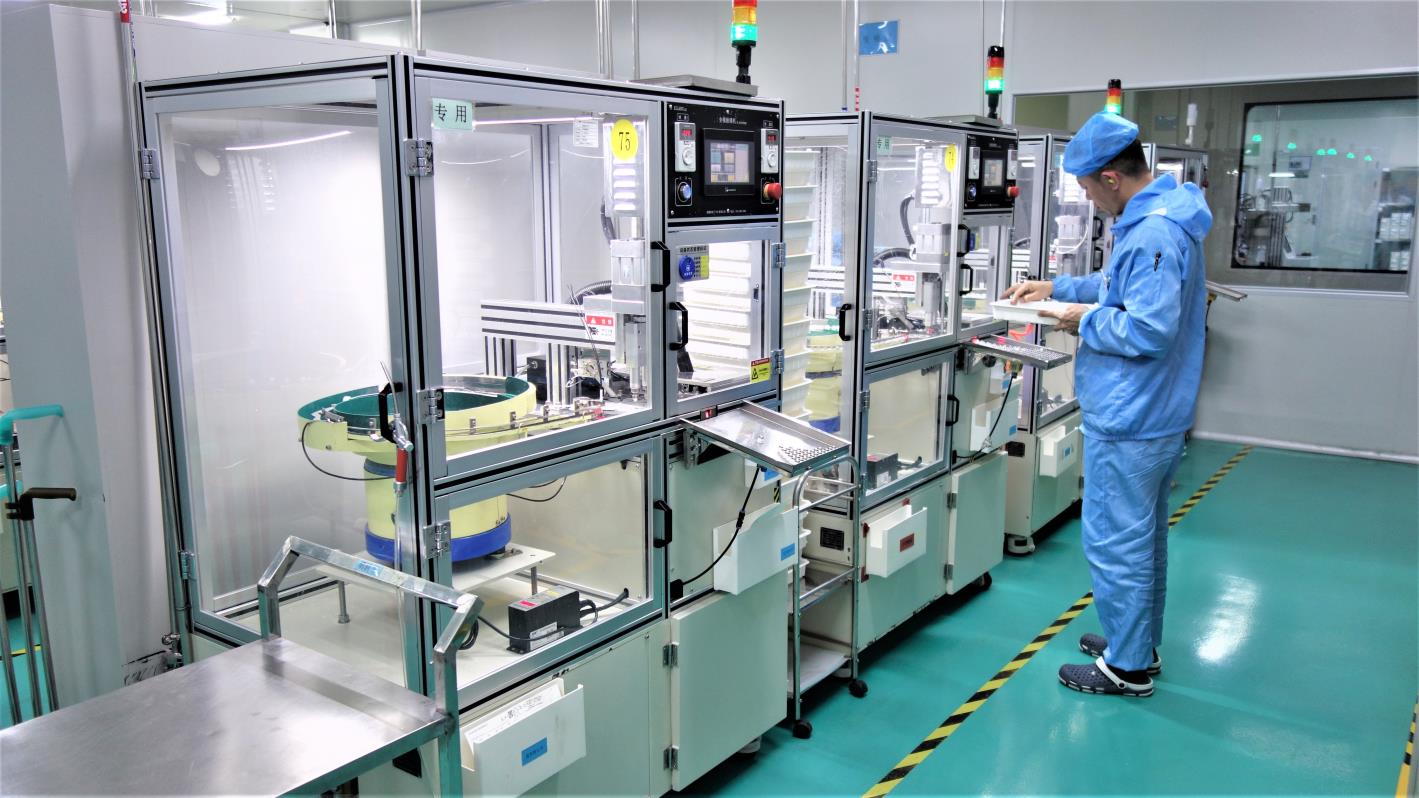
Precise separation of cast-molded dry lens units.
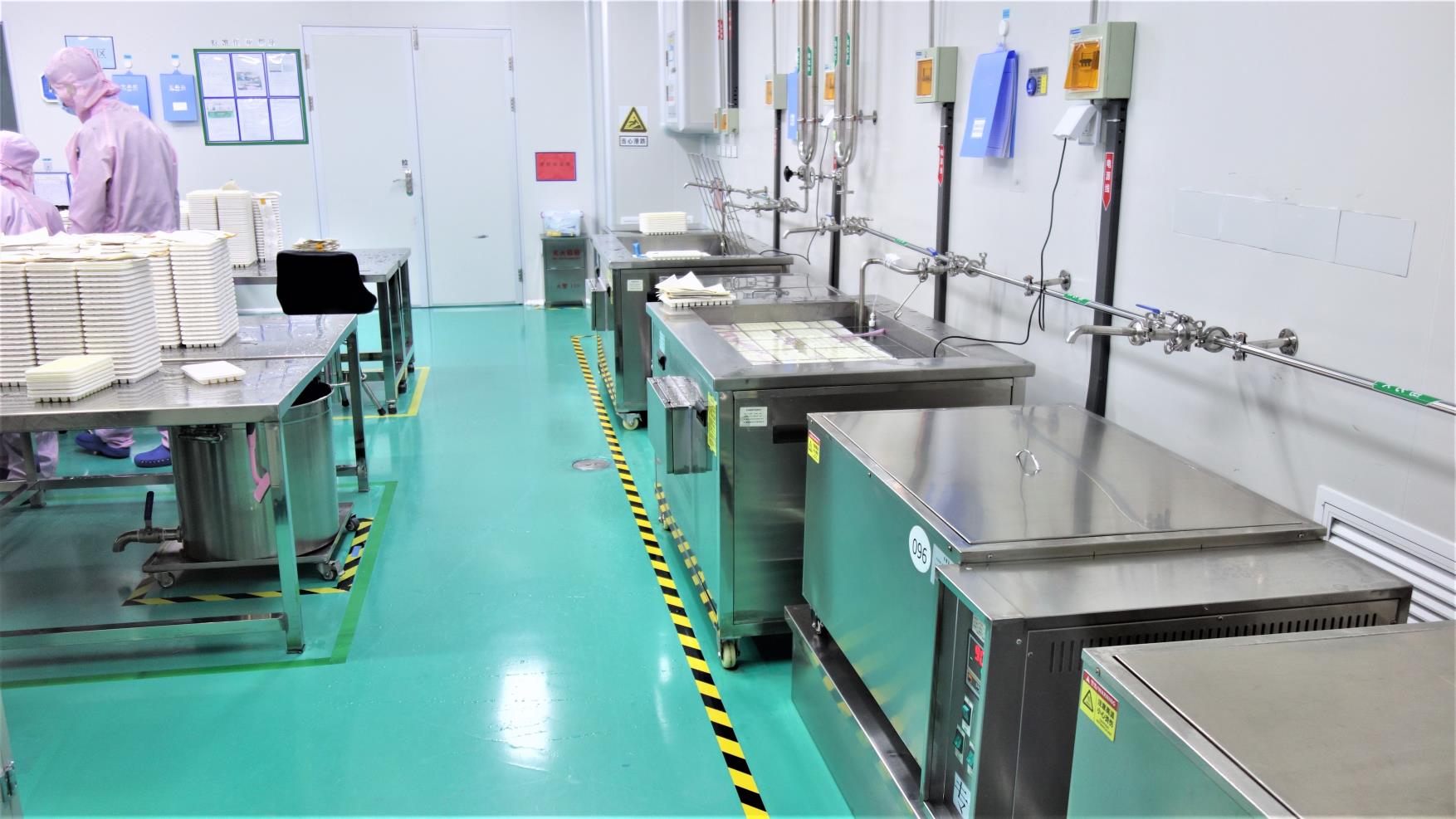
Hydrating extraction bath removes raw chemical residues.
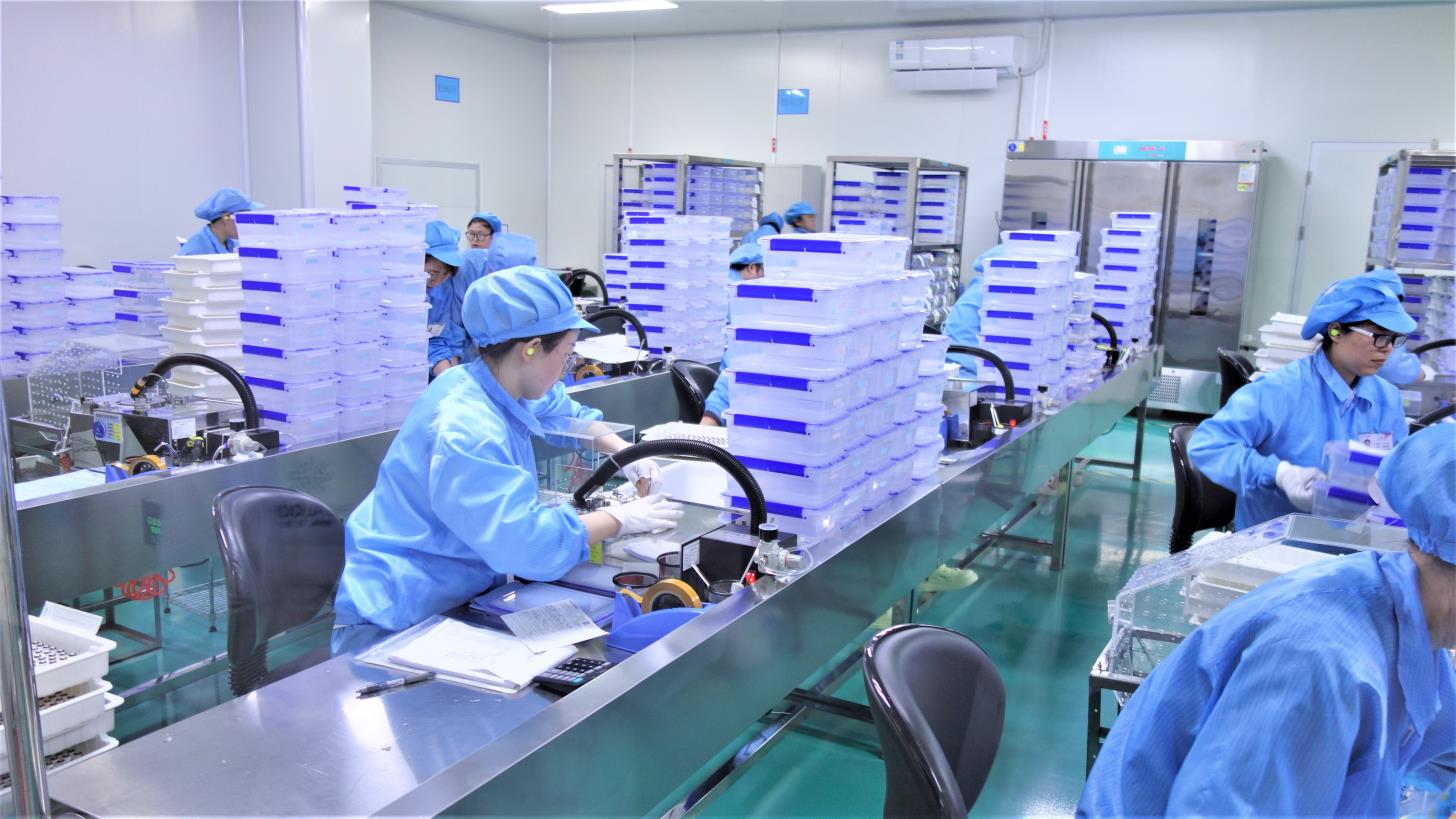
Automated vacuum transport of hydrated lenses.
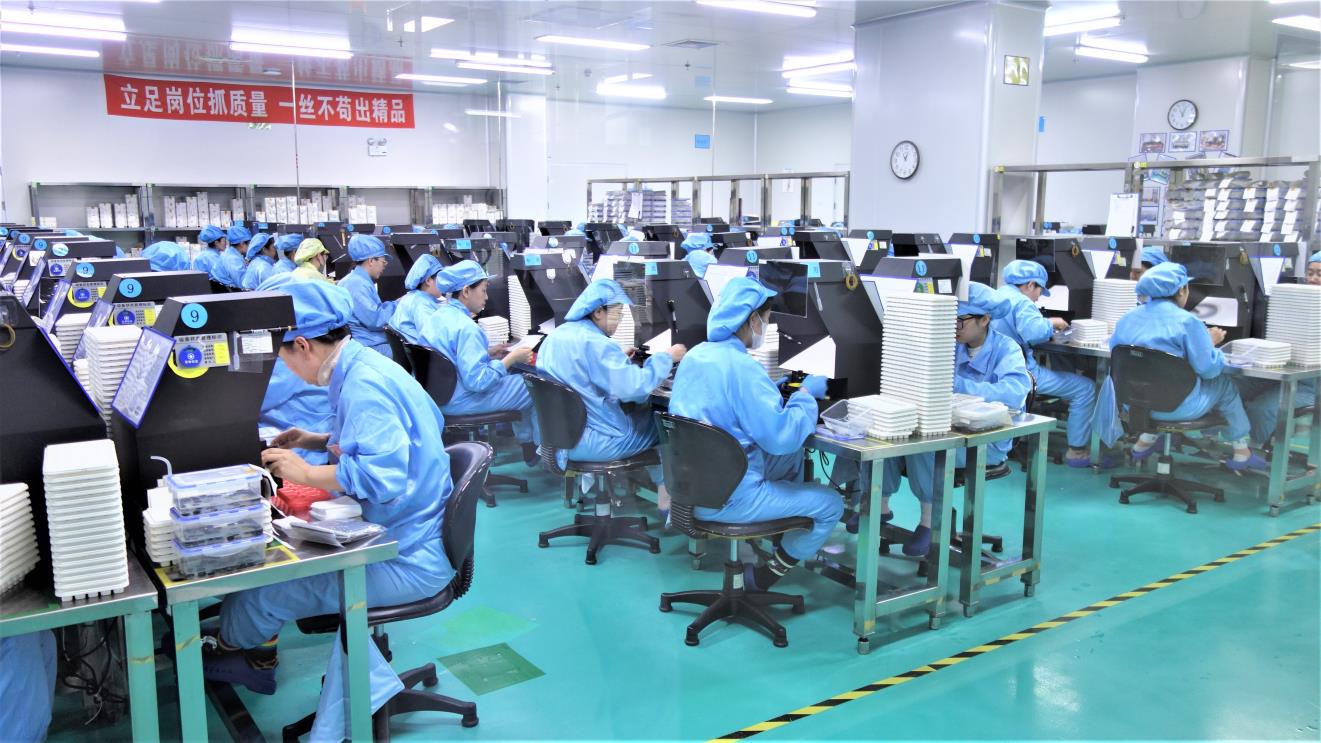
100% optical scanning for edge profile and center defects.
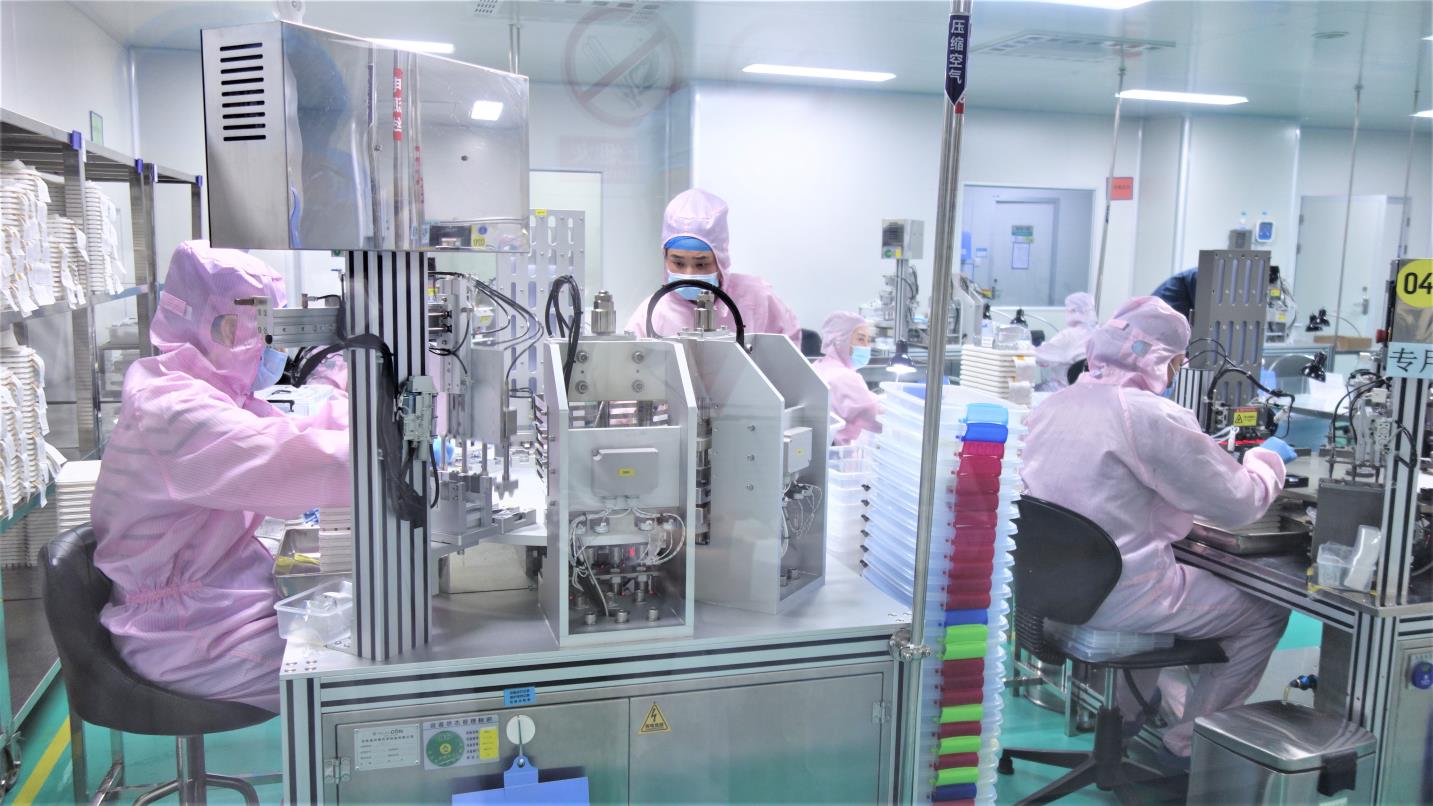
Dispensing buffered saline solution into blister cavities.
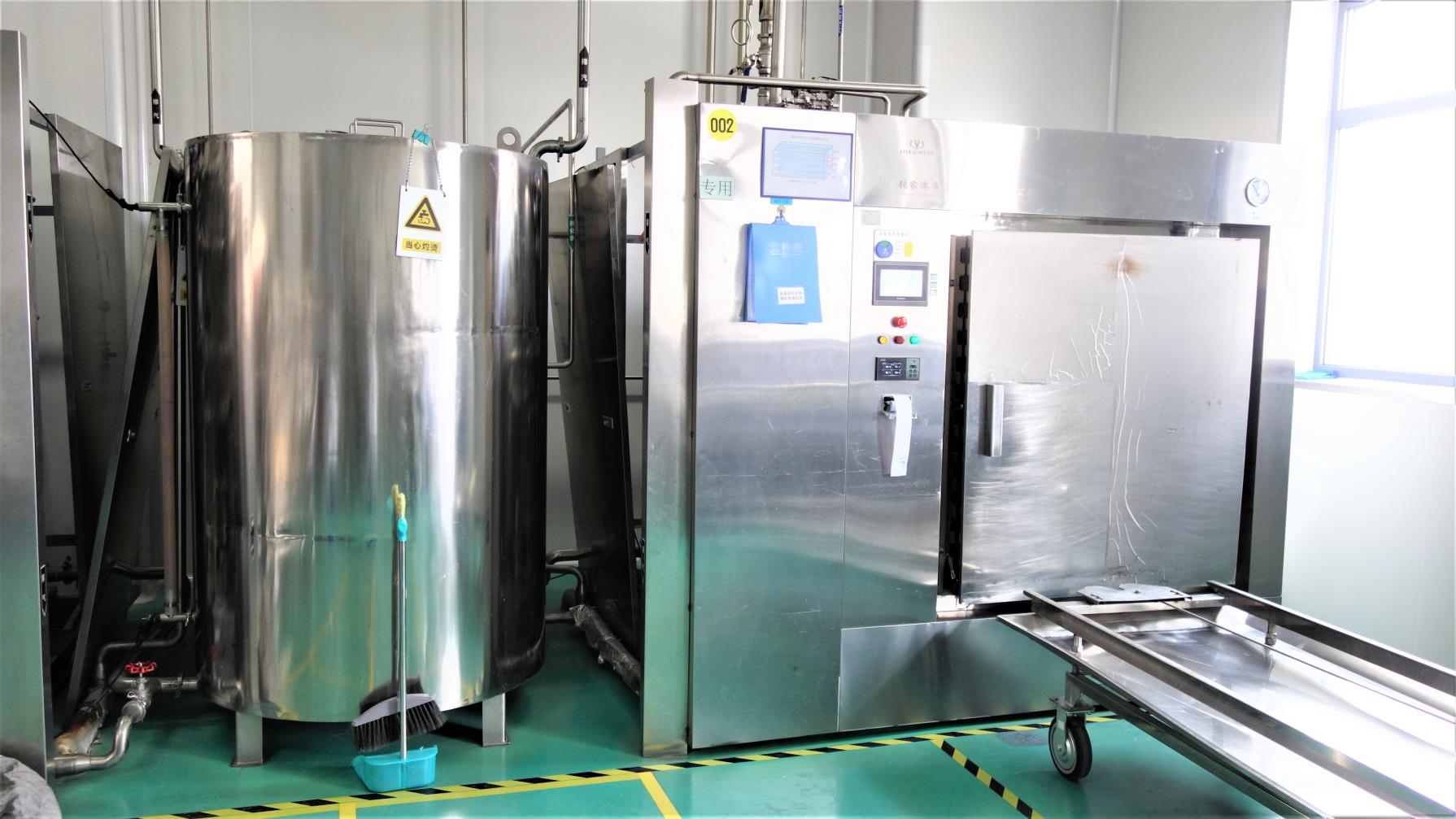
Moist-heat autoclave sterilization ensures complete safety.
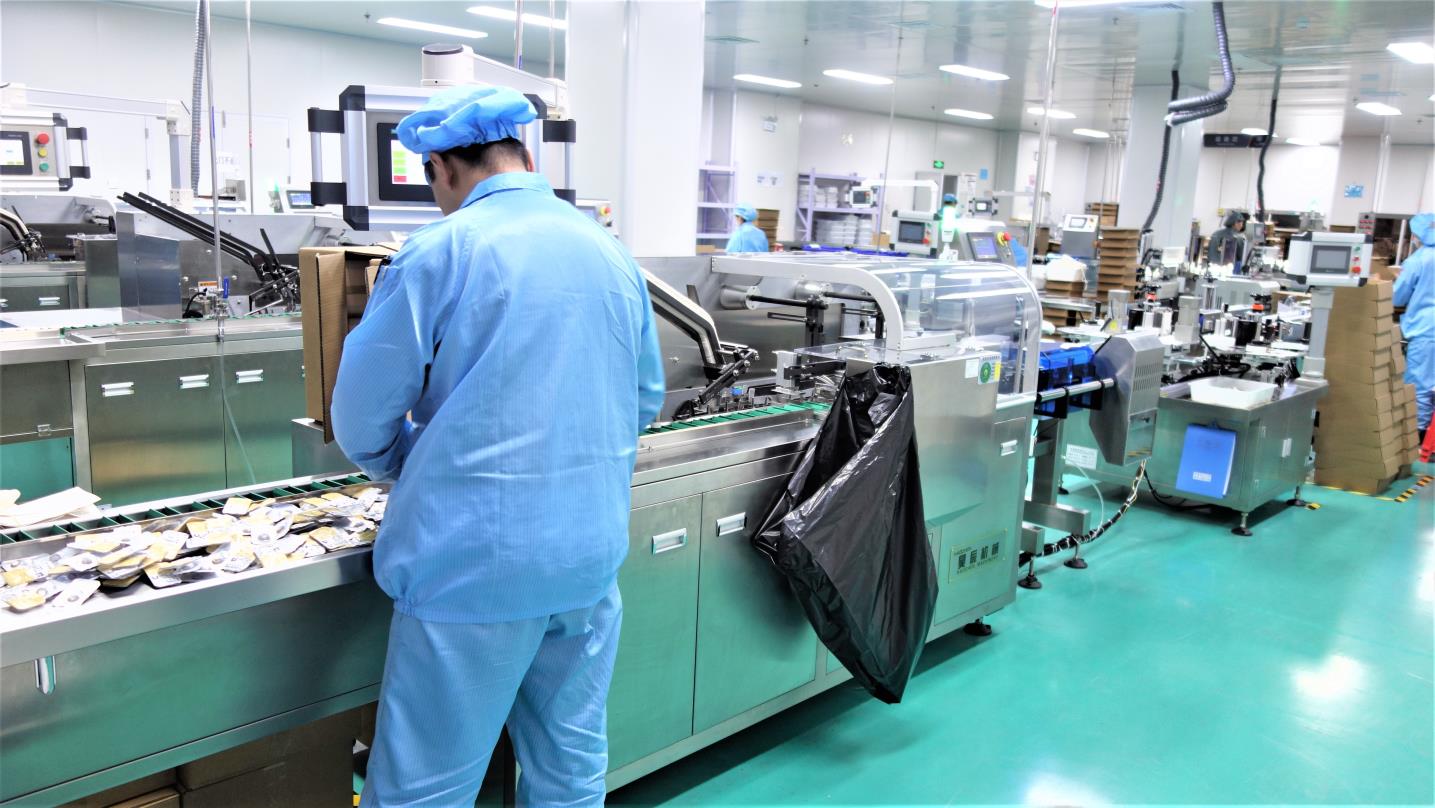
High-integrity heat sealing preserves sterility.
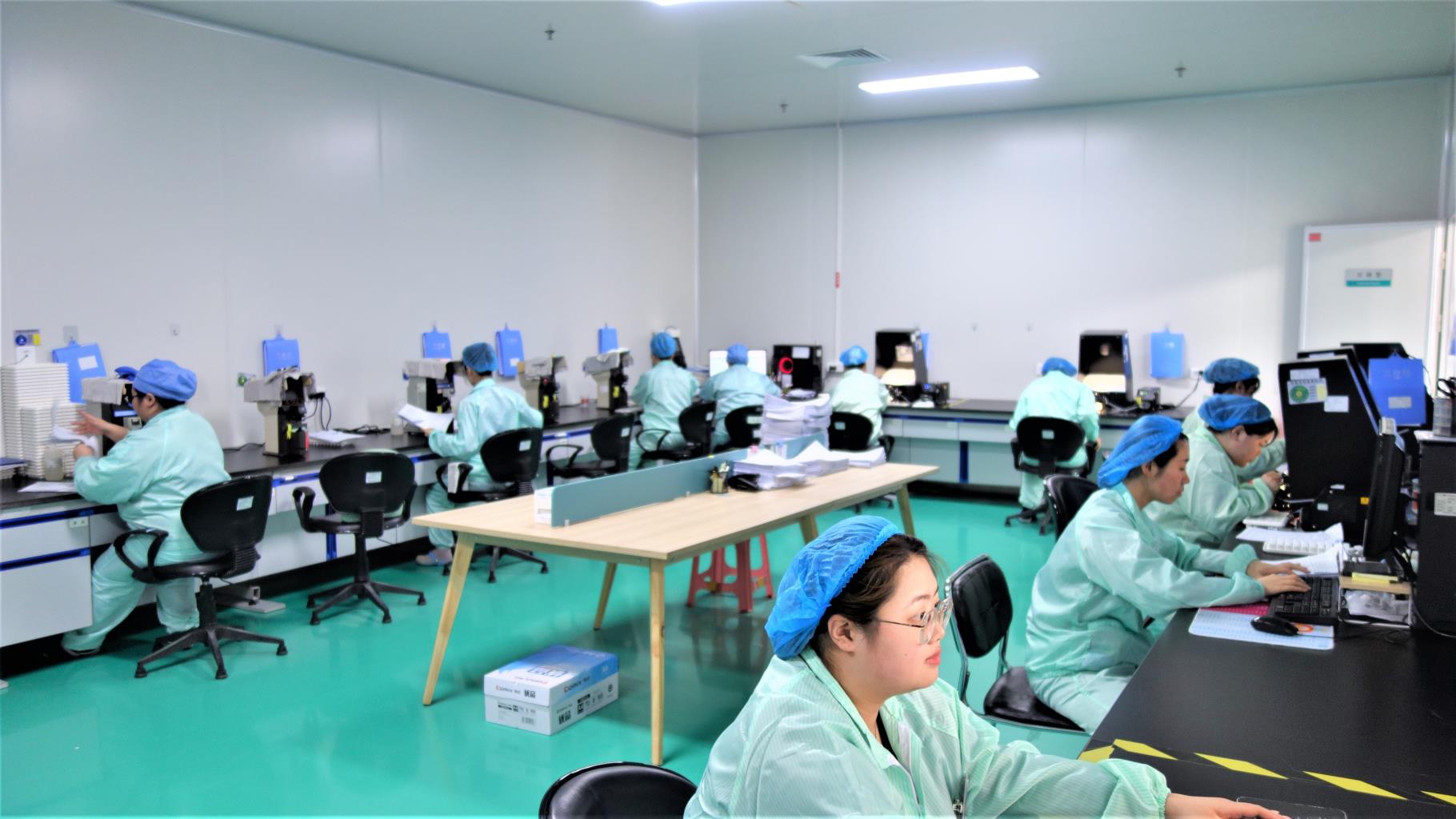
Final batch validation of optical power and dimensions.
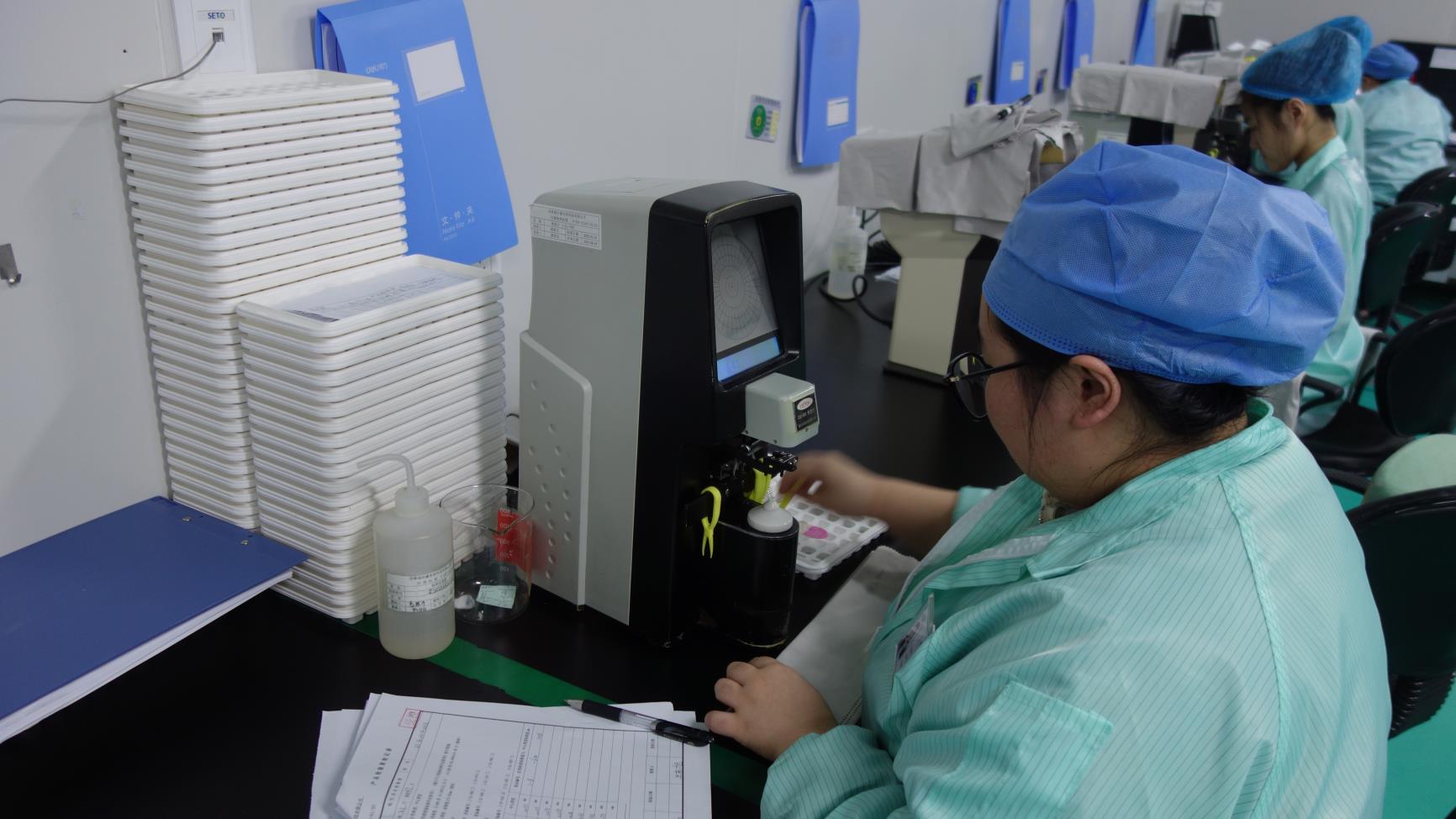
Verifying diopter value accuracy of lens batch samples.
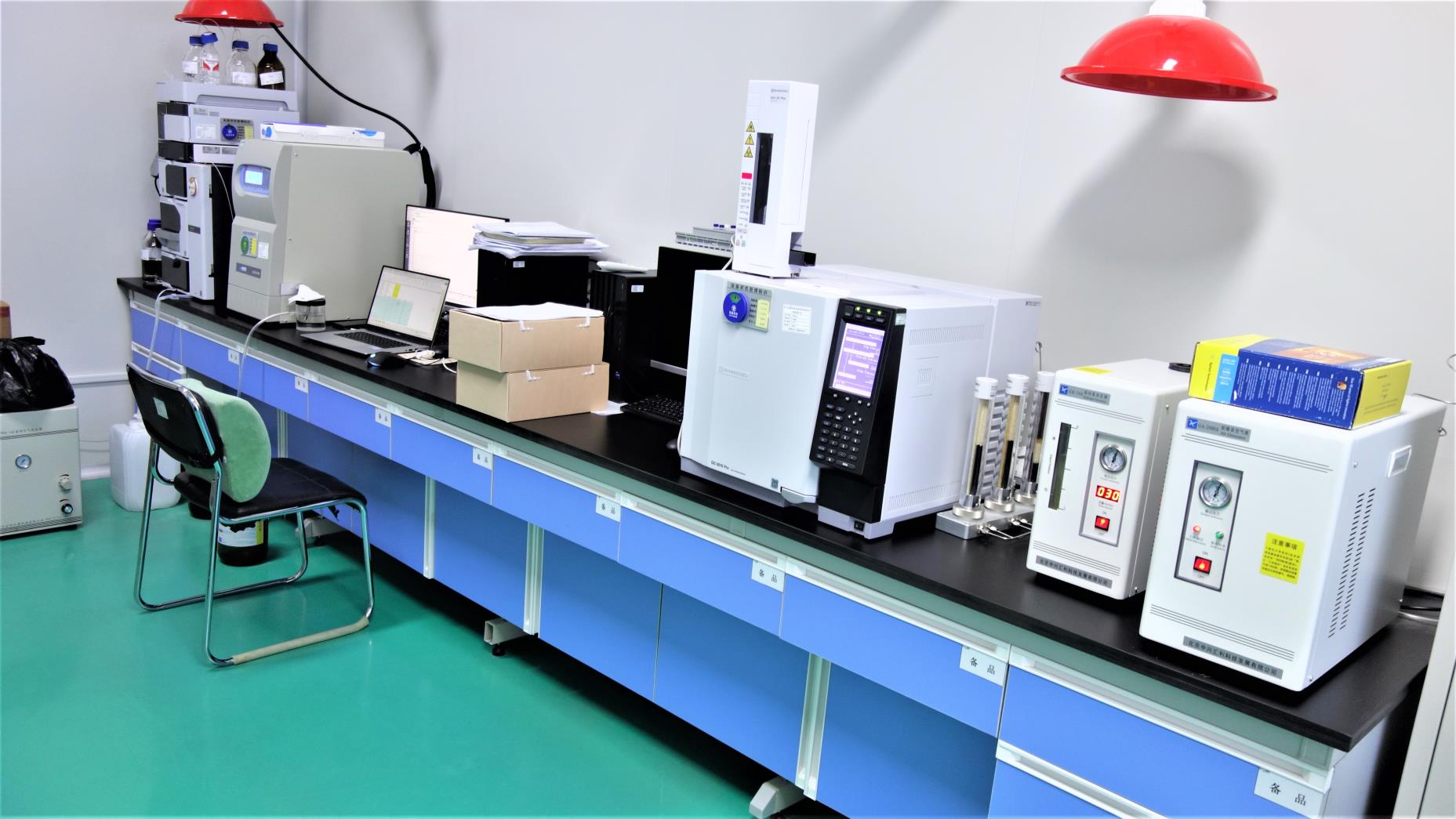
Testing UV transmission curves and light transmission levels.
Selecting the optimal matrix polymers to provide comfort under extreme sand and heat conditions.
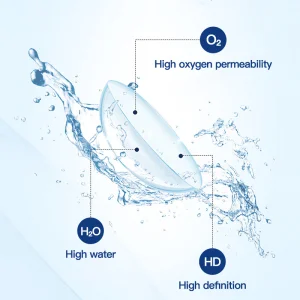
In Kuwait's arid environment, standard hydrogel lenses can lose moisture, drawing water from the wearer's tear film and causing discomfort. Our Silicone Hydrogel Lenses incorporate a high-oxygen permeability ($Dk/t$) matrix. Rather than relying solely on water molecules to transport oxygen, the silicone structure allows direct oxygen flow to the cornea. This maintains clear vision, minimizes corneal hypoxia, and ensures comfort even after long periods of wear in dry indoor air-conditioning.
Kuwait has a high average UV index throughout the year. Direct UV radiation can contribute to long-term corneal damage and cataracts. Our customized OEM materials include a monomer-integrated UV absorbing agent. This agent provides Class II UVA and Class I UVB filtration, absorbing harmful wavelengths without altering the color profiles or lens clarity.
For cosmetic lines, player safety is paramount. Utilizing outdated printing methods where ink touches the eye can cause issues. Fresh Vision employs a sandwich casting process: the cosmetic pigment layer is sealed between two layers of clear lens material. This ensures the eye tissue never comes into contact with the pigments, eliminating pigment migration while offering a smooth, comfortable surface.
"By sealing pigments between two clear polymer matrices, our sandwich molding technology guarantees 100% surface smoothness and eliminates corneal abrasion risks."
Strategic regulatory intelligence to streamline clearance at Shuwaikh Port and ensure smooth regional compliance.
As a medical device manufacturer, Shenzhen Fresh Vision Co., Ltd. supports partners in Kuwait with necessary regulatory documentation. We provide complete technical documentation, including ISO 13485 certification details, biocompatibility reports, sterilization indicators, and stability studies.
We also offer localized packaging design services. Our design team helps adapt outer cartons, instructions, and blister foils to meet Arabic language requirements. This allows your brand to transition from customs clearance to retail shelves without unnecessary regulatory delays.
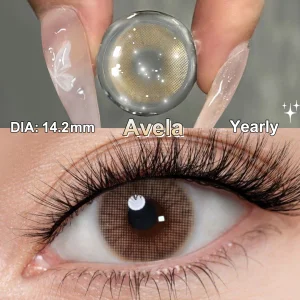
Expand your brand's presence with these popular styles, manufactured to meet the demands of the GCC market.
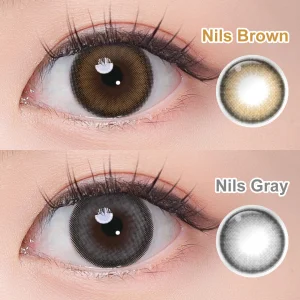
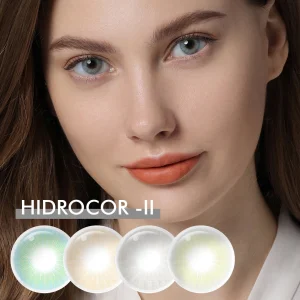
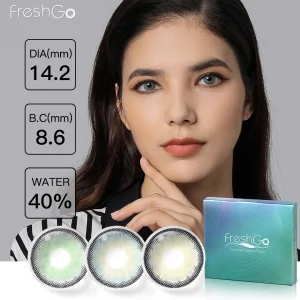
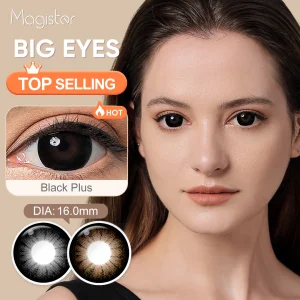
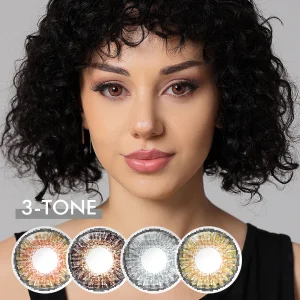
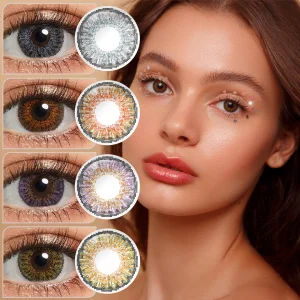
Exploring the integration of smart coatings, sustainable manufacturing, and customizable parameter matrices.
With the rapid increase in daily screen usage across both professional and personal contexts in Kuwait, digital eye strain has become a widespread consumer concern. To address this, our R&D roadmap focuses on incorporating high-efficiency blue light blocking technology directly into the contact lens monomer. This helps protect the retina from high-energy visible (HEV) blue light without distorting color perception, making it highly suitable for modern daily lifestyle habits.
Quality consistency is key to scaling a private label brand. Fresh Vision utilizes automated cast molding systems that regulate temperature, polymerization curing time, and mold alignment in a controlled cleanroom environment. This consistent processing helps reduce base curve variation to < 0.02mm, providing consistent lens comfort and fit across production batches.
Applying plasma surface coatings reduces the contact angle of the lens material, creating a hydrophilic surface that resists lipid and protein deposits. This treatment helps keep the lens clear and hydrated even in dusty, dry environments.
Our factory operates in accordance with strict energy management and waste-filtration regulations. By recycling mold plastics and minimizing chemical wastewater, we help brands align with modern environmental standards.
Answers to common operational, regulatory, and production questions for partners looking to source contact lenses for the Kuwaiti market.
Contact our OEM project management team today to receive sample kits, technical material specifications, and a detailed commercial quote.
Send Inquiry Now