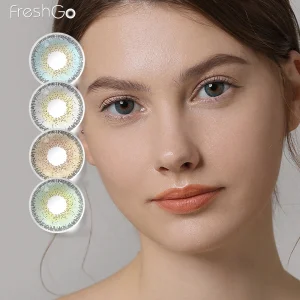
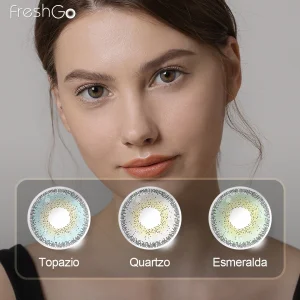
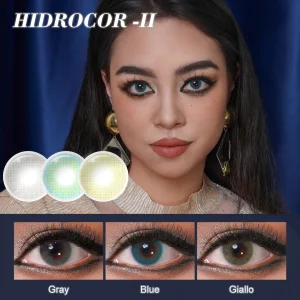
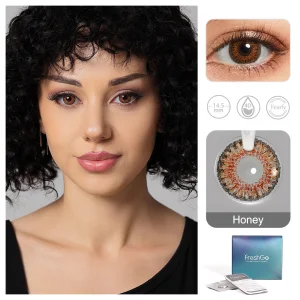
Fresh Lenses
Fresh Lenses
Fresh Lenses
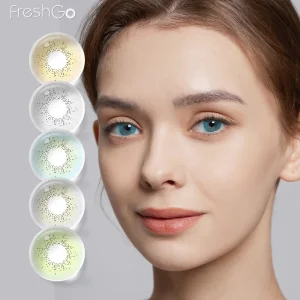
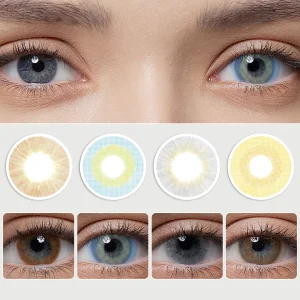
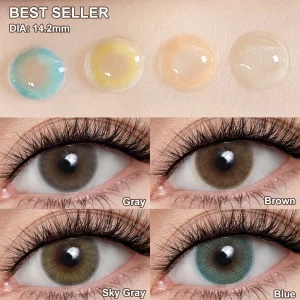
Explore our most popular yearly cosmetic contact lens designs currently dominating the Hanoi, Da Nang, and Ho Chi Minh City retail cosmetics markets. Formulated with high-oxygen permeability polymers for tropical environments.
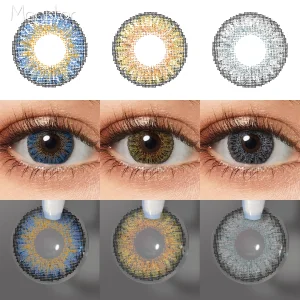
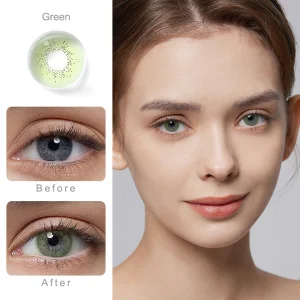
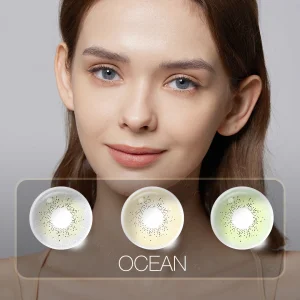
The contact lens market in Vietnam is witnessing exponential growth. Driven by rapid urbanization in metro cities like Hanoi, Ho Chi Minh City (HCMC), and Da Nang, cosmetic contacts have transitioned from niche theatrical products to mainstream daily aesthetic accessories. Local demographic shifts show that Gen Z and Millennial buyers prioritize eye health and visual enhancement, fueling B2B demand from cosmetics shops, optical chains, and beauty clinics across the nation.
In Vietnam, contact lenses are categorized as Class B Medical Devices. Consequently, the Ministry of Health (MOH) enforces strict registration processes. Sourcing agents, optical clinics, and distributors face barriers when trying to import non-sterile or non-registered contact lenses. This regulatory landscape makes it critical to partner with a certified manufacturer. Shenzhen Fresh Vision Co., Ltd. provides robust certification alignment (ISO 13485, CE, raw material traceability) to ensure smooth custom clearances and market entry.
Additionally, the hot and humid climate of Vietnam requires specific material parameters. Traditional high-water lenses might dry out quickly in air-conditioned spaces or dusty street conditions. Our customized hydrogel lenses with a balanced 40% water content are engineered to lock in moisture, maintaining visual clarity and corneal health throughout long days.
Global buyers sourcing contact lenses for markets in Europe, North America, Southeast Asia, and the Middle East need to manage three primary metrics: safety profile, color consistency, and supply chain scalability. Global brands look for factories that can offer OEM/ODM customization, private brand packaging, and rapid sample turnaround.
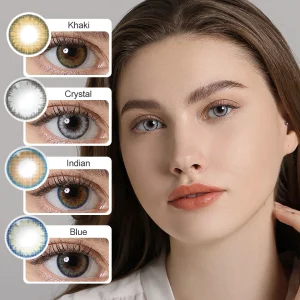
Explore our secondary catalog of yearly wear options, utilizing sandwich color technology to protect the corneal surface while offering vivid cosmetic options.
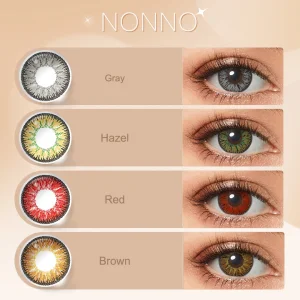
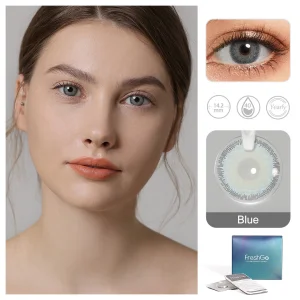
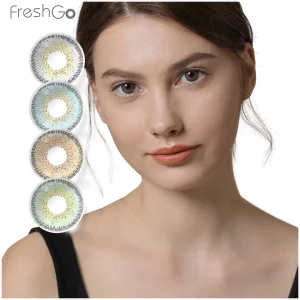
While Vietnam is a rising hub for general manufacturing, the highly specialized domain of contact lens production remains heavily dependent on mature technological ecosystems. China’s Factory 4.0 infrastructure represents the pinnacle of medical-grade casting, polymerization, and inline inspection technology. Partners in Vietnam benefit directly from this highly optimized supply chain.
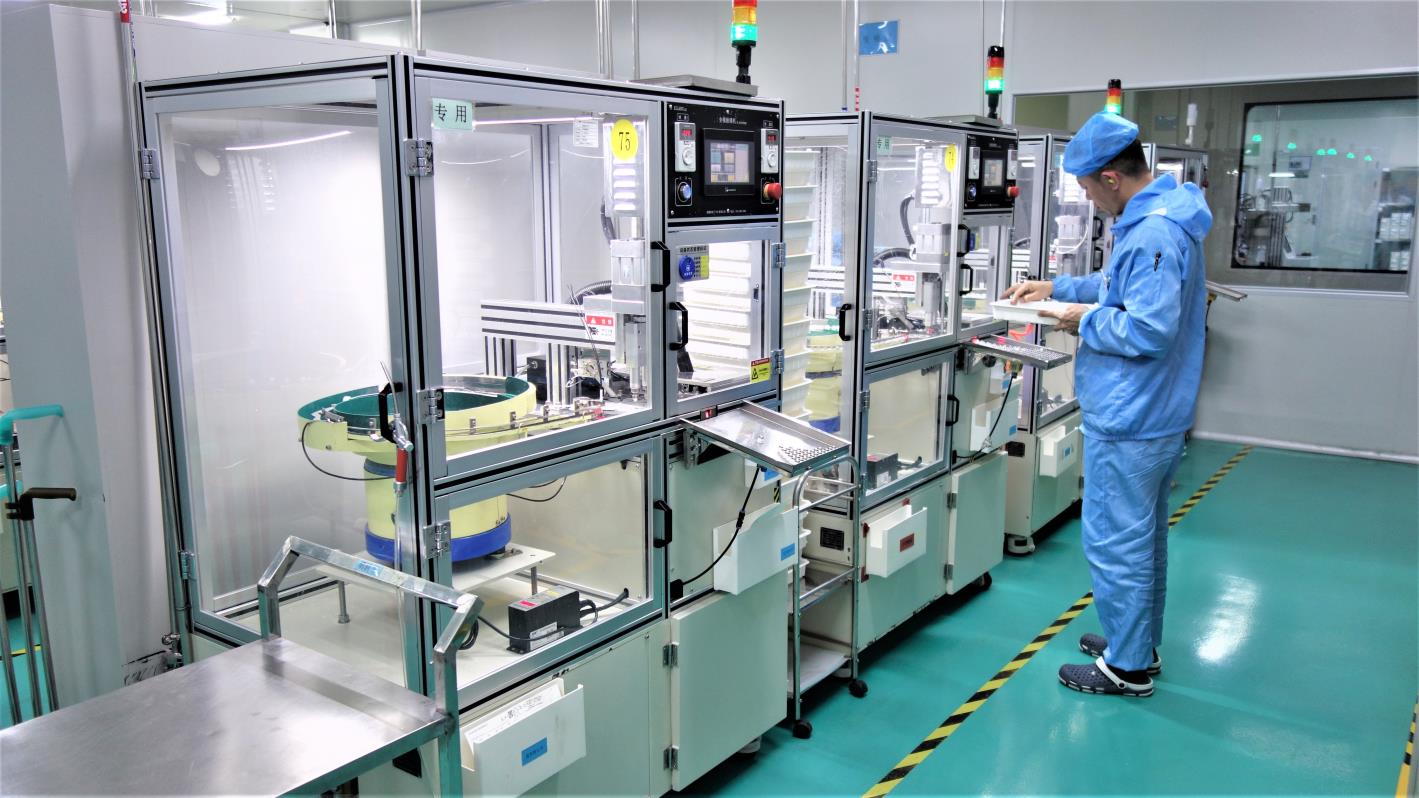
Shenzhen Fresh Vision Co., Ltd. operates state-of-the-art production lines designed to eliminate human error. From monomer dosing to hydration, demoulding, and sterilization, our equipment runs on closed-loop feedback systems. This ensures that every lens shipped to Vietnam or anywhere else in the world matches precise base curve requirements (typically 8.6mm) and keeps center thickness deviation within microns.
By scaling raw material inputs and maintaining high-capacity molding machines, we absorb price shocks and supply chain bottlenecks, offering Vietnamese B2B clients consistent wholesale prices and highly predictable lead times.
Unlike standard cosmetic accessories, contact lenses are medical products that sit directly on the cornea. Shenzhen Fresh Vision Co., Ltd. guarantees complete raw material traceability. Every batch of hydrophilic monomer is tested and logged. On the packaging floor, high-resolution optical inspection cameras automatically scan each lens for bubbles, micro-tears, or printing misalignments, assuring zero-defect dispatches.
Understanding the technology behind the products. Here is the step-by-step methodology deployed in our facility to guarantee medical-grade quality, comfort, and compliance for the Vietnamese cosmetics sector.
Fully automated dry monomer injection into micro-molds, preparing for uniform thermal polymerization.
Controlled thermal processing to polymerize material into highly stable, elastic contact lens hydrogel structures.
Lenses are thoroughly soaked in purified saline to hydrate, extract impurities, and stabilize structural water content.
Automated demoulding separation minimizes mechanical stress on the microscopic edges of the lenses.
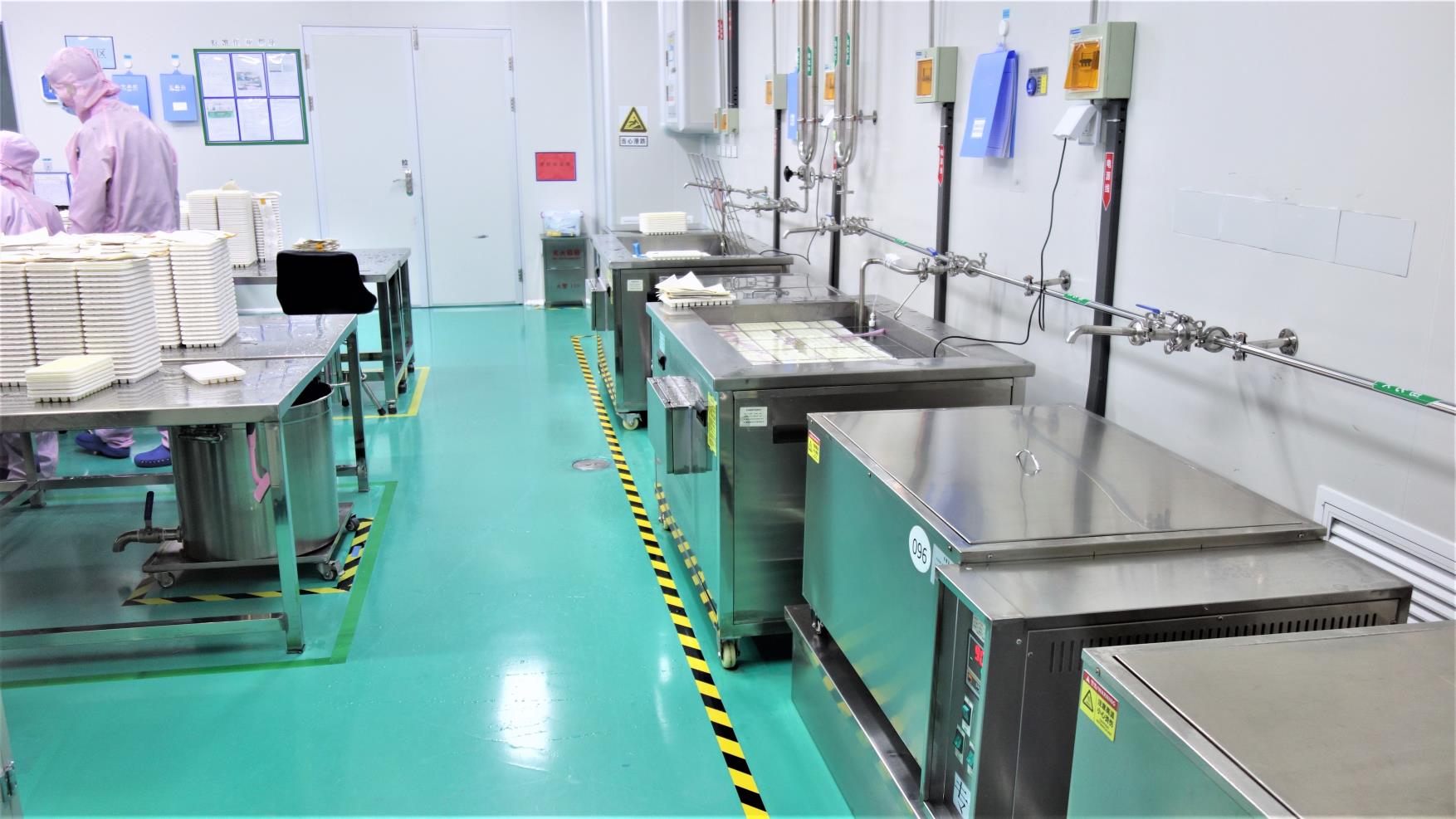
Ensuring complete removal of volatile organic chemicals and biological pathogens prior to automated suction.
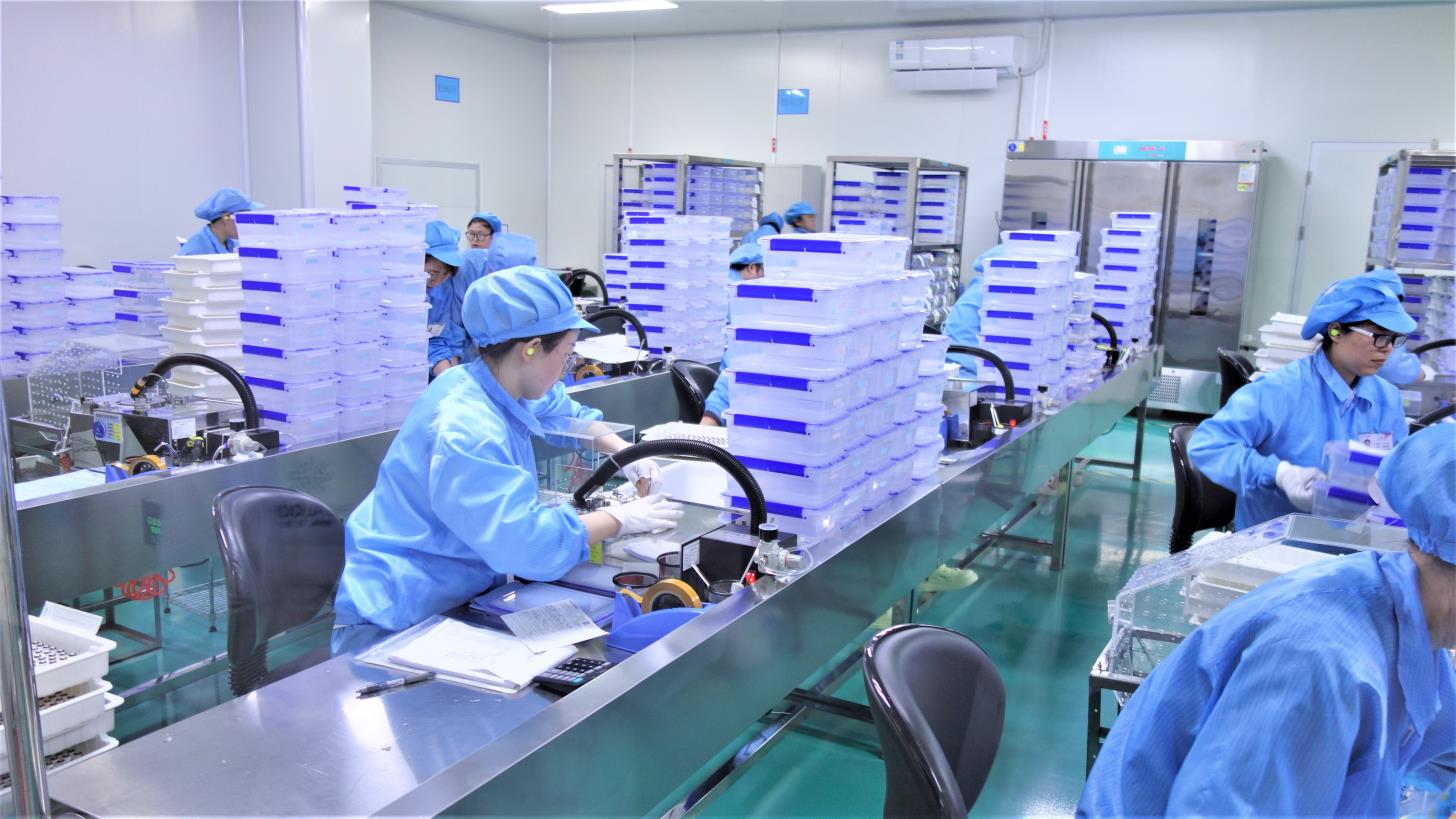
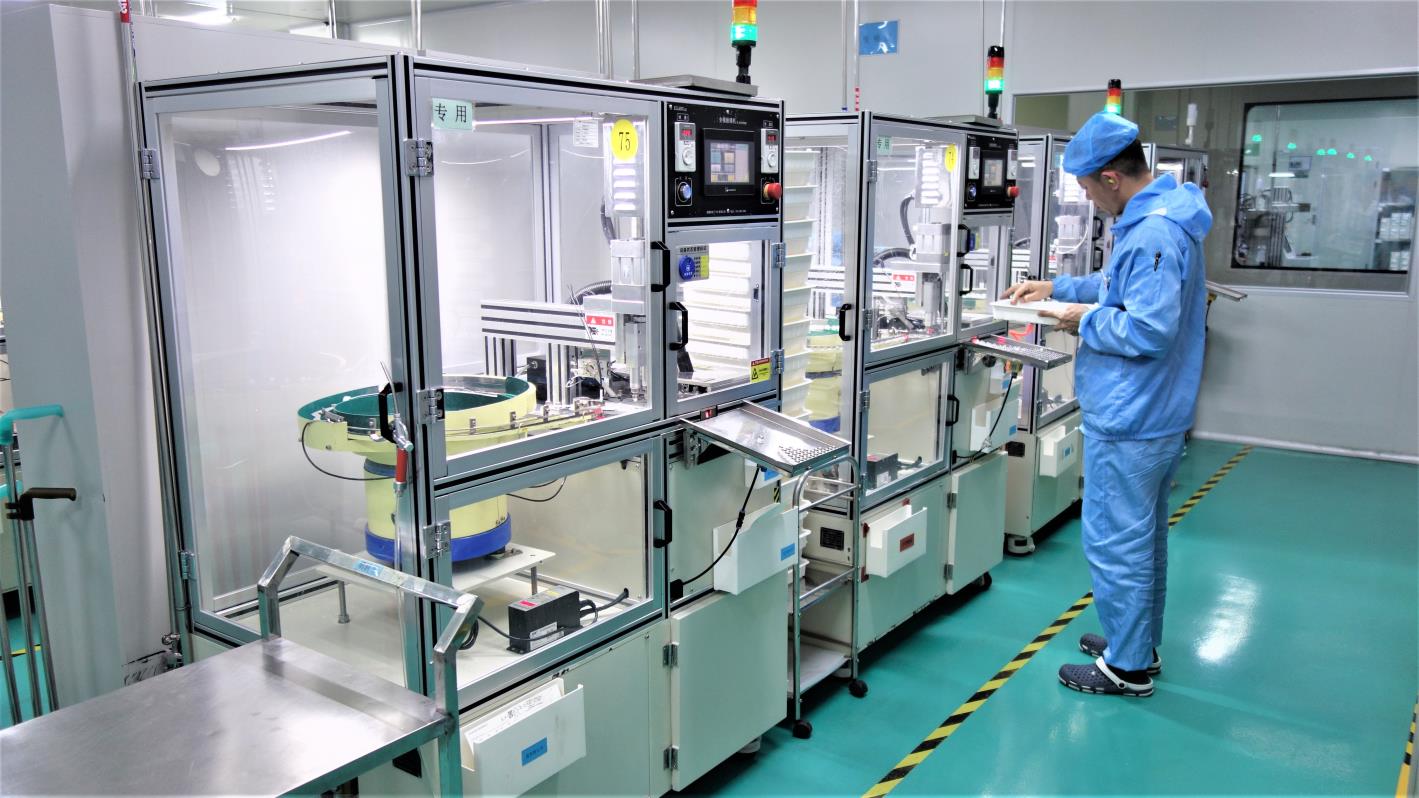
Automated robotic transfer systems align lenses without direct human physical contact to ensure zero contamination.
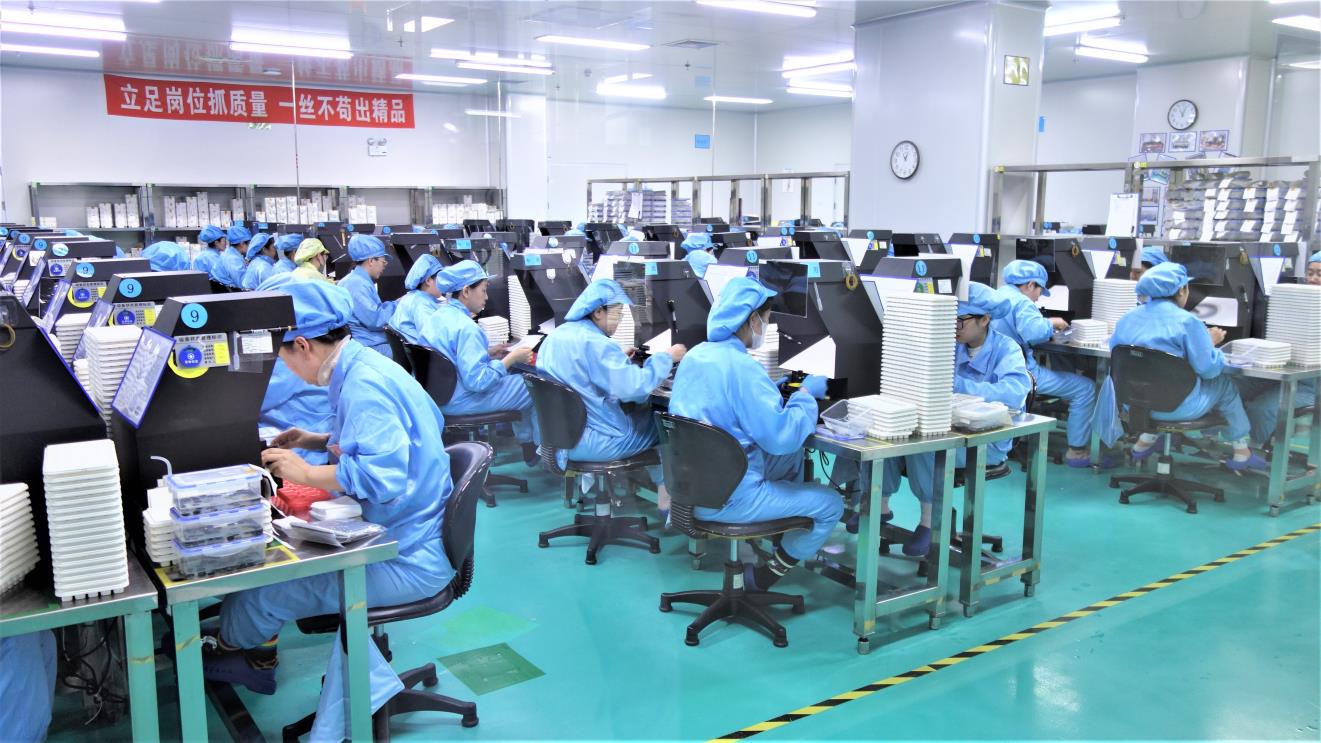
High-resolution sensors check shape, edges, power, and cosmetic pigment distribution in real-time.
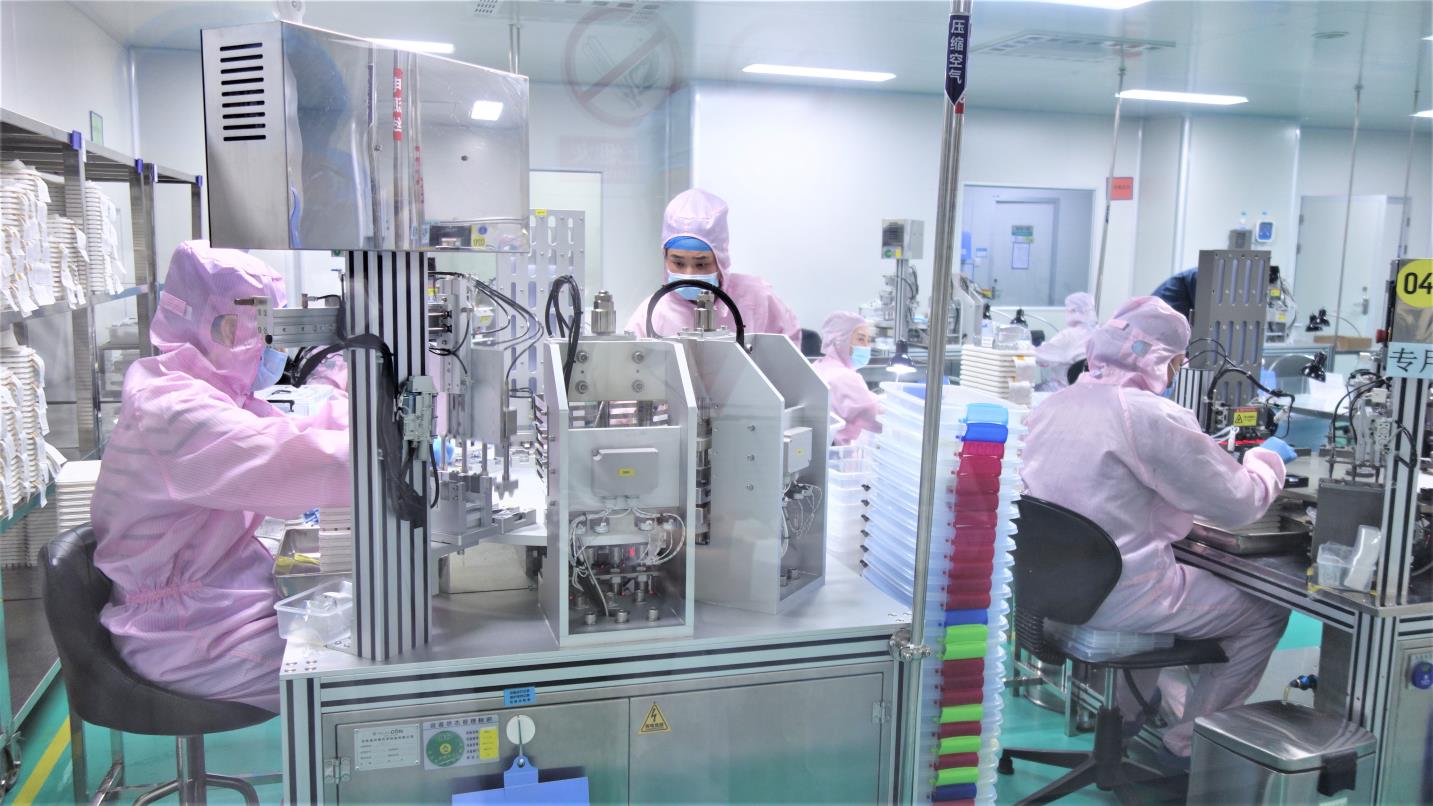
Lenses are enclosed in high-grade medical blister packs prefilled with buffered sterile saline solution.
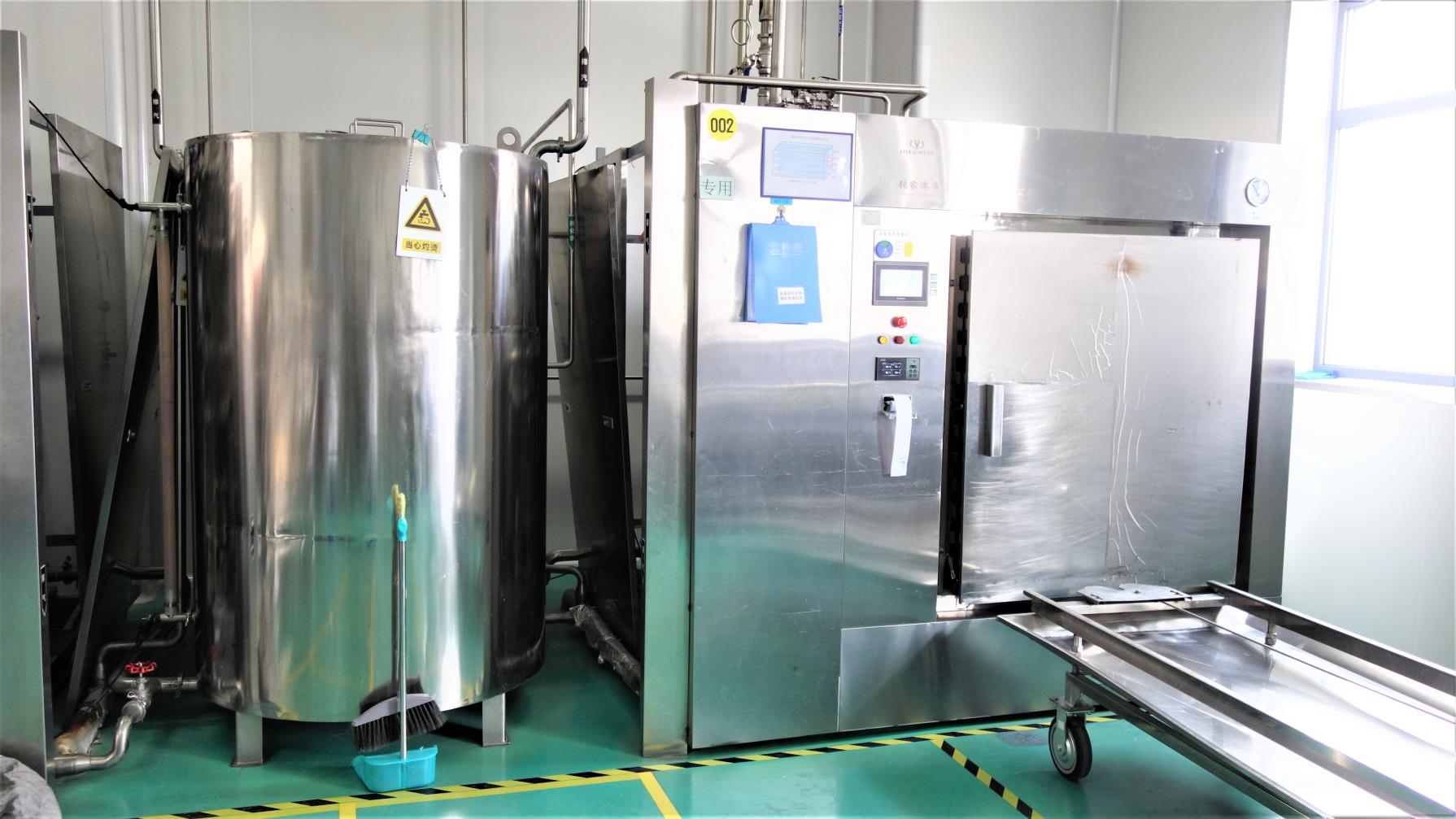
Moist heat steam autoclave processing ensures SAL 10^-6 sterility, matching international ophthalmological standards.
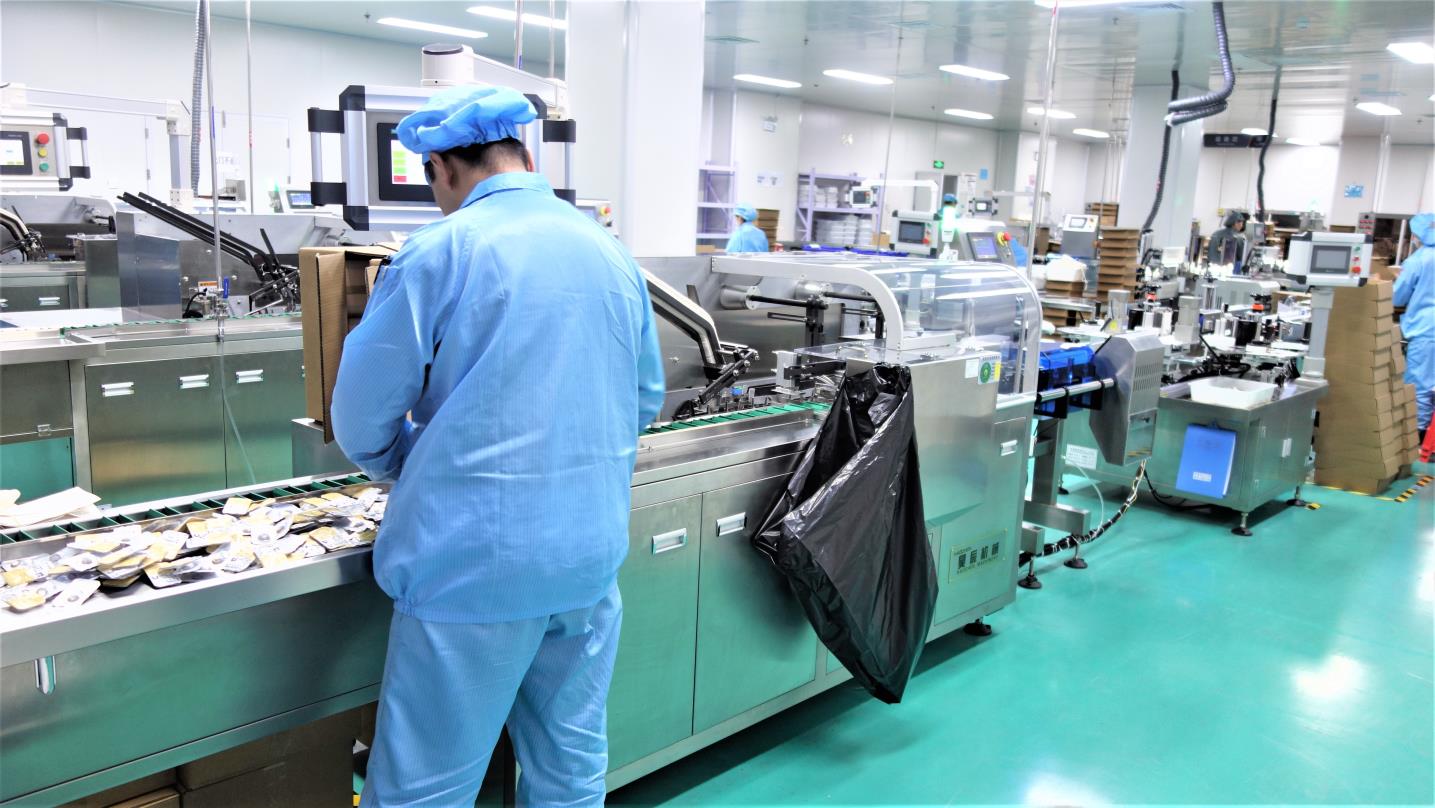
Sealing blisters into B2B packaging cartons with unique barcodes for total batch traceability.
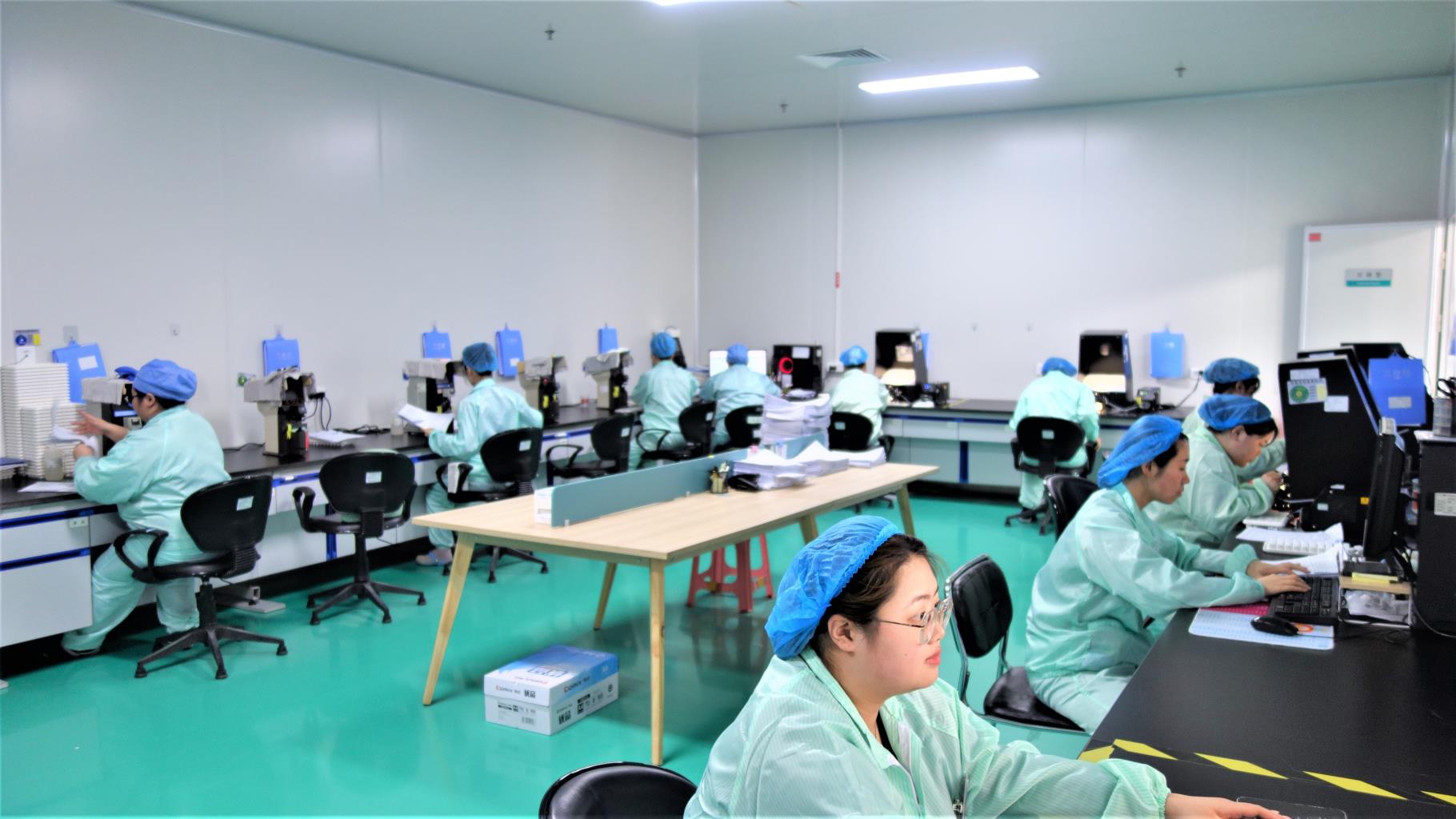
Final Output Quality Control audit verify correct specifications, barrier integrity, and package labels.
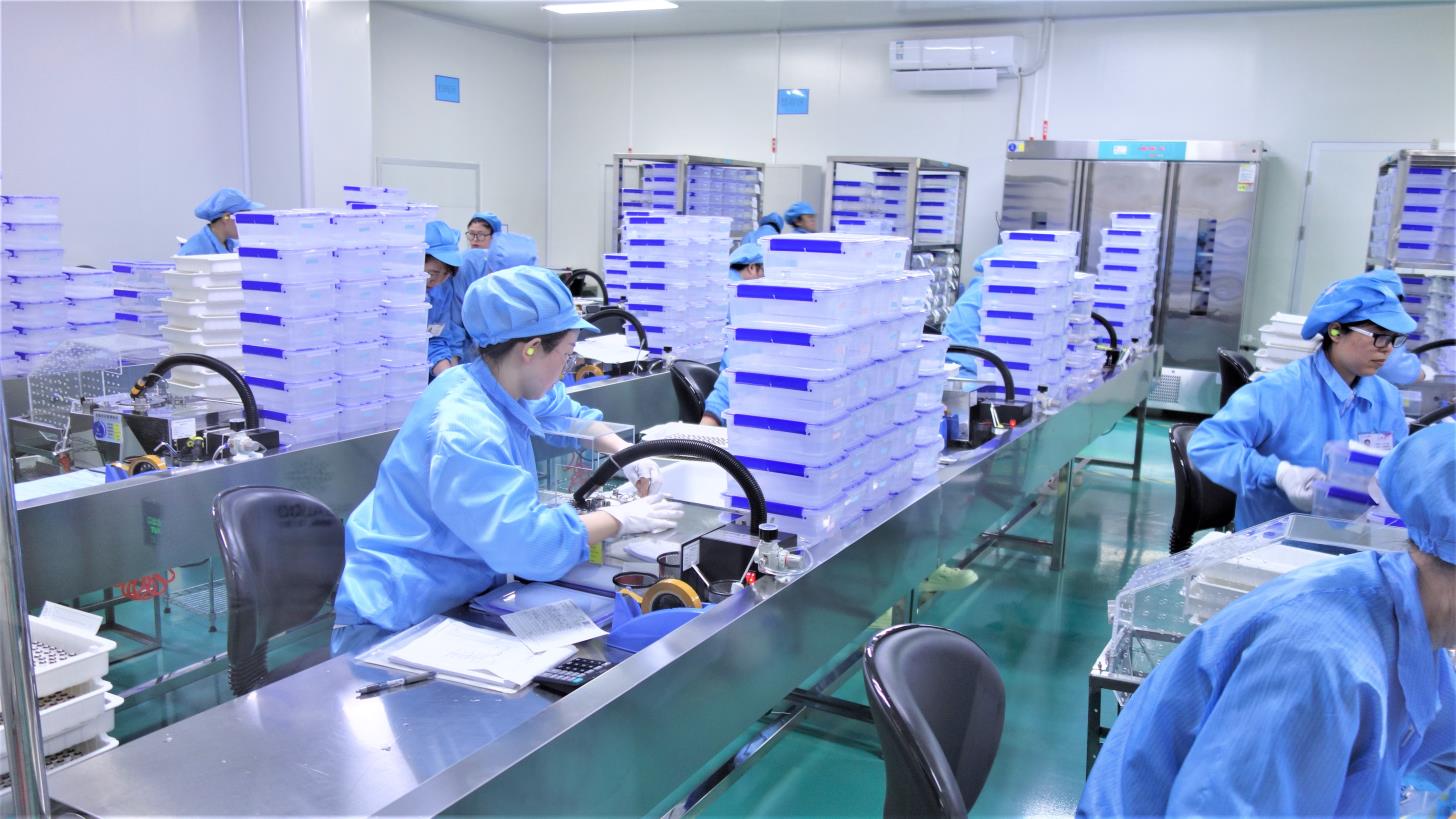
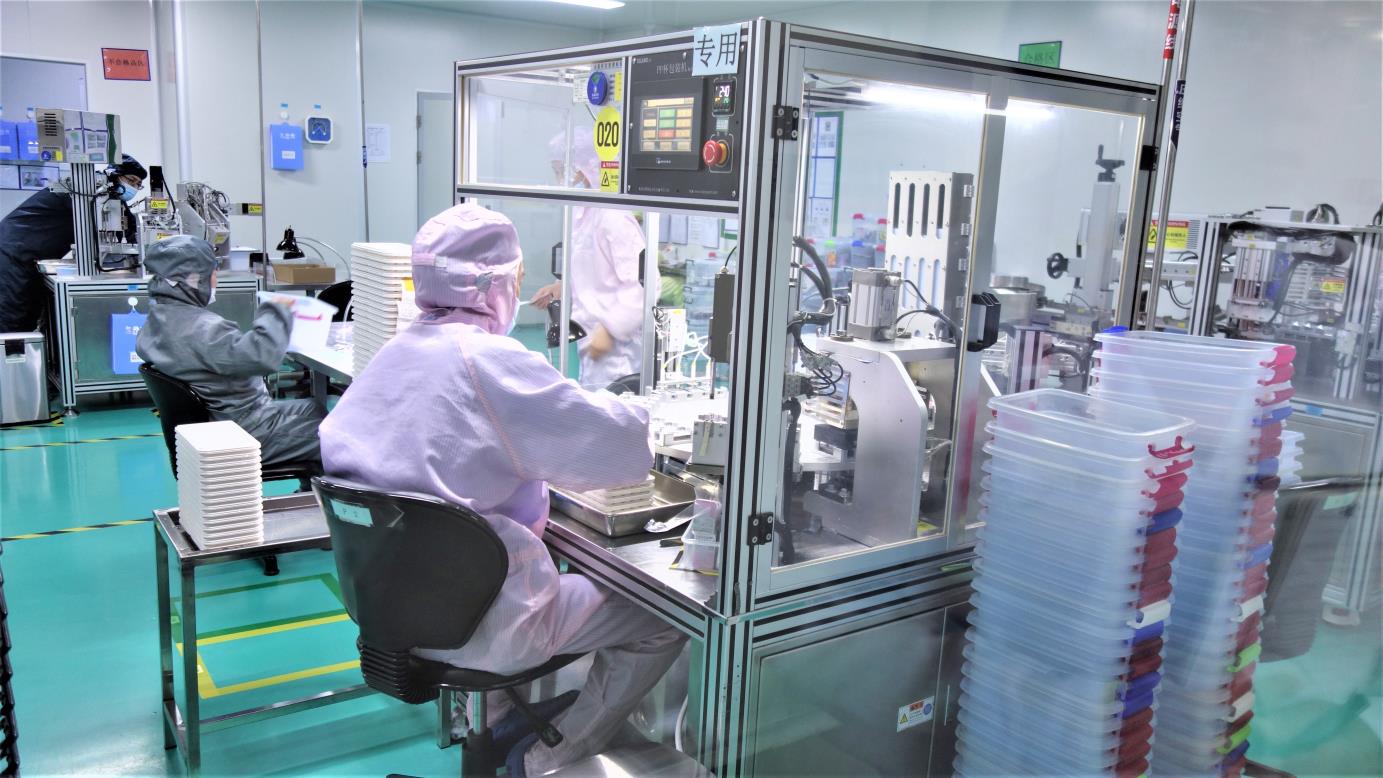
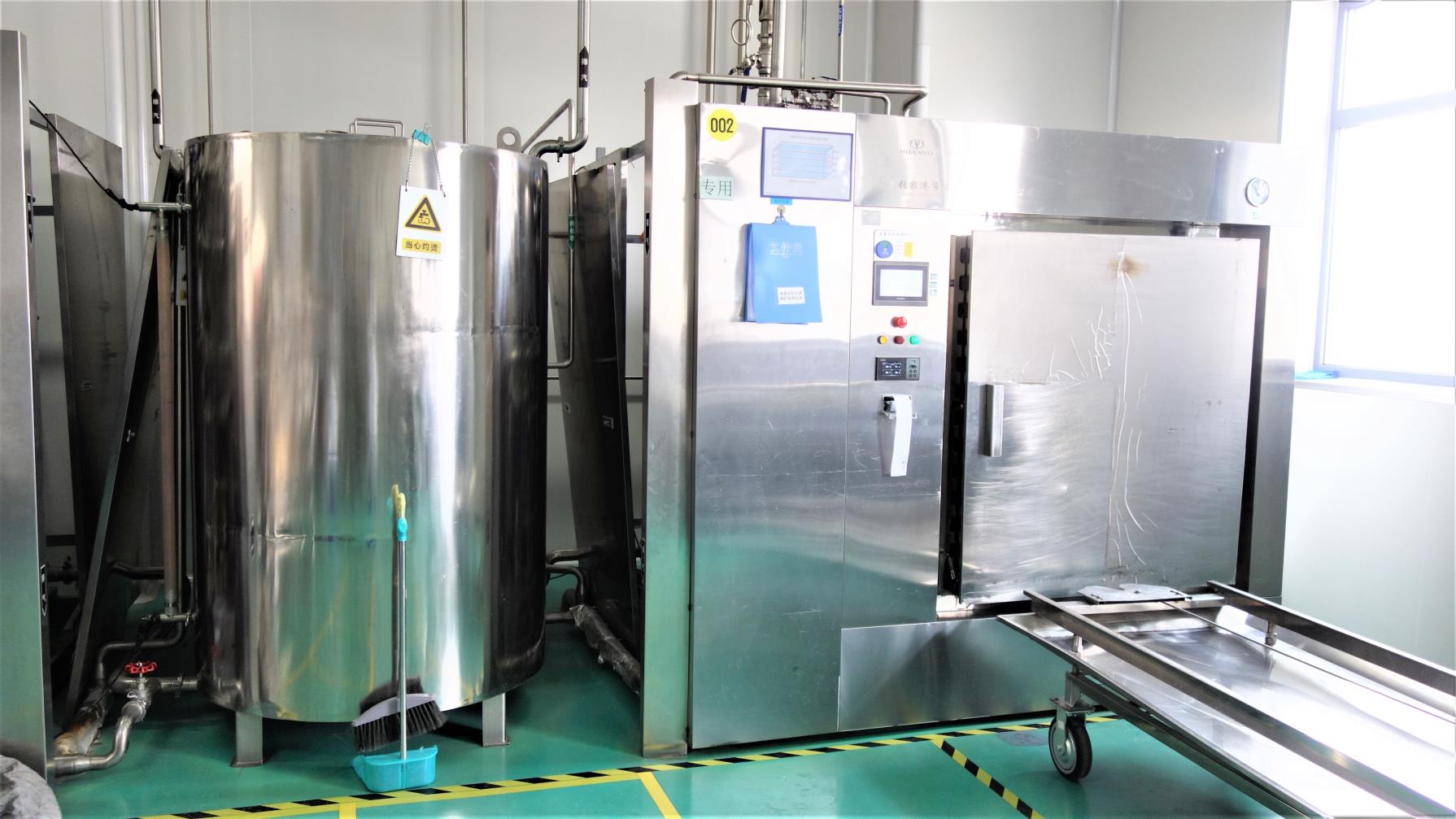
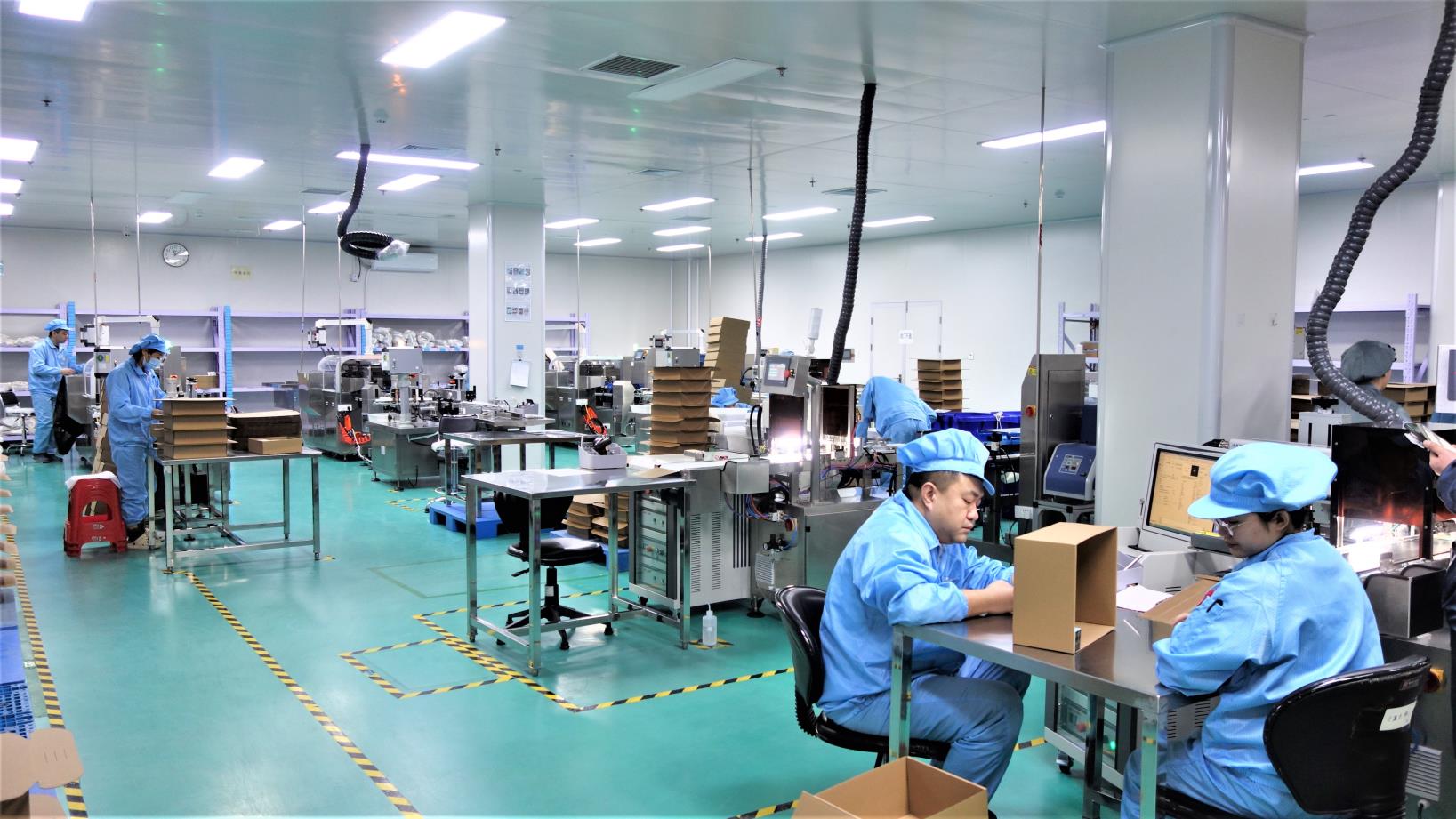
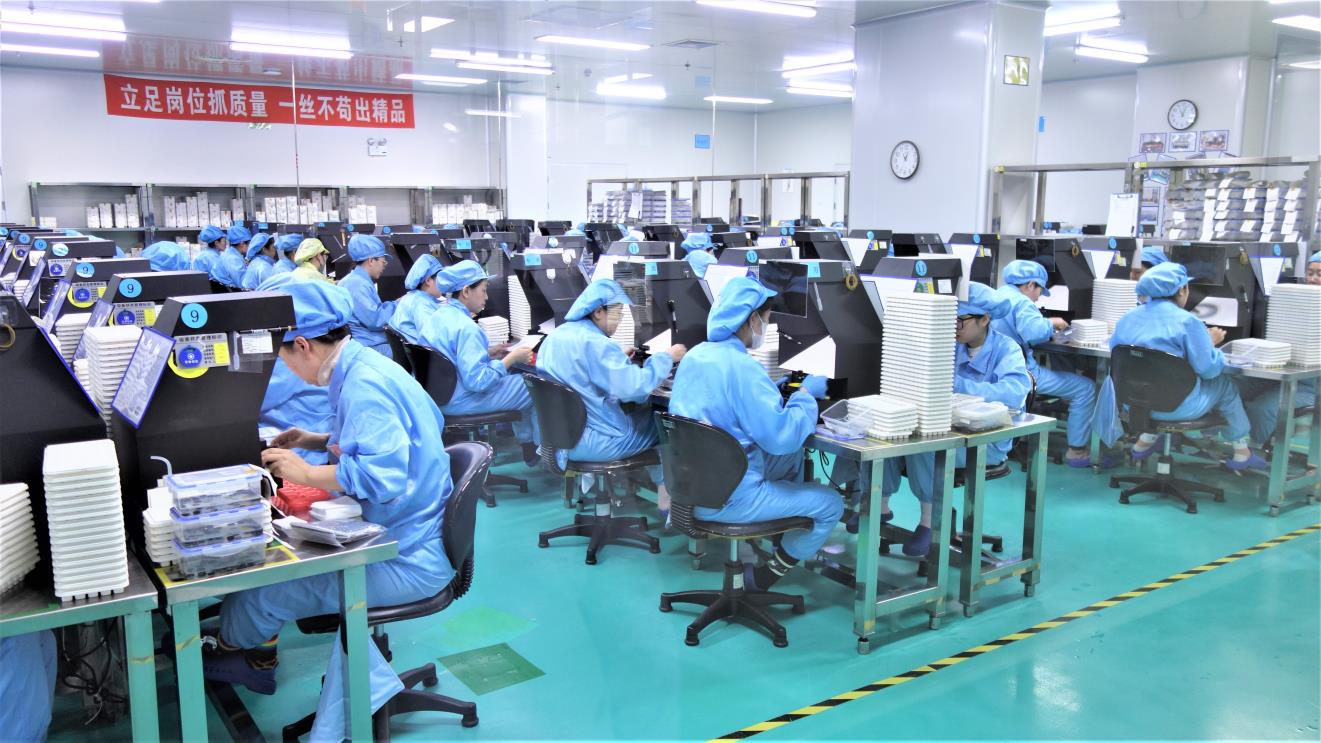
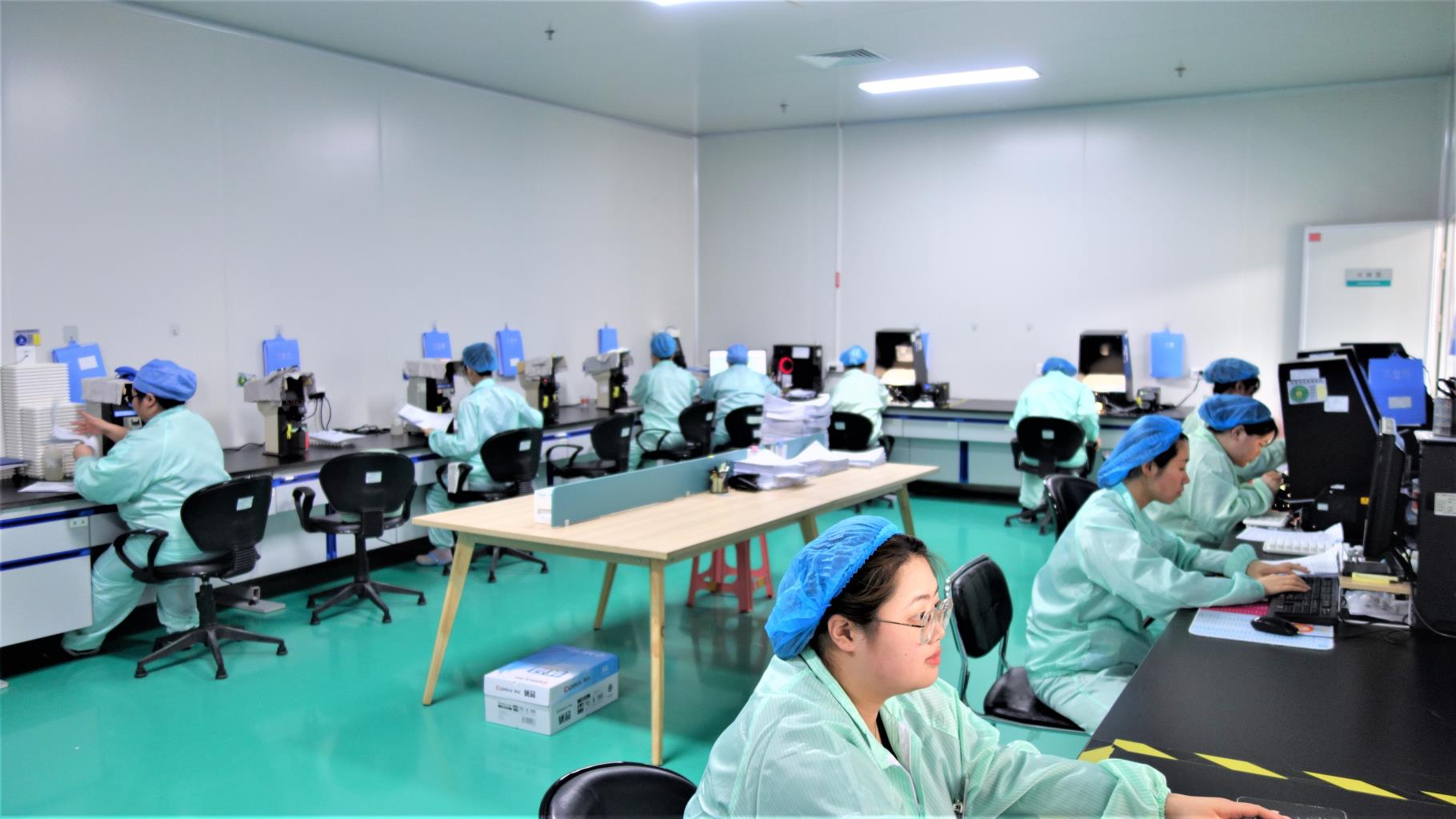
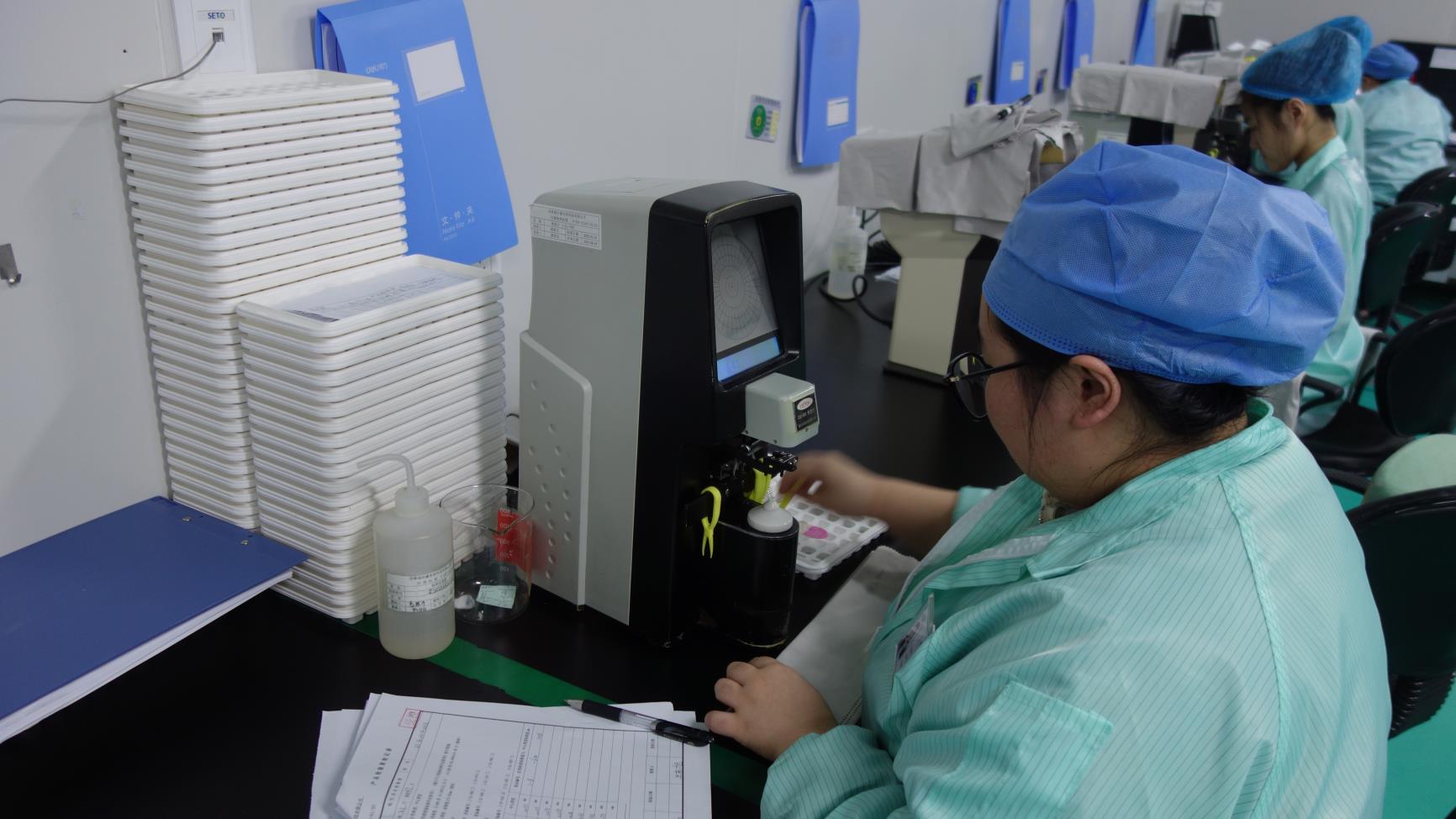
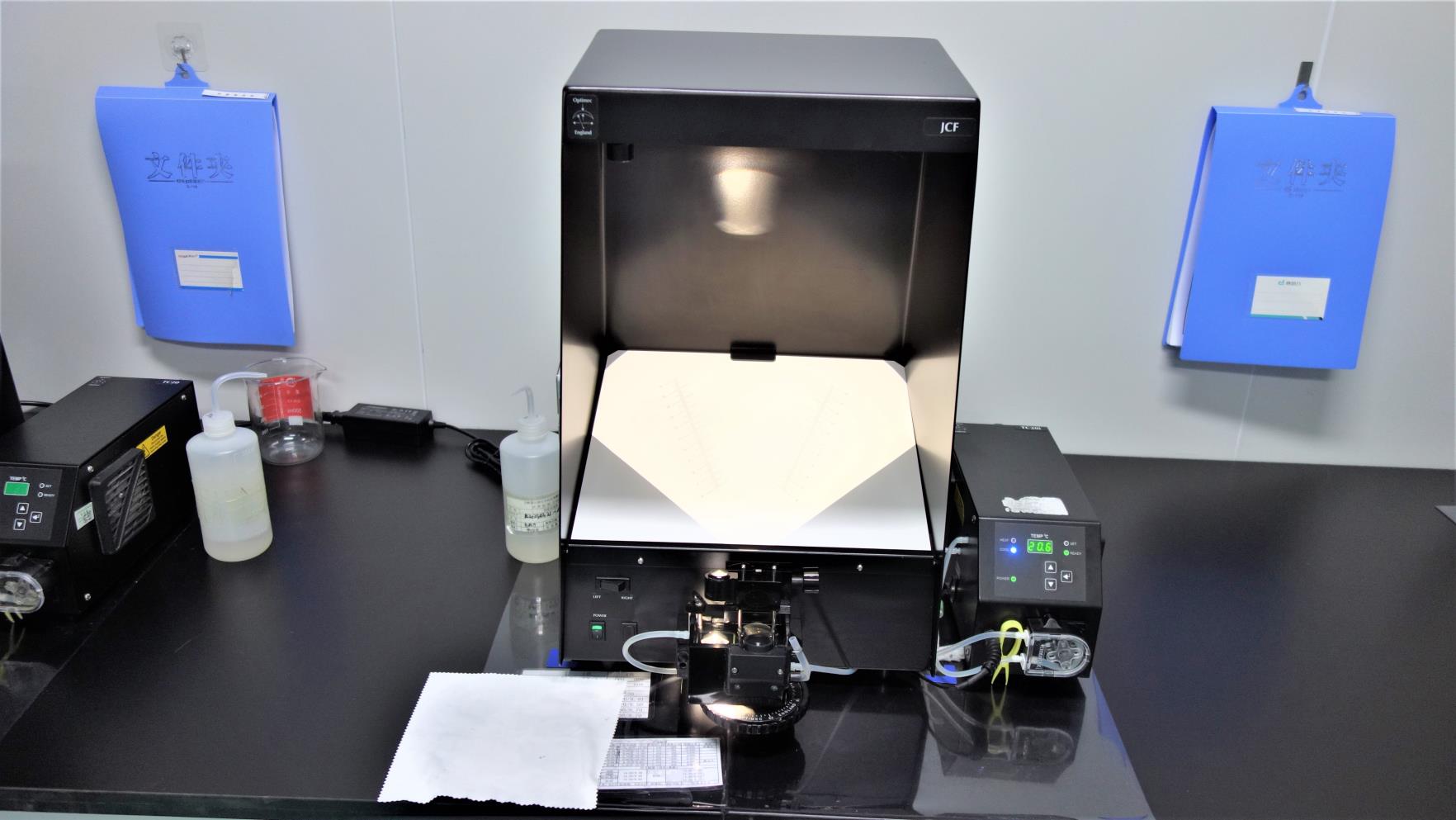
Marketing cosmetic contact lenses in Vietnam requires a clear understanding of the specific application scenarios driving regional consumption. Sourcing agents can customize graphic designs, packaging, and colors to appeal to three major consumer profiles:
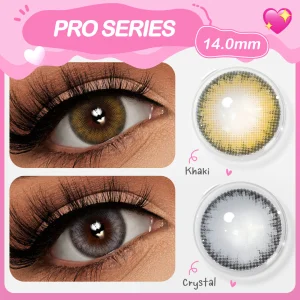
Vietnamese office professionals and college students prefer natural-looking enhancers. Earthy tones, such as soft browns, chocolates, and warm grays, are in high demand. These products typically feature a moderate graphic diameter (14.0mm to 14.2mm) to subtly enlarge the iris while blending naturally with dark brown Asian eyes. High oxygen transmissibility and moisturizing elements are critical for long shifts in air-conditioned office environments in HCMC.
Driven by online platforms like TikTok and Instagram, Gen Z consumers in Hanoi and Da Nang are highly engaged in cosplay and festival culture. Vibrant lenses—such as red, violent blue, intense violet, and white mesh circle lenses—are popular for events. These users prioritize design density (highly pigmented colors) and safety, as they often wear makeup close to the eye.
The bridal industry in Vietnam relies on lenses that photograph well. Makeup artists use three-tone blends to add depth and brightness under studio flash. These professional buyers require sterile packaging and long shelf-lives, as they manage kits that accommodate different clients. Consistency in color reproduction across batches is critical to maintaining client trust.
Answers to key questions regarding technical specs, regulatory compliance, and manufacturing partnerships.
Under Vietnamese regulations, cosmetic contact lenses fall under Medical Device Class B. To import them legally, local entities must submit a dossier to obtain a Medical Device Registration Number from the Department of Medical Equipment and Construction (DMEC). Shenzhen Fresh Vision Co., Ltd. supports this process by providing the required manufacturer documentation, including ISO 13485 certifications, Free Sale Certificates (CFS), and technical product reports.
Sandwich printing embeds the color pigment layer between transparent layers of HEMA (hydroxyethyl methacrylate) hydrogel. This design ensures that pigments never make contact with the cornea, preventing ocular irritation. In tropical regions like Vietnam, where dust and humidity can increase the risk of eye infections, this technology helps prevent irritation and keeps the lens surface smooth.
Yes. We offer end-to-end ODM/OEM services. Our engineering team, which includes graduate research specialists, can customize the graphic diameter, packaging designs, base curves, and water content. We also provide sample prototyping to help brands test designs in the Vietnamese market before scaling production.
Standard OEM production takes 25 to 35 days, depending on packaging complexity and sterilization scheduling. Cargo is typically shipped from Shenzhen or Guangzhou ports to Cat Lai Port (HCMC) or Hai Phong Port. Sea transit takes 5 to 7 days, and air freight options are available for rush orders.
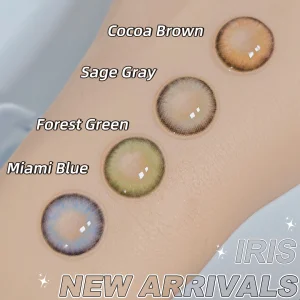
Browse our complete collection of yearly cosmetic contact lenses, manufactured to international medical standards and optimized for long-term comfort and eye health.