Fresh Lenses
Fresh Lenses
Fresh Lenses
Accelerate your time-to-market with our top-tier certified cosmetic contact lenses and advanced optical formulations.
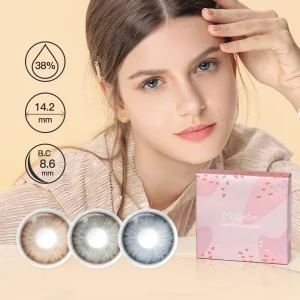
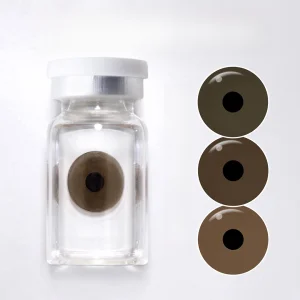


Navigating the convergence of fashion-driven cosmetics and medical-grade manufacturing precision.
In the contemporary B2B optical sector, the categorization of "eyewear" has expanded significantly past traditional corrective frames. Modern corrective and cosmetic optical applications, particularly high-precision contact lenses, are now central components of the global eyewear portfolio. Brands and distributors worldwide face the dual challenge of meeting fast-evolving consumer fashion aesthetics while satisfying rigid international health standards.
This industry whitepaper explores the supply-chain architectures of leading Chinese production hubs—with a specialized analysis of Shenzhen Fresh Vision Co., Ltd.—detailing the technical innovations, strict quality assurance frameworks, and agile inventory strategies that characterize modern OEM/ODM and RTS (Ready to Ship) operations.
Global supply chains are migrating from traditional long-cycle manufacturing agreements to hybrid models. Ready-To-Ship (RTS) inventory guarantees high-demand colorways and corrective powers are pre-manufactured under sterile conditions, reducing delivery timelines from months to days, while custom OEM/ODM pipelines address brand-specific design criteria.
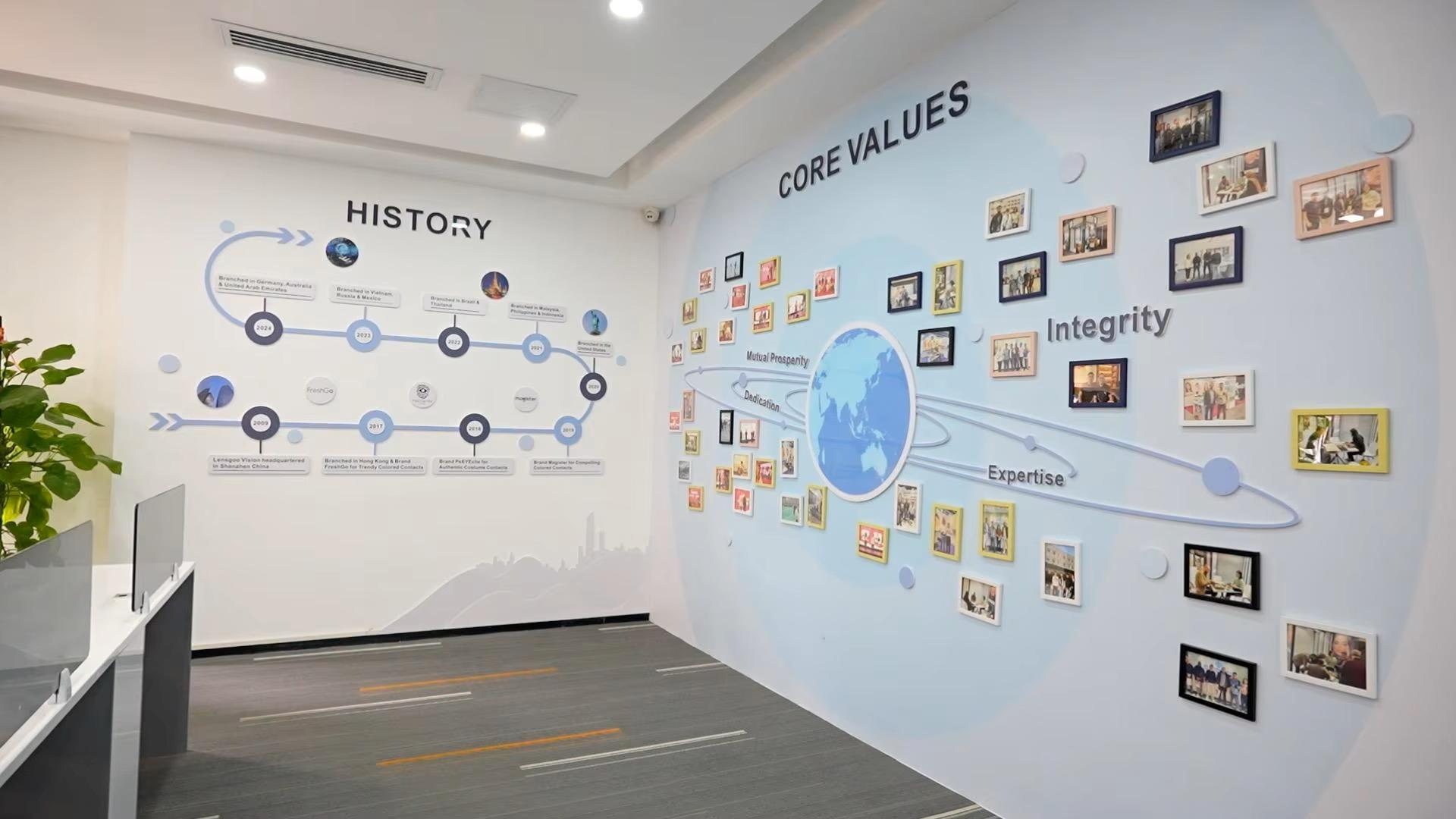
Authorized Factory and Operational Metrics
Operating from Shenzhen, the technological core of Chinese industrial advancement, Shenzhen Fresh Vision Co., Ltd. has established itself as an innovative force in contact lens and optical fabrication. With 10 years of industrial experience, the facility caters to globally demanding regions including North America (25%), Southeast Asia (20%), and the Middle East (10%).
Deconstructive analysis of our step-by-step automated production, testing, and quality assurance workflow.
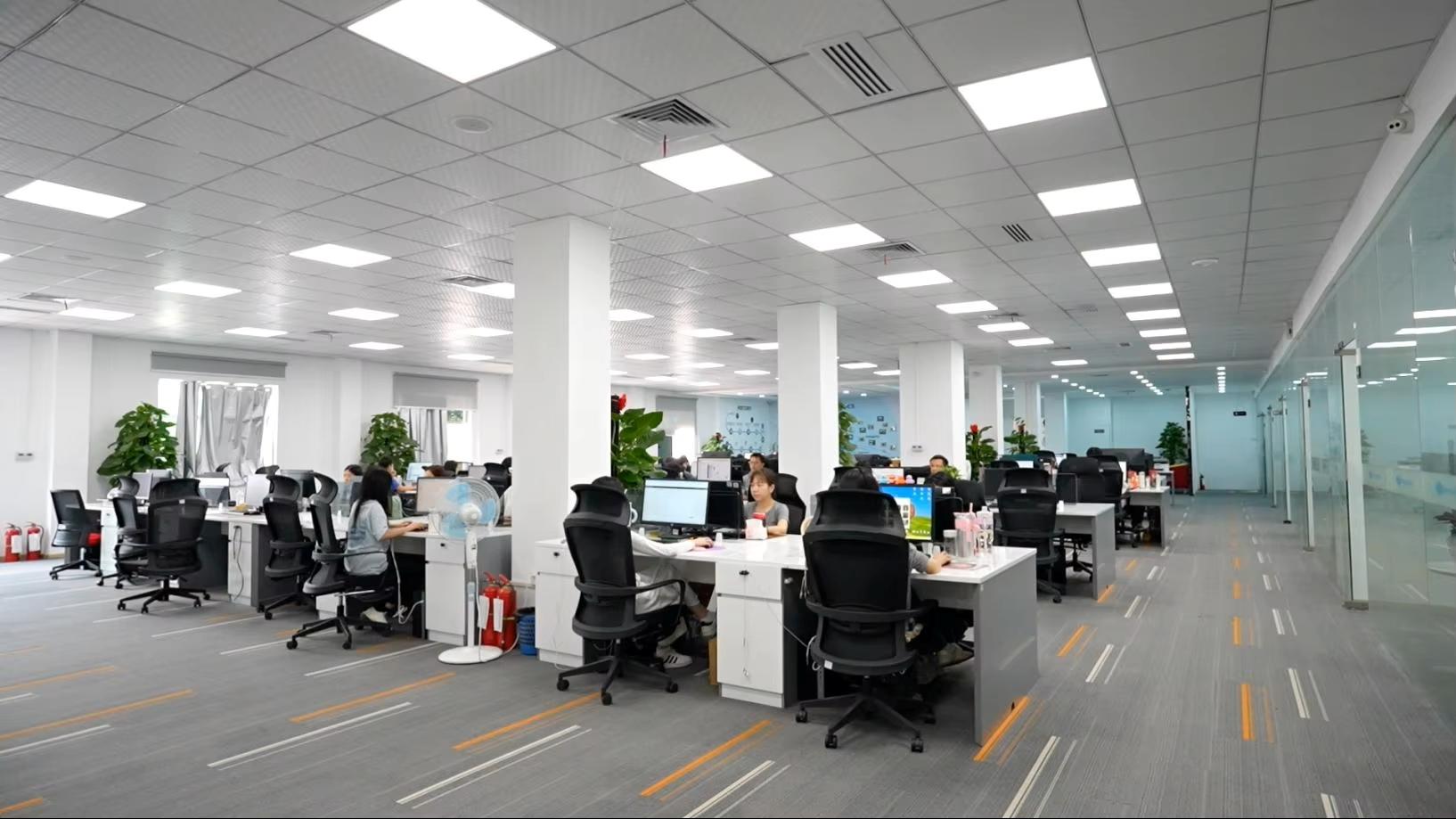
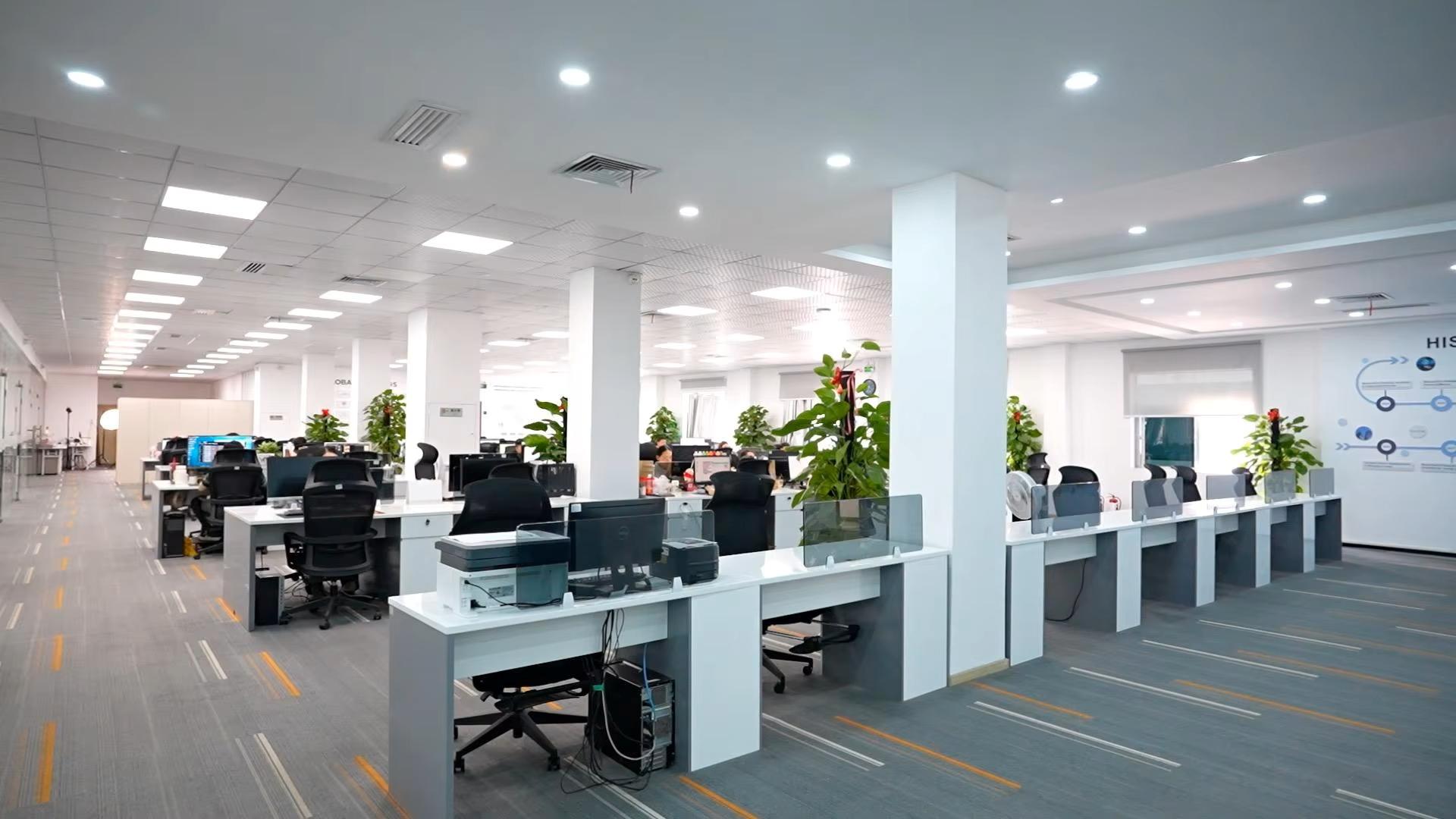
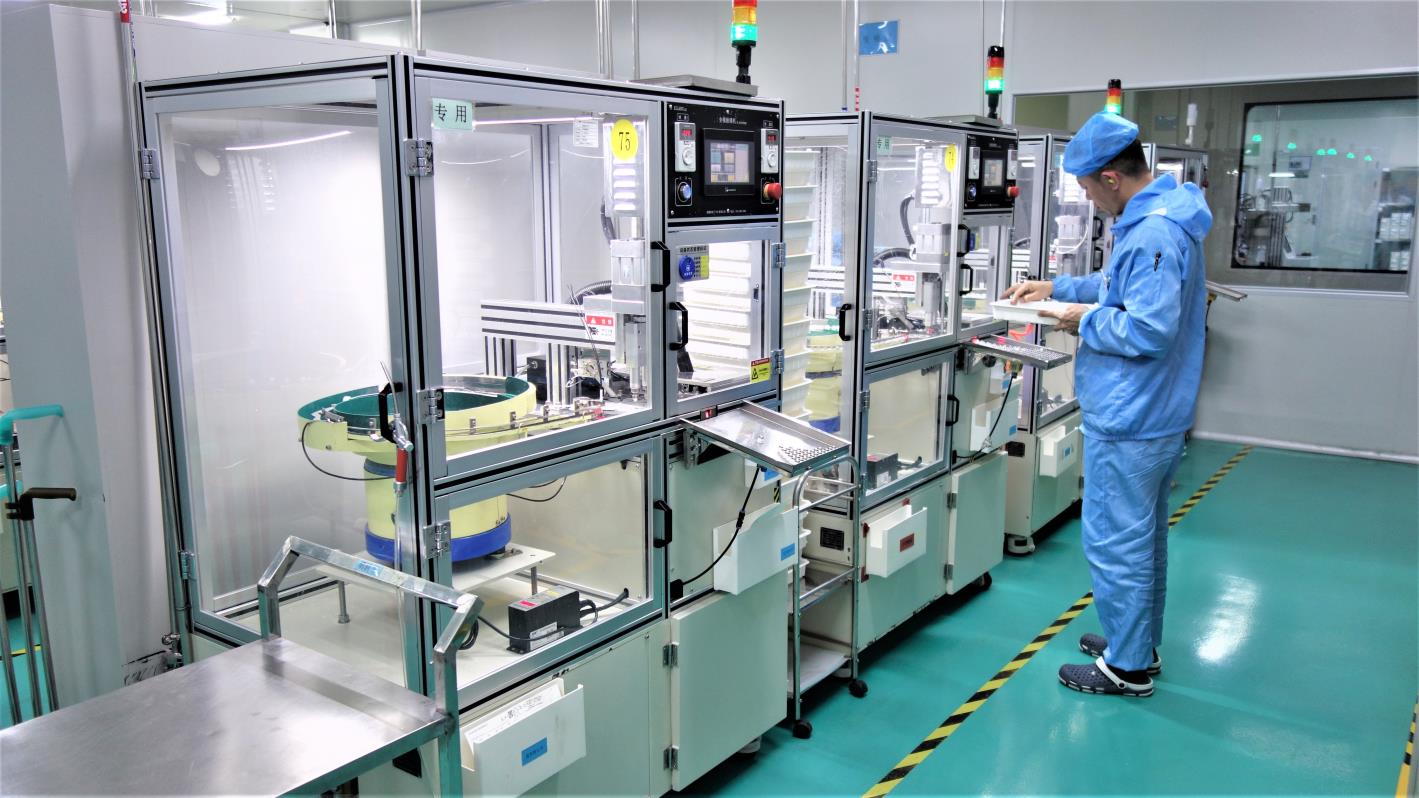
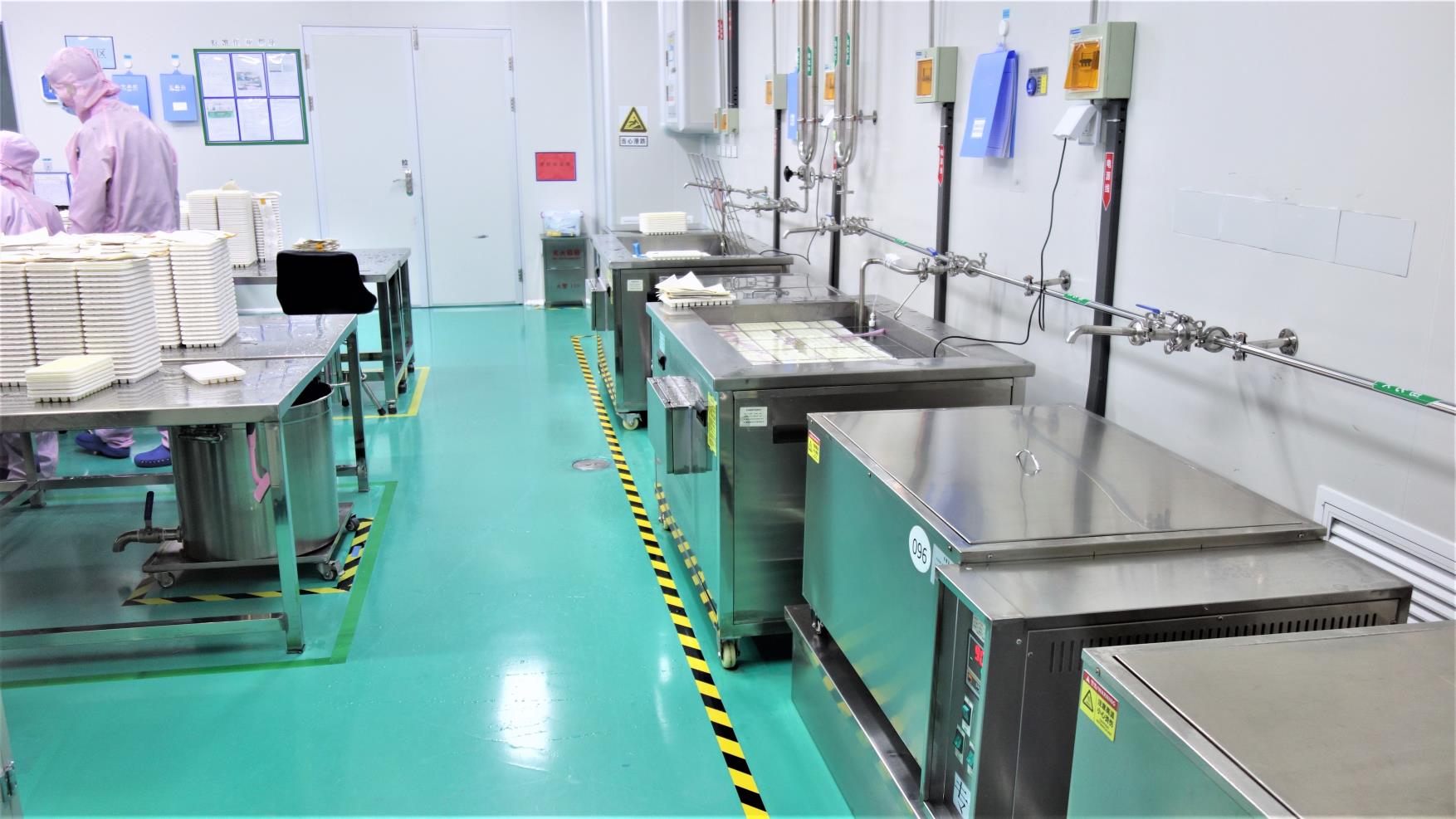
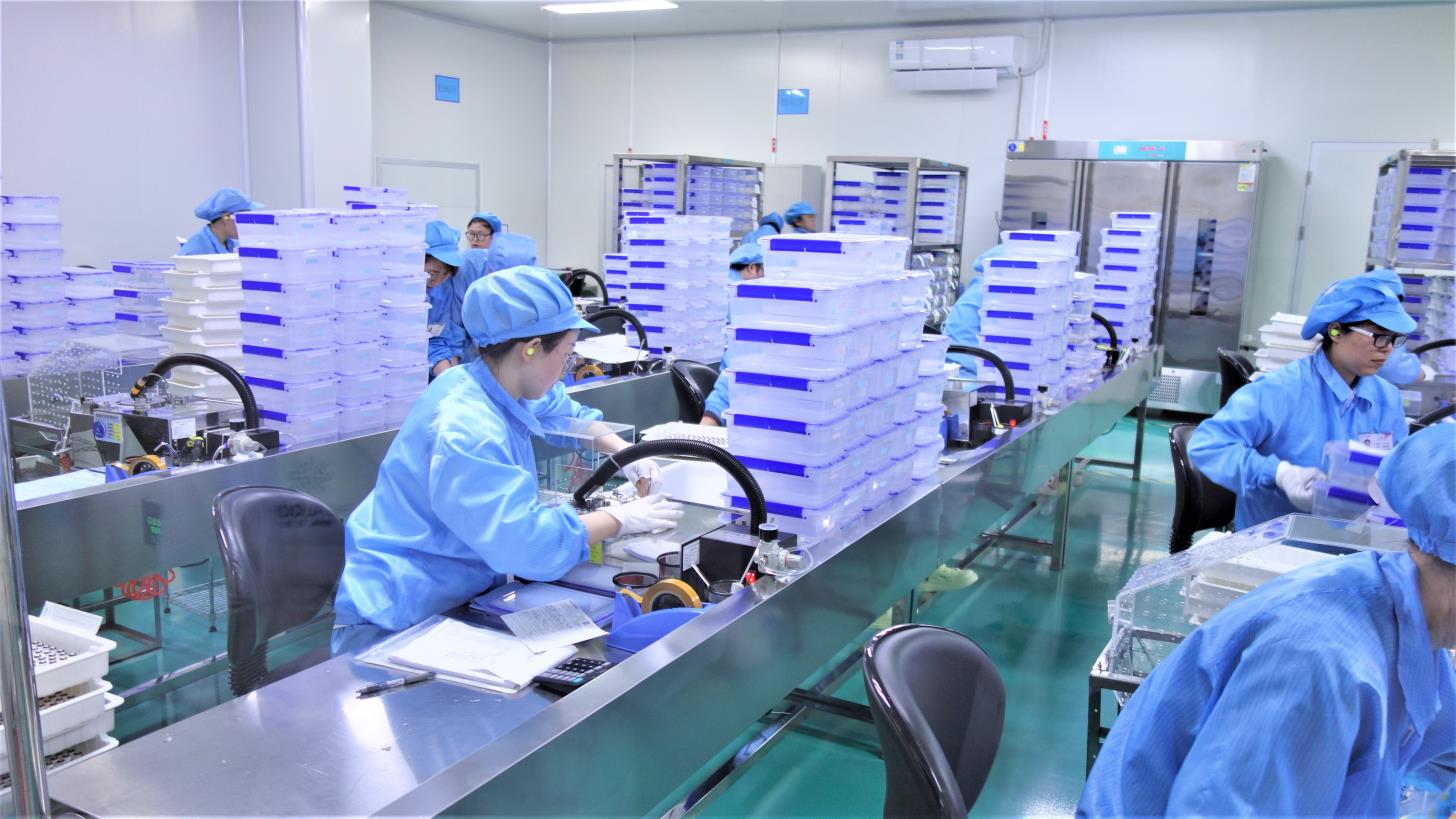
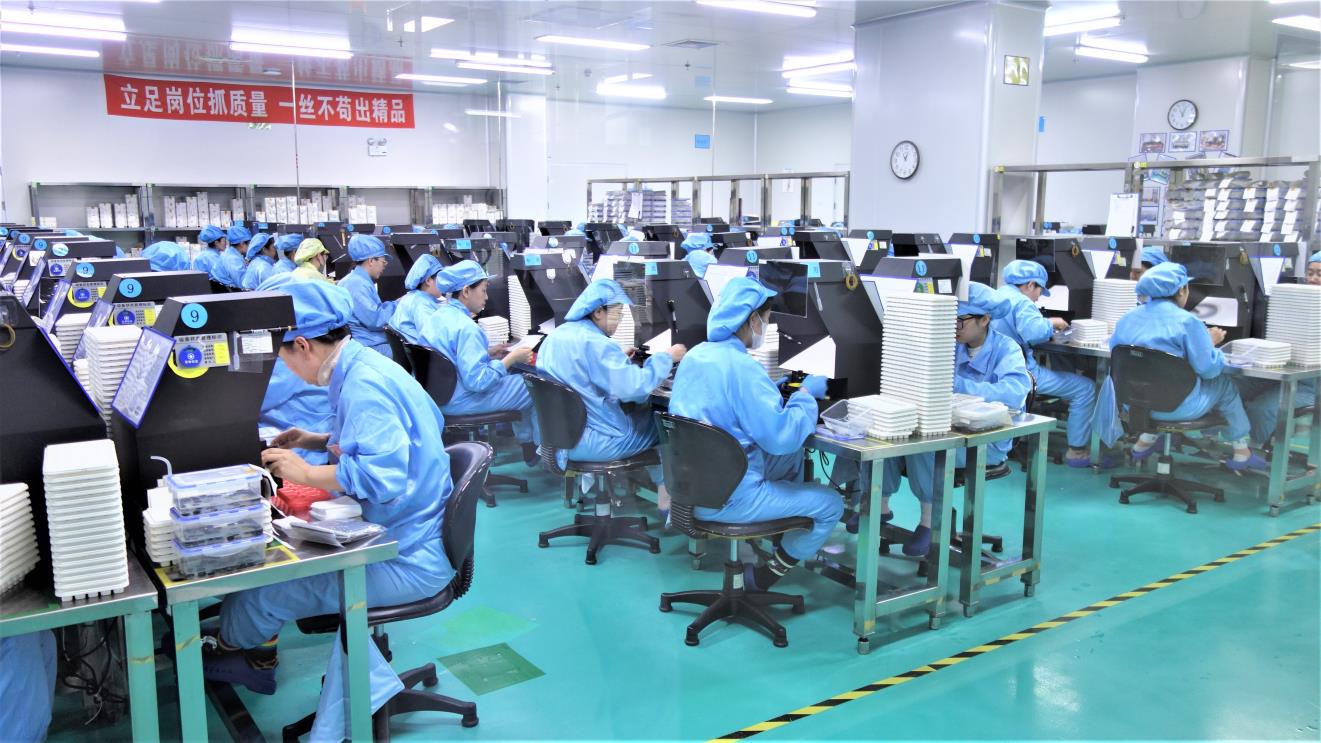
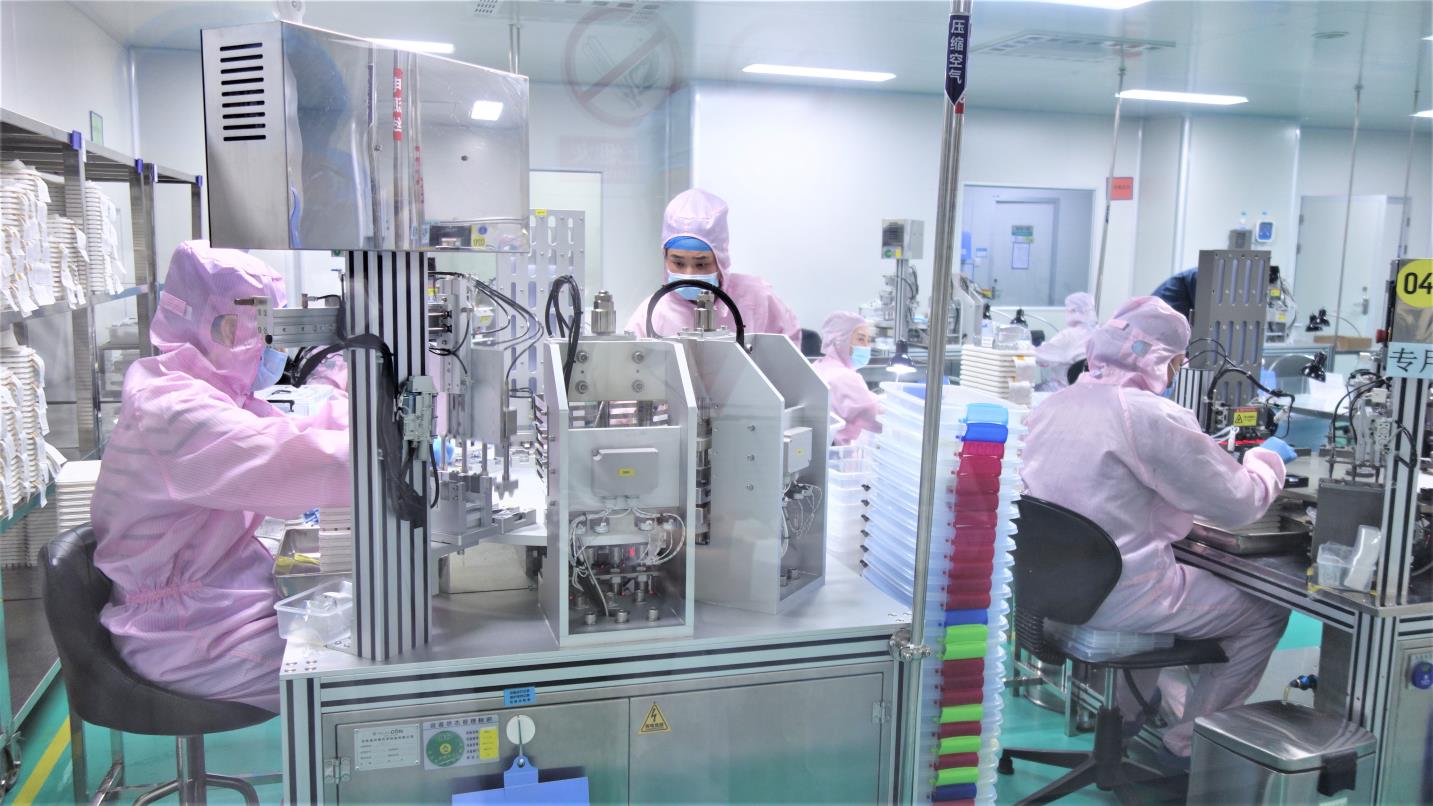
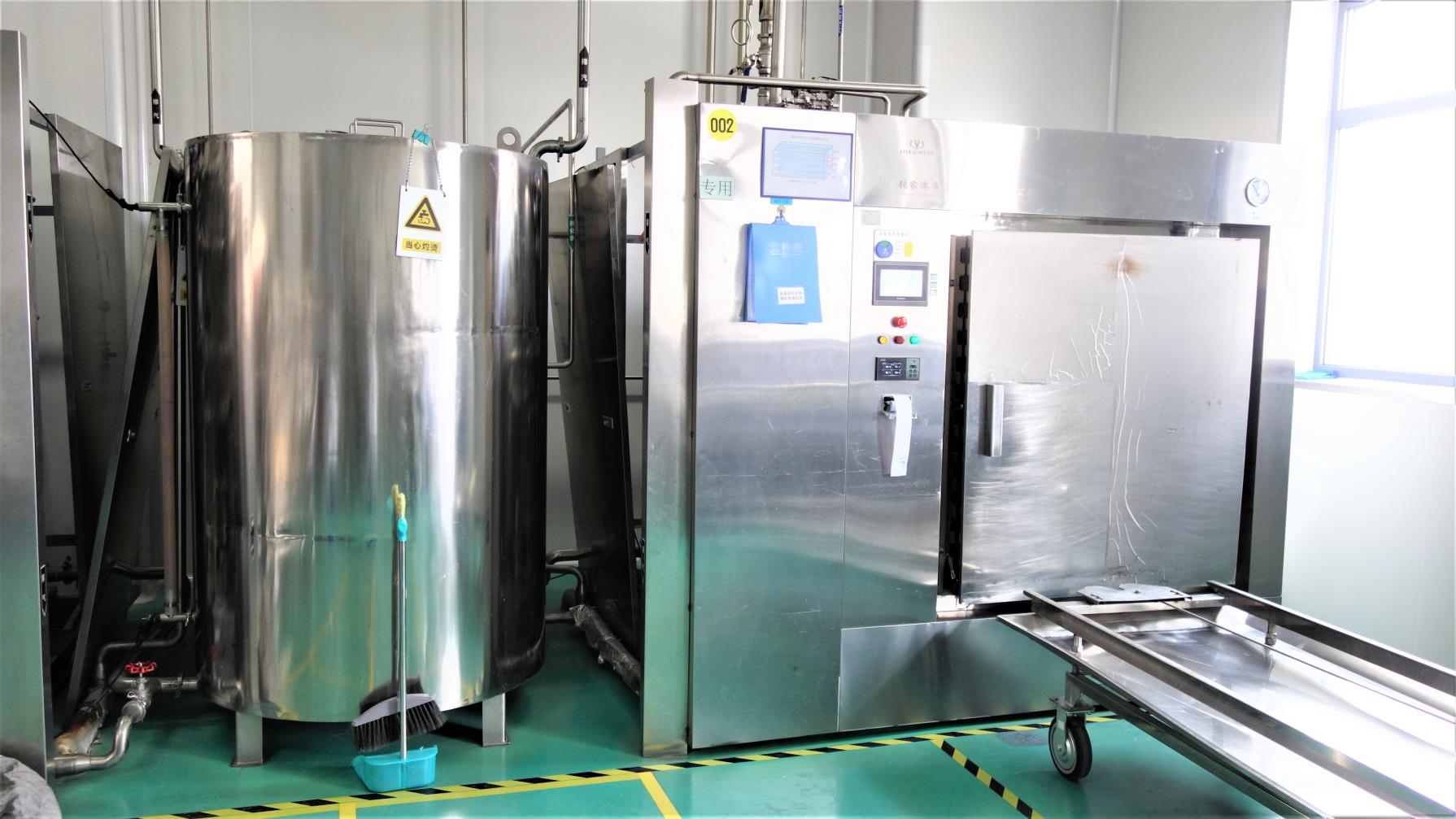
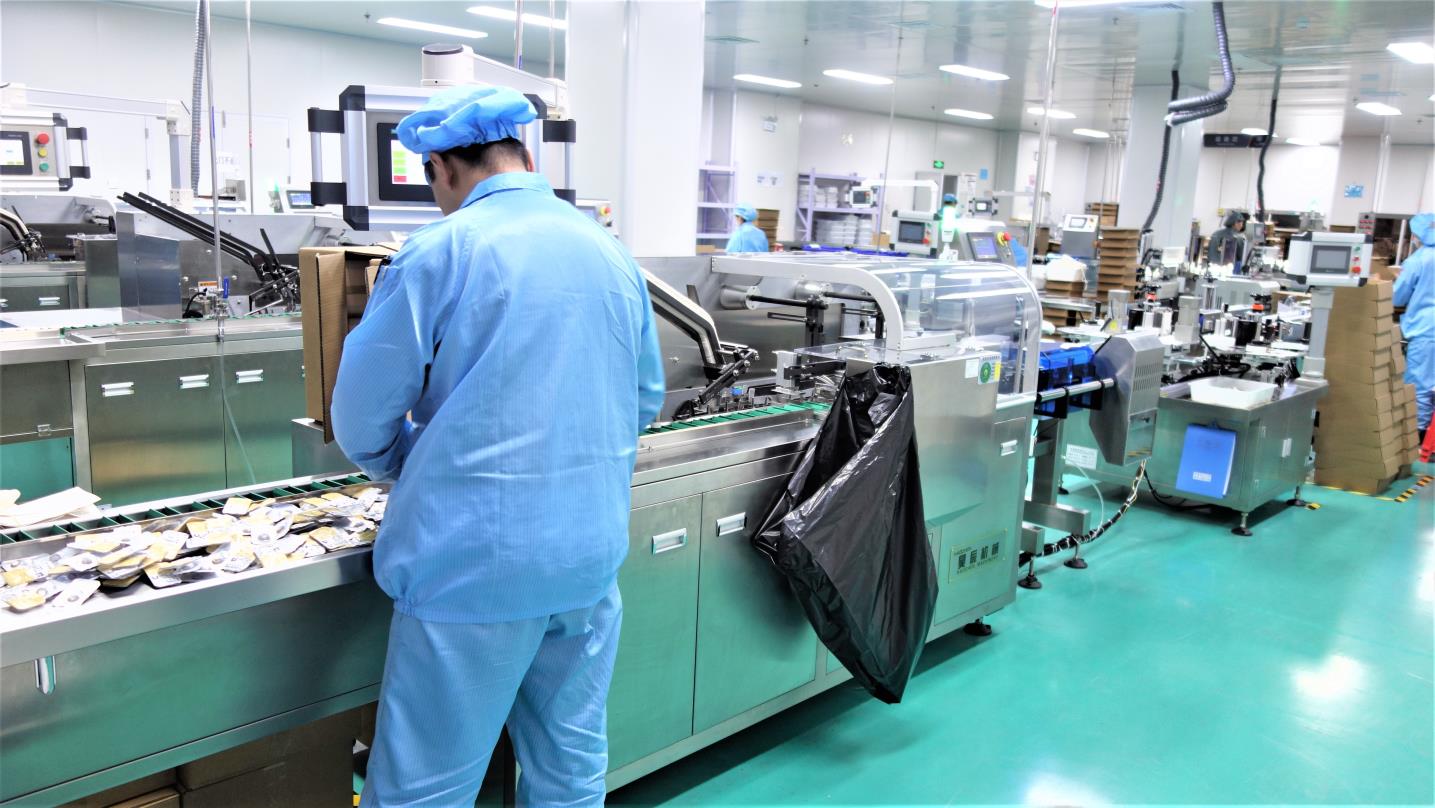
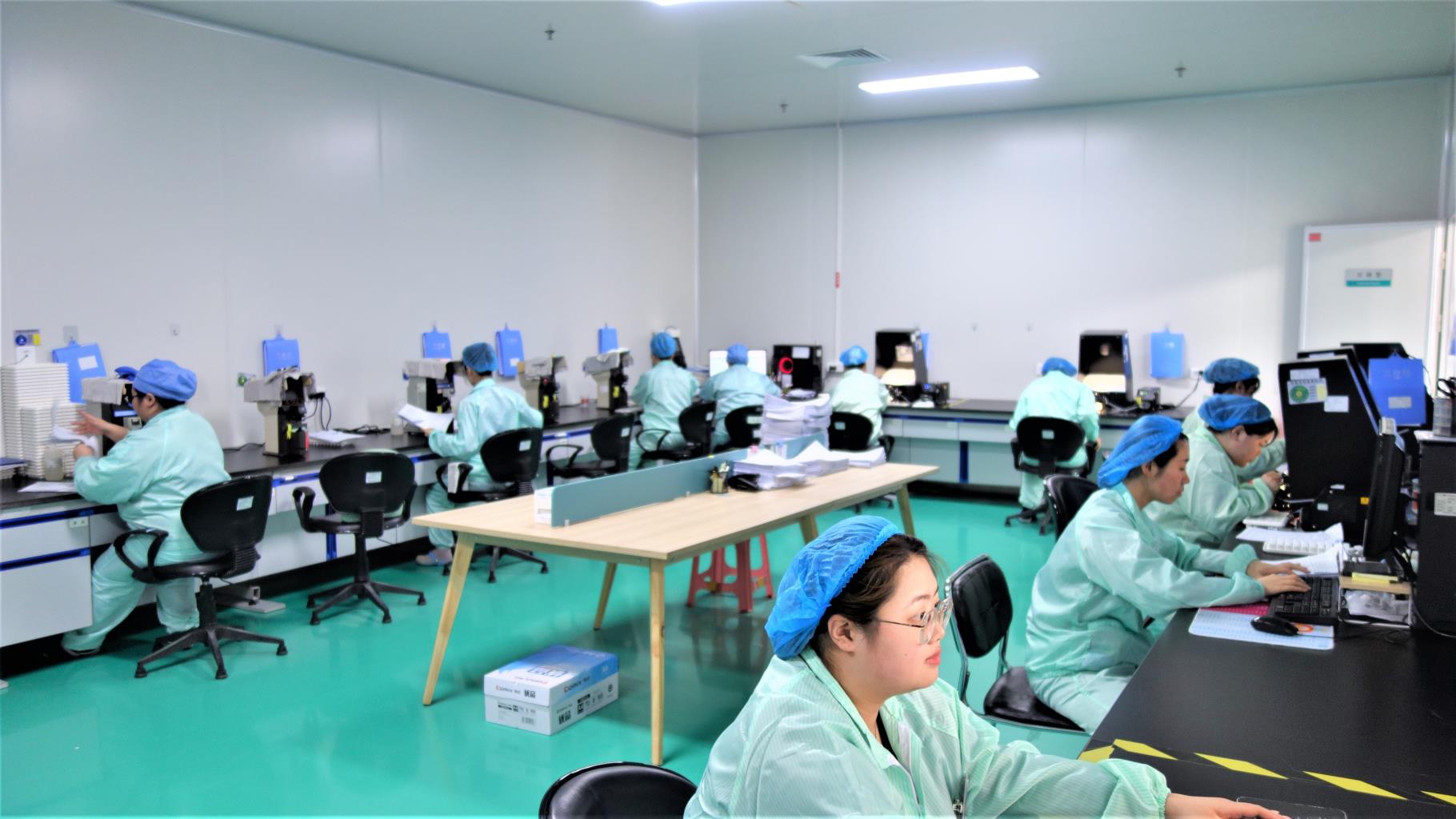
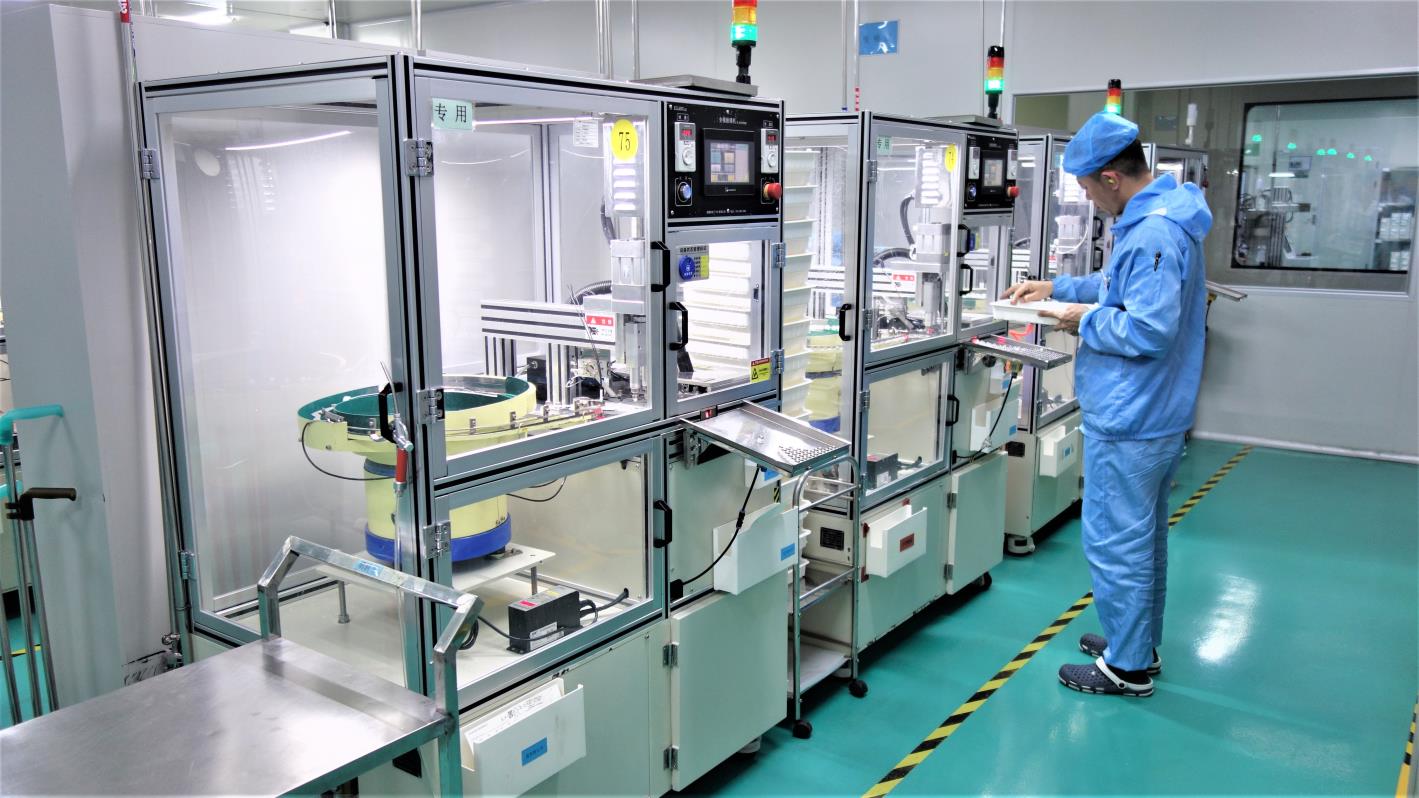
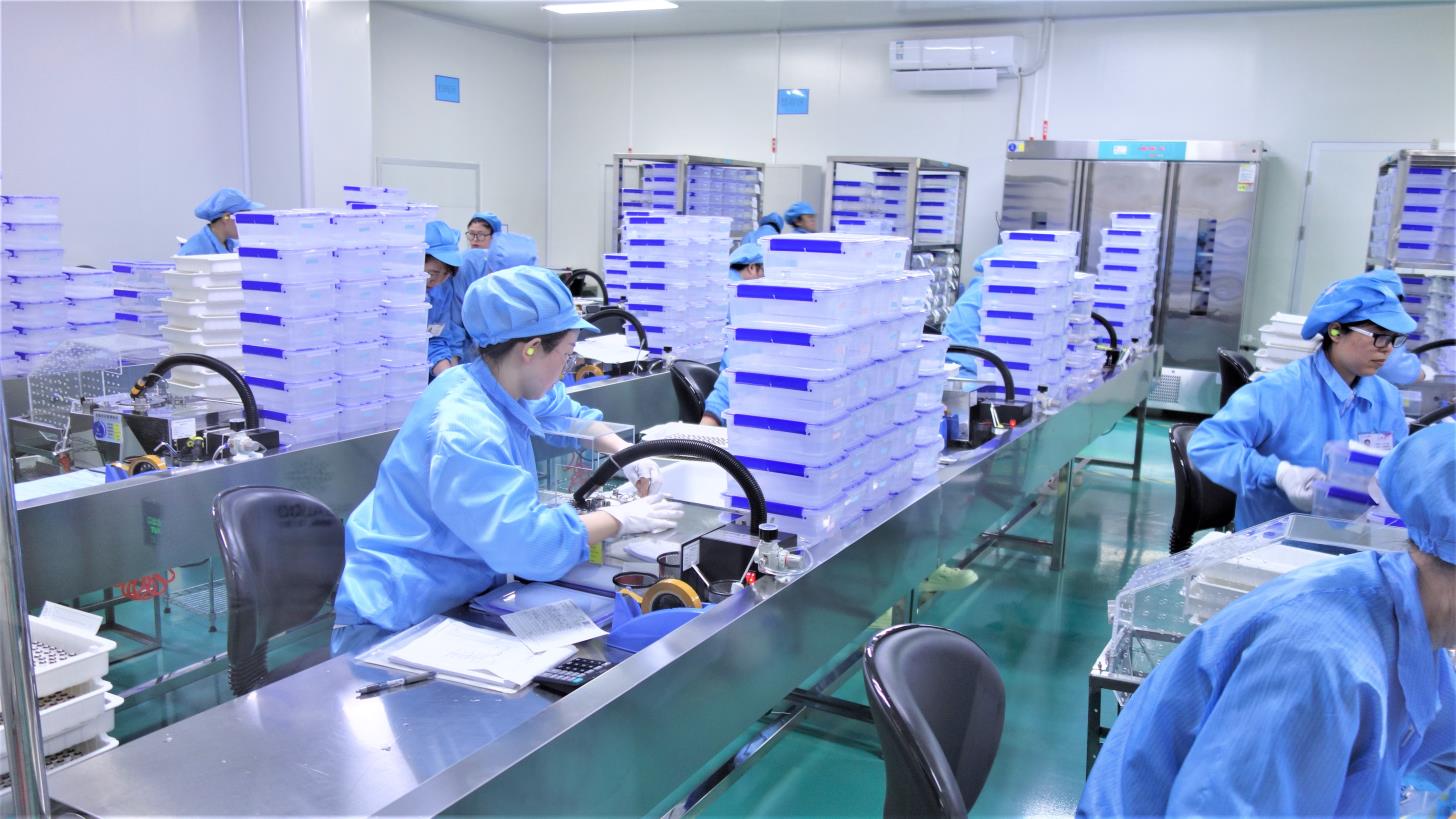
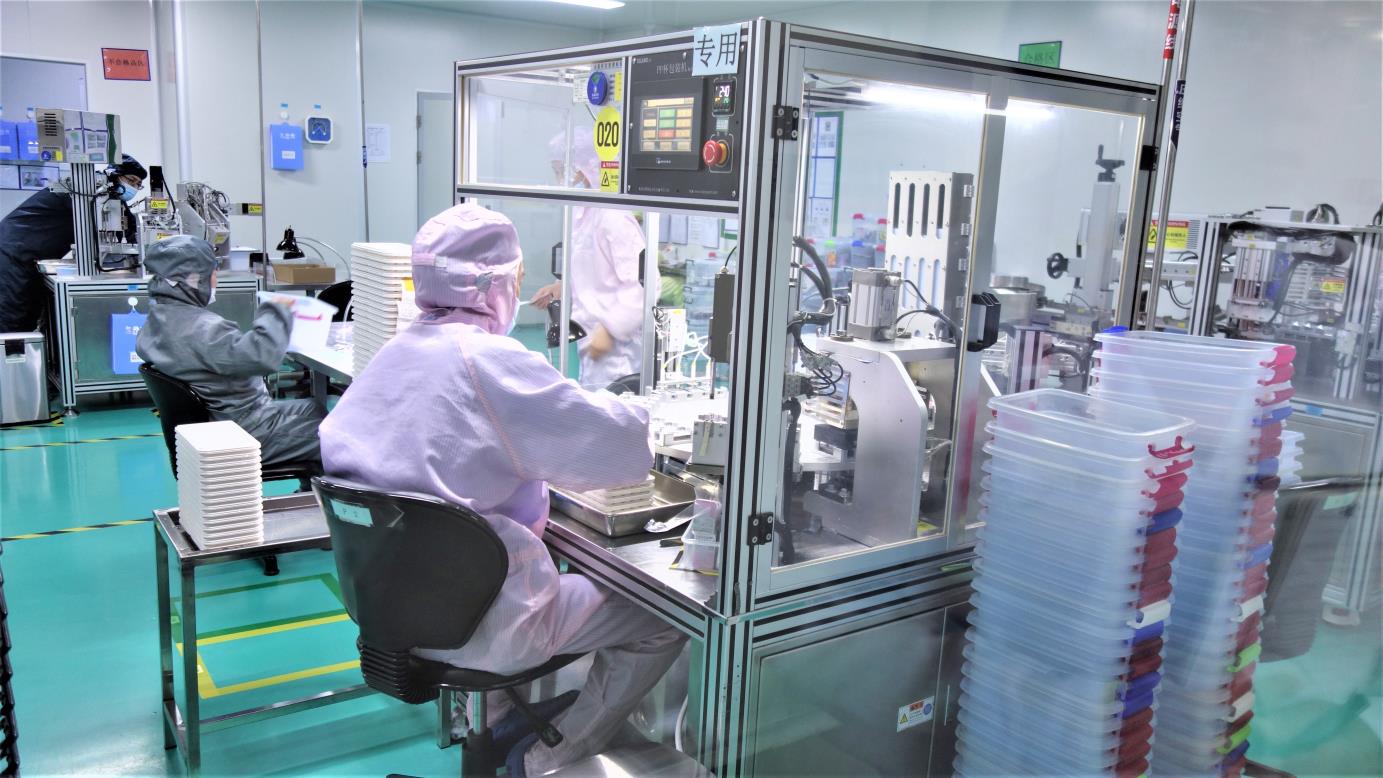
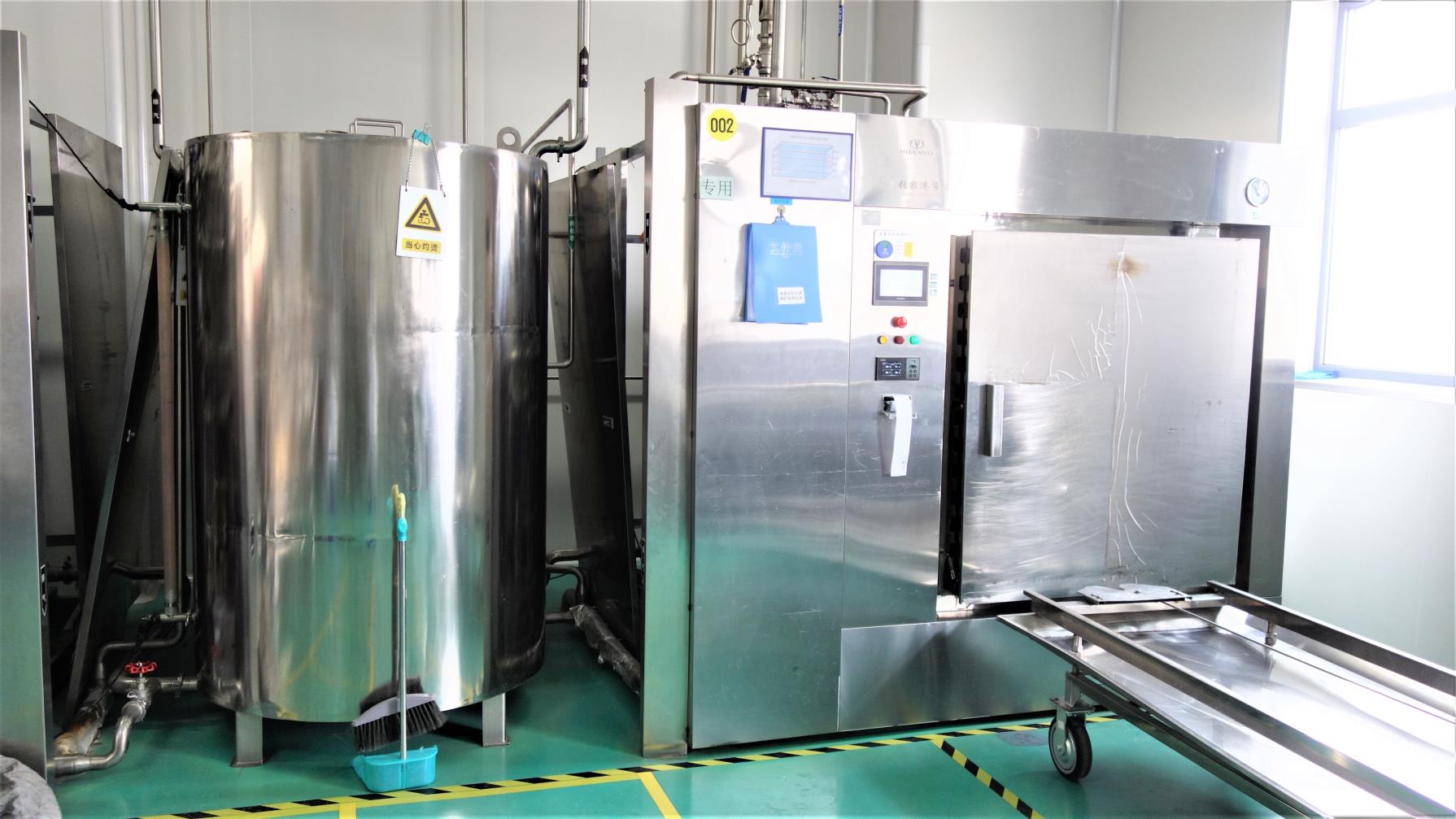
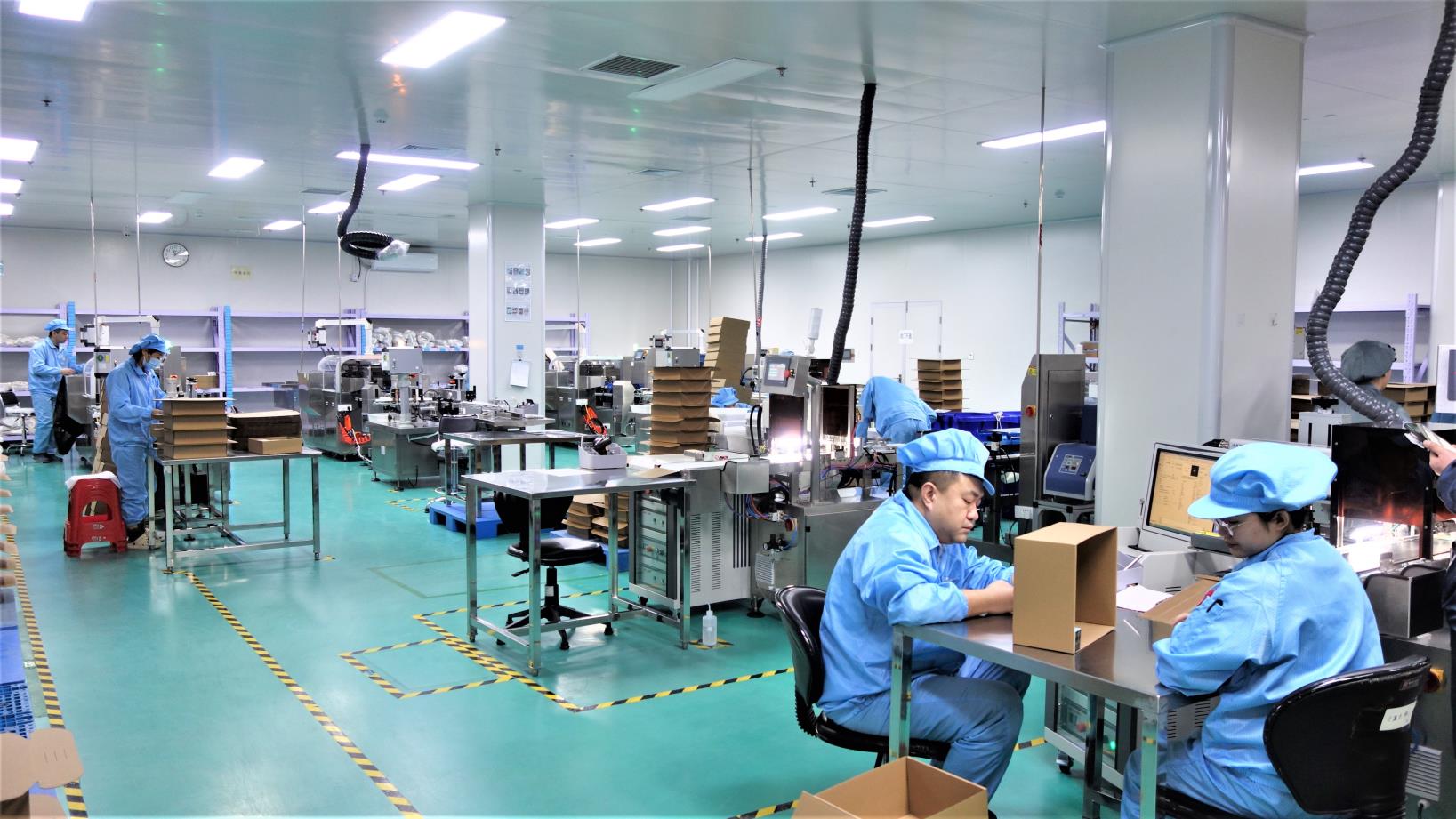
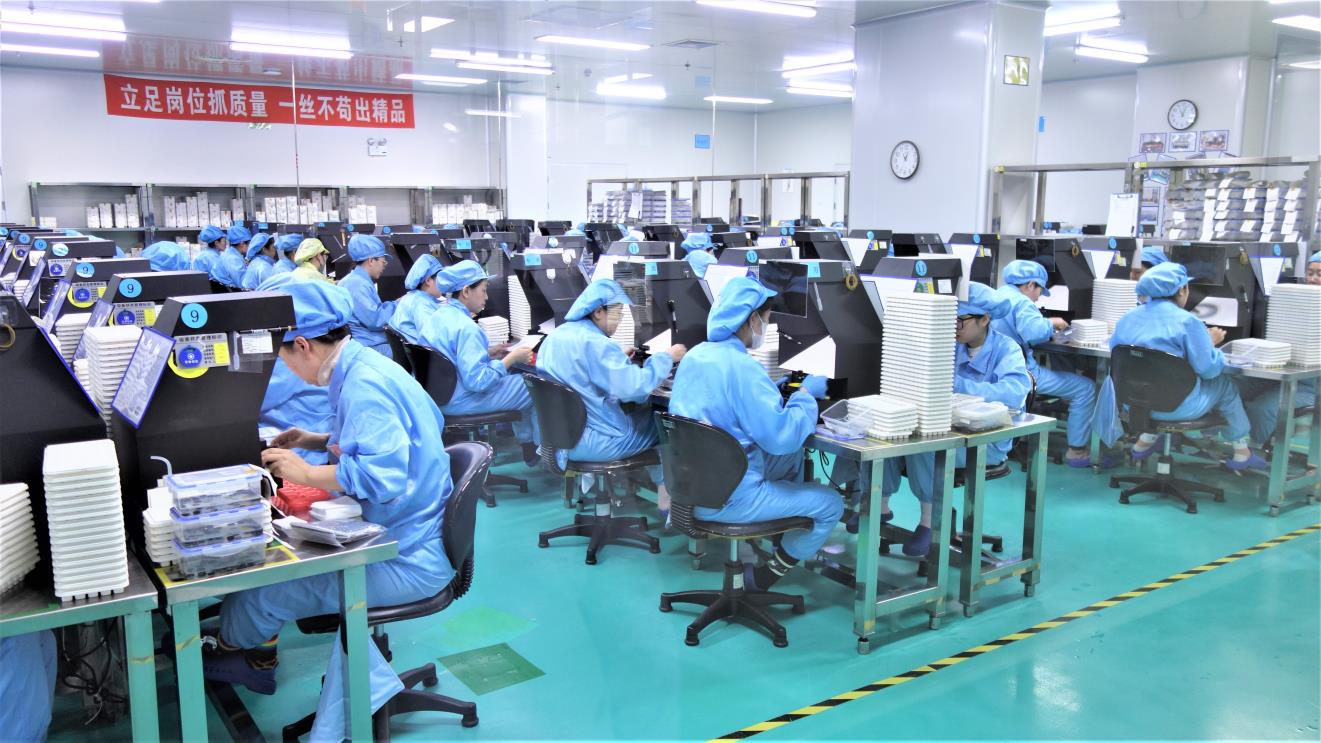
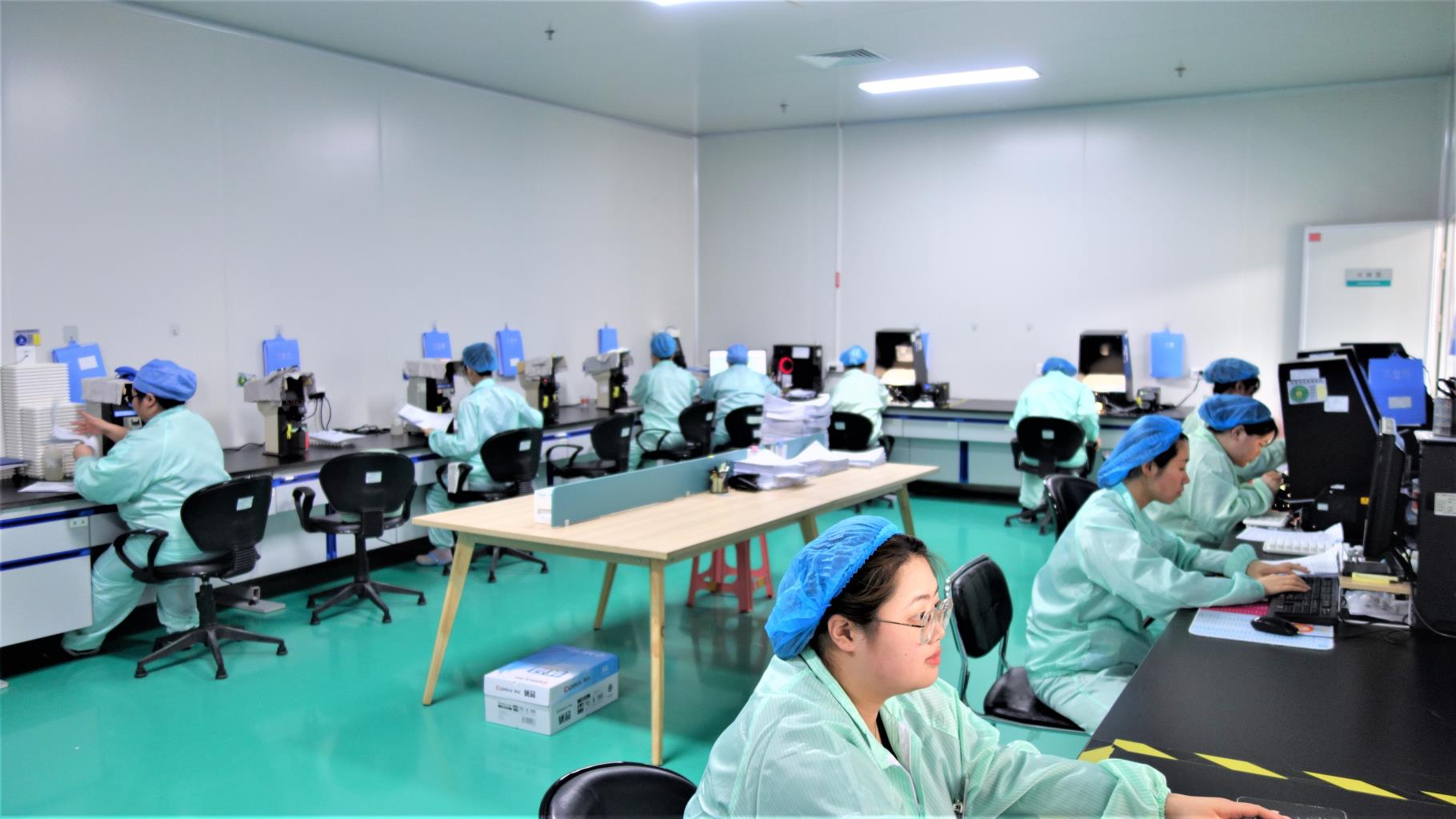
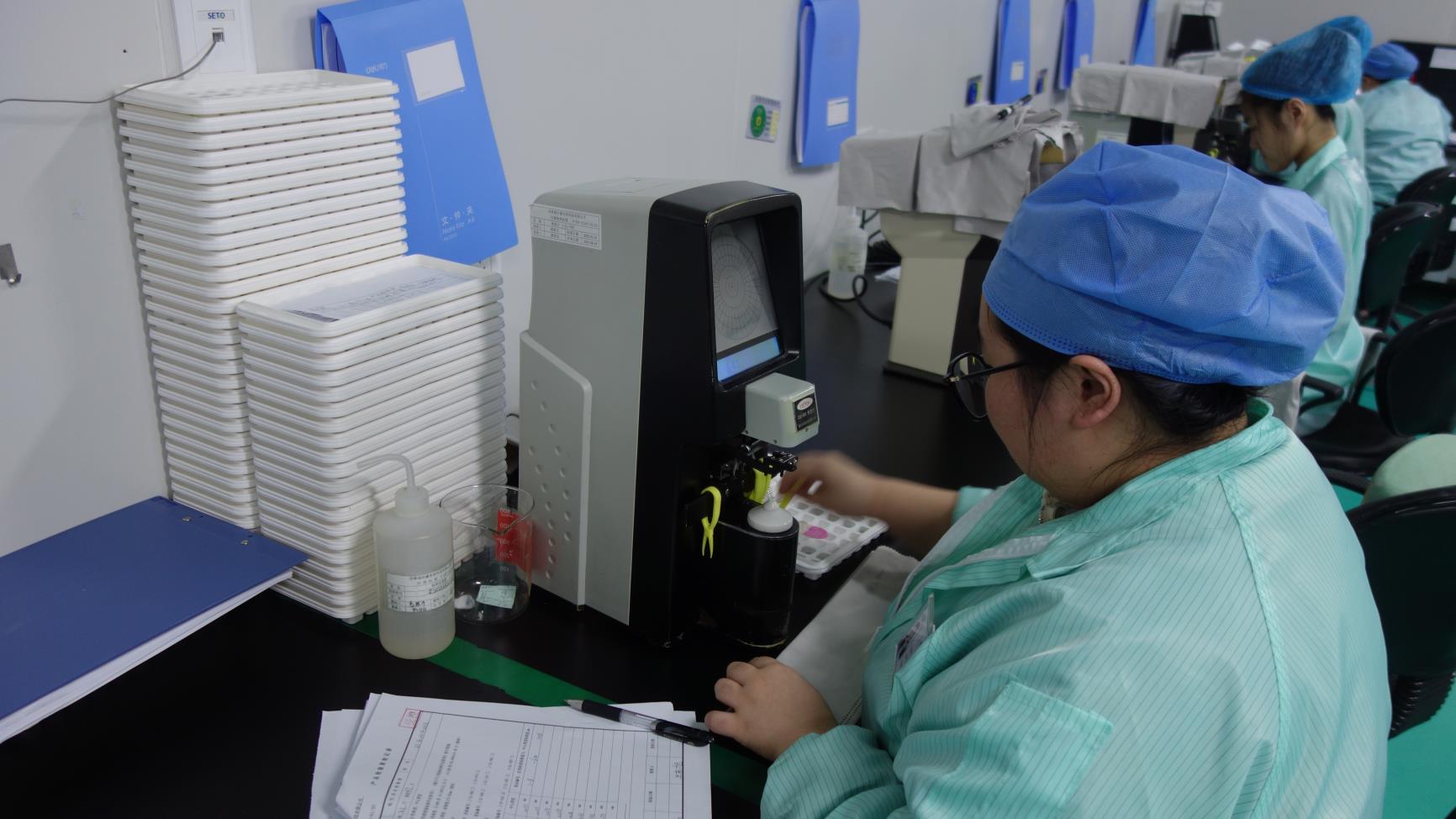
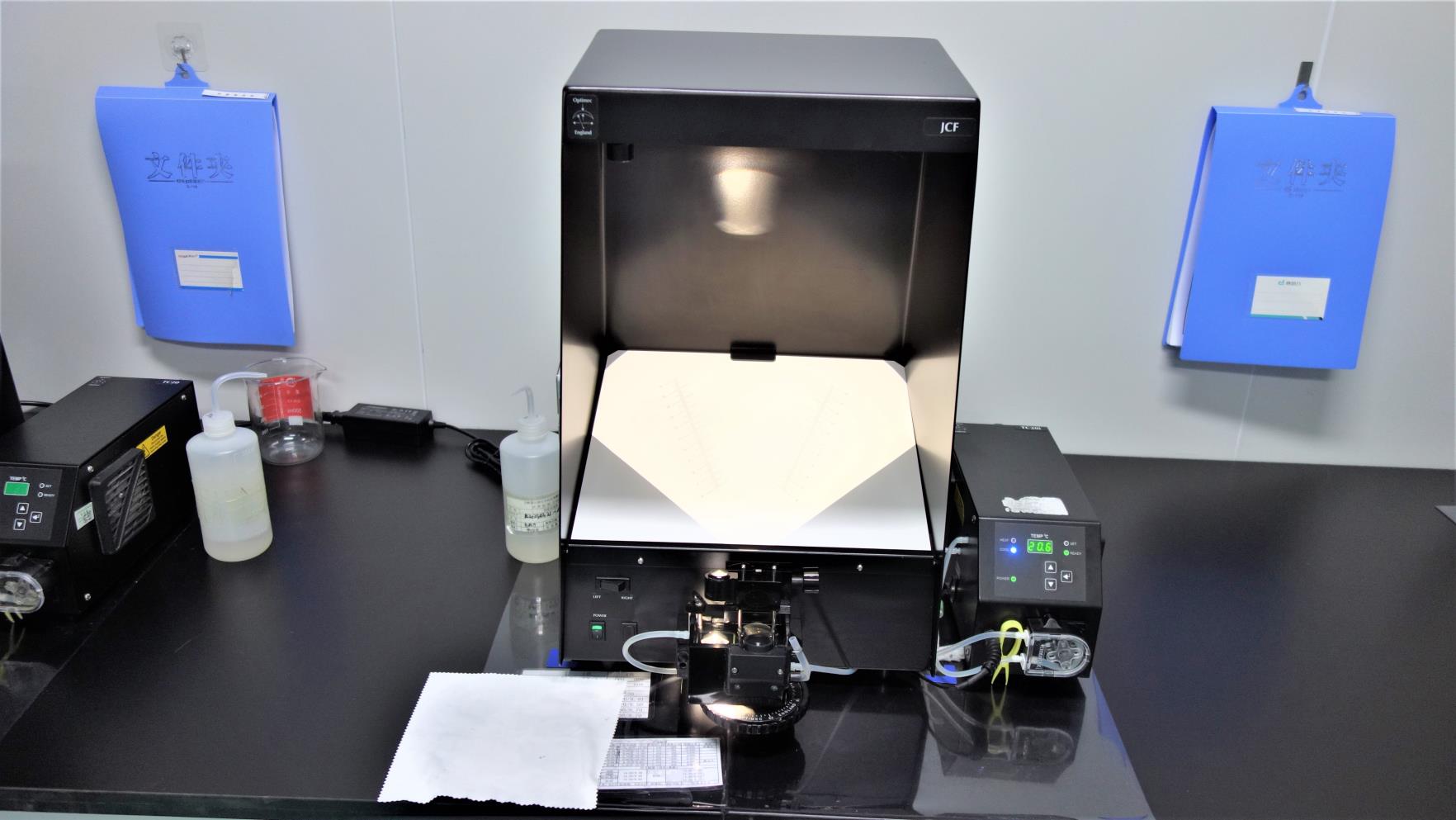
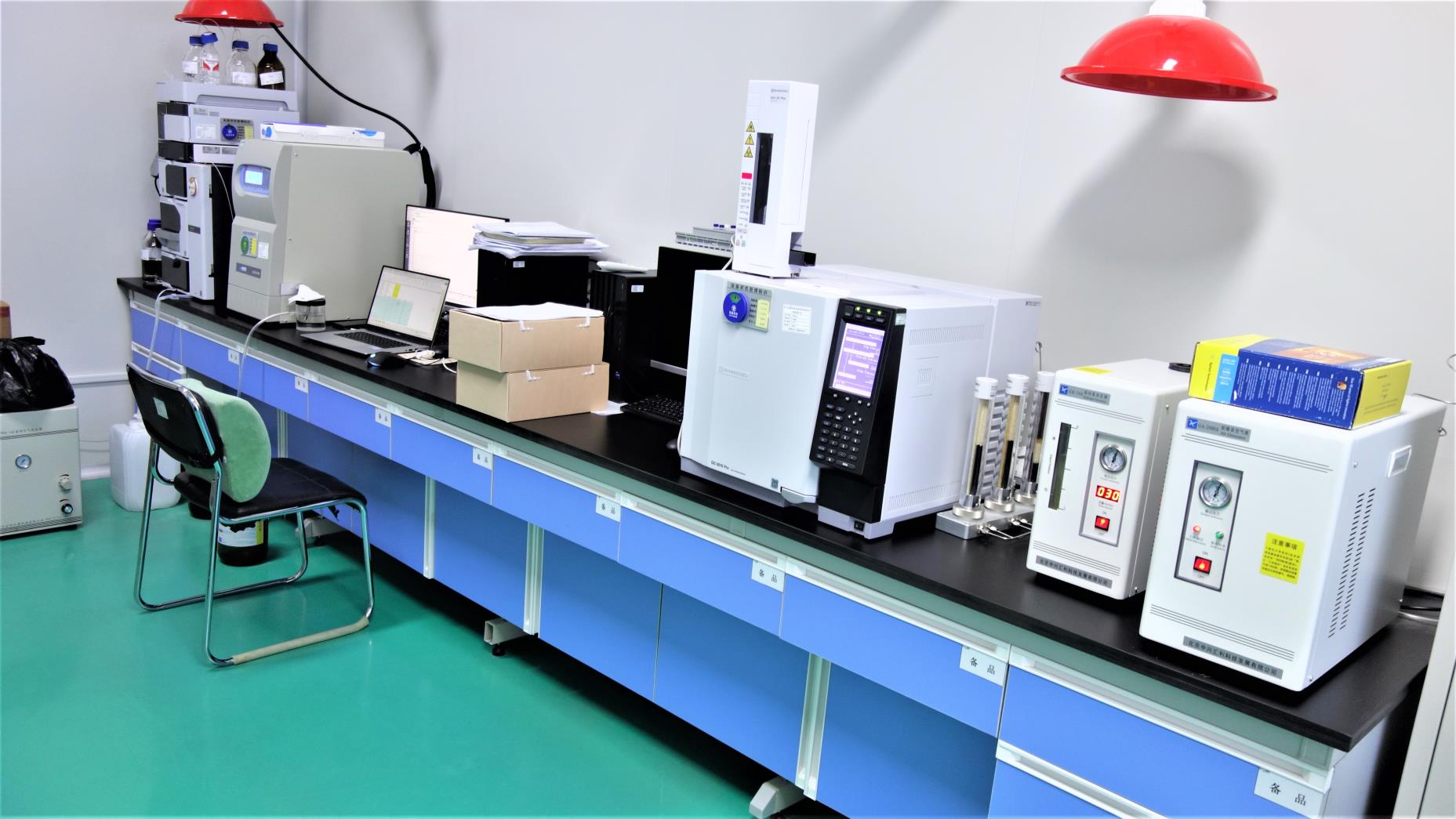
The manufacturing of high-performance contact lenses, categorized as class III medical devices in most regulatory domains, demands strict environmental control and absolute process reliability. Unlike generic eyewear frames, cosmetic and corrective contact lenses directly contact the ocular surface. This requires manufacturing facilities to meet cleanroom regulations that regulate temperature, particulate concentration, and biological load.
At Shenzhen Fresh Vision Co., Ltd., raw materials undergo a comprehensive qualification process. Our polymers (such as premium HEMA-based hydrogels and next-generation silicone hydrogels) are tracked from batch ingestion to final package sterilization. This raw material traceability guarantees that any potential performance issues can be traced back to exact chemical batches, mitigating risk for global brand operations.
The production of hydrogel contact lenses utilizes a high-speed spin casting or cast molding technique. After liquid monomers are injected into high-precision micro-molds, polymerization is induced via thermal or ultraviolet activation.
Molding & Demoulding: This automated step requires consistent temperature controls to prevent micro-fracturing along the lens edge. The demoulding machine extracts the polymerized dry lens from the mold without introducing structural micro-tears.
Hydration, Soak, and Disinfection: The dry lens is hydrophobic and rigid. The hydration phase transitions the polymer matrix into a flexible, hydro-philic lens. Using sterile saline solutions, the lenses are hydrated, swelling to their final dimensions. This phase also extracts unreacted monomers, ensuring biocompatibility and comfort.
Automated Inspection: Every lens undergoes imaging analysis. Our high-magnification optical projectors and automated inspection systems detect bubbles, edge imperfections, and surface contamination. Lenses that deviate from standard parameters are automatically rejected.
Compliance and visual performance are verified using high-precision metrological equipment:
B2B buyers require flexible manufacturing options. For established brands looking to launch new product lines, our OEM/ODM pipeline offers customizable packaging, proprietary graphic printing patterns (from natural gradients to cosplay styles), and varied packaging styles (blister packs or glass vials).
Conversely, the Ready-to-Ship (RTS) program addresses inventory risks. By keeping a buffer stock of high-demand SKU variants, we enable distributors to place smaller initial orders, verify market demand, and scale up without the delay of long production lead times.
Operating across multiple continents requires alignment with diverse regulatory frameworks. Shenzhen Fresh Vision Co., Ltd. supports regional compliance by providing complete technical documentation, sterilization validation reports, and export clearances. This streamlines processes for North American, Southeast Asian, and Middle Eastern customs.
The industry is shifting toward materials with high oxygen transmissibility ($Dk/t$). Standard hydrogel lenses rely on water content to transport oxygen to the cornea. However, silicone hydrogels provide direct oxygen permeation through the polymer matrix, allowing for extended wear times without corneal hypoxia.
Our R&D team, consisting of 5 specialists (including graduate and junior college credentials), is optimizing moisture retention coatings and exploring biocompatible smart lens designs. These future-focused lenses aim to integrate non-invasive biosensors for physiological monitoring and photochromic agents that dynamically adjust tint based on ambient light levels.
Addressing technical and logistical questions for global buyers, brand owners, and medical procurement managers.
Browse our wholesale solutions for optical retailers, e-commerce brands, and global distributors.